Recife Museums and Art: Brennand Castle, Ceramic Workshop, Street Art, and the Iron Market
The cultural institutions of Recife include the extraordinary private museum of Ricardo Brennand, the surreal ceramic workshop of Francisco Brennand, the new Cais do Sertao ethnographic museum, and one of the most active street art scenes in Brazil.
- 1
Instituto Ricardo Brennand: The Museum Castle
The Instituto Ricardo Brennand, a castle-style private museum in the Varzea neighborhood of Recife, houses one of the finest private art collections in Brazil, with paintings by Frans Post and Albert Eckhout documenting Dutch Brazil, a collection of medieval European weapons and armor, and temporary exhibitions of Brazilian art presented in a setting of lawns, lakes, and the anachronistic castle architecture of the collector's fantasy. It is the finest museum experience in Recife.
- 2
Brennand Ceramic Workshop: The Serpent Museum
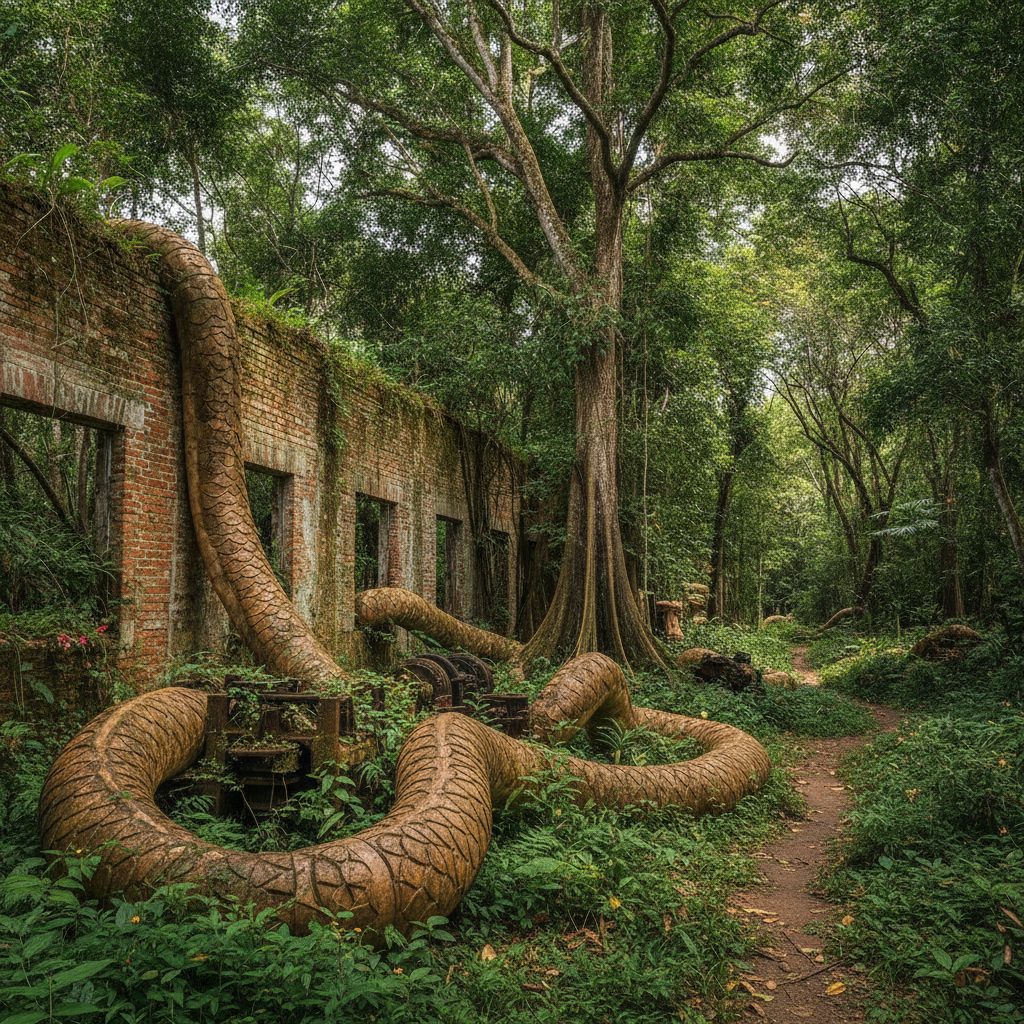
The Oficina Brennand, the ceramic sculpture workshop of Francisco Brennand in a former brick factory surrounded by the Atlantic forest in the western suburbs of Recife, contains thousands of the artist's monumental ceramic serpents, phalluses, and hybrid figure sculptures in a landscape of overgrown factory buildings that creates one of the most surreal artistic environments in Brazil. The workshop is open to visitors and the factory setting gives the ceramics an industrial scale and scale that a conventional museum could not replicate.
- 3
Recife Bom Viagem: The Urban Beach District
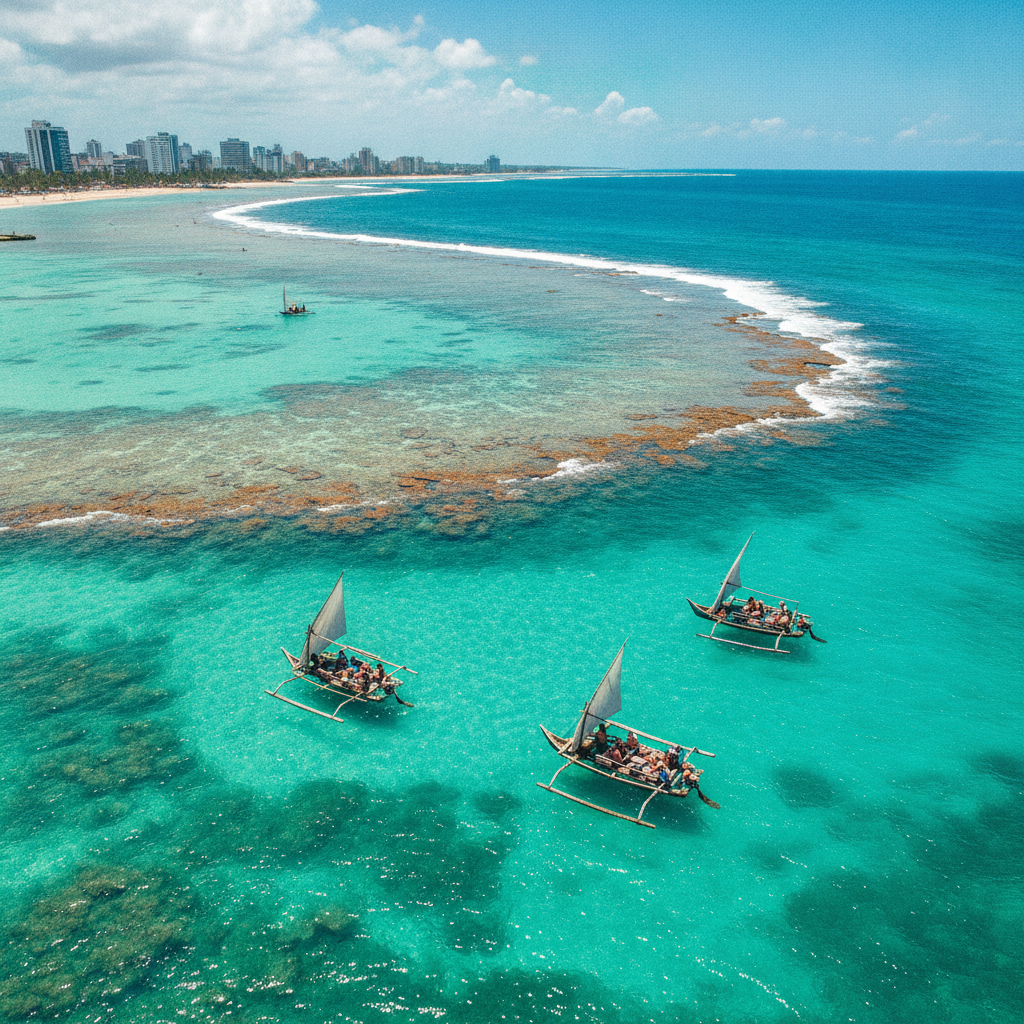
Bom Viagem, the upscale beach neighborhood of Recife stretching seven kilometers along the Atlantic south of the historic center, is the principal accommodation and restaurant district for visitors, combining a wide beach with the shark warning system and reef-protected calm water sections with the dense hotel and condo towers of the urban beach development. The reef-formed pools at Bom Viagem are accessible at low tide without the need to travel to Porto de Galinhas.
- 4
Recife Underground: The Cais do Sertao Museum
The Cais do Sertao Museo do Homem do Nordeste, designed by the architect Acacio Gil Borsoi and opened in 2014 on the Recife Antigo waterfront, is the most important ethnographic museum of the Brazilian northeast, presenting the material culture of the sertao interior in an immersive narrative environment that connects the leather-working, music, religious, and food traditions of the northeast in a coherent cultural story.
- 5
Street Art: The Walls of Recife
Recife has one of the most active street art scenes in Brazil, with large-scale murals by internationally recognized artists including Pernambuco-born artists in the Recife Antigo and adjacent neighborhoods that have transformed the formerly deteriorating historic area into one of the most visually stimulating urban environments in the northeast. The street art walking routes of Recife Antigo pass through layers of historical and contemporary visual culture.
- 6
Mercado de Sao Jose: The Iron Market
The Mercado de Sao Jose, built in 1875 from prefabricated iron sections imported from France, is one of the oldest market halls in Brazil and is the primary food and craft market of central Recife, with its floors of dried meat, fresh seafood, regional sweets, and handicrafts maintaining the functional market character that distinguishes it from the tourist-oriented craft markets of the beach neighborhoods.
Walk this route with audio
Stories play automatically as you reach each stop — no tapping needed.
More in Recife
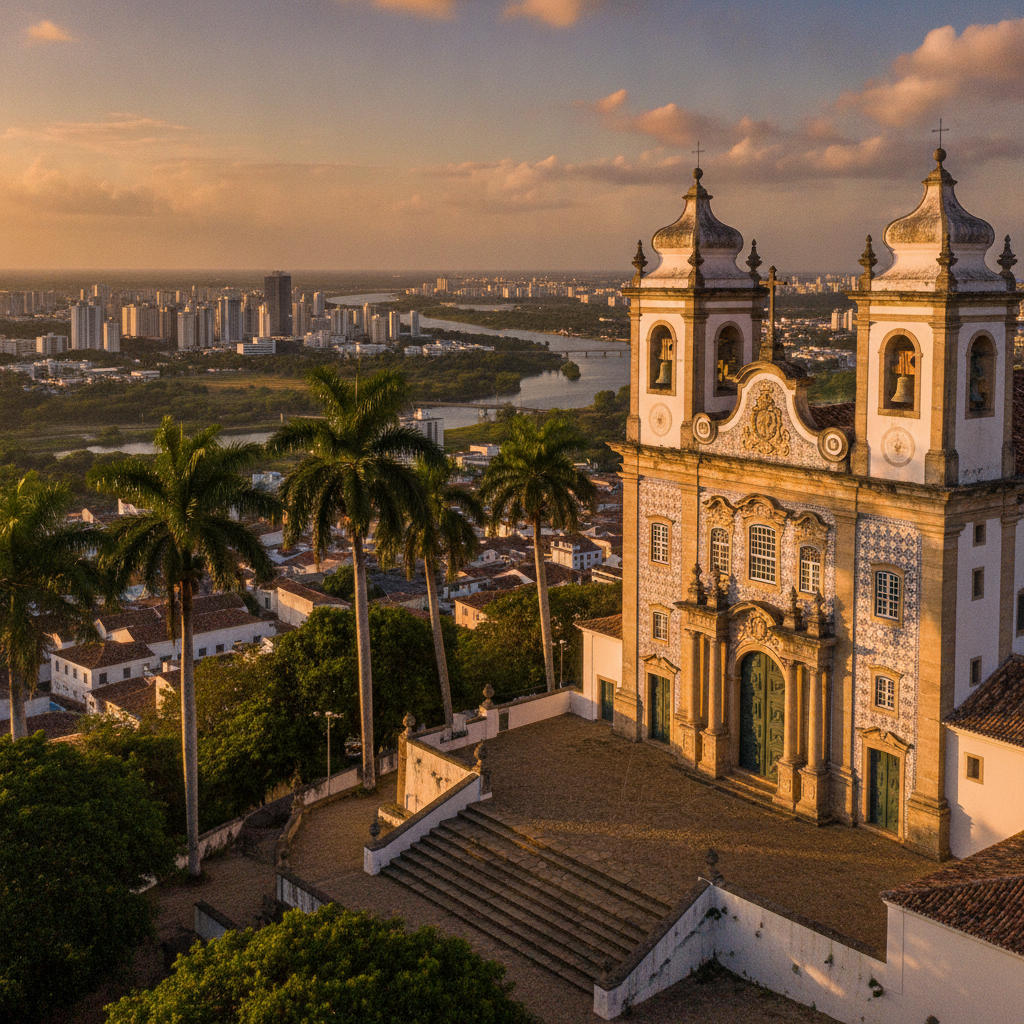
Recife Intellectual and Social History: Gilberto Freyre, Dutch Brazil, Quilombo Palmares, and the Cangaco Bandits
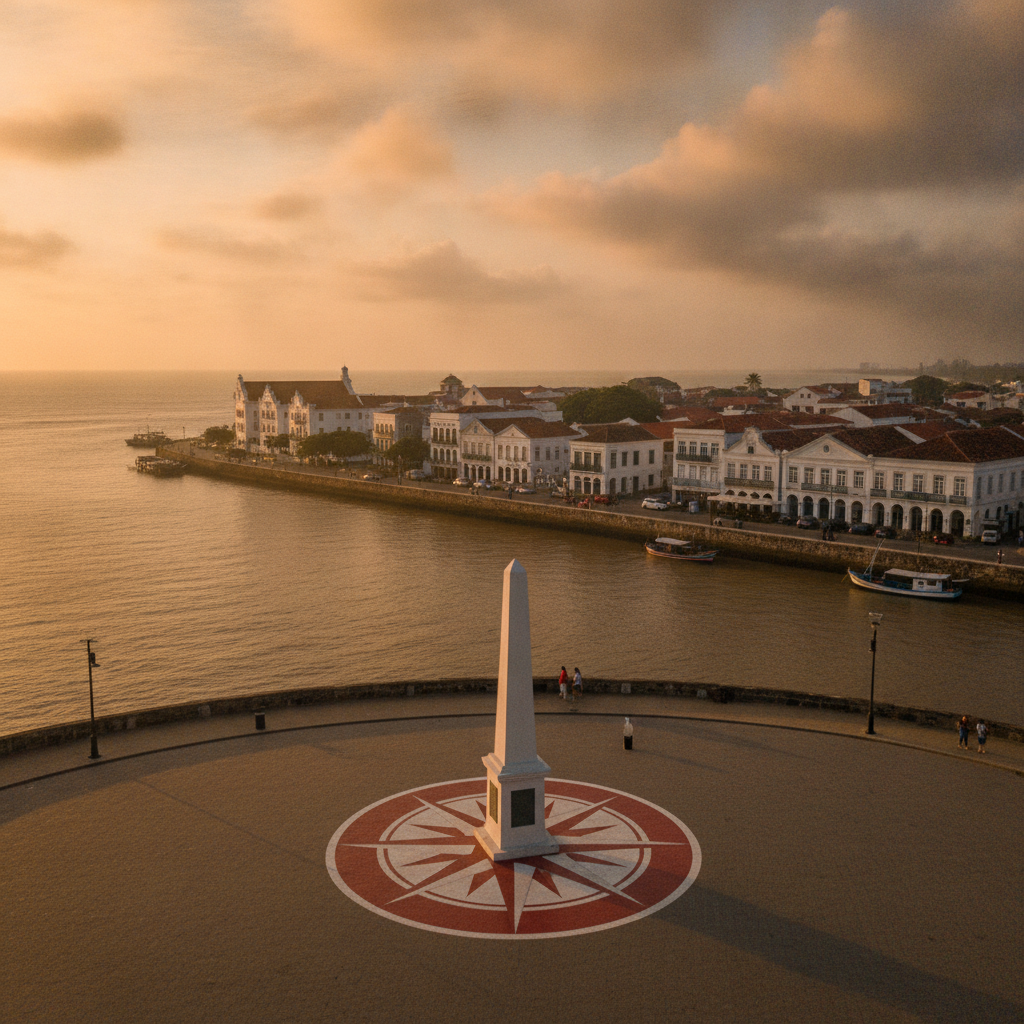
Recife Practical Guide: Airport, Carnival Planning, Olinda Access, and the Coconut Route North
Pernambuco Music and Carnival: Frevo, Maracatu, Mangue Beat, and the Street Festival Tradition
Recife Food: Tapioca, Bolo de Rolo, the Northeast Street Snacks, and Contemporary Pernambuco Cuisine
Recife and Olinda: Dutch Colonial Heritage, Frevo Carnival, and the Reefs of Porto de Galinhas