Rhodes: The Finest Medieval City in Europe, Lindos Acropolis Village, the Knights Hospitaller Legacy, Valley of the Butterflies, the Lost Colossus Wonder, and Tsambika Beach
Rhodes, the Knights Hospitaller island in the Dodecanese with the finest surviving medieval city in Europe, combines the Street of the Knights and the rampart walk with the clifftop Lindos Acropolis, the moth-carpeted Petaloudes valley, the lost Colossus Wonder story, and the 220 kilometers of east coast beaches.
- 1
Rhodes Old Town: The Medieval City
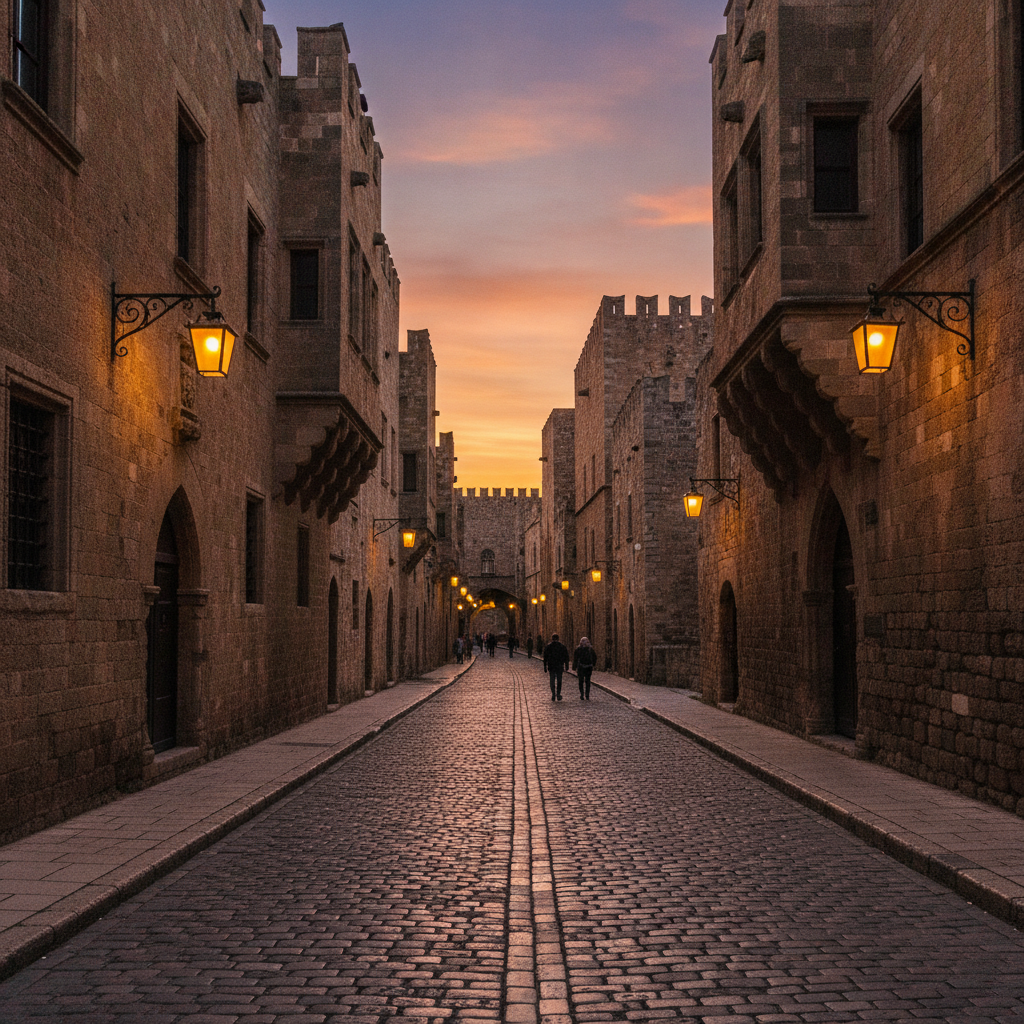
Rhodes Old Town, the UNESCO World Heritage medieval walled city built by the Knights Hospitaller between 1309 and 1522, is the finest surviving example of a complete medieval city in Europe, with the Street of the Knights, the Grand Masters Palace rebuilt by Mussolini in the 1930s, the Byzantine churches converted to mosques under Ottoman rule, and the Turkish Quarter of Socrates Street creating the most layered medieval city in the eastern Mediterranean. The 4-kilometer circuit of the medieval walls, the most complete in the world, can be walked on the ramparts with the views of the old town and the sea.
- 2
Lindos: The Acropolis and the Village
Lindos on the east coast 50 kilometers south of Rhodes town, the ancient city with the white-cube village climbing the hill below the 4th century BC Acropolis of Athena Lindia on the clifftop, is the most perfectly composed historic village landscape in the Dodecanese, with the Doric columns of the Athena temple visible against the Aegean sky from the village lanes below and the St. Paul's Bay beach accessible by stairs from the Acropolis. The donkey ride from the village entrance to the Acropolis gate is the most photographed tourist activity in the Dodecanese.
- 3
The Knights Hospitaller: The Crusader Legacy
The Order of the Knights Hospitaller, who ruled Rhodes from 1309 to 1522 as one of the most sophisticated medieval governments in the Mediterranean, built the city of Rhodes on the Hellenistic foundations using the most advanced military architecture of the 14th and 15th centuries, defeated two Ottoman sieges (1444 and 1480) before surrendering to Suleiman the Magnificent in 1522, and created the administrative and diplomatic structures of a sovereign state that has survived to the modern era as the Sovereign Military Order of Malta. The Street of the Knights with the inns of the eight langues is the finest surviving example of medieval civic planning in Europe.
- 4
The Valley of the Butterflies: Petaloudes
The Valley of the Butterflies at Petaloudes in the western Rhodes, the wooded valley where the Jersey tiger moth Euplagia quadripunctaria congregates in the millions in the breeding season from July to September attracted by the Oriental sweetgum tree resin, is one of the most unusual natural spectacles in the Aegean, with the valley walls covered in the orange and black moths that take flight in a blizzard of color when disturbed. The Petaloudes valley is the primary natural attraction in Rhodes that is not beach or antiquity.
- 5
Colossus of Rhodes: The Lost Wonder
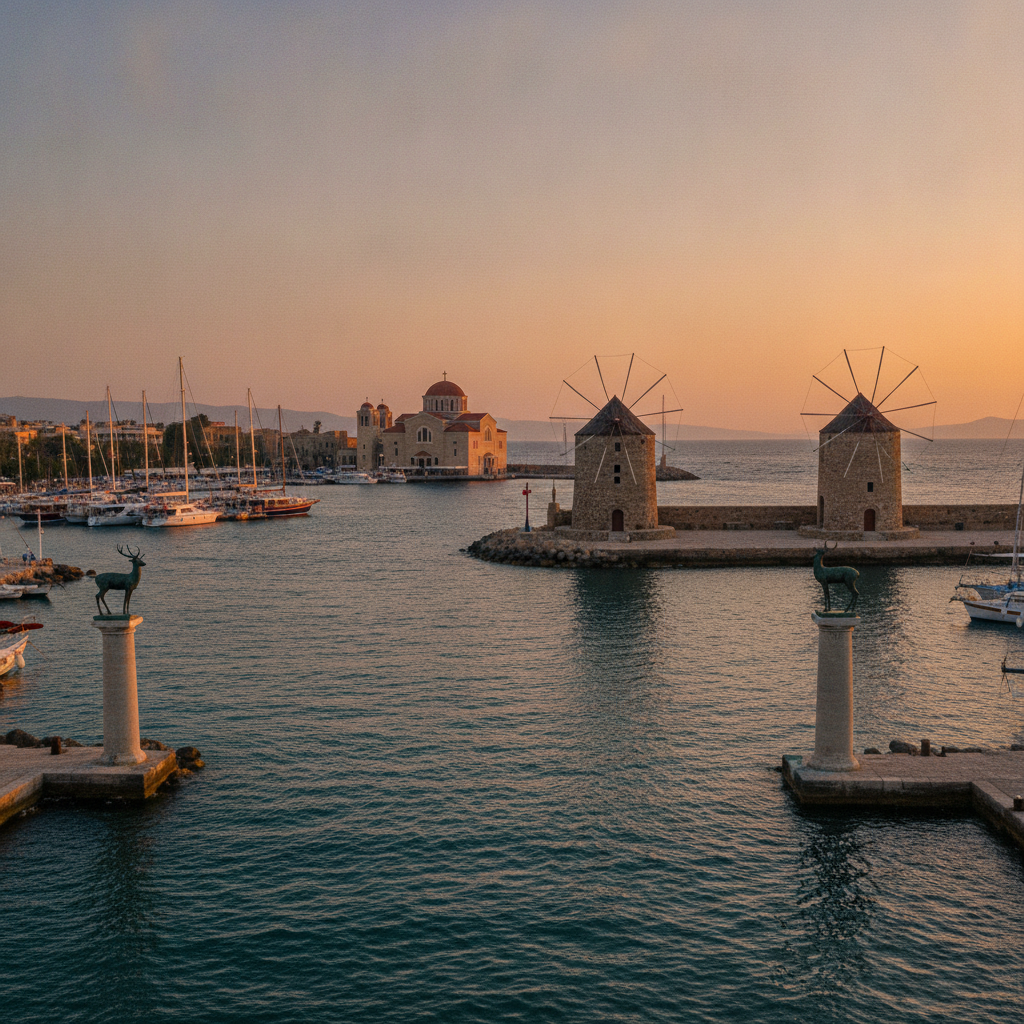
The Colossus of Rhodes, the giant bronze statue of the sun god Helios that stood over the harbor entrance of ancient Rhodes from approximately 280 BC until its destruction by the earthquake of 226 BC, was one of the Seven Wonders of the Ancient World and the most technically ambitious large-scale bronze casting in the ancient world. The actual location of the Colossus remains disputed, with the most recent archaeological opinion suggesting that it stood on the Mandraki harbor hill rather than straddling the harbor entrance as the medieval legend claimed.
- 6
Rhodes Beaches: Tsambika and the East Coast
Rhodes has 220 kilometers of coastline with beaches ranging from the organized resort beaches of the east coast resort strip at Faliraki and Kolymbia to the secluded west coast pebble beaches. Tsambika beach below the Tsambika Monastery on the east coast, the finest single natural beach in Rhodes for the long arc of fine sand in the sheltered bay, and the Anthony Quinn Bay at Ladiko, named for the film location of The Guns of Navarone, are the most celebrated individual beach destinations in the island.
Walk this route with audio
Stories play automatically as you reach each stop — no tapping needed.
More in Rhodes
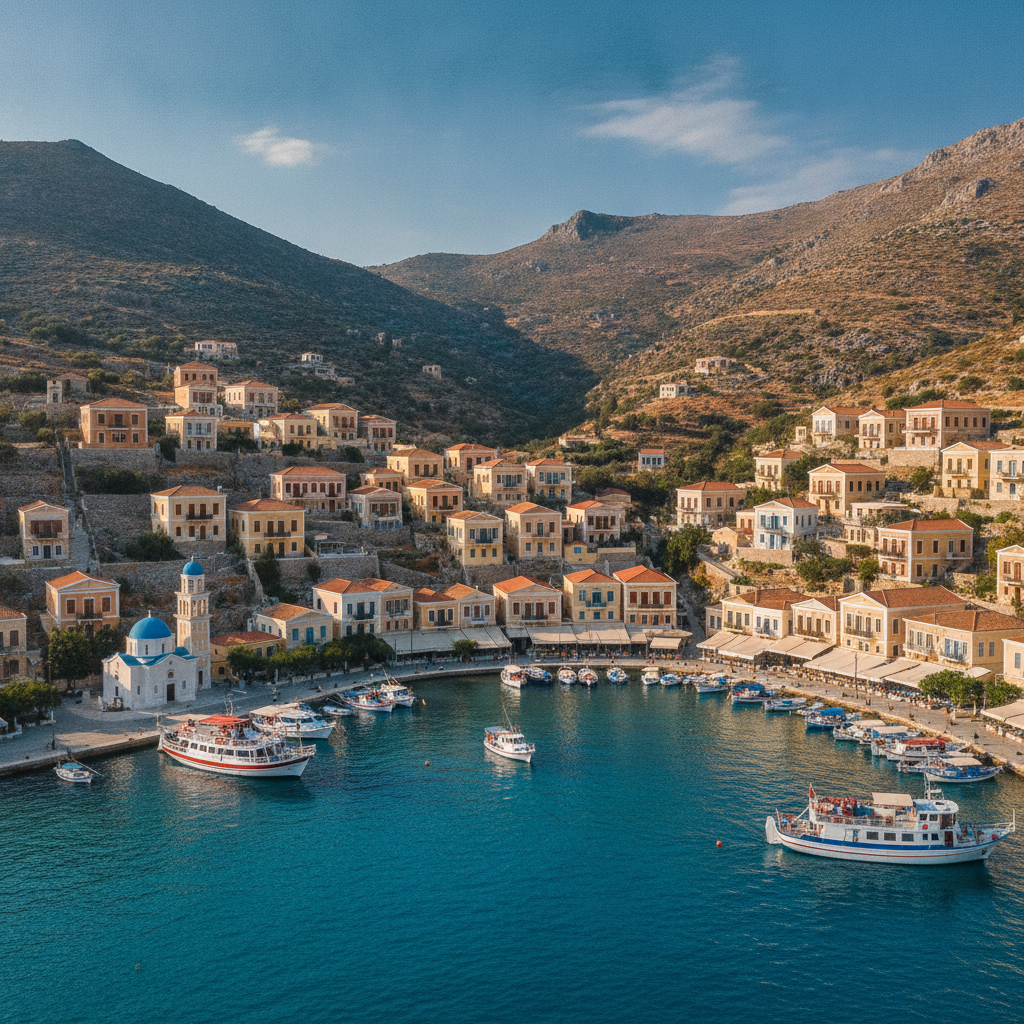
Rhodes Final Circuit: Symi Island Day Trip, Charaki Fishing Village, Archangelos Largest Village, Saint Fanourios Monastery, Koskinou Traditional Houses, and Rhodes Farewell
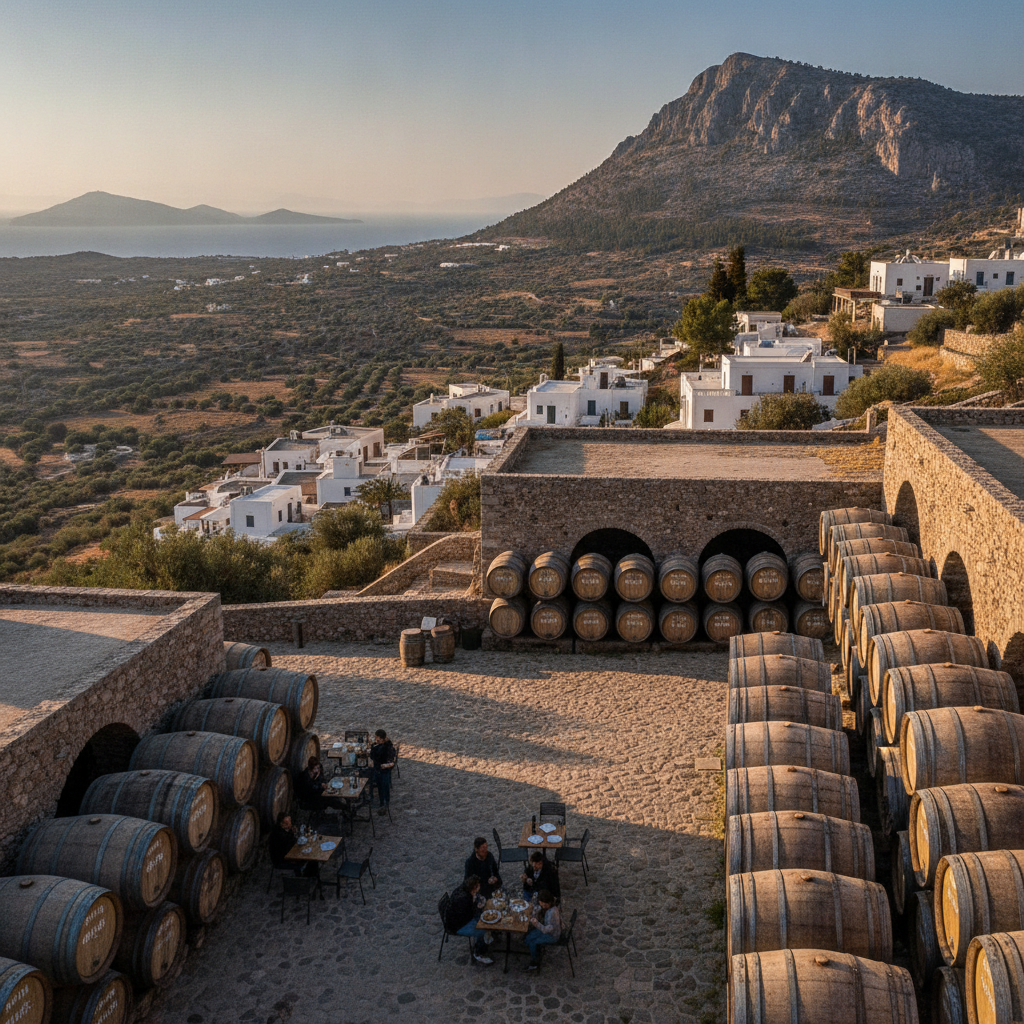
Rhodes Outdoors and Departure: Seven Springs Forest, Embonas Wine Village, Ixia Windsurfing Beach, Elli Urban Beach, and the Final Day Circuit
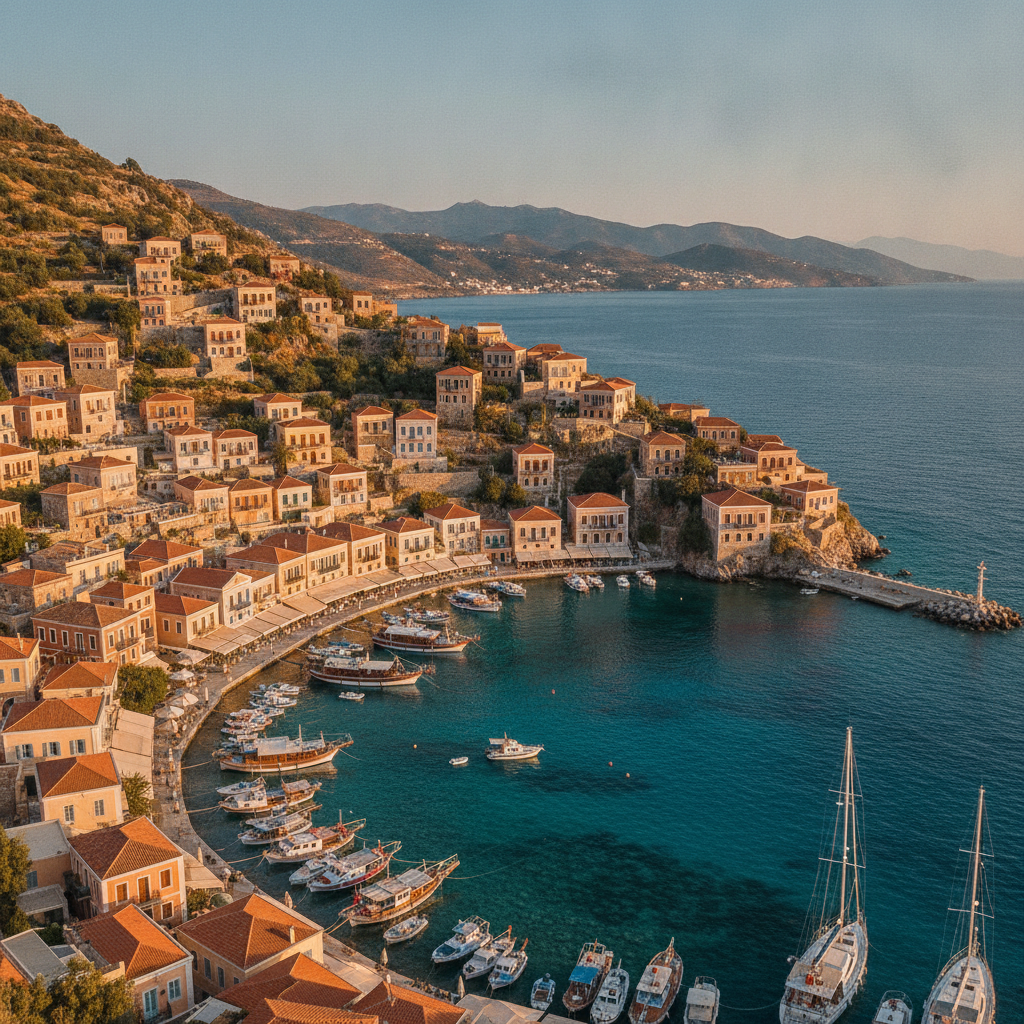
Rhodes Beaches and Food: Faliraki East Coast, Ialyssos Filerimos Monastery, Harbour Seafood Tavernas, Symi Colourful Day Trip, Lindos St. Paul's Bay, and the Turkish Quarter Bazaar
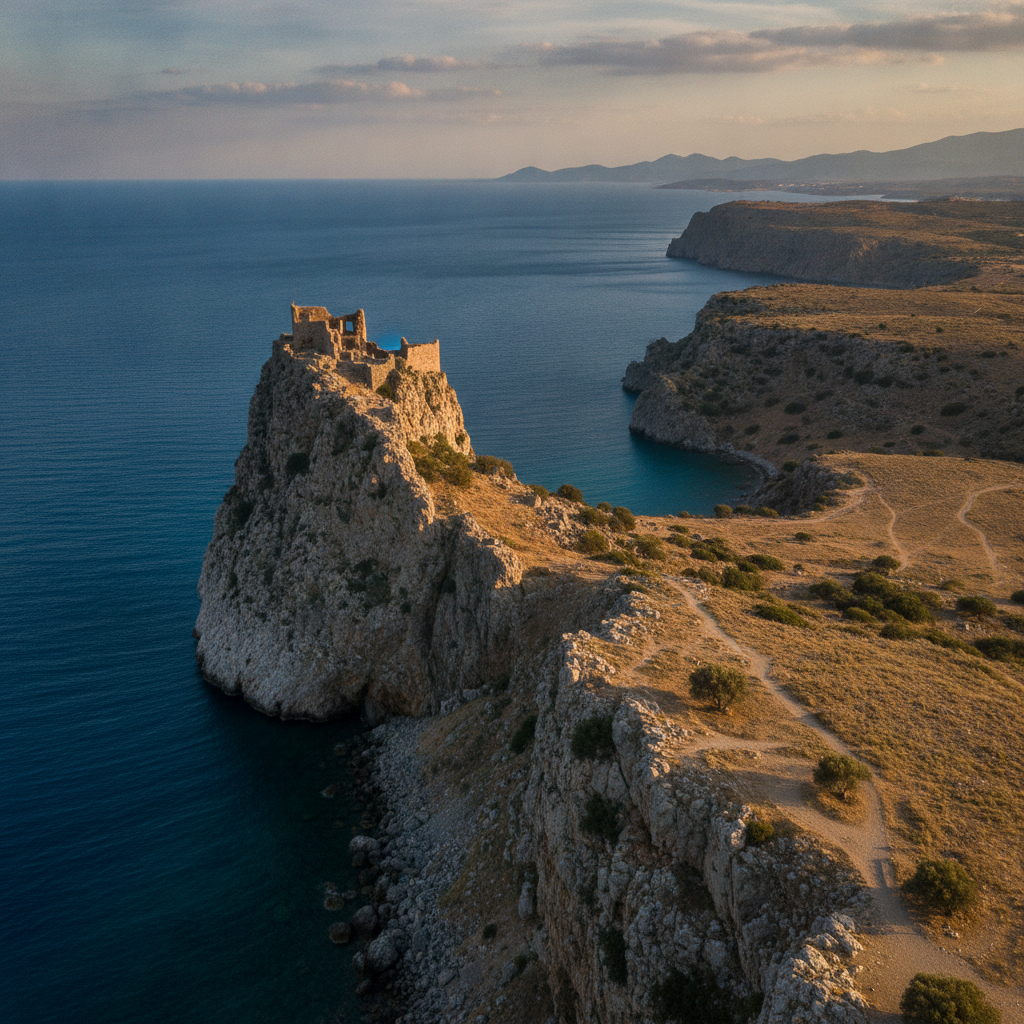
Rhodes Heritage and Season: Hospital of the Knights Museum, Italian New Town Architecture, Profitis Ilias Forest Hiking, the Dramatic West Coast Monolithos, May as the Rose Island Season, and the Complete Dodecanese Summary
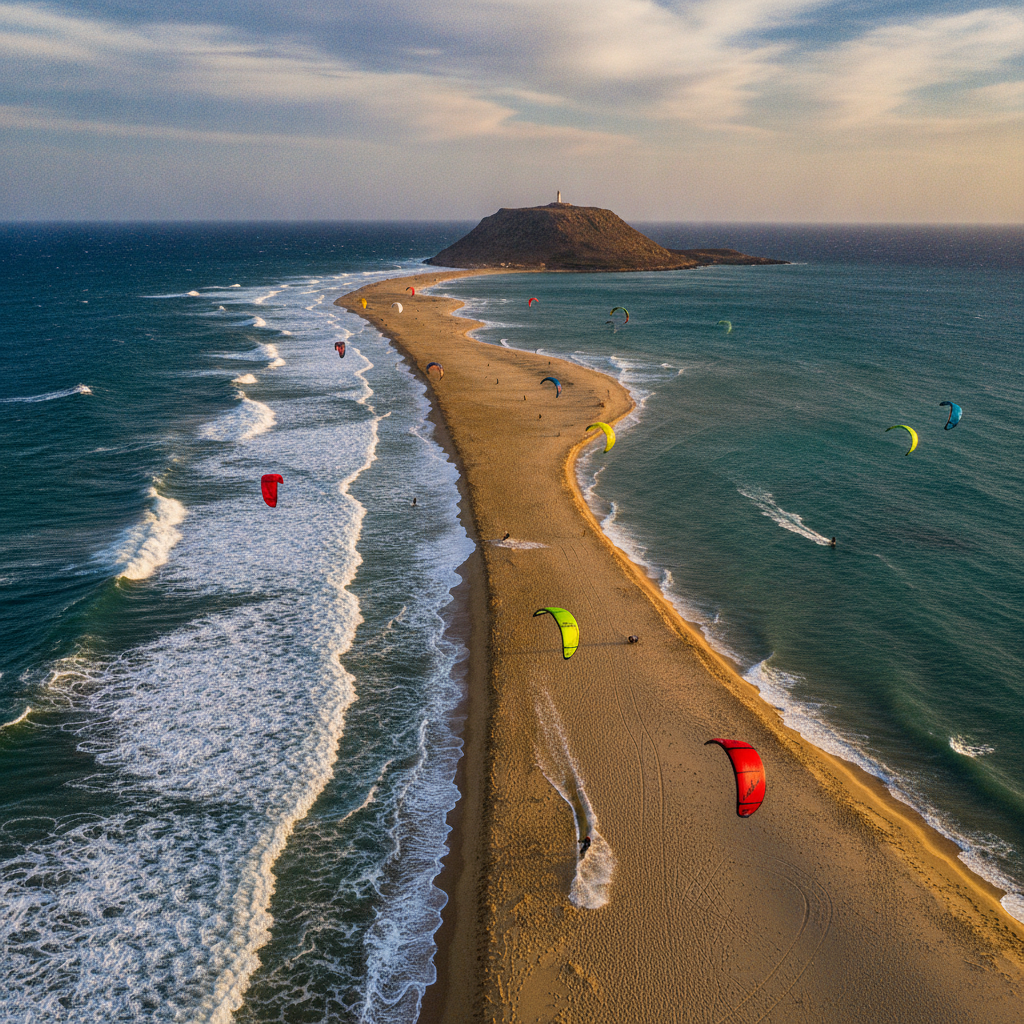
Rhodes Character and Practical: Mandraki Deer Harbour, Prasonisi Kitesurfing Cape, Rhodian CAIR Wine, Kameiros Ancient Third City, October Off-Season, and the Diagoras Airport Transport