Salt Lake City: Speed Records, National Parks Gateway and a Growing Food Scene
Race across the Bonneville Salt Flats in imagination, learn how the U of U built the artificial heart, plan Mighty Five national park day trips, explore the Sugar House independent neighborhood, visit Wheeler Historic Farm living history, and taste the craft beers and food that are redefining Salt Lake City dining.
- 1
Bonneville Salt Flats and Land Speed Records
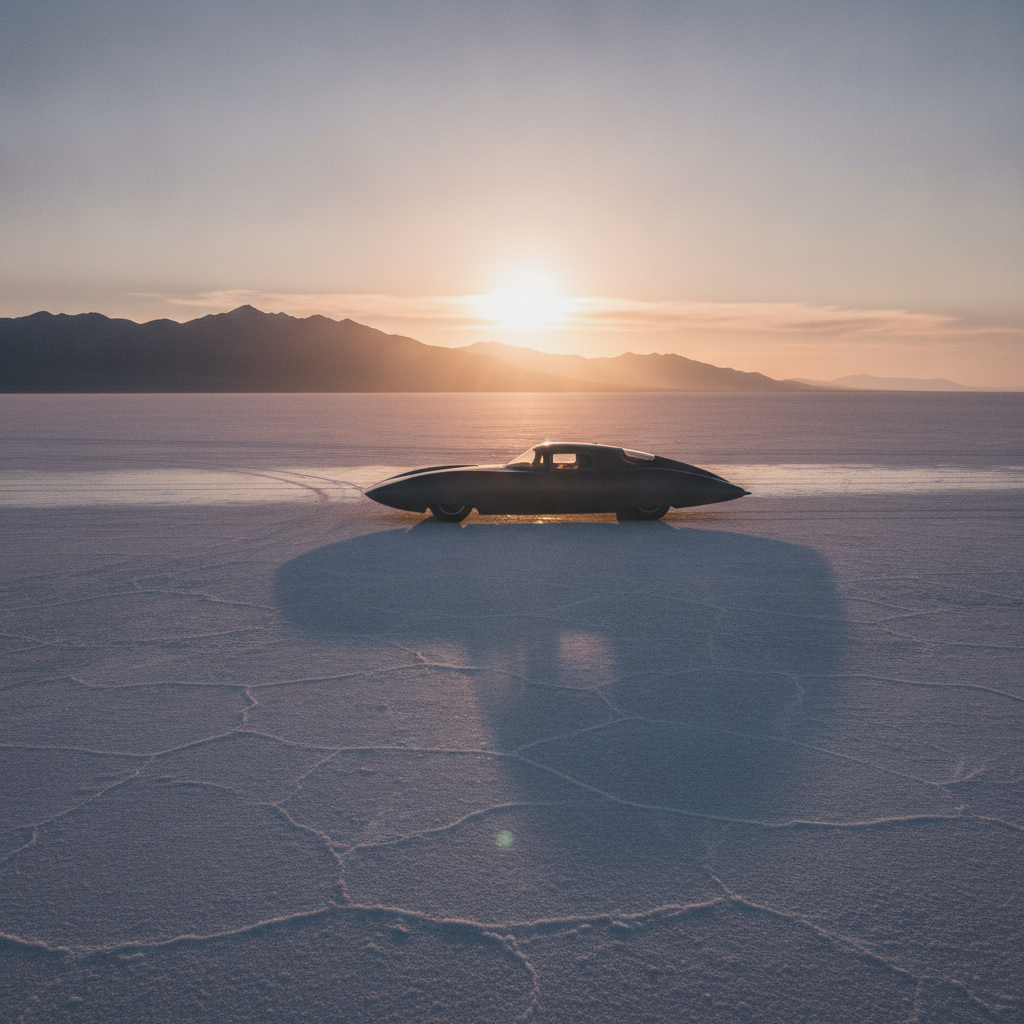
The Bonneville Salt Flats, 110 miles west of Salt Lake City on Interstate 80, are a 30,000-acre remnant of ancient Lake Bonneville that dried up roughly 14,000 years ago leaving a crust of halite salt up to 5 feet thick. The surface is so flat that the curvature of the Earth is visible from ground level. Speed Week, organized by the Southern California Timing Association since 1949, takes place each August and draws over 600 vehicles attempting land speed records. Ab Jenkins set the first measured land speed record here in 1925. The absolute land speed record of 763.035 mph was set by Andy Green in the ThrustSSC jet car at the Black Rock Desert in Nevada in 1997, but Bonneville remains the symbolic home of land speed racing. The Great Salt Lake feeds the flats with winter flooding that maintains the surface.
- 2
University of Utah Research and Medical Center
The University of Utah, founded in 1850 as the University of Deseret, is the oldest state university west of the Missouri River. The campus sits on a 1,535-acre hillside benchland at the foot of the Wasatch Mountains. The university medical school and University of Utah Health system employ over 24,000 people and have produced landmark research including the artificial heart implanted by William DeVries in 1982 in patient Barney Clark, who survived 112 days. The Huntsman Cancer Institute on campus, founded by philanthropist Jon Huntsman Sr. with a 100 million dollar gift in 1995, is among the leading cancer research and treatment centers in the United States. The University Research Park adjacent to campus houses over 100 technology companies that have spun out of university research programs.
- 3
Zion and Bryce Canyon Day Trips
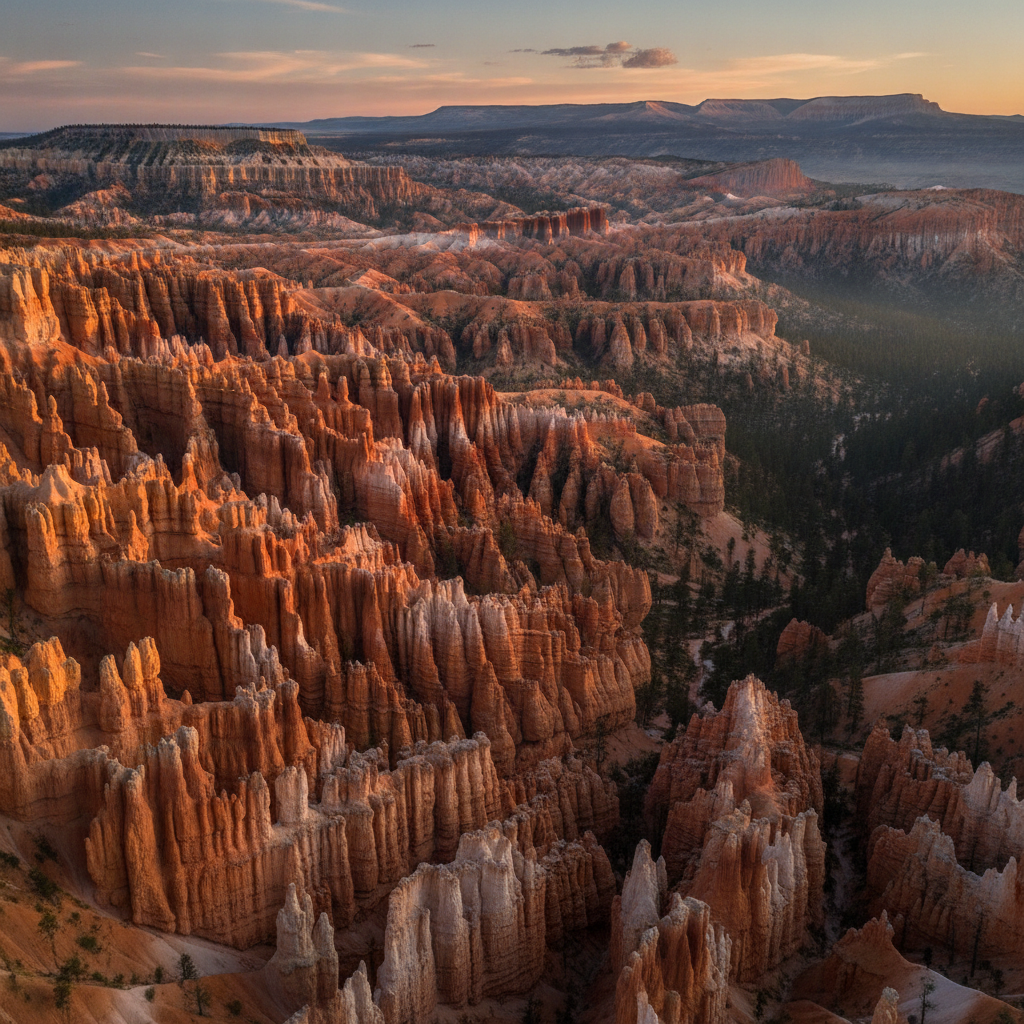
While not within Salt Lake City, Zion National Park and Bryce Canyon National Park are the two most visited destinations easily reached from the city. Zion, 310 miles south, received 4.7 million visitors in 2021 and is most famous for Angels Landing, a 1,488-foot sandstone monolith with chains installed in 1926 to assist hikers on the exposed final section. Bryce Canyon, 270 miles south, contains thousands of hoodoos, irregular sandstone pillars formed by frost wedging and stream erosion, in a natural amphitheater at 8,000 to 9,000 feet elevation. A 2021 timed entry permit system at both parks attempts to manage crowding. Many Salt Lake City visitors use the city as a base for day and overnight trips to these and four other Utah national parks collectively known as the Mighty Five.
- 4
Sugar House Neighborhood and Pioneer Milling
Sugar House, a historic Salt Lake City neighborhood southeast of downtown, takes its name from an 1853 Brigham Young attempt to manufacture beet sugar that failed when the machinery proved inadequate for the task. The factory was demolished in 1928 but the name persisted. Sugar House is now known for its independent shops, restaurants, and the 11-acre Sugar House Park built on the site of the Utah State Prison that operated there from 1951 to 1951. The Sugar House Business District concentrated its independent bookstores and music venues and has successfully resisted chain-store homogenization through active neighborhood association advocacy. The S-Line streetcar, opened in 2013, connects Sugar House to the TRAX light rail system at 900 South, supporting transit-oriented development in the corridor.
- 5
Wheeler Historic Farm and Agricultural Heritage
Wheeler Historic Farm, operated by Salt Lake County since 1977 on 75 acres in the Murray area, preserves a working Victorian farm established by Henry J. Wheeler in 1886. The farm raises heritage breed livestock including draft horses, dairy cows, sheep, and chickens, and operates a living history program demonstrating 19th century agricultural practices. The Wheeler family farmed the property for three generations until the county acquired it. The farm offers evening hayrides, seasonal agricultural events, and educational programs reaching over 80,000 visitors annually. The property represents the farming economy that sustained Salt Lake Valley before urbanization and helps children in a now-suburban region understand the agricultural roots of Utah settlement.
- 6
Salt Lake City Culinary Scene and Local Brews
Salt Lake City culinary landscape has transformed substantially since liquor law reforms in 2009 and 2019 that made dining with alcohol far more practical for restaurants. The city now supports a craft brewery scene with over 30 operations despite a state beer alcohol cap that was raised from 3.2 percent to 5 percent in 2019. Epic Brewing, founded in 2010 and one of the first Utah craft breweries to open a dedicated brewpub, became nationally recognized for its barrel-aged stouts. The 9th and 9th neighborhood concentration of independent restaurants, SLC Eats food tours, and the Downtown Farmers Market operating in Pioneer Park from June through October represent a food culture that has moved well beyond the pioneer-era reputation for plain cooking. The city proximity to agricultural production in Cache Valley and Utah County provides fresh dairy and produce.
Walk this route with audio
Stories play automatically as you reach each stop — no tapping needed.
More in Salt Lake City
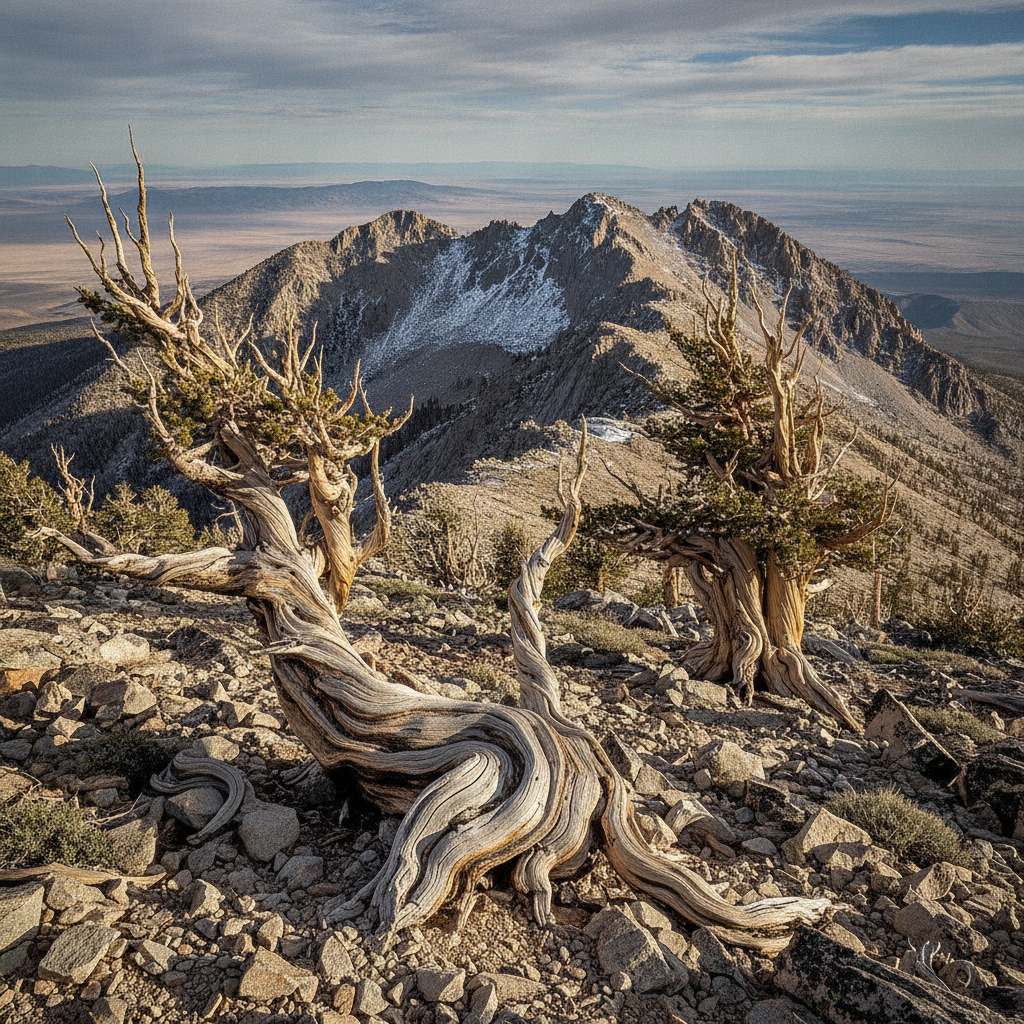
Salt Lake City R5: Polygamy FLDS (Warren Jeffs born 1955 died 2022 FBI Most Wanted convicted sexual assault, Yearning for Zion Ranch April 2008 462 children largest US child welfare operation, Colorado City Hildale FLDS headquarters now depopulated), Utah wildlife (Uinta Mountains only E-W major range continental US Kings Peak 4123m, elk 80-90,000 bulls 500kg antlers 1.7m, Ashley National Forest Flaming Gorge 150km reservoir 1964 dam, Colorado drains 40% Utah), University of Utah (1850 University of Deseret 34,000 students, Philo Farnsworth born 1906 Beaver Utah electronic television 1927 first image straight line, Huntsman Cancer Institute 1995 USD 500M Jon Huntsman USD 300M/year research, Mario Capecchi Nobel 2007 gene targeting knockout mice), LGBTQ (Capitol Hill most diverse, Utah Pride June 50,000 largest between SF and Chicago, LDS Proposition 8 USD 22M 2008, November 2015 Exclusion Policy reversed April 2019, SLC 75-80% Democratic, Encircle LGBTQ support Larsen 2017), Great Basin National Park (285km west, Wheeler Peak 3982m, Lehman Caves shields helictites, bristlecone pine oldest organisms Prometheus cut 1964 4862 years old most significant inadvertent destruction, Ely Nevada Northern Railway Museum best preserved steam), Rock art (Newspaper Rock 4 cultures 4000BCE to 19thC, Nine Mile Canyon 10,000 petroglyphs 60km highest density American West, Edge of Cedars Museum finest Ancestral Puebloan pottery, Hovenweep 1200-1300 CE towers most mysterious prehistoric achievement).
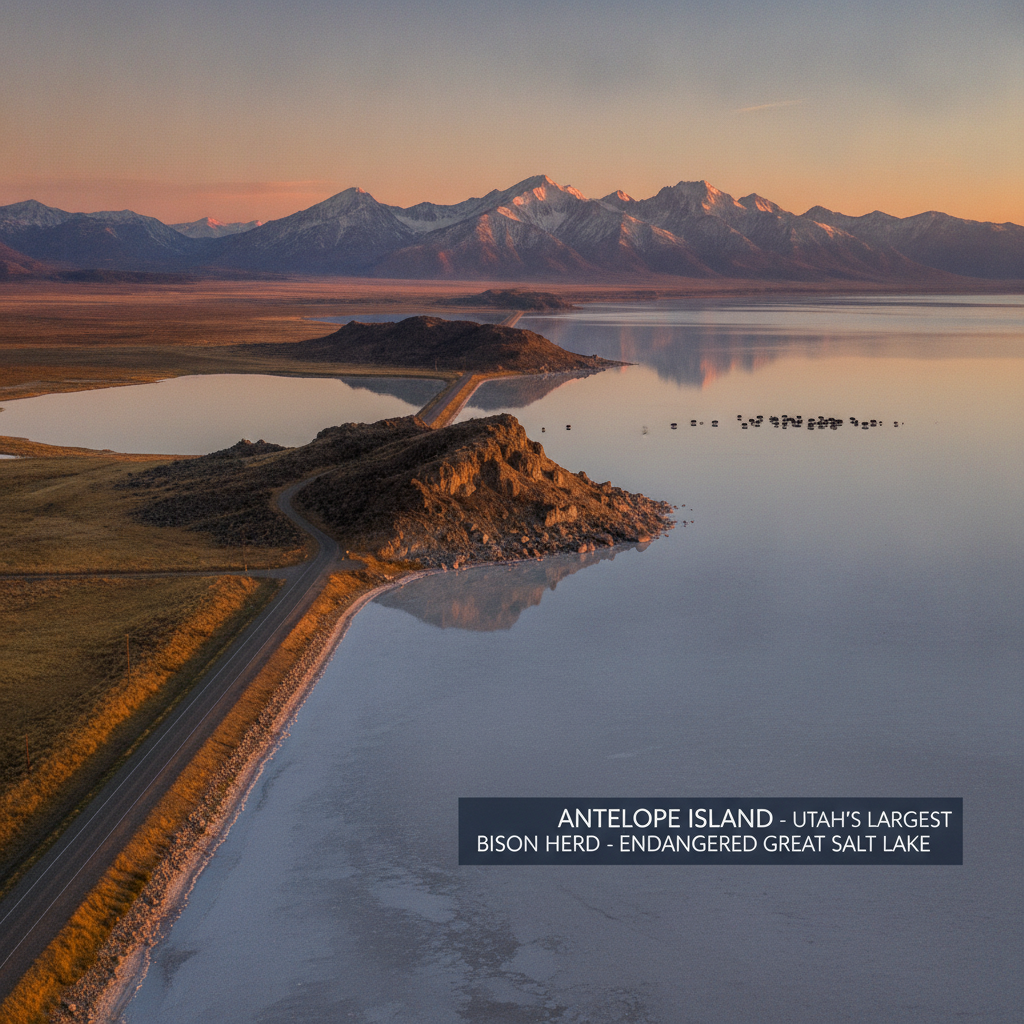
Salt Lake City R4: Bonneville Salt Flats (46,000ha flattest large surface earth, Speed Week SCTA September, salt flats shrinking 40% since 1950 potash mining Intrepid, Wendover Nevada casinos dry Utah), Antelope Island (39km 700 bison 1893 first conservation attempt, pronghorn 95km/h fastest Western Hemisphere, brine fly billions per hectare Great Basin Shoshone food, 1.5M Wilsons phalaropes 85% world population August-September), Ski resorts (Alta 1939 ski-only no snowboards since 1994 1400cm/year 500 inches most challenging expert terrain, Snowbird aerial tram 10min Hidden Peak 11000ft 125 passengers, Park City Mountain largest US 7300 acres 2015 merger, Deer Valley most upscale valet ski parking top ranked US), Moab (5000 residents 3M visitors/year, Slickrock Bike Trail 1980s 35 degree slopes friction sandstone, Dead Horse Point 16km descent, Canyons MAZE most remote continental US 3-5 days 4WD), Architecture (Utah State Capitol 1916 copper dome 97m Richard Kletting, Cathedral Madeleine 1909 Gothic Revival finest High Victorian Gothic west Mississippi, Vivint Arena USD 28.5M naming rights 10 years, 2002 figure skating venue), Hiking (Cottonwood Canyons 20-40min to trailheads, Timpanogos 3582m 40,000 hikers/year, Timpanogos Cave 244m elevation gain stalactites helictites, Red Butte Garden summer concerts).
Salt Lake City: Dinosaur Science, Sundance Cinema and a Lake in Crisis
Salt Lake City R2-R6: Utah parks (Zion 4.5M visitors/year Narrows wade upstream 300m walls Angels Landing permits since 2022, Bryce Canyon hoodoos 2400-2800m, Arches 2000 arches Delicate Arch 16m on license plate, Canyonlands 1366 km2 White Rim Road 160km 4WD, Dead Horse Point Thelma Louise 1991, Moab uranium tailings 16M tons Colorado River), Pioneer history (400 settlements 1847-1877 Great Basin, Utah War 1857-1858 Buchanan army 2500 soldiers, Mountain Meadows Massacre September 11 1857 120 killed most damning LDS event, polygamy Manifesto 1890 Edmunds-Tucker 1887, FLDS 30,000-50,000 continue), Great Salt Lake crisis (shrimp harvest 50M kg/year USD 50M most earthly commercial brine shrimp, dust threat arsenic mercury exposed lakebed, overallocation water rights 80% agriculture, canal Pacific proposal USD 50B), neighborhoods (Avenues Victorian Craftsman 1880s-1930s, Beehive House 1854 Lion House Young wives, Tabernacle 1867 pin drop 7000 seats, Sugar House penitentiary site 112 acres, Gilgal Sculpture Garden sphinx Joseph Smith face), food (Word of Wisdom no coffee tea alcohol tobacco, state liquor stores grocery 5% beer, Granary District craft beer Uinta 1993 150,000 barrels Squatters 1989 first brewpub, Utah Pride June 50,000 LGBTQ Capitol Hill).
Salt Lake City: Great Salt Lake, Temple Square, Transcontinental Railroad, skiing, culture, and practical guide