Salt Lake City: Great Salt Lake, Temple Square, Transcontinental Railroad, skiing, culture, and practical guide
Salt Lake City overview: Great Salt Lake shrunk to 25% historical area (6000 km2 to 1500 km2) threatening 10M migratory shorebirds, Bonneville Salt Flats ancient Lake Bonneville 52,000 km2; Temple Square 4 hectares LDS Church HQ 17M members, Salt Lake Temple 1893 6 spires 40 years construction granite Little Cottonwood Canyon Truman Angell, Brigham Young July 24 1847 This is the right place; Promontory Summit Golden Spike May 10 1869 first transcontinental railroad Stanford Durant telegraph THIS IS DONE, first western US irrigation 1847; Wasatch skiing (500cm/year Greatest Snow on Earth, Alta 1939 no snowboards, Snowbird 1971 aerial tram 914m, Brighton 1936 oldest, 2002 Winter Olympics 2034 awarded), Sundance Film Festival January Park City 120,000 attendees 180 films 14,000 submissions; Natural History Museum Utah 2011 dinosaur capital Utahraptor found near Moab 1991 Cleveland-Lloyd densest Jurassic bones; SLC airport 8km TRAX 30min, Arches Bryce Zion 4-5hrs south.
- 1
Salt Lake City - The Great Basin, Mormonism, and the Crossroads of the West
Salt Lake City sits at an elevation of 1,288 meters in the Great Basin, at the foot of the Wasatch Range (the western front of the Rocky Mountains, rising 1,500-2,000 meters above the valley floor to peaks of 3,360-3,636 meters), and is the capital and largest city of Utah (population approximately 220,000 city, 1.25 million metro). The Great Salt Lake (35 km northwest of downtown, the terminal lake with no outlet draining into the ocean): the largest saltwater lake in the Western Hemisphere and the fourth-largest terminal lake in the world, currently in crisis — the lake has shrunk to approximately 25% of its historical surface area (from a high of 6,000 km2 to a current 1,500 km2) due to diversions of its tributary rivers (the Jordan, Weber, and Bear Rivers) for agriculture and municipal use, with scientists warning that the lake could effectively disappear within 5 years without dramatic action. The lake's salinity (which fluctuates between 5% and 27%, compared to 3.5% for ocean water) makes it inhospitable to fish but supports massive populations of brine shrimp (Artemia franciscana) and brine flies that in turn support approximately 10 million migratory shorebirds annually. The Bonneville Salt Flats (at 160 km west of Salt Lake City, on Interstate 80): the ultra-flat salt pan (a remnant of the ancient Lake Bonneville, which covered approximately 52,000 km2 of the Great Basin at its maximum extent approximately 14,500 years ago) that has been the site of land speed records since 1914, including the current wheel-driven land speed record of 1,228 km/h set by Thrust SSC in 1997 (correction: Thrust SSC broke the sound barrier in Black Rock Desert, Nevada — the Bonneville record is held by the Buckeye Bullet 3 at 768 km/h as of 2010).
- 2
Temple Square and the Church of Jesus Christ of Latter-day Saints
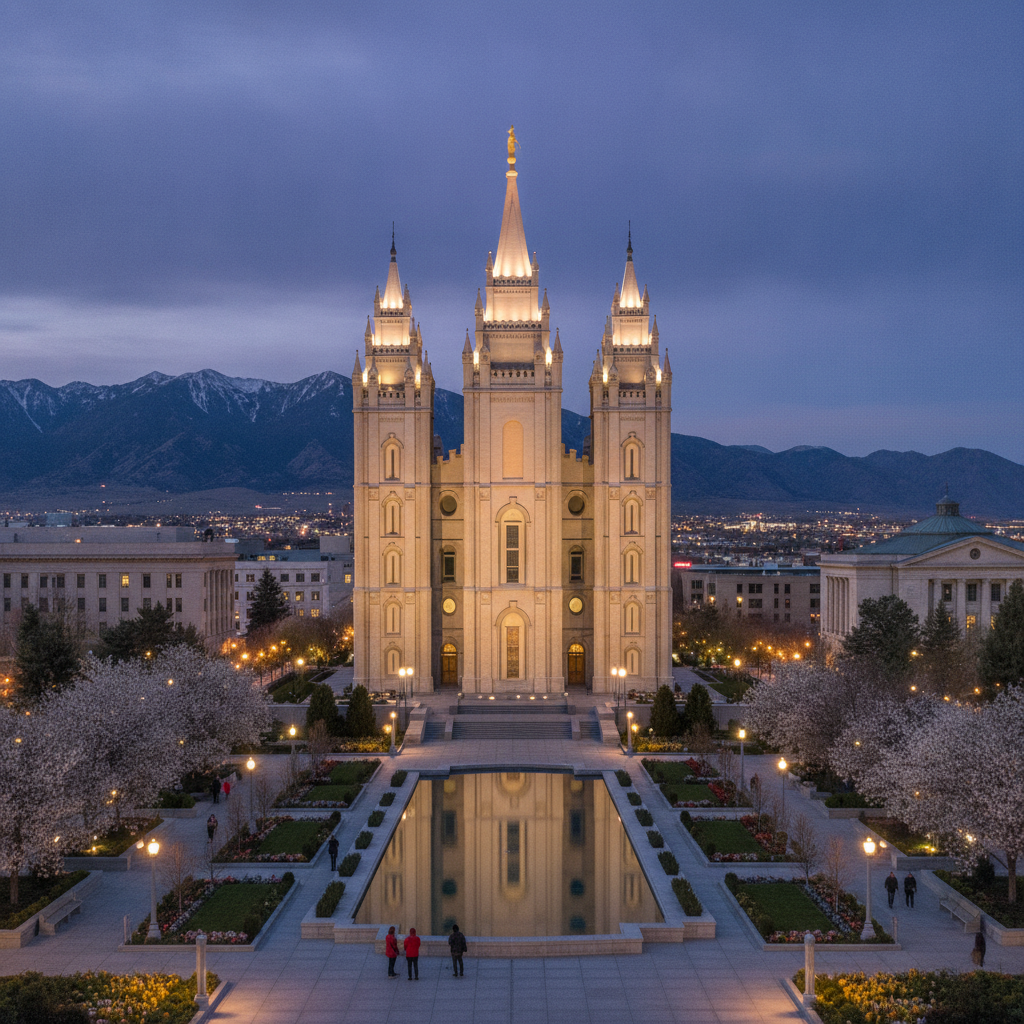
Temple Square (at 50 N Temple, downtown Salt Lake City, 4-hectare campus): the world headquarters of the Church of Jesus Christ of Latter-day Saints (the LDS Church, also called the Mormon Church, with approximately 17 million members worldwide in 2024), and the most-visited tourist attraction in Utah, drawing approximately 3-5 million visitors per year. The Salt Lake Temple (the 6-spired granite temple completed in 1893 after 40 years of construction, at the center of Temple Square): the most important and iconic building in the LDS faith, accessible only to endowed members in good standing and therefore visible to but not visitable by the general public. The temple was designed by Brigham Young's architect Truman O. Angell and is constructed of granite quarried from the Little Cottonwood Canyon, 35 km southeast of the city. The Temple Square renovation: Temple Square underwent a major renovation (2019-2022) that updated the visitor center facilities, landscaping, and accessibility. The Church History Museum (at 45 N West Temple): the museum covering LDS Church history from Joseph Smith's 1820 First Vision to the present. The Church Office Building (the 26-floor high-rise at 50 E North Temple): the administrative headquarters of the LDS Church, with the LDS Church's land holdings (estimated at 2-3 million acres of agricultural land in the western United States, with significant holdings in Florida, Hawaii, and internationally) representing one of the largest privately held land portfolios in the United States. The Pioneer Memorial Museum (at 300 N Main Street): the museum operated by the Daughters of Utah Pioneers covering the 1847 pioneer migration. The history: Brigham Young (born June 1, 1801, Whitingham, Vermont; died August 29, 1877, Salt Lake City) led the first Mormon pioneers to the Salt Lake Valley on July 24, 1847 (arriving and declaring This is the right place — the phrase now inscribed at This Is the Place Heritage Park) — one of the most significant migrations in American history.
- 3
The Transcontinental Railroad and Utah's Pioneer History
The Transcontinental Railroad completion at Promontory Summit (at Promontory Summit, Box Elder County, Utah, 130 km northwest of Salt Lake City): the Golden Spike National Historical Park preserves the site where the Central Pacific Railroad (building east from Sacramento) and the Union Pacific Railroad (building west from Council Bluffs, Iowa) met on May 10, 1869, completing the first transcontinental railroad in the United States — one of the most transformative engineering achievements in American history. The Golden Spike ceremony: the ceremonial last spike (the actual golden spike, made of 17.6-carat gold, is preserved at the Cantor Arts Center at Stanford University) was driven by Leland Stanford (the president of the Central Pacific, founder of Stanford University, former Governor of California) and Thomas Durant (the vice-president of the Union Pacific) in a ceremony attended by approximately 500 people and transmitted by telegraph to the entire nation (the tapping of the hammer drove the telegraphed dot that transmitted THIS IS THE DONE across the nation — the most celebrated single transmitted message in American history outside of emergency communications). Utah history and the Mormon pioneers: the Utah Territory was settled primarily by LDS Church members under Brigham Young's direction from 1847 onward, with the Salt Lake Valley's first crops planted in 1847 and the first irrigation system in the western United States constructed immediately (an engineering achievement that allowed farming in the desert by diverting streams from the Wasatch canyons onto the desert floor). This Is the Place Heritage Park (at 2601 E Sunnyside Avenue, at the mouth of Emigration Canyon): the 160-acre living history park at the site where Brigham Young first viewed the Salt Lake Valley.
- 4
Great Salt Lake Skiing - Wasatch Mountains and Outdoor Recreation
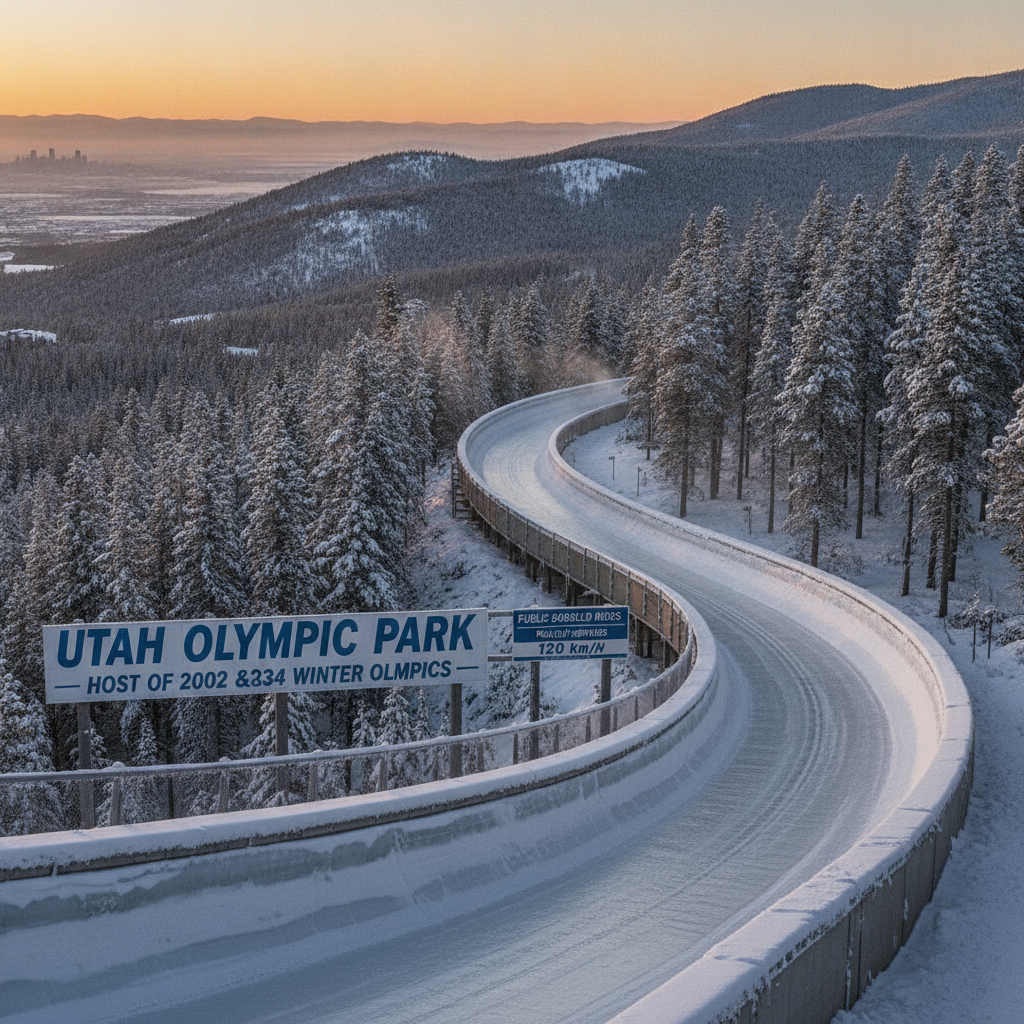
Salt Lake City as a skiing capital: the Wasatch Mountains above Salt Lake City receive an average of 500 cm of snowfall per year (with the resorts in the upper canyons receiving 1,000-1,500 cm annually), and the combination of extremely cold, dry air with abundant snowfall produces what ski marketers call the Greatest Snow on Earth — light, low-density powder snow that is prized by skiers worldwide. The Utah ski resorts: Salt Lake City is unique in having four major world-class ski resorts within 50 km of its downtown — Alta (at 9,100 feet, opened 1939, ski-only, no snowboards allowed, the original Utah powder ski destination), Snowbird (adjacent to Alta, opened 1971, the largest resort in Utah by terrain, with the aerial tram rising 914 m to the 3,352-m summit of Hidden Peak), Brighton (at the top of Big Cottonwood Canyon, opened 1936, the oldest Utah resort, family-friendly), and Solitude (also in Big Cottonwood Canyon, the least crowded of the four, with the most remote and powder-rich terrain). The 2002 Winter Olympics: Salt Lake City hosted the XIX Olympic Winter Games from February 8 to February 24, 2002 — the first Winter Olympics held in the United States since the 1980 Lake Placid Games. The venues remain in use: the Utah Olympic Park (at 3419 Olympic Pkwy, Park City) hosts bobsled, skeleton, luge, and ski jumping; the Utah Olympic Oval (at 5662 Cougar Ln, Kearns) hosts speed skating. The 2034 Winter Olympics: Salt Lake City was awarded the 2034 Winter Olympics in 2023, making it the first city to host the Winter Olympics twice. Park City (at 6,900 feet, 40 km east of Salt Lake City): the ski resort town that hosted alpine skiing, slalom, and freestyle events in 2002 and is home to the Sundance Film Festival.
- 5
Salt Lake City Culture - Natural History Museum, Arts, and the Sundance Connection
Salt Lake City cultural life: despite its reputation as a conservative, religiously homogeneous city, Salt Lake City has a surprisingly vibrant cultural scene, with world-class natural history collections, a strong arts community, and a significant LGBTQ+ community centered in the Capitol Hill neighborhood. The Natural History Museum of Utah (at 301 Wakara Way, Research Park, opened 2011, designed by GSBS Architects): one of the finest natural history museums in the American West, with extraordinary paleontological collections from Utah's extraordinary fossil record — Utah has one of the richest dinosaur fossil deposits in the world (including the Dinosaur National Monument on the Colorado-Utah border, and the Cleveland-Lloyd Dinosaur Quarry south of Price, Utah, the densest concentration of Jurassic dinosaur bones on earth). Utah dinosaurs: the museum's collection includes Allosaurus (the apex predator of the Morrison Formation, found in Utah in extraordinary numbers), Utahraptor (the largest raptor in the fossil record, found near Moab in 1991), and Patagotitan mayorum (the largest land animal in the history of life on earth — though this Patagonian sauropod is primarily represented in other museums). The Utah Museum of Fine Arts (at 410 Campus Center Drive, University of Utah): the encyclopedic art museum on the University of Utah campus, with collections spanning 5,000 years. The Utah Symphony and Opera: the Utah Symphony (founded 1940, Abravanel Hall at 123 W South Temple) is the most complete full-time symphony orchestra in the Mountain West. The Sundance Film Festival (held annually in January in Park City, Utah, and select Salt Lake City venues): the largest independent film festival in the United States, founded by Robert Redford in 1978, drawing approximately 120,000 attendees and screening approximately 180 feature films selected from over 14,000 submissions.
- 6
Salt Lake City Practical Guide, Neighborhoods, and Day Trips
Salt Lake City practical guide and regional context. The city layout: Salt Lake City is laid out on a grid system derived directly from Joseph Smith's original Plat of the City of Zion (the idealized plan for a Mormon city), with the Salt Lake Temple at the center (designated the intersection of Temple Street and Main Street), streets numbered outward in all four directions from the temple (100 South, 200 South, 300 South etc.), and blocks of 10 acres each — one of the most coherent urban grids in the United States. The streetscape: Salt Lake City's streets are remarkably wide (132 feet — 40 meters — from curb to curb, designed by Brigham Young to allow a wagon team to turn around without backing up), creating a distinctly open, sun-filled downtown streetscape unique among American cities. The 9th and 9th neighborhood (at the intersection of 9th East and 9th South): the most eclectic, bohemian neighborhood in Salt Lake City, with independent shops, cafes, and the Gilgal Sculpture Garden (at 749 E 500 South, the private outdoor sculpture garden of Thomas Battersby Child Jr., featuring 12 enigmatic sculptures including the sphinx with Joseph Smith's face — the most unusual outdoor art space in Utah). Utah's liquor laws: Utah has the most restrictive alcohol laws in the continental United States — liquor stores are state-run, beer sold in grocery stores and convenience stores is limited to 5% ABV, and bars must technically be private clubs (though this requirement was eased in 2009). Transportation: Salt Lake City International Airport (IATA: SLC, opened new terminal 2020-2023, one of the most modern airport terminals in the United States) is 8 km west of downtown, with TRAX light rail connecting the airport to downtown (30 minutes). Day trips: Arches National Park (4.5 hours south), Bryce Canyon (4 hours south), Zion National Park (4.5 hours south), Canyonlands (5 hours south), Capitol Reef (4 hours south).
Walk this route with audio
Stories play automatically as you reach each stop — no tapping needed.
More in salt-lake-city
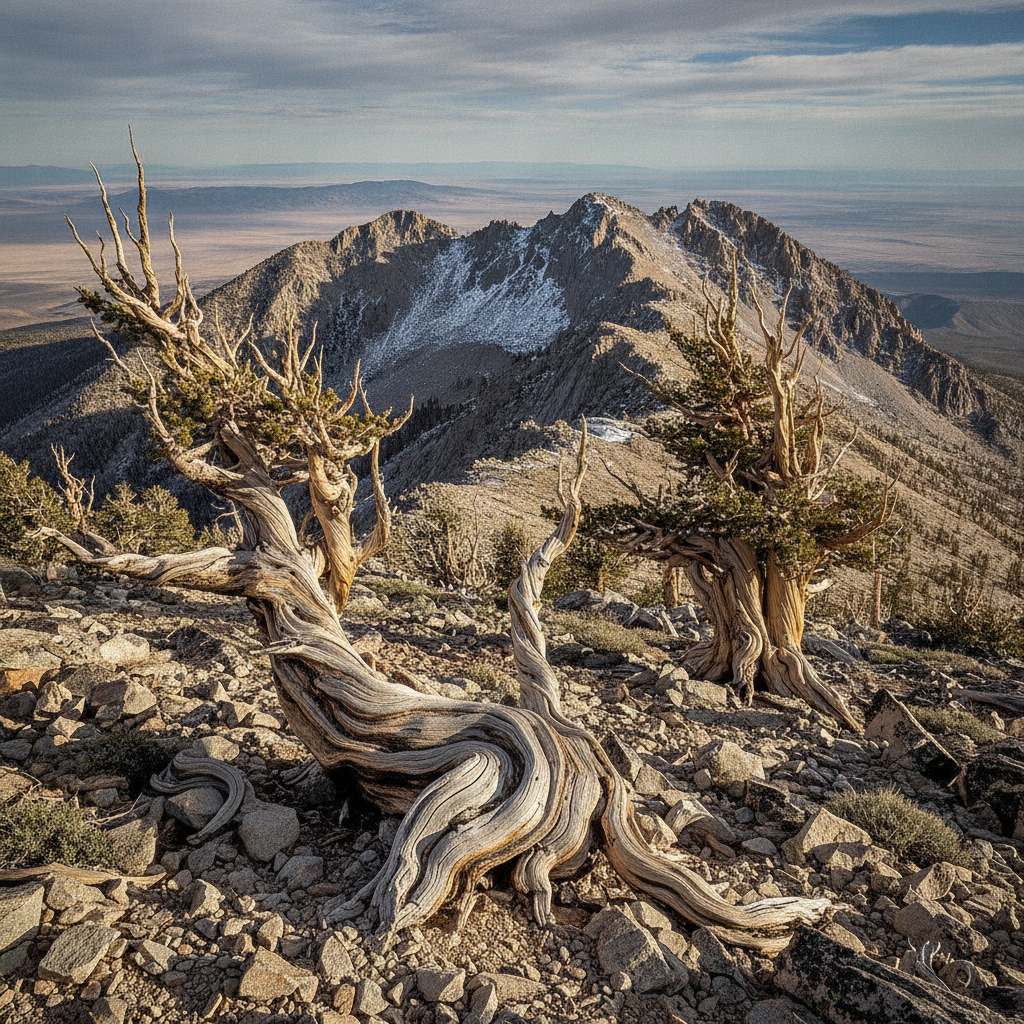
Salt Lake City R5: Polygamy FLDS (Warren Jeffs born 1955 died 2022 FBI Most Wanted convicted sexual assault, Yearning for Zion Ranch April 2008 462 children largest US child welfare operation, Colorado City Hildale FLDS headquarters now depopulated), Utah wildlife (Uinta Mountains only E-W major range continental US Kings Peak 4123m, elk 80-90,000 bulls 500kg antlers 1.7m, Ashley National Forest Flaming Gorge 150km reservoir 1964 dam, Colorado drains 40% Utah), University of Utah (1850 University of Deseret 34,000 students, Philo Farnsworth born 1906 Beaver Utah electronic television 1927 first image straight line, Huntsman Cancer Institute 1995 USD 500M Jon Huntsman USD 300M/year research, Mario Capecchi Nobel 2007 gene targeting knockout mice), LGBTQ (Capitol Hill most diverse, Utah Pride June 50,000 largest between SF and Chicago, LDS Proposition 8 USD 22M 2008, November 2015 Exclusion Policy reversed April 2019, SLC 75-80% Democratic, Encircle LGBTQ support Larsen 2017), Great Basin National Park (285km west, Wheeler Peak 3982m, Lehman Caves shields helictites, bristlecone pine oldest organisms Prometheus cut 1964 4862 years old most significant inadvertent destruction, Ely Nevada Northern Railway Museum best preserved steam), Rock art (Newspaper Rock 4 cultures 4000BCE to 19thC, Nine Mile Canyon 10,000 petroglyphs 60km highest density American West, Edge of Cedars Museum finest Ancestral Puebloan pottery, Hovenweep 1200-1300 CE towers most mysterious prehistoric achievement).
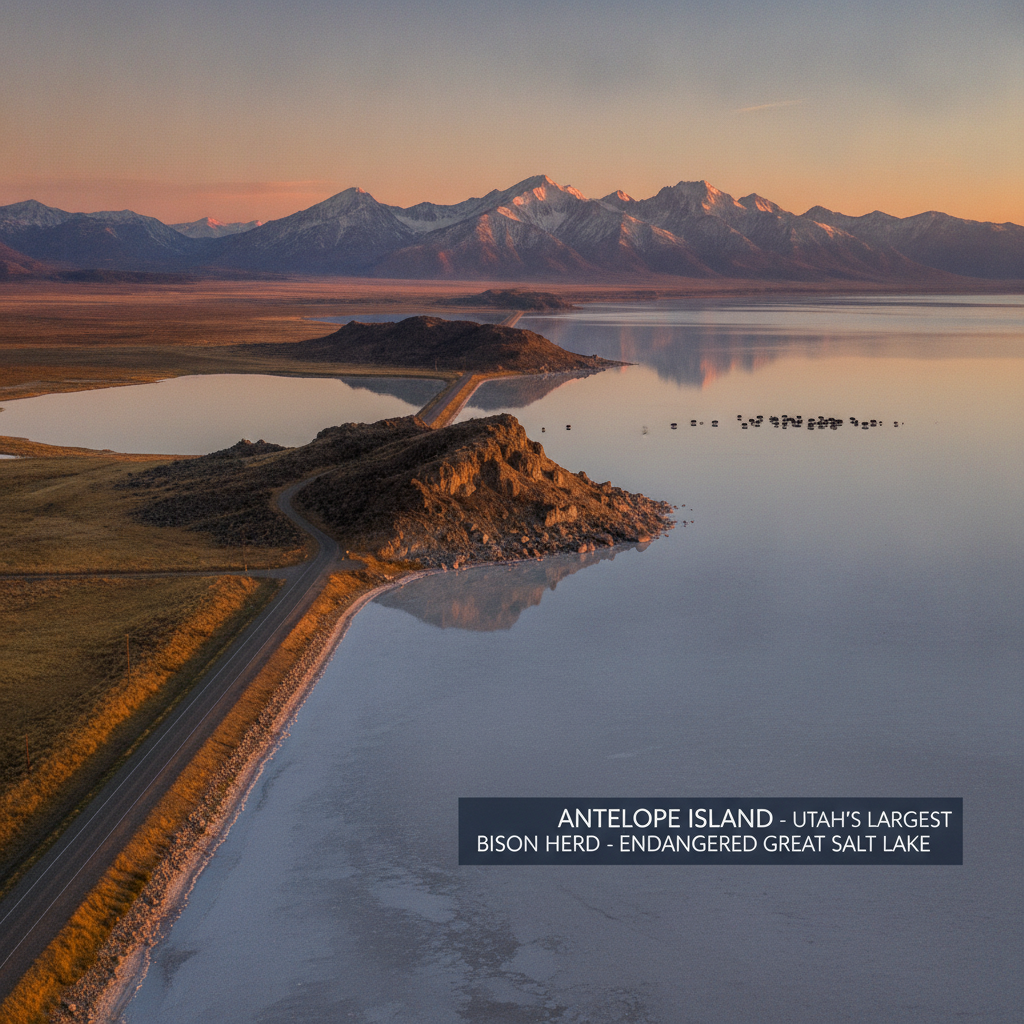
Salt Lake City R4: Bonneville Salt Flats (46,000ha flattest large surface earth, Speed Week SCTA September, salt flats shrinking 40% since 1950 potash mining Intrepid, Wendover Nevada casinos dry Utah), Antelope Island (39km 700 bison 1893 first conservation attempt, pronghorn 95km/h fastest Western Hemisphere, brine fly billions per hectare Great Basin Shoshone food, 1.5M Wilsons phalaropes 85% world population August-September), Ski resorts (Alta 1939 ski-only no snowboards since 1994 1400cm/year 500 inches most challenging expert terrain, Snowbird aerial tram 10min Hidden Peak 11000ft 125 passengers, Park City Mountain largest US 7300 acres 2015 merger, Deer Valley most upscale valet ski parking top ranked US), Moab (5000 residents 3M visitors/year, Slickrock Bike Trail 1980s 35 degree slopes friction sandstone, Dead Horse Point 16km descent, Canyons MAZE most remote continental US 3-5 days 4WD), Architecture (Utah State Capitol 1916 copper dome 97m Richard Kletting, Cathedral Madeleine 1909 Gothic Revival finest High Victorian Gothic west Mississippi, Vivint Arena USD 28.5M naming rights 10 years, 2002 figure skating venue), Hiking (Cottonwood Canyons 20-40min to trailheads, Timpanogos 3582m 40,000 hikers/year, Timpanogos Cave 244m elevation gain stalactites helictites, Red Butte Garden summer concerts).
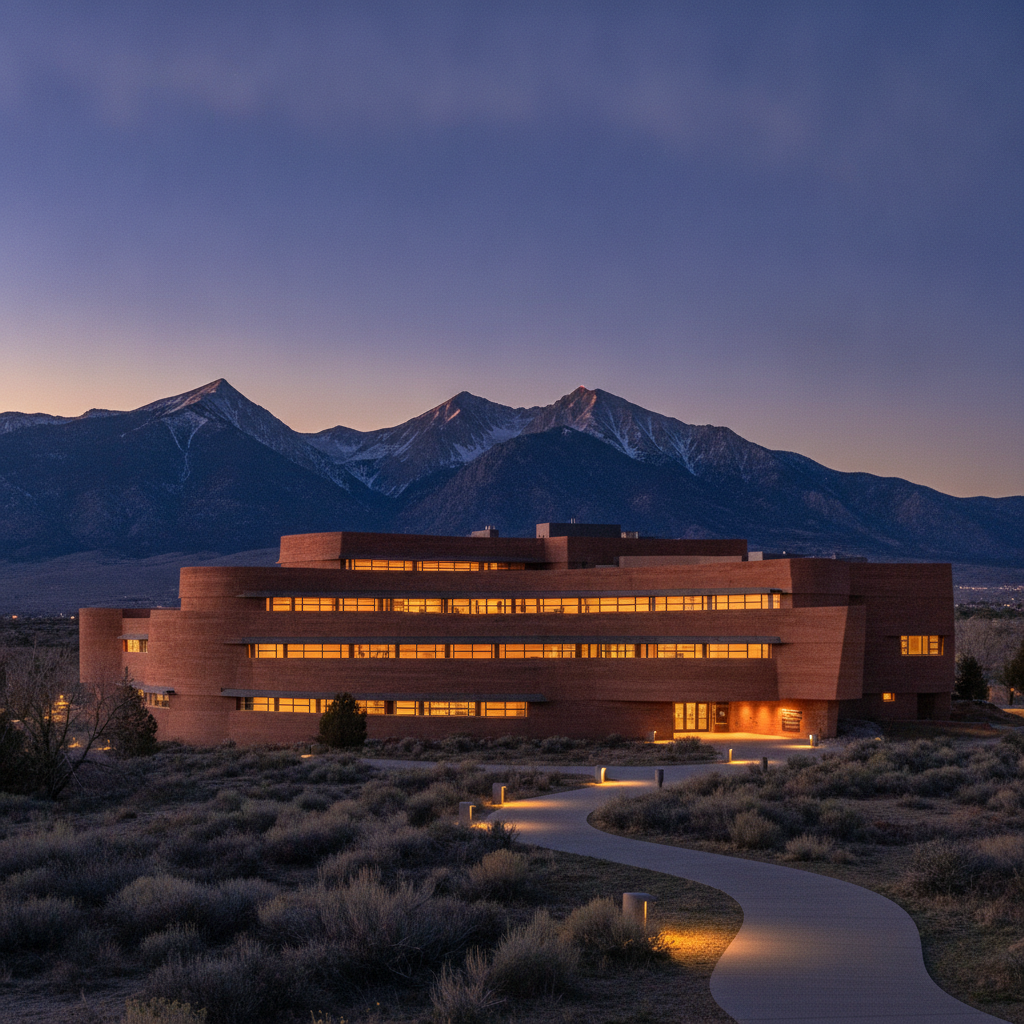
Salt Lake City: Dinosaur Science, Sundance Cinema and a Lake in Crisis
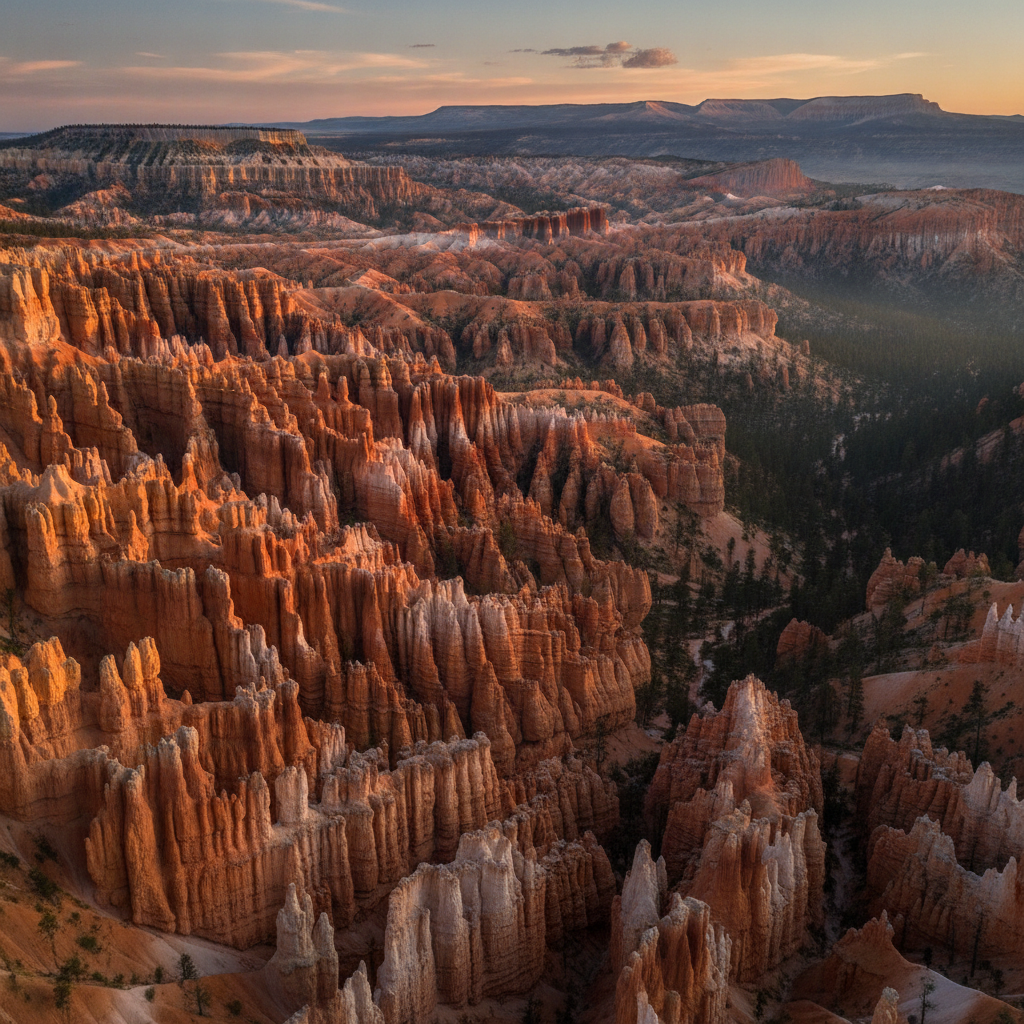
Salt Lake City R2-R6: Utah parks (Zion 4.5M visitors/year Narrows wade upstream 300m walls Angels Landing permits since 2022, Bryce Canyon hoodoos 2400-2800m, Arches 2000 arches Delicate Arch 16m on license plate, Canyonlands 1366 km2 White Rim Road 160km 4WD, Dead Horse Point Thelma Louise 1991, Moab uranium tailings 16M tons Colorado River), Pioneer history (400 settlements 1847-1877 Great Basin, Utah War 1857-1858 Buchanan army 2500 soldiers, Mountain Meadows Massacre September 11 1857 120 killed most damning LDS event, polygamy Manifesto 1890 Edmunds-Tucker 1887, FLDS 30,000-50,000 continue), Great Salt Lake crisis (shrimp harvest 50M kg/year USD 50M most earthly commercial brine shrimp, dust threat arsenic mercury exposed lakebed, overallocation water rights 80% agriculture, canal Pacific proposal USD 50B), neighborhoods (Avenues Victorian Craftsman 1880s-1930s, Beehive House 1854 Lion House Young wives, Tabernacle 1867 pin drop 7000 seats, Sugar House penitentiary site 112 acres, Gilgal Sculpture Garden sphinx Joseph Smith face), food (Word of Wisdom no coffee tea alcohol tobacco, state liquor stores grocery 5% beer, Granary District craft beer Uinta 1993 150,000 barrels Squatters 1989 first brewpub, Utah Pride June 50,000 LGBTQ Capitol Hill).
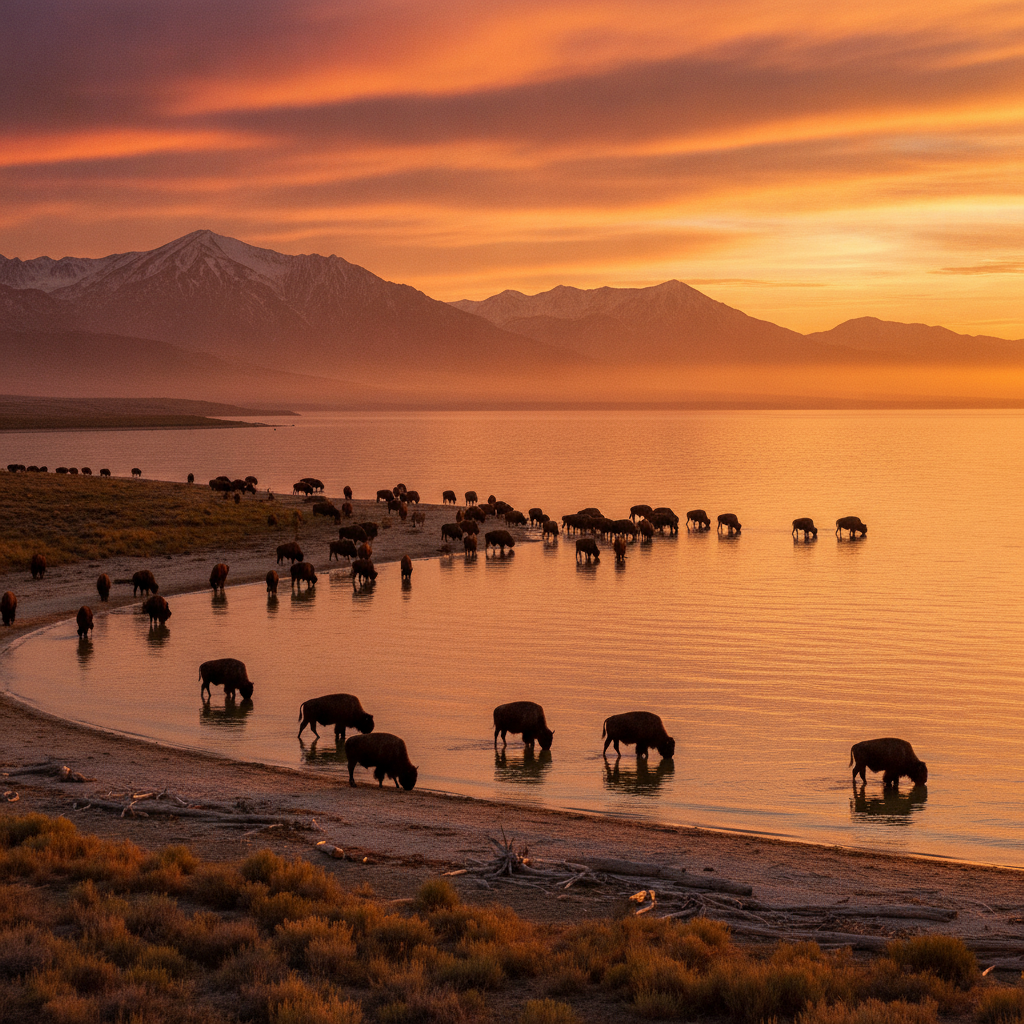
Salt Lake City: Canyon Skiing, Sphinx Gardens and a Lake of Buffalo