Salvador Carnival and Music: Filhos de Gandhy, Axe Music, Bossa Nova Origins, and Carlinhos Brown
The musical and carnival traditions of Salvador are the most significant in Brazil, from the world's largest street party with its trio eletrico stages to the spiritually charged Filhos de Gandhy procession, the axe music movement, and the Bahian connection to the origins of bossa nova.
- 1
Carnival of Salvador: The World Largest Street Party
The Salvador carnival, which claims to be the largest street party in the world with up to two million participants per day over six days before Lent, is organized around the trio eletrico truck stages, first invented in Salvador in 1950, from which the axe music bands perform as the trucks move slowly through the Barra-Ondina circuit and the Pelourinho pedestrian circuit accompanied by the pipoca unpaid crowd outside and the paying bloco aberto participants holding the barrier ropes.
- 2
Filhos de Gandhy: The White and Blue Afoxe
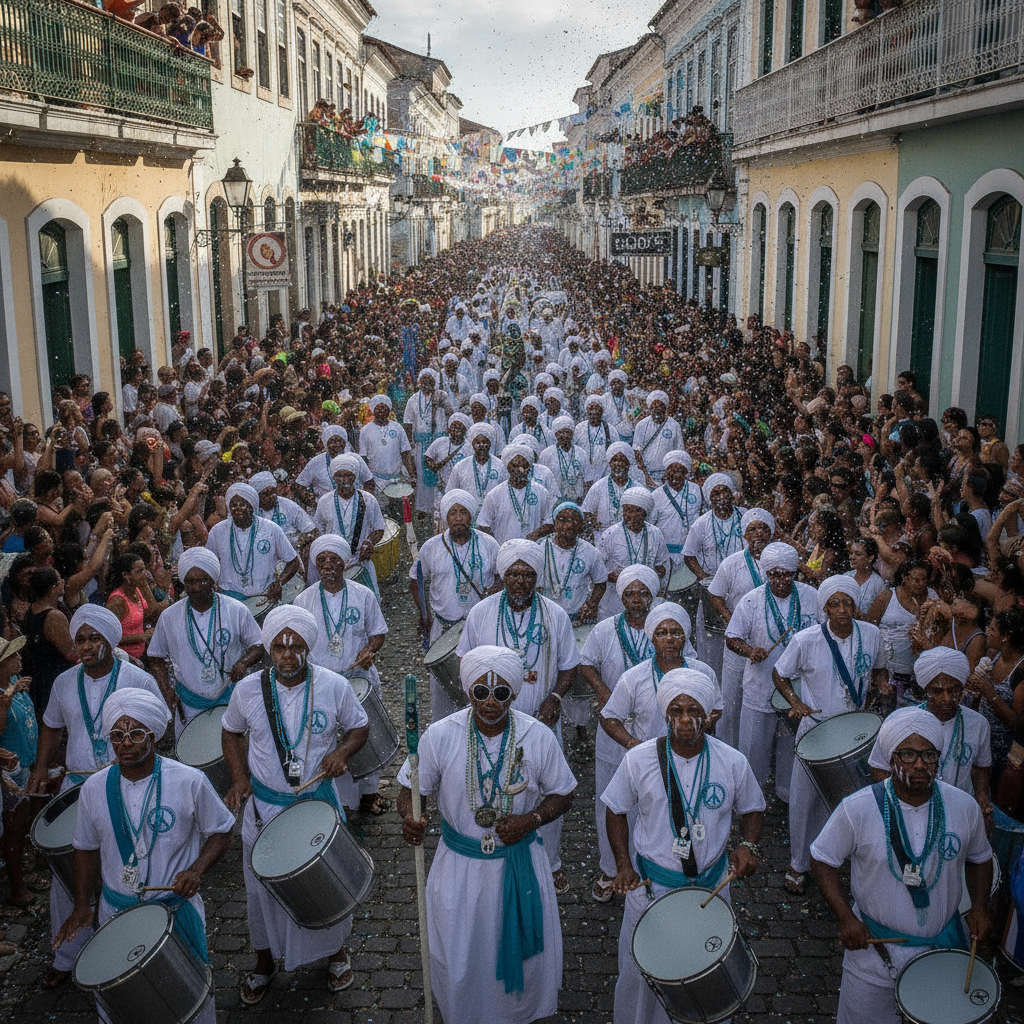
Filhos de Gandhy, the Candomble-affiliated afoxe group founded in 1949 by dock workers inspired by Mahatma Gandhi's non-violence movement, is the most beloved and the most spiritually significant group in Salvador carnival, processing through the streets in their distinctive white and blue costumes and beaded necklaces as an offering to Oxalá, the orixá of purity and creation. The Filhos de Gandhy parade on the Sunday of carnival is the most emotionally powerful event of the Salvador festival.
- 3
Axe Music and the Bahia Sound
Axe music, the commercial music genre of Salvador carnival that combines samba, reggae, and Caribbean rhythms into an irresistibly danceable pop form, dominated Brazilian popular music through the 1990s with artists including Ivete Sangalo, Claudinha Leitte, and Gilberto Gil who developed the form while also bringing it into the mainstream music market. The roots of axe music in the Olodum samba-reggae and the traditional afoxe make it the commercial expression of the deeper Afro-Bahian music tradition.
- 4
Bossa Nova Origins: Joao Gilberto and the Bahia Connection
Joao Gilberto, the guitarist and vocalist from Juazeiro in the Bahia interior who created the bossa nova guitar style with its simultaneous bass and melody patterns, developed his technique in relative isolation before moving to Rio de Janeiro and recording Chega de Saudade in 1958, the record that launched bossa nova. The Bahia connection to bossa nova through Gilberto and his contemporary Dorival Caymmi positions Salvador as the origin point of the most internationally recognized Brazilian music genre.
- 5
Timbalada and Carlinhos Brown: Contemporary Bahia Music
Carlinhos Brown, the Bahia percussionist, composer, and carnival organizer who founded the Timbalada drum group in the Candeal neighborhood of Salvador, represents the contemporary evolution of the Bahian music tradition that connects Candomble drumming to contemporary pop production. Brown's work as producer, carnival organizer, and musician has made him the most internationally connected figure in contemporary Salvador music.
- 6
Terreiro de Jesus: The Baroque Square
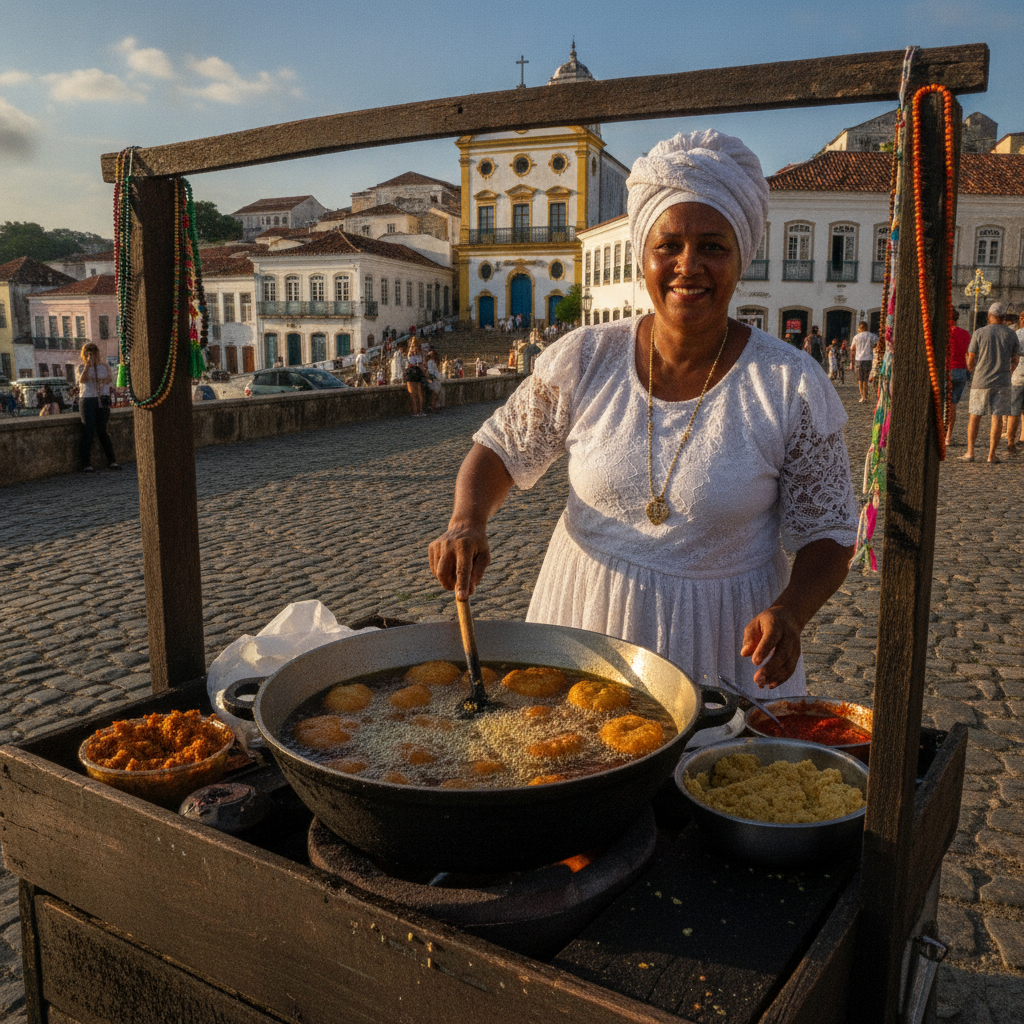
The Terreiro de Jesus, the principal colonial square of Pelourinho, is surrounded by the Cathedral Basilica, the Sao Pedro dos Clerigos church, and the former Faculty of Medicine building that now houses the Museu Afro-Brasileiro; the square itself is the primary public performance space of Pelourinho and the setting for the olodum rehearsals, capoeira demonstrations, and the street food stalls that give Salvador its distinctive public culture.
Walk this route with audio
Stories play automatically as you reach each stop — no tapping needed.
More in Salvador
Salvador History: Slavery, the Colonial Capital, the Reconcavo Plantation Zone, and the Afro-Brazilian Legacy
Salvador Practical Guide: Upper and Lower City, Carnival Planning, Neighborhoods, and the Bahia Coast Route
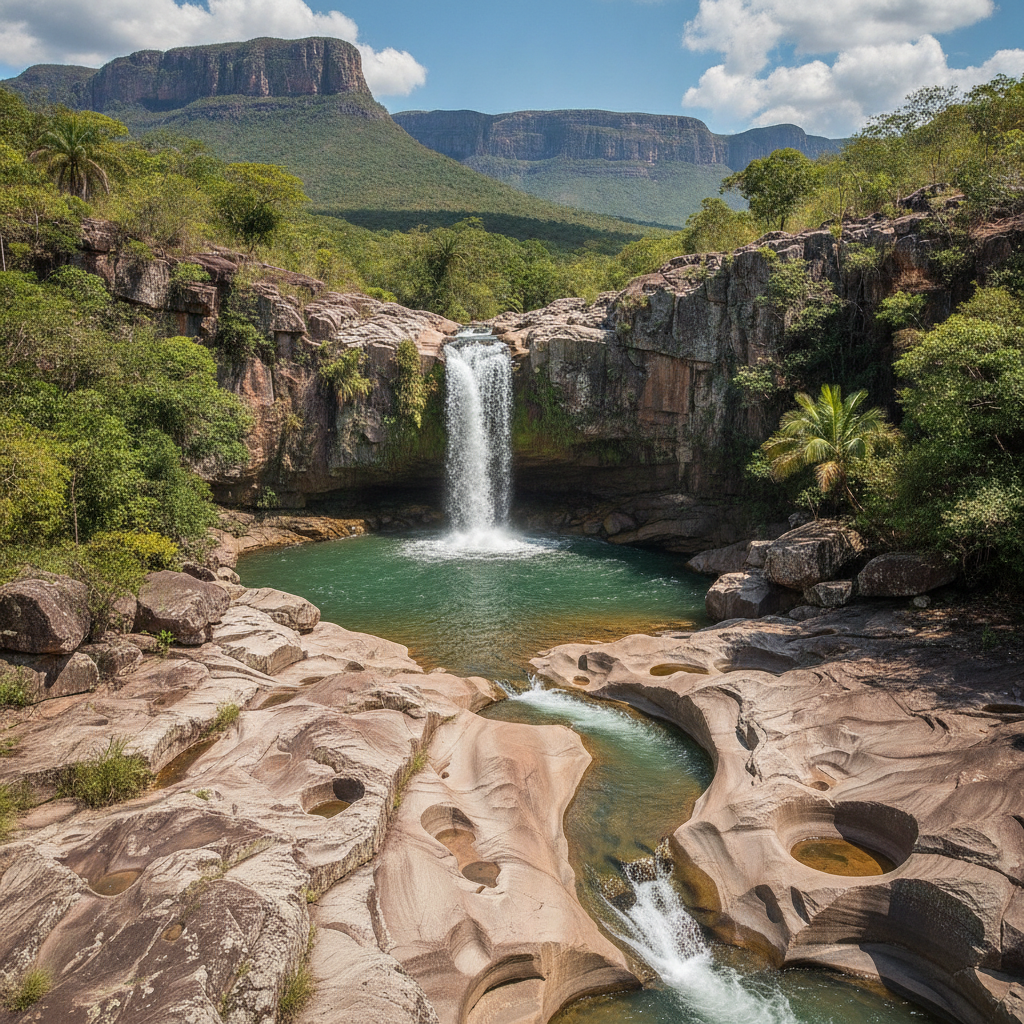
Salvador Day Trips: Chapada Diamantina, Whale Sharks at Praia do Forte, Morro de Sao Paulo, and the Irmandade da Boa Morte
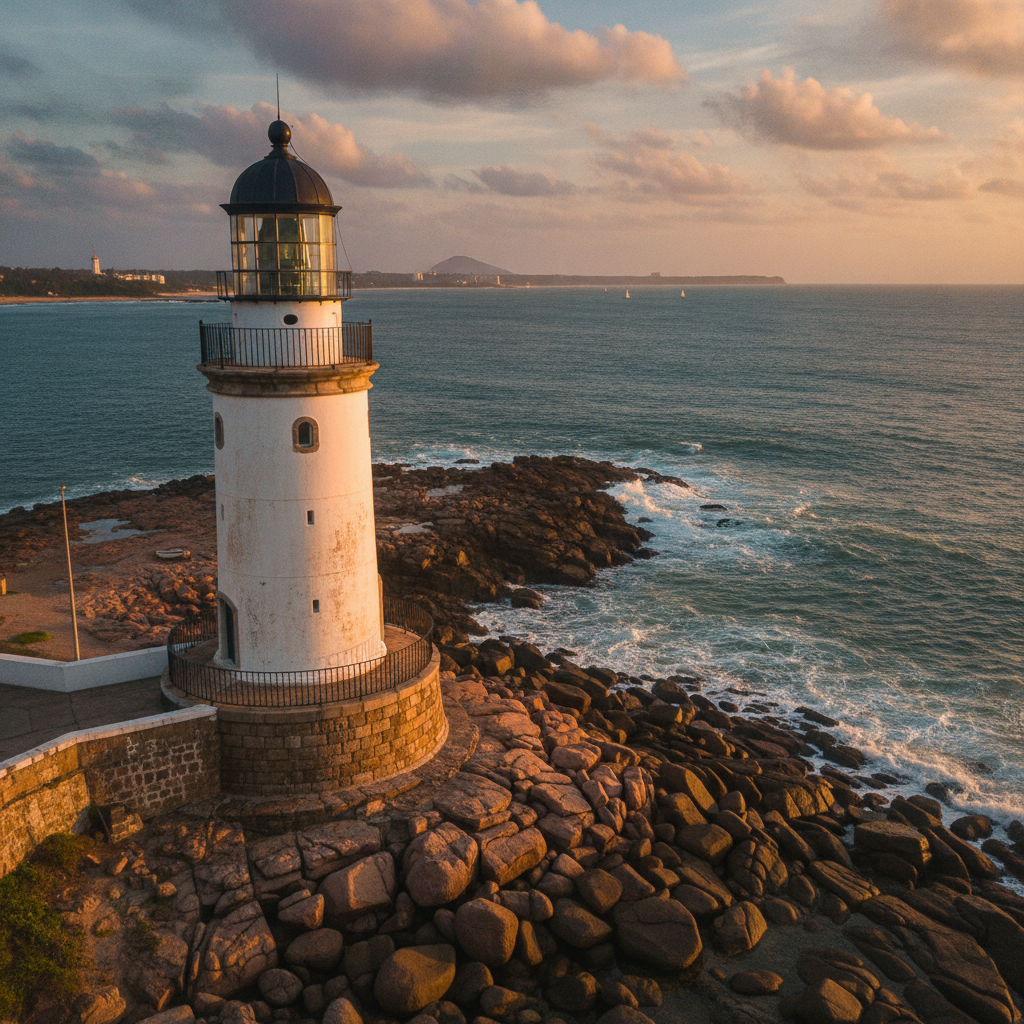
Salvador: Barra Lighthouse, Quilombo Communities, Afro-Brazilian Fashion, and the Bahian Night Culture
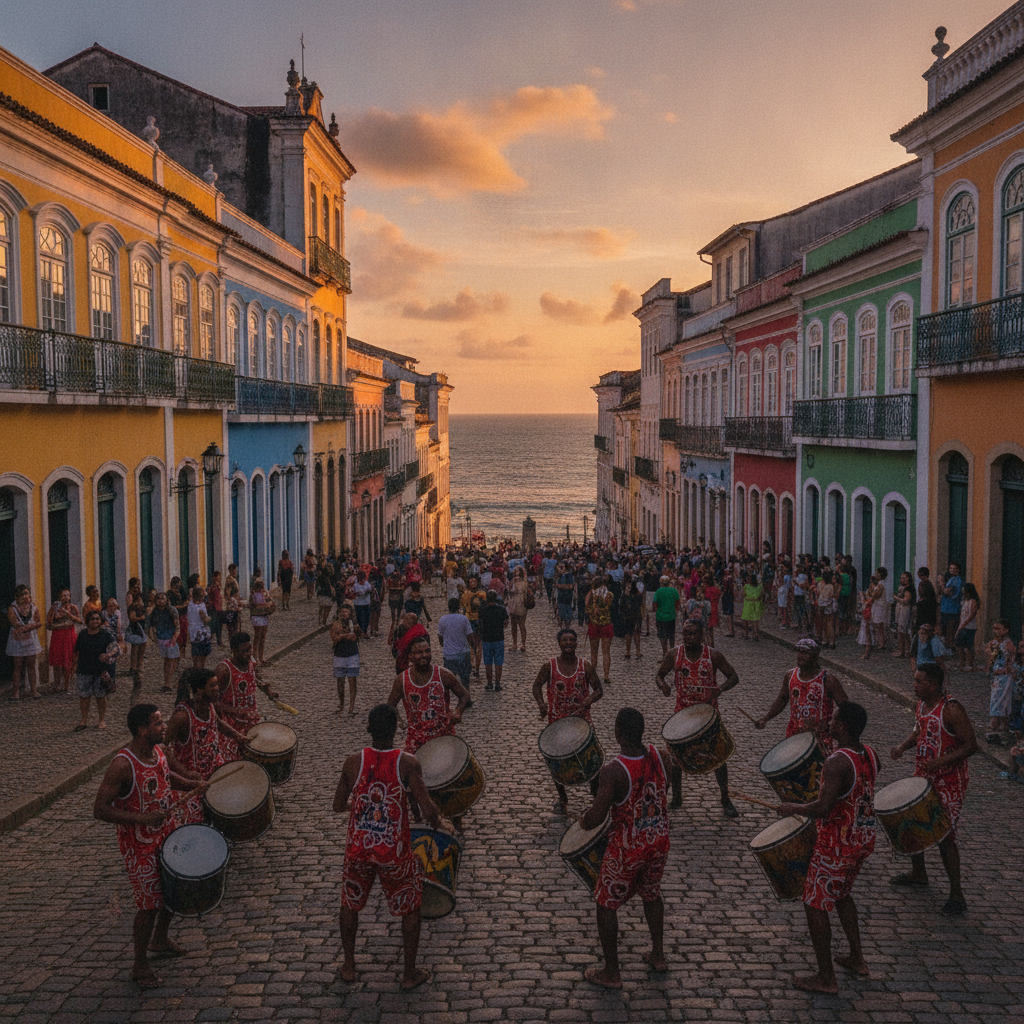
Salvador: Pelourinho, Candomble, Capoeira, and the African Cultural Capital of the Americas