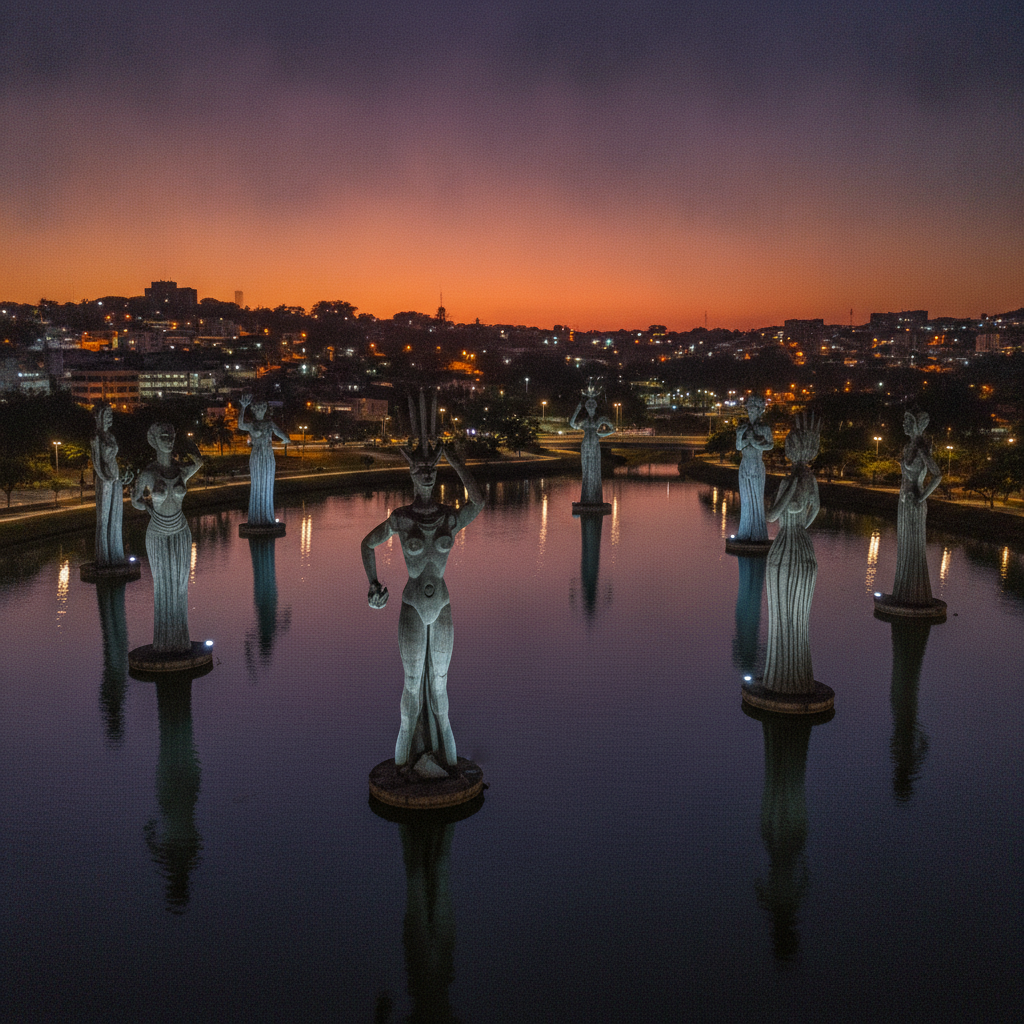
Salvador History: Slavery, the Colonial Capital, the Reconcavo Plantation Zone, and the Afro-Brazilian Legacy
The history of Salvador is inseparable from the history of African slavery in the Americas, as the city received more enslaved people directly from West Africa than any other city in the hemisphere, creating the Afro-Brazilian cultural tradition that defines Salvador today.
- 1
Slavery in Salvador: The Weight of the Past
Salvador received more enslaved Africans directly from West Africa than any other city in the Americas, with an estimated 1.5 million people arriving through the Salvador slave market between the 16th and 19th centuries from the Yoruba, Fon, Ewe, and Bantu peoples of present-day Nigeria, Benin, Togo, and Angola. The consequence of this history is visible in the overwhelming Afro-Brazilian demographic character of the contemporary city and the survival of African cultural practices in Candomble, food, and music that makes Salvador unique.
- 2
The Capital Move to Rio: 1763 and Its Consequences
Salvador served as the capital of colonial Brazil from 1549 to 1763, when the Portuguese crown moved the capital to Rio de Janeiro to bring the administrative center closer to the gold-producing regions of Minas Gerais. The capital move marked the beginning of Salvador's long relative economic decline and the divergence of the Afro-Brazilian cultural tradition of the northeast from the increasingly European-influenced culture of the southern cities.
- 3
The Reconcavo: The Sugar Heart
The Reconcavo Baiano, the fertile coastal plain surrounding the Baia de Todos os Santos where the sugar cane plantations of the colonial captaincy were concentrated, is the geographic heart of the Afro-Brazilian culture of the northeast, where the density of Candomble terreiros and the continuity of the African food and music traditions is greatest. The colonial sugar-mill towns of Santo Amaro, Sao Felix, and Cachoeira preserve the architecture and social structure of the plantation economy.
- 4
Zumbi and Dandara: The Palmares Legacy
The memory of Palmares, the great quilombo community that flourished in the Alagoas interior adjacent to the Bahia captaincy, is central to the Afro-Bahian identity and the Black consciousness movement that has shaped the political culture of Salvador since the redemocratization of the 1980s. The commemoration of Zumbi and Dandara, the female warrior leader of Palmares who is increasingly recognized alongside Zumbi, expresses the intersection of anti-racism and feminism in the contemporary political culture.
- 5
Pierre Verger: The French Photographer of the Orixas
Pierre Verger, the French photographer who arrived in Salvador in 1946 and remained for the rest of his life as a Candomble initiate and the most important visual documentarian of the Afro-Brazilian religious tradition, created a photographic archive of the orixá ceremonies and the connection between Bahia and the Yoruba heartland in West Africa that is the primary visual record of 20th century Candomble. The Fundacao Pierre Verger in Salvador manages the archive.
- 6
Festival do Senhor do Bonfim: The Washing Ritual
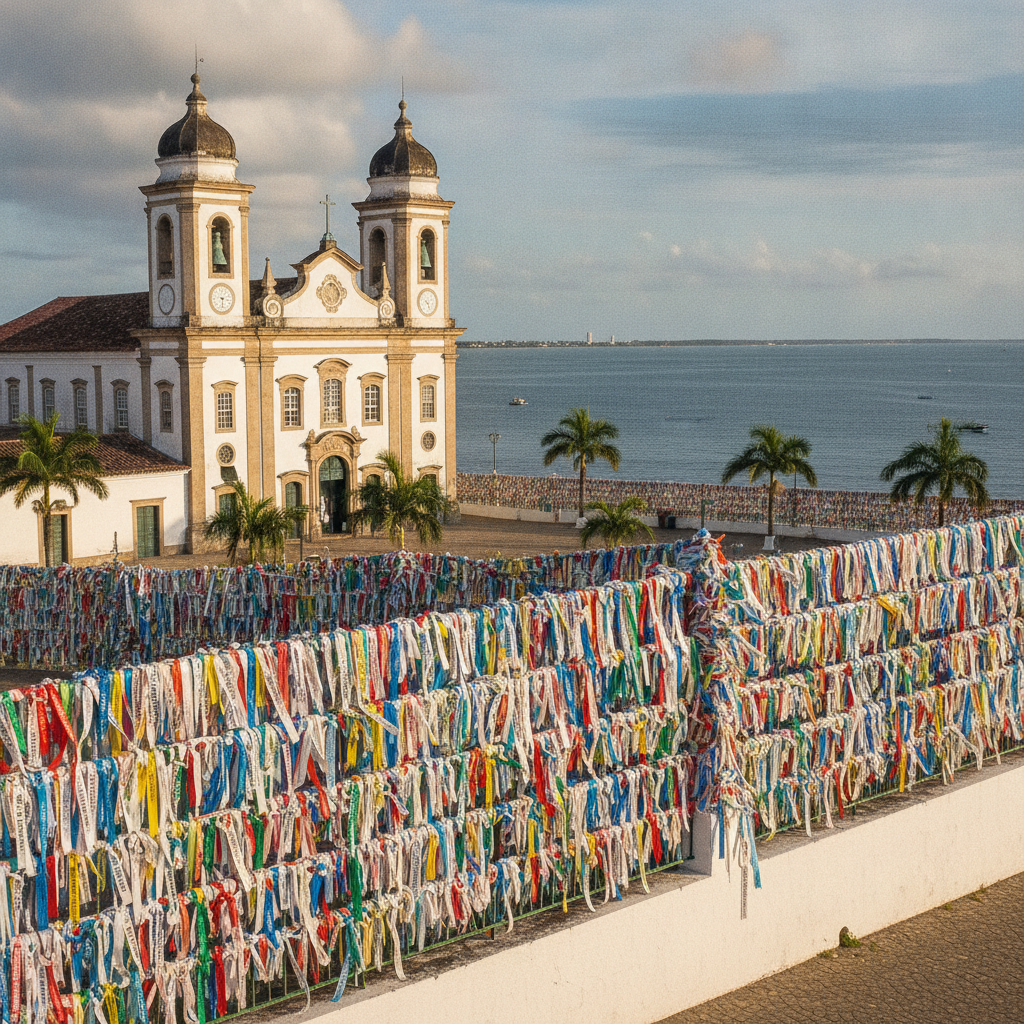
The Lavagem do Bonfim, the annual washing of the steps of the Senhor do Bonfim church by the baianas with perfumed water, held on the Thursday before the third Sunday of January, is the largest popular religious procession in Salvador and one of the most important expressions of the Candomble-Catholic syncretism of the Afro-Brazilian tradition. The Bonfim church and the Oxala-Senhor do Bonfim identification is the most public expression of the orixá saint correspondence.
Walk this route with audio
Stories play automatically as you reach each stop — no tapping needed.
More in Salvador
Salvador Practical Guide: Upper and Lower City, Carnival Planning, Neighborhoods, and the Bahia Coast Route
Salvador Day Trips: Chapada Diamantina, Whale Sharks at Praia do Forte, Morro de Sao Paulo, and the Irmandade da Boa Morte
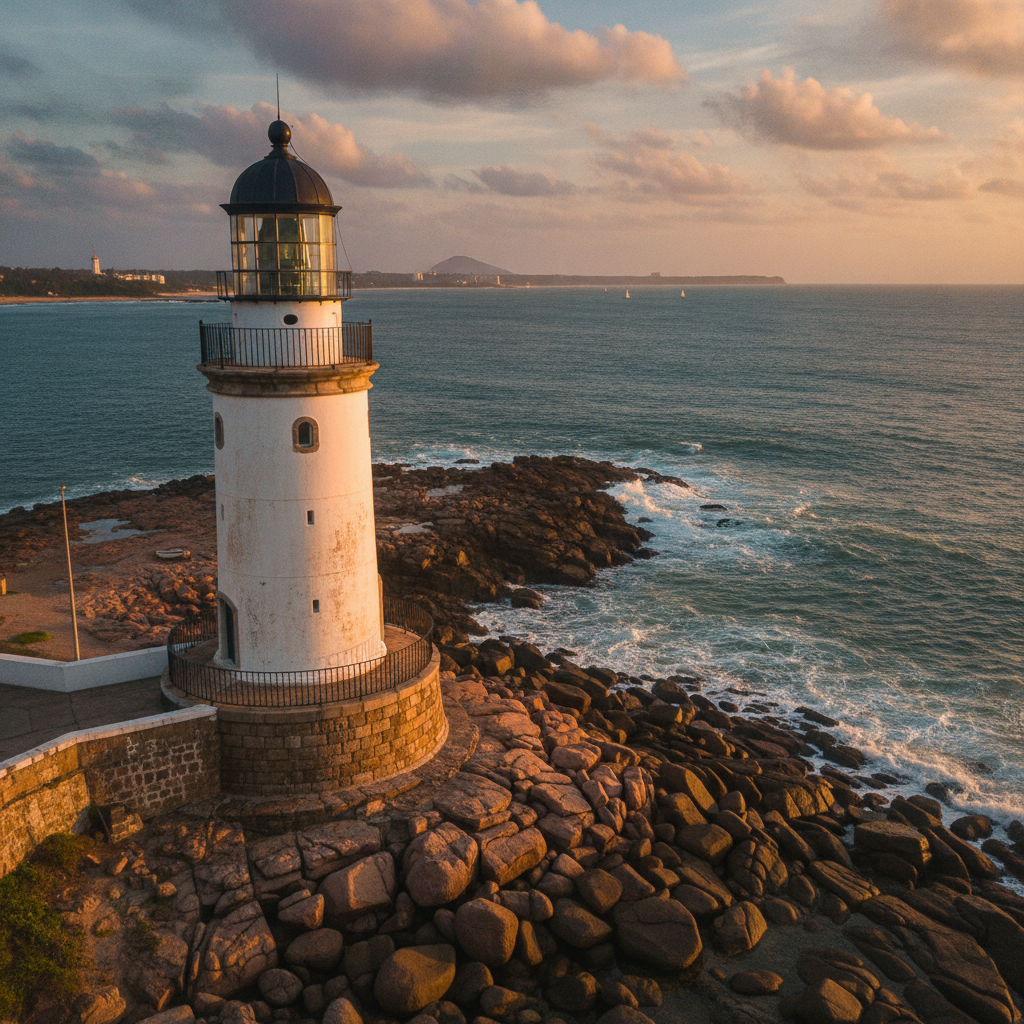
Salvador: Barra Lighthouse, Quilombo Communities, Afro-Brazilian Fashion, and the Bahian Night Culture
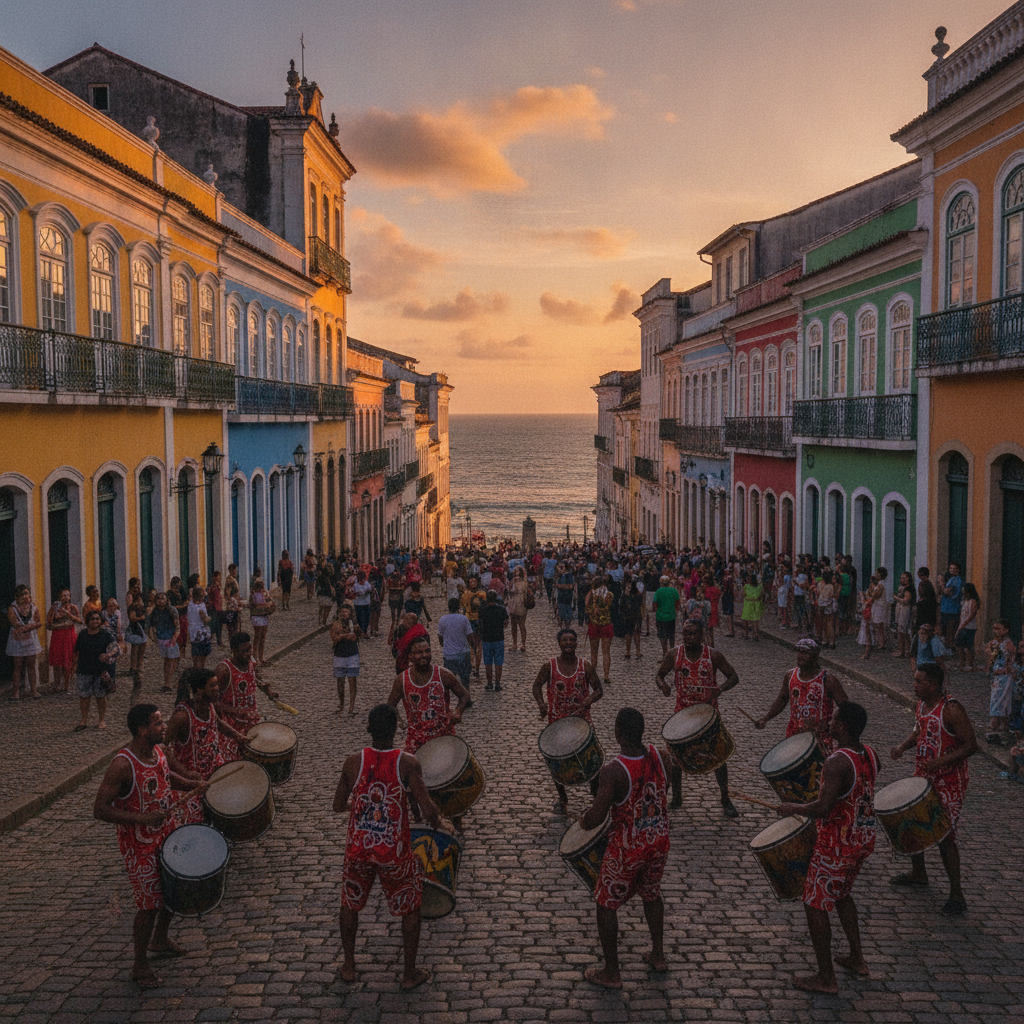
Salvador: Pelourinho, Candomble, Capoeira, and the African Cultural Capital of the Americas
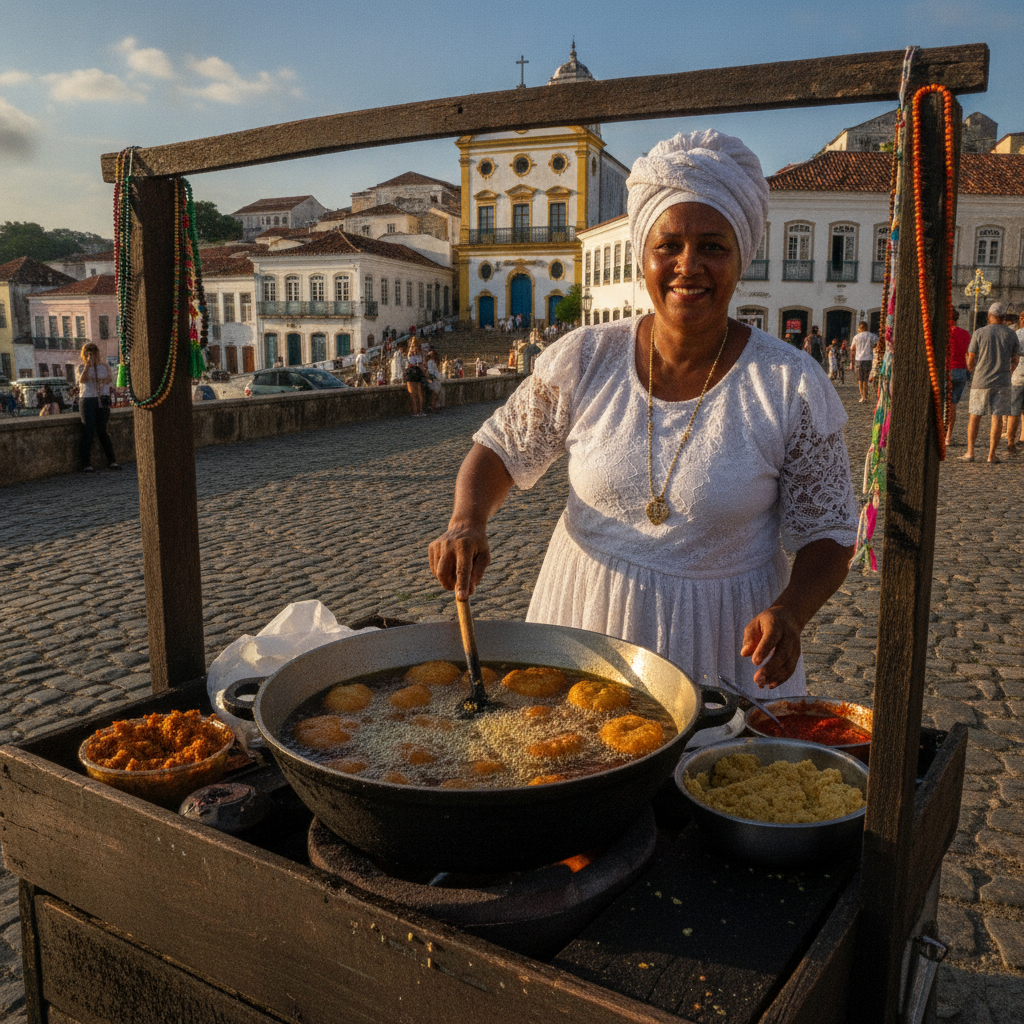
Salvador Food: Moqueca, Acarajé, the Afro-Bahian Kitchen, and the Art of the Baiana