Salvador Practical Guide: Upper and Lower City, Carnival Planning, Neighborhoods, and the Bahia Coast Route
The practical information for visiting Salvador covers the dramatic upper-lower city geography, the carnival planning requirements, the neighborhood choices for accommodation, the safety considerations, and the coastal route south to the Discovery Coast beaches of Bahia.
- 1
Practical Salvador: Getting Around Upper and Lower City
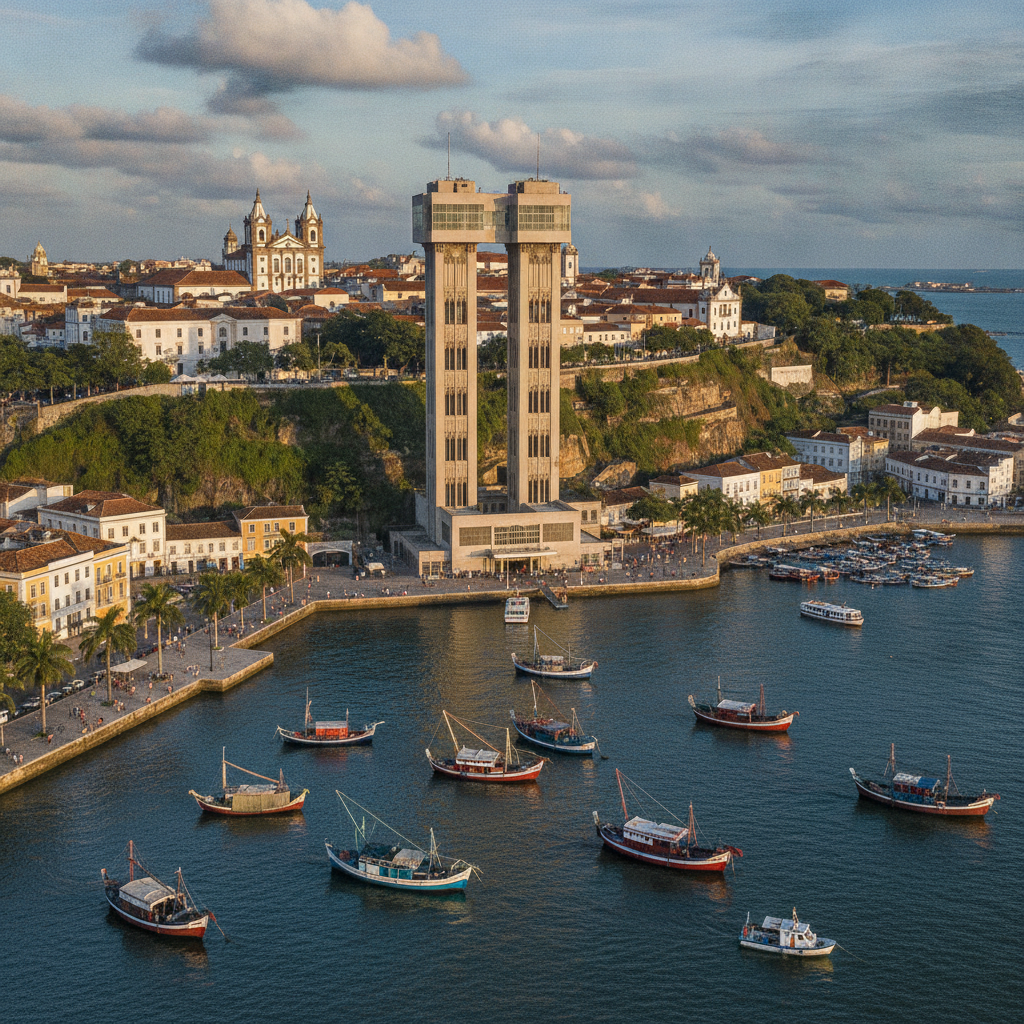
Salvador is built on a bluff divided into the Cidade Alta upper city and the Cidade Baixa lower city, connected by the historic Lacerda elevator that makes the most dramatic urban transition in Brazil in 90 seconds from the waterfront to the Pelourinho level. The metro system connects the airport to the center and the Campo Grande station, while ride-share apps are the most practical transport for the beach neighborhoods of Barra and Ondina.
- 2
When to Visit: Carnival vs Shoulder Season
The carnival period of February or March brings the world's largest street party to Salvador but also brings maximum crowds and accommodation prices; booking a year in advance is necessary for the desirable Barra-Ondina circuit accommodation. The shoulder seasons of June to August and September to November offer good weather, smaller crowds, and the full cultural calendar including the Irmandade da Boa Morte festival in August.
- 3
Neighborhoods: Historic Center to Beach Bars
The Pelourinho historic center is the cultural heart but accommodation there is limited and the neighborhood is quiet outside tourist hours; Barra is the most convenient beach neighborhood for accommodation with good transport connections and the most active bar and restaurant scene. Rio Vermelho is the bohemian neighborhood of bars and the Iemanjá festival; Itapua is the quieter beach neighborhood at the end of the beach circuit.
- 4
Safety in Salvador: Practical Advice
Salvador has significant inequality and the associated urban safety challenges; visitors should use ride-share apps, avoid walking between neighborhoods at night, keep valuables concealed on the beach, and be alert in Pelourinho in the evening when the tourist activity ends. The carnival period brings intensive police presence and is generally safer than the quieter periods for foreign visitors in the historic center.
- 5
Baia de Todos os Santos: The Bay Experience
The Baia de Todos os Santos, the second largest bay in Brazil, offers boat excursions from the lower city waterfront to the colonial island of Itaparica and to the smaller islands of the bay that preserve the colonial and fishing village character of the Reconcavo. The ferry crossing to Itaparica is the most popular short excursion from Salvador and provides the view back to the Salvador skyline from the water.
- 6
Salvador to Porto Seguro: The Discovery Coast Route
The coastal route south from Salvador to Porto Seguro and the Bahia coast beaches, a 450-kilometer journey that can be made by bus or by fly-drive, passes through the coconut-lined beaches of the Coconut Route and the Whale Coast whale-watching town of Itacare and Ilheus before reaching the Discovery Coast UNESCO site around Porto Seguro and Trancoso that marks the point of the first European landfall in Brazil in 1500.
Walk this route with audio
Stories play automatically as you reach each stop — no tapping needed.
More in Salvador
Salvador History: Slavery, the Colonial Capital, the Reconcavo Plantation Zone, and the Afro-Brazilian Legacy
Salvador Day Trips: Chapada Diamantina, Whale Sharks at Praia do Forte, Morro de Sao Paulo, and the Irmandade da Boa Morte
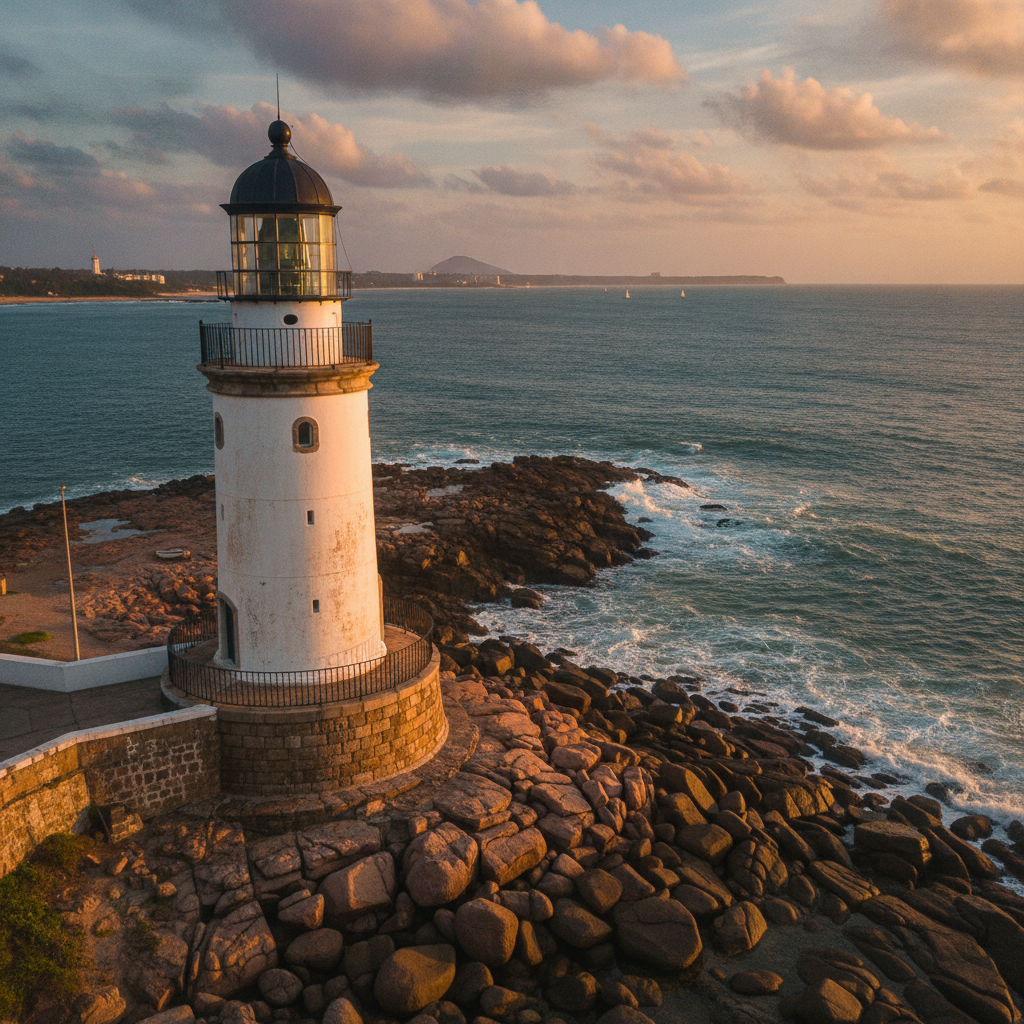
Salvador: Barra Lighthouse, Quilombo Communities, Afro-Brazilian Fashion, and the Bahian Night Culture
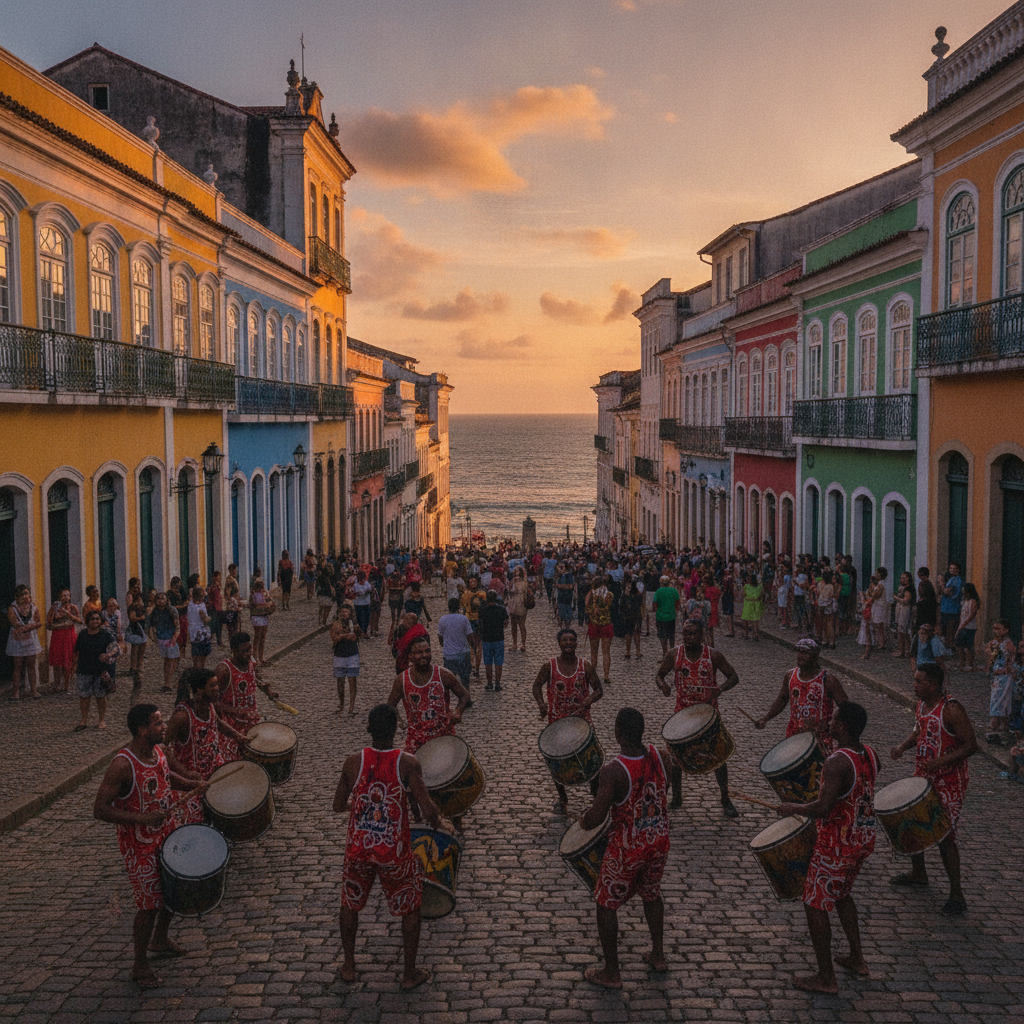
Salvador: Pelourinho, Candomble, Capoeira, and the African Cultural Capital of the Americas
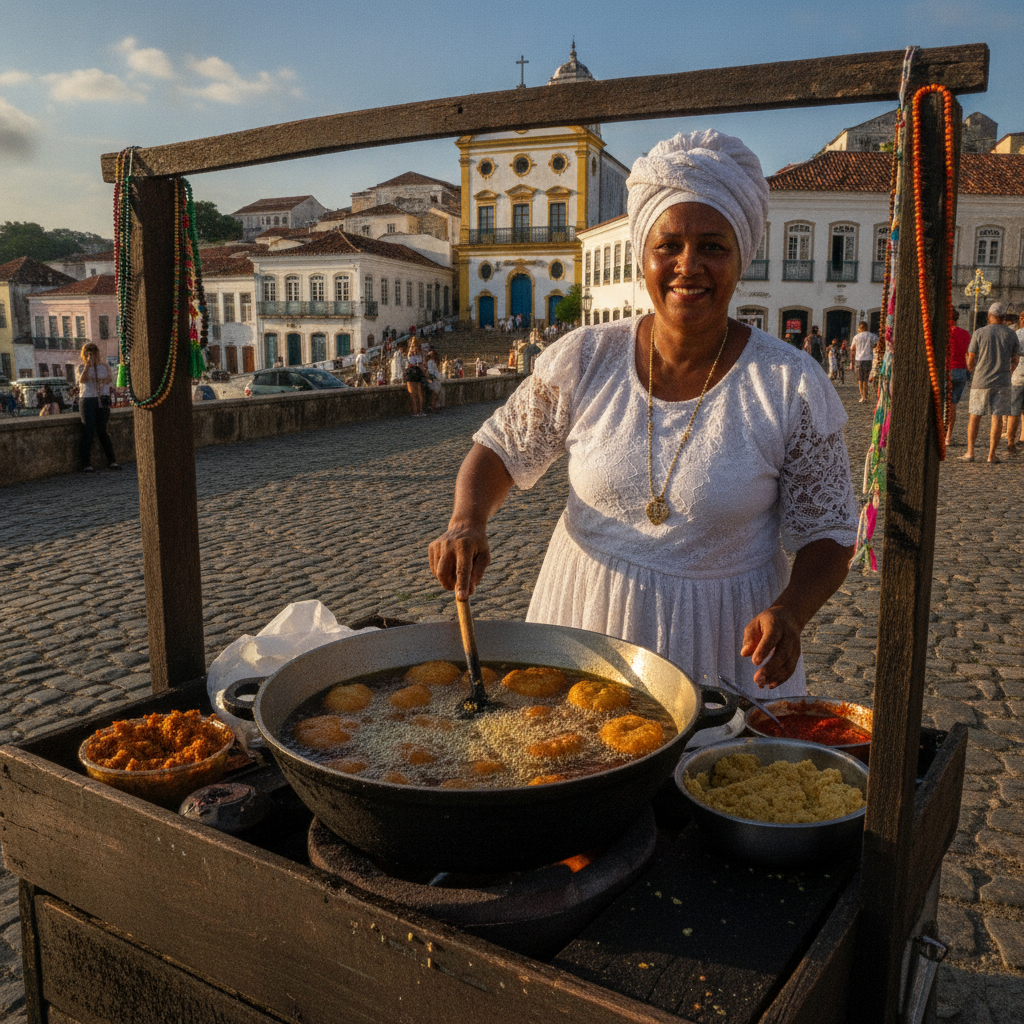
Salvador Food: Moqueca, Acarajé, the Afro-Bahian Kitchen, and the Art of the Baiana