Salzburg Practical — Seasons, the Mozart Week, Christmas Market & Getting Around
Salzburg has four distinct visiting seasons — the summer festival, the spring and autumn shoulder seasons, and the December Christmas market that transforms the Baroque squares into the most atmospheric winter market in Austria.
- 1
Salzburg Seasons — When to Visit
Salzburg seasonal guide: Summer festival season (late July to end August, the Salzburg Festival the primary event — the city at maximum visitor density, accommodation prices at peak €150-400 per night, the major festival performances sold out 6-8 months in advance, the Domplatz and the Mozartplatz animated but crowded — the correct strategy for festival visitors is to book 6 months in advance; the visitor without festival tickets still finding the city beautiful but without the primary cultural attraction), Spring (April-May, the most recommended visiting period — the snow on the Alps still visible, the Mirabell Garden in bloom, the temperatures 15-22 degrees, the visitor numbers 40-50 percent lower than peak, the accommodation at €80-180 per night, the fortress and the Mozart museums accessible without queuing), Autumn (September-October, the second recommended period — the Salzburg autumn light on the Baroque buildings the most atmospheric of any season, the Alps in autumn colour, the Mozartwoche concerts in January-February the major concert series, the accommodation at €80-150 per night), Winter (November-December, the Christmas market at Domplatz and Residenzplatz the most important event — the market from late November to December 25, the city the most atmospheric Christmas market destination in Austria, the December snow on the Baroque towers the definitive Salzburg winter image — the accommodation at €100-200 in December, the Mozart Week in late January the most musically important event of the winter season at salzburgerfestspiele.at/mozartwoche).
- 2
The Salzburg Christmas Market — Austria's Most Beautiful
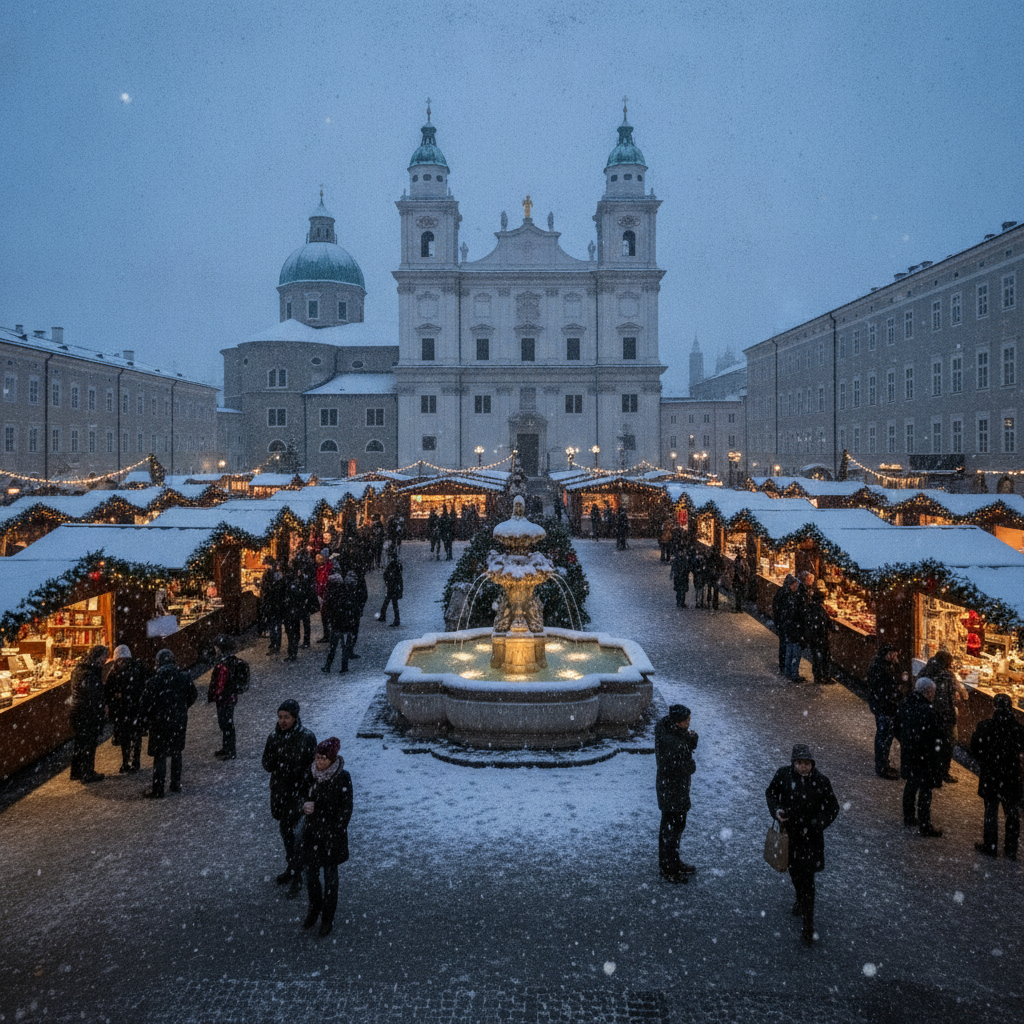
Salzburger Christkindlmarkt (the Christmas market on the Domplatz and the Residenzplatz, the most photographed Christmas market in Austria and one of the most atmospheric in Europe, operating from the last Friday of November to Christmas Eve, open daily 9am-8pm): the market character (the 2 interconnected squares creating the largest single Christmas market space in the Austrian Alps — the Domplatz market primarily artisan craft and food, the Residenzplatz market larger with the regional crafts and the children's programmes, the connection passage through the Residenz courtyard providing the most sheltered market walk in central Europe), the market products (the Salzburger Lebkuchen — the Salzburg gingerbread in the traditional shield forms inscribed with the local motifs — the Glühwein from the 15+ stalls at €4-5 per cup — the handcrafted Christmas decorations from the Austrian wood carvers at €10-80 — the hand-blown glass ornaments at €8-25 — the hand-knitted Austrian wool items at €30-80 — and the Mozartkugel in the Christmas packaging at €2-3 per piece at the market stalls), the Cathedral organ concerts (the free 30-minute organ concerts in the Cathedral every weekday at 11:30am in December, the most accessible musical event in Salzburg during the Christmas market, the Baroque Cathedral the most atmospheric concert venue in the city) and the Advent in the Mirabell Garden (the smaller market in the Mirabell Garden 200m north, the less crowded alternative to the main market, the garden illuminated with the Christmas lights and the angel figures, the correct address for the visitor wanting the Mirabell candles and the hot chestnuts without the maximum crowd of the Domplatz market).
- 3
Mozart Week — the Most Important Classical Music Festival After the Summer Festival
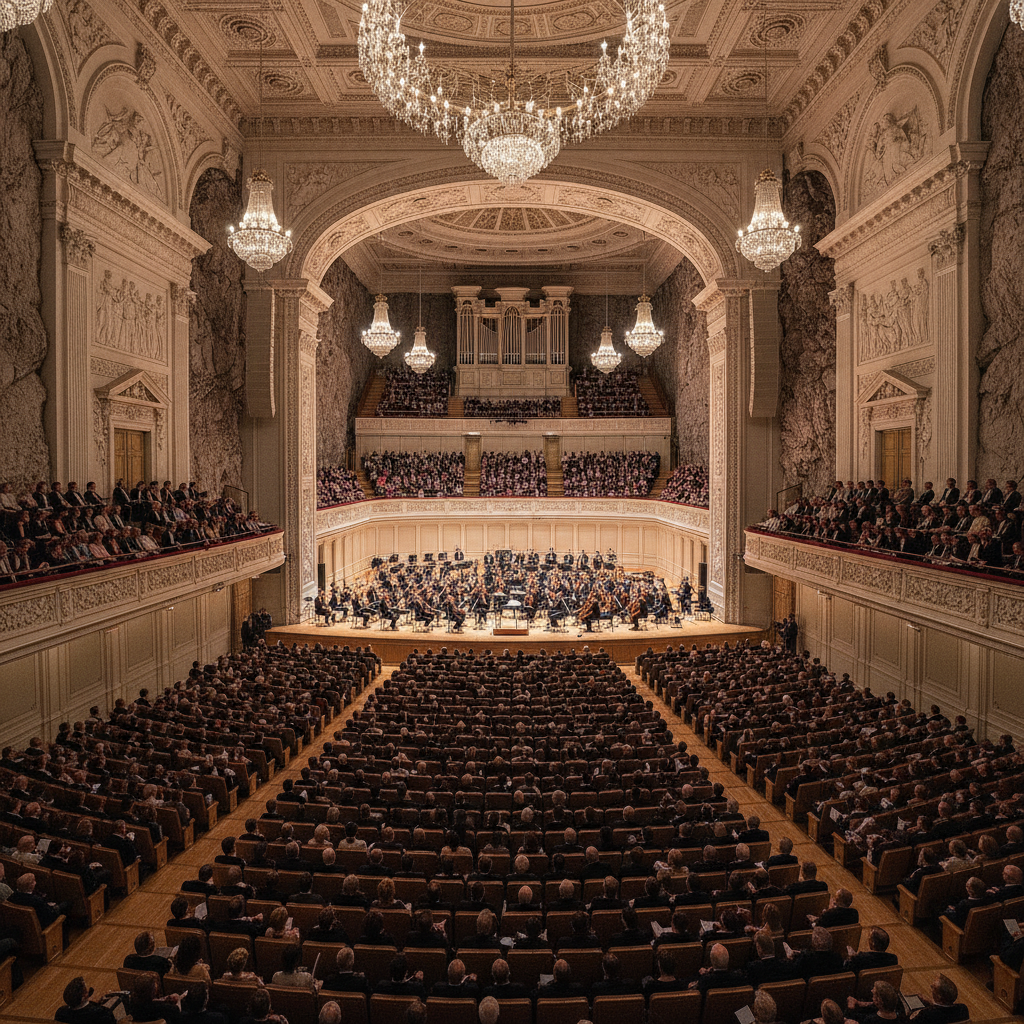
Mozartwoche (the Mozart Week in late January, the most important classical music festival in Salzburg outside the summer Salzburg Festival, the event organized by the International Mozarteum Foundation annually since 1956, 9-10 days of concerts centred on Mozart's birthday January 27, the tickets at salzburgerfestspiele.at/mozartwoche at €30-150 per concert, the sold-out status of the main concerts by October): the concert programme (the Wiener Philharmoniker performing 2-3 concerts during the Mozart Week — the most affordable Vienna Philharmonic concerts of the year at €80-150, compared to the €200-450 of the summer festival — the programme centred on the Mozart symphonies, the piano concertos, and the chamber music, the concerts in the Großes Festspielhaus and the Haus für Mozart), the Mozarteum concerts (the Great Hall of the International Mozarteum Foundation at Schwarzstraße 26 — the 600-seat concert hall the primary venue for the chamber music concerts, the setting the most intimate Mozart concert available in the world, the Mozarteum the institution that owns the primary Mozart archives and the fortepiano on which Mozart composed his last works), and the public events (the free public concerts on the Mozartplatz on January 27 — Mozart's birthday — the most attended free classical music event in Salzburg, the outdoor concert with amplification at noon on the birth date, the gathering of 3,000-5,000 people on the square the most democratically accessible Mozart celebration, the Mozartkugel distribution at the concert the traditional festive element) and the Mozarteum museum (the Wohnhaus at Makartplatz 8, the Mozart family residence 1773-1780, open during the Mozart Week with extended hours and special exhibitions of the Mozarteum archive materials not normally on public display).
- 4
Getting to and Around Salzburg
Salzburg access: air (the Salzburg W. A. Mozart Airport 4km west of the city, the bus 2 to the city centre in 20 minutes at €2.40, the airport with direct connections from London Stansted — Ryanair, 2.5 hours — Amsterdam, Frankfurt, Düsseldorf, Zurich, Vienna, and 15+ European cities, the limited European connections making Salzburg most practically accessed via Munich or Vienna for visitors from North America and Asia), rail (the Austrian Federal Railways ÖBB trains from Vienna 2.5 hours at €20-50 — the railjet service, the most comfortable train in Austria — from Munich 90 minutes at €15-40 in advance, from Innsbruck 2 hours at €20-45, from Zurich 4 hours at €50-100, the Salzburg Hauptbahnhof the gateway for rail visitors, the station 20 minutes walk from the Old Town or the bus 1 in 8 minutes at €2.40), city transport (the Salzburg bus network, the single trip at €2.40, the 24-hour ticket at €5.70, the bus the primary city transport — the bus 25 to the Hellbrunn pleasure palace, the bus 4 to Troldhaugen — wait, that's Bergen. The Salzburg bus 25 to Hellbrunn, bus 840 to Berchtesgaden — the Salzburg Card the tourist card covering all public transport and museum entry at €30/24h, €38/48h, €44/72h) and cycling (the Salzburg cycling infrastructure the best in Austria for a city of its size, the Salzach River cycling path connecting the city centre to Hellbrunn in 30 minutes on the traffic-free riverside route, the bike rental at Topbike at Staatsbrücke at €14/day, the cycling map free at the tourist information at Mozartplatz 5).
- 5
The Kapuzinerberg Hill Walk and the Alternative Salzburg
The Kapuzinerberg (the 638m hill on the right bank of the Salzach River opposite the Old Town, the hill accessible from the Linzergasse street by the steep Imbergstraße staircase — the Kapuzinerberg the less-visited alternative to the Mönchsberg, the hill with the Capuchin monastery at the summit the reason for the name, the monastery not open to visitors but the walls and the ramparts of the former town fortifications on the hill crest the most intact surviving medieval defensive wall in Salzburg): the hill walk (the path around the summit plateau — 2.5km, 45 minutes at a relaxed pace — offering the finest view of the Hohensalzburg Fortress and the Old Town from the east that the Mönchsberg approach cannot provide, the specific view looking west from the Kapuzinerberg the widest and most architecturally complete panorama of the Salzburg city, the view including the Fortress, the Cathedral dome, the three bridge crossings of the Salzach, and the Alps of the Berchtesgadener Land on the horizon, free, always accessible), the Mönchsberg museum walk (the Mönchsberg — the hill on the west side of the Old Town, accessible by the Museum der Moderne lift at Gstättengasse 3 for €4 or on foot via the Richterhöhe path in 15 minutes — the Museum der Moderne on the hilltop the primary contemporary art museum in Salzburg, €12 adults, the Mönchsberg cafe-restaurant on the cliff edge the most dramatic restaurant terrace in Salzburg at €30-45 per main) and the Linzergasse (the main street of the Salzburg right bank — the alternative shopping and café street to the Old Town's Getreidegasse, with the more local character, the bookshops, the independent bakeries, and the Steingasse side street — the medieval street the narrowest in Salzburg and the one best preserved in the medieval form — the correct address for the visitor who has completed the Old Town circuit and wants the authentic Salzburg neighbourhood experience).
- 6
The Mirabell Palace Garden — Sound of Music and Baroque Garden Art
Schloss Mirabell Garten (the formal Baroque garden south of the Mirabell Palace, the most visited public garden in Salzburg, free, open daily 6am-dusk, the garden the primary Sound of Music filming location and the most perfectly maintained Baroque garden in Austria): the garden design (the garden designed by Johann Lukas von Hildebrandt in 1690 and substantially rebuilt after the 1818 fire — the current layout a 19th-century restoration of the original Baroque plan — the 4 quadrants of the formal parterre with the topiary hedges, the seasonal flower plantings in the historical colour schemes, the orangery on the north side of the garden the most architecturally refined building in the garden, the garden fountains the 5 Baroque stone fountains with the mythological figures including the Perseus and Andromeda fountain the most elaborately sculpted), the Sound of Music locations within the garden (the Pegasus fountain terrace where Maria sings 'Do-Re-Mi' with the children, the steps between the garden levels where the children dance in the stairway sequence, the rose garden arch at the southeast corner the backdrop for the falling-in-love montage — the complete 'Do-Re-Mi' choreography reconstructable by a systematic walk through the garden from the fountain terrace to the steps to the rose garden, the garden the most screen-identifiable location in Austria internationally), the Dwarf Garden (the Zwerglgarten, the collection of 28 Baroque marble dwarfs, the original dwarfs carved in the early 18th century as garden ornaments for the Archbishop's formal garden — the most unusual and most photographed single element of the Mirabell Garden for children, the dwarfs representing the court entertainers and the folklore figures of the Baroque period) and the free Mozart concerts (the summer concerts in the garden on Wednesday and Sunday mornings — the programme announced at salzburg.info).
Walk this route with audio
Stories play automatically as you reach each stop — no tapping needed.
More in salzburg
Salzburg Mozart — the Mozarteum Foundation, Mozart Museums & the Complete Musical Legacy
Salzburg — the Hohensalzburg Fortress, Mozart's Birthplace & the Sound of Music City
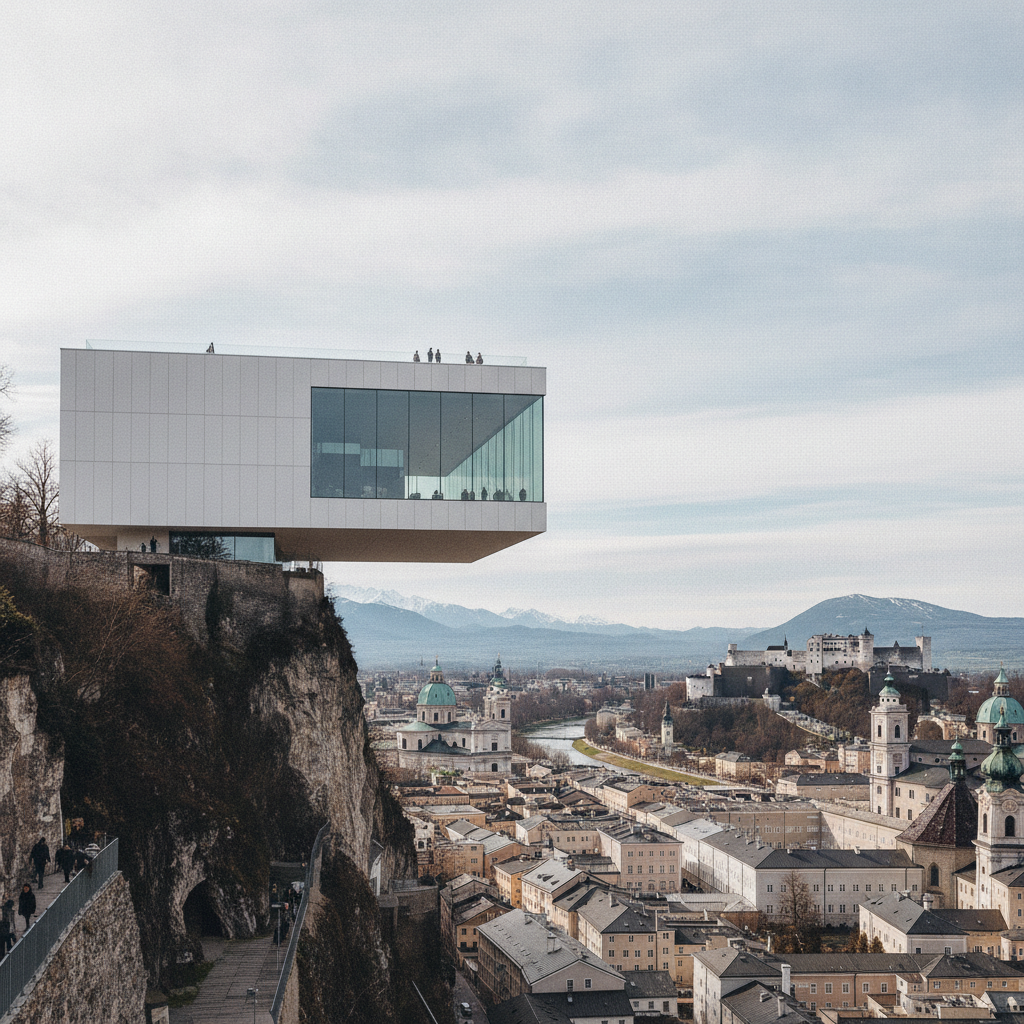
Salzburg Art and Museums — the Museum der Moderne, Salzburg Museum & the Rupertinum
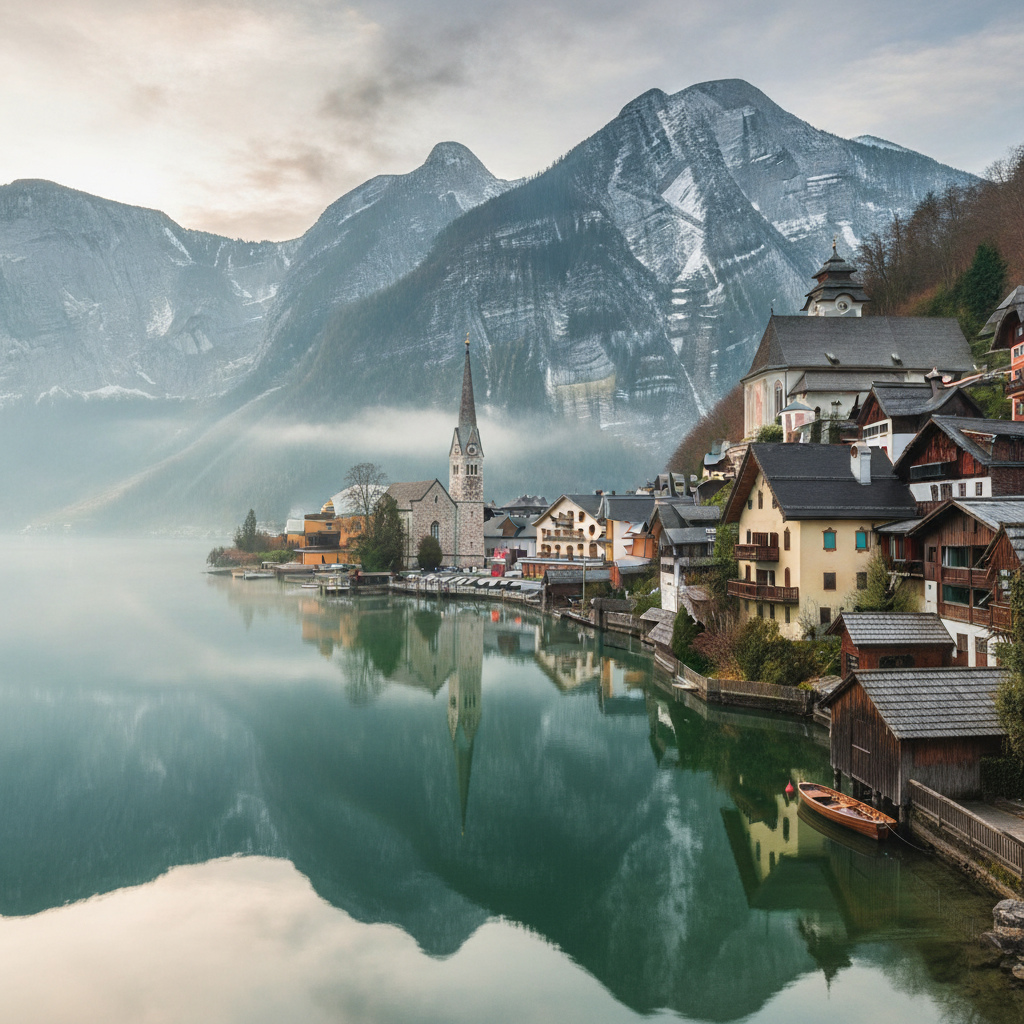
Salzburg Day Trips — the Salzkammergut Lakes, Hallstatt & the Austrian Alpine Landscape