San Antonio: The Alamo (1836 Battle, Jim Bowie and Davy Crockett, Texas Revolution), River Walk Paseo del Rio (11M visitors, 100+ restaurants, cypress canopy 1.5m below street), San Antonio Missions UNESCO World Heritage Site (5 missions, Mission San Jose Rose Window, Espada Aqueduct), Pearl Brewery Food Renaissance (Hotel Emma, Pearl Farmers Market), and Practical Guide (Fiesta San Antonio festival, King William German district, Mi Tierra Tex-Mex)
San Antonio highlights: Alamo City overview (1718 Spanish colonial founding, oldest European settlement in Texas, 65% Hispanic majority, largest US military complex), the Alamo (189 defenders vs 6,000 Mexican army, 6 March 1836, Davy Crockett, Remember the Alamo, distinctive limestone facade), River Walk (24km, 11M annual visitors, 1938 WPA construction, Casa Rio 1946, Pearl and Mission Reach extensions), UNESCO Missions (five missions, Mission San Jose Rose Window 1775, Espada Aqueduct oldest stone aqueduct in US), Pearl Brewery neighborhood and Hotel Emma luxury conversion, and San Antonio practical (SAT airport, Fiesta April, King William District, Tex-Mex at Mi Tierra).
- 1
San Antonio - the Alamo City and Texas History
San Antonio (population approximately 1.5 million city, 2.5 million metro, the 7th largest city in the United States): the most visited city in Texas, with a unique blend of Spanish colonial, Mexican, German, and American frontier cultures that makes it unlike any other major US city. San Antonio history: founded as the Mission San Antonio de Valero in 1718 by Friar Antonio de Olivares, making it one of the oldest European settlements in Texas. The city grew as the most important Spanish colonial settlement in the region, with five Franciscan missions (San Antonio de Valero/the Alamo, San Jose, San Juan Capistrano, Concepcion, and Espada) established along the San Antonio River between 1718 and 1731. San Antonio served as the capital of Texas during the Spanish colonial period, the Mexican period, and briefly after Texas independence. The demographics of San Antonio: approximately 65% Hispanic or Latino, making San Antonio the largest majority-Hispanic major city in the United States; the city has been continuously inhabited by communities of Mexican descent since its founding, and the border between the US and Mexico was moved south of San Antonio in 1848 (Treaty of Guadalupe Hidalgo), rather than San Antonio moving to a new country. The military presence: San Antonio is one of the largest military cities in the United States, with Joint Base San Antonio (the merger of Fort Sam Houston, Lackland Air Force Base, and Randolph Air Force Base), making it the largest military installation complex in the United States.
- 2
The Alamo - the Cradle of Texas Liberty
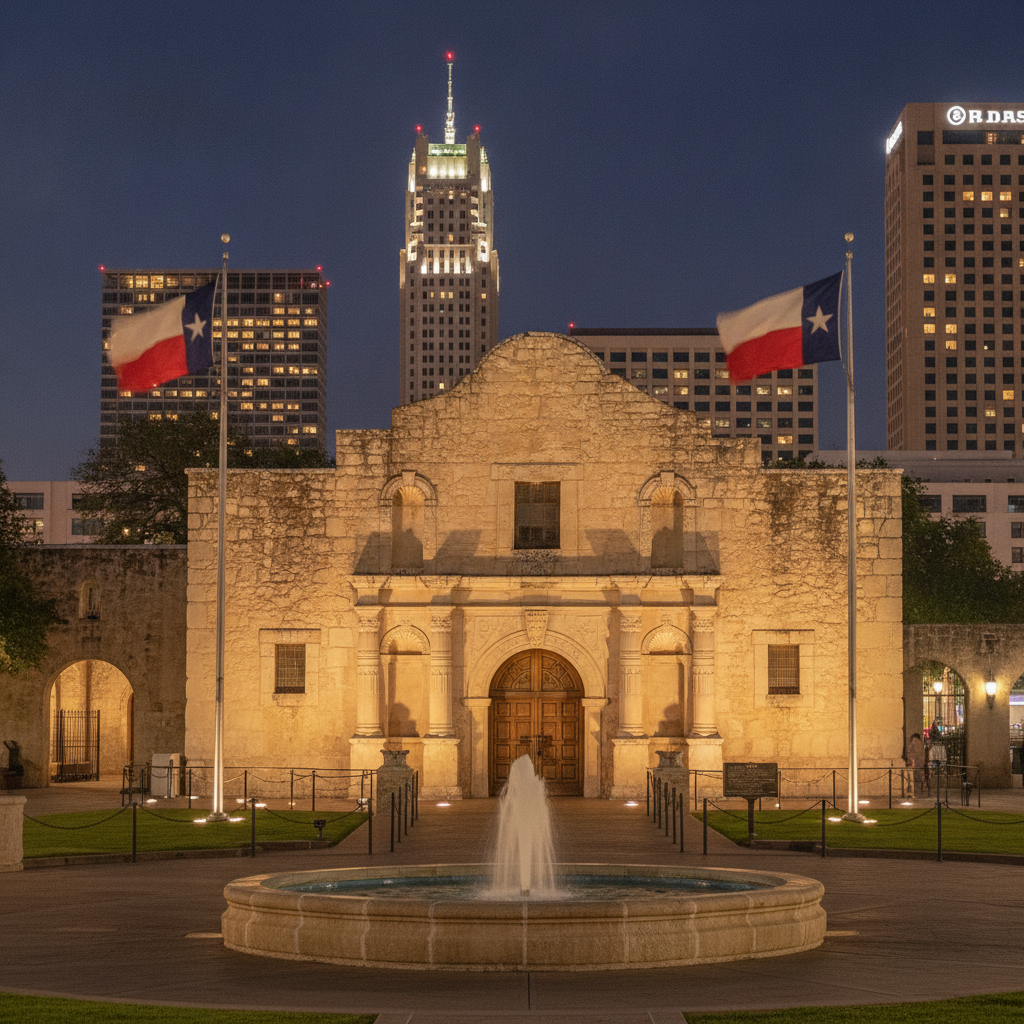
The Alamo (officially the Mission San Antonio de Valero, at 300 Alamo Plaza, downtown San Antonio): the most visited historic site in Texas and the most symbolic site in Texas history, attracting approximately 1.4 million visitors per year. The Battle of the Alamo (23 February - 6 March 1836): the 13-day siege in which approximately 189 Texan defenders (including Jim Bowie and Davy Crockett, the Tennessee frontiersman and US Congressman) held the former mission against approximately 1,800-6,000 Mexican army troops under General Antonio Lopez de Santa Anna. All of the Texan defenders were killed on 6 March 1836, when the Mexican army breached the walls in a final assault. Remember the Alamo became the battle cry of the Texas Revolution; the decisive Battle of San Jacinto (21 April 1836, near present-day Houston) resulted in the capture of Santa Anna and the recognition of Texas independence. The Alamo history before the battle: the mission was founded in 1718, secularized in 1793, and used as a military barracks from 1803; the Alamo compound in 1836 included the church (the only surviving original structure), the convento, and the Long Barrack (the original two-story structure used as the last defensive position). The Daughters of the Republic of Texas managed the Alamo from 1905 to 2015; the state of Texas now manages the Alamo under a 2015 management agreement. The Alamo church facade (the distinctive curved stone facade): the most recognized historic building in Texas.
- 3
The San Antonio River Walk - the Crown Jewel
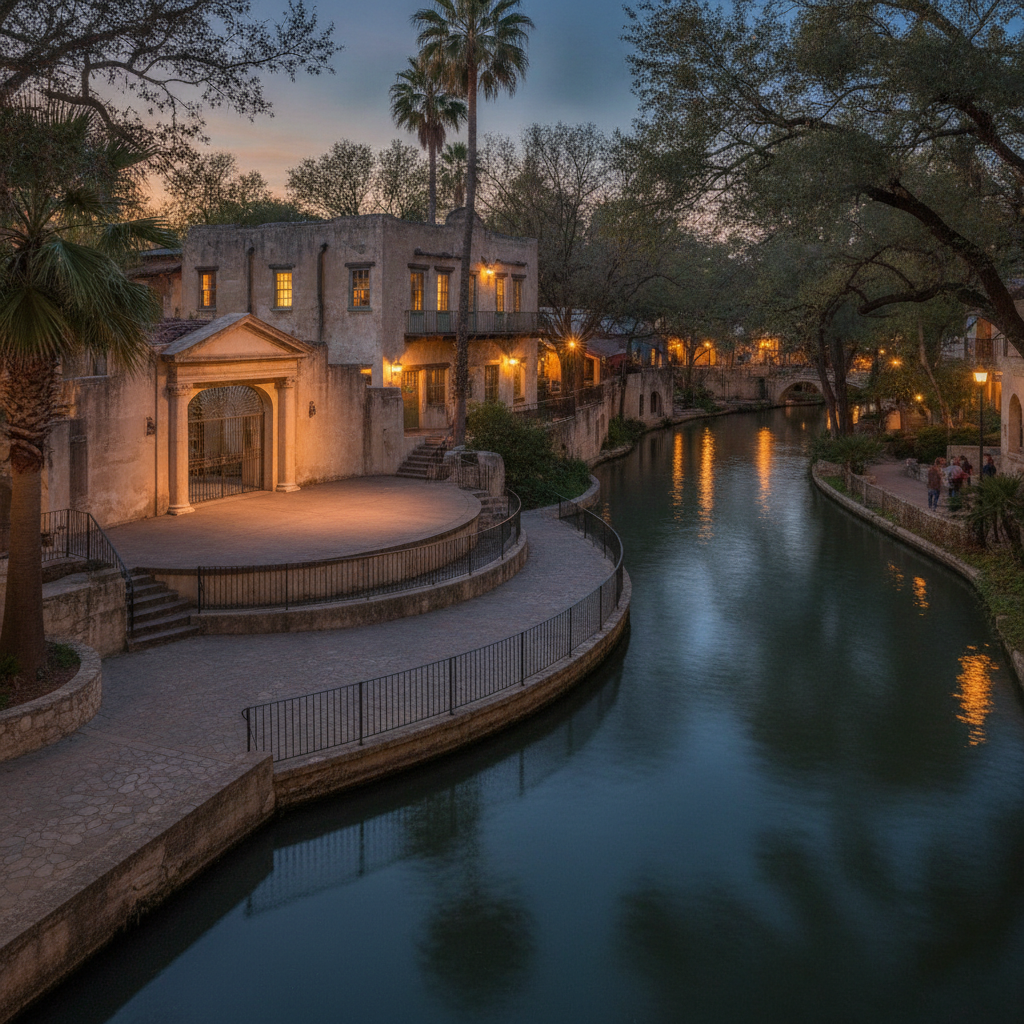
The San Antonio River Walk (Paseo del Rio): the 24 km network of stone-paved walkways lining the banks of the San Antonio River through downtown San Antonio, 1.5 m below street level. The River Walk is the most visited tourist attraction in Texas and the primary dining and entertainment district of San Antonio, with approximately 11 million visitors per year. River Walk history: the San Antonio River was straightened and channeled after catastrophic flooding in 1921; architect Robert H.H. Hugman proposed the River Walk concept in 1929 (inspired by the canals of Venice), and the Works Progress Administration constructed the first section between 1938 and 1941. The River Walk character: the stone-paved paths wind along the river beneath the shade of cypress, live oak, and bald cypress trees; the river level is 1.5 m below street level, separated from the noise of downtown by the retaining walls and the canopy. The restaurants and bars: over 100 restaurants and bars line the River Walk, ranging from the famous Rita Haworth / Hyatt hotel to the local Tex-Mex restaurants (Casa Rio, the first River Walk restaurant, opened 1946) and the upscale dining of the Hotel Contessa and the Mokara Hotel. The River Walk extensions (the Museum Reach to the north and the Mission Reach to the south): the northern extension (completed 2009) connects the King William Historic District, the Rivercenter Mall, and the Pearl Brewery area; the southern extension connects the missions (the UNESCO World Heritage missions) to the River Walk.
- 4
San Antonio Missions UNESCO World Heritage Site
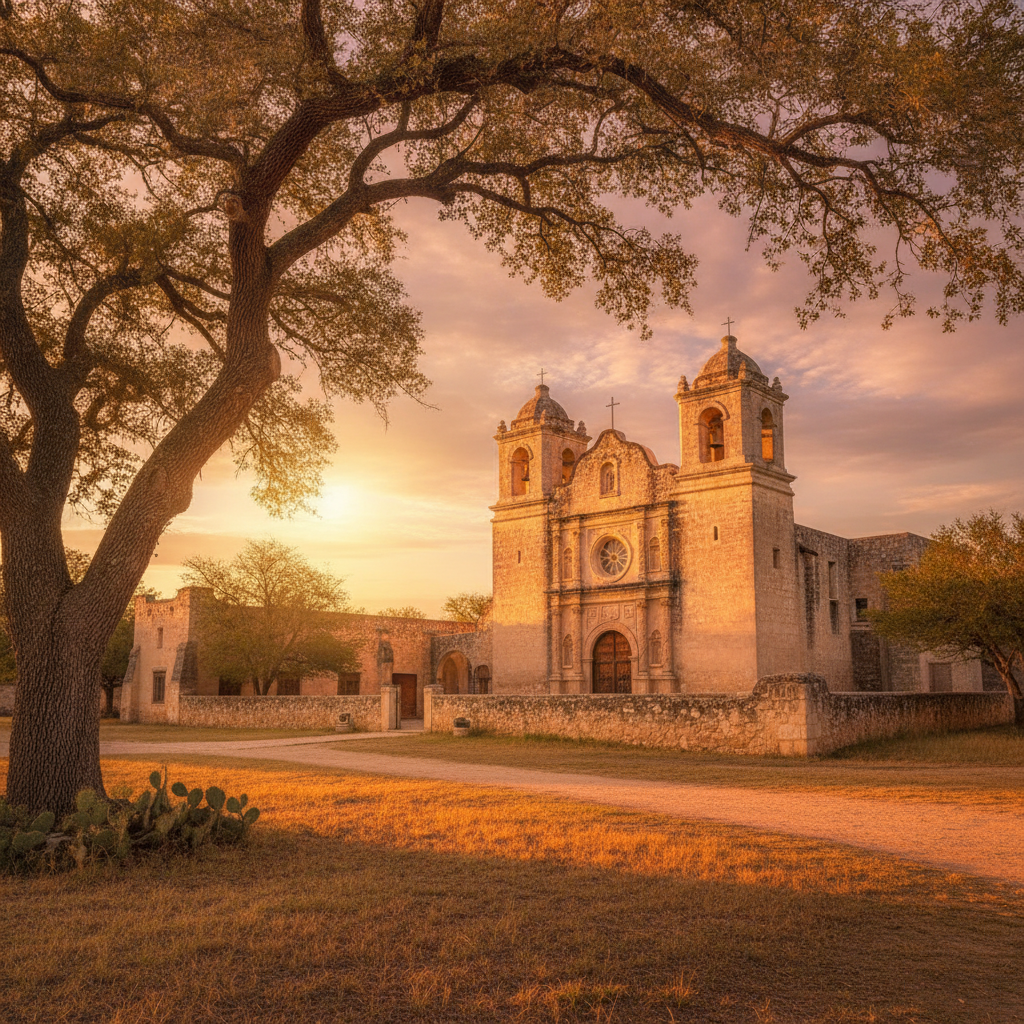
The San Antonio Missions National Historical Park (the four missions south of downtown San Antonio: Mission Concepcion, Mission San Jose, Mission San Juan, and Mission Espada): designated as a UNESCO World Heritage Site in 2015 (combined with the Alamo). The five San Antonio missions constitute the largest concentration of Spanish colonial missions in North America. Mission San Jose y San Miguel de Aguayo (at 6701 San Jose Drive, 6 km south of downtown on the Mission Reach of the River Walk): the most complete and most impressive of the five missions, known as the Queen of the Missions. The Mission San Jose church facade and the Rose Window (the ornate Churrigueresque-style carved limestone window above the sacristy door, carved by Pedro Huizar in approximately 1775): the most celebrated example of Spanish colonial decorative carving in the United States. The acequia system (the irrigation canal system that connected all five missions to the San Antonio River): the acequia madre (the mother canal) of each mission channeled water from the river to the mission fields and orchards; segments of the acequia system are still visible at Mission Espada (Espada Aqueduct, the oldest stone aqueduct in the United States, built approximately 1740). The missions as cultural bridges: the missions were not only religious institutions but economic and military institutions that tried to convert and settle the Coahuiltecan, Payaya, and other indigenous peoples of the region; the history of the mission system involves both remarkable cultural exchange and brutal suppression of indigenous culture and the use of indigenous labor.
- 5
Pearl Brewery and San Antonio Food Renaissance
The Pearl Brewery (at 303 Pearl Pkwy, 2 km north of downtown on the Museum Reach of the River Walk): the most important neighborhood development in San Antonio of the past decade, built on the site of the historic Pearl Brewing Company brewery (established 1883, closed 2001). The Pearl development: the 24-acre mixed-use development includes restaurants, a boutique hotel (the Hotel Emma, named after Emma Koehler, the wife of Pearl Brewing founder Otto Koehler, who took over running the brewery after her husband was murdered by a jealous mistress in 1914), a high-end food hall (the Pearl Farmers Market, the most visited farmers market in San Antonio, Saturday and Sunday mornings), and residential lofts. The Hotel Emma (at 136 E. Grayson Street, the Pearl): one of the most celebrated boutique hotel renovations in the United States, converting the historic brewery buildings (the brew house, the hot house, and the bottling house) into a 146-room luxury hotel with the original industrial equipment (the massive copper brew kettles, the cast iron machinery) preserved as interior design elements. The San Antonio food renaissance: the Pearl has been the catalyst for a broader upgrade of the San Antonio dining scene, with the James Beard Award nominee chefs (Geronimo Lopez, Andrew Weissman) and the vibrant Southtown arts district (between downtown and the King William neighborhood): the Blue Star Brewing Company and the collection of galleries on South Alamo Street.
- 6
San Antonio Practical Guide - Fiesta and the King William District
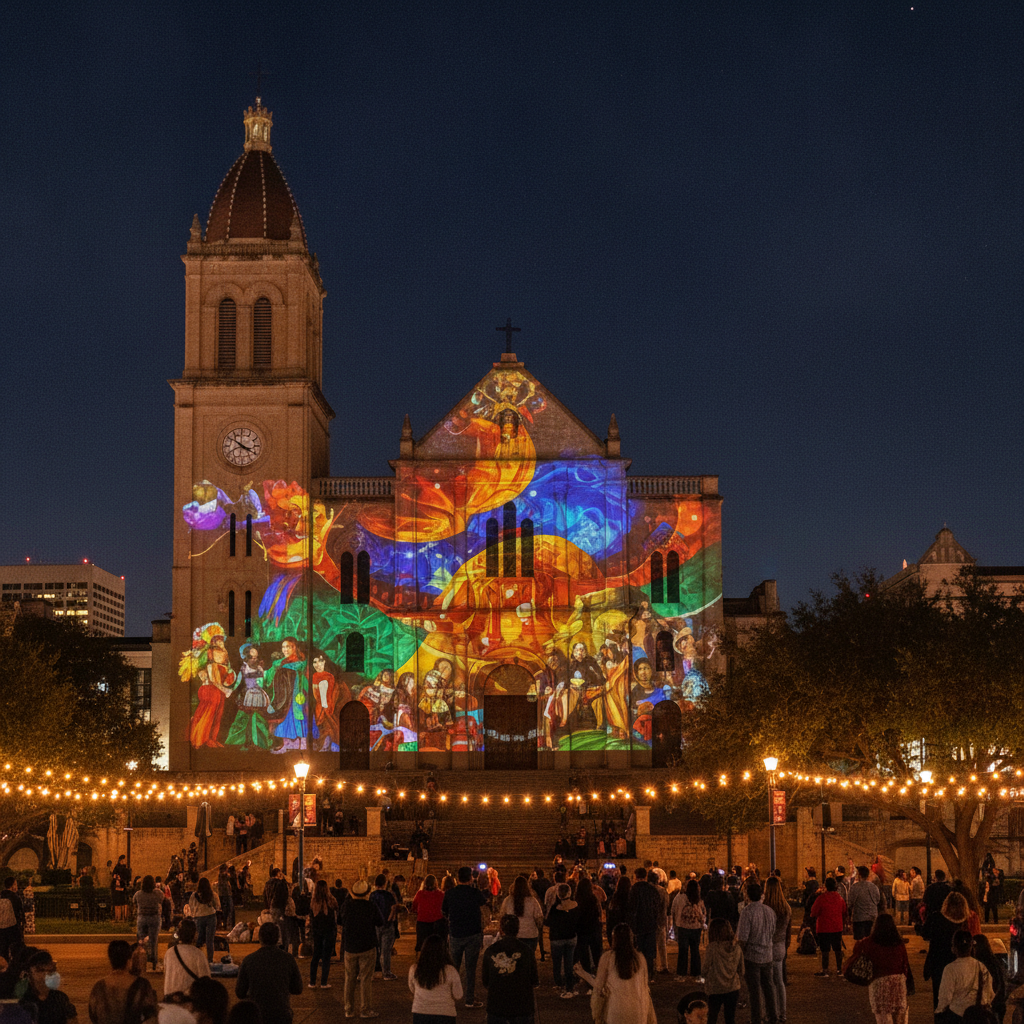
San Antonio practical guide: San Antonio International Airport (SAT): direct flights to most major US cities; the airport is 13 km from downtown. The VIA Metropolitan Transit provides bus service throughout San Antonio; the historic streetcar line runs from downtown through the King William District. The King William Historic District (the neighborhood immediately south of downtown, between the River Walk Museum Reach and the King William residential area): the most intact Victorian residential neighborhood in San Antonio, built by prosperous German merchants in the 1870s-1890s (the German community was the most influential non-Hispanic community in 19th century San Antonio; the King William street name reflects the German roots). The San Fernando Cathedral (on Main Plaza, founded 1738, completed 1749): the oldest operating cathedral in the United States and the burial site of the remains of the Alamo defenders (partially). Fiesta San Antonio (the annual 10-day festival in late April): the most important civic celebration in San Antonio, with approximately 100 events including the Battle of Flowers Parade (established 1891, one of the oldest parades in the United States), the Fiesta Flambeau night parade, the A Night in Old San Antonio event (NIOSA, the four-night celebration of San Antonio cultural heritage), and over 3.5 million attendees. Tex-Mex food: San Antonio is the capital of Tex-Mex cuisine (the hybrid cuisine of the Texas-Mexico border combining Mexican ingredients with American cooking methods); the original Tex-Mex restaurants of downtown (Mi Tierra, the 24-hour Mexican bakery and restaurant at the Market Square) are essential.
Walk this route with audio
Stories play automatically as you reach each stop — no tapping needed.
More in san-antonio
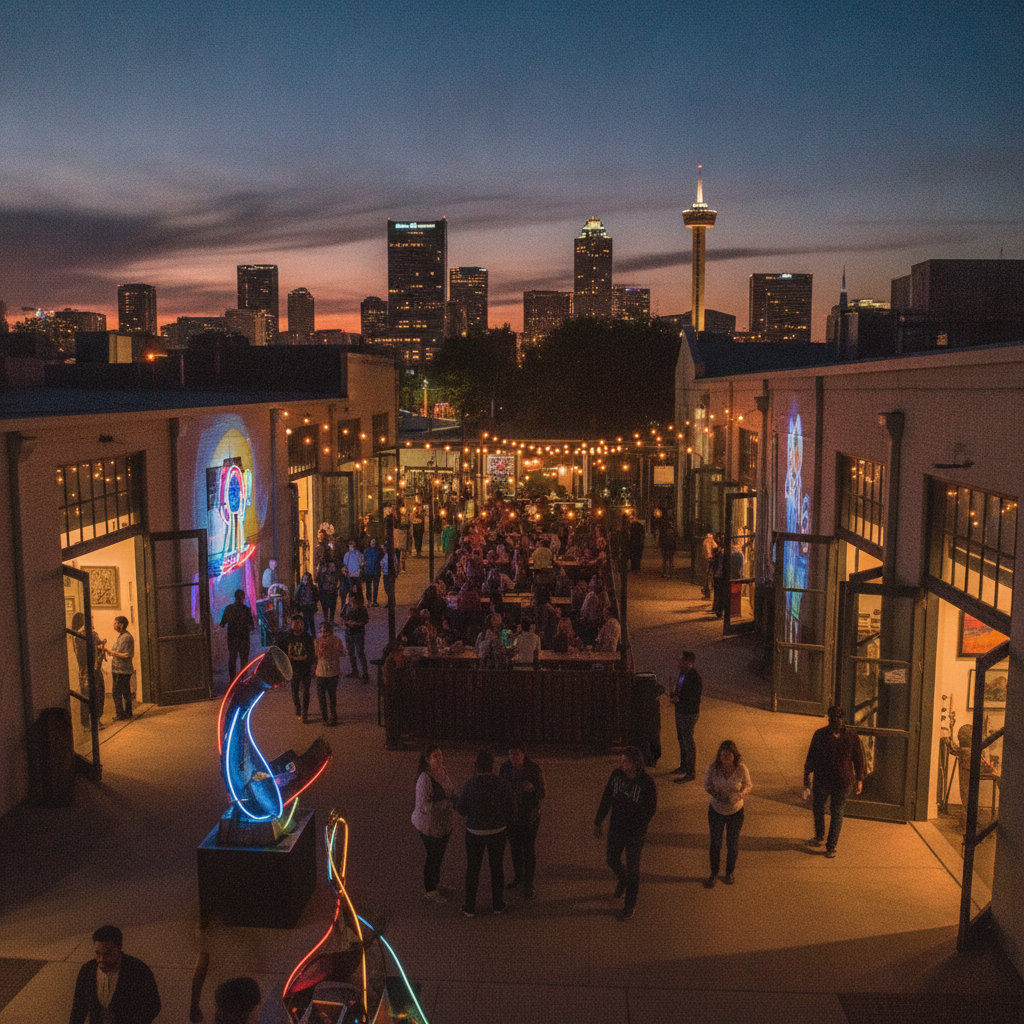
San Antonio: Zoo and Museum District (Nelson Rockefeller Latin American Art, Witte Natural History, McNay first modern art museum Texas), Southtown Arts District (Blue Star Complex, King William Victorian mansions, Tobin Center), Six Flags Fiesta Texas and San Antonio Rodeo (second largest US rodeo, February), Guadalupe Cultural Arts Center and Conjunto Music (Flaco Jimenez, Tejano Festival, Westside), New Braunfels Tubing (Comal River, Schlitterbahn, Gruene Hall), and Full Practical Guide
San Antonio: Spurs 5 Championships (Big Three Duncan-Parker-Ginobili, 2014 Finals masterpiece, Wembanyama era), Brackenridge Park (Blue Hole headwaters, Japanese Tea Garden 1918, Sunken Garden Theater), Fredericksburg Wine Road 290 (50 wineries, Hill Country AVA, Becker Vineyards, Texas Tempranillo), Fort Sam Houston Military Heritage (Geronimo prisoner 1886, Rough Riders 1898, Lackland AFB), San Antonio to Austin Texas Triangle Comparison, and Laredo US-Mexico Border Culture (40% US-Mexico trade, 96% Hispanic, Republic of the Rio Grande 1840)
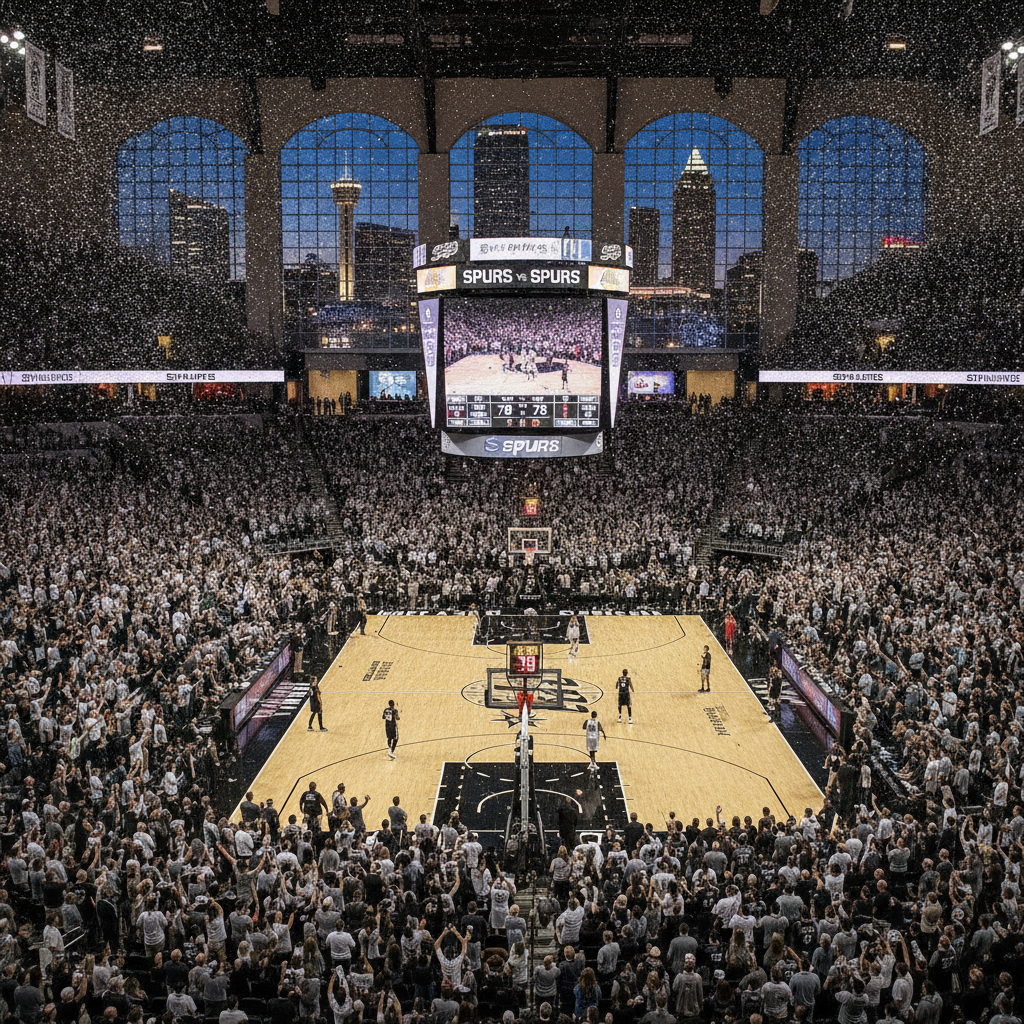
San Antonio: Five NBA Championships, Texas First Modern Art Museum and a 300-Year-Old Spring
San Antonio: America Oldest Church, Confetti Egg Battles at Fiesta and the Maverick Who Named a Word
San Antonio: Natural Bridge Caverns and Edwards Aquifer Karst (Texas blind salamander, Comal Springs), Market Square El Mercado (Mi Tierra 24-hour Mexican bakery, puffy taco origin, breakfast taco civic debate), San Fernando Cathedral (oldest operating US cathedral 1749, Alamo defenders buried here, nightly projection show), San Pedro Creek Culture Park (2.2km mosaic tile linear park, 13 cultures of San Antonio), African American Heritage (Juneteenth oldest traditions, Carver Center, Buffalo Soldiers Fort Sam Houston), and 21st Century Growth (Toyota manufacturing, USAA headquarters, Rackspace, San Antonio affordability)