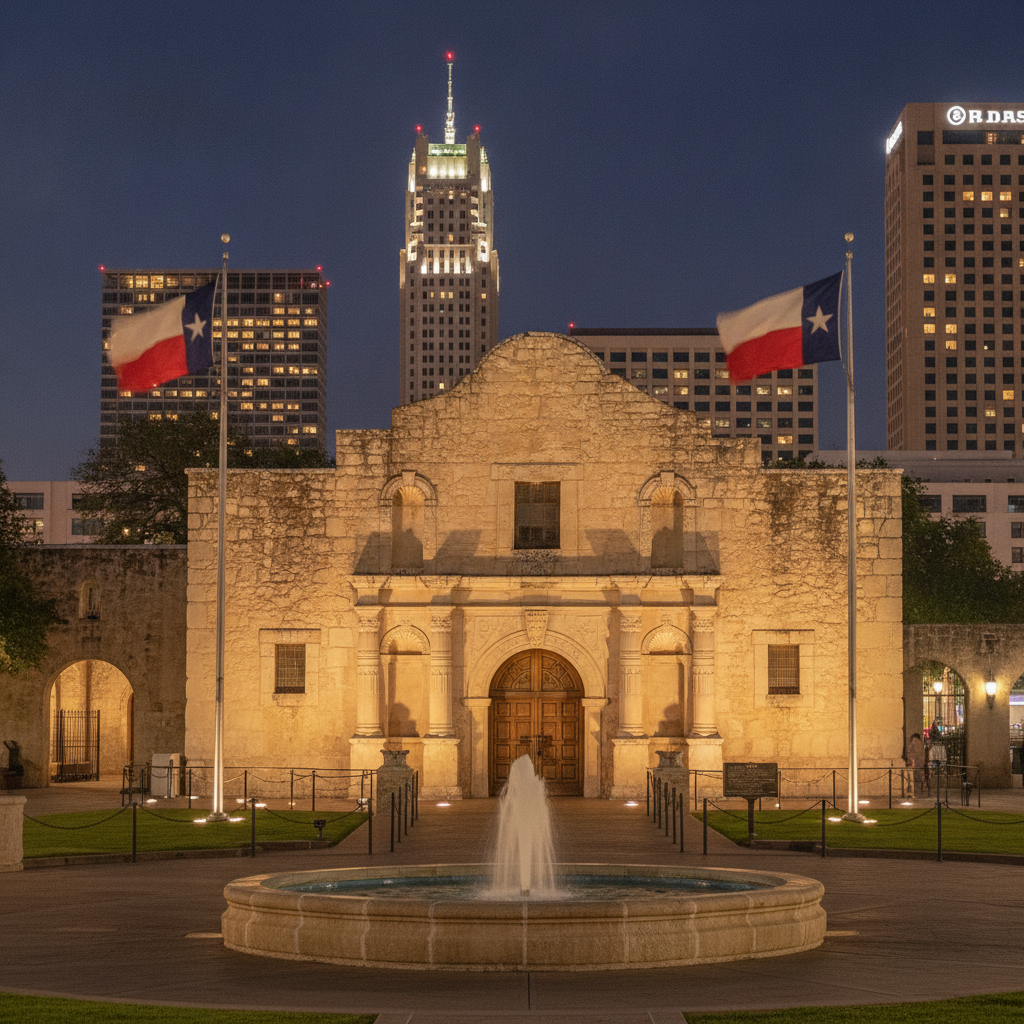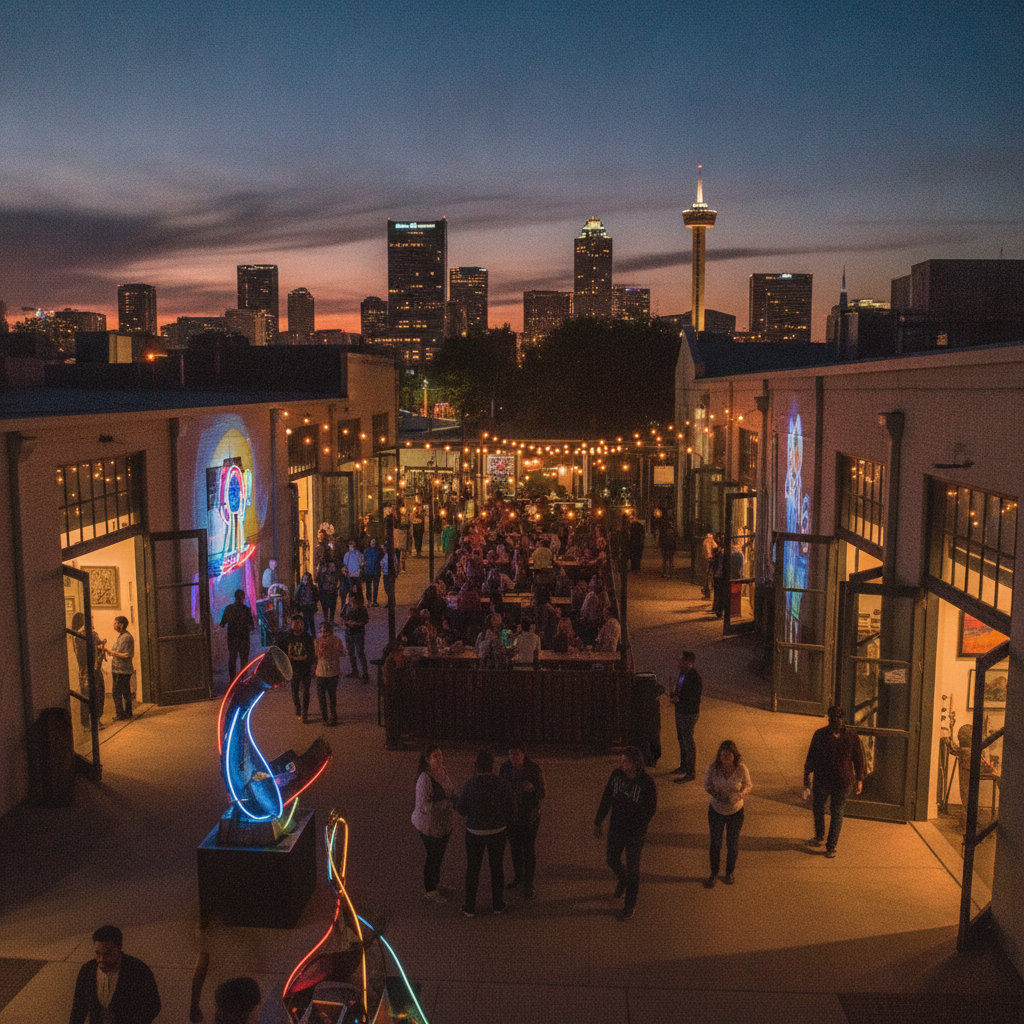
San Antonio: Zoo and Museum District (Nelson Rockefeller Latin American Art, Witte Natural History, McNay first modern art museum Texas), Southtown Arts District (Blue Star Complex, King William Victorian mansions, Tobin Center), Six Flags Fiesta Texas and San Antonio Rodeo (second largest US rodeo, February), Guadalupe Cultural Arts Center and Conjunto Music (Flaco Jimenez, Tejano Festival, Westside), New Braunfels Tubing (Comal River, Schlitterbahn, Gruene Hall), and Full Practical Guide
San Antonio culture and day trips: San Antonio Zoo (quarry setting, condor conservation), Museum of Art Rockefeller Latin American collection (largest in US), McNay Post-Impressionist mansion museum, Southtown Blue Star Arts Complex and First Friday gallery walk, King William Victorian German neighborhood, Six Flags Iron Rattler and San Antonio Rodeo (1M attendees February), Guadalupe Cultural Arts Center and Conjunto music (accordion tradition, Flaco Jimenez 5 Grammys, Tejano Conjunto Festival May), New Braunfels Comal River tubing (22C year-round springs, Schlitterbahn, Gruene Hall oldest Texas dance hall), Canyon Lake 2002 flood gorge with dinosaur tracks, and San Antonio practical guide (SAT airport, Tex-Mex affordability, day trip matrix).
- 1
San Antonio Zoo and River Bend Museum District
The San Antonio Zoo (at 3903 N. St. Mary Street, in Brackenridge Park, 3 km north of downtown): approximately 750 species and 3,500 animals in a 56-acre park, with the San Antonio River flowing through the center. The zoo was established 1914 in a former limestone quarry, using the quarry walls as natural animal enclosures. The California condor conservation: the San Antonio Zoo Wildlife Conservation Center participates in the multi-institution condor breeding program that has helped recover the California condor from 22 individuals in 1987 to 550+ today. The San Antonio Museum of Art (at 200 W. Jones Avenue, in the former Lone Star Brewery complex): the most comprehensive art museum in San Antonio, with the Nelson A. Rockefeller Center for Latin American Art (the most comprehensive collection of Latin American art in the United States, with over 3,000 objects from pre-Columbian times to the present), the Asian art galleries, and the antiquities collection. The Witte Museum (at 3801 Broadway, Brackenridge Park): the primary natural history and science museum in San Antonio, with the South Texas Heritage Center including dinosaur fossils found in South Texas limestone and the most comprehensive history of South Texas cultures. The McNay Art Museum (at 6000 N. New Braunfels Avenue, in the former Tobin estate): the first modern art museum in Texas (established 1954), with Post-Impressionist works and the most important collection of medieval manuscripts in Texas.
- 2
Southtown Arts District and Blue Star Arts Complex
The Southtown Arts District (the neighborhood immediately south of downtown San Antonio, between South Alamo Street and South St. Marys Street): the primary visual arts and gallery district in San Antonio. The Blue Star Arts Complex (at 116 Blue Star, in the former Blue Star warehouse): the largest arts complex in San Antonio, with 40 studios and gallery spaces, the Blue Star Brewing Company (the craft brewery and restaurant at the arts complex), and rotating exhibitions in the main gallery. The First Friday Southtown (the first Friday evening of each month): the primary arts gallery walk of San Antonio, with 30+ galleries open until 9pm and outdoor food stalls and musicians. The King William Historic District (the Victorian residential neighborhood south of downtown): the most intact collection of Victorian mansions in San Antonio, built by prosperous German merchants in the 1870s-1890s; the King William Association sponsors the King William Fair (the annual May arts festival in the neighborhood). The Tobin Center for the Performing Arts (at 100 Auditorium Circle, downtown): the home of the San Antonio Symphony and the Beethoven Maennerchor (founded 1867, the oldest continuously operating singing club in Texas, a legacy of the German immigrant community). The San Antonio Film Commission: San Antonio has hosted major film productions including The Alamo (1960, with John Wayne, who also directed), Selena (1997, with Jennifer Lopez), and No Country for Old Men (2007).
- 3
Six Flags Fiesta Texas and the San Antonio Rodeo
Six Flags Fiesta Texas (at 17000 I-10 West, 25 km northwest of downtown San Antonio in a former limestone quarry): the primary theme park in San Antonio, with 40+ rides including the Iron Rattler (the hybrid steel-wood roller coaster constructed in the former limestone quarry), the Pandemonium spinning coaster, and the Boomerang. SeaWorld San Antonio (at 10500 SeaWorld Drive, 24 km northwest of downtown): the marine animal park, with dolphin shows, the Antarctic penguin exhibit, and the Aquatica water park. The San Antonio Stock Show and Rodeo (held in February at the AT&T Center): the second largest rodeo in the United States (after the Houston Livestock Show and Rodeo), with approximately 1 million attendees over 16 days, the livestock exhibition, bronco riding, bull riding, barrel racing, roping events, and nightly country music concerts. The San Antonio Mariachi tradition: San Antonio has the most vibrant Mariachi culture of any US city, with the Mariachi Vargas Extravaganza festival (annual in November) drawing the most celebrated mariachi groups from Mexico and the United States. The Fiesta San Antonio (late April, 10 days, 100 events): the most important civic celebration in San Antonio, with the Battle of Flowers Parade (established 1891), the Fiesta Flambeau night parade, and NIOSA (A Night in Old San Antonio, four nights of food and cultural performances at La Villita).
- 4
Guadalupe Cultural Arts Center and Conjunto Music
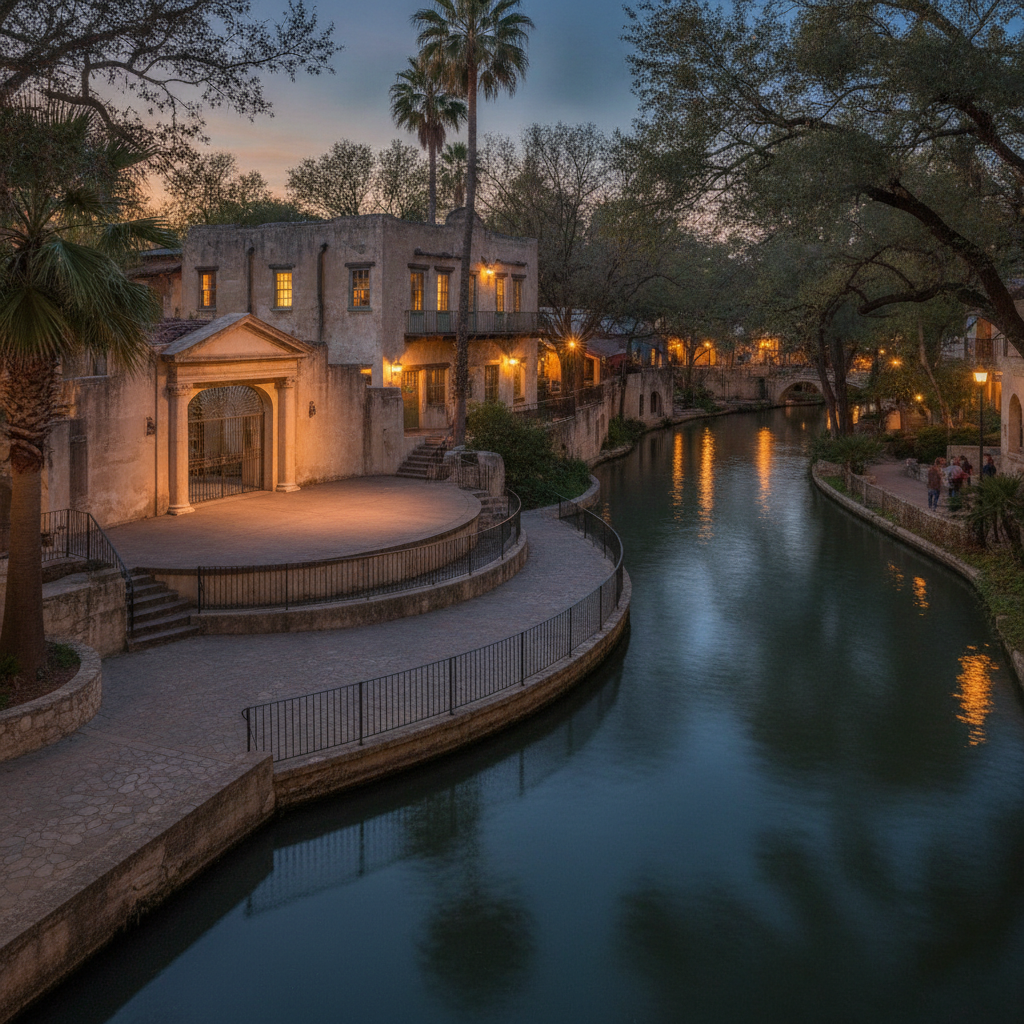
The Guadalupe Cultural Arts Center (at 1301 Guadalupe Street, in the Westside neighborhood): the most important Chicano cultural arts organization in the United States, founded 1980, promoting Chicano, Latino, and Native American arts through visual arts, theater, dance, film, and music. The Tejano Conjunto Festival (annual in May, at Rosedale Park): the most important conjunto music festival in the world. Conjunto music (the accordion-driven dance music of the Texas-Mexico border): combines 19th century German polka and waltz influences (from the German immigrant communities of central Texas) with Mexican huapango and corrido traditions. Flaco Jimenez (the San Antonio-born accordion master, born 1939): the most internationally celebrated Tejano musician, son of conjunto pioneer Don Santiago Jimenez; won 5 Grammy awards and collaborated with the Texas Tornados. The Westside of San Antonio (the historic Mexican-American neighborhood west of downtown): the cultural heartland of Tejano music and Chicano visual art. The San Antonio Museum of Art displays pre-Columbian art from the Aztec, Maya, and Inca civilizations in the Rockefeller collection. La Villita Historic Arts Village (the small arts village at the bend of the River Walk, the site of the original civilian settlement of San Antonio): the artisan studios and galleries in restored 19th century buildings, adjacent to the Arneson River Theater (the outdoor amphitheater on the river bank).
- 5
New Braunfels Tubing and Hill Country Water Recreation
New Braunfels (the German colonial town 65 km northeast of San Antonio on the Comal and Guadalupe Rivers): the most popular water recreation destination near San Antonio. The Comal River (the shortest river in the United States at 4 km, maintained at a constant 22C year-round by the natural springs at Landa Park): the most-tubed river in Texas, with the river channels flowing through downtown New Braunfels past the Schlitterbahn Waterpark. Schlitterbahn Waterpark New Braunfels (the original Schlitterbahn, founded 1979 on the Comal River): the most creative waterpark in the United States, with the natural river channels incorporated into the park design and the unique chute and tube ride system. Gruene Hall (the oldest operating dance hall in Texas, at 1281 Gruene Road, New Braunfels): built in the 1870s, the dance hall has hosted George Strait, Lyle Lovett, and Garth Brooks in the early stages of their careers. Canyon Lake (at Canyon City, 65 km north of San Antonio): the primary boating and water recreation lake in the Hill Country, with the Canyon Lake Gorge (carved by the 2002 flood, exposing 100-million-year-old dinosaur tracks). The Guadalupe River State Park (at Spring Branch): the most popular state park for river swimming in the Hill Country, with the clear Guadalupe River at 19-20C year-round.
- 6
San Antonio Practical Guide and Neighborhood Overview
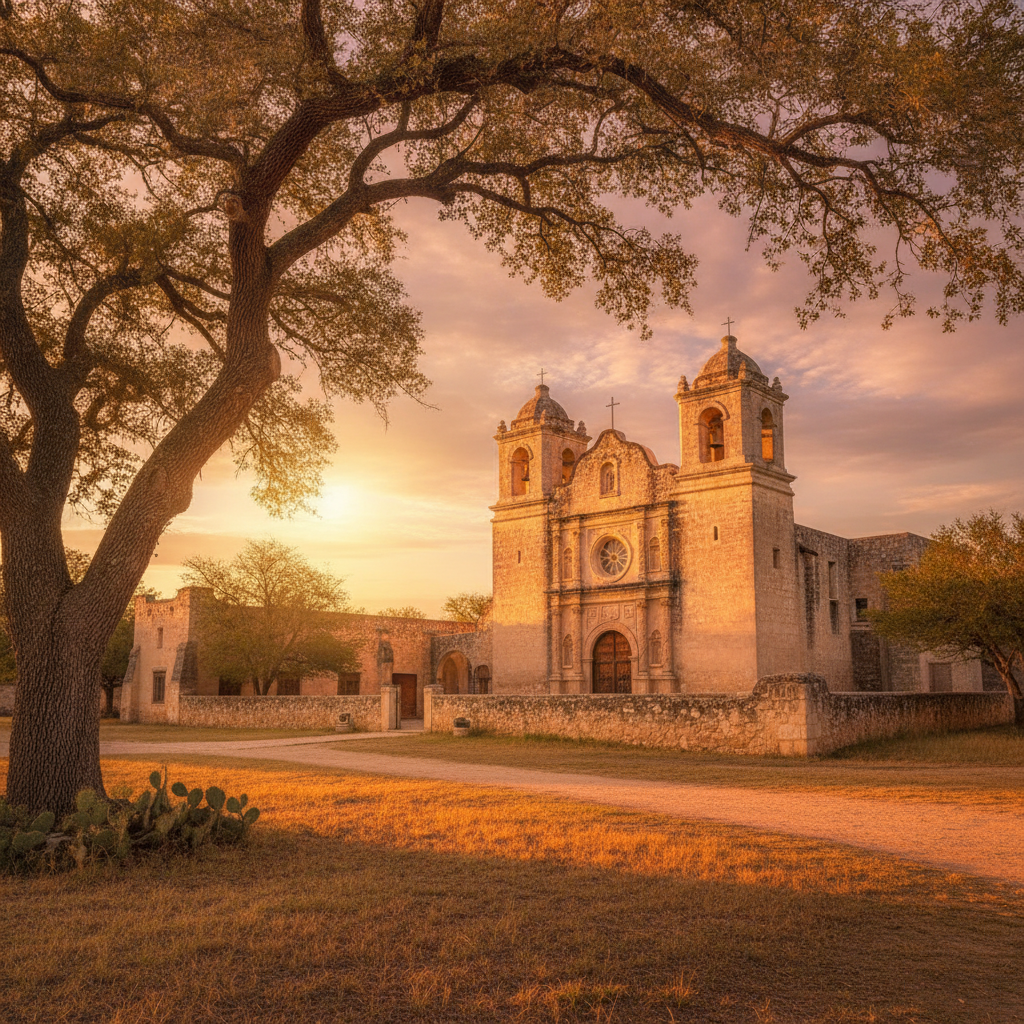
San Antonio practical guide: San Antonio International Airport (SAT): 15 km northeast of downtown, with direct flights from most major US cities. The VIA Metropolitan Transit bus network and the historical streetcar line serve downtown. San Antonio neighborhoods: the River Walk zone (the major convention hotels, the Convention Center, and the primary tourist infrastructure), the King William District (the Victorian neighborhood for bed and breakfast stays), the Pearl (the upscale development with Hotel Emma), and Southtown (for arts-focused visitors). The best time to visit San Antonio: October-April (the cooler months with 18-24C highs; Fiesta in late April is the most festive but most crowded time). San Antonio affordability: one of the most affordable major cities in the United States for accommodation (average hotel rate approximately USD 130-150 per night downtown), dining (Tex-Mex meals USD 10-20), and attractions (the Alamo is free). Day trips from San Antonio: Natural Bridge Caverns (30 km, 30 min), New Braunfels and Schlitterbahn (65 km, 45 min), Fredericksburg wineries (120 km, 1.5 hours), Austin (130 km, 1.5 hours via I-35). The San Antonio Missions trail (the UNESCO mission circuit from the Alamo south to Mission Espada): accessible by car (30 min for the full circuit), the Mission Reach linear trail (cycling or walking along the San Antonio River), or the VIA bus.
Walk this route with audio
Stories play automatically as you reach each stop — no tapping needed.
More in san-antonio
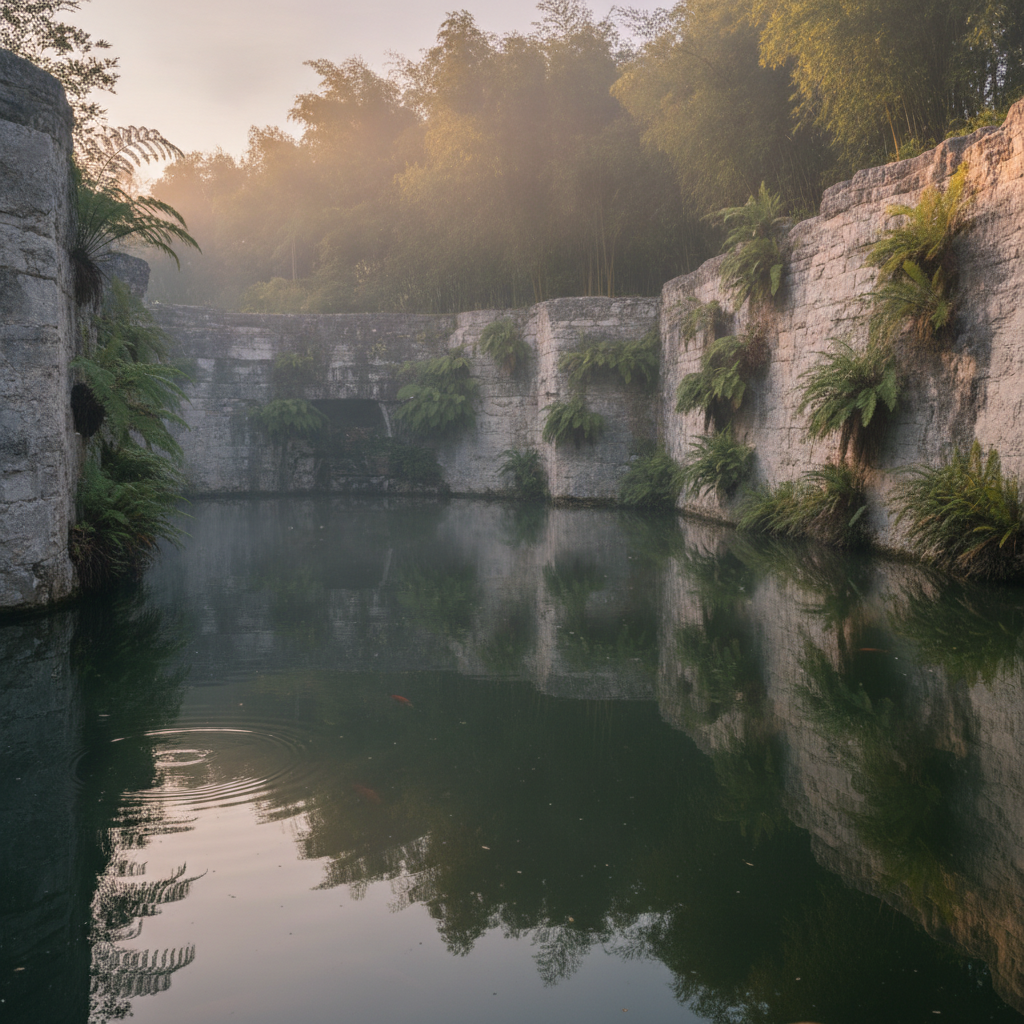
San Antonio: Spurs 5 Championships (Big Three Duncan-Parker-Ginobili, 2014 Finals masterpiece, Wembanyama era), Brackenridge Park (Blue Hole headwaters, Japanese Tea Garden 1918, Sunken Garden Theater), Fredericksburg Wine Road 290 (50 wineries, Hill Country AVA, Becker Vineyards, Texas Tempranillo), Fort Sam Houston Military Heritage (Geronimo prisoner 1886, Rough Riders 1898, Lackland AFB), San Antonio to Austin Texas Triangle Comparison, and Laredo US-Mexico Border Culture (40% US-Mexico trade, 96% Hispanic, Republic of the Rio Grande 1840)
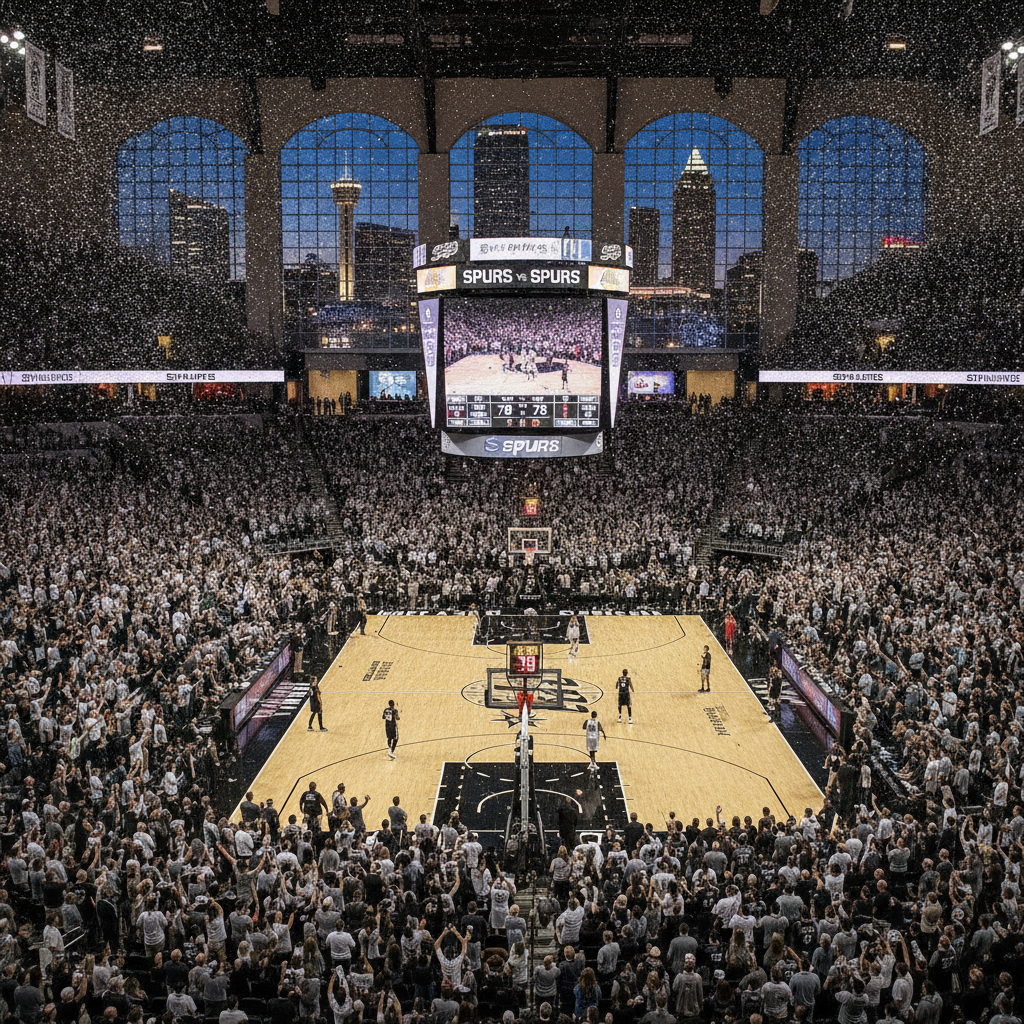
San Antonio: Five NBA Championships, Texas First Modern Art Museum and a 300-Year-Old Spring
San Antonio: America Oldest Church, Confetti Egg Battles at Fiesta and the Maverick Who Named a Word
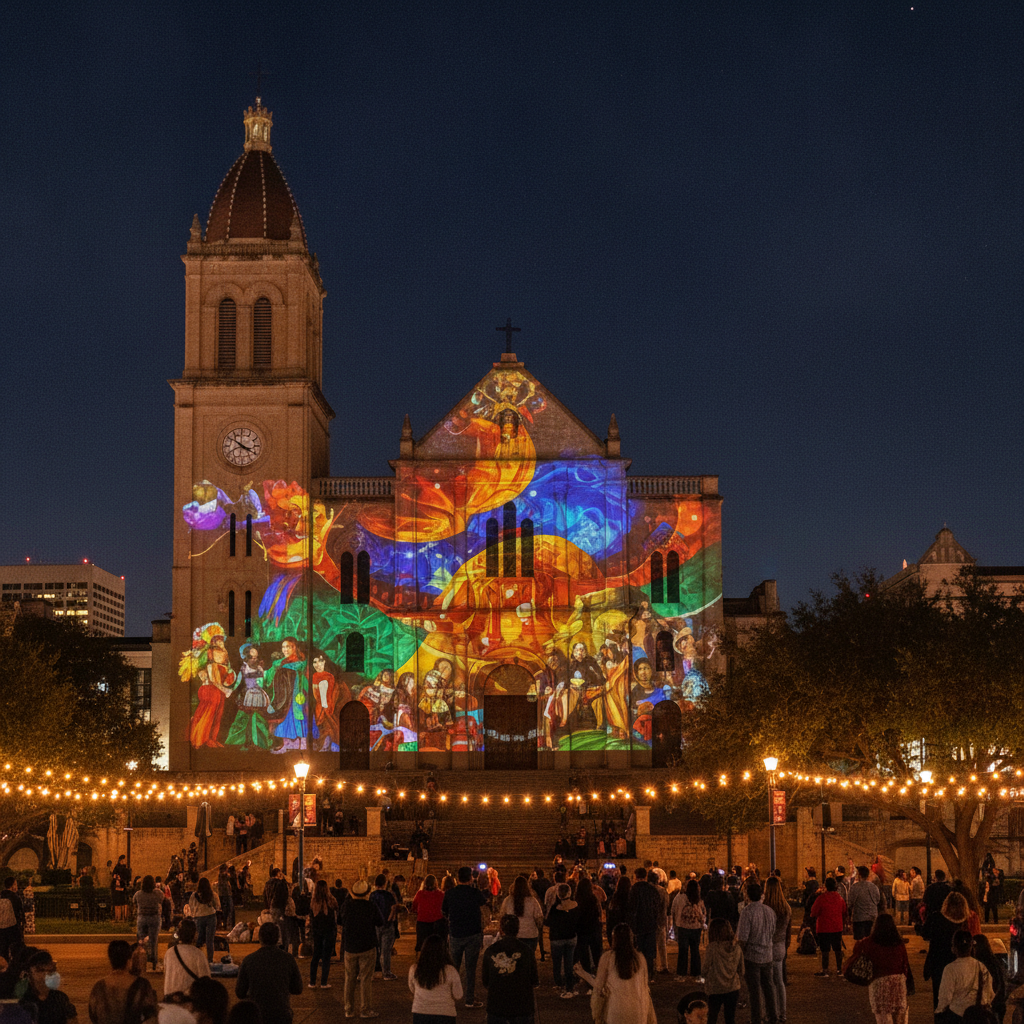
San Antonio: Natural Bridge Caverns and Edwards Aquifer Karst (Texas blind salamander, Comal Springs), Market Square El Mercado (Mi Tierra 24-hour Mexican bakery, puffy taco origin, breakfast taco civic debate), San Fernando Cathedral (oldest operating US cathedral 1749, Alamo defenders buried here, nightly projection show), San Pedro Creek Culture Park (2.2km mosaic tile linear park, 13 cultures of San Antonio), African American Heritage (Juneteenth oldest traditions, Carver Center, Buffalo Soldiers Fort Sam Houston), and 21st Century Growth (Toyota manufacturing, USAA headquarters, Rackspace, San Antonio affordability)
San Antonio: Puffy Taco Capital, the Only Working Spanish Colonial Irrigation Ditch and German Victorian Mansions