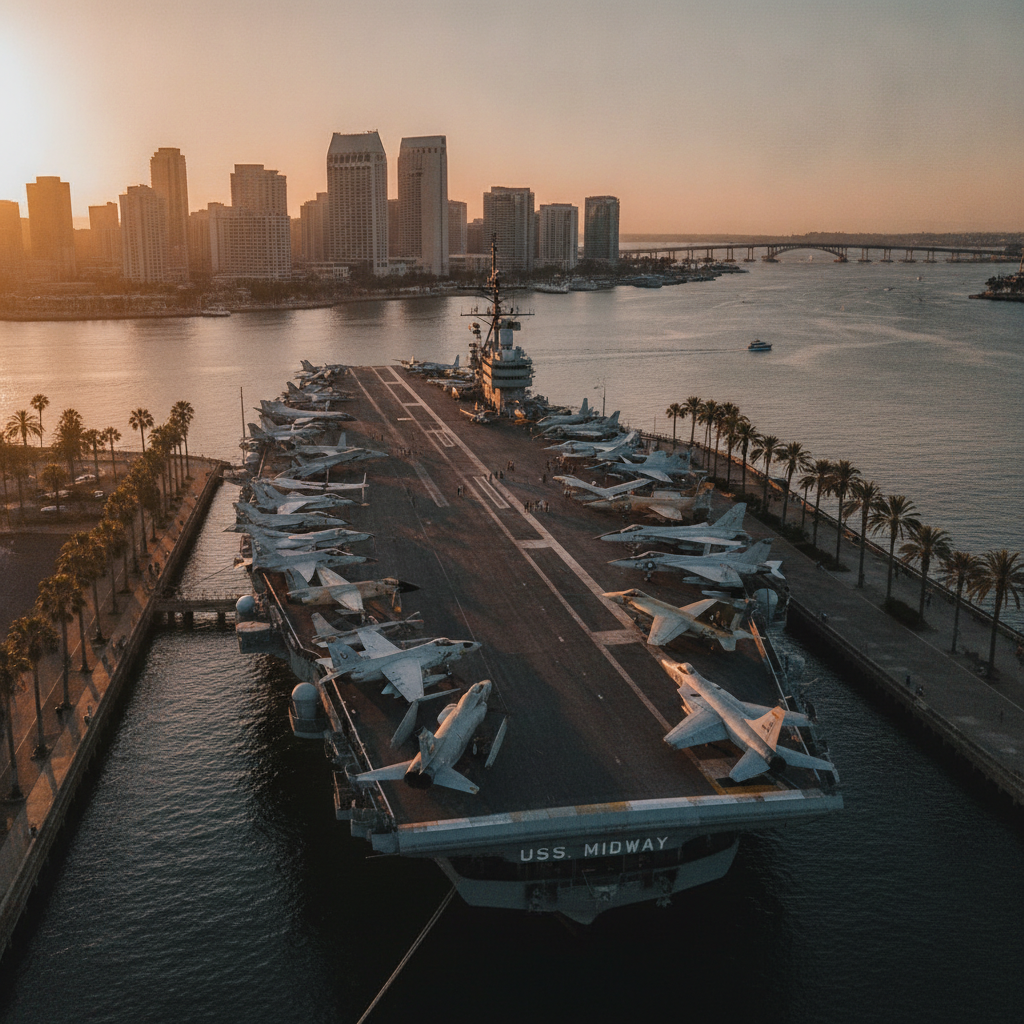
San Diego: Victorian Beach Palace, Free Organ Concerts Since 1915 and Caesar Salad Birthplace
Stroll El Prado among Spanish Colonial Revival buildings hosting free Sunday pipe organ concerts continuously since 1915, cross to Coronado via the sweeping blue bridge to see the Hotel del Coronado where Some Like It Hot was filmed, kayak or sail the 4235-acre man-made Mission Bay aquatic park, drive up the preserved coastline that Camp Pendleton kept undeveloped to Oceanside surf museum, see condors saved from extinction at Safari Park, and walk across the world busiest land border to Tijuana where Caesar salad was invented in 1924.
- 1
Balboa Park Spanish Colonial Architecture
Balboa Park, established in 1835 as a 1,400-acre city reservation before San Diego was officially incorporated, contains the most significant collection of Spanish Colonial Revival architecture in the United States, built for the 1915 Panama-California Exposition celebrating the opening of the Panama Canal. The architect Bertram Goodhue designed the central buildings along El Prado, including the California Building with its 200-foot tower housing the Museum of Man anthropology collections. The buildings were intended as temporary exhibition structures but were so admired that San Diego rebuilt them in permanent materials for the 1935 California Pacific International Exposition. The Spreckels Organ Pavilion in the park has hosted free public pipe organ concerts every Sunday afternoon continuously since 1915, the longest-running such series in the world. The park is the green heart of San Diego and entry to all park grounds is free.
- 2
Coronado Island and Hotel del Coronado
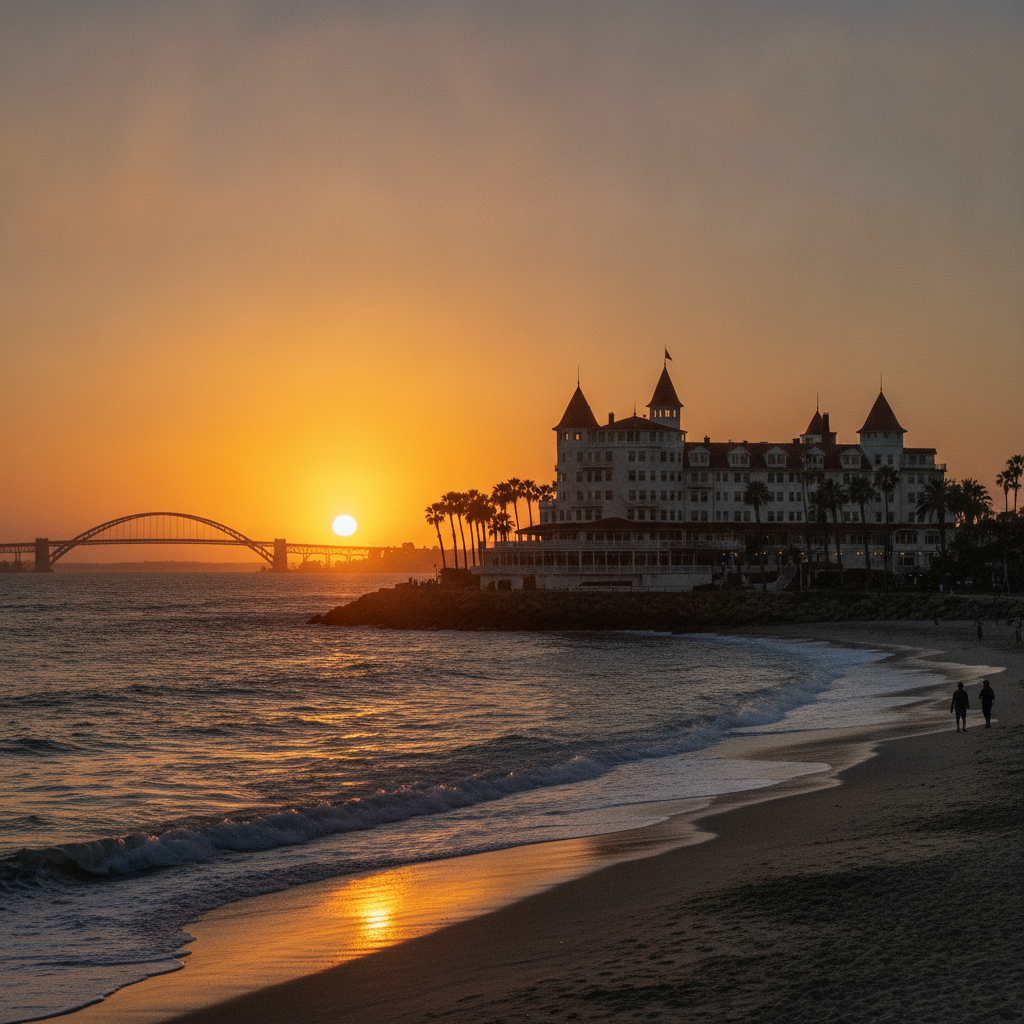
Coronado, technically a peninsula connected to the mainland by the Silver Strand barrier beach but popularly called an island, is accessible from downtown San Diego across the San Diego Bay via the Coronado Bridge, a sweeping blue arc completed in 1969 that is one of the most photographed bridges in California. The Hotel del Coronado, a Victorian beach resort opened in 1888 and one of the largest wooden structures in the United States, has hosted Presidents and celebrities and is believed to have inspired L. Frank Baum Hotel of Coronado scenes while he lived there, though this is disputed. Some Like It Hot, the 1959 Billy Wilder film with Marilyn Monroe, Tony Curtis, and Jack Lemmon, was filmed partly at the Hotel del Coronado. The Coronado Beach in front of the hotel is one of the most beautiful beaches in California. Naval Air Station North Island occupies the northern tip of Coronado and is the birthplace of naval aviation.
- 3
Mission Bay Aquatic Park
Mission Bay Aquatic Park, created by dredging Mission Bay from tidal mudflats between 1945 and 1960, is the largest man-made aquatic park in the United States at 4,235 acres, with 27 miles of shoreline split between parkland and private leasehold. The park accommodates sailing, windsurfing, kayaking, wakeboarding, rowing, swimming, and cycling on 12 miles of bike paths. SeaWorld San Diego, which opened in 1964 on the southern shore of Mission Bay, is one of the largest marine-life parks in the world and was the subject of the 2013 documentary Blackfish documenting the treatment of captive orca whales, which caused significant reputational damage and prompted the company to phase out orca breeding. The Bahia Resort Hotel and Catamaran Resort on Mission Bay are landmarks from the original park development. Mission Bay Park hosts events including the Over-the-Line tournament, an annual two-person softball game with origins in San Diego beach culture since 1954.
- 4
Oceanside and Camp Pendleton
Oceanside, the third-largest city in San Diego County at 180,000 residents, is adjacent to Marine Corps Base Camp Pendleton, the largest military base on the West Coast covering 200 square miles of coastal land between Oceanside and San Clemente. The presence of Camp Pendleton has preserved the longest undeveloped stretch of California coastline south of San Francisco, preventing the urban sprawl that would otherwise connect San Diego and Los Angeles along the coast. Oceanside Harbor, a small boat harbor opened in 1963, is flanked by a beach community of surf shops, fish restaurants, and the California Surf Museum, the only museum in the country dedicated to surf culture and history. The historic Oceanside Pier, extending 1,942 feet into the Pacific, is among the longest wooden piers in California. Oceanside has a significant active-duty and veteran military population and a distinct culture tied to Camp Pendleton.
- 5
San Diego Zoo Safari Park
The San Diego Zoo Safari Park in Escondido, 35 miles north of downtown San Diego, is a 1,800-acre wildlife sanctuary operated by the San Diego Zoo Wildlife Alliance, housing over 3,500 animals representing more than 300 species in large field enclosures that allow animals to roam in multi-species groups resembling African savanna habitats. The park opened in 1972 as a breeding facility supplement to the zoo and has produced significant conservation successes, most notably helping save the California condor from extinction through its captive breeding program. The last wild California condor was captured in 1987 and condors bred at the park were reintroduced to the wild beginning in 1992. The Condor Ridge exhibit allows visitors to view the birds close-up. The Africa Tram provides a 25-minute narrated tour of the African field enclosures. Safari-style overnight camping within the park is available for a premium experience.
- 6
Tijuana Cross-Border Culture
Tijuana, Mexico, directly across the international border from San Diego at the San Ysidro port of entry, which processes over 100,000 crossings daily and is the busiest land border crossing in the world, is an integral part of the San Diego cultural and economic ecosystem. An estimated 40,000 US citizens commute across the border daily for work, shopping, medical care, and other purposes. Avenida Revolucion in the tourist zone of downtown Tijuana, a block from the Pedestrian crossing, is lined with pharmacies, restaurants, clubs, and tourist shops. The Zona Gastronómica along Avenida Sanchez Taboada has developed into one of the more interesting dining scenes in the Californias region with innovative Mexican cuisine. Caesar salad was invented at Caesars Hotel and Restaurant in Tijuana in 1924 by Italian immigrant Caesar Cardini. Tijuana has a population of over 2 million and is the 6th largest city in Mexico.
Walk this route with audio
Stories play automatically as you reach each stop — no tapping needed.
More in San Diego
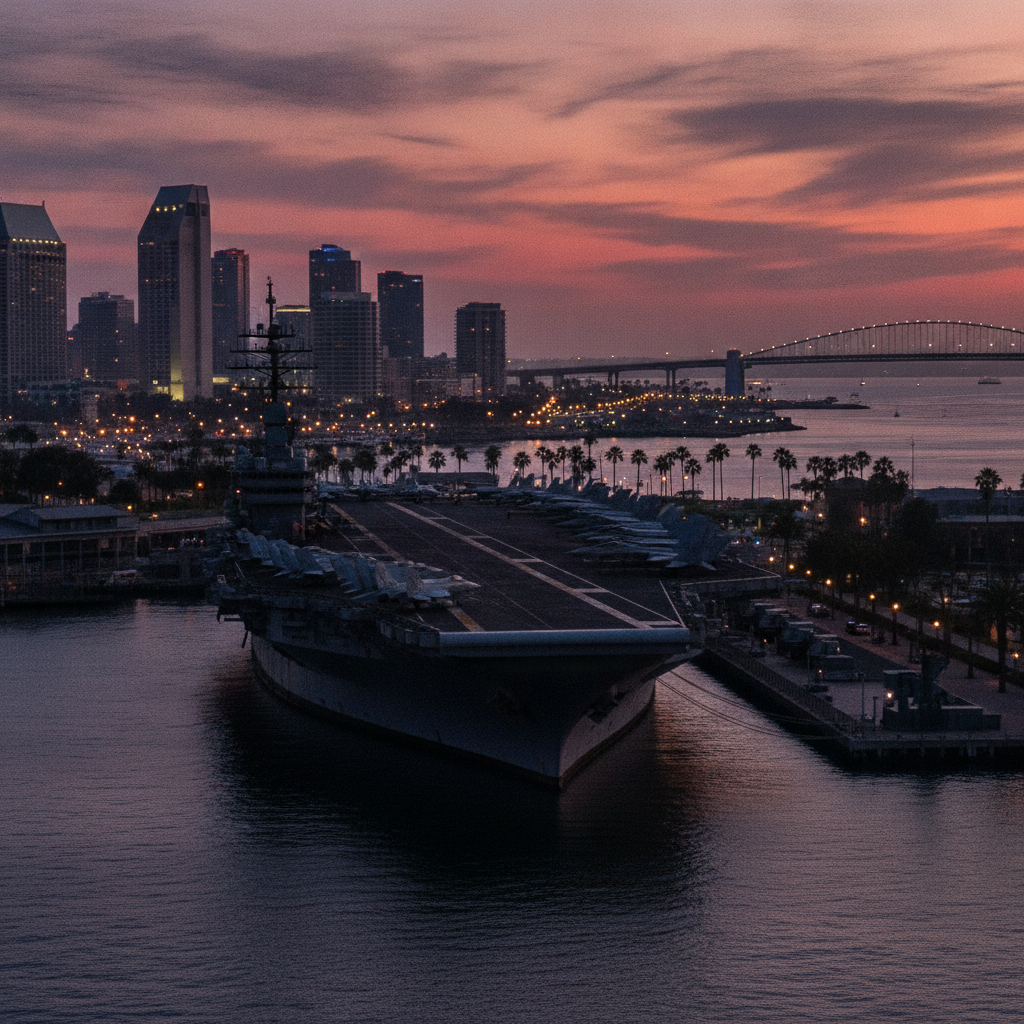
San Diego: Tijuana Day Trip (world busiest border crossing, Caesar salad origin 1924, Baja Med cuisine, Tijuana craft beer), USS Midway Museum (longest-serving 20th century carrier, 29 restored aircraft), Torrey Pines State Reserve (rarest North American pine, gliderport paragliding, Del Mar Racetrack), Mission Bay SeaWorld and Ocean Beach, Julian Gold Rush Town (apple pie, Cuyamaca Mountains, Cedar Fire recovery), and San Diego to Los Angeles Pacific Coast Highway Drive
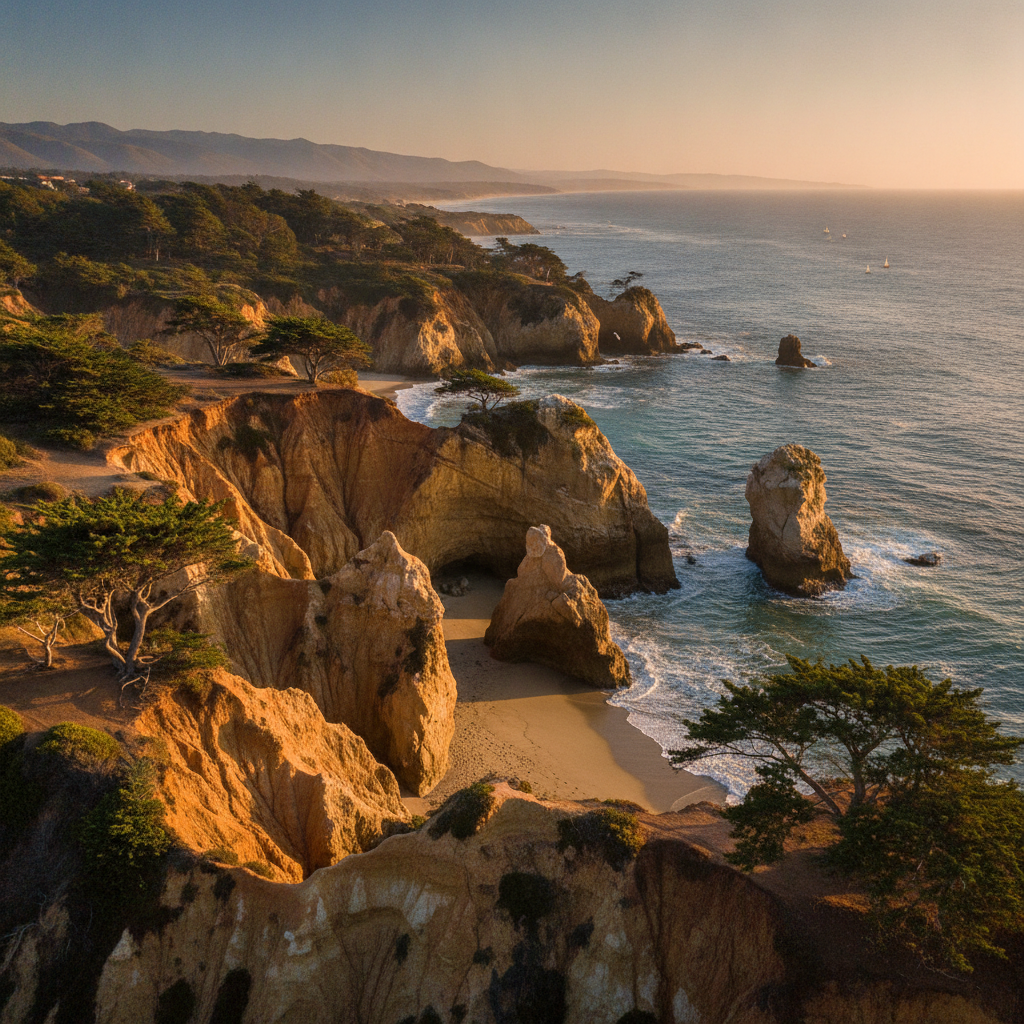
San Diego: Rarest Pine Tree in America, the World Oldest Sailing Ship and a 7000 Acre City Wilderness
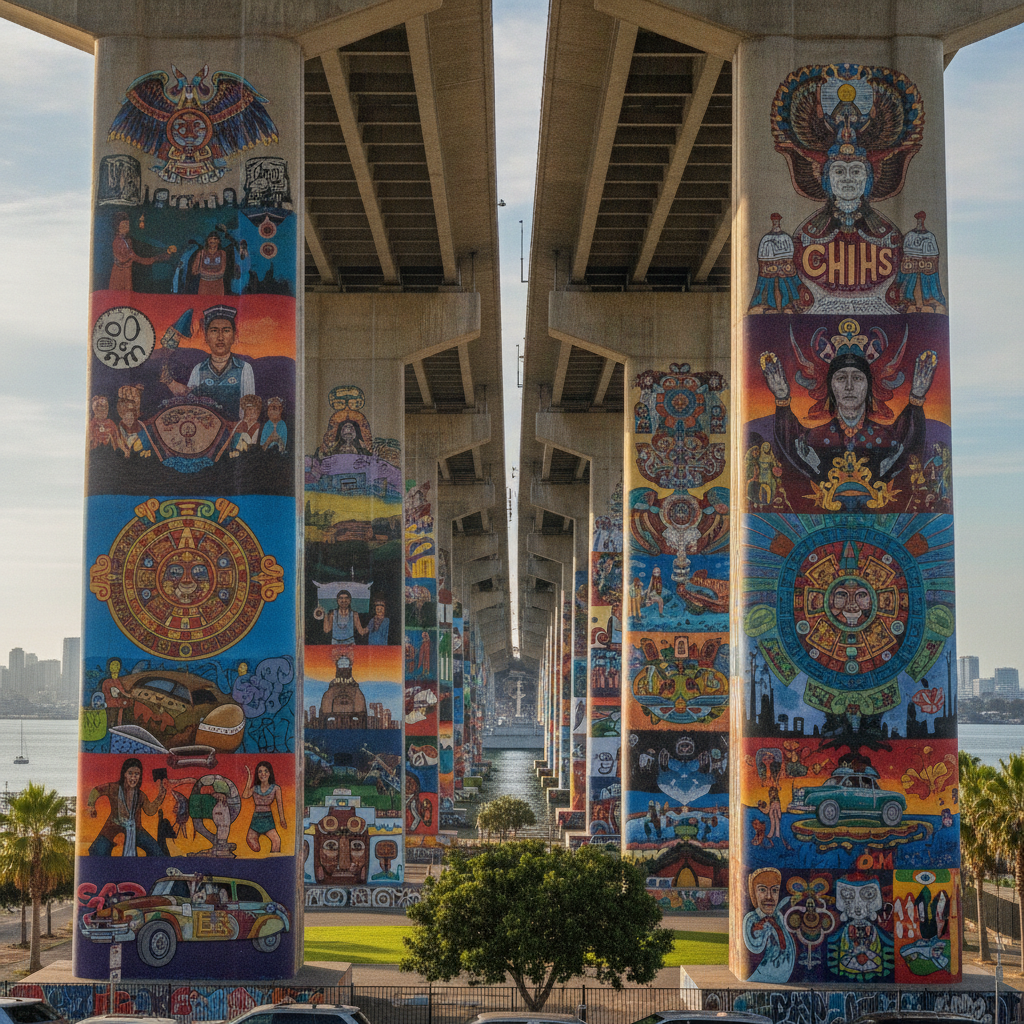
San Diego: Eocene Sea Cliffs, the World Largest Chicano Mural Collection and Bing Crosby Racetrack
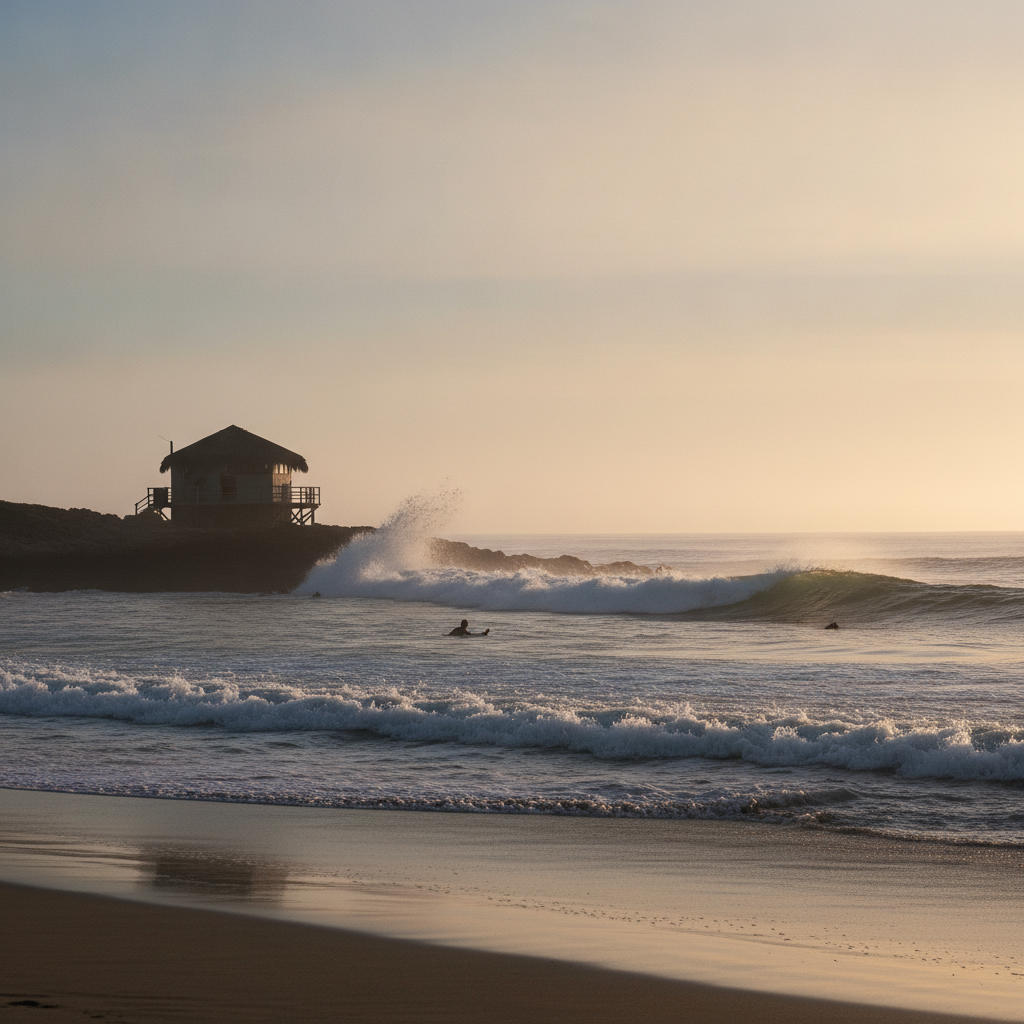
San Diego: Surf Culture (Windansea Beach, Ocean Beach Sunset Cliffs, The Pump House Gang), Old Town San Diego Historic Park (1769 Spanish presidio, Whaley House, Casa de Estudillo), UCSD and Salk Institute Architecture (Louis Kahn masterpiece, Scripps Oceanography, polio vaccine Jonas Salk), Petco Park and Padres Baseball (Tony Gwynn, Trevor Hoffman, Western Metal Supply Building), Hillcrest LGBTQ+ Neighborhood and San Diego Pride, and Practical Guide (Lindbergh Field airport, light rail, beach comparison)
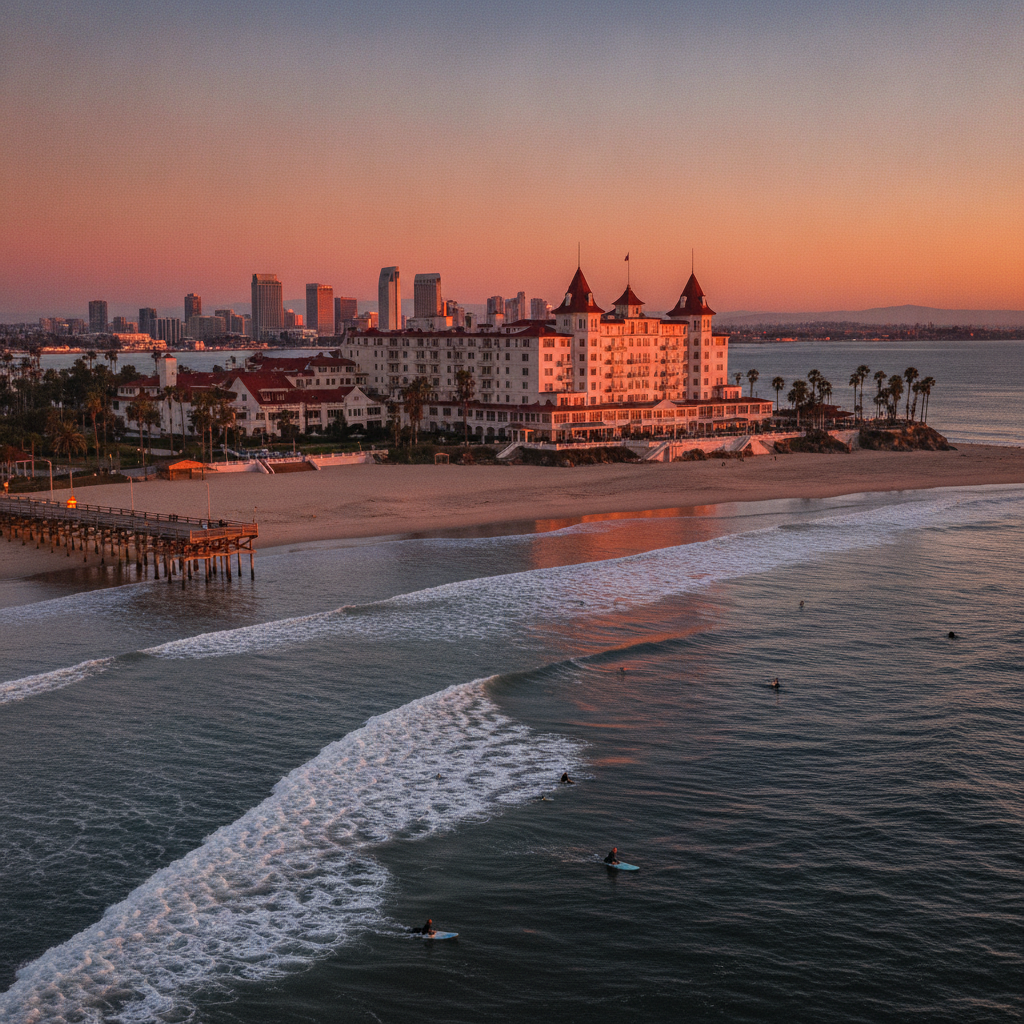
San Diego: Balboa Park Cultural Complex (17 museums, 1915 Spanish Colonial Revival, San Diego Museum of Art), San Diego Zoo (3700 animals, giant pandas returned 2024, Safari Park), Hotel del Coronado (1888 Victorian resort, 14 US presidents, Wizard of Oz inspiration), La Jolla Cove (sea lion colony, Birch Aquarium at Scripps), and Craft Beer Capital USA (180+ breweries, Stone Brewing, Ballast Point USD 1B, fish taco history)