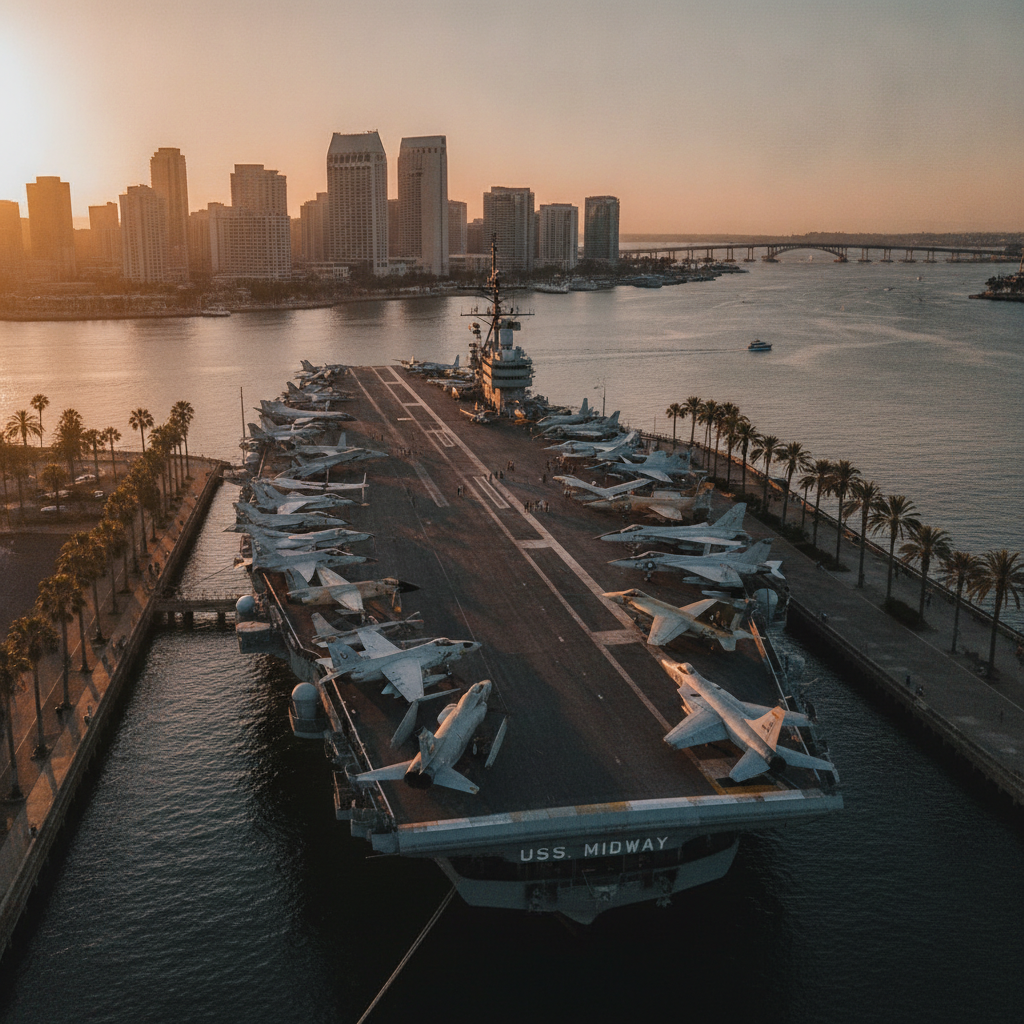
San Diego: Rarest Pine Tree in America, the World Oldest Sailing Ship and a 7000 Acre City Wilderness
Summit Cowles Mountain through Mission Trails chaparral 8 miles from downtown skyscrapers, walk the rainbow crosswalk in Hillcrest and join 200000 at one of the West Coast biggest Pride celebrations, hike eroded sandstone ravines below endangered Torrey Pines on coastal bluffs, catch gray whales from Point Loma lighthouse in winter, board the 1863 Star of India still making sailing voyages at the Maritime Museum, and discover the 17 museums and Spanish Colonial Revival grandeur of Balboa Park beyond the famous zoo.
- 1
Mission Trails Regional Park
Mission Trails Regional Park in eastern San Diego, covering 7,220 acres just 8 miles from downtown, is one of the largest urban parks in the United States and preserves a rugged chaparral landscape of coastal sage scrub, riparian woodland, and rocky peaks typical of San Diego County before European settlement. Cowles Mountain at 1,592 feet is the highest point within San Diego city limits and draws up to 1,000 hikers on weekend mornings on its direct summit trail. The Kumeyaay Lake Campground within the park provides car and tent camping within the city limits. The Old Mission Dam, built between 1813 and 1816 by Mission San Diego de Alcala using Native Kumeyaay labor, is a California Historic Landmark and one of the oldest dams in the western United States, still standing across the San Diego River. The park visitor center offers exhibits on Kumeyaay history and local ecology.
- 2
Hillcrest and San Diegos LGBTQ Community
Hillcrest, a neighborhood immediately north of downtown San Diego centered on University Avenue and 5th Avenue, is the established LGBTQ neighborhood of San Diego and one of the oldest gay neighborhoods in the American West. The Pride Flag crosswalk at 5th and University is a landmark. San Diego Pride, held annually in July, is the second-largest Pride celebration on the West Coast after San Francisco, drawing over 200,000 participants to the parade and festival in Balboa Park. Hillcrest has a concentration of independent restaurants, vintage shops, and LGBTQ nightlife. The neighborhood borders Balboa Park and has been attractive to the arts community. The Diversionary Theatre, a professional theater company founded in 1986 that produces LGBTQ-themed works, is among the longest-running such companies in the country. Rich history of activism during the AIDS crisis defined Hillcrest community organizations.
- 3
Torrey Pines State Natural Reserve
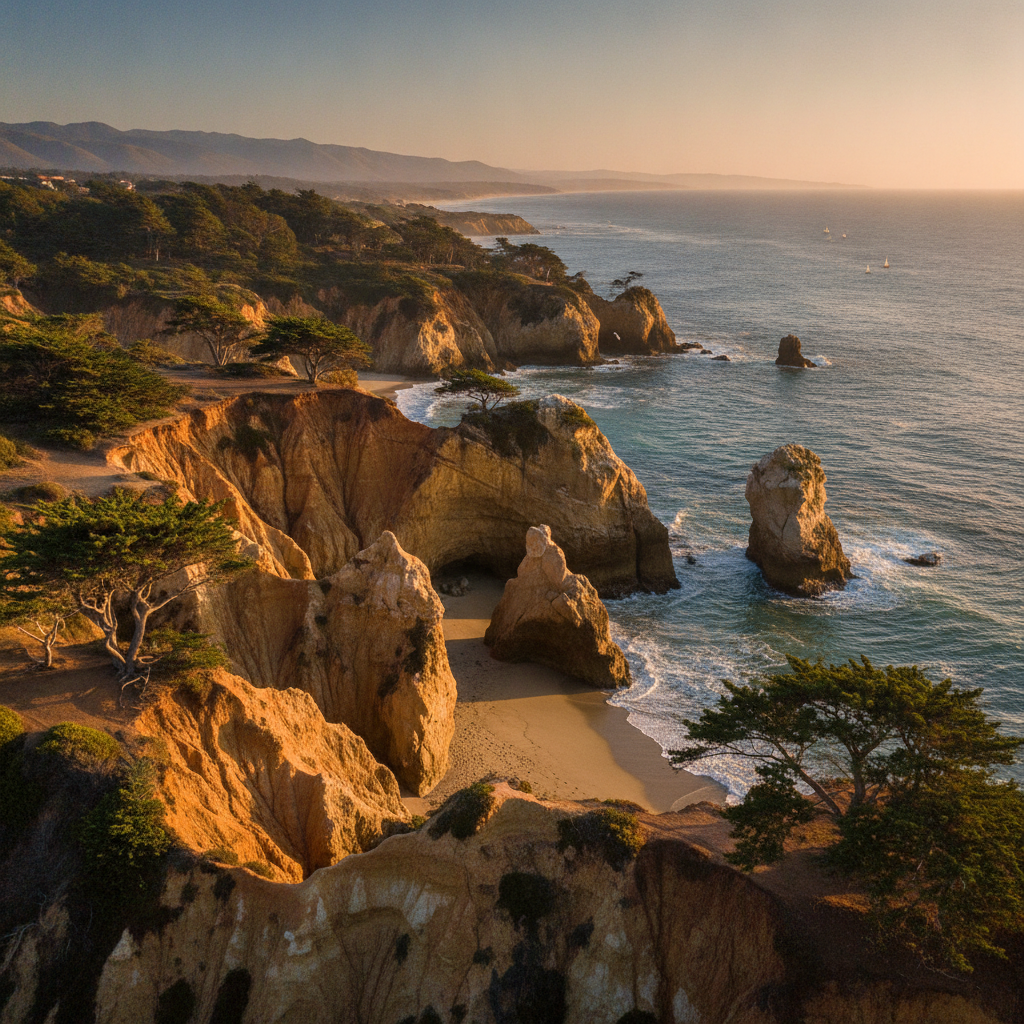
Torrey Pines State Natural Reserve, protecting the 1,700-acre coastal bluff ecosystem between Del Mar and La Jolla, is home to the rarest pine tree in the United States, the Torrey Pine, which grows naturally only here and on Santa Rosa Island 175 miles away. Approximately 4,000 Torrey Pines survive in the reserve on ocean-facing sandstone bluffs eroded into dramatic gullies and ravines. The reserve trails descend to two miles of secluded beach at the base of the bluffs. The Torrey Pines Gliderport on the bluff top above the reserve is one of the premier paragliding and hang-gliding launch sites in the world, with consistent coastal updrafts allowing pilots to soar for hours. The Torrey Pines Golf Course adjacent to the reserve hosted the US Open Championship in 2008 when Tiger Woods won in a playoff on a broken leg and torn ACL.
- 4
Ocean Beach and Point Loma
Ocean Beach, a neighborhood at the point where the San Diego River meets the Pacific Ocean, retains an authentic counterculture character from the 1960s and 1970s that sets it apart from more gentrified coastal communities. Newport Avenue is lined with antique shops, surfboard rentals, dive bars, and independent restaurants. Ocean Beach Pier, extending 1,971 feet into the Pacific, is the longest concrete pier on the West Coast and a popular fishing destination. Cabrillo National Monument at the tip of Point Loma Peninsula, where Juan Rodriguez Cabrillo became the first European to land on the West Coast in 1542, offers panoramic bay and ocean views, tide pools accessible during low tide, and a restored lighthouse from 1855. The Point Loma headland also provides one of the best vantage points in San Diego for viewing the annual gray whale migration from December through February.
- 5
Seaport Village and Embarcadero Waterfront
Seaport Village, a 14-acre waterfront retail and dining complex developed on former tidal flats along Harbor Drive, opened in 1980 and represented an early effort to activate the downtown San Diego waterfront. The adjacent Embarcadero boardwalk runs from Seaport Village north to the Maritime Museum of San Diego at Harbor Drive and Ash Street, which houses the most extensive collection of historic ships on the West Coast including the Star of India, an 1863 iron sailing ship that is the oldest active sailing vessel in the world. The ship still makes occasional voyages. The San Diego Convention Center, opened in 1989 and expanded in 2001, is the principal venue for Comic-Con International and hosts major conventions throughout the year. The waterfront views from the Embarcadero of the Coronado Bridge and the San Diego Bay are among the most photographed urban vistas in California.
- 6
San Diego Zoo and Balboa Park Depth
The San Diego Zoo, located in Balboa Park and widely considered the finest zoo in the United States, holds approximately 3,500 animals representing 650 species and subspecies across 99 acres of landscaped habitat. The zoo pioneered the concept of cage-free, naturalistic animal habitats beginning in 1916. The panda program, including one of the most successful giant panda breeding programs outside China, has been a signature feature. The Institute for Conservation Research associated with the zoo maintains the Frozen Zoo, a cryogenic collection of genetic material from over 10,000 individuals representing more than 1,000 species. Balboa Park beyond the zoo encompasses 1,200 acres with 17 museums, several theaters, the Japanese Friendship Garden, the Botanical Building and Lily Pond, and Spanish Colonial Revival architecture from the 1915 Panama-California Exposition and 1935 California Pacific International Exposition. No admission is charged to enter the park itself.
Walk this route with audio
Stories play automatically as you reach each stop — no tapping needed.
More in San Diego
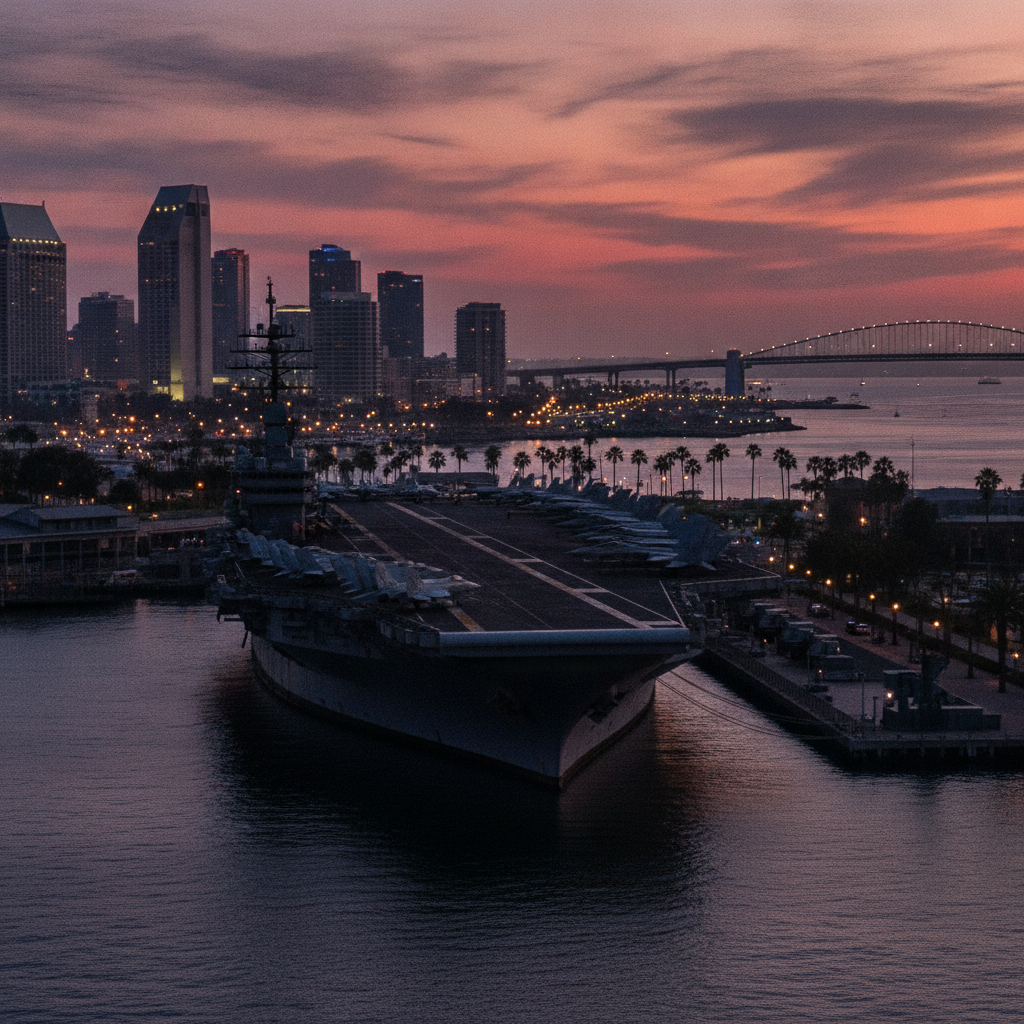
San Diego: Tijuana Day Trip (world busiest border crossing, Caesar salad origin 1924, Baja Med cuisine, Tijuana craft beer), USS Midway Museum (longest-serving 20th century carrier, 29 restored aircraft), Torrey Pines State Reserve (rarest North American pine, gliderport paragliding, Del Mar Racetrack), Mission Bay SeaWorld and Ocean Beach, Julian Gold Rush Town (apple pie, Cuyamaca Mountains, Cedar Fire recovery), and San Diego to Los Angeles Pacific Coast Highway Drive
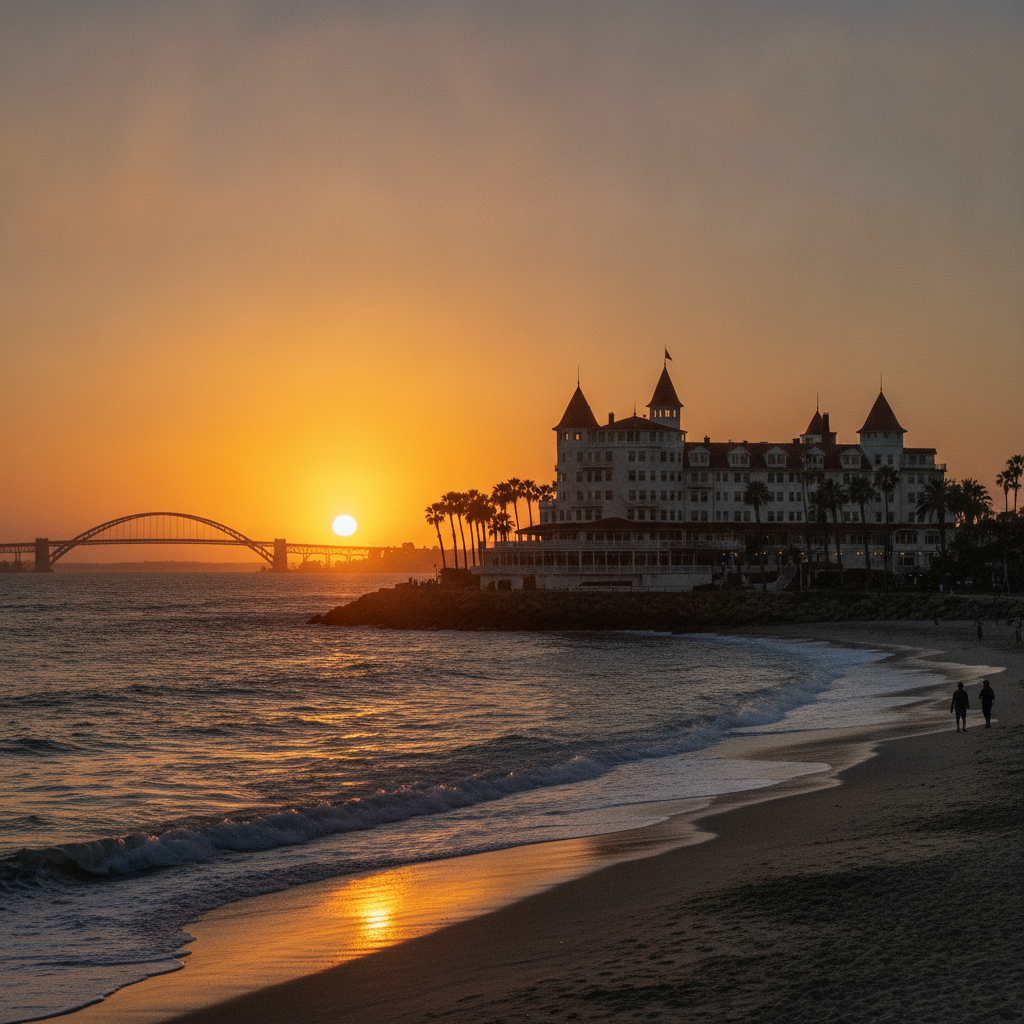
San Diego: Victorian Beach Palace, Free Organ Concerts Since 1915 and Caesar Salad Birthplace
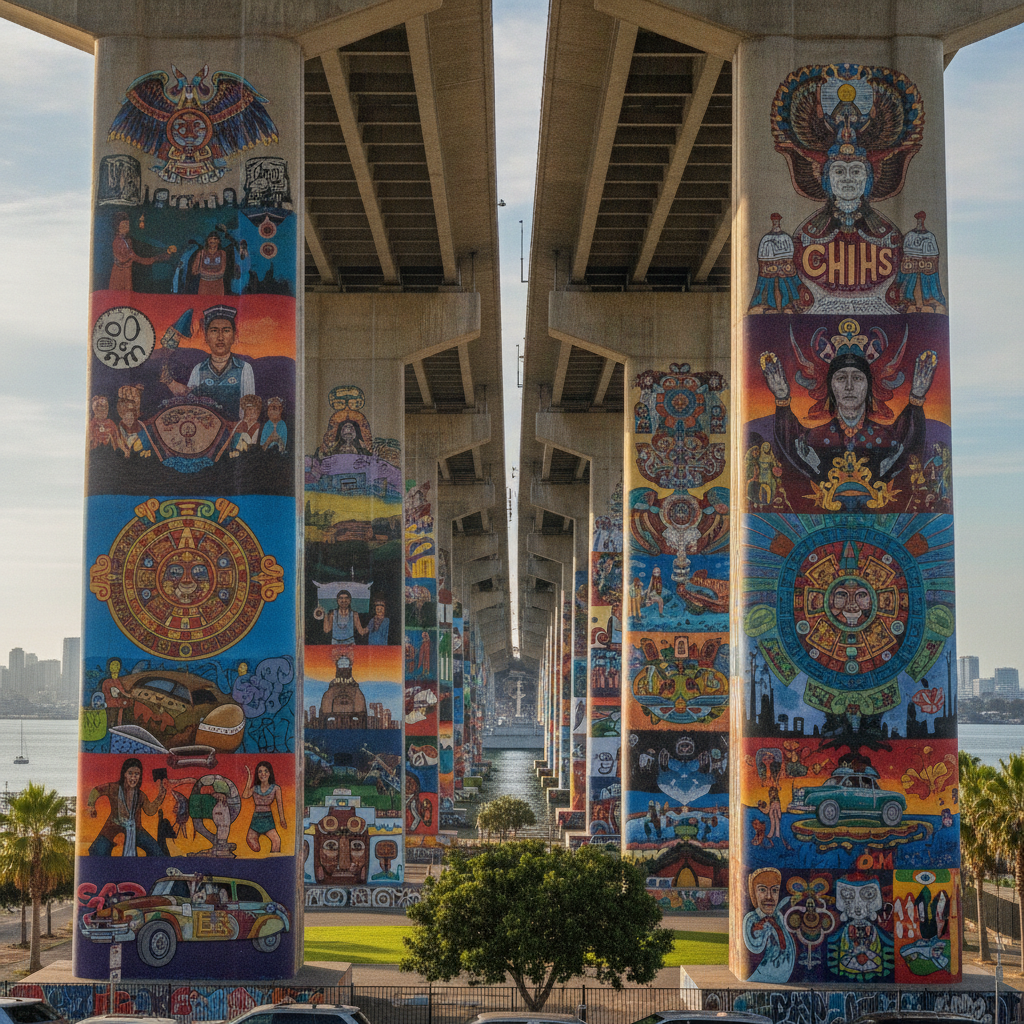
San Diego: Eocene Sea Cliffs, the World Largest Chicano Mural Collection and Bing Crosby Racetrack
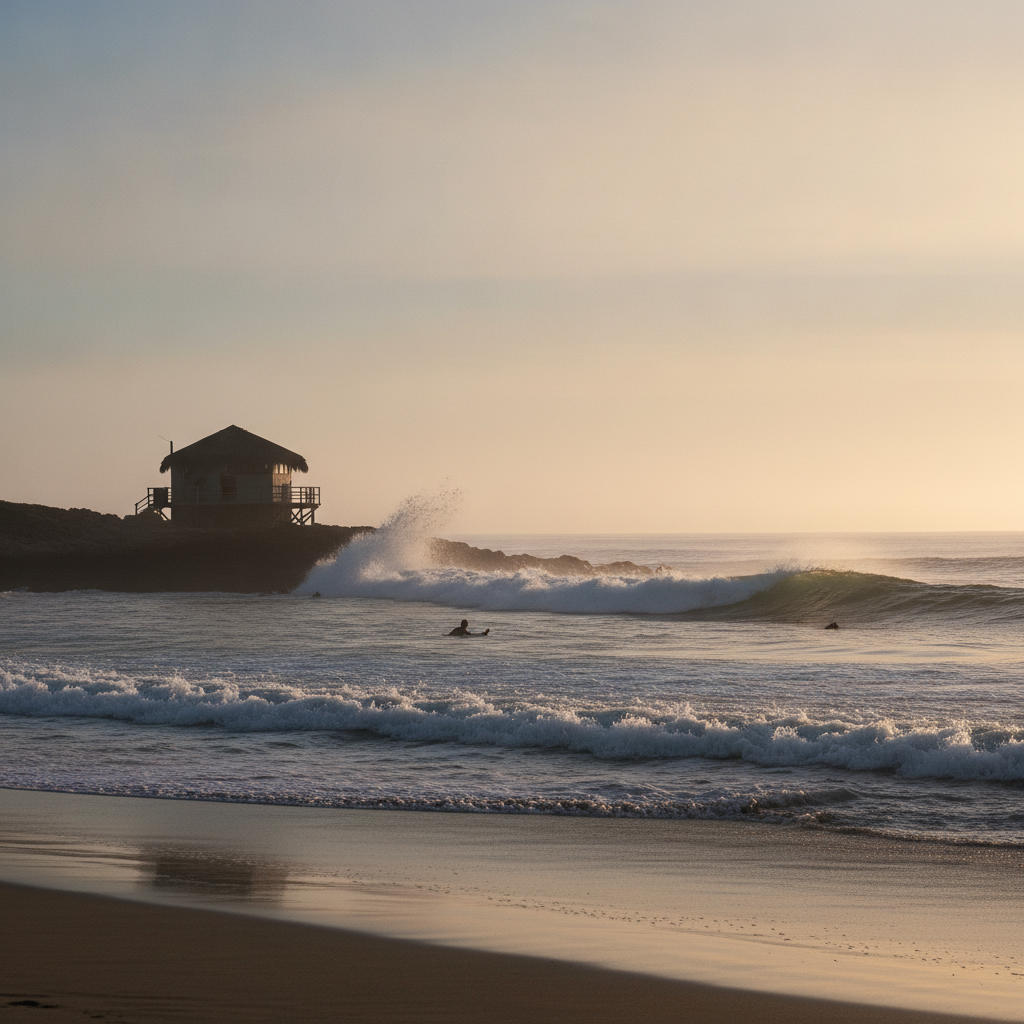
San Diego: Surf Culture (Windansea Beach, Ocean Beach Sunset Cliffs, The Pump House Gang), Old Town San Diego Historic Park (1769 Spanish presidio, Whaley House, Casa de Estudillo), UCSD and Salk Institute Architecture (Louis Kahn masterpiece, Scripps Oceanography, polio vaccine Jonas Salk), Petco Park and Padres Baseball (Tony Gwynn, Trevor Hoffman, Western Metal Supply Building), Hillcrest LGBTQ+ Neighborhood and San Diego Pride, and Practical Guide (Lindbergh Field airport, light rail, beach comparison)
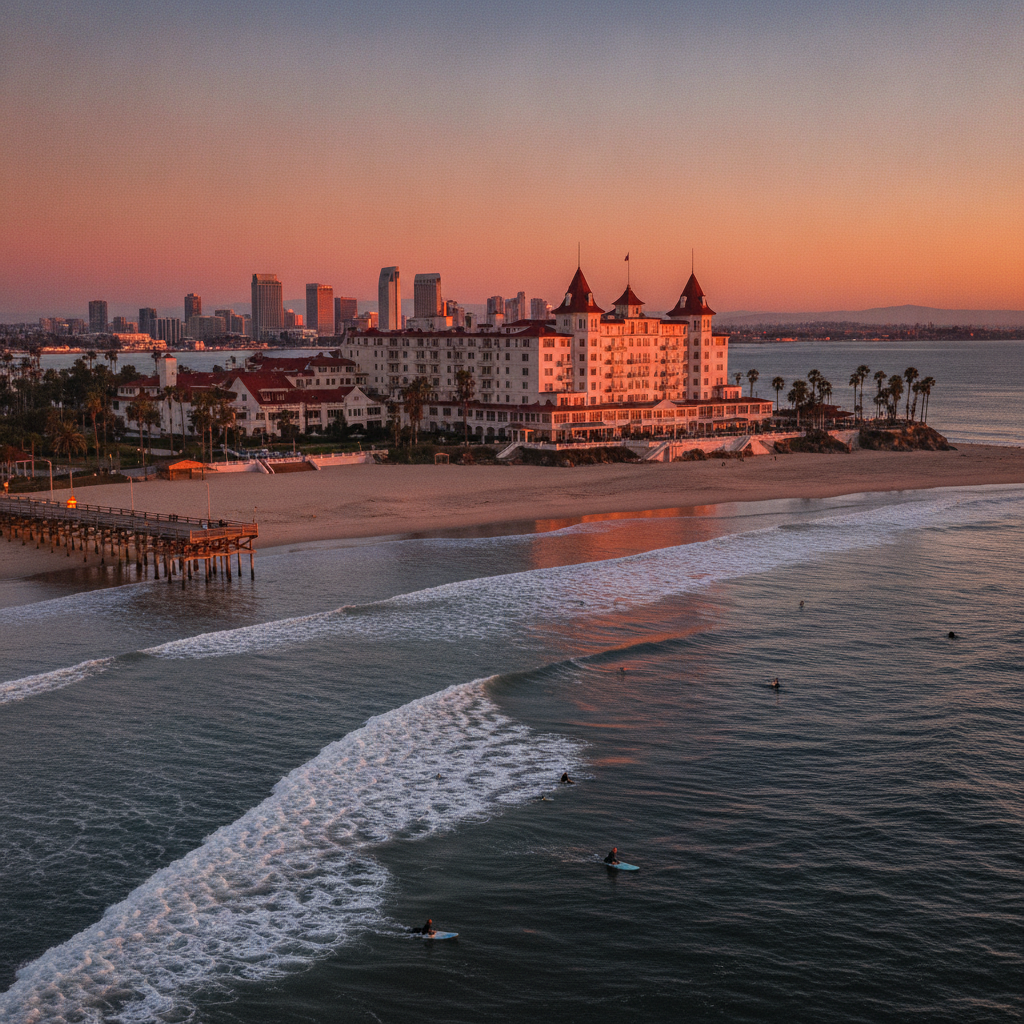
San Diego: Balboa Park Cultural Complex (17 museums, 1915 Spanish Colonial Revival, San Diego Museum of Art), San Diego Zoo (3700 animals, giant pandas returned 2024, Safari Park), Hotel del Coronado (1888 Victorian resort, 14 US presidents, Wizard of Oz inspiration), La Jolla Cove (sea lion colony, Birch Aquarium at Scripps), and Craft Beer Capital USA (180+ breweries, Stone Brewing, Ballast Point USD 1B, fish taco history)