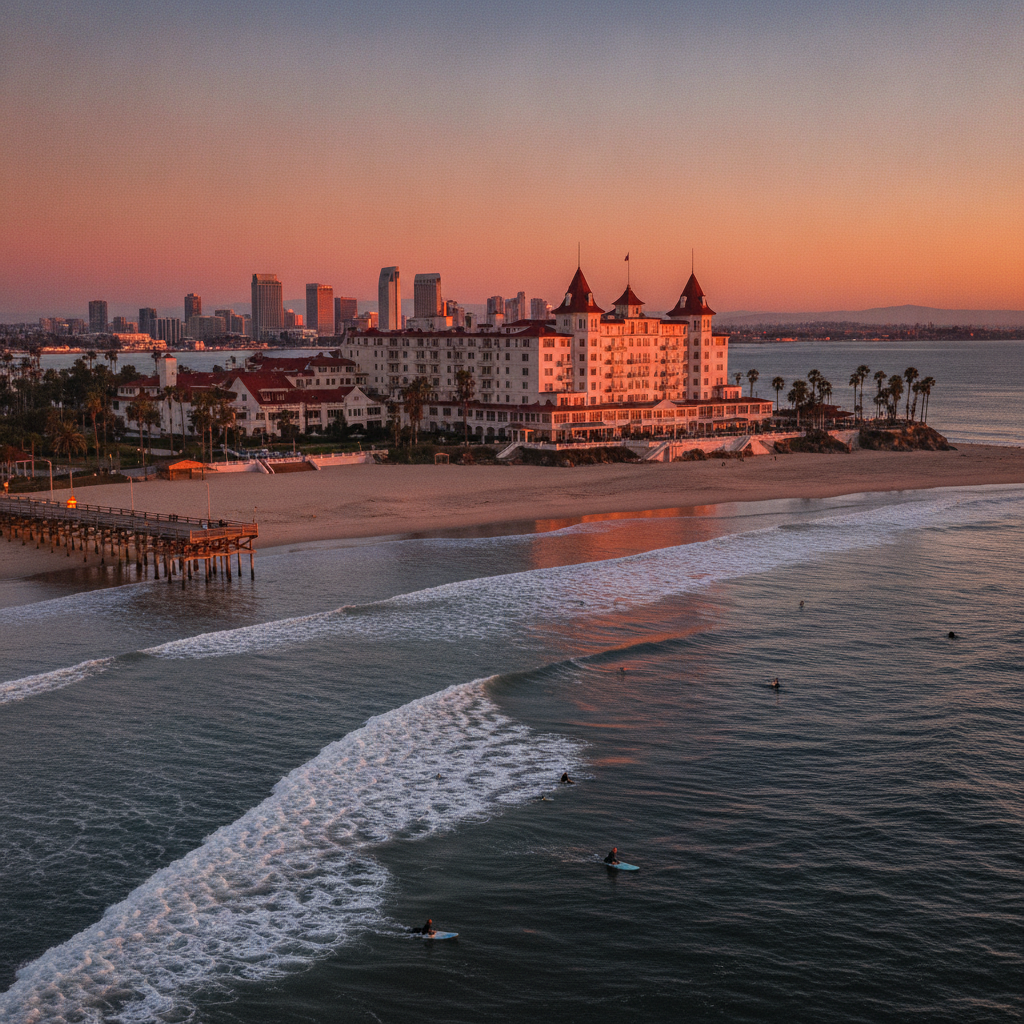
San Diego: Safari Park Escondido (1800-acre African habitats, California condor conservation, Palomar Observatory), Cabrillo National Monument Point Loma (first European West Coast landing 1542, tide pools, gray whale watching), Little Italy Mercato Farmers Market (tuna canning history, Star of India oldest sailing ship 1863), Mission Valley and Mission Basilica 1769, Encinitas Swamis Surf and Self-Realization Fellowship, and San Diego Comic-Con and Top Gun Filming Locations
San Diego outdoors and culture: Safari Park (1,800 acres, California condor recovery 22 to 550+ individuals, East Africa savannah, Palomar Observatory 200-inch Hale Telescope), Cabrillo National Monument (Cabrillo 1542 first European West Coast landing, tide pools, gray whale migration December-April), Little Italy Mercato Market (tuna capital 1910s-1960s, Star of India 1863 oldest sailing ship, Embarcadero waterfront), Mission Valley (Mission Basilica 1769 first California mission, Snapdragon Stadium), Encinitas Swamis surf and Yogananda Self-Realization Fellowship gardens, and San Diego Comic-Con (135,000 badge holders, since 1970, Hall H film studio presentations) and Top Gun locations.
- 1
San Diego Zoo Safari Park and North County Nature
The San Diego Zoo Safari Park (at 15500 San Pasqual Valley Road, Escondido, 50 km north of downtown San Diego, 45 minutes): the 1,800-acre wildlife park where large animals roam in expansive African habitat areas visible from the Africa Tram or the aerial gondola. The Safari Park Africa habitats: the East Africa field exhibit (the 82-acre savannah habitat with giraffe, rhino, oryx, flamingo, and ground hornbill in a single mixed-species habitat that mirrors the East African ecosystem more closely than any zoo enclosure), the Gorilla Forest, the Elephant Valley (with Asian and African elephants), the Condor Ridge (the most important California condor conservation program in the world, with breeding and release programs for the critically endangered California condor). California condor (Gymnogyps californianus): the largest North American bird (wingspan up to 3 m), reduced to 22 individuals in the wild by 1987 before a controversial captive breeding program saved the species; the current wild California condor population (approximately 550+ individuals in 2023) represents one of the most successful large bird conservation programs in the world. The Flinnites: the guided behind-the-scenes cart safari tours at the Safari Park, with access to the animal care areas, the veterinary center, and the breeding programs for endangered species. Palomar Mountain State Park (55 km north of San Diego, at 1,867 m elevation): the Palomar Observatory (the 200-inch Hale Telescope, the largest single-aperture optical telescope in the United States from 1948 to 1993) and the mountain forest hiking.
- 2
Cabrillo National Monument and Point Loma
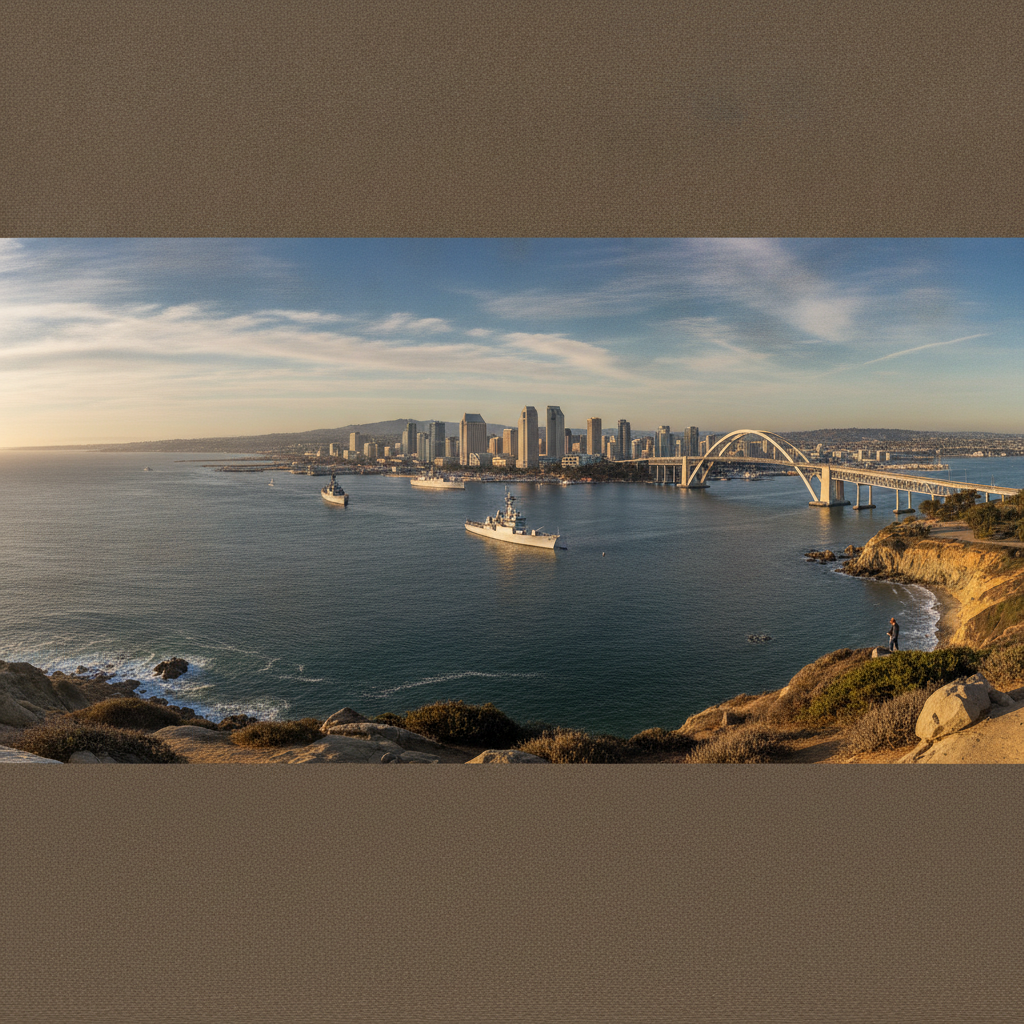
Cabrillo National Monument (at the tip of the Point Loma Peninsula, 12 km from downtown San Diego): the monument to the Portuguese explorer Juan Rodriguez Cabrillo, who landed on Point Loma on 28 September 1542, making it the first European landfall on the West Coast of the United States. The Cabrillo Monument statue (the 1939 Portuguese statue of Cabrillo, overlooking San Diego Bay from the tip of Point Loma): the primary monument, with views of the entire San Diego Bay, the Coronado Peninsula, downtown San Diego, the Coronado Bridge, and on clear days the Baja California mountains. The Old Point Loma Lighthouse (built 1855): the original lighthouse at the tip of the peninsula, the highest lighthouse in the United States on the Pacific Coast at the time of its construction, but decommissioned in 1891 because the high elevation placed it above the frequent coastal fog. The New Point Loma Lighthouse (built 1891, still operational): the working lighthouse at the base of the cliff. The tide pools at Cabrillo National Monument (at the base of the Point Loma cliffs, accessible from the park at low tide): some of the most accessible and diverse intertidal tide pools in Southern California, with sea stars, sea anemones, hermit crabs, periwinkles, ochre sea stars, and shore crabs. The whale watching from Cabrillo (the Point Loma peninsula is one of the best land-based whale watching points in the Pacific, with gray whales passing on their migration between Alaska and Baja California (December-April).
- 3
Little Italy and San Diego Farmers Markets
Little Italy (the neighborhood immediately north of downtown San Diego, between India Street and the Embarcadero, approximately 1 km from the San Diego Convention Center): the most gentrified and restaurant-dense neighborhood in downtown San Diego. Little Italy history: the Italian fishing community established the neighborhood in the 1920s, when the tuna canneries on the waterfront employed thousands of Italian and Portuguese immigrants. The tuna industry: San Diego was the tuna canning capital of the world from the 1910s to the 1960s, with the largest tuna fishing fleet in the United States operating from the San Diego waterfront (the Westgate Hotel, still standing at 1055 2nd Avenue, was built by the tuna baron Frank Alessio). The contemporary Little Italy: the neighborhood has been completely transformed since the 1990s into the most vibrant dining and residential neighborhood in downtown, with the Saturday Little Italy Mercato Farmers Market (the most-attended farmers market in San Diego, with approximately 6,000 weekly visitors, local produce, artisan foods, and prepared food stalls), the restaurants of India Street, and the galleries of the Kettner Exchange. The Embarcadero (the San Diego waterfront from the Maritime Museum to the Convention Center): the cruise ship terminal, the maritime museum (with the Star of India, the oldest active sailing ship in the world, launched 1863 and still sailing annually), the Tuna Harbor Dockside Market (Saturday mornings, fresh San Diego commercial fish directly from the boats), and the Waterfront Park.
- 4
Mission Valley and San Diego History
Mission Valley (the valley of the San Diego River, running east-west through the center of San Diego from the ocean at Ocean Beach to the foothills at El Cajon): the geographic and commercial center of San Diego, now dominated by Interstate 8, the large shopping malls (Mission Valley Center, Fashion Valley), and the San Diego State University campus. The Mission Basilica San Diego de Alcala (at 10818 San Diego Mission Road, 8 km from downtown in Mission Valley): the restored original California mission (the first of the 21 missions established by Junipero Serra, founded 1769 on Presidio Hill and moved to Mission Valley in 1774 for its proximity to the San Diego River for irrigation). The mission is still an active parish church; the gardens and the historic church interior are open to visitors. San Diego State University (SDSU, at the eastern end of Mission Valley, 12 km from downtown): the largest university by enrollment in the San Diego area (approximately 37,000 students), known for the Aztecs athletic programs. The SDSU Snapdragon Stadium (opened 2022 on the former Qualcomm Stadium site): the home of the SDSU Aztecs football and the San Diego Wave FC women soccer team (the most successful team in the NWSL, founded 2021). The San Diego Historical Society (at the Casa de Balboa Building, Balboa Park): the comprehensive archive and research collection of San Diego history.
- 5
Encinitas Swamis and Surf Communities North of San Diego
Encinitas (the coastal city 40 km north of downtown San Diego, population approximately 62,000): the most celebrated surf community between San Diego and Los Angeles, and the self-described surf capital of Southern California. Swami Point (at Swami Beach, Encinitas, below the Self-Realization Fellowship Hermitage): the famous right-hand point break at the base of the cliff below the Self-Realization Fellowship gardens, one of the premier surf breaks in Southern California. The Self-Realization Fellowship (the meditation center founded by Paramahansa Yogananda, the author of Autobiography of a Yogi, who established the Encinitas hermitage in 1937): the beautiful cliff-top gardens (the Meditation Gardens, open to visitors) above Swami Point, with tropical plants, koi ponds, and a direct view of the Pacific. San Elijo Lagoon (the coastal wetland between Cardiff-by-the-Sea and Solana Beach): the most important bird habitat in San Diego County, with 700 acres of coastal sage scrub, tidal salt marsh, and riparian habitat supporting over 300 bird species. Moonlight Beach (at the foot of B Street, Encinitas): the primary family beach in Encinitas, with a full beach facility, playground, fire rings, and the Moonlight Amphitheater for outdoor concerts. The Encinitas Cruiser Classic (annual cycling event through the flower fields): the Encinitas area is also known for the Ecke Ranch poinsettia family (the family that controlled 70% of the world poinsettia market for decades, with operations in Encinitas).
- 6
San Diego Film and TV Locations - From Top Gun to Comic Con
San Diego in film and television: San Diego has been a significant film location since the early days of Hollywood (the close proximity to Los Angeles and the military installations have made San Diego a natural choice for navy and military films). Top Gun (1986, directed by Tony Scott): the most famous San Diego film, with the F-14 Tomcat aerial sequences filmed over the Naval Air Station Miramar (the home of the US Navy Fighter Weapons School, the actual Top Gun school), the beach volleyball scene filmed on Mission Beach, the bar scene at Kansas City Barbecue (at 600 W. Harbor Drive, downtown San Diego, still operating as the Top Gun bar), and the carrier landing sequences on the USS Enterprise. Top Gun Maverick (2022, directed by Joseph Kosinski): the follow-up, also filmed at Miramar (now the Marine Corps Air Station Miramar) with F/A-18 Super Hornets. Anchorman: The Legend of Ron Burgundy (2004, directed by Adam McKay): set in a fictional 1970s San Diego TV news station, with the Burgundy Bear bar modeled on the Casbah music venue. San Diego Comic-Con International (annual in July at the San Diego Convention Center): the most important popular culture convention in the world, with approximately 135,000 badge holders attending the 4-day event. SDCC has been held annually since 1970 and is the primary platform for film studio presentations and exclusive first looks at upcoming film and television productions; the Hall H panel presentations have become the most anticipated events in film marketing.
Walk this route with audio
Stories play automatically as you reach each stop — no tapping needed.
More in san-diego
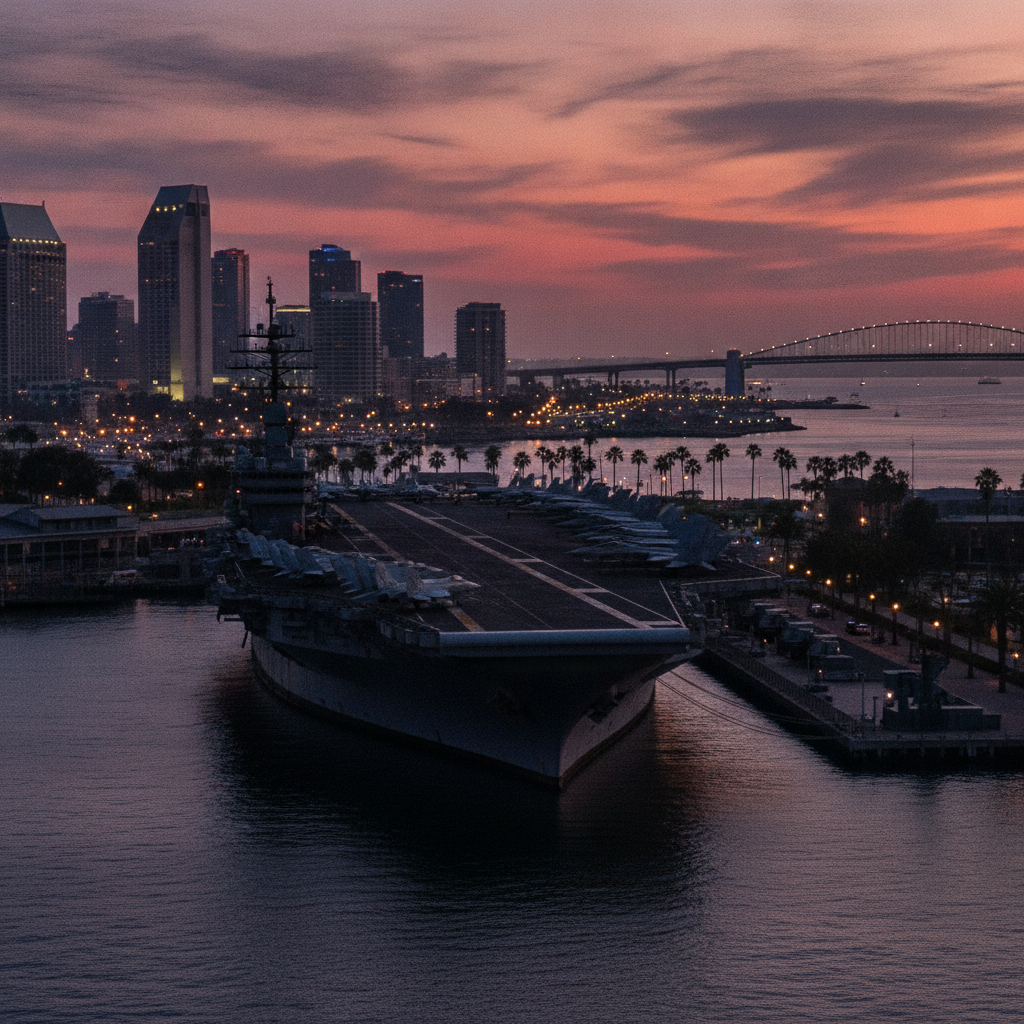
San Diego: Tijuana Day Trip (world busiest border crossing, Caesar salad origin 1924, Baja Med cuisine, Tijuana craft beer), USS Midway Museum (longest-serving 20th century carrier, 29 restored aircraft), Torrey Pines State Reserve (rarest North American pine, gliderport paragliding, Del Mar Racetrack), Mission Bay SeaWorld and Ocean Beach, Julian Gold Rush Town (apple pie, Cuyamaca Mountains, Cedar Fire recovery), and San Diego to Los Angeles Pacific Coast Highway Drive
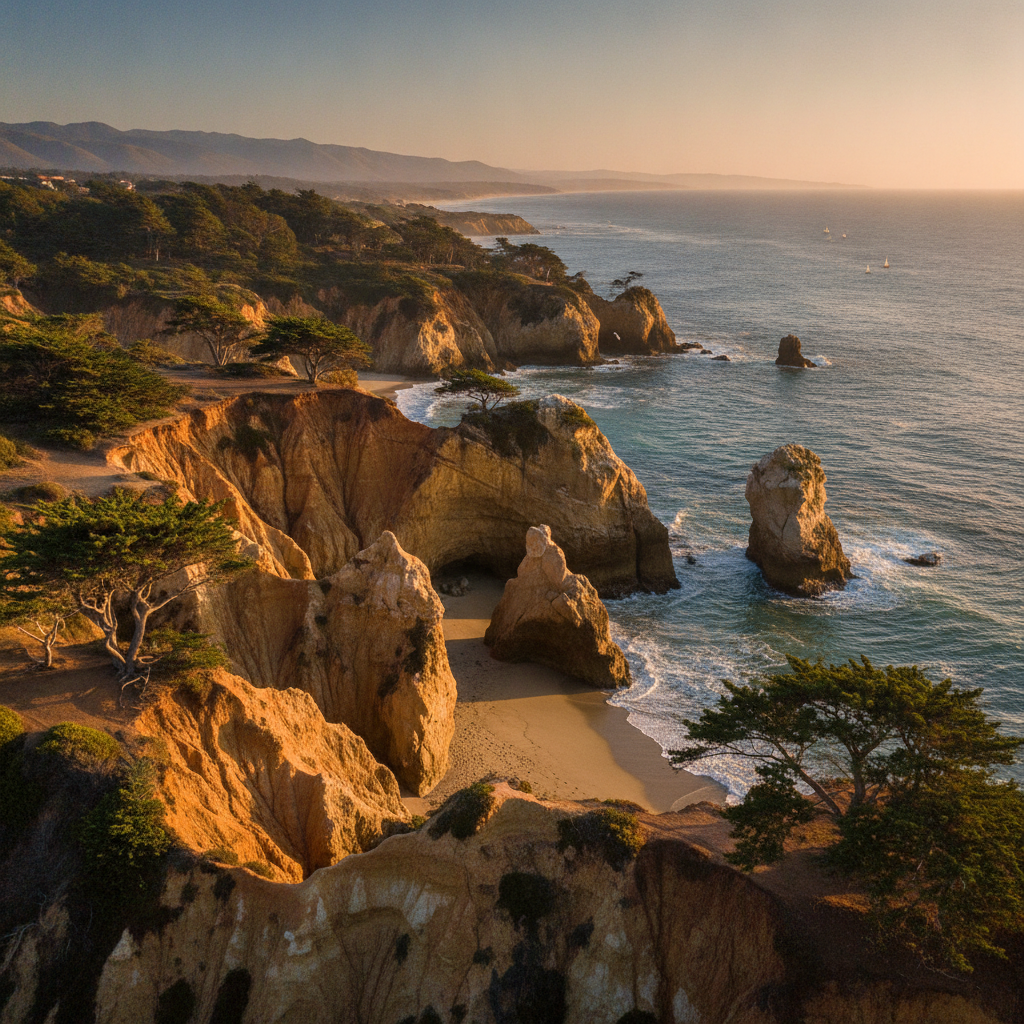
San Diego: Rarest Pine Tree in America, the World Oldest Sailing Ship and a 7000 Acre City Wilderness
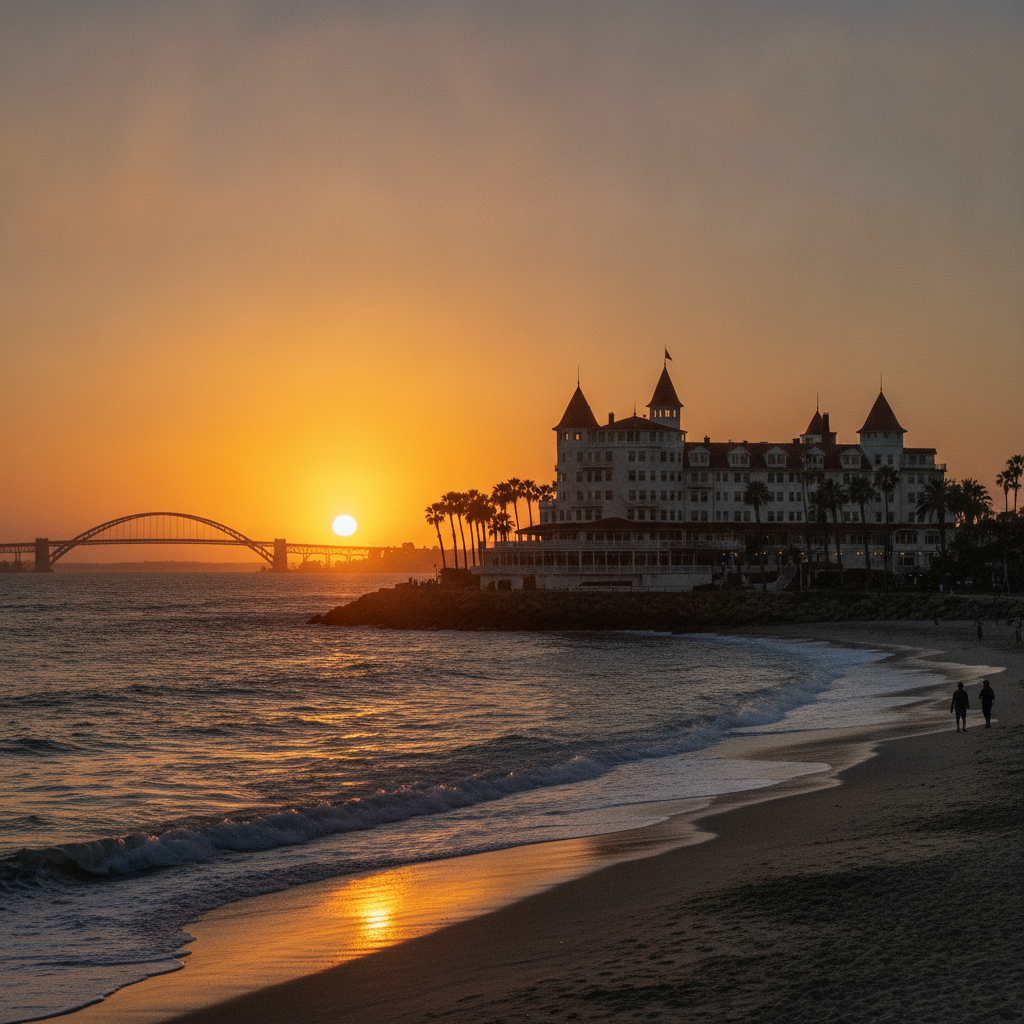
San Diego: Victorian Beach Palace, Free Organ Concerts Since 1915 and Caesar Salad Birthplace
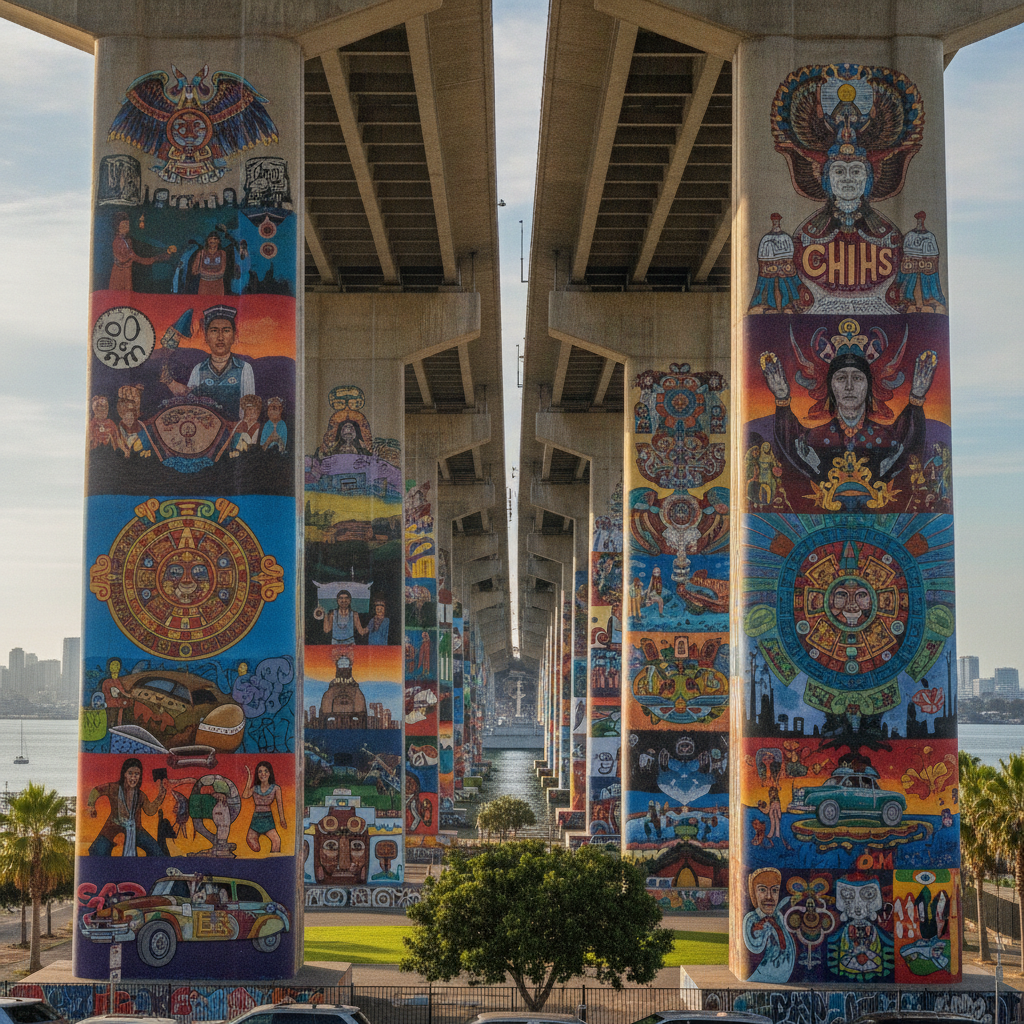
San Diego: Eocene Sea Cliffs, the World Largest Chicano Mural Collection and Bing Crosby Racetrack
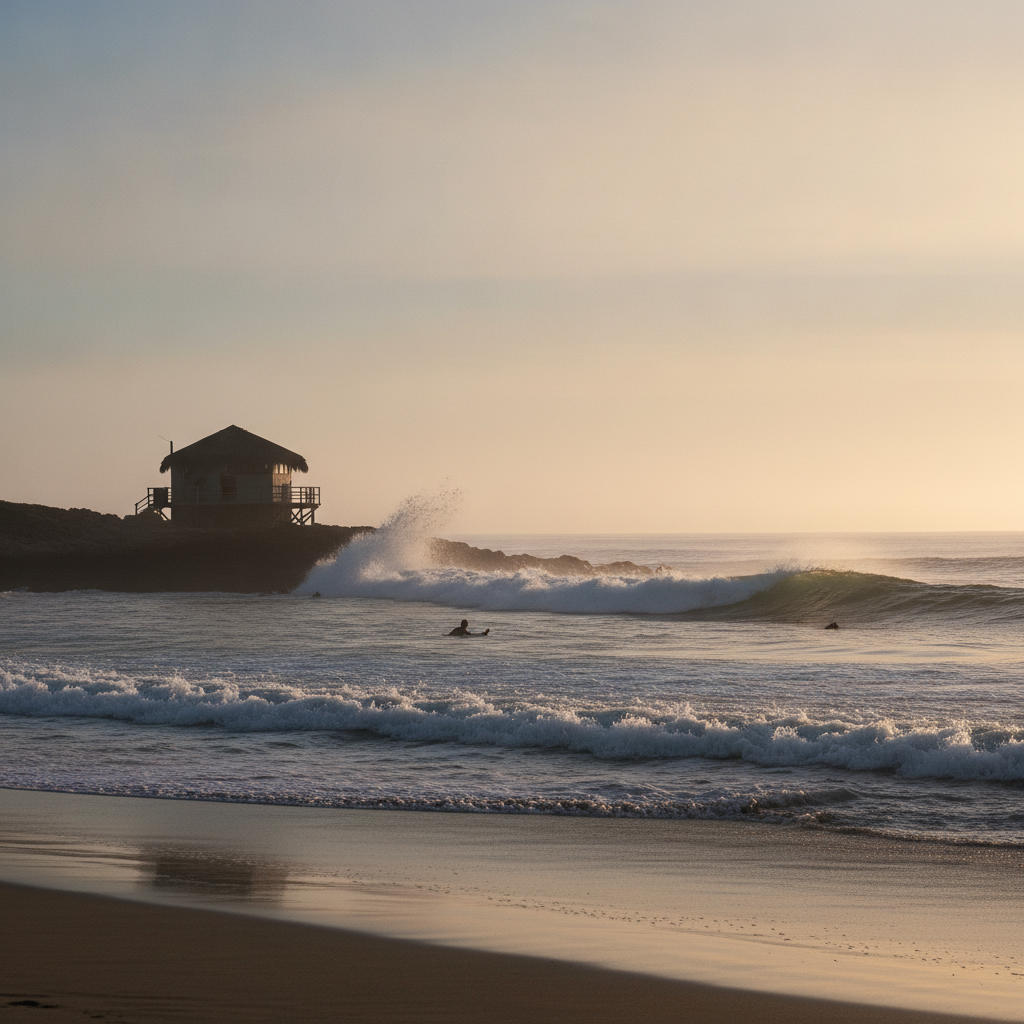
San Diego: Surf Culture (Windansea Beach, Ocean Beach Sunset Cliffs, The Pump House Gang), Old Town San Diego Historic Park (1769 Spanish presidio, Whaley House, Casa de Estudillo), UCSD and Salk Institute Architecture (Louis Kahn masterpiece, Scripps Oceanography, polio vaccine Jonas Salk), Petco Park and Padres Baseball (Tony Gwynn, Trevor Hoffman, Western Metal Supply Building), Hillcrest LGBTQ+ Neighborhood and San Diego Pride, and Practical Guide (Lindbergh Field airport, light rail, beach comparison)