San Diego: Surf Culture (Windansea Beach, Ocean Beach Sunset Cliffs, The Pump House Gang), Old Town San Diego Historic Park (1769 Spanish presidio, Whaley House, Casa de Estudillo), UCSD and Salk Institute Architecture (Louis Kahn masterpiece, Scripps Oceanography, polio vaccine Jonas Salk), Petco Park and Padres Baseball (Tony Gwynn, Trevor Hoffman, Western Metal Supply Building), Hillcrest LGBTQ+ Neighborhood and San Diego Pride, and Practical Guide (Lindbergh Field airport, light rail, beach comparison)
San Diego culture: surf heritage (Windansea Beach 1930s origins, Pump House Gang Tom Wolfe 1968, Ocean Beach Sunset Cliffs reef, surf school industry), Old Town Historic Park (Spanish presidio 1769, Whaley House haunted, Casa de Estudillo adobe), UCSD and Salk Institute (Louis Kahn 1965 masterpiece, Scripps Institution of Oceanography oldest in Americas, UCSD top 15 university), Petco Park baseball (Tony Gwynn .338 lifetime average, Trevor Hoffman 600 saves, Western Metal Supply building integration), Hillcrest LGBTQ+ neighborhood (San Diego Pride 150,000 attendees, military discharge history), and practical (Lindbergh Field 3km from downtown, trolley to Tijuana, beach neighborhood guide).
- 1
San Diego Surf Culture and Pacific Beach
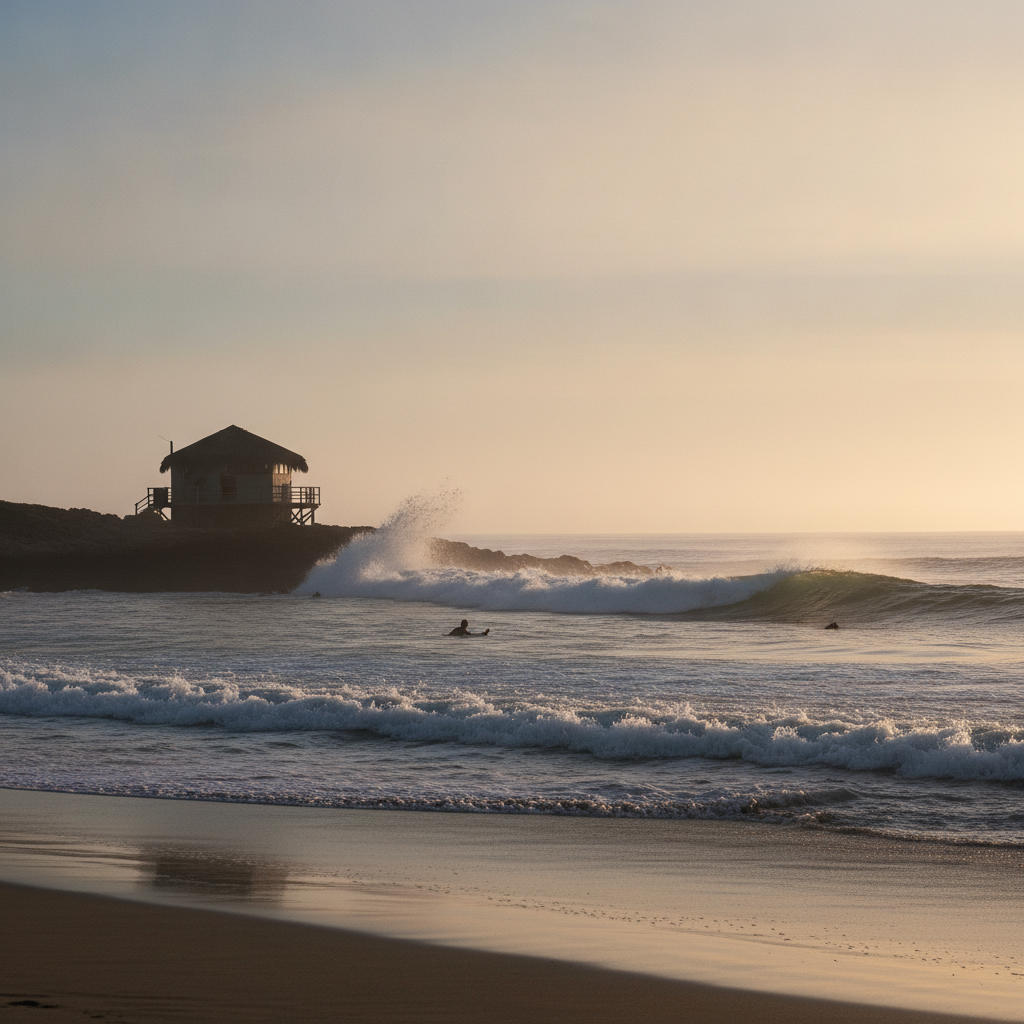
San Diego surf culture: San Diego is one of the birthplaces of American surf culture, with a surf tradition extending from the 1930s when Hawaiian surfers demonstrated the sport at La Jolla. The primary San Diego surf breaks: Ocean Beach Pier (the longest fishing pier on the West Coast at 567 m, with the pier break on both sides), Sunset Cliffs (the dramatic lava rock and sandstone cliff section of Ocean Beach, with the reef breaks visible from the blufftop path), Pacific Beach (the beach break on both sides of Crystal Pier, the most accessible surf spot in San Diego), La Jolla Cove (the reef break at the mouth of the cove, advanced only), Windansea Beach (the reef break at the end of Nautilus Street in La Jolla, one of the premier surfing spots in Southern California and the setting for Tom Wolfe New Journalism piece The Pump House Gang, 1968), Black Beach at Torrey Pines (the clothing-optional beach below Torrey Pines, with the reef break), and Big Rock at La Jolla (the long-period swell reef break at the north end of the La Jolla reef system, with occasional 4-6 m waves in large winter northwest swells). The Windansea Surf Club (founded 1962): one of the oldest surf clubs in California. The San Diego surf school industry: numerous surf schools operate from Pacific Beach, Mission Beach, and La Jolla Shores.
- 2
Old Town San Diego State Historic Park
Old Town San Diego State Historic Park (at the base of Presidio Hill, approximately 4 km northwest of downtown San Diego): the historic site of the first Spanish colonial settlement in California, now a state historic park preserving and interpreting the history of San Diego from 1769 to 1871. Old Town history: the Spanish presidio (military fortress) of San Diego was established by Gaspar de Portola and Father Junipero Serra on Presidio Hill in 1769; the civilian pueblo grew at the base of the hill, around the plaza. The historic buildings: the Whaley House (built 1857, the first two-story brick building in San Diego): the haunted house of San Diego (considered one of the most haunted buildings in the United States by the US Commerce Department). The Casa de Estudillo (the restored 1825 adobe home of the Estudillo family, the most important Spanish and Mexican colonial family in San Diego): the most complete surviving example of early Californio ranch architecture. The Bazaar del Mundo (the commercial complex adjacent to Old Town, in a quasi-Mexican colonial setting): the best concentration of Mexican crafts stores and Mexican restaurants in San Diego. The Junipero Serra Museum (at the top of Presidio Hill, 1929, in the Spanish Mission Revival style): the museum of early San Diego history with views over the Old Town area and Mission Valley.
- 3
University of California San Diego and the Salk Institute
The University of California San Diego (UCSD, at La Jolla, established 1960): one of the top research universities in the United States (consistently ranked 7th-15th overall in US News), with particular strength in oceanography (the Scripps Institution of Oceanography, founded 1903, the oldest and most important oceanographic research institution in the Americas), biomedical research (the UCSD Medical Center and the Salk Institute), and computer science (the Supercomputer Center). The Salk Institute for Biological Studies (at 10010 N. Torrey Pines Road, La Jolla, adjacent to the UCSD campus): founded 1960 by Jonas Salk (the developer of the polio vaccine, 1955) and one of the most celebrated pieces of modernist architecture in the United States. The Salk Institute building (designed by architect Louis Kahn, completed 1965): the two mirror-image concrete laboratory towers flanking the travertine-paved open plaza, with the central channel of water creating a perfect perspective line to the Pacific Ocean horizon. The building is considered the masterpiece of Louis Kahn and one of the finest examples of modernist architecture in the world. The Scripps Institution of Oceanography pier: the historic research pier extending into the Pacific at La Jolla Shores, with the Birch Aquarium at its landward end. The UCSD Stuart Collection: the collection of 18 permanent outdoor artworks placed in unexpected locations throughout the campus.
- 4
San Diego Padres and Petco Park Baseball
Petco Park (at 100 Park Boulevard, in the East Village neighborhood of downtown San Diego, opened 2004): the home of the San Diego Padres and one of the most celebrated baseball stadium designs in the major leagues. Petco Park design: the 42,445-seat stadium incorporates the historic Western Metal Supply Company building (a 1909 industrial brick building that was saved from demolition and integrated into the left field corner of the stadium, with rooftop seating on four levels). The park is fully open to the city, with the Park at the Park (the grassy berm beyond the center field wall where fans can watch the game for free), and views of the downtown San Diego skyline from the upper deck. The San Diego Padres history: founded 1969, the franchise has won consecutive NLCS championships (advanced to World Series in 1984 and 1998, losing both times). Notable Padres: Tony Gwynn (the .338 lifetime batting average, the purest contact hitter in the live ball era, inducted into the Hall of Fame 2007; the Tony Gwynn Stadium at San Diego State University is named for him), Trevor Hoffman (the first reliever to 600 career saves, the Padres Hall of Famer whose entry music Hell Bells remains the most celebrated reliever entrance in baseball). The San Diego Chargers (the former NFL team that relocated to Los Angeles after the 2016 season): the relocation was deeply controversial in San Diego; the city has since been attempting to attract a new NFL franchise or a stadium deal.
- 5
San Diego Gay and Lesbian Culture - Hillcrest
Hillcrest (the LGBTQ+ neighborhood of San Diego, approximately 3 km northeast of downtown, on the blufftop north of Balboa Park): the most vibrant and established LGBTQ+ community in San Diego, with a dense concentration of gay bars, restaurants, and shops along University Avenue and 5th Avenue. San Diego Pride (the annual celebration, held the third weekend of July in Hillcrest): the largest Pride event in Southern California outside of Los Angeles, with approximately 150,000-200,000 attendees at the parade and festival. The Hillcrest food scene: the most diverse and creative restaurant neighborhood in San Diego outside of the Gaslamp Quarter, with the Farmers Market on Sunday mornings (the largest and most eclectic farmers market in San Diego), Lebanese, Thai, Japanese, and innovative American restaurants. The Urban Mo-s bar (1159 Park Boulevard): the most famous bar in San Diego, with the outdoor patio and the regular drag performances. The San Diego LGBTQ+ history: San Diego has had an active LGBTQ+ community since the 1940s, when the concentration of military personnel (many of whom were discharged in San Diego under the blue discharge system for suspected homosexuality) created a community of displaced gay men and lesbians who chose to remain in the city rather than return home.
- 6
San Diego Practical - Transport Climate Beaches Comparison
San Diego practical guide: San Diego International Airport (SAN, at Lindbergh Field, the most constrained major airport in the United States, with a single runway and the approach path passing directly over downtown San Diego): direct flights to most major US cities and some Mexican destinations; the airport is 3 km from downtown, the closest airport to a major US city center. Ground transportation: the San Diego Metropolitan Transit System operates the light rail (the Blue, Orange, Green, and Sycamore Canyon lines), bus network, and the Coaster commuter rail to Oceanside. The Old Town Transit Center is the primary interchange hub. The San Diego freeway system (I-5, I-8, I-15, SR-163): the freeway network connects downtown to the beach communities, suburbs, and the US-Mexico border. The Tijuana Trolley (the Blue Line, from downtown San Diego to the San Ysidro border): the most convenient way to visit Tijuana. San Diego beach guide: Mission Beach (the widest family beach, with the boardwalk, the amusement park at Belmont Park, and the Mission Bay access), Pacific Beach (the young and active beach, with the best beach bar scene), Ocean Beach (OB, the most bohemian and laid-back), La Jolla Shores (the best family beach north of downtown, with gentle surf and the UCSD pier), Torrey Pines (the most wild and uncrowded), Coronado Beach (the most beautiful, with the Del and the bay views), and Imperial Beach (the southernmost beach in the continental United States, 11 km north of the Mexico border). Best season: San Diego is year-round; spring and fall are optimal (May-June Gloom is the main drawback of spring).
Walk this route with audio
Stories play automatically as you reach each stop — no tapping needed.
More in san-diego
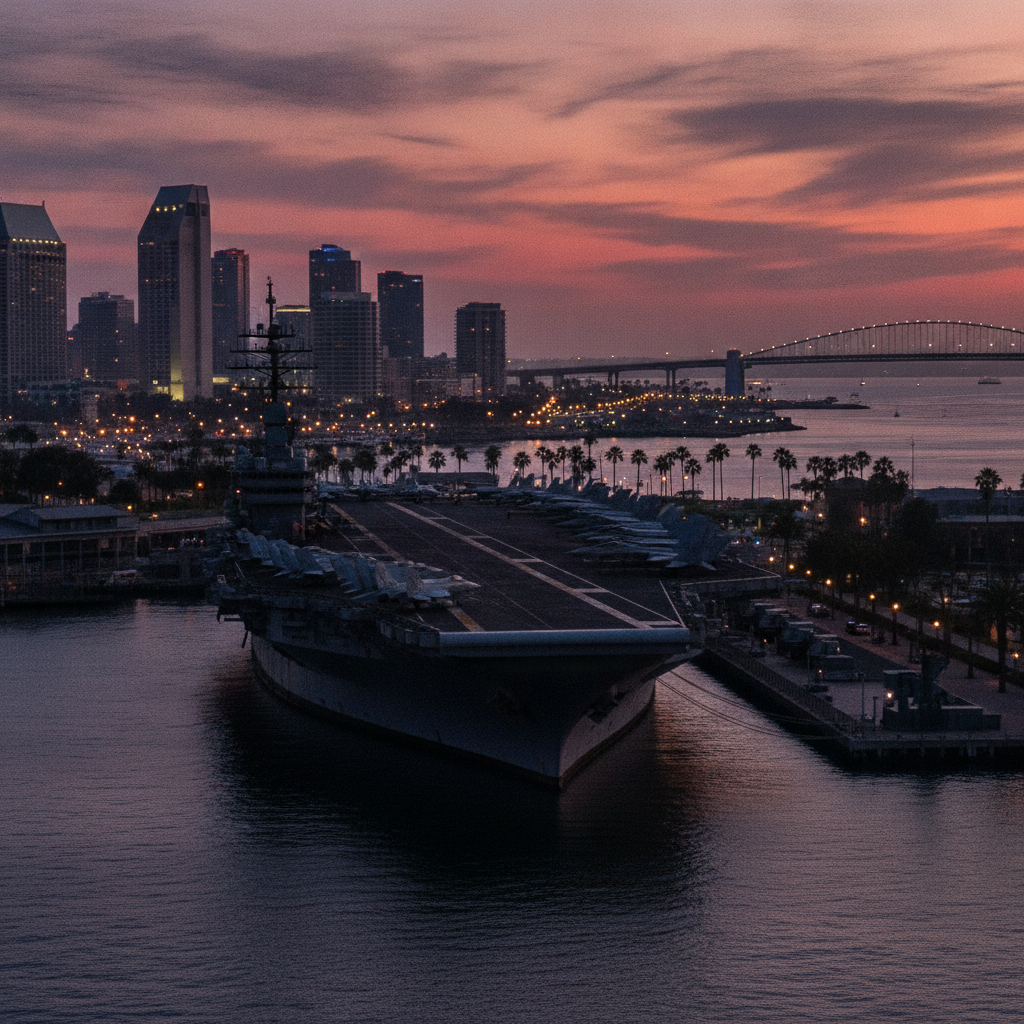
San Diego: Tijuana Day Trip (world busiest border crossing, Caesar salad origin 1924, Baja Med cuisine, Tijuana craft beer), USS Midway Museum (longest-serving 20th century carrier, 29 restored aircraft), Torrey Pines State Reserve (rarest North American pine, gliderport paragliding, Del Mar Racetrack), Mission Bay SeaWorld and Ocean Beach, Julian Gold Rush Town (apple pie, Cuyamaca Mountains, Cedar Fire recovery), and San Diego to Los Angeles Pacific Coast Highway Drive
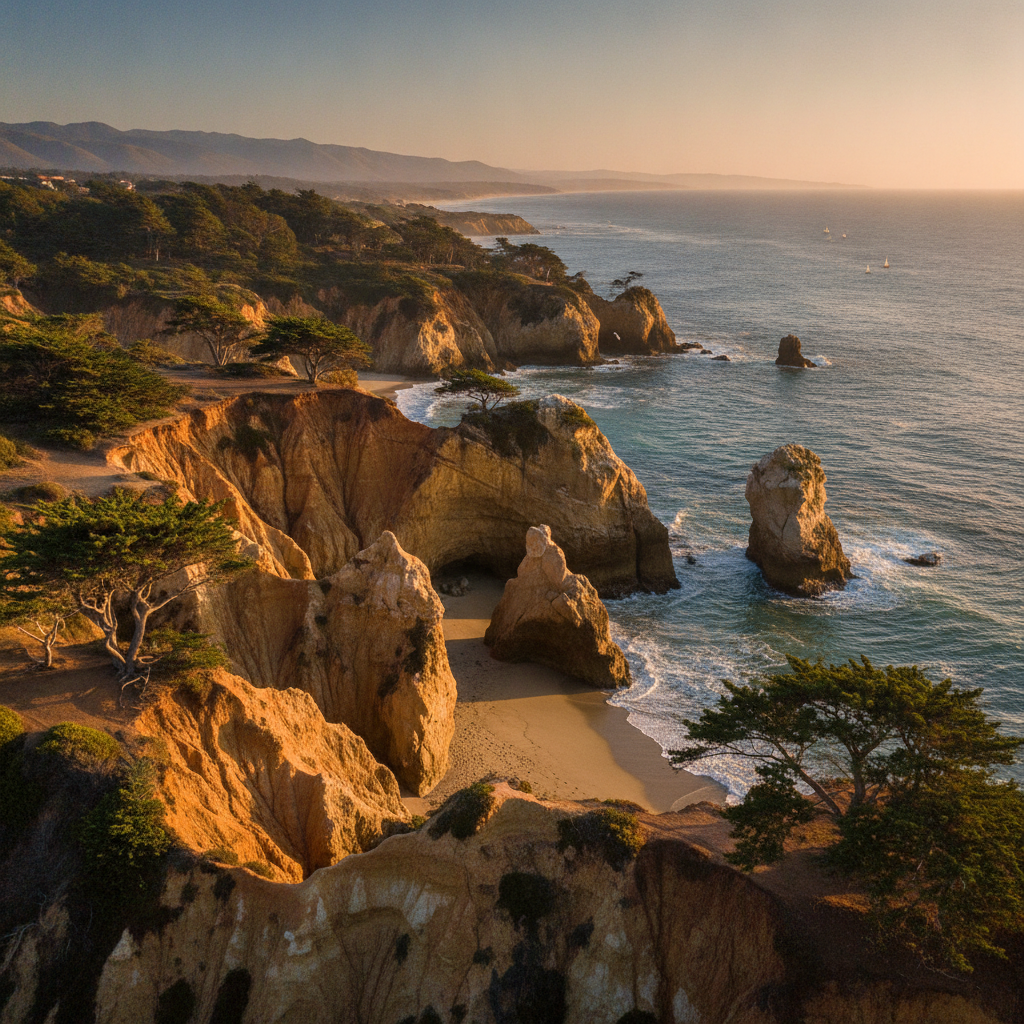
San Diego: Rarest Pine Tree in America, the World Oldest Sailing Ship and a 7000 Acre City Wilderness
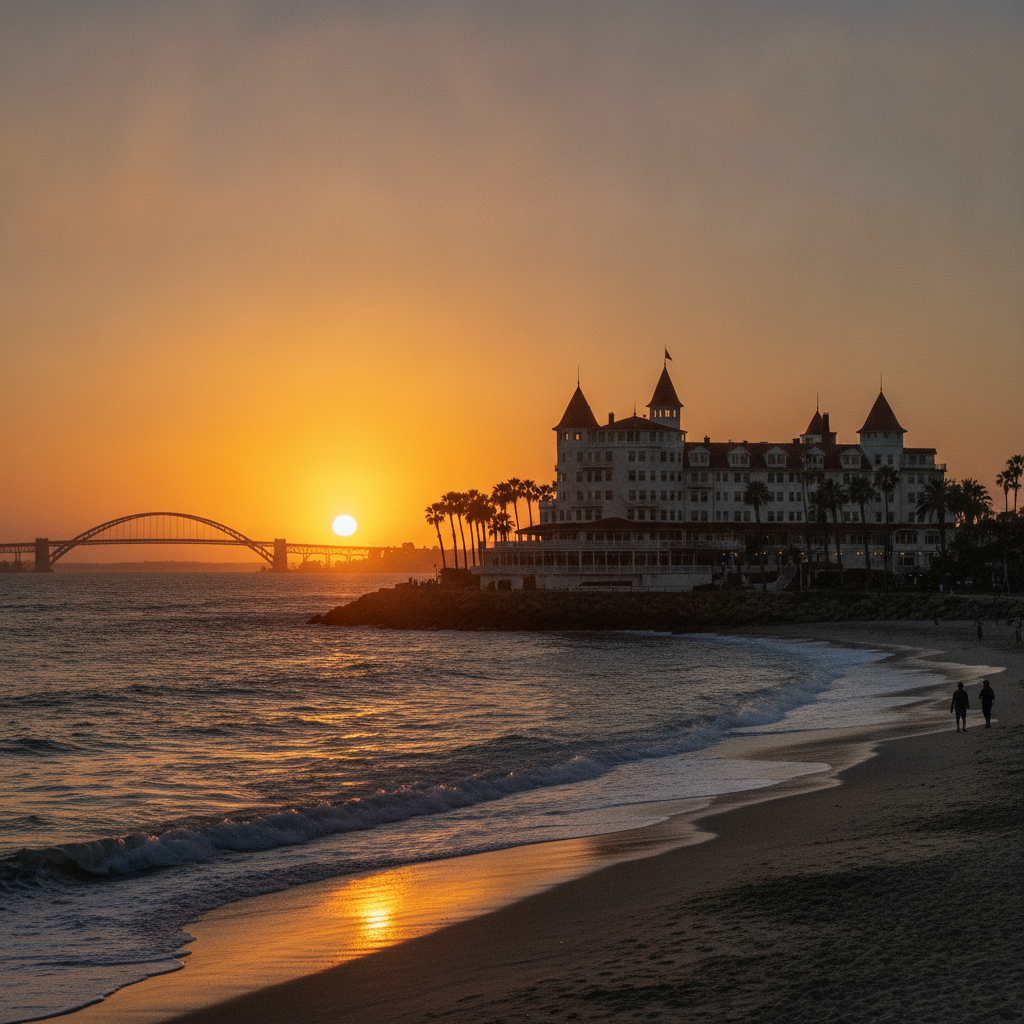
San Diego: Victorian Beach Palace, Free Organ Concerts Since 1915 and Caesar Salad Birthplace
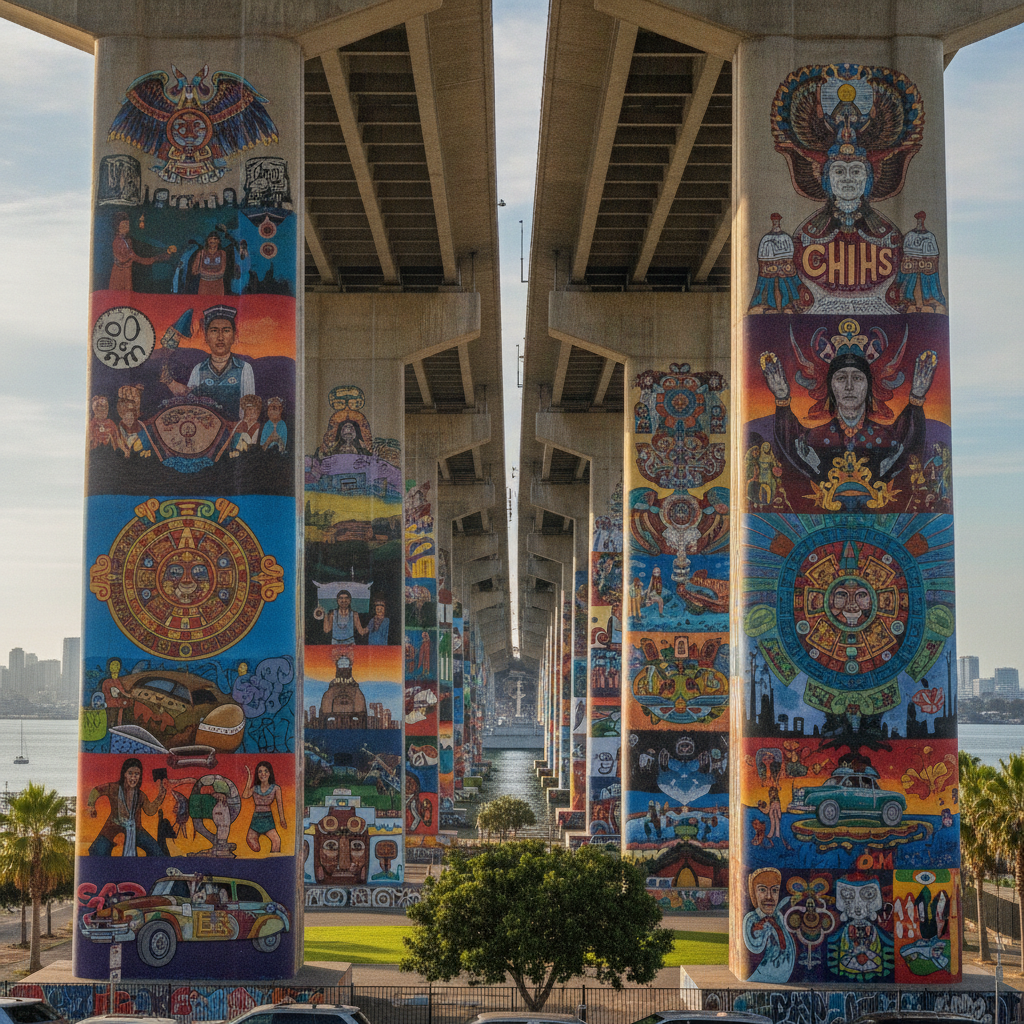
San Diego: Eocene Sea Cliffs, the World Largest Chicano Mural Collection and Bing Crosby Racetrack
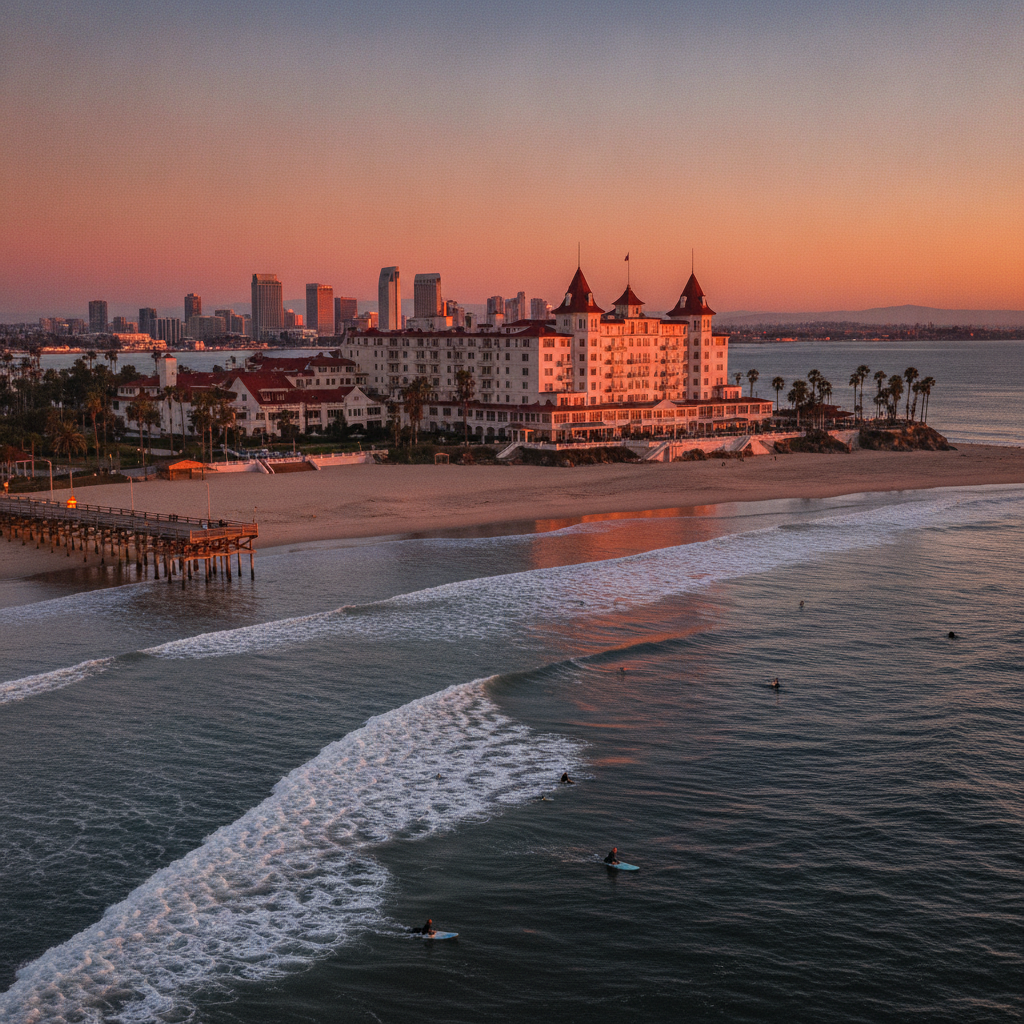
San Diego: Balboa Park Cultural Complex (17 museums, 1915 Spanish Colonial Revival, San Diego Museum of Art), San Diego Zoo (3700 animals, giant pandas returned 2024, Safari Park), Hotel del Coronado (1888 Victorian resort, 14 US presidents, Wizard of Oz inspiration), La Jolla Cove (sea lion colony, Birch Aquarium at Scripps), and Craft Beer Capital USA (180+ breweries, Stone Brewing, Ballast Point USD 1B, fish taco history)