Costa Rica Biodiversity: Birdwatching, Wildlife, and the Conservation Economy
Costa Rica contains approximately five percent of the worlds total biodiversity on less than 0.03 percent of its land area, a concentration made possible by the convergence of two continental faunas, two ocean influences, and an extraordinary range of altitude-driven microclimates. The country has become the global reference point for biodiversity tourism and conservation economics. This route examines the science and the economics of what makes Costa Rica exceptional, from the highland quetzal to the lowland sea turtle.
- 1
Why Costa Rica: Biogeographic Crossroads and Altitude Gradient
The extraordinary biodiversity of Costa Rica results from two primary factors. The country sits at the biological meeting point between North and South American fauna following the closure of the Central American land bridge three million years ago, meaning species from both continents are present. The second factor is the altitude gradient: within a few hundred kilometers the terrain drops from 3,800-meter volcanic peaks through cloud forest, premontane forest, tropical dry forest, and lowland rainforest to sea level, creating dozens of distinct microclimates each with specialist species. The result is 900 bird species, 220 reptile species, 160 amphibian species, and 9,000 plant species in a country the size of West Virginia.
- 2
Birdwatching: The Quetzal, the Scarlet Macaw, and the Migrant Circuit
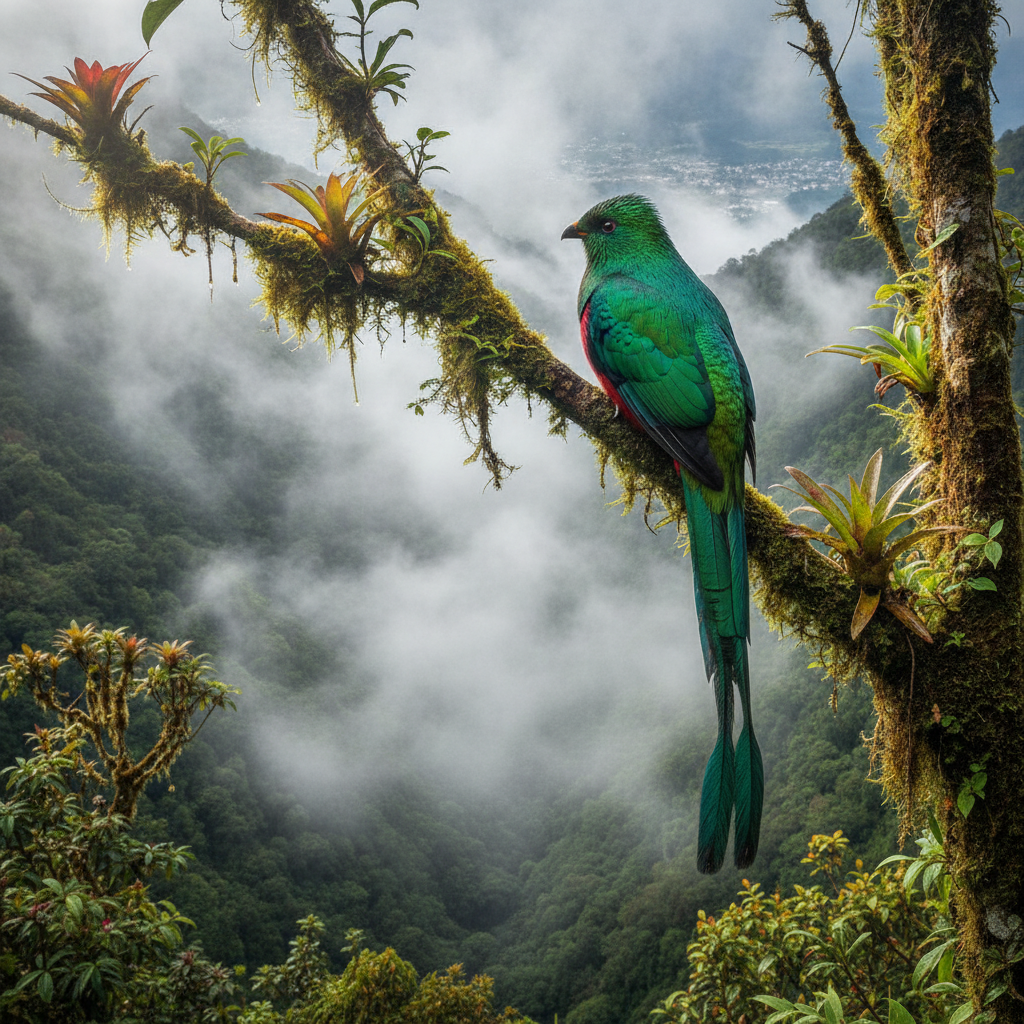
Costa Rica is a premier global birdwatching destination, attracting specialist birders seeking both endemic highland species and neotropical migrants that winter here from North American breeding grounds. The resplendent quetzal, found in cloud forest above 1,500 meters, is the most sought-after species. Scarlet macaws, nearly extinct in Central America thirty years ago, have recovered through protection and are visible in several coastal lowland parks. Birdwatching tours from San Jose operate on an early-morning circuit to the highland forests above the capital, where species density before 8 AM can exceed 50 species in two hours.
- 3
National Parks System: Payment for Ecosystem Services and Conservation Finance
Costa Rica pioneered the payment for ecosystem services model in the 1990s, creating a mechanism by which landowners are compensated for maintaining forest cover rather than converting it to agriculture. The national parks system, covering 25 percent of national territory, was funded partly by a fuel tax channeled into conservation. The Biodiversity Law of 1998 established access and benefit-sharing frameworks for bioprospecting. The financial sustainability of the conservation system depends on the tourism revenue generated by the parks, creating a direct economic link between visitor spending and habitat protection that has become a model for conservation economics globally.
- 4
Wildlife Rehabilitation and Responsible Tourism Standards
The growth of wildlife tourism has created both conservation benefits and significant problems. The practice of keeping sloths, monkeys, and other wildlife for tourist photography has caused harm through the illegal pet trade and stress to the animals involved. Several wildlife rehabilitation centers near San Jose, including NATUWA and the Las Pumas rescue center, treat confiscated and injured animals and educate visitors about the species they are seeing. Costa Rica has developed stricter enforcement of wildlife handling regulations following international attention, but the gap between marketing claims and practice remains a concern for conservation organizations active in the country.
- 5
Marine Conservation: Sea Turtles, Whale Sharks, and the Blue Flag Program
The marine environment of both Costa Rican coasts hosts significant conservation activity. The Osa Peninsula and Corcovado are considered the most biologically intense place on earth by National Geographic. Cocos Island, 550 kilometers offshore in the Pacific, is a UNESCO World Heritage Site and one of the top shark diving destinations globally, with hammerhead, whale shark, and silky shark in aggregations. The Blue Flag beach program, modeled on European standards, has driven water quality improvement at certified beaches. Olive ridley sea turtle mass nesting arrivals called arribadas at Ostional on the Pacific coast involve hundreds of thousands of turtles over three to five nights.
- 6
The Debate: Mass Tourism, Gentrification, and Conservation Failure
The conservation success narrative of Costa Rica coexists with significant critiques. Deforestation has continued on private land outside the park boundaries. Water pollution from pineapple and banana agriculture affects both rivers and coastal ecosystems. The ecotourism economy has driven land price increases that price local communities out of coastal areas while benefiting foreign-owned hotels. The claim that Costa Rica is carbon neutral or will be runs ahead of the measured data. Several researchers have argued that the conservation success story is partly a communication achievement that masks continued habitat degradation outside the protected zones, creating a discrepancy between international reputation and ground-level reality.
Walk this route with audio
Stories play automatically as you reach each stop — no tapping needed.
More in San Jose

San Jose Practical Guide: Getting Around, Neighborhoods, Safety, and Living Costs

San Jose Arts, Music, and the Contemporary Cultural Scene

Costa Rican Food Culture: Gallo Pinto, Sodas, Coffee, and the Farm-to-Table Revolution

Costa Rica History: Coffee Republic, 1948 Civil War, and the Abolition of the Army
San Jose as Base: Volcanoes, Cloud Forests, and the Central Valley Day Trip Circuit