San Jose as Base: Volcanoes, Cloud Forests, and the Central Valley Day Trip Circuit
San Jose sits in the Meseta Central at 1,170 meters altitude, surrounded by active volcanoes and cloud forest reserves accessible within one to two hours. The compact geography of Costa Rica means that the Pacific coast, the Caribbean coast, and the major national parks are all within a half-day drive. This route maps the day trip and short excursion options from the capital, from the active Poas volcano crater to the Monteverde cloud forest and the Manuel Antonio coast.
- 1
Poas Volcano: Active Crater Day Trip
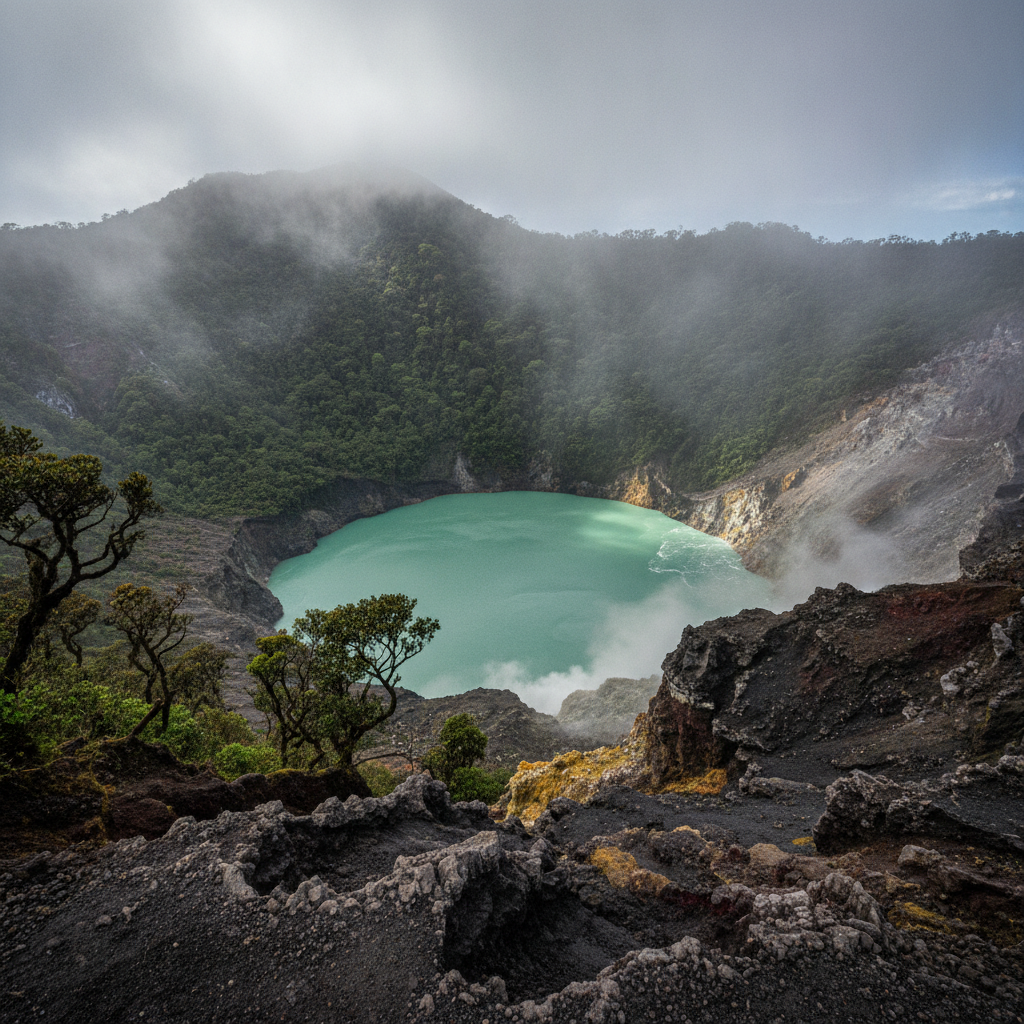
Poas Volcano, forty-five kilometers north of San Jose, is one of the most accessible active volcanoes in the world. The main crater holds a highly acidic turquoise lake 300 meters in diameter; fumaroles emit sulfur dioxide visible from the viewing platform. The volcano is periodically closed following eruptions, most recently in 2017 when a significant eruption ejected material and prompted evacuation of surrounding communities. When open, the national park is reachable by rental car or organized tour in under ninety minutes from San Jose. The secondary Botos crater contains a cloud forest lake of exceptional clarity accessible by a short hiking trail.
- 2
Irazu Volcano and the Cartago Valley
Irazu, at 3,432 meters the highest volcano in Costa Rica, overlooks Cartago and the Central Valley from the southeast. Its main crater lake changes color from turquoise to grey depending on volcanic activity and weather. Irazu famously erupted the day John F. Kennedy arrived for a state visit in 1963 and continued erupting for two years, depositing ash on San Jose and damaging the coffee crop. The drive to the summit passes through agricultural zones producing the vegetables that supply the capital. Cartago itself, the colonial capital before the move to San Jose, has the Basilica de Nuestra Senora de los Angeles, the primary pilgrimage site in Costa Rica.
- 3
Monteverde Cloud Forest: The Quetzal and the Suspension Bridges
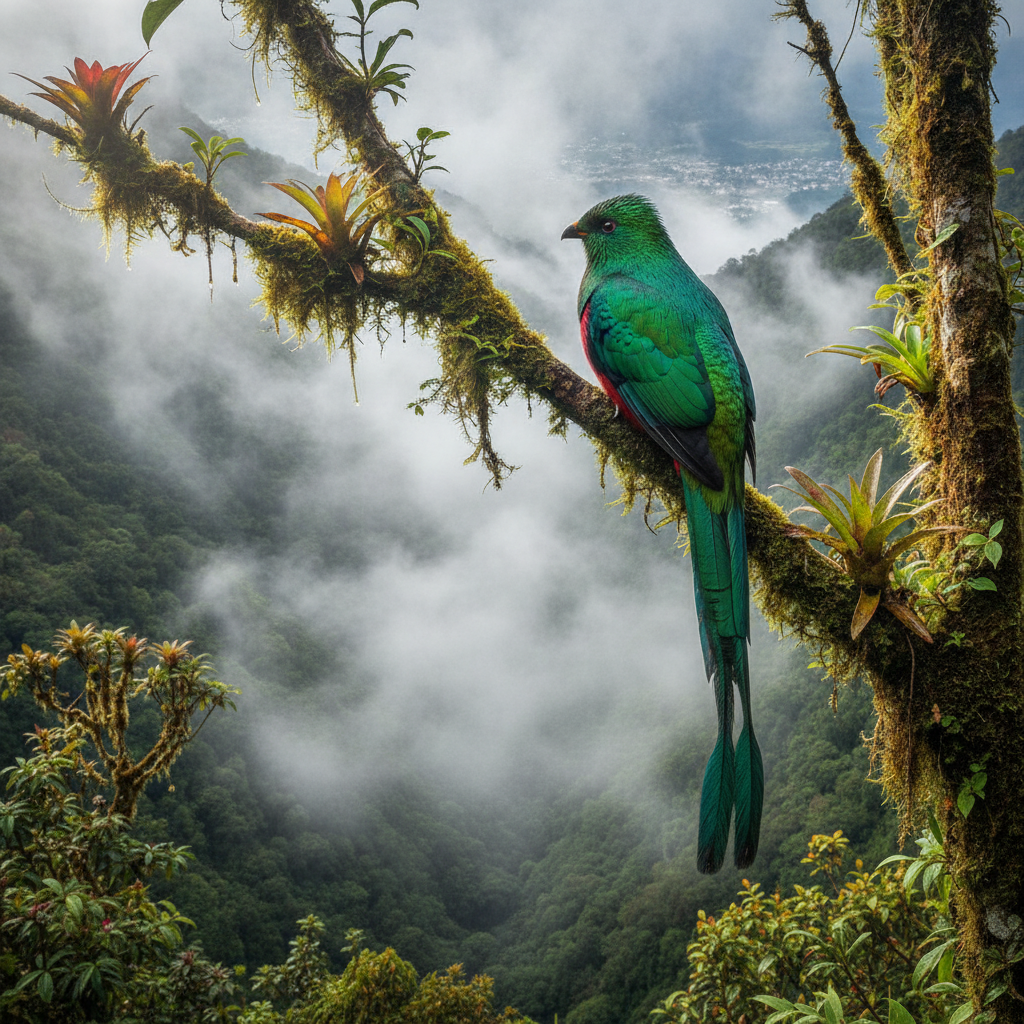
Monteverde, four hours northwest of San Jose, is the reference point for cloud forest ecotourism in Costa Rica and one of the most visited protected areas in the country. The reserve was established by American Quaker settlers who relocated from Alabama in 1951 to avoid military service and found a community around dairy farming. The resplendent quetzal, the most sought-after bird in the neotropics for birdwatchers, nests in the cloud forest from March through May. Suspension bridges through the canopy allow visitors to walk at tree-crown level. The road to Monteverde is famously rough, a deterrent to large buses that has partly preserved the area's lower-density character.
- 4
Manuel Antonio: The Pacific Coast Park and Beach Combination
Manuel Antonio national park on the Pacific coast is the most visited national park in Costa Rica, combining beach access with primary rainforest where white-faced capuchin monkeys, sloths, and coatis habituate closely to the trail systems. The town of Quepos at the park entrance has developed into a significant tourist infrastructure hub with hotels and restaurants at all price points. The drive from San Jose takes approximately three hours on the Inter-American Highway. Manuel Antonio is the most practical option for visitors who want the combination of wildlife, beach, and comfortable accommodation in a single destination accessible as a two-day trip from the capital.
- 5
Tortuguero: Caribbean Coast Canals and Sea Turtle Nesting
Tortuguero national park on the Caribbean coast is accessible only by boat or small aircraft, a logistical peculiarity that preserves its remote character despite being one of the most important green sea turtle nesting sites in the Western Hemisphere. The canal system through the lowland rainforest is navigated by boat, with caimans, river otters, manatees, and extraordinary bird diversity visible from the waterway. Nesting season runs from July through October, with guided night tours operating under strict lighting restrictions. The nearest road access is several hours from San Jose; most visitors fly to Tortuguero in small charter planes or organize boat transfers through Limon or the canal towns.
- 6
Arenal Volcano and La Fortuna: The Thermal Springs Circuit
The Arenal volcano complex in the northern lowlands, three to four hours from San Jose, combines an active stratovolcano with the natural hot spring system heated by geothermal activity. La Fortuna is the service town for the area, with a well-developed tourist infrastructure including thermal spring resort complexes ranging from basic pools to high-end spa facilities. Arenal was continuously active from a major eruption in 1968 until 2010, producing lava flows visible from the town; it is currently in a resting phase but still fumarolic. The nearby Arenal Lake created by a hydroelectric dam and the Hanging Bridges of the Arenal Volcano National Park extend the activity options.
Walk this route with audio
Stories play automatically as you reach each stop — no tapping needed.
More in San Jose

San Jose Practical Guide: Getting Around, Neighborhoods, Safety, and Living Costs

San Jose Arts, Music, and the Contemporary Cultural Scene

Costa Rican Food Culture: Gallo Pinto, Sodas, Coffee, and the Farm-to-Table Revolution
Costa Rica History: Coffee Republic, 1948 Civil War, and the Abolition of the Army
San Jose Costa Rica: Gold Museum, Barrio Amon, Teatro Nacional, and the Meseta Central