San Jose Costa Rica: Gold Museum, Barrio Amon, Teatro Nacional, and the Meseta Central
San Jose is one of the most underestimated capital cities in Latin America. Dismissed by travelers as a stopover on the way to the beaches or cloud forests, the city has a genuinely compelling historic core: the neo-baroque Teatro Nacional, the pre-Columbian gold and jade collections, the turn-of-the-century architecture of Barrio Amon, and the Central Market alive with food stalls and flower vendors. This route covers the foundational layer of the city that rewards those who allow more than a transit day.
- 1
Museo del Oro Precolombino: The Gold and Jade Collections
Under the Plaza de la Cultura, the Museo del Oro Precolombino holds one of the most significant collections of pre-Columbian gold artifacts in the Americas. The collection focuses on the goldwork of the Diquis, Chiriqui, and Nicoya cultures, whose casting techniques using the lost-wax method produced animals, shamans, and abstract forms of extraordinary refinement. The companion Museo del Jade, relocated to a purpose-built building on the Plaza de la Democracia, holds the largest jade collection in the Americas, predominantly from the Nicoya Peninsula. Together the two museums reframe Costa Rica as a center of pre-Columbian artistic production rather than a marginal transit zone between the major Mesoamerican and Andean cultures.
- 2
Teatro Nacional: The 1897 Coffee Economy Monument
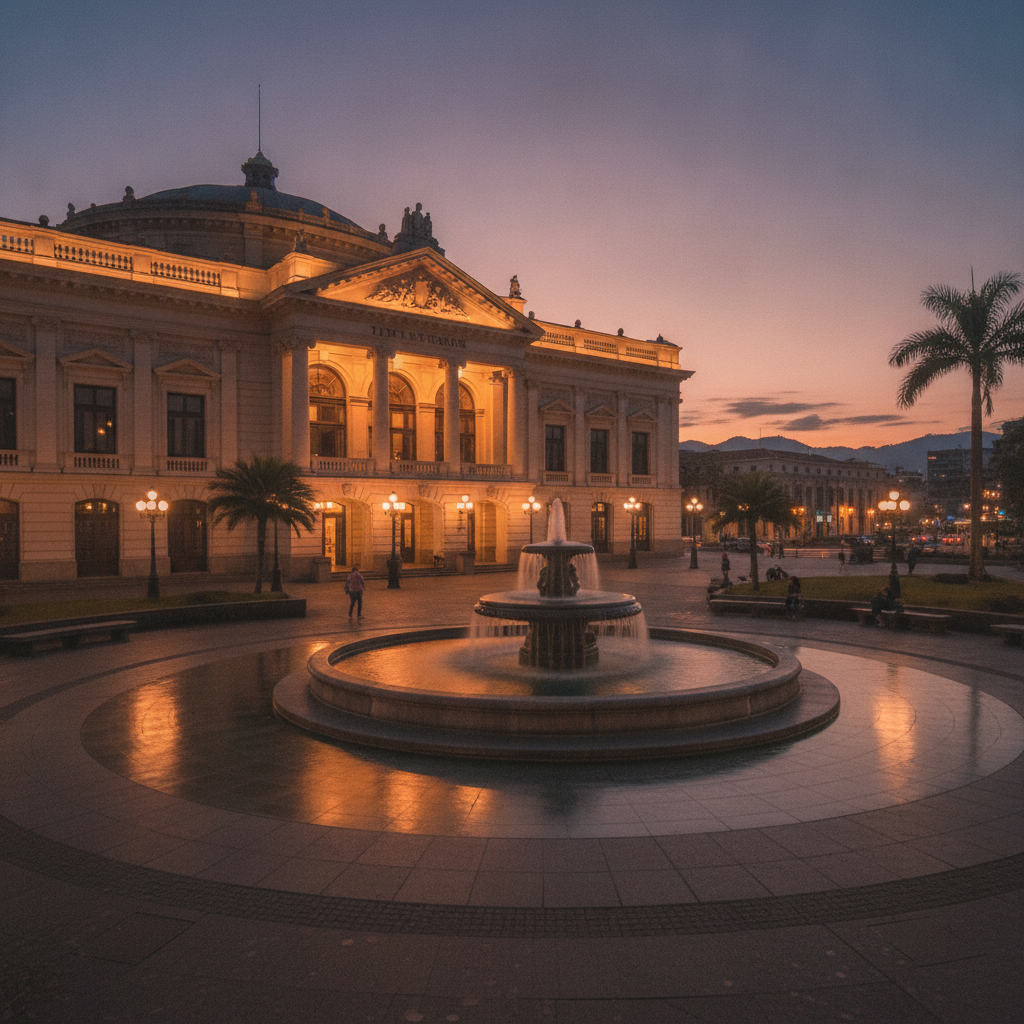
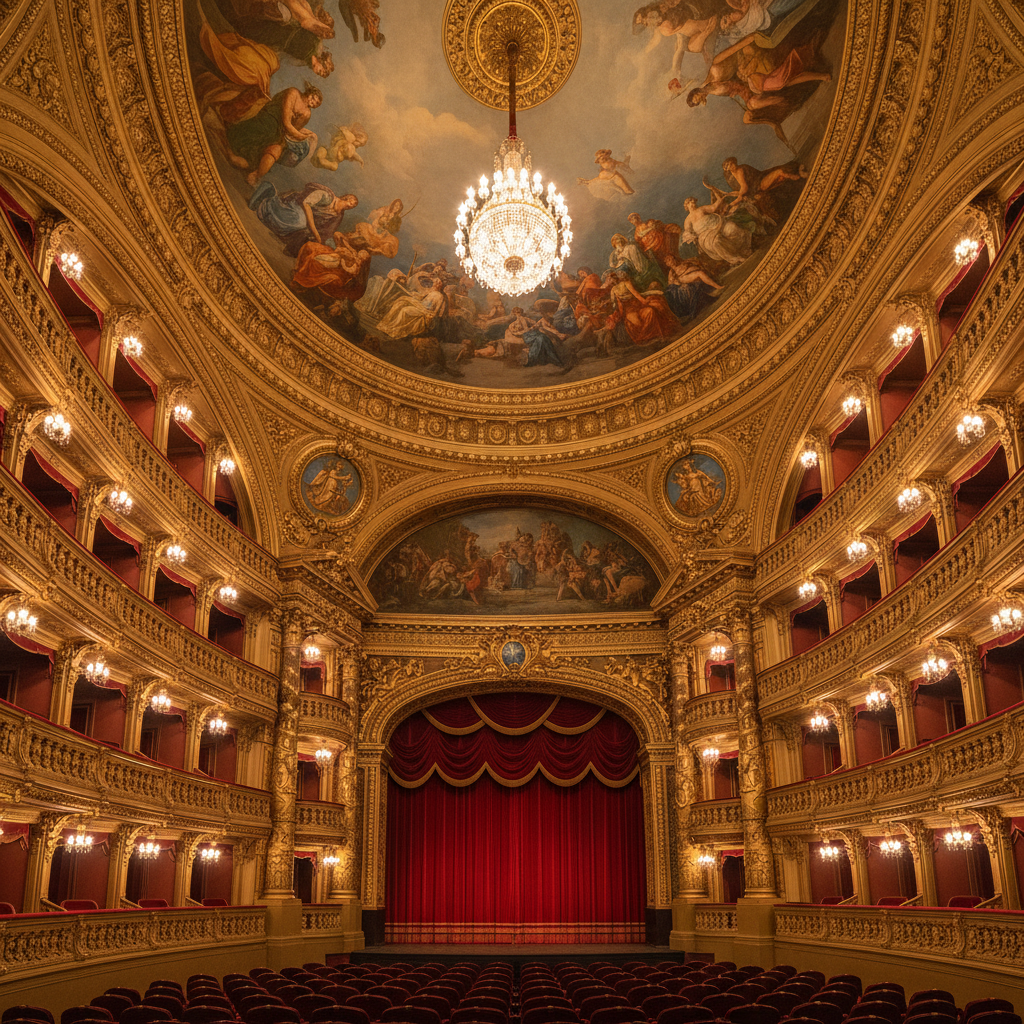
The Teatro Nacional on the Plaza de la Cultura was built between 1890 and 1897 using a tax on coffee exports, a direct material expression of the coffee economy that made Costa Rica the wealthiest Central American nation of its era. The building was designed by Belgian architects and constructed with Italian marble, French mirrors, and a painted ceiling depicting the coffee harvest that is one of the finest examples of naive colonial allegory in the region. The interior has been restored and continues to function as the venue for the National Symphony Orchestra and visiting companies. The painted ceiling has appeared on the Costa Rican 5-colon banknote.
- 3
Barrio Amon: Victorian and Art Nouveau Architecture
North of the Parque Morazan, Barrio Amon preserves the finest concentration of late nineteenth and early twentieth century residential architecture in San Jose. The coffee oligarchy families who dominated Costa Rican society built mansions here in Victorian, Art Nouveau, and Moorish Revival styles, mixing imported aesthetic influences with local materials. Many have been converted to boutique hotels, restaurants, and embassy buildings. The neighborhood is also the center of the art gallery and creative industries scene, with several contemporary galleries operating in restored historic buildings. Walking the barrio in the early morning before traffic intensifies is the recommended experience.
- 4
Mercado Central: The 1880 Market and Coffee Culture
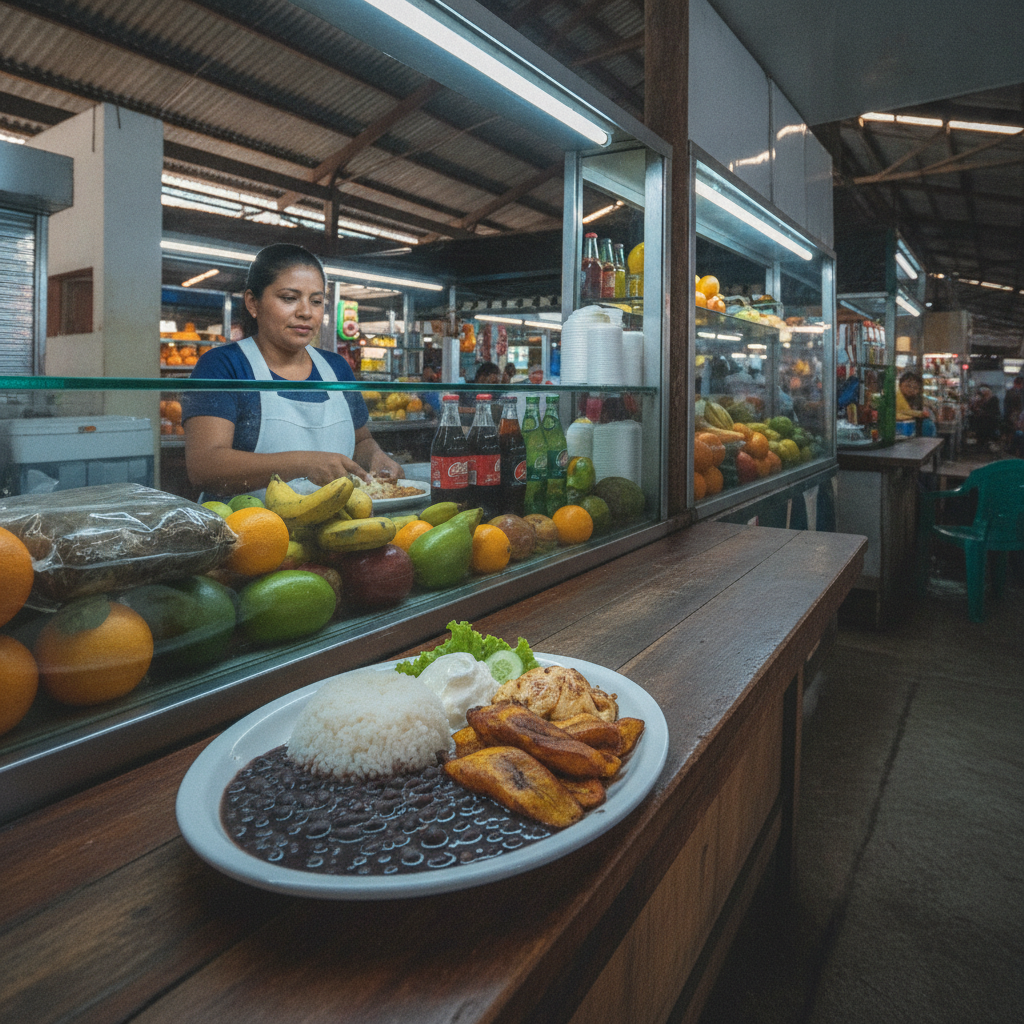
The Mercado Central, built in 1880 and covering an entire city block between Avenidas 1 and Central and Calles 6 and 8, is the oldest and most authentic food market in San Jose. The interior labyrinth of stalls sells fresh produce, flowers, spices, sodas serving traditional Costa Rican food, coffee importers, and every practical good the urban population requires. The soda lunch counters serve gallo pinto, casado, and olla de carne at prices that have not tracked with the tourist economy. The market is the clearest reminder that San Jose is a functioning city of 350,000 people, not an architectural museum.
- 5
Parque Nacional, Legislative Assembly, and the Democratic Tradition
The Parque Nacional, flanked by the Biblioteca Nacional and the Museo Nacional housed in the former Cuartel Bellavista, is the geographic and symbolic center of Costa Rican democratic culture. The National Monument in the park center depicts Costa Rica and its Central American neighbors repelling the filibuster William Walker in 1856. The abolition of the army by Jose Figueres Ferrer in 1948 following a brief civil war is the foundational national narrative, celebrated in the surrounding civic buildings. The Asamblea Legislativa a few blocks south is open for guided visits and illustrates the functioning democratic institutions that distinguish Costa Rica from its regional neighbors.
- 6
Barrio Escalante: The Contemporary Food and Arts District
East of the historic center, Barrio Escalante has emerged as the most dynamic neighborhood in San Jose for food, coffee, and contemporary culture. The Paseo Gastronomico la Luz restaurant strip concentrates innovative Costa Rican and international restaurants. Third-wave coffee shops sourcing from Costa Rican highland farms have established Escalante as the reference point for specialty coffee in a country that produces some of the world's highest-rated beans. Weekend feria markets, art galleries in converted houses, and a dense walkable block structure make Escalante the clearest argument for spending more than one day in the capital.
Walk this route with audio
Stories play automatically as you reach each stop — no tapping needed.
More in San Jose

San Jose Practical Guide: Getting Around, Neighborhoods, Safety, and Living Costs
San Jose Arts, Music, and the Contemporary Cultural Scene
Costa Rican Food Culture: Gallo Pinto, Sodas, Coffee, and the Farm-to-Table Revolution
Costa Rica History: Coffee Republic, 1948 Civil War, and the Abolition of the Army
San Jose as Base: Volcanoes, Cloud Forests, and the Central Valley Day Trip Circuit