San Jose Practical Guide: Getting Around, Neighborhoods, Safety, and Living Costs
San Jose is the most misunderstood capital city in Central America. Travelers arriving with expectations shaped by Costa Ricas beach and rainforest marketing often find the city confusing and underestimate it. This route provides the practical framework for navigating San Jose effectively: the neighborhood geography, the bus and taxi systems, the safety reality, accommodation options at different budgets, the climate, and the cost structure that makes Costa Rica significantly more expensive than neighboring countries.
- 1
Orientation: The Avenues, Calles, and the San Jose Grid Logic
San Jose uses an address system based on distances from landmarks rather than street numbers, a legacy of when streets were unnamed. An address like 100 metros al norte del Banco Nacional means 100 meters north of the National Bank. Avenidas run east-west with even numbers to the north of Avenida Central and odd numbers to the south; Calles run north-south with even numbers to the east. The historic center is bounded roughly by Parque Morazan to the north, the Mercado Central to the west, Parque Nacional to the east, and the Correos de Costa Rica to the south. The main neighborhoods for tourists are the historic center, Barrio Amon directly north, and Barrio Escalante to the east.
- 2
Getting Around: Buses, Taxis, Uber, and Walking
The public bus system is extensive and cheap but requires local knowledge of routes and terminals. The major bus terminals for intercity travel are concentrated in the south and west of the historic center, each serving different destinations. Within the city, red taxis are regulated and should use meters (marias); Uber operates and is often more convenient for non-Spanish speakers. Walking is practical in the historic center and Barrio Escalante but challenging on major arterials without sidewalks. The new urban electric train connecting San Jose with surrounding Central Valley cities has reduced commuter traffic and is the most comfortable way to reach Cartago or Heredia from the city center.
- 3
Safety Reality: Street Crime, Tourist Precautions, and Safe Zones
San Jose has a higher street crime rate than Costa Ricas rural areas and parks, concentrated in specific zones: the southern bus terminal area, parts of the historic center after dark, and the Coca-Cola market district. Pickpocketing and phone snatching are the most common incidents affecting tourists. The tourist-frequented areas of Barrio Amon and Barrio Escalante are substantially safer and well-lit in the evening. The safety situation in San Jose is comparable to other Latin American capital cities and significantly safer than San Salvador, Guatemala City, or Tegucigalpa. Standard urban precautions apply: avoid displaying phones and cameras on the street, use licensed taxis after dark, stay aware in busy market areas.
- 4
Accommodation: Historic Center Hotels, Barrio Amon Boutiques, and Airbnb
Accommodation in San Jose ranges from backpacker hostels in the historic center charging under 20 USD per night to boutique hotels in restored Barrio Amon mansions at 150 to 250 USD. The mid-range is thinner than in larger capital cities. Several former coffee oligarchy residences in Barrio Amon have been converted to hotels with atmospheric period interiors. The airport zone in Alajuela has a concentration of airport hotels useful for early departures. Airbnb apartments in Barrio Escalante and the residential neighborhoods east of the center offer an alternative for longer stays, with full kitchen access and a more local neighborhood feel than the hotel zones.
- 5
Cost of Living: Why Costa Rica is the Most Expensive Country in Central America
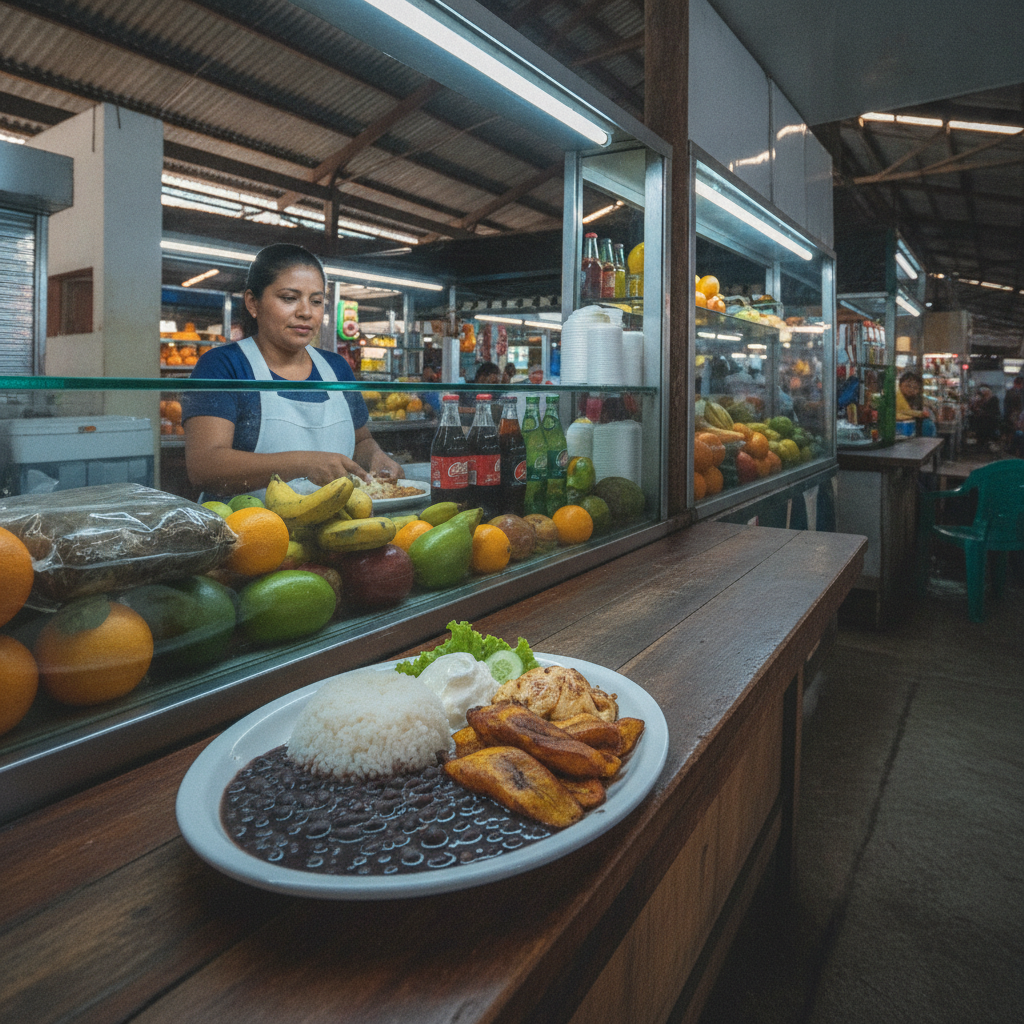
Costa Rica is significantly more expensive than Guatemala, Nicaragua, Honduras, or El Salvador for travelers and residents. The reasons are structural: the universal healthcare and education system requires significant tax revenue, labor costs are higher due to minimum wage protections and social security contributions, and the import dependence for many goods adds logistics costs. Restaurant meals at local sodas cost 3,000 to 5,000 colones (6 to 10 USD); equivalent meals at tourist restaurants cost 15,000 to 30,000 colones. Groceries at supermarkets are comparable in price to Southern European or North American stores. Budget travelers who eat at sodas and use public buses can manage on 50 to 70 USD per day; comfort travelers should plan for 150 USD or more.
- 6
Climate, Best Times to Visit, and the Microclimate Geography
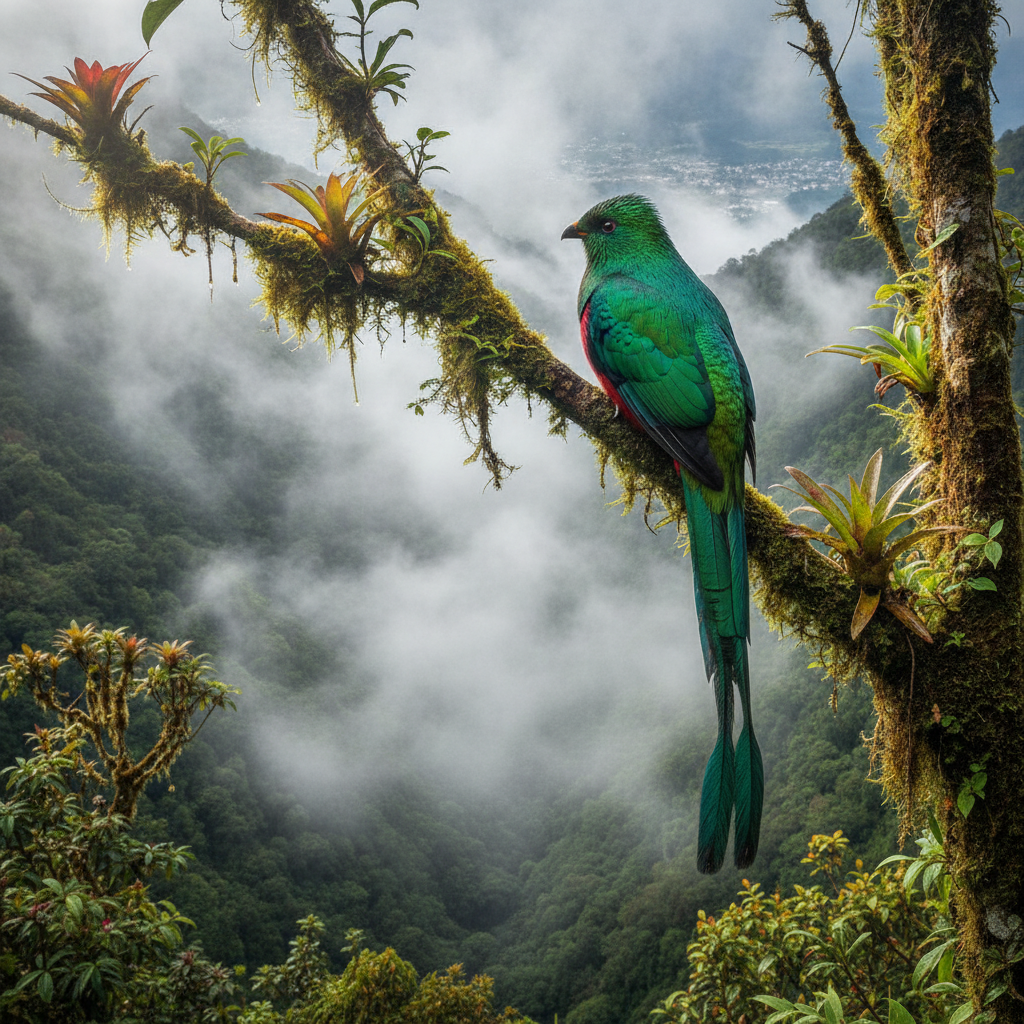
San Jose at 1,170 meters altitude has a spring-like climate year-round, with temperatures between 18 and 26 degrees Celsius regardless of season. The dry season from December through April brings clear mornings and reliable sunshine; the wet season from May through November brings afternoon rains that typically last two to four hours before clearing. The Pacific coast dry season aligns with the Central Valley dry season, making it the most reliable time for beach trips. The Caribbean coast has an inverted rainy pattern, with the driest months in September and October. The micro-climate variation across Costa Rica is such that it is possible to experience rainforest, cloud forest, dry forest, and beach in a single long day from San Jose.
Walk this route with audio
Stories play automatically as you reach each stop — no tapping needed.
More in San Jose
San Jose Arts, Music, and the Contemporary Cultural Scene
Costa Rican Food Culture: Gallo Pinto, Sodas, Coffee, and the Farm-to-Table Revolution
Costa Rica History: Coffee Republic, 1948 Civil War, and the Abolition of the Army
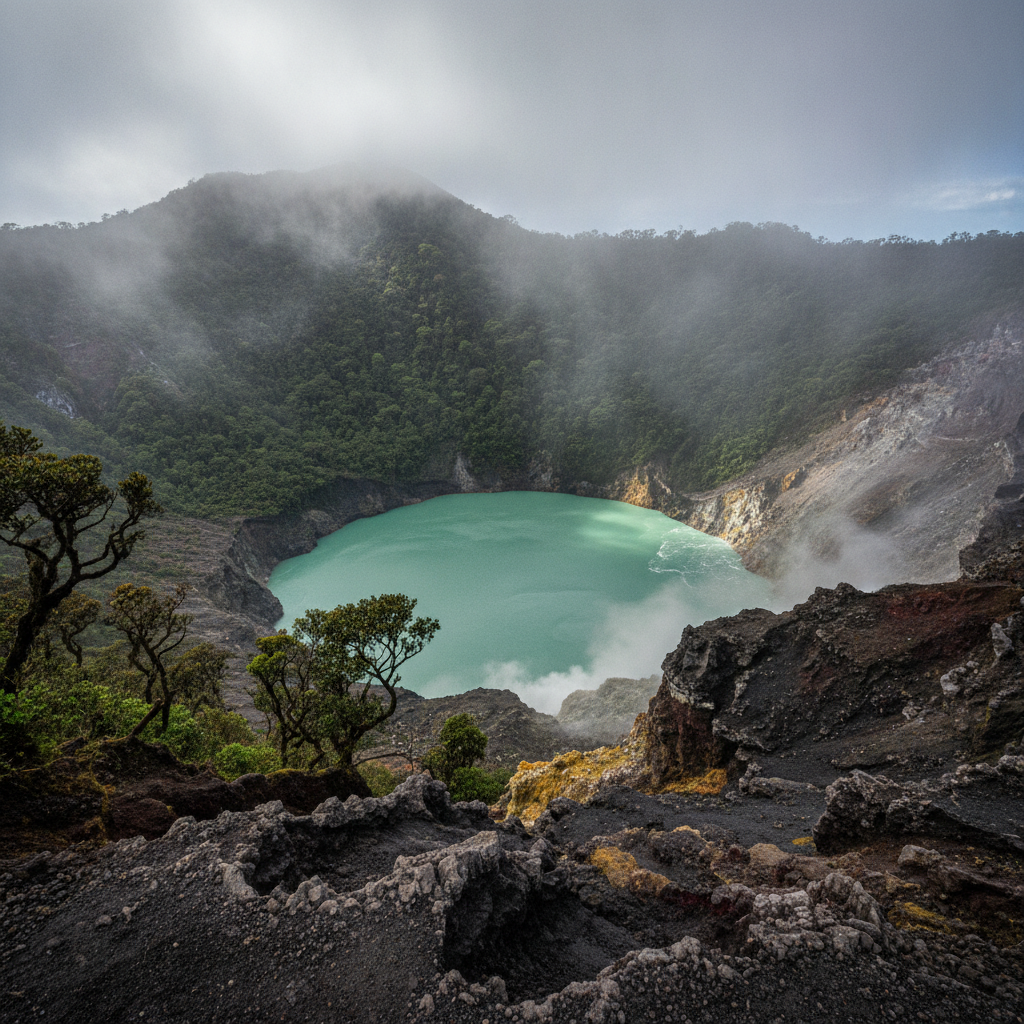
San Jose as Base: Volcanoes, Cloud Forests, and the Central Valley Day Trip Circuit
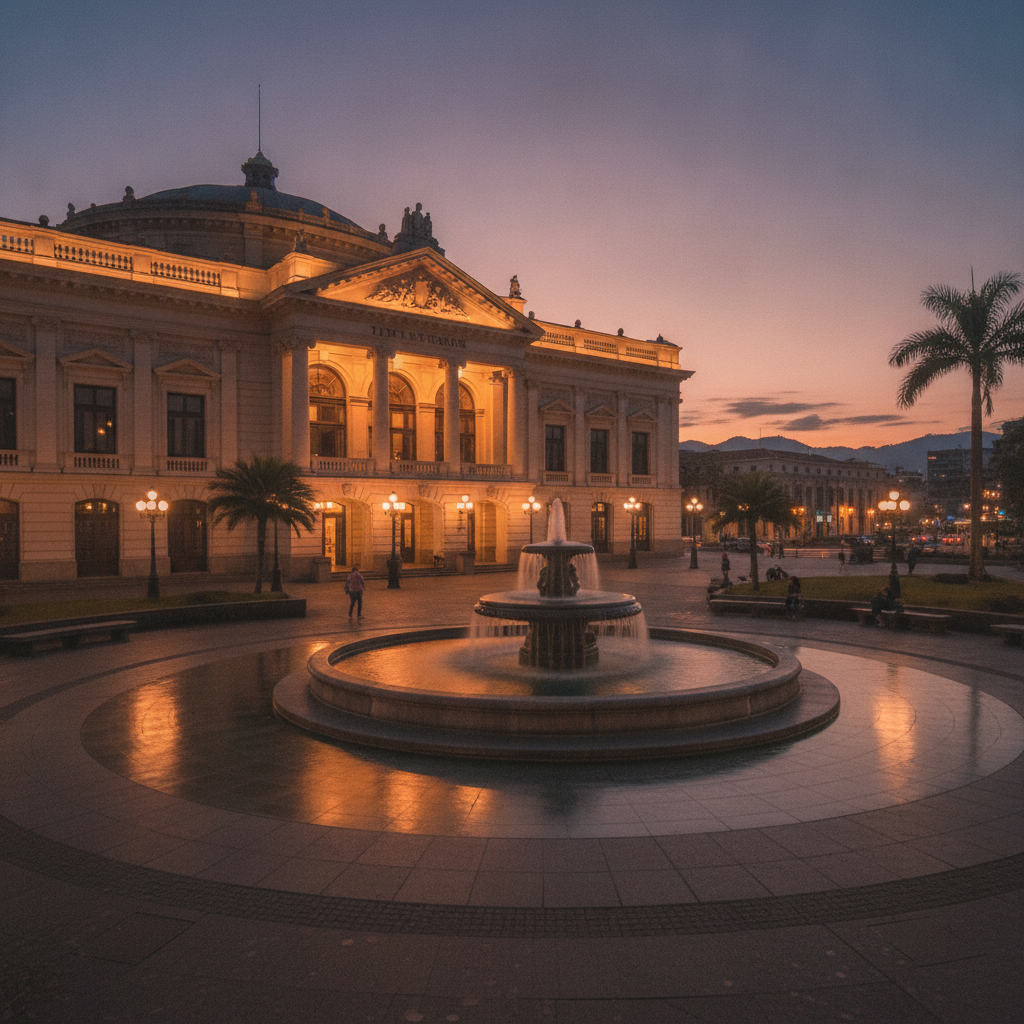
San Jose Costa Rica: Gold Museum, Barrio Amon, Teatro Nacional, and the Meseta Central