Puerto Rico Nature: El Yunque Waterfall, Puerto Rican Parrot Recovery, Coqui Frog Chorus, Taino Rock Art, and the Arecibo Observatory Legacy
The natural and scientific heritage of Puerto Rico includes the El Yunque rainforest waterfall trail, the remarkable Puerto Rican parrot conservation recovery from 13 to 500 individuals, the coqui frog as the acoustic symbol of the island, the Taino petroglyphs at Cueva del Indio, and the legacy of the Arecibo Observatory that sent humanity's first intentional message to the stars.
- 1
El Yunque Waterfall Trail: The Forest Cathedral
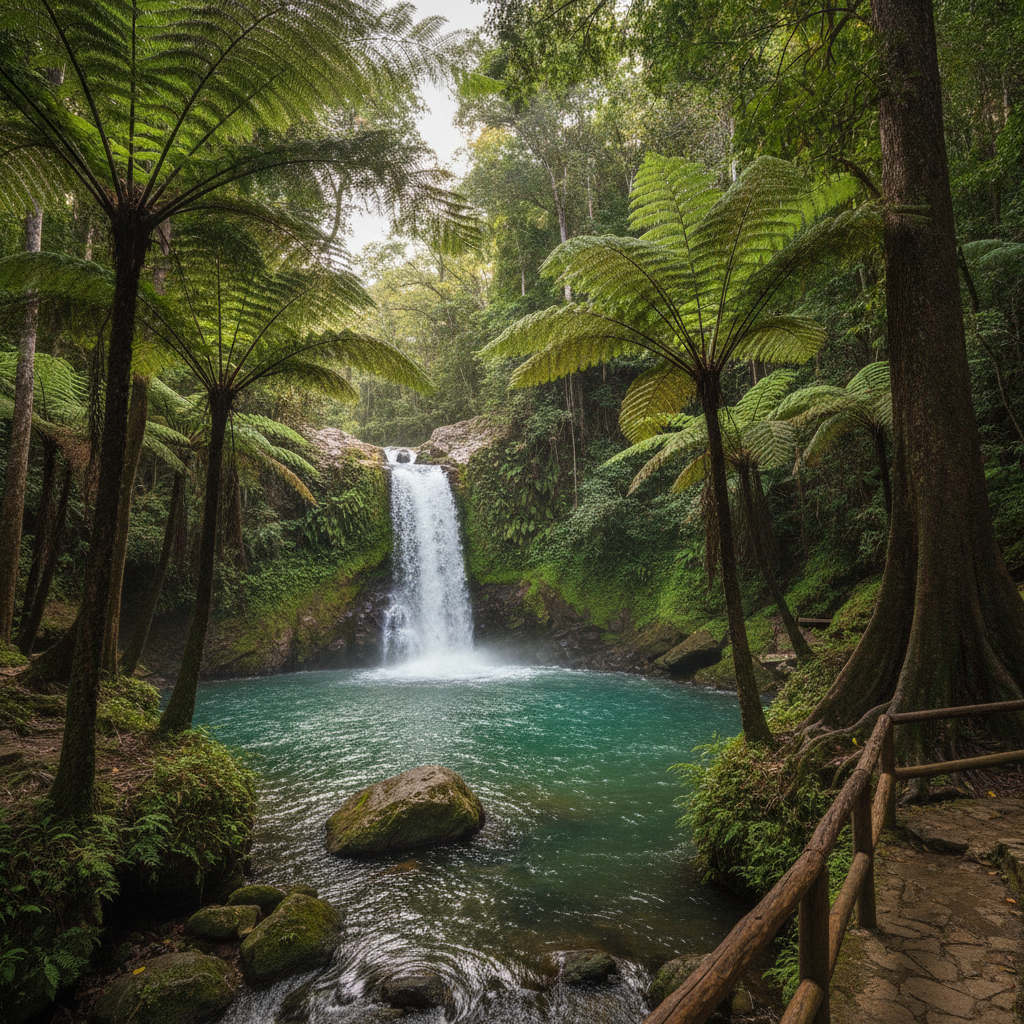
The La Mina waterfall trail in El Yunque National Forest, a one-mile path through the tabonuco and palm forest canopy to a 35-foot cascade into a natural swimming pool, is the most popular short hike in Puerto Rico and the most accessible introduction to the Caribbean rainforest ecology. The forest cathedral of massive tree ferns, bromeliads, and the endemic coqui frog chorus provides the most complete contrast available within an hour of the Old San Juan colonial city.
- 2
Puerto Rican Parrot: The Conservation Success
The Puerto Rican parrot, the only endemic parrot species of Puerto Rico and one of the rarest birds in the world with a population reduced to fewer than 13 individuals in 1975, has been the subject of one of the most intensive bird conservation programs in US history, with captive breeding programs in El Yunque and at the Rio Abajo aviary that have increased the wild population to approximately 500 individuals. The parrot recovery program represents the most successful endangered species intervention in the Caribbean.
- 3
Coqui Frog: The Voice of Puerto Rico
The coqui, the thumbnail-sized tree frog endemic to Puerto Rico whose call of co-QUI gives the species its name, is the most recognized acoustic symbol of the island, with the nighttime chorus of the tens of thousands of coqui frogs in the El Yunque forest and in the residential gardens of San Juan creating the perpetual background sound of Puerto Rican nights. The coqui is the unofficial national animal of Puerto Rico and appears in art, literature, and cultural reference throughout the island.
- 4
Toro Negro: The Central Mountain Reserve
Toro Negro State Forest in the Cordillera Central, accessible from San Juan in approximately two hours, protects the highest elevation forest in Puerto Rico with the Cerro de Punta summit at 1,338 meters providing the panoramic view over the entire island. The Dona Juana waterfall and the hiking trails of the central mountain reserve provide the most complete mountain forest experience in Puerto Rico outside El Yunque.
- 5
Cueva del Indio: The Taino Rock Art
Cueva del Indio on the Arecibo north coast, accessible from San Juan in approximately 90 minutes, contains the finest surviving collection of Taino petroglyphs in Puerto Rico, carved into the limestone sea cliffs above the Atlantic surf in a dramatic coastal setting that combines the archaeological heritage with the natural spectacle of the waves breaking on the limestone formation. The Taino petroglyphs depict the stylized faces and figures of the indigenous spiritual tradition.
- 6
Arecibo Observatory: The Legacy of SETI
The Arecibo Observatory, the 305-meter radio telescope operated by Cornell University and the US government from 1963 to 2020, when the instrument platform collapsed and the structure was decommissioned, was the largest single-dish radio telescope in the world for 53 years and the instrument used by Carl Sagan's SETI team to send the Arecibo Message into space in 1974 and to receive the first pulsar timing signals. The visitor center at the Arecibo site continues to operate as a science education facility.
Walk this route with audio
Stories play automatically as you reach each stop — no tapping needed.
More in San Juan
San Juan Historic Institutions: El Capitolio, La Fortaleza Governor's Mansion, Casa Blanca, and the Waterfront Promenade
San Juan: Old City Cobblestones, El Morro Fortress, Salsa Music Origins, and El Yunque Rainforest
San Juan Infrastructure and Economy: Caribbean Crossroads Airport, Cruise Port, Act 60 Digital Nomads, Puerto Rican Rum, and Santurce Street Art
San Juan Food and Culture: Mofongo, La Mallorca Breakfast, Santurce Arts District, Piragua, and the Pinones Beach Food
Puerto Rico: Political Status, Hurricane Maria, Boricua Identity, Fania Records, and Regueton World Domination