The Expatriate Colony That Reinvented San Miguel de Allende: From Starving Artists on the GI Bill to Americas Most Expensive Mexican Real Estate Market and the Culture Wars of a Divided City
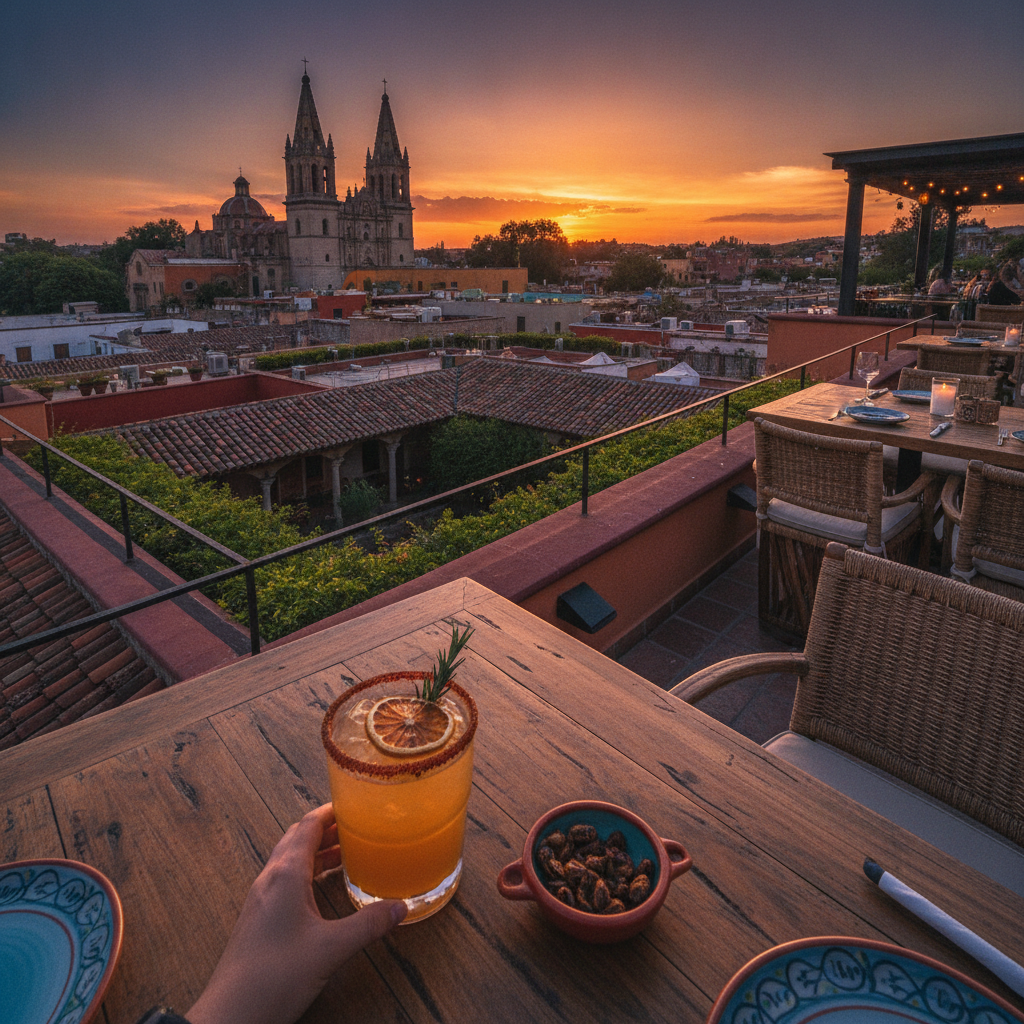
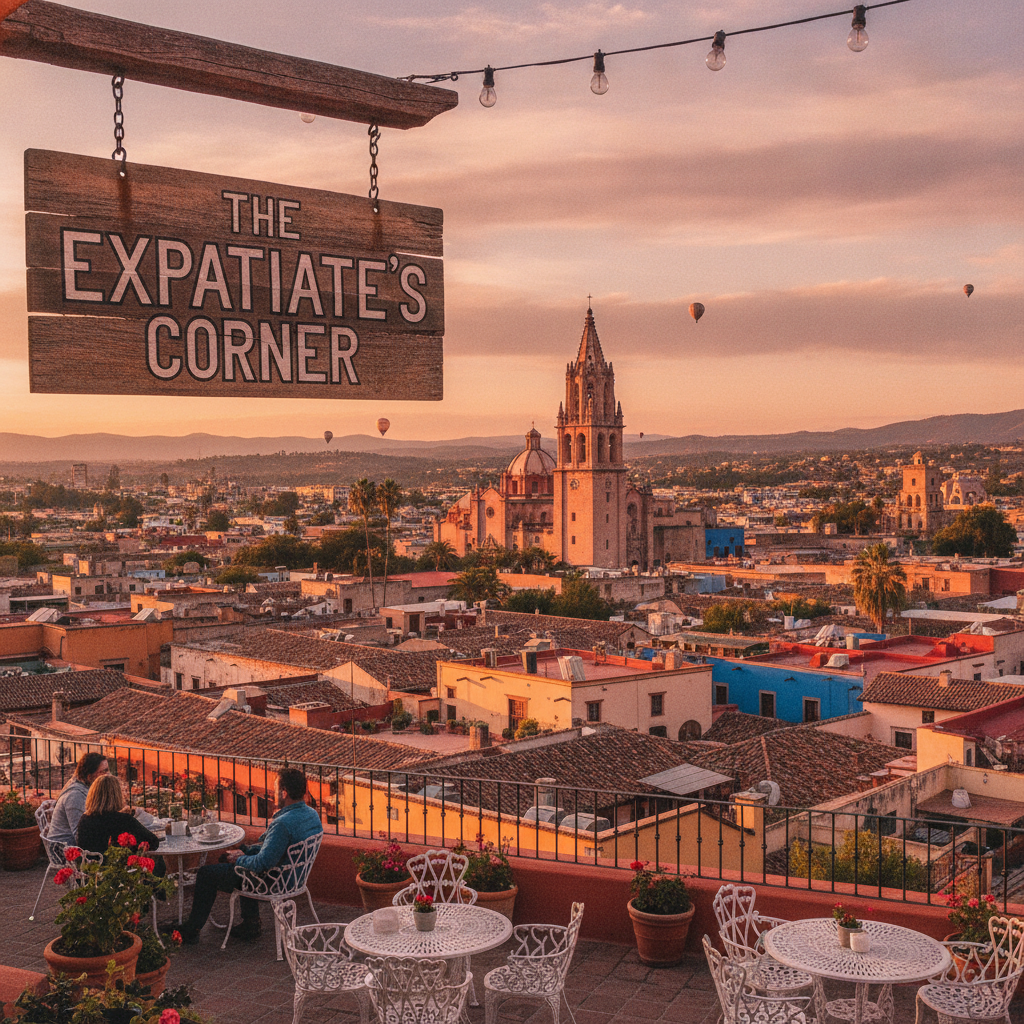
The transformation of San Miguel de Allende from a declining provincial colonial town in the 1930s to the most internationally famous and expensive heritage city in Mexico is one of the most dramatic examples of arts-driven gentrification in the Americas, a process that began when the American artist Stirling Dickinson arrived in 1937, promoted San Miguel in American art publications, attracted the first generation of GI Bill veterans to the Instituto Allende art school in 1948, and set in motion an 80-year accumulation of North American cultural investment and real estate purchase that has made the historic center of San Miguel a predominantly English-speaking economic zone where the median home price has reached one to three million US dollars for a colonial house that 40 years ago could be purchased for a few thousand. The expatriate community of San Miguel, estimated at 25,000 to 30,000 permanent or semi-permanent North American and European residents out of a total municipal population of 160,000, is the largest proportional expatriate concentration in any major Mexican city, and has generated an English-language media ecosystem of newspapers, radio programs, real estate agencies, and social clubs that functions in parallel with the Spanish-language civic life of the Mexican majority. The cultural tension between the expatriate and Mexican populations of San Miguel is managed through a civic performance of coexistence that masks significant economic friction: the short-term rental market driven by Airbnb and VRBO has reduced the housing available to Mexican workers who cannot afford the rents that the dollar economy has established, the service sector employs Mexican workers at wages set by the peso economy while producing value captured in the dollar economy, and the city government balances the tax revenue from the tourism economy against the social service demands of a population that is being economically displaced from its own city. The arts infrastructure that the expatriate community has built — the galleries of the Fabrica La Aurora, the cultural programming of the Biblioteca Publica, the jazz festival, the literary festival, the film festival — constitutes a genuine cultural contribution to the city alongside the economic distortions that the same community has produced.
- 1
Stirling Dickinson and the First American Arrivals
Stirling Dickinson, a Chicago-born writer and naturalist who arrived in San Miguel de Allende in 1937, is the foundational figure of the North American expatriate community in San Miguel, the person who first publicized the city to American audiences and who made the critical intervention of recruiting American students through advertisements in US arts publications that described San Miguel as an inexpensive paradise for the serious artist. Dickinson's promotion attracted the initial wave of American artists, writers, and intellectuals who established the informal colony in the late 1930s and early 1940s, and who collectively created the reputation for bohemian creativity and cheap living that made San Miguel a destination for the veterans who arrived on the GI Bill after 1948. The Instituto Allende, the art school founded in 1938 by the local landowner Enrique Hernan Fenyes and subsequently developed with the participation of the Mexican government and the University of Guanajuato, offered formal accreditation for the studio arts courses that the GI Bill could fund, making it one of the first Mexican art schools to offer an internationally recognized program for foreign students. Dickinson himself became a committed Mexican resident, eventually taking Mexican citizenship, and spent the rest of his life in San Miguel until his death in 1998, witnessing the full arc of the expatriate community from bohemian poverty to real estate wealth. His legacy is complicated: without his advocacy, the city might have remained the minor provincial town it was in the 1930s; with it, San Miguel became a destination whose popularity has overwhelmed the scale that makes it livable for the majority of its residents.
- 2
Instituto Allende GI Bill Era and Arts Legacy
The GI Bill veterans who arrived at the Instituto Allende from 1948 onward, eligible for education funding that could be applied to accredited art schools anywhere in the world, found in San Miguel an environment where the dollar stipend of the GI Bill provided a comfortable living by Mexican standards, the colonial city offered photogenic beauty and historical depth, the local community was welcoming, and the physical isolation from the commercial art world of New York and Los Angeles created a freedom of experimentation that the competitive American art market did not permit. The generation of artists who trained at the Instituto Allende in the late 1940s and 1950s included significant figures in the development of American abstract expressionism, textile arts, and ceramics, and the school's influence on American studio arts training was disproportionate to its size. The contemporary Instituto Allende, now affiliated with the University of Guanajuato, continues to offer studio arts programs and workshops in painting, sculpture, ceramics, jewelry, and photography, but the student population is overwhelmingly North American and European rather than Mexican, and the tuition costs reflect the dollar economy of the tourist city rather than the peso economy of the Mexican university system. The Fabrica La Aurora, the former textile factory on the edge of the historic center that was converted to a gallery and artisan studio complex in the 2000s, represents the contemporary continuation of the arts infrastructure that the Instituto Allende established, with approximately 50 galleries, studios, and design shops occupying the factory floor space in a weekend arts market that is the primary contemporary gallery destination in San Miguel.
- 3
Real Estate Market and Displacement Economics
The San Miguel de Allende real estate market, driven by North American demand for colonial properties in a UNESCO World Heritage city at 1,900 metres elevation with a temperate climate and established expatriate infrastructure, has experienced price appreciation that has made the historic center one of the most expensive residential real estate markets in Mexico, with colonial houses routinely listed at one to three million US dollars and boutique hotel properties at five to fifteen million. The price trajectory has been roughly linear from the 1970s through the 2000s, then accelerated sharply after the 2008 UNESCO World Heritage designation and again after 2020 when the COVID-19 pandemic triggered a migration of remote-working North Americans to Mexican cities with good internet infrastructure, healthcare, and lower cost of living than US metropolitan areas. The displacement consequence of this price appreciation is visible in the demographic transformation of the historic center colonias, where the Mexican families who owned colonial houses for generations have sold to North American buyers and relocated to the peripheral colonias of Palmita, Lindavista, and Los Rodriguez, where the urban infrastructure of streets, drainage, schools, and health services is less developed than the tourist-served historic center. The short-term rental market, with approximately 2,000 to 3,000 registered Airbnb and VRBO properties in the historic center, has reduced the long-term rental housing available to Mexican workers, service employees, and young professionals who cannot compete with the nightly rates that the tourist market generates. The city government's response to displacement has been limited to requiring registration of short-term rental properties and exploring rent stabilization mechanisms, without addressing the fundamental dynamic that the dollar economy sets prices the peso economy cannot match.
- 4
English Language Community and Parallel Infrastructure
The English-language infrastructure of San Miguel de Allende, built over 80 years of North American community investment, constitutes a parallel civic society that functions alongside and largely separately from the Spanish-language civic life of the Mexican majority. The Biblioteca Publica de San Miguel, founded in 1954 by expatriate community members and now one of the largest bilingual public libraries in Mexico with over 40,000 volumes in English and Spanish, is the institutional center of the expatriate community, hosting language exchange programs, book clubs, film series, and community meetings that serve both the expatriate and Mexican populations. The English-language newspaper Attencion San Miguel, published weekly since 1975, serves the expatriate community with cultural listings, real estate advertising, and civic news, while the Spanish-language local media serve the Mexican majority with coverage of municipal politics, crime, and community events that the English publications rarely address. The real estate industry of San Miguel is predominantly English-language in its marketing and client service, with agencies like Reed Properties, Remax, and dozens of independent brokers specializing in connecting North American buyers with colonial properties, and conducting transactions in dollars through US escrow and title insurance mechanisms that parallel the Mexican notario system. The healthcare infrastructure that serves the expatriate community includes English-speaking private hospitals, specialist physicians who trained in the United States, and medical tourism services that offer procedures at Mexican prices with American service standards, making San Miguel a medical destination for expatriates and health tourists from the United States who cannot afford procedures at home.
- 5
Cultural Festivals and the San Miguel Calendar
The annual festival calendar of San Miguel de Allende is the most elaborate of any city of comparable size in Mexico, reflecting the cultural investment of the expatriate community and the tourism infrastructure that depends on event-driven visitation to fill the 3,000 hotel rooms and boutique accommodation units of the historic center throughout the year. The San Miguel Jazz and Blues Festival, held annually in November since 1995, brings internationally touring jazz and blues performers to the open-air stages of the Jardin Principal and the covered venues of the Fabrica La Aurora, drawing audiences from throughout Mexico and from the North American expatriate community of the Bajio region. The Day of the Dead celebration in San Miguel, spanning from October 31 to November 2, has been developed into an elaborate public spectacle of altar installations, cemetery visits, cultural programming, and the procession of La Calaca, a giant skeleton puppet parade through the historic center streets, that attracts visitors who have made the San Miguel version of the celebration a primary Mexican cultural tourism destination alongside the Oaxaca and Patzcuaro traditions. The San Miguel Literary Festival, established in 2012, brings published authors in both Spanish and English to the city for readings and discussions in the boutique hotels and cultural venues, reflecting the significant presence of writers and academics in the expatriate community. The International Film Festival and the annual celebration of the Mexican Independence anniversary on September 15 and 16 complete the major annual events of a city whose tourism promotion strategy depends on maintaining a constant calendar of reasons to visit beyond the monuments and restaurants.
- 6
San Miguel Contemporary Issues Water and Growth
San Miguel de Allende faces the environmental contradiction of a water-scarce semi-arid plateau city whose tourism economy depends on the swimming pools, garden hotels, and resort spas that consume water at rates the regional aquifer cannot sustain. The Allende Reservoir, constructed in the 1960s to serve the irrigation needs of the Bajio agricultural economy, provides drinking water to San Miguel but has experienced declining levels due to the extraction demands of the region's strawberry, broccoli, and vegetable export agriculture, and the residential and hotel construction boom of the past 20 years. The aquifer beneath the Bajio, a shared resource between San Miguel, Queretaro, Celaya, and the agricultural sector, is being extracted at rates estimated at twice the recharge rate, meaning that the groundwater that took thousands of years to accumulate is being consumed in decades, with the subsidence of Celaya, where buildings are sinking as the clay layers beneath the city compact, providing a visible indicator of what regional aquifer depletion looks like at its extreme. The UNESCO World Heritage designation of 2008 prohibits construction that alters the visual profile of the historic center as seen from the surrounding hills, a restriction that has been enforced with varying effectiveness and that creates the paradox of preservation rules protecting the architectural heritage while the social heritage of Mexican community life in that architecture is transformed by economic displacement. The future growth of San Miguel is constrained by the water supply, the carrying capacity of the cobblestone historic center for tourist foot traffic, and the capacity of the surrounding colonias to absorb the Mexican population displaced from the center, making the sustainability of the current tourism model a genuine question that the city government and expatriate community have not yet collectively addressed.
Walk this route with audio
Stories play automatically as you reach each stop — no tapping needed.
More in San Miguel de Allende
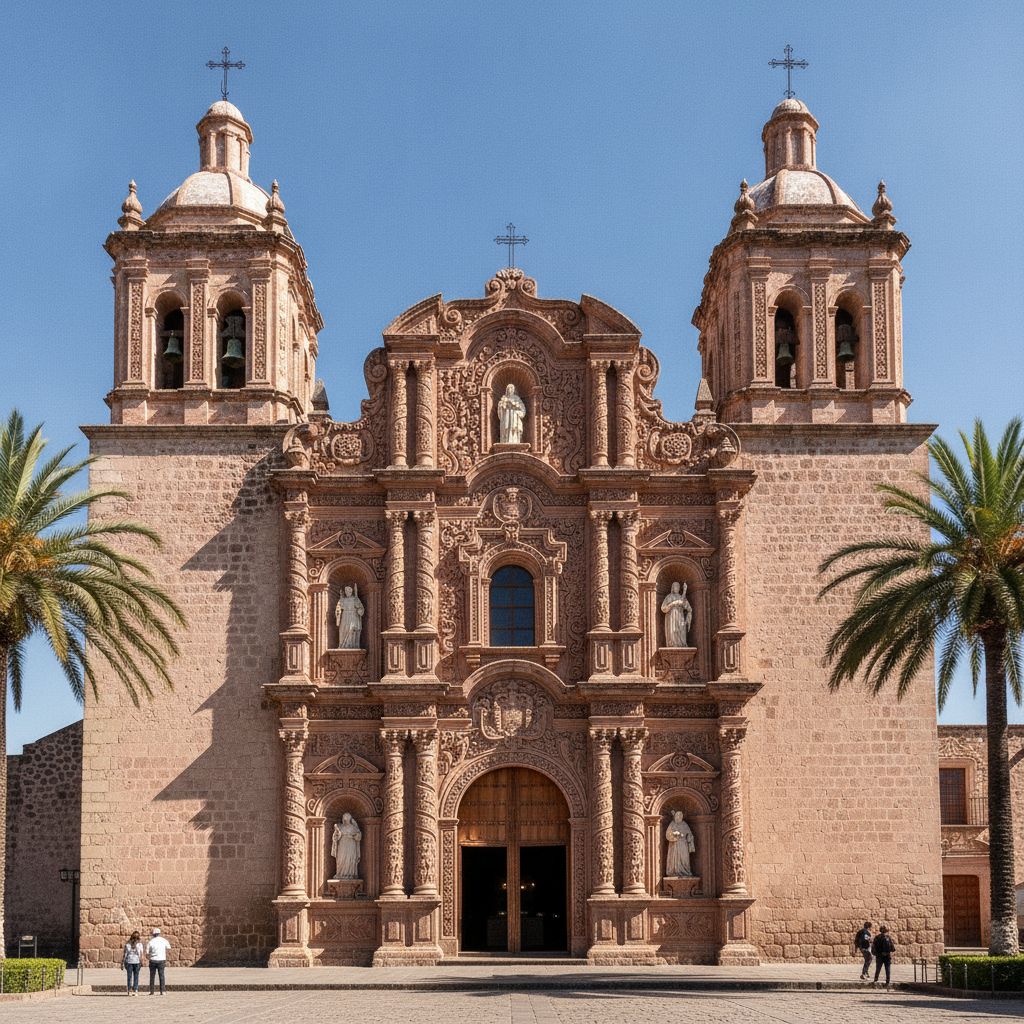
San Miguel de Allende Colonial Architecture Baroque Churches and the Oratorio de San Felipe Neri: Walking the Streets of a UNESCO World Heritage Site Whose Every Cobblestone Was Laid by Otomi and Chichimec Labor
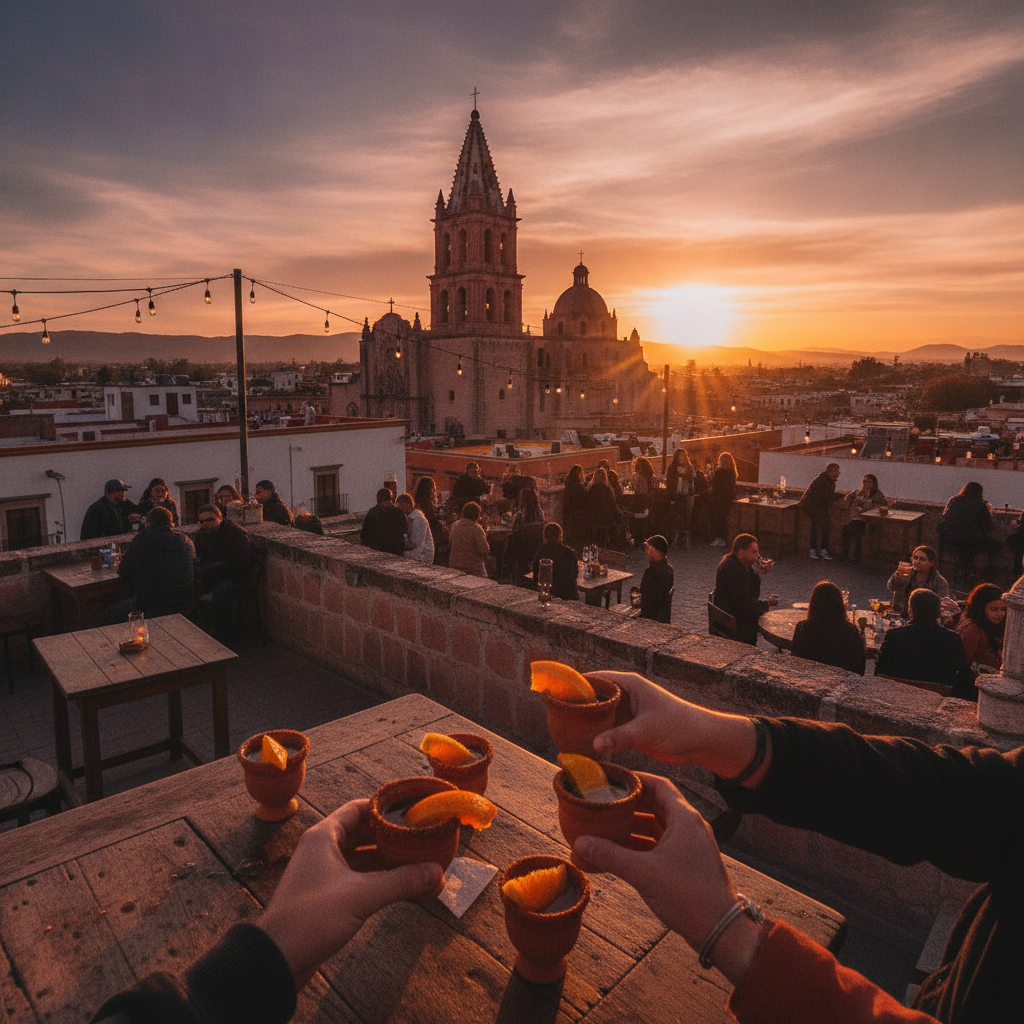
San Miguel de Allende Food Scene and Mezcal Bars: How a City of 170,000 Has More World-Class Restaurants Per Capita Than Any City in Mexico and Why the Vendors in the Tuesday Market Are the Better Story
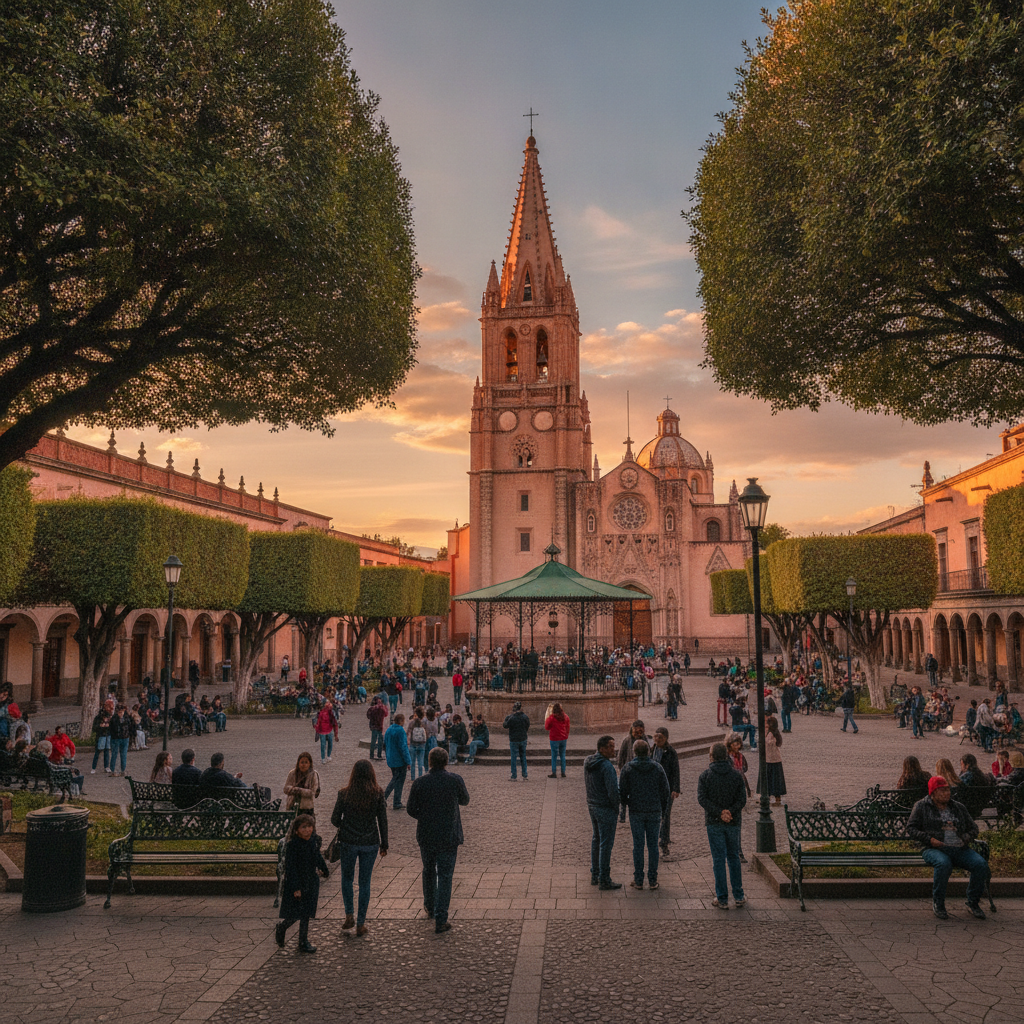
San Miguel de Allende: The Colonial City That Was Named Best City in the World Seven Times, That Saved Itself from Demolition by Attracting American Art Students in 1938, and Whose Pink Gothic Church Was Designed by an Indigenous Mason Who Had Never Been to Europe
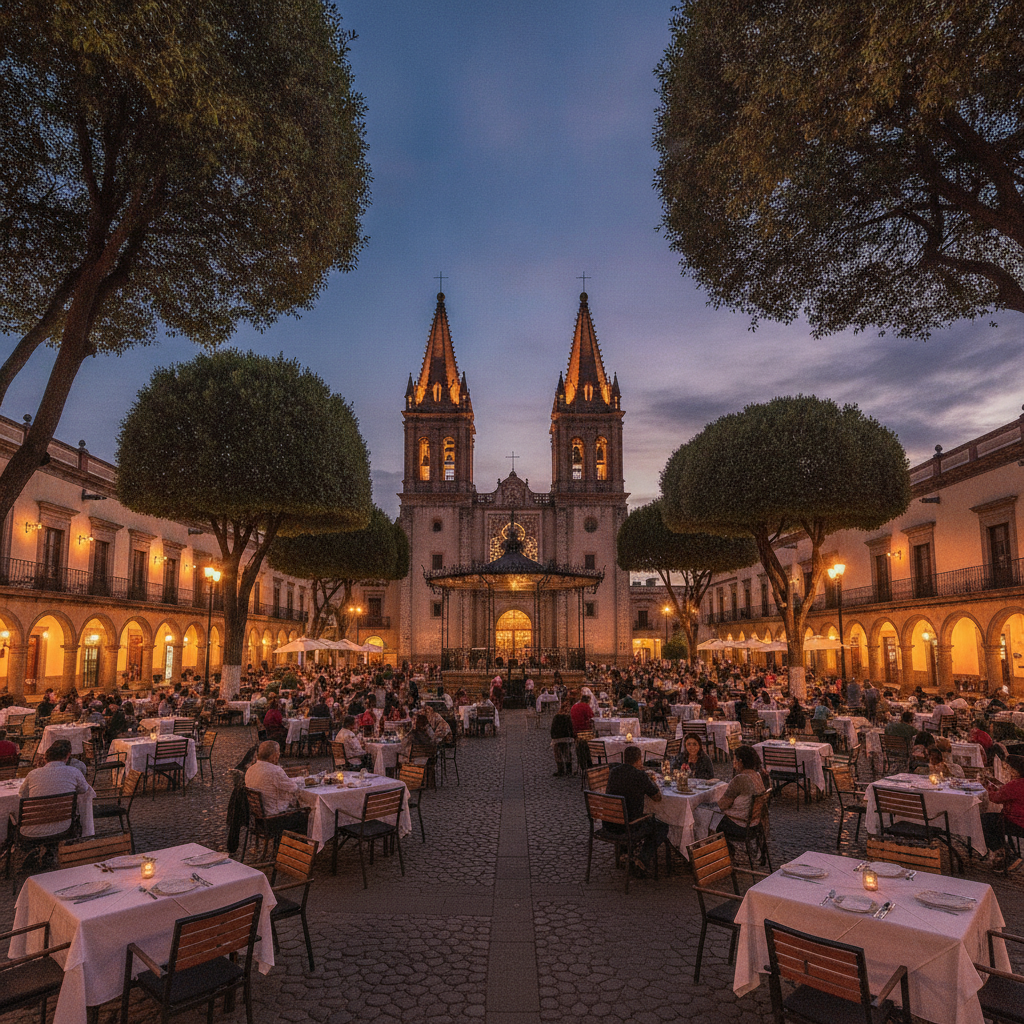
San Miguel de Allende Practical Guide: Getting There Climate When to Visit Neighborhoods Safety Healthcare Language and Living with the Dual Economy of the Most Expensive Colonial City in Mexico
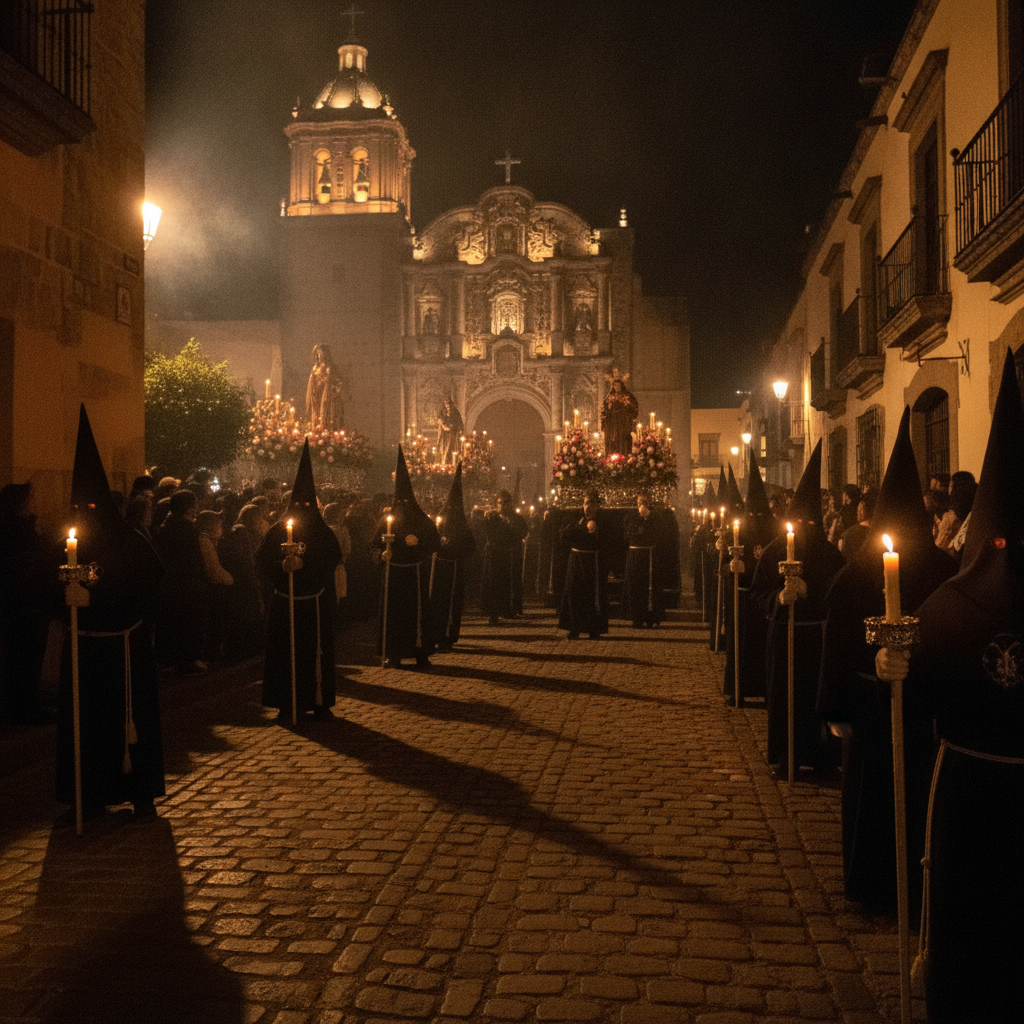
Semana Santa Processions Festivals and the Indigenous Chichimec Raids That Nearly Ended San Miguel de Allende Before It Began: History From the 1542 Founding Through the War of Independence