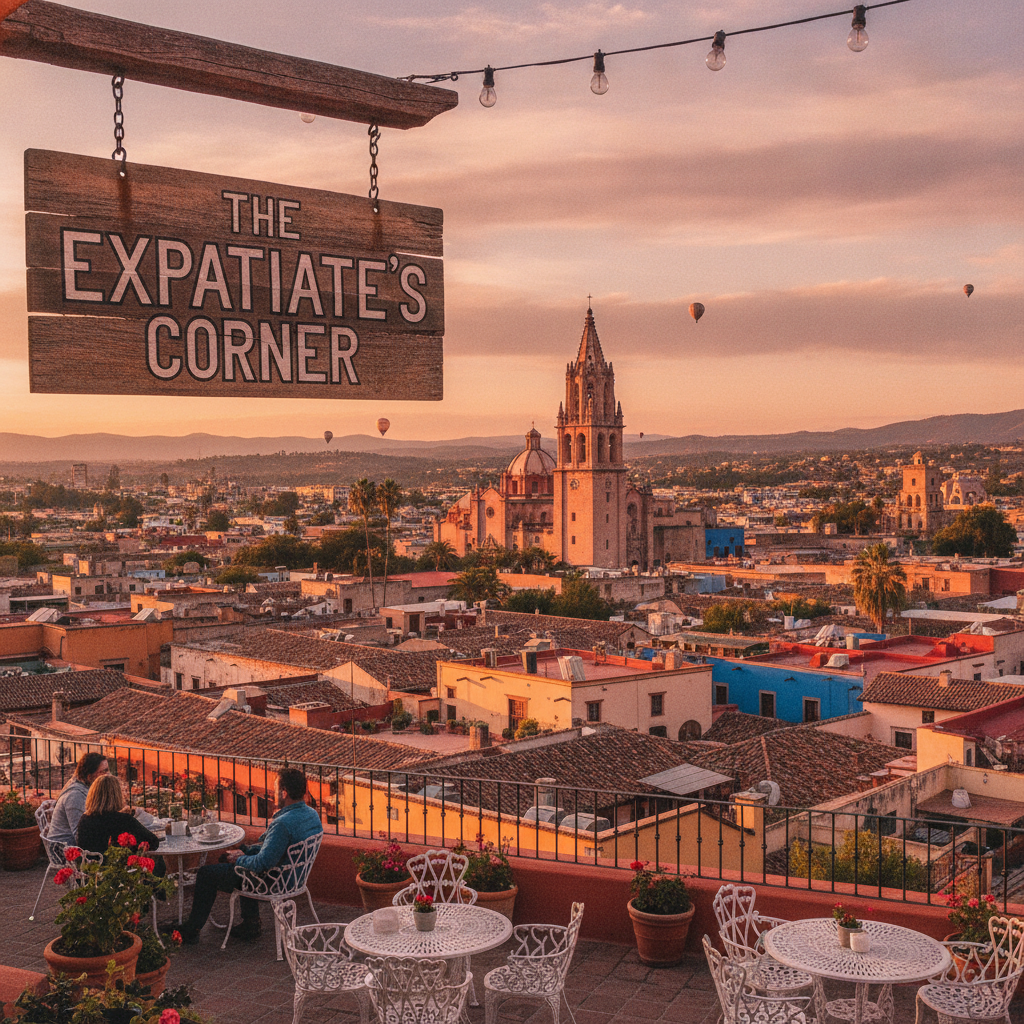
San Miguel de Allende Colonial Architecture Baroque Churches and the Oratorio de San Felipe Neri: Walking the Streets of a UNESCO World Heritage Site Whose Every Cobblestone Was Laid by Otomi and Chichimec Labor
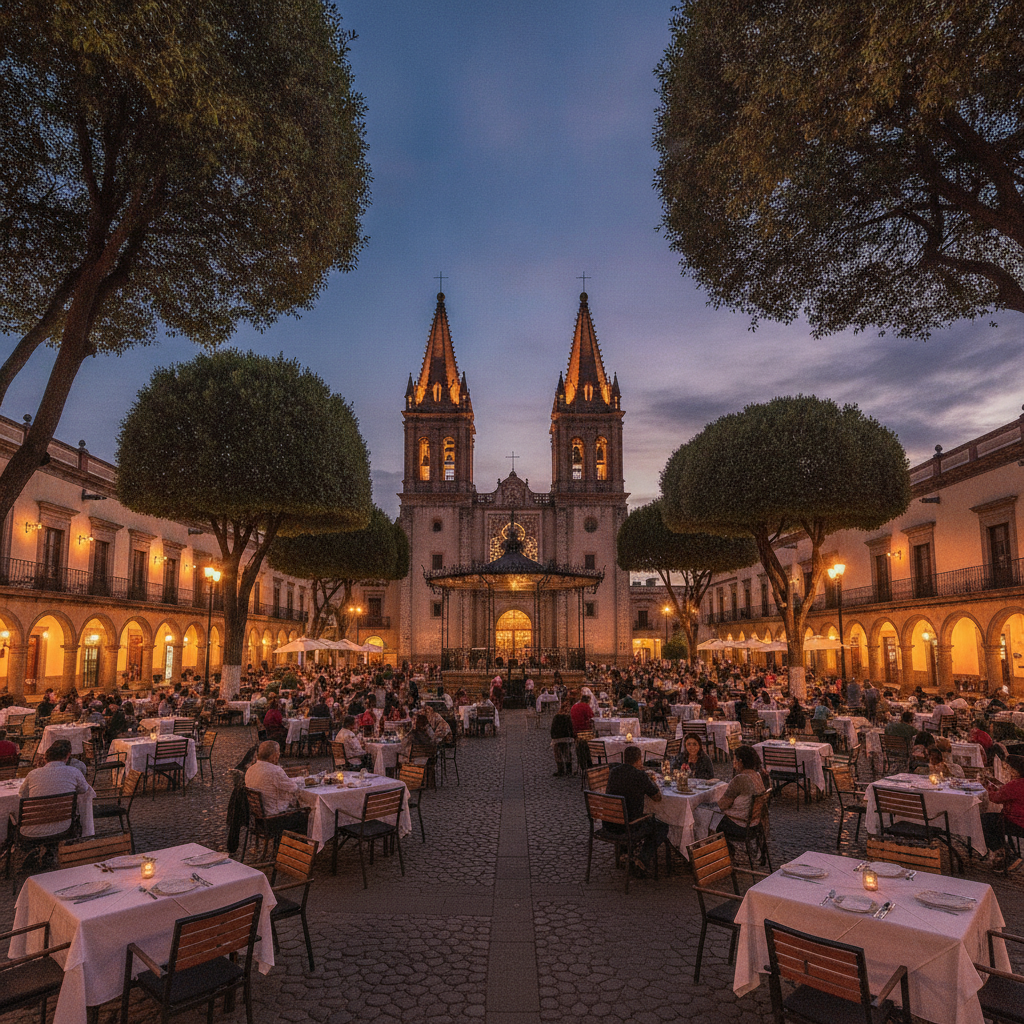
San Miguel de Allende was declared a UNESCO World Heritage Site in 2008 as part of the designation that also included the historic monuments of Guanajuato, recognizing the ensemble of colonial baroque architecture concentrated in the historic center as one of the most complete and best-preserved colonial cities in the Americas. The colonial urban structure of San Miguel follows the Spanish grid of the Laws of the Indies, with the main plaza surrounded by church, government, and commercial buildings and the residential streets running at right angles to create the cobblestone grid that visitors navigate on foot. The architectural highlight beyond the Parroquia is the Oratorio de San Felipe Neri, the 18th-century church whose facade in pink cantera stone is the finest example of Baroque churrigueresque architecture in the state of Guanajuato, and whose interior camera santa contains a series of oil painting portraits of the family of the Conde de Canal, the wealthy silver mining magnate who funded the church's completion, constituting an unusual ensemble of colonial portraiture. The Casa del Mayorazgo de la Canal, the Allende family house now serving as the city museum, and the dozen colonial mansions converted to hotels and cultural venues in the historic center demonstrate the wealth that the silver mining economy of the Bajio generated in the 17th and 18th centuries. The Chichimec and Otomi indigenous communities whose labor built the city and who were granted the area of the Colonia de Indios outside the original Spanish settlement produced, in the Iglesia de la Salud and the Oratorio chapels, the most accomplished examples of indigenous artisan execution of European Baroque design in the Guanajuato region.
- 1
Oratorio de San Felipe Neri
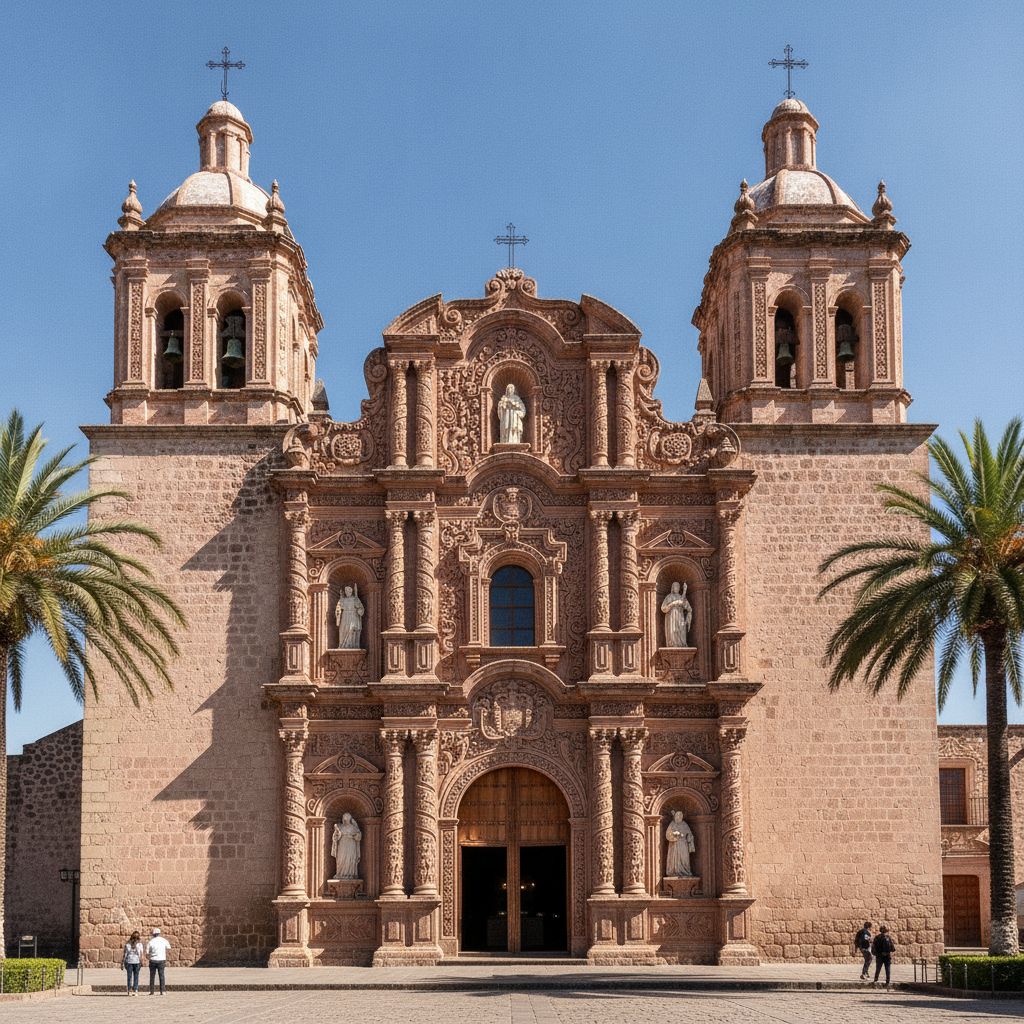
The Oratorio de San Felipe Neri, the 18th-century church on Canal street two blocks from the Jardin Principal, is the finest example of churrigueresque Baroque architecture in the Guanajuato highlands, with a facade of pink cantera stone whose sculptural program covers every surface with saints in niches, twisted columns of the estipite type, shell ornaments, angels, and the complex geometric molding that characterizes the Churrigueresque style at its most elaborate. The church was built in stages from 1712 through the late 18th century with funding from the wealthy Conde de Canal family, whose silver mine wealth made possible the lavish interior decoration including the camera santa, a suite of rooms behind the main altar containing 33 oil portrait paintings of the Count and his family in formal colonial dress that constitute one of the most extensive private portrait collections within a Mexican colonial church. The Oratorio complex includes the adjoining chapel of Santa Casa de Loreto, a copy of the Holy House of Loreto in Italy, whose octagonal dome and Baroque interior are as architecturally significant as the main church facade. The church continues as an active parish serving the neighborhood, with mass celebrated daily in a building that functions as both a living religious community and a heritage monument attracting visitors from the historic center tourist circuit. The cantera stone of the Oratorio facade, quarried from the pink volcanic tuff deposits of the Guanajuato highlands, weathers to varying warm tones depending on the angle and intensity of sunlight, making the facade appear different colors through the day.
- 2
San Miguel Colonial Mansions and Hotels
The colonial mansions of San Miguel de Allende, built between the mid-17th and early 19th centuries for the silver mining elite, merchant families, and colonial administrators of the Bajio region, have been systematically converted to boutique hotels since the 1980s, creating a hotel market that is the most architecturally distinctive in Mexico, with guests sleeping in rooms whose walls predate the United States by 200 years and whose interior courtyard gardens are the primary architectural feature of the accommodation experience. The Hotel Rosewood at the former San Francisco convent complex, the Casa de Sierra Nevada in a series of connected colonial mansions, and dozens of smaller boutique operations in restored colonial houses represent the hotel typology that San Miguel has developed to an extreme refinement. The conversion of colonial mansions to hotel use has preserved buildings that might otherwise have been subdivided or demolished under the economic pressures of the tourism boom, but has also accelerated the displacement of long-term Mexican residents from the historic center by making the real estate values of colonial properties in San Miguel equivalent to urban real estate in the United States. The architectural vocabulary of San Miguel's colonial mansions includes the portones, the large wooden double doors that were built to allow carriages to enter the patio, the rejillas iron window grilles of the street-facing windows, the zaguan entrance corridor that transitions from street to patio, and the fountain at the center of the patio garden that is the acoustic and visual heart of the colonial house.
- 3
San Miguel Baroque Painting and Colonial Art
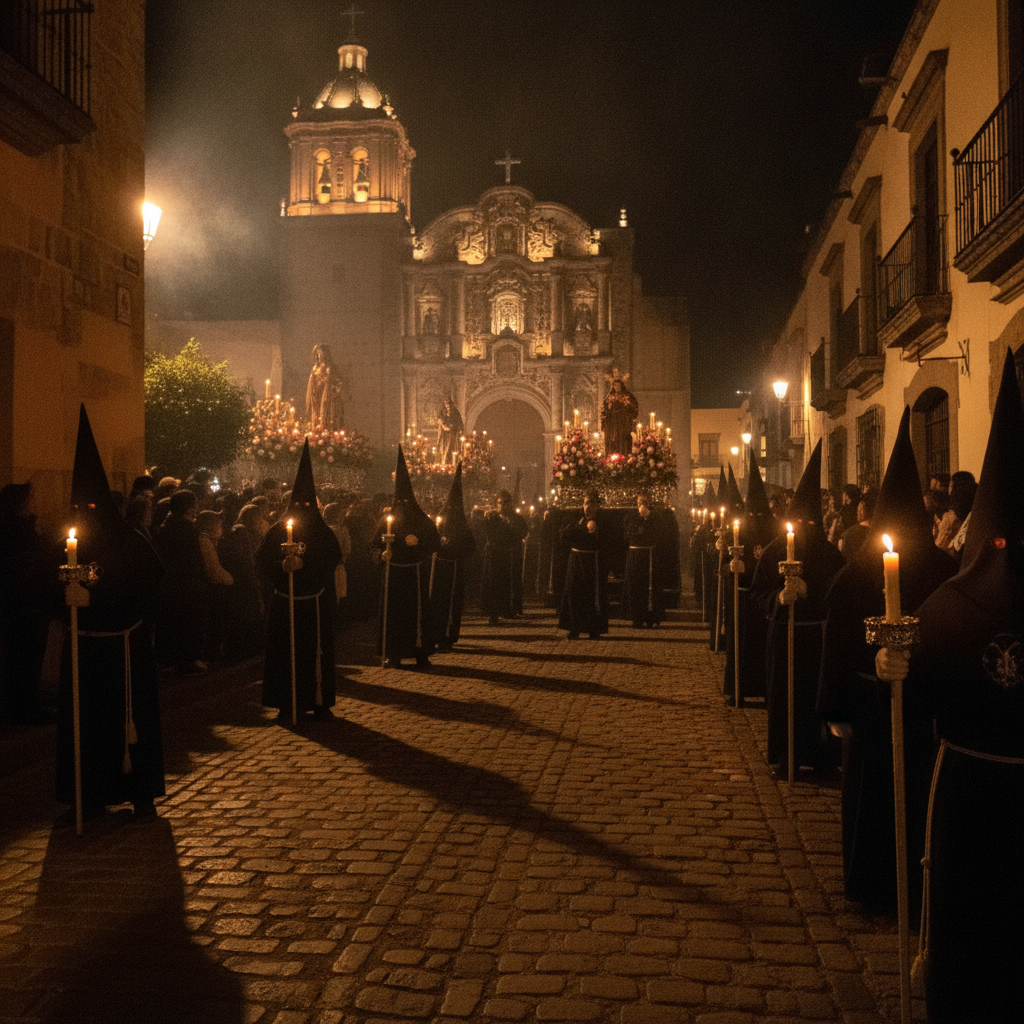
The colonial art heritage of San Miguel de Allende, concentrated in the churches and the collection of the Museo Historico Casa de Allende, includes significant examples of Bajio Baroque painting from the 17th and 18th centuries, when the wealth of the silver economy funded the commissioning of altarpieces, devotional paintings, and sculpture from the workshops of Queretaro and Mexico City that served the churches of the Guanajuato highlands. The Bajio Baroque tradition, distinct from the more elaborated Mexico City Baroque in its relative simplicity of composition and its direct emotional appeal, is represented in San Miguel by the altarpieces of the Parroquia, the Oratorio, the Iglesia de la Salud, and the Nuestra Senora de la Concepcion known as La Concepcion, each with paintings of different periods and quality documenting the artistic patronage of the colonial period. The sculpture tradition of San Miguel, executed by mestizo and indigenous artisans in the woodcarving and polychrome painting technique called encarnacion that produced the lifelike skin tones of colonial religious figures, is concentrated in the procession figures carried through the streets of the historic center during Semana Santa, Holy Week, when San Miguel stages one of the most elaborate passion play processions in Mexico. The Semana Santa procession of San Miguel, in which colonial and contemporary religious sculpture is carried by brotherhood associations through the cobblestone streets in a route that attracts visitors from throughout Mexico and internationally, is the most significant religious cultural event of the year in a city whose identity is otherwise predominantly secular and tourist-oriented.
- 4
Guanajuato and Dolores Hidalgo Day Trips
Guanajuato city, 100 kilometres west of San Miguel de Allende via the Guanajuato highway, is the most dramatically situated colonial city in Mexico, built in the narrow gorge of a silver-bearing vein with streets that follow the canyon floor, tunnels excavated through the rock to create traffic routes below the city, and the Alhondiga de Granaditas, the former granary where the most significant battle of the Mexican War of Independence was fought in 1810 when the insurgent forces overran the building and killed the Spanish loyalist defenders inside, ending with the decapitation of Hidalgo and Allende whose heads were then displayed on the building's corners for a decade. Guanajuato was the primary silver-producing city of New Spain from the 1550s through the late colonial period, generating the wealth that built the Bajio cities and funded the baroque church architecture that makes the colonial zone of Guanajuato a UNESCO World Heritage Site. Dolores Hidalgo, 50 kilometres north of San Miguel on the road to Guanajuato, is the town where Miguel Hidalgo rang the church bell in the early morning of September 16, 1810, to assemble the congregation and deliver the Grito de Independencia, the cry for independence that launched the Mexican War of Independence. The Dolores Hidalgo ceramics industry, which produces brightly painted Talavera-style ceramics including tiles, tableware, and garden furniture that are the primary craft product of the town, operates from workshops throughout the community and from market stalls along the main street.
- 5
San Miguel Wellness and Spa Economy
San Miguel de Allende has developed a wellness and spa industry that capitalizes on the thermal water resources of the surrounding Bajio region, the yoga and meditation retreat culture that the expatriate and spiritual tourism market has generated, and the premium accommodation infrastructure of the boutique hotel sector. The thermal springs of the San Miguel area, including the Escondido Place resort 8 kilometres from the city and the La Gruta thermal complex near Atotonilco, provide outdoor thermal pool experiences in the semi-arid landscape that the wellness tourism market values as combined nature and hydrotherapy. The yoga retreat economy of San Miguel, concentrated in the boutique hotels and purpose-built retreat centers of the city and surrounding countryside, generates significant wellness tourism traffic from the United States, with week-long yoga and meditation retreats at prices equivalent to comparable offerings in Costa Rica or Bali. The spiritual tourism dimension of San Miguel, connected to the meditation and alternative spirituality culture that has been present in the city since the 1960s and that intersects with the Mexican curanderismo healing tradition, generates a category of visitor who comes for what they describe as energy work, plant medicine ceremonies, or transformational experiences in a category that the city's tourism promotion organization neither actively courts nor discourages. The day spa and beauty treatment market of San Miguel, serving the Mexican and international visitor population, is concentrated in the boutique hotels and in standalone treatment centers in the historic center colonias.
- 6
San Miguel Practical Guide and Expat Life
San Miguel de Allende functions on a dual economy: the peso economy that serves the 140,000 Mexican residents in the food markets, local services, and neighborhood commerce, and the dollar-adjacent economy that serves the 25,000 to 30,000 North American expatriates and the tourism sector, where prices for accommodation, restaurants, and services are benchmarked to US expectations rather than Mexican standards. The resulting price environment makes San Miguel the most expensive major tourist destination in Mexico on a per-night basis, with boutique hotel rates regularly exceeding 200 to 400 USD per night and restaurant meals at premium establishments costing 50 to 100 USD per person. The practical infrastructure of San Miguel for visitors includes the Aeropuerto del Bajio in Leon-Silao 100 kilometres away with connections to US cities and Mexico City, the bus station with frequent connections to Queretaro and Mexico City, and the taxi and Uber services within the city where the historic center streets are too narrow and steep for comfortable car navigation. The temperate climate of San Miguel at 1,900 metres elevation provides mild temperatures year-round with daytime highs between 22 and 28 Celsius in most months, slight frost possibility in December and January nights, and an afternoon rainy season from June through September that refreshes the city without disrupting most daytime activities. The Day of the Dead celebration in San Miguel, increasingly elaborate and internationally attended, and the Semana Santa procession, the Jardin concerts, and the international hot air balloon festival in February are the primary annual events that draw visitors beyond the standard historic center and restaurant tourism motivation.
Walk this route with audio
Stories play automatically as you reach each stop — no tapping needed.
More in San Miguel de Allende
San Miguel de Allende Food Scene and Mezcal Bars: How a City of 170,000 Has More World-Class Restaurants Per Capita Than Any City in Mexico and Why the Vendors in the Tuesday Market Are the Better Story
San Miguel de Allende: The Colonial City That Was Named Best City in the World Seven Times, That Saved Itself from Demolition by Attracting American Art Students in 1938, and Whose Pink Gothic Church Was Designed by an Indigenous Mason Who Had Never Been to Europe
San Miguel de Allende Practical Guide: Getting There Climate When to Visit Neighborhoods Safety Healthcare Language and Living with the Dual Economy of the Most Expensive Colonial City in Mexico
Semana Santa Processions Festivals and the Indigenous Chichimec Raids That Nearly Ended San Miguel de Allende Before It Began: History From the 1542 Founding Through the War of Independence
San Miguel de Allende Cuisine Bajio Flavors Enchiladas Mineras Carnitas Markets and the Farm to Table Revolution in a Colonial Kitchen Where Three Centuries of Tradition Meet Contemporary Mexican Gastronomy