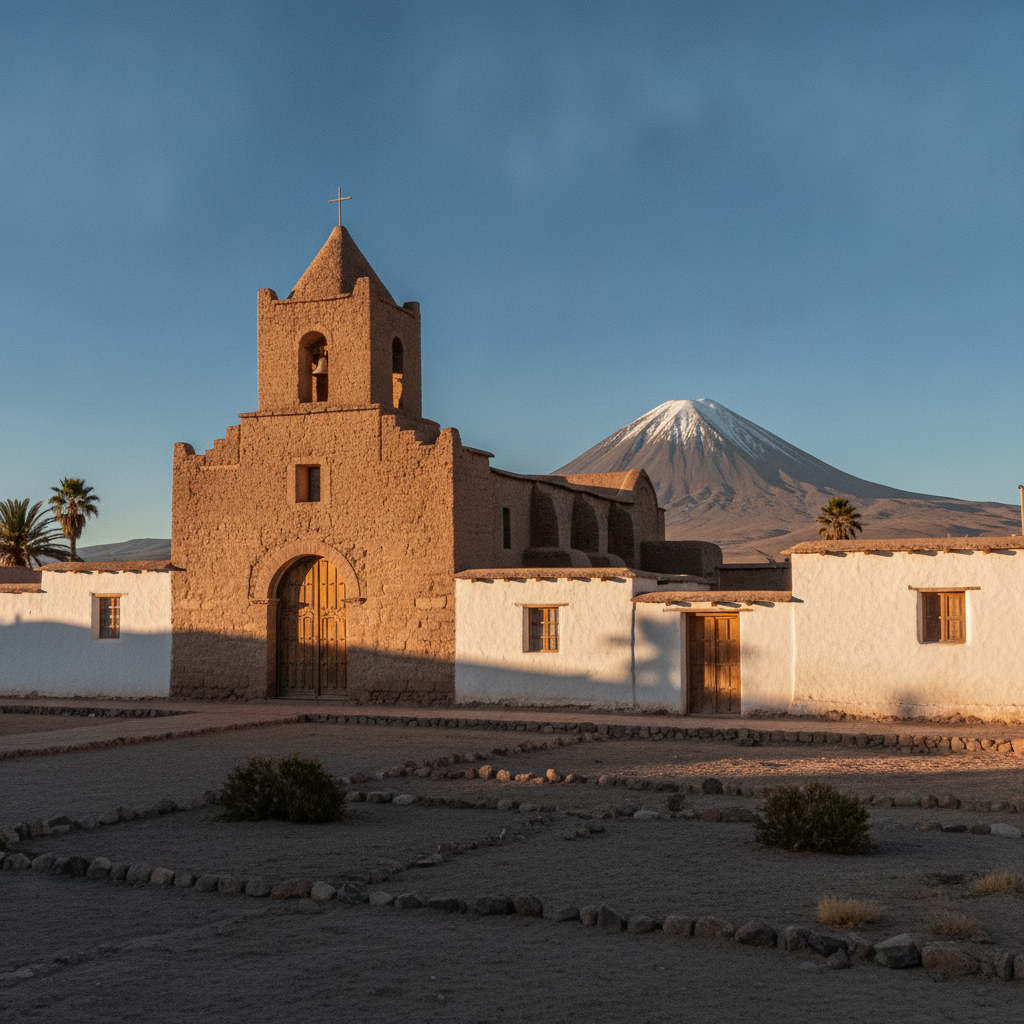
Atacameño Archaeological Heritage: Pukará de Quitor, Aldea de Tulor, the Atacameño Cultural Tradition, and 10,000 Years of Desert Civilization
The Atacameño archaeological heritage route covers Pukará de Quitor as the most dramatically positioned single pre-Hispanic Atacameño fortress in the Norte Grande, Aldea de Tulor as the most ancient single continuously occupied Atacameño village site accessible to visitors, the Gustavo Le Paige museum collection as the most complete single Atacameño archaeological record in the world, and the Atacameño cultural tradition as the most ancient single continuously inhabited desert civilization in the southern hemisphere.
- 1
Pukará de Quitor: The Atacameño Fortress
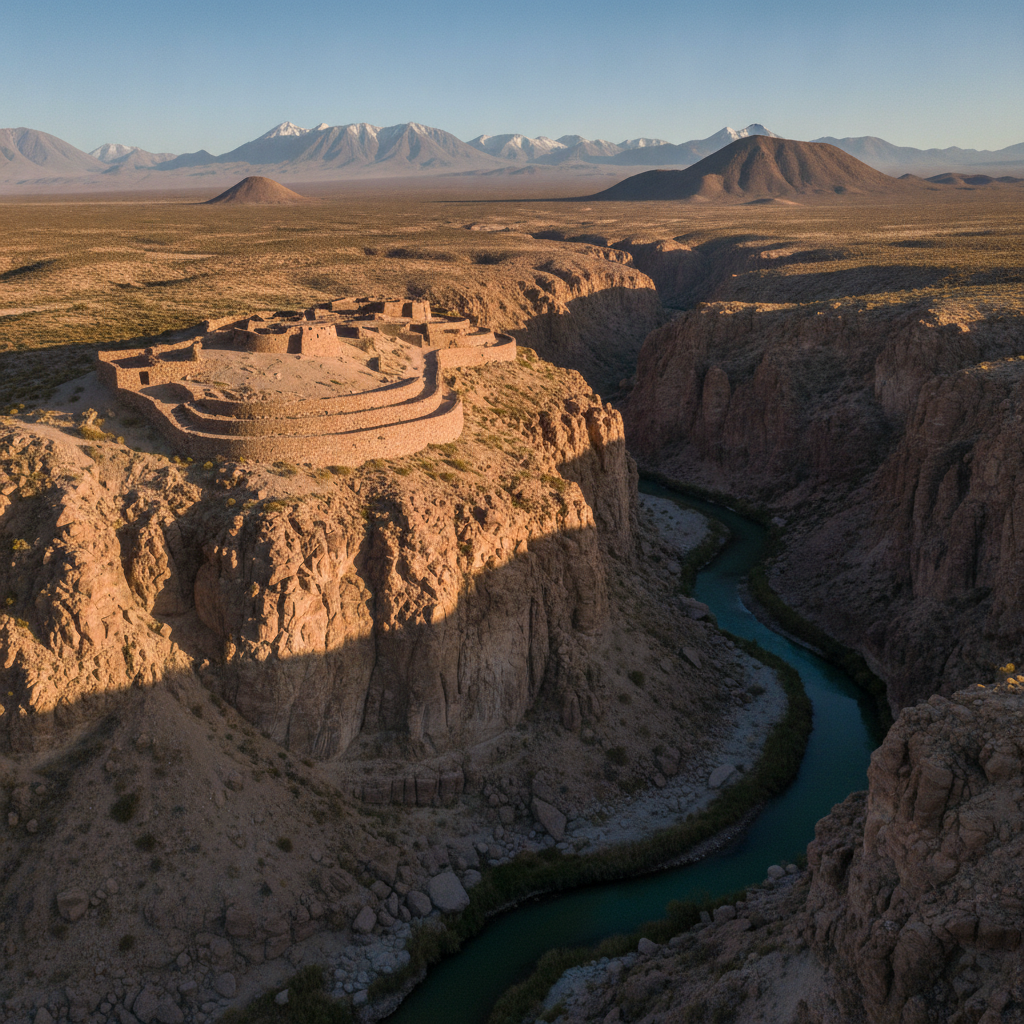
Pukará de Quitor, the pre-Hispanic Atacameño fortress on the canyon rim 3 kilometers north of San Pedro de Atacama above the Río San Pedro gorge, is the most dramatically positioned single pre-Hispanic defensive site in the Norte Grande, built in the twelfth century as the most strategically commanding single fortification in the oasis region and the site of the 1540 battle where Spanish conquistador Pedro de Valdivia defeated the Atacameño resistance force in the most decisive single military engagement of the northern Chilean conquest. The stone terrace walls, the natural rock outcrops incorporated into the defensive perimeter, and the panoramic view over the entire San Pedro de Atacama oasis and the Licancabur volcano create the most archaeologically atmospheric single heritage site accessible on foot from the village.
- 2
Aldea de Tulor: The Ancient Village
Aldea de Tulor, the 2,500-year-old Atacameño village site 9 kilometers west of San Pedro de Atacama buried under the desert sand until its excavation in the 1950s, is the most archaeologically significant single pre-Hispanic village site in the Atacama Desert, preserving the most complete single example of the circular adobe room construction technique used by the earliest Atacameño settled communities and providing the most direct single window into the domestic life of the most ancient continuously occupied oasis civilization in northern Chile. The excavated room clusters, the reconstructed village sections, and the interpretive museum create the most educationally complete single ancient village experience in the Norte Grande.
- 3
Atacameño Culture: The Desert Civilization
The Atacameño (or Likan Antai) people of the San Pedro de Atacama oasis, who maintained the most sophisticated single pre-Hispanic civilization in the Chilean Atacama for over 10,000 years before Spanish contact, developed the most technologically adapted single agricultural and pastoral system in the world's driest desert, combining the most precisely engineered single canal irrigation networks in the Atacama with llama pastoralism, quinoa cultivation, and the most elaborate single decorative ceramic tradition in the Norte Grande. The Atacameño cultural heritage preserved in the Le Paige museum and the living traditions of the descendant communities constitutes the most archaeologically layered single indigenous cultural identity in northern Chile.
- 4
Tiwanaku Influence: The Altiplano Connection
The Tiwanaku empire's cultural influence on the San Pedro de Atacama oasis between 500 and 1000 CE represents the most dramatic single transformation of Atacameño material culture, introducing the most elaborate single ceremonial pottery, the most complex single ritual paraphernalia including snuff tablets and bone tubes for hallucinogenic substance use, and the most sophisticated single tapestry weaving tradition visible in the museum collection. The Atacama's role as the most southerly single outpost of the Tiwanaku cultural sphere and the most intensively traded single commodity node in the pre-Hispanic altiplano exchange system makes the San Pedro de Atacama collection the most internationally significant single archaeological assemblage in the southern Andes.
- 5
Inca Road: The Qhapaq Ñan in the Atacama
The Inca royal road (Qhapaq Ñan) passing through the San Pedro de Atacama oasis connected the most remote single Andean province of the Tahuantinsuyu empire with the Pacific coast through the most challenging single desert terrain in South America, and the surviving road sections visible in the Atacama Desert around San Pedro constitute the most archaeologically intact single Inca road traces in the Chilean Norte Grande. The Inca administrative center at San Pedro, the tambo (waystation) remains, and the Licancabur summit sacrificial site create the most complete single Inca imperial heritage circuit accessible from the village.
- 6
Ethnobotany and Desert Medicine: The Atacameño Knowledge
The traditional ethnobotanical knowledge of the San Pedro de Atacama Atacameño community, compiled in the most comprehensive single desert medicinal plant archive in the Norte Grande by the Le Paige foundation, documents the most diverse single therapeutic plant use system in the Chilean Atacama, including the most precisely documented single medicinal applications of rica-rica, muña, chachacoma, and other altiplano herbs in a desert environment where the most traditional single indigenous healing practices survive in the most isolated single community context in northern Chile. The ethnobotany walks offered by community guides provide the most culturally sensitive single introduction to Atacameño traditional knowledge.
Walk this route with audio
Stories play automatically as you reach each stop — no tapping needed.
More in San Pedro de Atacama

Valle de la Luna at Sunset: The Salt Formations, Valle de la Muerte, the Cordillera de la Sal, and the Most Spectacular Desert Dusk
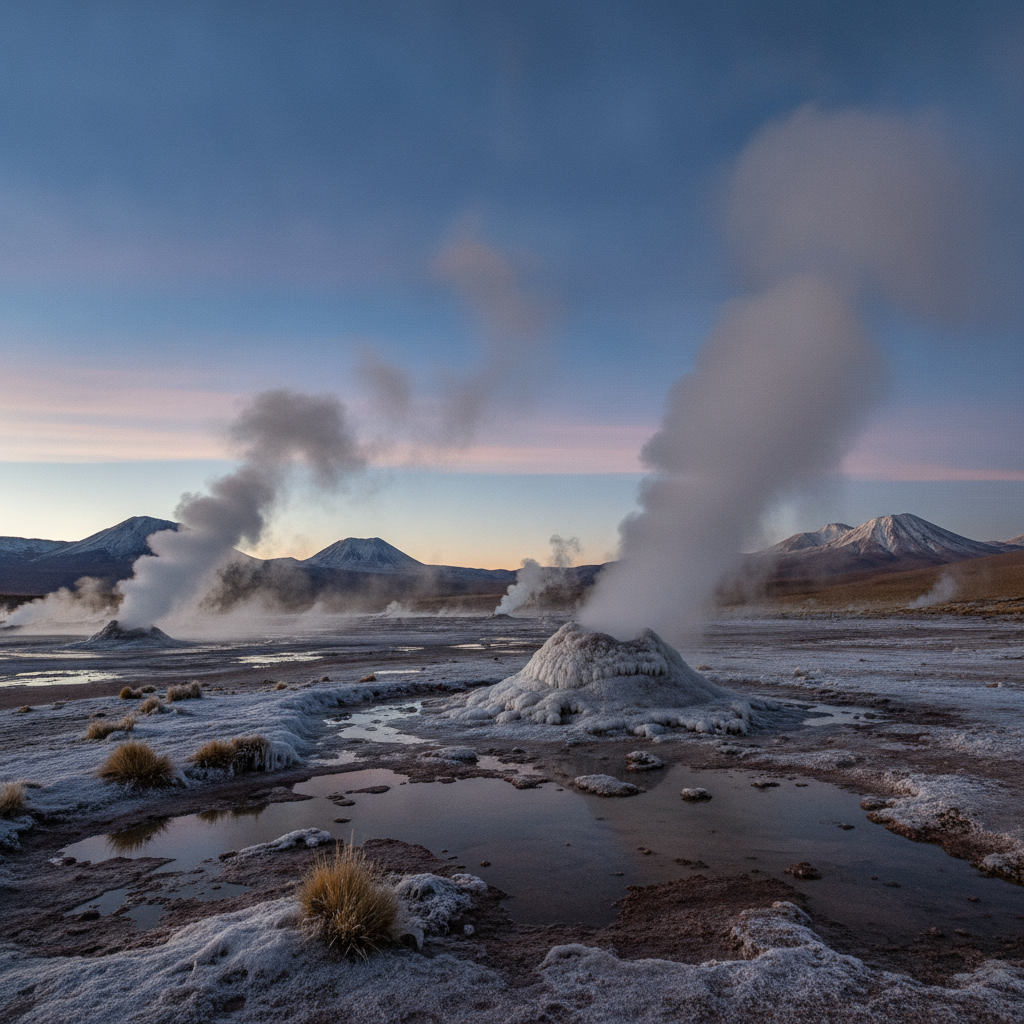
El Tatio Geysers: The Dawn Eruptions, the Thermal Pools, the Altiplano Wildlife, and the Third-Largest Geyser Field in the World
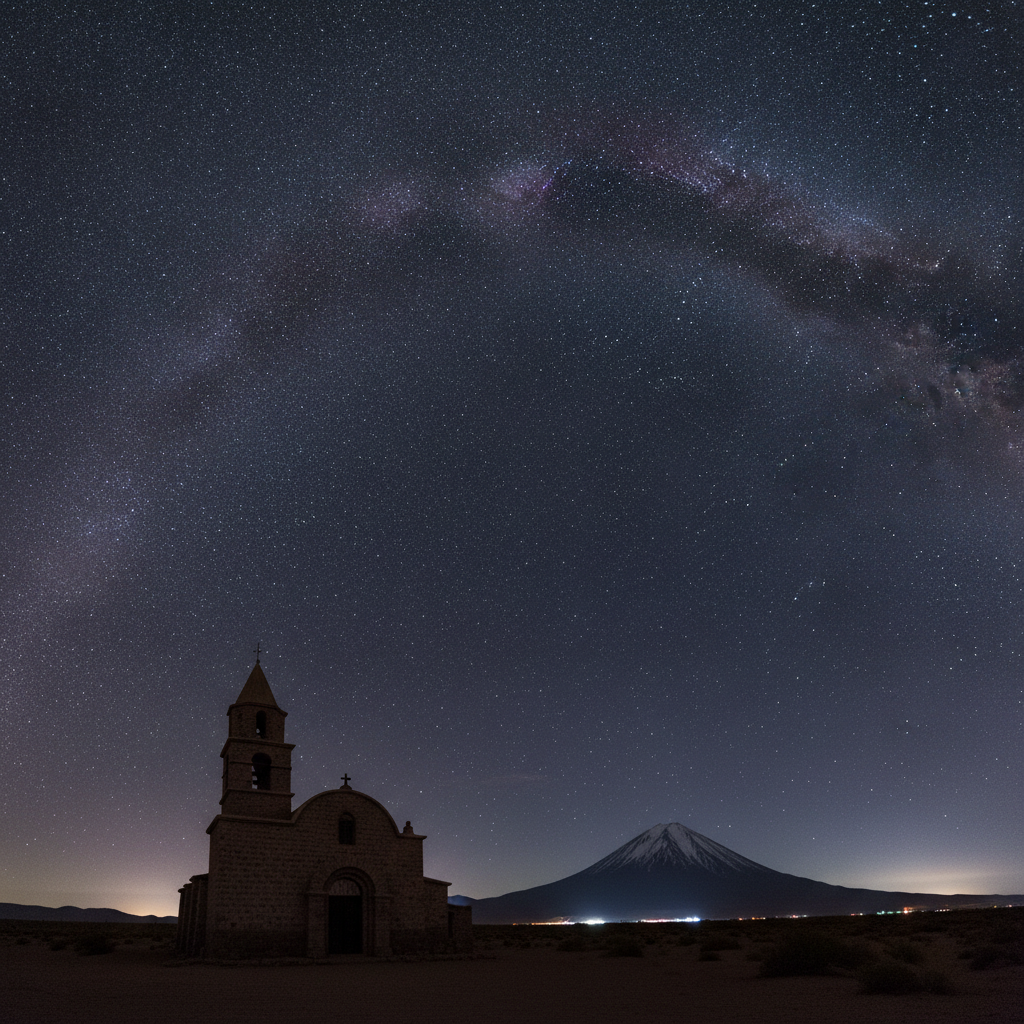
San Pedro de Atacama Stargazing: The Darkest Sky, the Private Observatories, the ALMA Radio Telescope, and the World's Premier Astronomical Destination
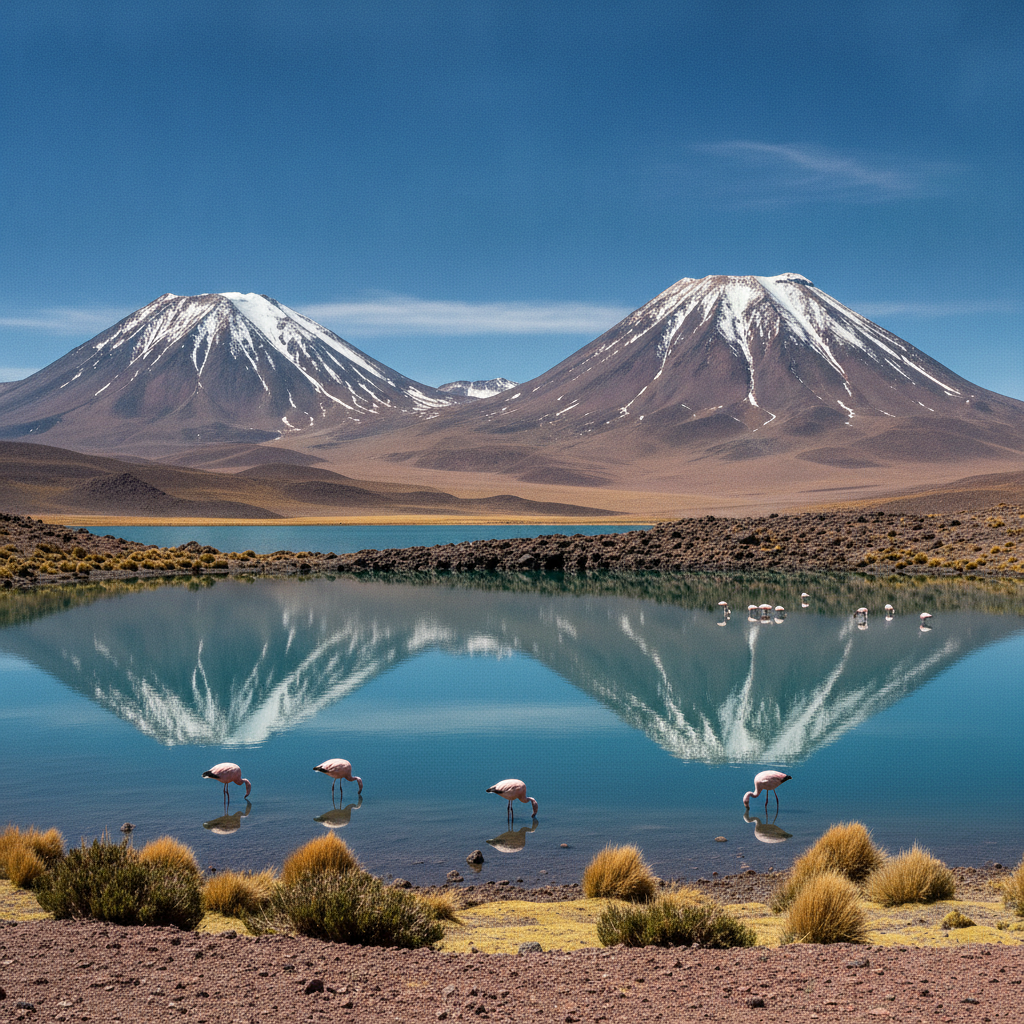
Altiplano Lagoons: Lagunas Miscanti and Miñiques, the 4300-Meter Andes Scenery, and the Atacama Altiplano Wildlife
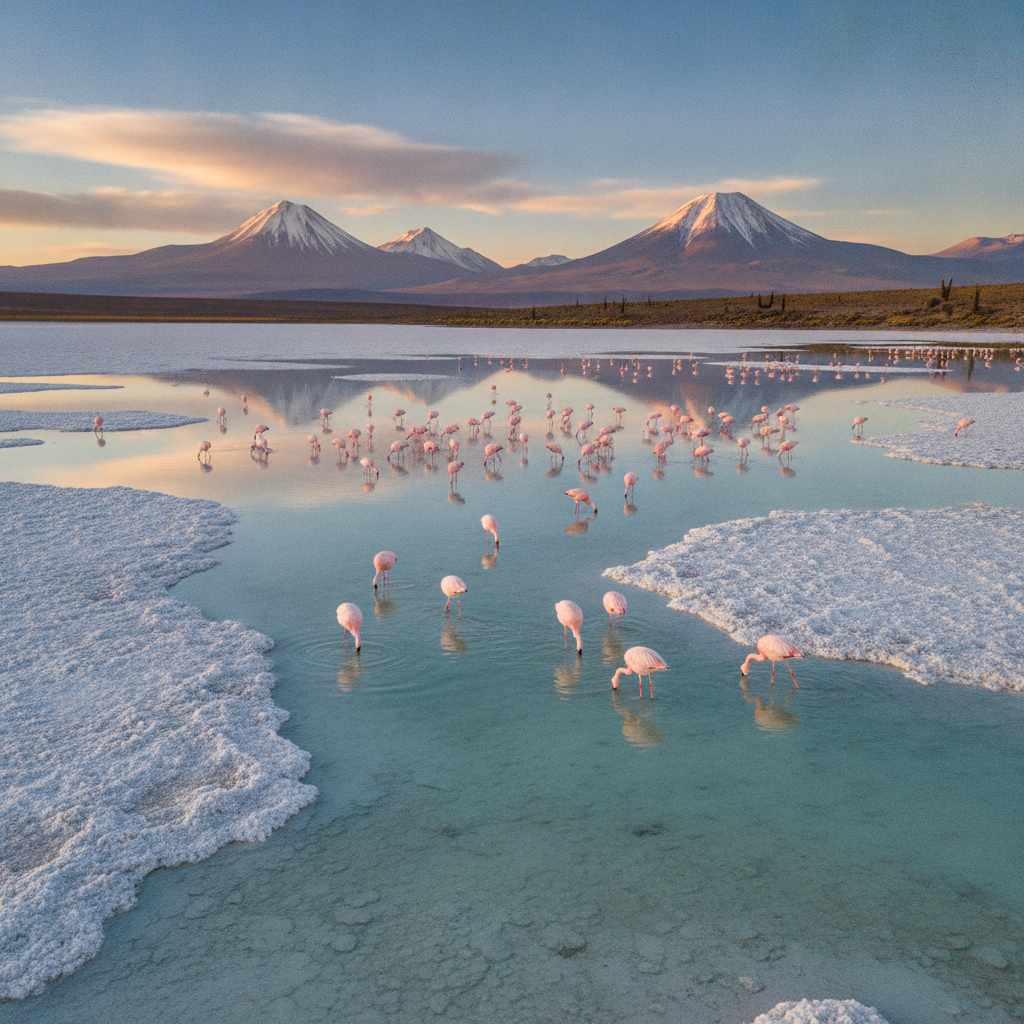
Salar de Atacama: The Flamingo Lagoons, the Lithium Brine Fields, Laguna Chaxa, and the World's Most Mineral-Rich Salt Flat