Santo Domingo Practical Guide: Metro Transport, Dominican Carnival, Samana Whale Watching, and Jarabacoa Mountain Adventures
The practical guide to Santo Domingo covers the Metro and motorcycle taxi transport, the February Carnival festival, the humpback whale watching in Samana Bay from January to March, and the mountain adventure sports of Jarabacoa with the highest peak in the Caribbean.
- 1
Practical Santo Domingo: Getting Around
Santo Domingo is navigable by the Metro system, which has two operating lines covering the central areas and the eastern suburbs, by the Motoconcho motorcycle taxis that are the fastest local transport through the city traffic, and by the ride-share apps that have transformed urban transport in the Dominican capital. The Zona Colonial is walkable, and the Malecon is accessible by the open-air tour bus that circuits the principal attractions.
- 2
When to Visit Santo Domingo
Santo Domingo has a tropical climate year-round with the hurricane season from June to November bringing the risk of tropical storm disruption. The most pleasant visiting months are from December to April when the humidity is lowest and the Christmas and Carnival seasons provide cultural programming. The national Carnival in February is the most concentrated festival of Dominican culture.
- 3
Carnaval Dominicano: The February Festival
The Dominican Carnival, celebrated in February throughout the country with the Santo Domingo and La Vega carnivals the most spectacular, features the lechon mask-wearing comparsas, the cojofai and vejigantes who patrol the carnival circuit hitting spectators with inflated cow bladders, and the elaborate costume competitions that combine the African and Spanish carnival traditions in a uniquely Dominican form. The La Vega carnival is considered the finest in the country.
- 4
Samana Peninsula: The Whale Season
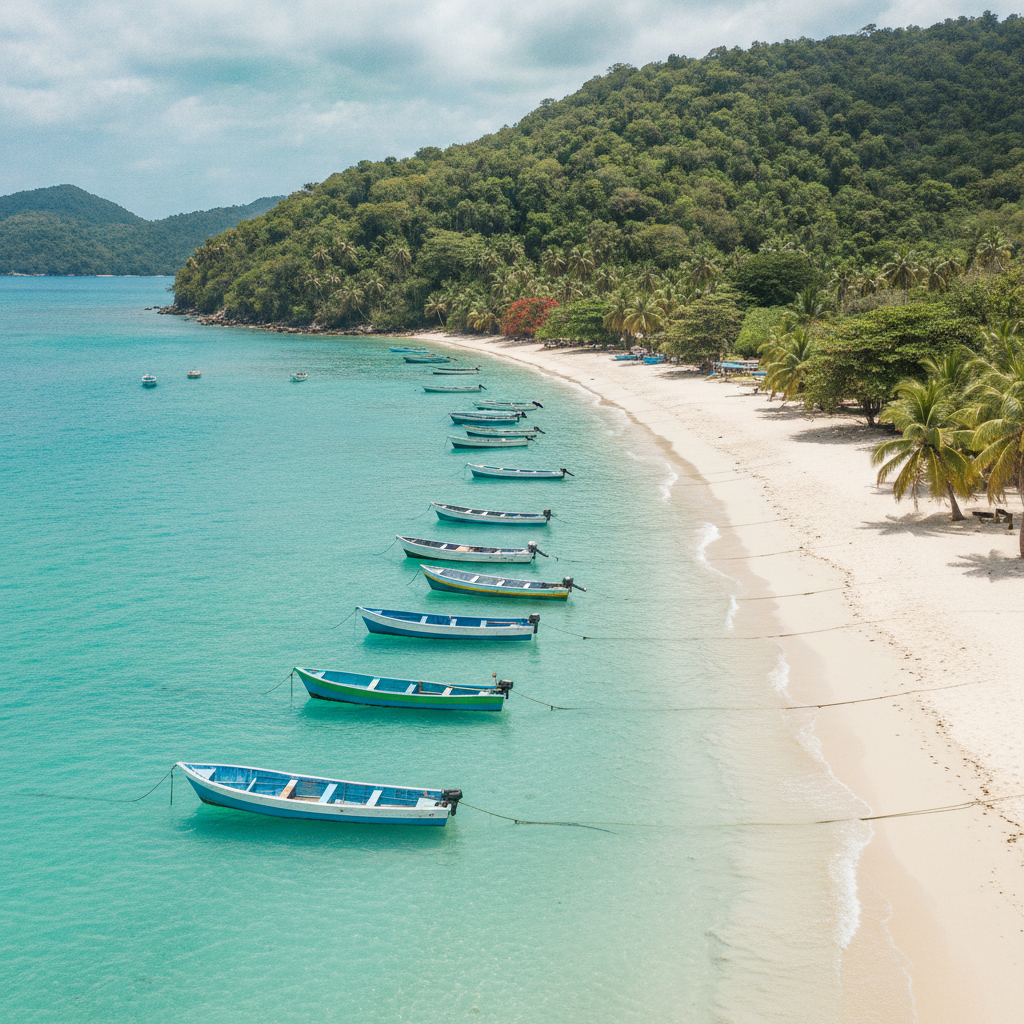
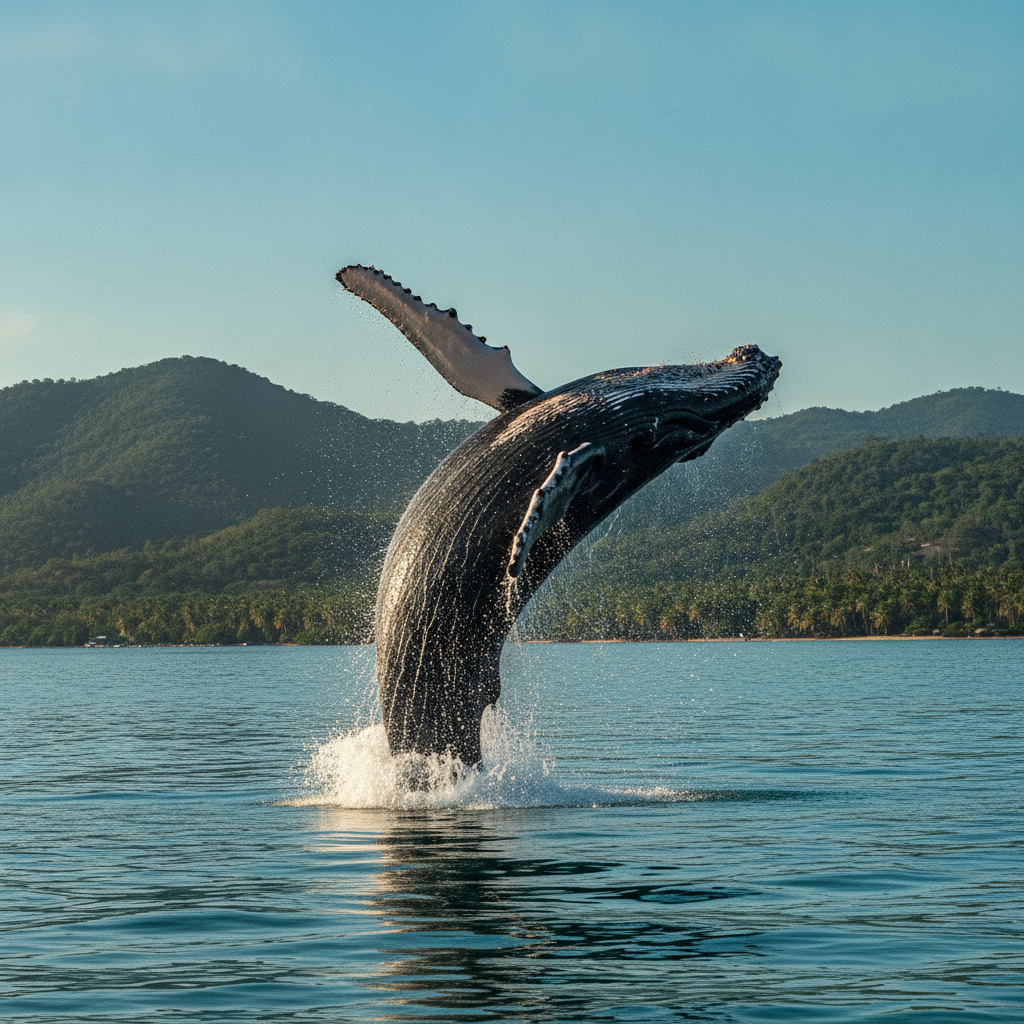
The Samana Peninsula in the northeast of the Dominican Republic, accessible from Santo Domingo by bus in approximately three hours, is the winter breeding ground of the humpback whale population of the North Atlantic, with whale watching excursions from Las Terrenas and Santa Barbara de Samana from January to March providing some of the most reliable and dramatic whale encounters in the Americas. The Samana peninsula also has the finest beaches in the Dominican Republic outside Punta Cana.
- 5
Jarabacoa: The Mountain Adventure Capital
Jarabacoa in the Cordillera Central mountains of the Dominican Republic, accessible from Santo Domingo in approximately two hours, is the primary adventure tourism destination of the country, with white water rafting on the Yaque del Norte River, paragliding, mountain biking, and the hiking of Pico Duarte, at 3,098 meters the highest peak in the Caribbean. Jarabacoa provides the mountain climate relief and the outdoor adventure alternative to the beach resort circuit.
- 6
Safety in Santo Domingo: Area Awareness
Santo Domingo has significant inequality and the associated urban safety variation, with the Zona Colonial, the Malecon, and the upscale neighborhoods of Piantini and Naco being generally safe for tourist visitors during daytime. The barrios surrounding the colonial center require the standard urban awareness of any Caribbean capital, and the recommended practice of using organized taxi and ride-share services rather than walking alone at night applies throughout the city.
Walk this route with audio
Stories play automatically as you reach each stop — no tapping needed.
More in Santo Domingo
Santo Domingo Dark History: Trujillo Dictatorship, the 1937 Massacre, the Haiti Border Relationship, and the First Americas University
Dominican Republic Food: La Bandera, Sancocho, Presidente Beer, Brugal Rum, and the Street Food Chimichurri
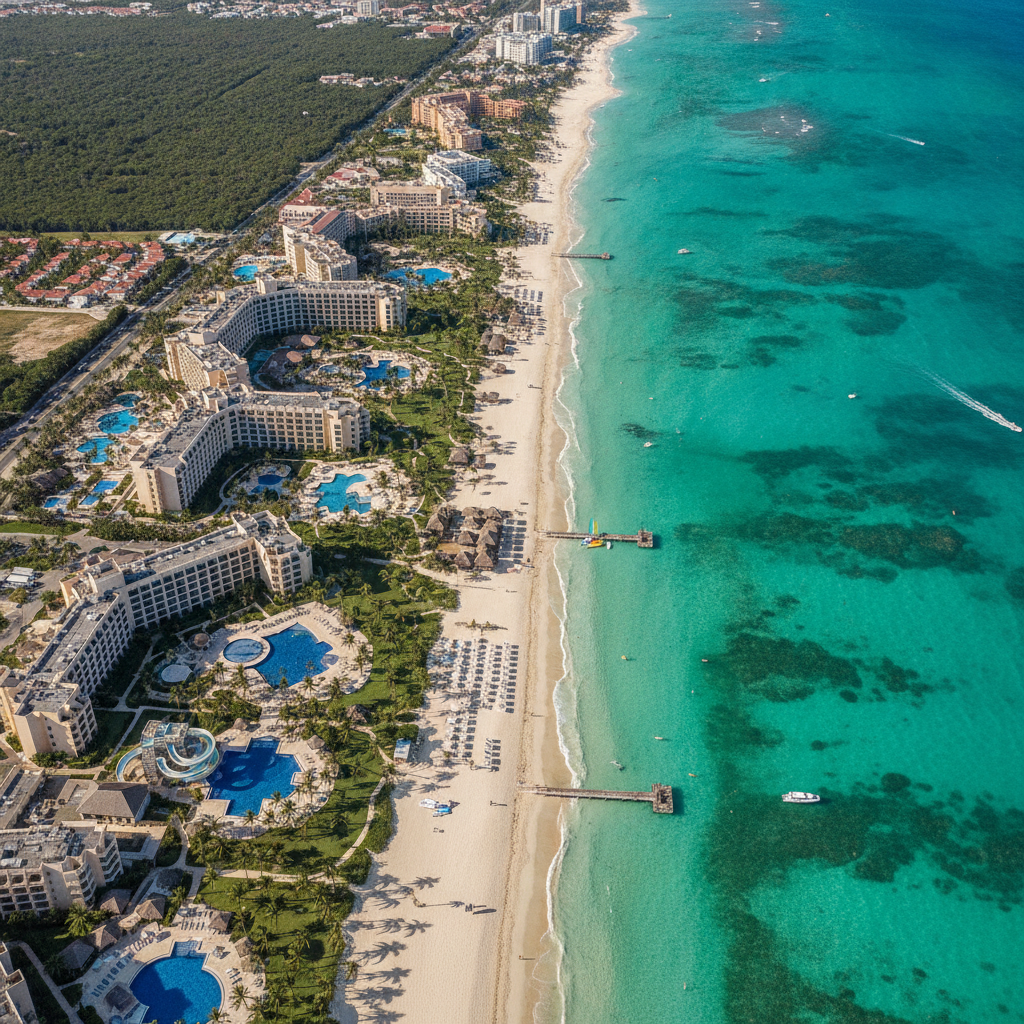
Santo Domingo Practical Guide: Las Americas Airport, Punta Cana All-Inclusive, Peso Economy, and Caribbean Hub Connections
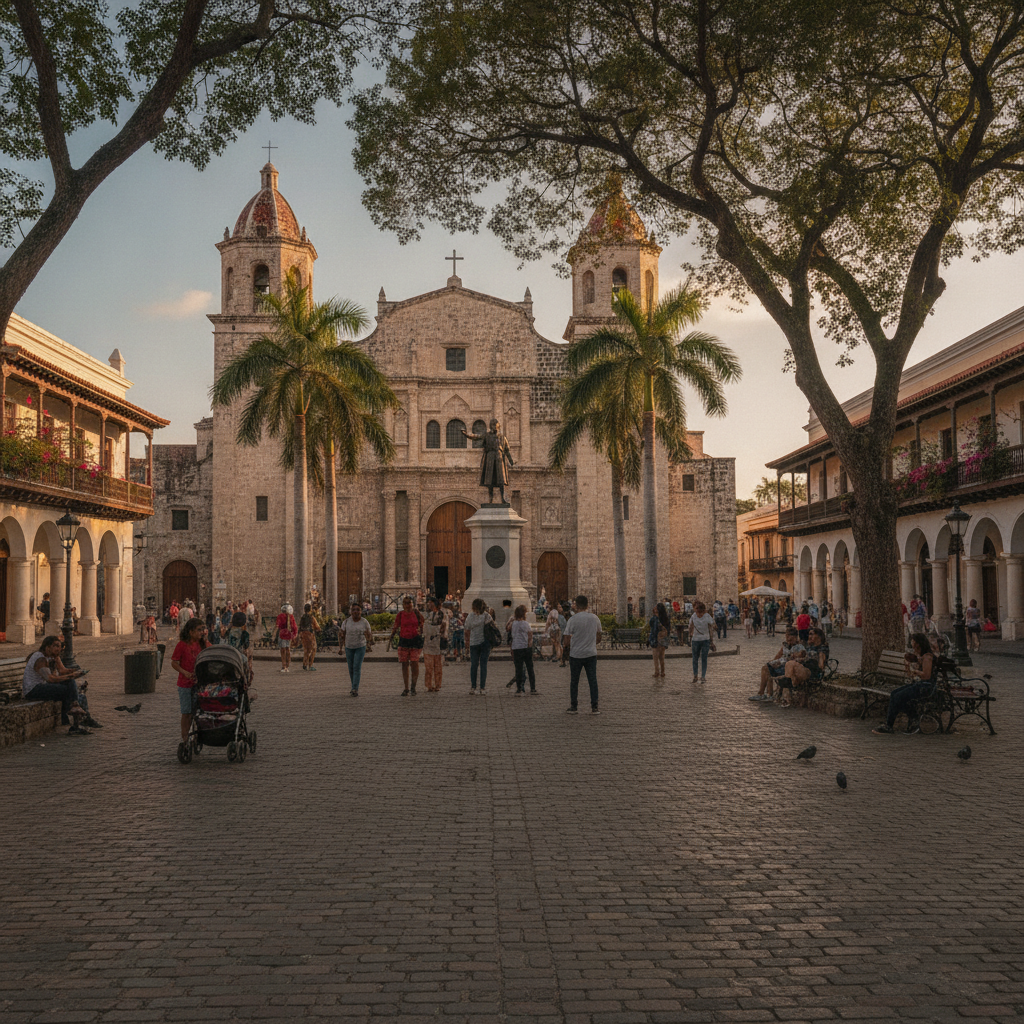
Santo Domingo Culture: Baseball Nation, the Gazcue Neighborhood, Dominican Gastronomy, and Merengue Nightlife
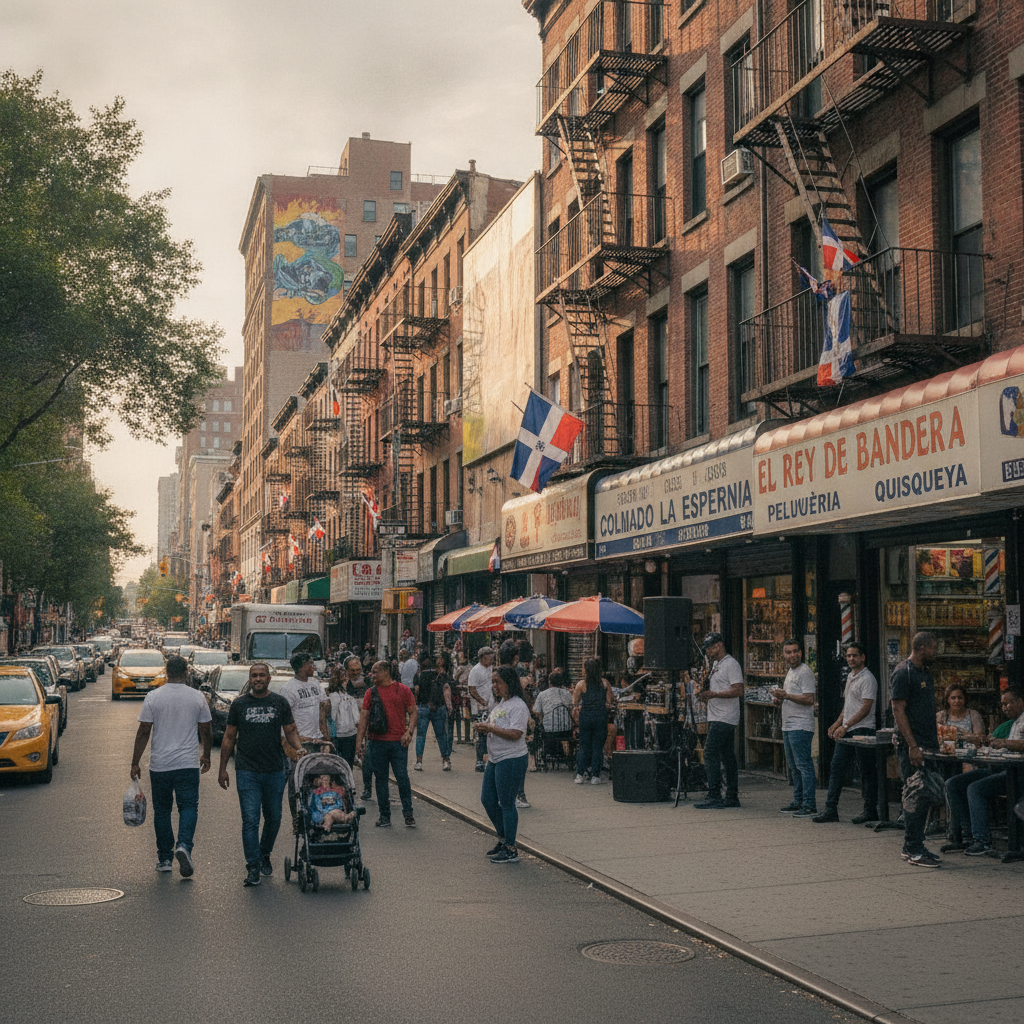
Dominican Republic Identity: Taino Legacy, the New York Diaspora, Semana Santa, Dominican Cigars, and Political Culture