Santo Domingo Dark History: Trujillo Dictatorship, the 1937 Massacre, the Haiti Border Relationship, and the First Americas University
The dark history of Santo Domingo encompasses the Trujillo dictatorship that renamed the capital and built the Columbus Lighthouse, the 1937 massacre of Haitian workers, the complex Dominican-Haitian border relationship, and the medieval Ozama Fortress as the oldest military building in the Americas.
- 1
Trujillo: The Dictator's Shadow
Rafael Trujillo, who ruled the Dominican Republic from 1930 to his assassination in 1961, renamed the capital Ciudad Trujillo, built the grandiose structures of his personality cult including the Palacio Nacional and the Columbus Lighthouse, and maintained one of the most complete personal dictatorships in Latin American history through a combination of violence, patronage, and the intelligence apparatus that monitored the entire population. The Trujillo legacy remains a contested element of Dominican national identity.
- 2
Massacre of 1937: The Parsley Test
The 1937 Massacre of Haitians, in which the Trujillo regime murdered between 15,000 and 30,000 Haitian workers and Dominicans of Haitian descent in the border regions of the Dominican Republic, using the ability to pronounce the Spanish word perejil parsley as a linguistic test of Dominican nationality, is one of the worst state crimes of 20th century Latin America and the defining event of the Dominican-Haitian relationship that continues to shape the most complex border relationship in the Caribbean.
- 3
Haiti Border: The Complex Relationship
The Dominican-Haitian border, the most economically asymmetric in the Americas between the slightly more developed Dominican economy and the most impoverished nation in the Western Hemisphere, generates the most significant migration pressure in the Caribbean, with hundreds of thousands of Haitian workers present in the Dominican Republic in the agricultural, construction, and domestic service sectors that the Dominican economy requires but that the political culture treats with systematic discrimination.
- 4
Ozama Fortress: The Oldest Military Building
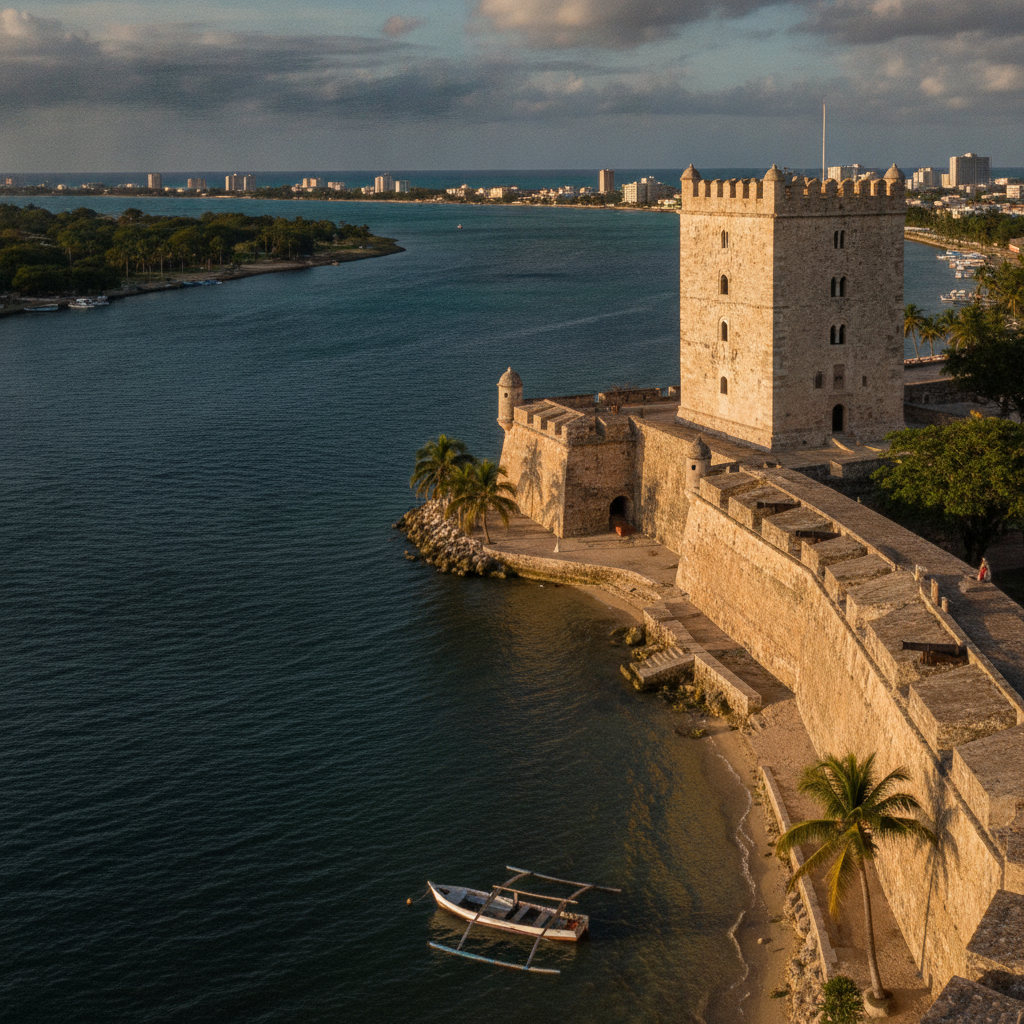
The Fortaleza Ozama, built between 1502 and 1508 as the primary defensive installation of the Spanish colonial capital, is the oldest European military building in the Americas and the most completely preserved element of the original colonial fortification system. The Tower of Homage, the central keep of the fortress, provides the finest elevated view of the Ozama River mouth and the colonial harbor that was the entry point for the Spanish empire in the Americas.
- 5
Universidad Autonoma de Santo Domingo: The First University
The Universidad Autonoma de Santo Domingo, founded in 1538 as the Universidad de Santiago de la Paz, is the oldest university in the Americas, predating Harvard by 98 years and providing the institutional claim for Santo Domingo's title as the intellectual capital of the New World. The university has more than 200,000 students and is the largest in the Dominican Republic.
- 6
The Columbus Lighthouse: The Controversial Monument
The Faro a Colon, the massive cross-shaped lighthouse monument built in 1992 for the quincentennial of Columbus's arrival and containing the alleged remains of Christopher Columbus in competition with the Catedral Primada, is the most controversial monument in Santo Domingo: the construction required the demolition of an entire neighborhood and the displacement of thousands of residents, and the monument has never generated the tourism expected to justify the investment. The lighthouse projector, when operated, illuminates the cross on the clouds over the city and is visible from across the Dominican Republic.
Walk this route with audio
Stories play automatically as you reach each stop — no tapping needed.
More in Santo Domingo
Santo Domingo Practical Guide: Metro Transport, Dominican Carnival, Samana Whale Watching, and Jarabacoa Mountain Adventures
Dominican Republic Food: La Bandera, Sancocho, Presidente Beer, Brugal Rum, and the Street Food Chimichurri
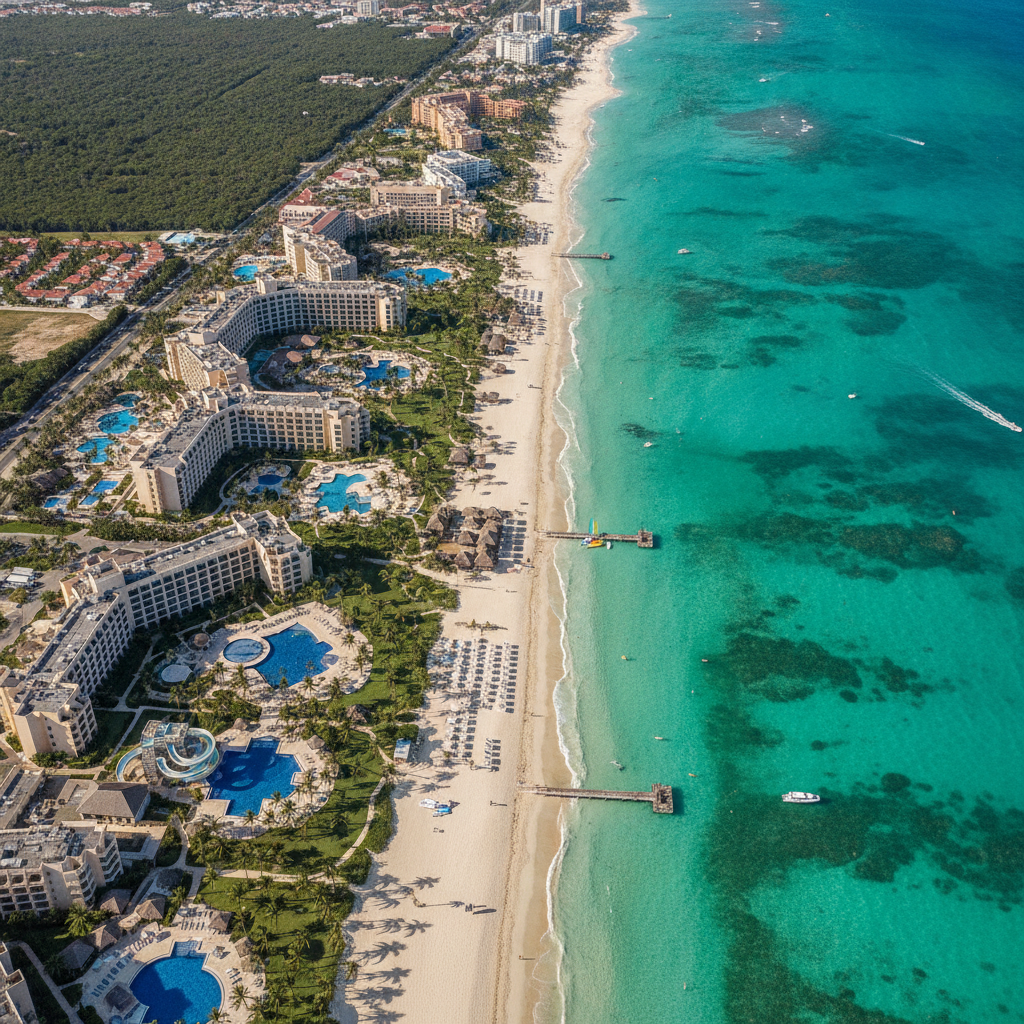
Santo Domingo Practical Guide: Las Americas Airport, Punta Cana All-Inclusive, Peso Economy, and Caribbean Hub Connections
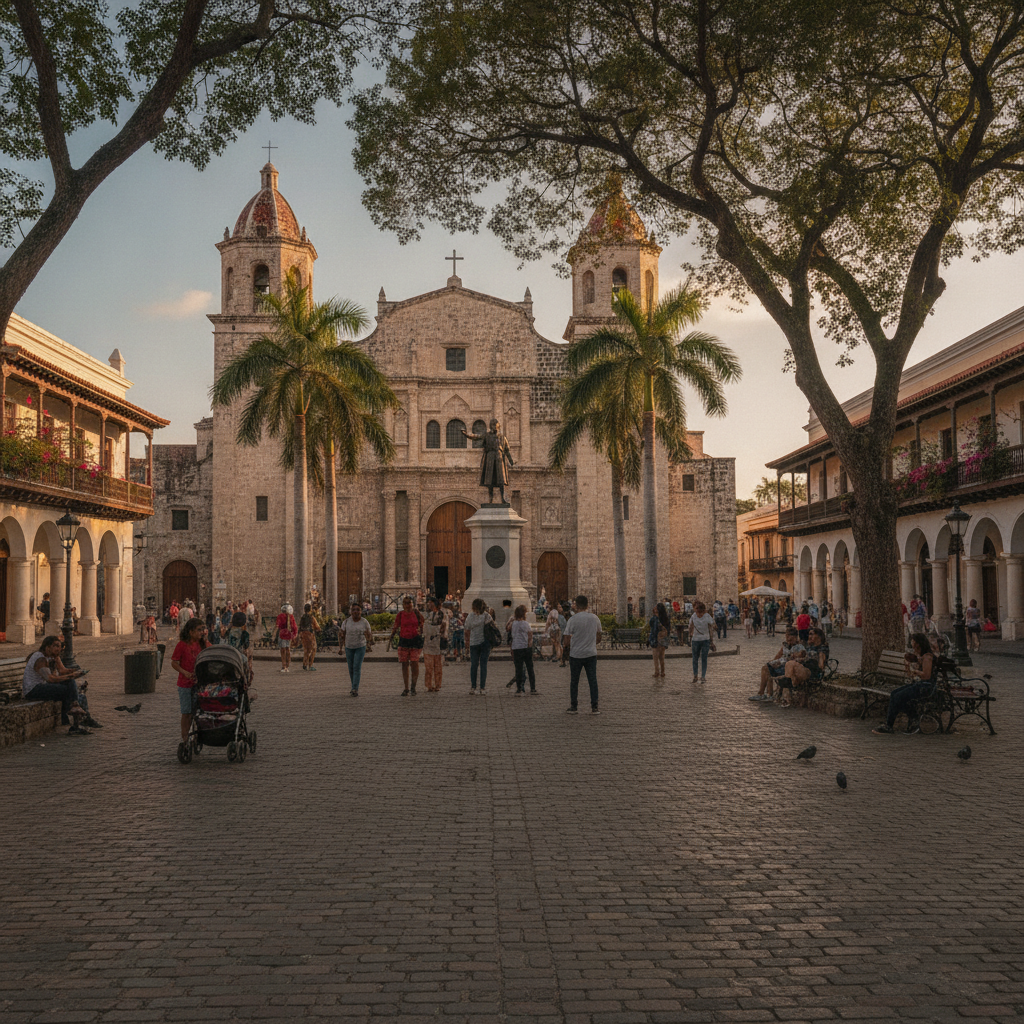
Santo Domingo Culture: Baseball Nation, the Gazcue Neighborhood, Dominican Gastronomy, and Merengue Nightlife
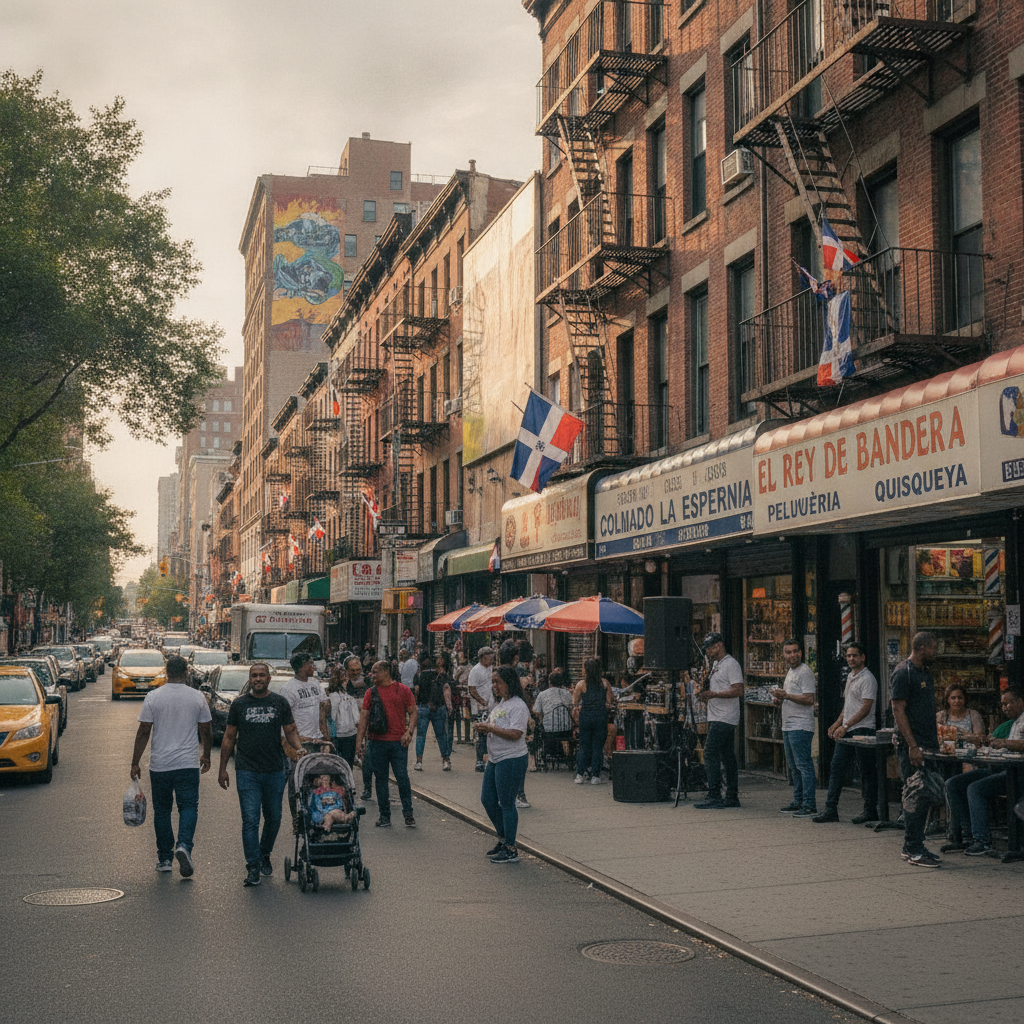
Dominican Republic Identity: Taino Legacy, the New York Diaspora, Semana Santa, Dominican Cigars, and Political Culture