Savannah: Art, Faith, Trade and the Georgia Coast
Explore SCAD urban renewal, Colonial Park Cemetery dueling history, the founding African Baptist congregation, Savannah cotton trade heritage, day trips to Tybee Island and Fort Pulaski, and the Gullah Geechee Low Country food traditions.
- 1
Savannah College of Art and Design
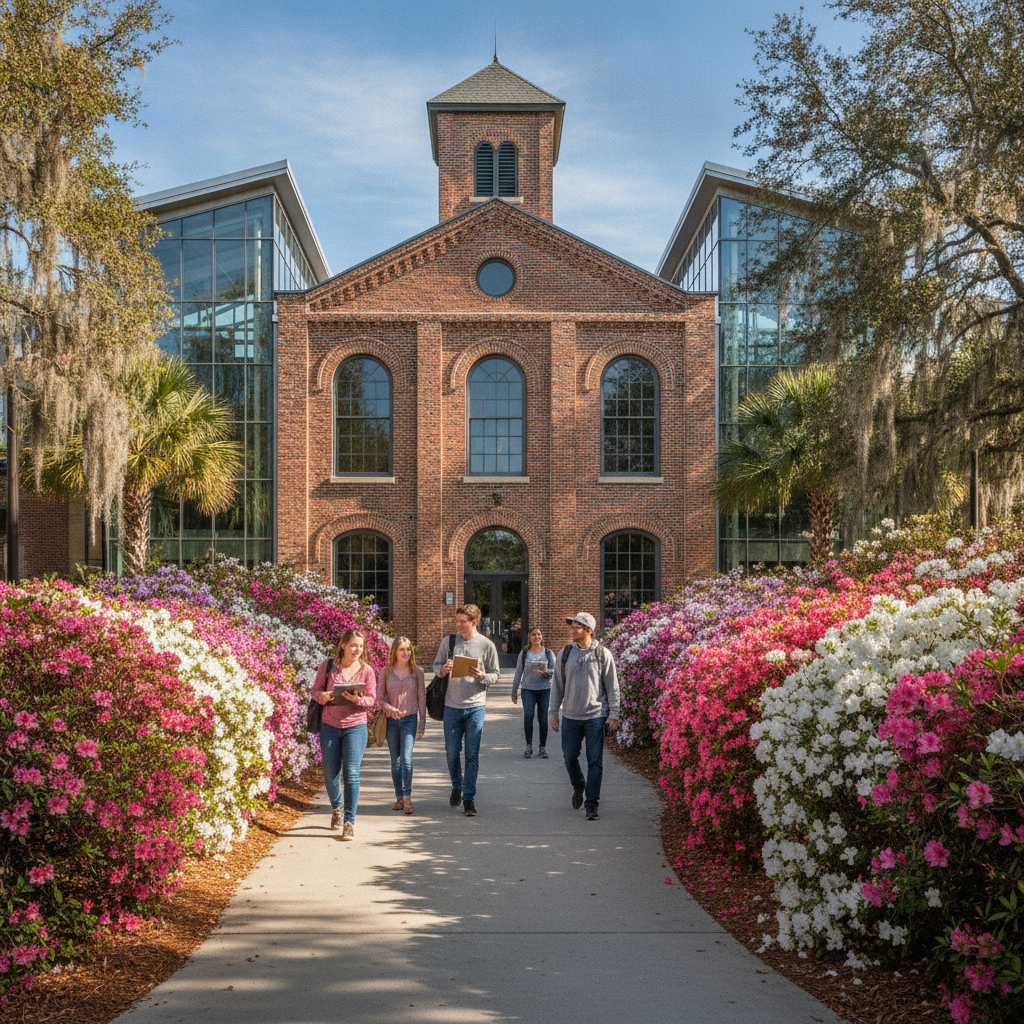
The Savannah College of Art and Design, known as SCAD, was founded in 1978 in a single historic building and has grown into one of the largest art universities in the United States with over 15,000 students. SCAD has restored more than 70 historic Savannah buildings rather than demolishing them, transforming structures like the Savannah Volunteer Guards Armory and the former City Hall into studios, galleries, and academic facilities. The SCAD Museum of Art in a restored 1853 railroad depot opened in 2011 and hosts rotating exhibitions alongside a permanent collection of over 4,500 works. The university has fundamentally reshaped Savannah economy and its practice of adaptive historic reuse is studied in urban planning programs worldwide.
- 2
Colonial Park Cemetery and Dueling Grounds
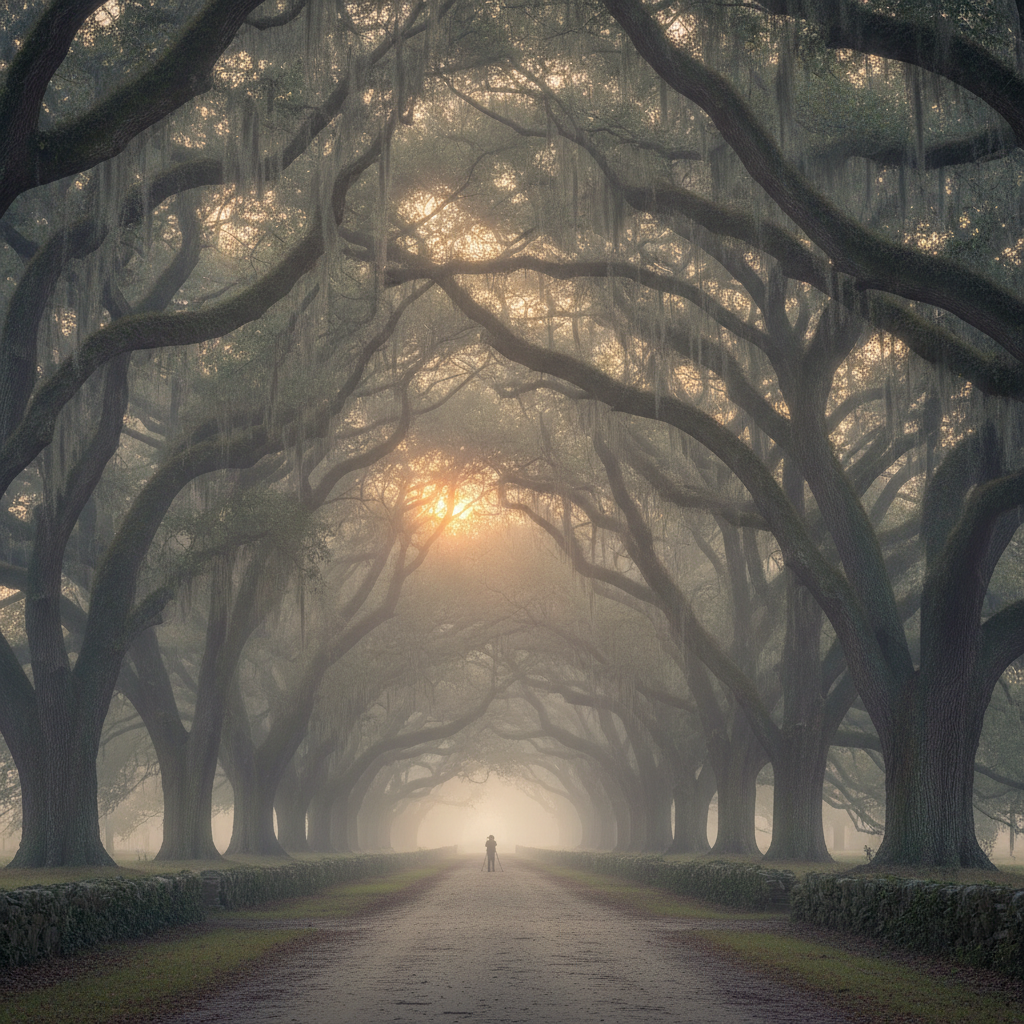
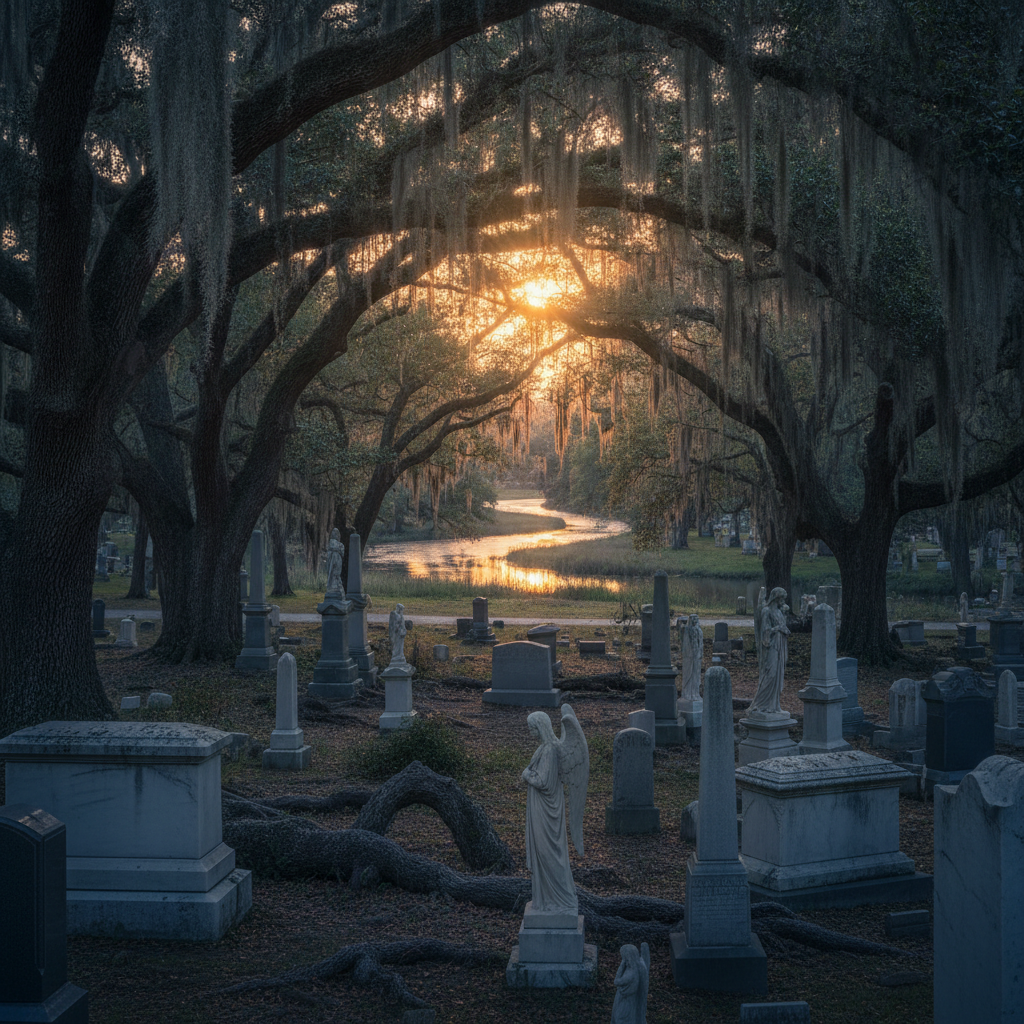
Colonial Park Cemetery, opened in 1750, is Savannah oldest public burial ground and contains the remains of many of the city founding generation. Button Gwinnett, one of three Georgia signatories to the Declaration of Independence, is buried here. He was killed in a duel in 1777 just months after signing. The cemetery served as a Union Army camp during Sherman occupation in 1864, and soldiers altered many headstones. The cemetery covers six acres and includes a yellow fever mass burial area from the 1820 epidemic that killed roughly 700 residents. Evening ghost tours stop here for its atmospheric moss-draped oaks and the stories of dueling, epidemic, and war that shaped early Savannah.
- 3
First African Baptist Church
The First African Baptist Church on Franklin Square was established in 1773, making it one of the oldest continuously active Black churches in North America. The congregation traces its founding to George Liele, a formerly enslaved man who became one of the first ordained Black Baptist ministers in America and later brought the faith to Jamaica. The current building, completed in 1859, was constructed largely by the enslaved members of the congregation. The pews contain small diamond-shaped holes that may have served as air vents for escaped enslaved people hiding beneath the floorboards during the Underground Railroad era. The church holds active services and offers historical tours that connect its history to the broader African American freedom struggle.
- 4
Savannah's Cotton Exchange and Trade History
The Savannah Cotton Exchange building at 100 East Bay Street, built in 1887 in Romanesque Revival style by architect William Gibbons Preston, was the center of Savannah cotton trading at the peak of the city commercial power. By the 1880s Savannah was the second largest cotton exporting port in the world after New Orleans. The exchange set global cotton prices through a telegraph network that transmitted quotes to Liverpool and New York simultaneously. The building facade features ornate terracotta detailing and an iron statue of the Greek messenger Hermes above the entrance. The Port of Savannah today handles over 5 million twenty-foot equivalent container units annually, making it the third busiest container port in the United States by volume.
- 5
Tybee Island and Fort Pulaski
Tybee Island, 18 miles east of Savannah at the mouth of the Savannah River, has been a resort destination since the 1880s when the Central of Georgia Railway extended service there. The island lighthouse, first built in 1736, is one of the oldest and tallest in the Southeast at 145 feet. Fort Pulaski National Monument, on Cockspur Island between Savannah and Tybee, was a Confederate fortification reduced in 30 hours by Union rifled artillery in April 1862. The battle demonstrated that masonry forts were obsolete against modern weapons, changing military construction doctrine worldwide. The fort walls remain pocked with cannonball impacts that visitors can examine at close range. Both sites are managed as day trip destinations from downtown Savannah.
- 6
Savannah Food Scene and Georgia Low Country Cuisine
Savannah culinary identity draws on Low Country traditions developed by African and Gullah Geechee cooks over three centuries. Dishes like red rice, shrimp and grits, Hoppin John, and benne wafers reflect West African ingredients and techniques adapted to Georgia coastal ingredients. The Gullah Geechee Cultural Heritage Corridor, designated by Congress in 2006, runs from Jacksonville, Florida to Wilmington, North Carolina and includes the Sea Islands around Savannah where Gullah culture survived most intact. Savannah restaurant district along Congress and Broughton Streets has expanded dramatically since 2010, earning the city recognition in James Beard Award nominations. The Savannah Food and Wine Festival, held each November, draws visitors from across the region for its emphasis on locally sourced coastal cuisine.
Walk this route with audio
Stories play automatically as you reach each stop — no tapping needed.
More in Savannah
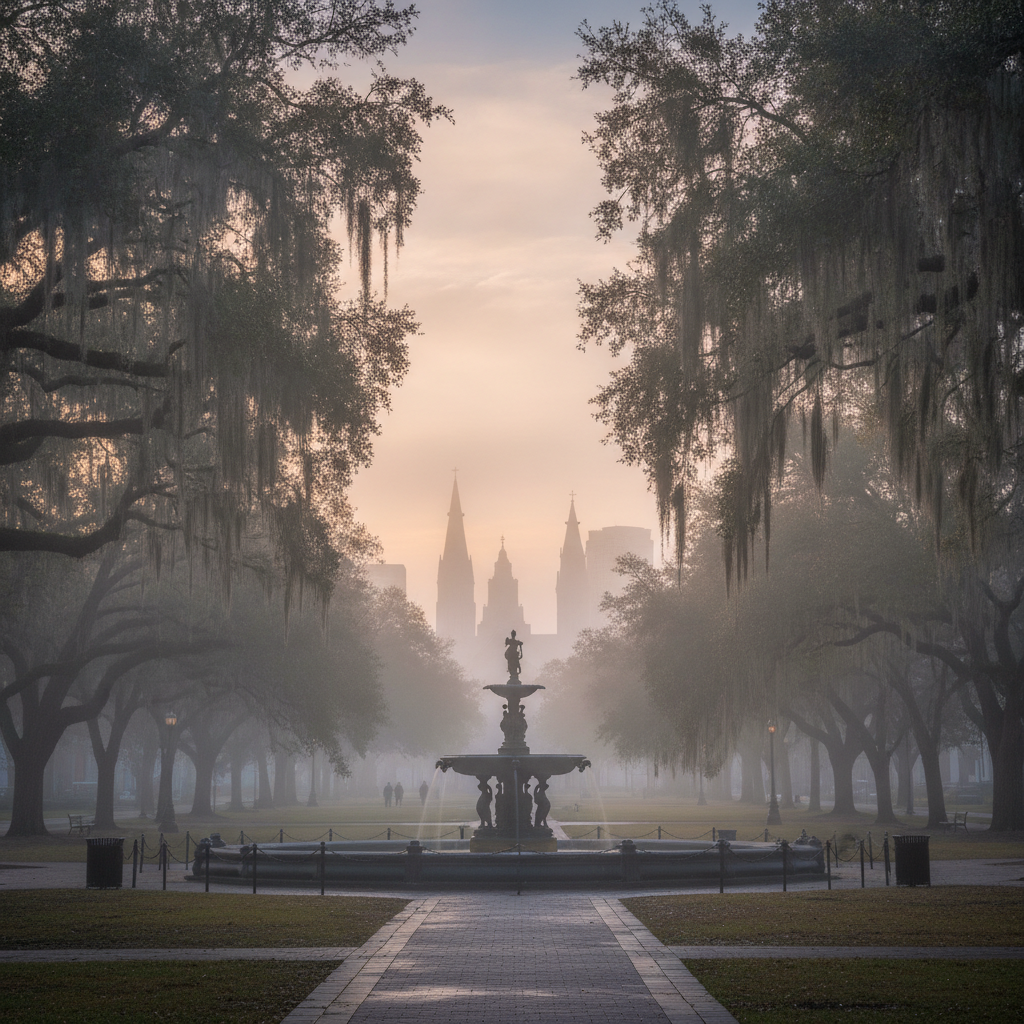
Savannah: Oglethorpe Plan (1733 founded 12th and last original colony, 22 of 24 original squares surviving, most intact 18th-century urban planning US, Forsyth Park 1858 fountain, SCAD 15,000 students revitalized historic buildings), Midnight in the Garden of Good and Evil (Berendt book 1994 216 weeks NYT bestseller longest nonfiction, Mercer House Jim Williams shooting, Chablis Lady drag performer, Johnny Mercer 1,500 songs Moon River Oscar 1961 Breakfast at Tiffany's), Bonaventure Cemetery (live oak allees Spanish moss, Little Gracie Watson 1889 most visited grave, Bird Girl statue moved to Telfair Museums, Telfair Museums oldest Southern public art museum, Owens-Thomas House 1816 finest US Regency architecture), Savannah food (Olde Pink House 1771 James Habersham Georgian mansion, Pirate's House 1734 oldest building Georgia shanghaied sailors tunnel Treasure Island, Mrs. Wilkes Dining Room 1943 communal soul food), Film history (Forrest Gump 1994 Chippewa Square bench now Savannah History Museum, Midnight movie Clint Eastwood 1997, Savannah Film Festival SCAD October), Practical (Historic District 2.5 sqkm National Historic Landmark walkable, Tybee Island 30km lighthouse 1736 second oldest US site, Jekyll Island Rockefellers Morgans, Cumberland Island wild horses Carnegie ruins)
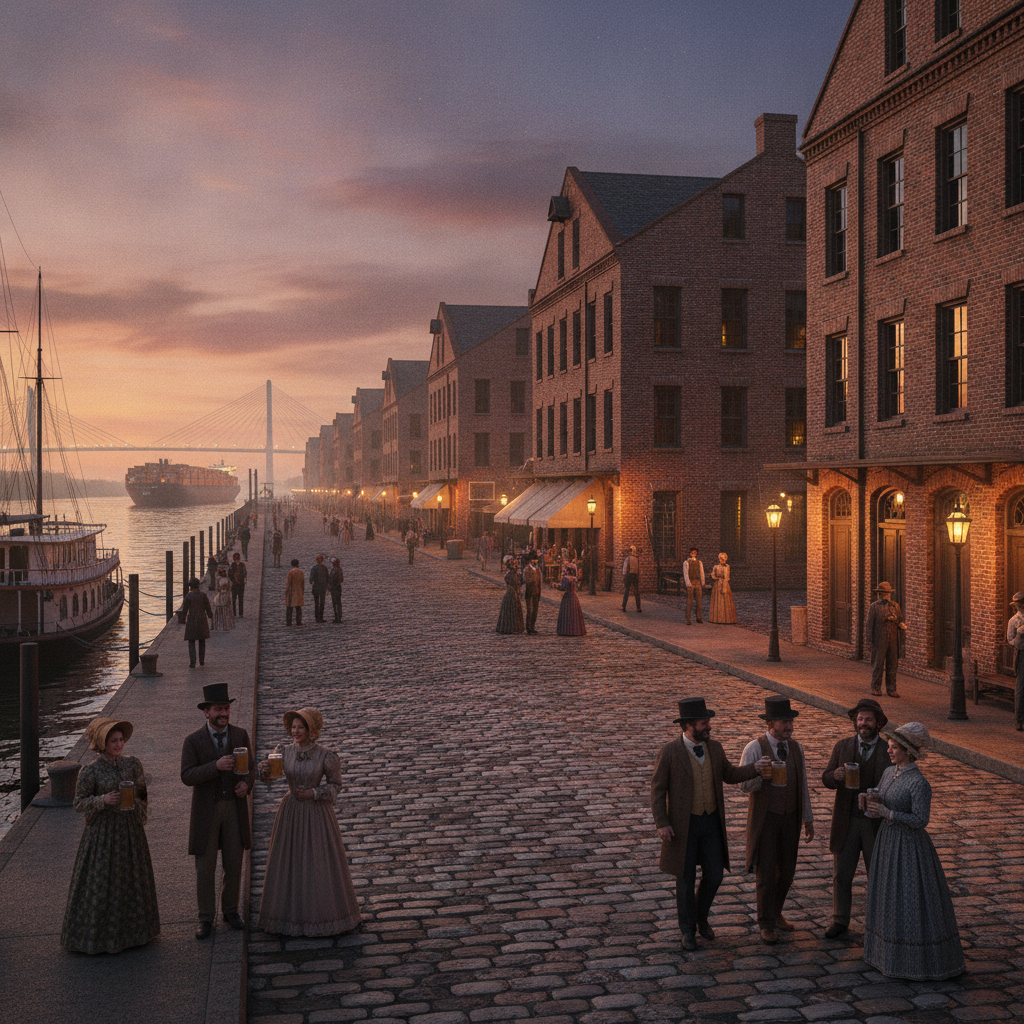
Savannah R4: Spanish moss (bromeliad not parasite absorbs moisture from air, nesting habitat for 3 bird species, Ford Model T 12,000 tons annually for seat cushions, City of Savannah manages growth in squares), Savannah squares in detail (Chippewa Square Forrest Gump bench now History Museum, Oglethorpe statue Daniel Chester French sculptor Lincoln Memorial, Monterey Square Pulaski monument Mercer House, Johnson Square 1733 first square Nathanael Greene monument), Factors Walk waterfront (cotton factor system 2.5% commission, cobblestones New England granite ballast, River Street cotton warehouses now bars restaurants, Talmadge Bridge 56m clearance container ships), Craft beer bar culture (open container law Historic District plastic cups, Moon River Brewing 1821 City Hotel most haunted bar US ghost James Stark, American Prohibition Museum only US museum Prohibition, Service Brewing veteran-founded), Georgia nature (Okefenokee 440,000ha 11,000 alligators blackwater amber tea tannic acids, Little St. Simons 30 guests bald eagles loggerhead, Georgia Bight 2,200 loggerhead nests per year), SCAD galleries (SCAD Museum of Art 1853 Gothic Revival depot, Telfair Museums oldest Southern public art 1886 Bird Girl bronze, Savannah Fashion Week student collections)
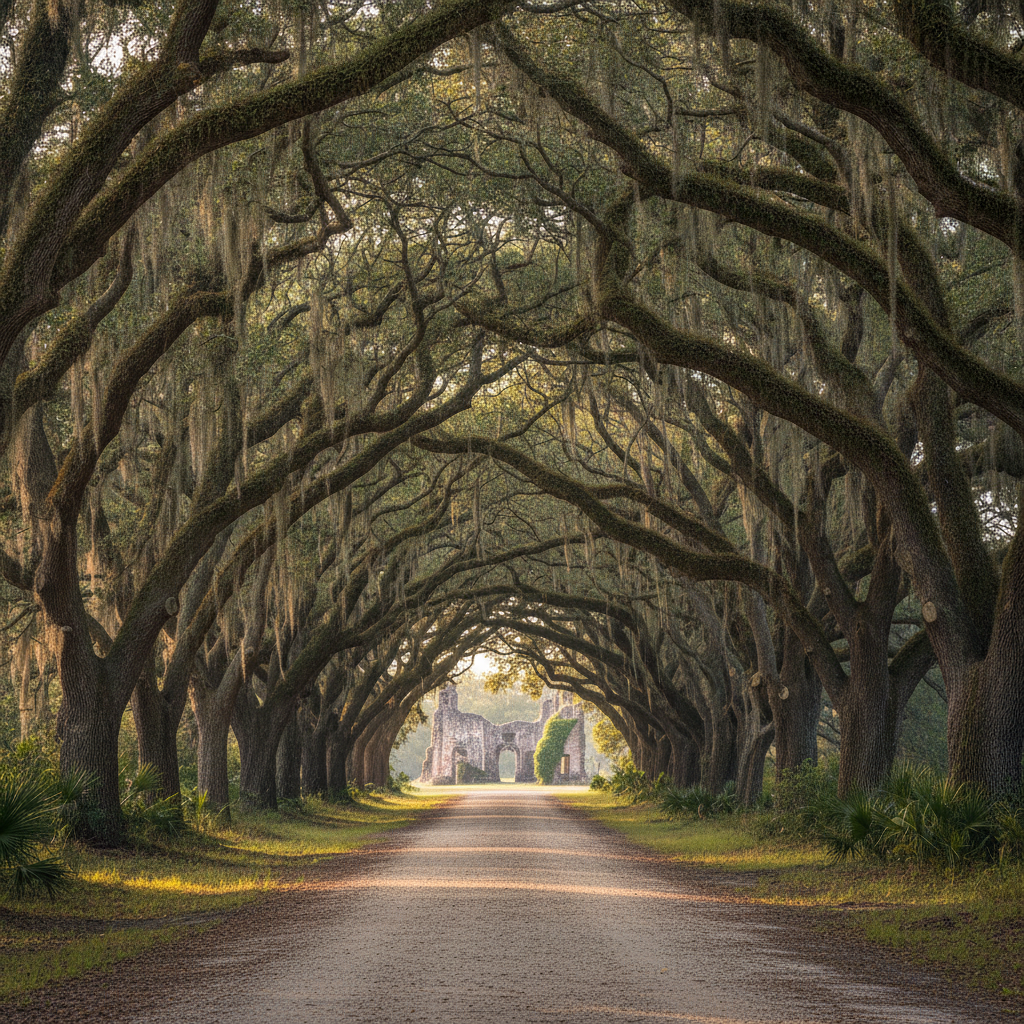
Savannah: Literary City, Victorian Elegance and Oglethorpe Grid
Savannah R2-R4: African American heritage (Sherman Savannah December 21 1864 Christmas gift, Special Field Order 15 January 1865 40 acres and a mule revoked Johnson October 1865, First African Baptist 1773 oldest North American Black Baptist congregation, Underground Railroad West African breathing holes), Tybee Island (lighthouse 1736 second oldest US station, 1958 nuclear B-47 Mark 15 bomb never recovered, Jekyll Island Club 1886-1942 Rockefellers Morgans, 1910 Jekyll Island secret meeting drafted Federal Reserve Act), SCAD (15,000 students largest US art university, 70+ historic buildings restored, Museum of Art 1853 Gothic Revival railway depot, First Fridays Gallery Crawl), Antebellum architecture (Green-Meldrim House Sherman HQ 1864, Isaiah Davenport House 1820 saved 1955 by Historic Savannah Foundation, Owens-Thomas House 1816 finest US Regency, Cathedral of St. John the Baptist 1873 French Gothic), Nightlife ghost tours (open container law Historic District, River Street cotton warehouses, Kehoe House most haunted Savannah, top 3 most haunted US, Savannah Stopover music festival SXSW stop), Practical (St. Patrick's Day 400,000 participants second US, spring azaleas best season, Starland District Back in the Day Bakery, SAV airport direct Atlanta Charlotte)
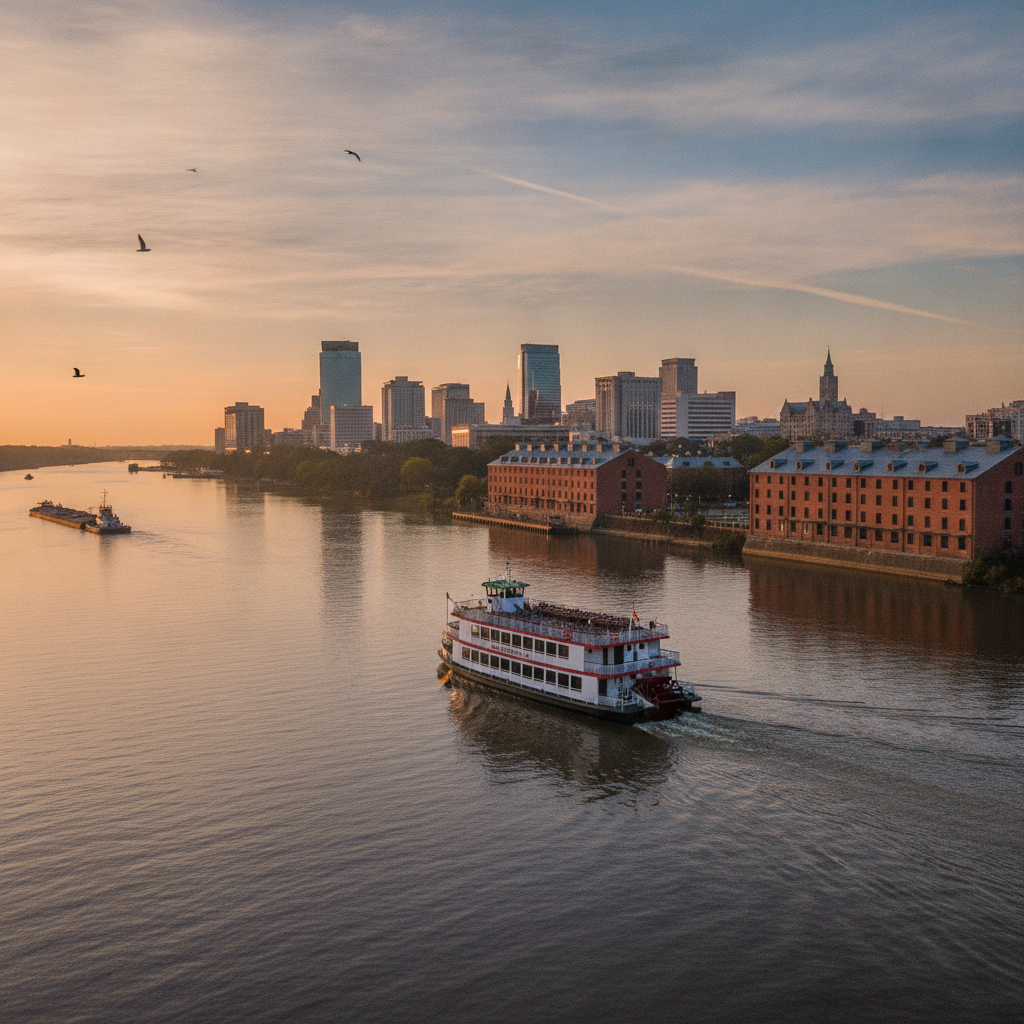
Savannah: Preservation Legacy, Harbor Power and Living Neighborhoods