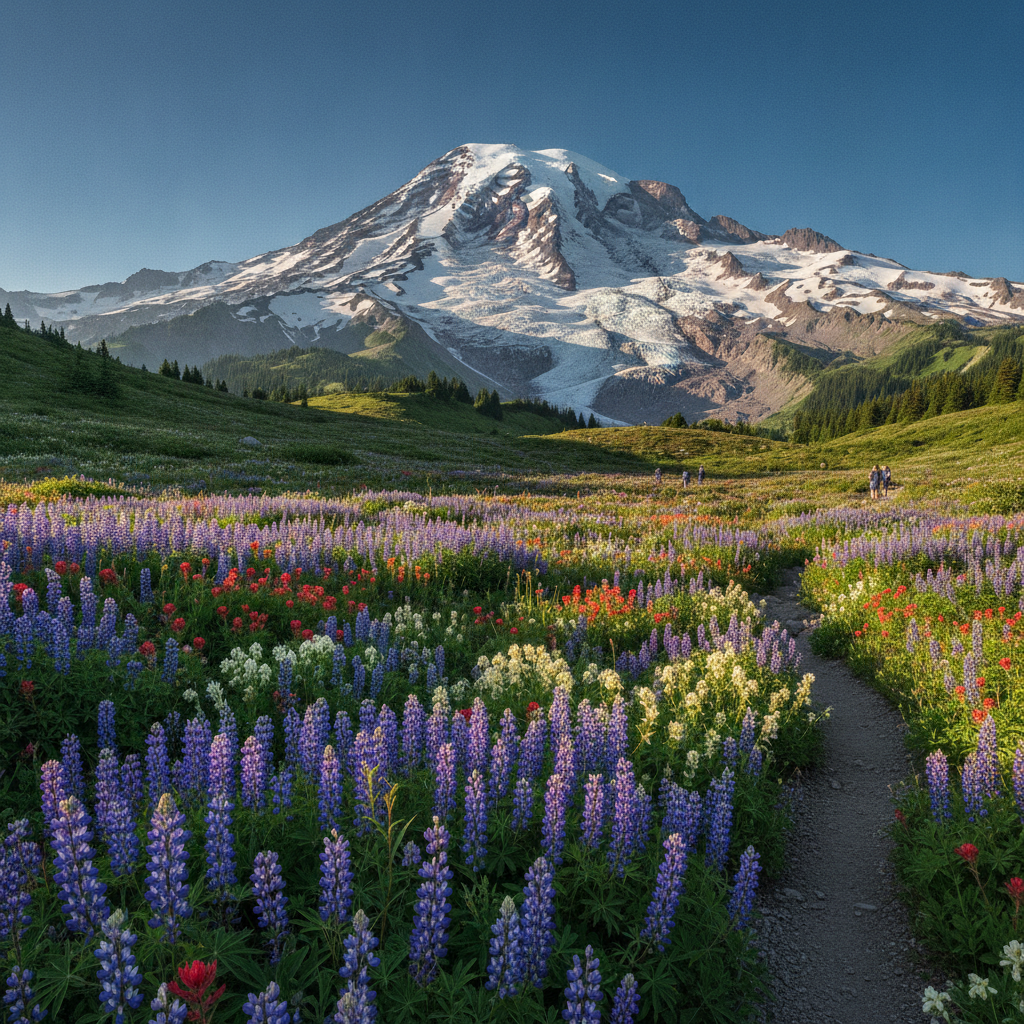
Mount Rainier, Olympic & the Pacific Northwest's Natural Wonders
Seattle is surrounded by some of the most spectacular natural landscapes in North America — within 90 minutes' drive of the city lie Mount Rainier National Park (the most-visited national park in Washington State), Olympic National Park (the UNESCO World Heritage site with temperate rainforest, glacier-capped peaks, and wild Pacific coastline), and the volcanic peaks of the North Cascades.
- 1
Mount Rainier National Park — The Volcano at Seattle's Doorstep
Mount Rainier National Park (the 956 km² national park surrounding Mount Rainier (4,392 metres / 14,411 feet — the highest peak in Washington State, the highest peak in the Cascade Range, and the most topographically prominent peak in the contiguous United States (the peak rises 4,026 metres (13,210 feet) above the surrounding terrain — more vertical rise from base to summit than any other mountain in the contiguous 48 states)), approximately 95 km (59 miles) from Seattle — the second-most visited national park in Washington State and one of the most scenically spectacular national parks in the country): the Paradise area (the visitor hub at 1,647 metres (5,400 feet) on the south slope of Mount Rainier — the area famous for the most spectacular subalpine wildflower displays in the Pacific Northwest, the starting point for the most popular hiking trails on the mountain): the Skyline Trail (the 8 km (5 mile) loop from the Paradise Visitor Center to Panorama Point (1,968 metres (6,457 feet)) — the highest point accessible by trail without technical climbing equipment on the south face of Rainier, offering 360° views of the summit, the Tatoosh Range to the south, and the Columbia River Gorge and Mount Adams to the southeast); the Emmons Glacier (the largest glacier in the contiguous United States by area (4.3 km² (1.67 sq miles)), accessible via the Inter Glacier route from the White River Campground on the northeast side of the mountain); and the Carbon Glacier (the longest glacier in the contiguous United States at approximately 8 km (5 miles), accessible via the Carbon River area on the northwest side of the park).
- 2
Olympic National Park — Rainforest, Glaciers & Wild Pacific Coast
Olympic National Park (the 3,734 km² national park on the Olympic Peninsula, approximately 170 km (105 miles) from Seattle via the Bainbridge Island ferry and the Hood Canal Bridge — UNESCO World Heritage since 1981, covering the full ecological range from Pacific coastal beaches to temperate rainforest to glacier-capped alpine peaks): the Hoh Rainforest (the temperate rainforest on the west side of the Olympic Peninsula, receiving approximately 3.2 metres (12.4 feet) of precipitation per year — the wettest place in the contiguous United States and one of the finest temperate rainforests in the world (the Hoh Rainforest is one of only a handful of temperate rainforests in the world, the others being in coastal British Columbia, southern Chile, New Zealand, and small areas of Norway and Scotland)): the characteristic Hoh Rainforest appearance (the massive Sitka spruce (Picea sitchensis) and western red cedar (Thuja plicata) and bigleaf maple (Acer macrophyllum) trees, all covered from base to crown in a continuous green coat of mosses (primarily Isothecium myosuroides and other club mosses), the forest floor a continuous carpet of sword ferns (Polystichum munitum) and oxalis (Oxalis oregana — the wood sorrel, the most common ground cover of the Pacific Northwest rainforest) — the most atmospheric and most Middle-Earth-like forest landscape in the continental United States); Hurricane Ridge (the ridge at 1,676 metres (5,500 feet) on the north side of the Olympic Mountains — the most accessible alpine view in the park, with panoramic views of the Olympic peaks and of the Strait of Juan de Fuca and Victoria, BC beyond); and Rialto Beach (the wild Pacific coast beach north of La Push on the Quileute Indian Reservation — the most dramatic Pacific coast scenery in Washington State).
- 3
North Cascades & Alpine Lakes — Seattle's Mountain Wilderness
North Cascades National Park (the 2,757 km² national park in the northern Cascade Range, approximately 160 km (100 miles) northeast of Seattle — one of the least visited national parks in the lower 48 states (approximately 30,000 visitors per year — far fewer than Mount Rainier's 1.5 million) due to its remoteness, but arguably the most scenically spectacular mountain park in the contiguous United States): the North Cascades (the mountain range characterized by the most rugged terrain in the lower 48 states — the jagged, heavily glaciated peaks (Eldorado Peak, Johannesburg Mountain, Mount Shuksan (2,783 metres (9,131 feet)) — the mountain that appears on the logo of REI (Recreational Equipment Inc.), the outdoor equipment co-operative founded in Seattle in 1938 that has become the most important outdoor retail brand in the United States), the deep valleys cut by glaciers, and the extraordinary concentration of glaciers (approximately 300 glaciers in the park — more glaciers than any other area in the contiguous US outside of Mount Rainier)): the Alpine Lakes Wilderness (the 1,637 km² (632 sq mile) wilderness area approximately 80 km (50 miles) east of Seattle in the central Cascades — named for the more than 700 lakes (the glacially carved cirque lakes and ribbon lakes of the Alpine Lakes) scattered across the wilderness, the most popular backcountry hiking destination for Seattle-area residents): the most popular trails (the Snow Lake Trail (the 6.4 km (4 mile) each-way trail to the most popular backcountry lake in the Alpine Lakes Wilderness), the Enchantments (the 27.2 km (16.9 mile) through-hike across the highest core zone of the Alpine Lakes Wilderness, the most coveted backcountry permit in Washington State with an annual lottery oversubscribed 30:1)).
- 4
Cascade Volcanoes — Mount St. Helens & the Ring of Fire
Mount St. Helens (the 2,550-metre (8,366-foot) stratovolcano in the Cascade Range approximately 155 km (96 miles) south of Seattle — the site of the catastrophic eruption of May 18, 1980 (the most significant volcanic event in the contiguous United States in the 20th century)): the 1980 eruption of Mount St. Helens (the eruption triggered by a 5.1 magnitude earthquake that caused the largest landslide in recorded history (approximately 2.9 km³ (0.7 cubic miles) of rock and ice — the north face of the mountain (the 'bulge' created by the intrusion of magma into the volcanic dome) collapsed in approximately 10 seconds, creating a lateral blast (the pyroclastic surge) that devastated 600 km² (230 sq miles) of forest (the 'blow-down zone') to a depth of 30 km (19 miles) to the north, killing 57 people (including the volcanologist David Johnston, who was monitoring the volcano from a distance of 9.7 km (6 miles) when the eruption occurred) and collapsing the summit from 2,950 metres (9,677 feet) to the current 2,550 metres (8,366 feet)): the Johnston Ridge Observatory (the visitor centre at 4,318 feet (1,316 metres) on the ridge directly north of the volcano, named for David Johnston, offering the most dramatic view of the current volcanic dome (the lava dome inside the horseshoe-shaped crater, which has been slowly rebuilt since the 1980 eruption) and the blast zone.
- 5
San Juan Islands — Pacific Northwest Island Life
San Juan Islands (the archipelago of approximately 170 named islands and 400+ smaller rocks and reefs in the Salish Sea north of Puget Sound, approximately 140 km (87 miles) northwest of Seattle — the premier summer island-hopping destination of the Pacific Northwest): the ferry-accessible islands (San Juan Island, Orcas Island, Lopez Island, and Shaw Island — the four islands served by Washington State Ferries from Anacortes (90 km (56 miles) north of Seattle via I-5 and SR-20)) offer the finest combination of scenery, wildlife, and Pacific Northwest small-town culture of any island group in the continental United States: San Juan Island (the largest inhabited island in the archipelago, famous for Lime Kiln Point State Park (the 'Whale Watch Park' — the rocky headland on the west side of San Juan Island with the Lime Kiln Lighthouse (1914) and the underwater hydrophone (listening device) that allows visitors to hear the vocalisations of the Southern Resident killer whales (Orcinus orca) that travel through Haro Strait past Lime Kiln Point during their summer salmon-feeding migration — the finest land-based orca watching site in North America)); Orcas Island (the most rugged and most beautiful of the main San Juan Islands, dominated by the 2,407-foot (734-metre) summit of Mount Constitution (the highest point in the San Juan Islands, topped by a 1936 CCC-built stone observation tower) and the magnificent Moran State Park).
- 6
Seattle's Tech Culture — Amazon, Microsoft & the Innovation Economy
Seattle's technology economy (the metropolitan area that has produced more billion-dollar technology companies per capita than any other American city except Silicon Valley — the home of Amazon, Microsoft, Boeing (headquarters moved to Chicago in 2001 but primary engineering operations remain in the Seattle area), Costco, Nordstrom, REI, Alaska Airlines, Expedia, T-Mobile USA, and dozens of other major corporations): Amazon (the company founded by Jeff Bezos (born 1964) in his Bellevue, Washington garage in July 1994 as an online bookstore, which became the world's largest internet company by revenue (approximately $575 billion in 2023) and the world's largest cloud computing provider (Amazon Web Services (AWS) — the cloud computing division that accounts for approximately 60% of Amazon's operating income) — Amazon's headquarters (the Amazon campus in the South Lake Union neighbourhood of Seattle (the 'Denny Triangle') — the neighbourhood that Amazon single-handedly transformed from a light industrial district into the most valuable commercial real estate district in Seattle between 2010 and 2023, with the 40-building Amazon campus including the 'Spheres' (the three interconnected glass domes housing a 4-story indoor rainforest and collaborative workspace, the most photographed corporate architecture in Seattle)): Microsoft (the company founded by Bill Gates (born 1955) and Paul Allen (1953-2018) in Albuquerque, New Mexico in 1975 and relocated to the Seattle suburb of Redmond, Washington in 1979 — the Redmond campus (the 500-acre (200-hectare) Microsoft main campus in Redmond, 15 km (9 miles) northeast of Seattle) is the world's most important corporate software development site.
Walk this route with audio
Stories play automatically as you reach each stop — no tapping needed.
More in seattle
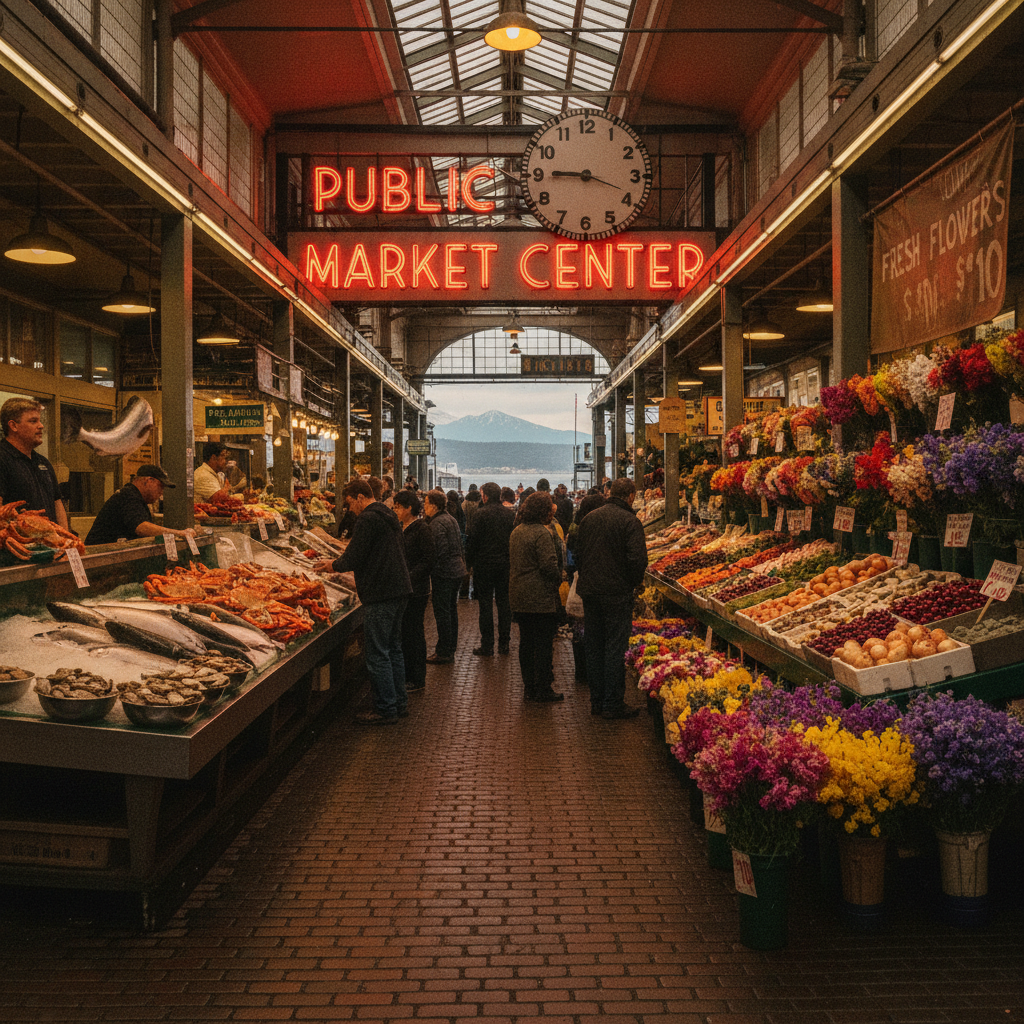
Pike Place Market, Elliott Bay & Seattle's Waterfront Soul
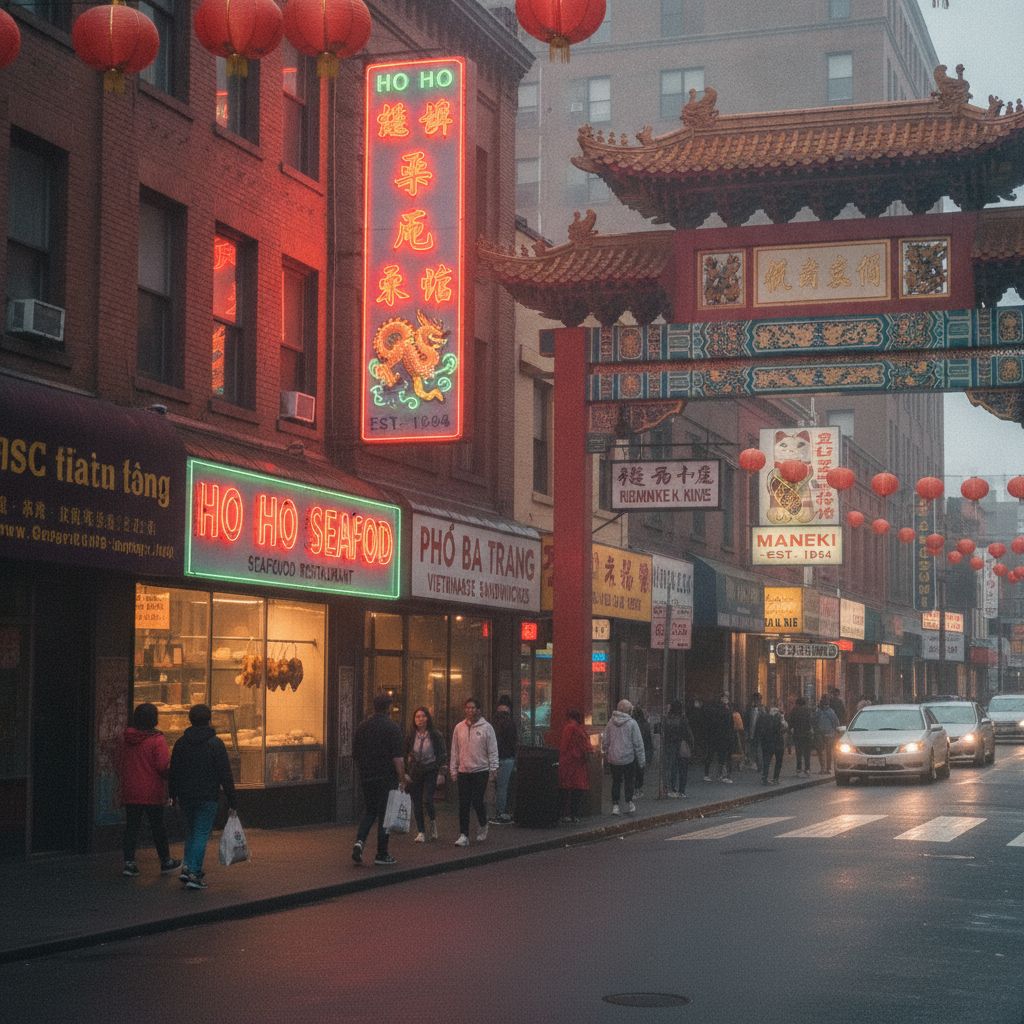
Chinatown-International District & Seattle's Asian-American Heritage
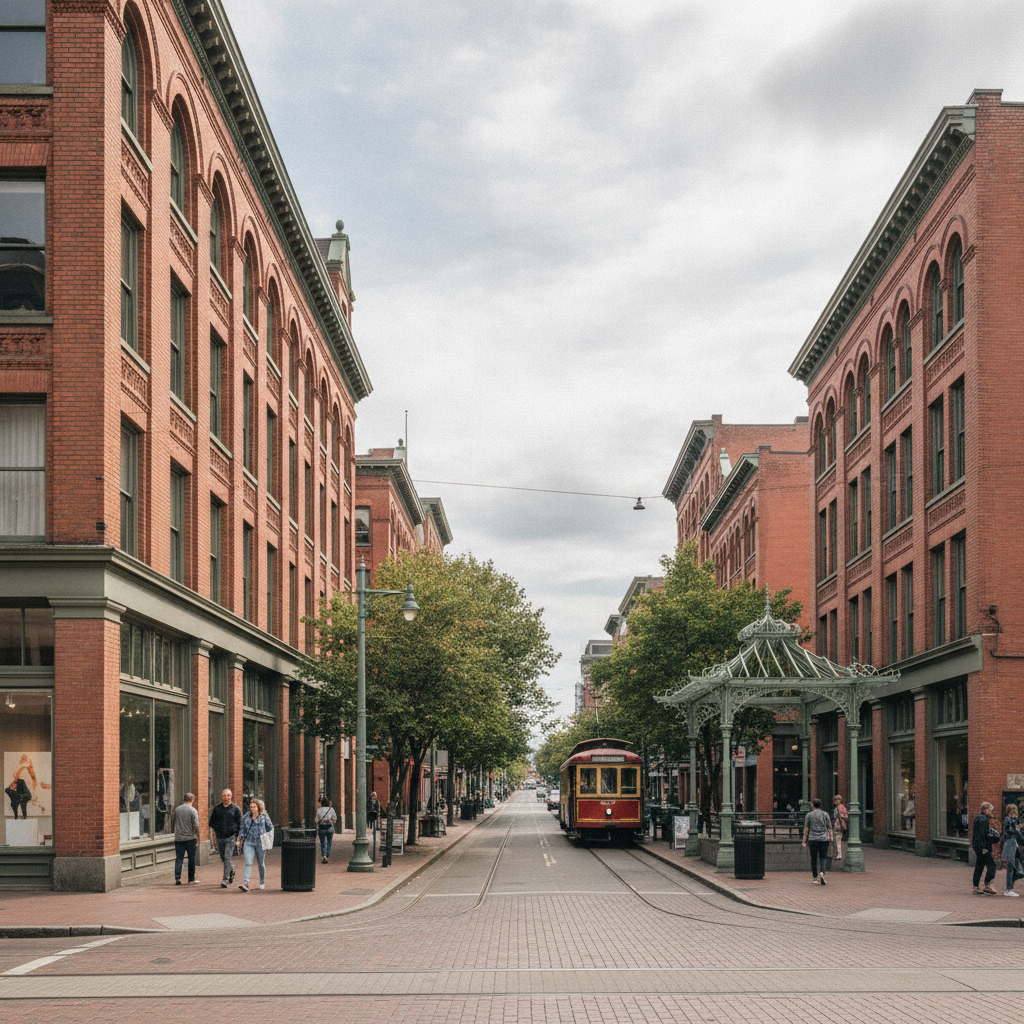
Pioneer Square, the Underground & Seattle's Gold Rush History
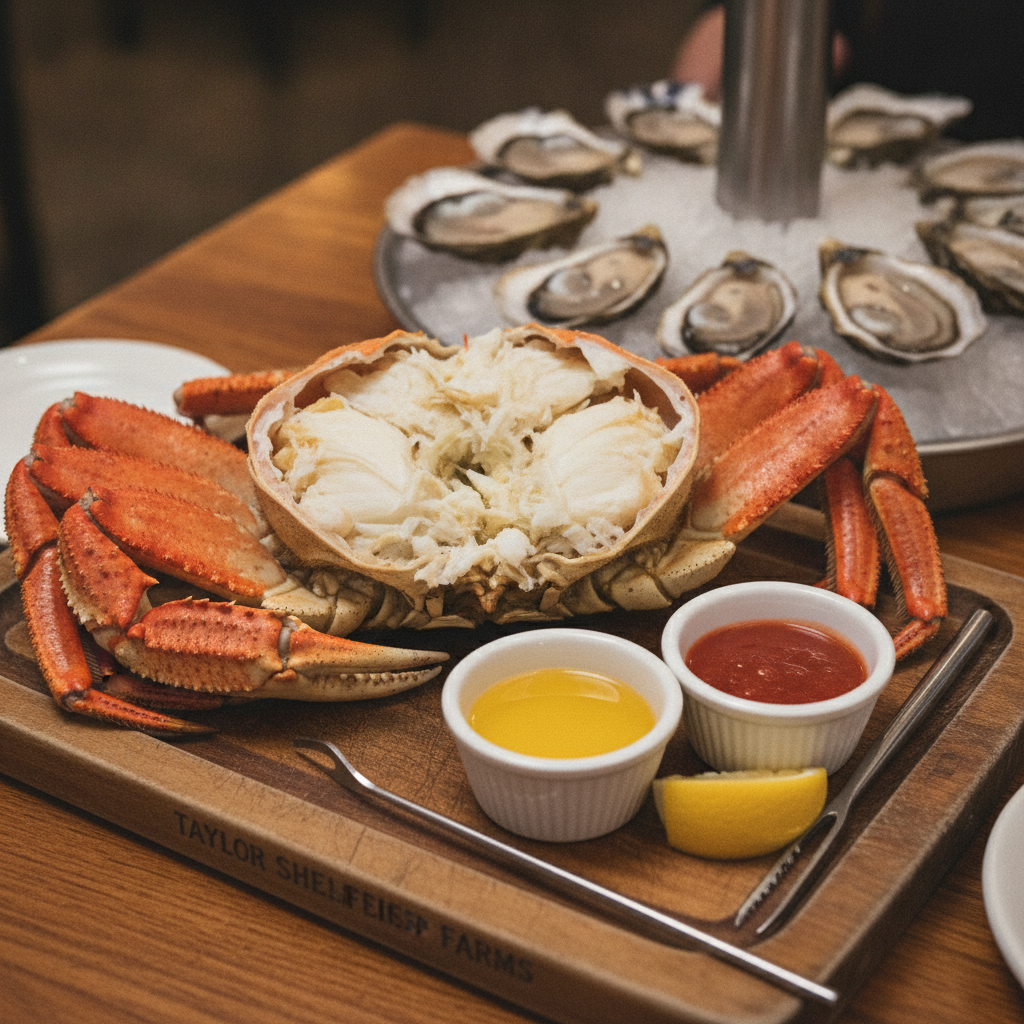
Seattle Food Scene — Pacific Seafood, Craft Beer & Farm-to-Table
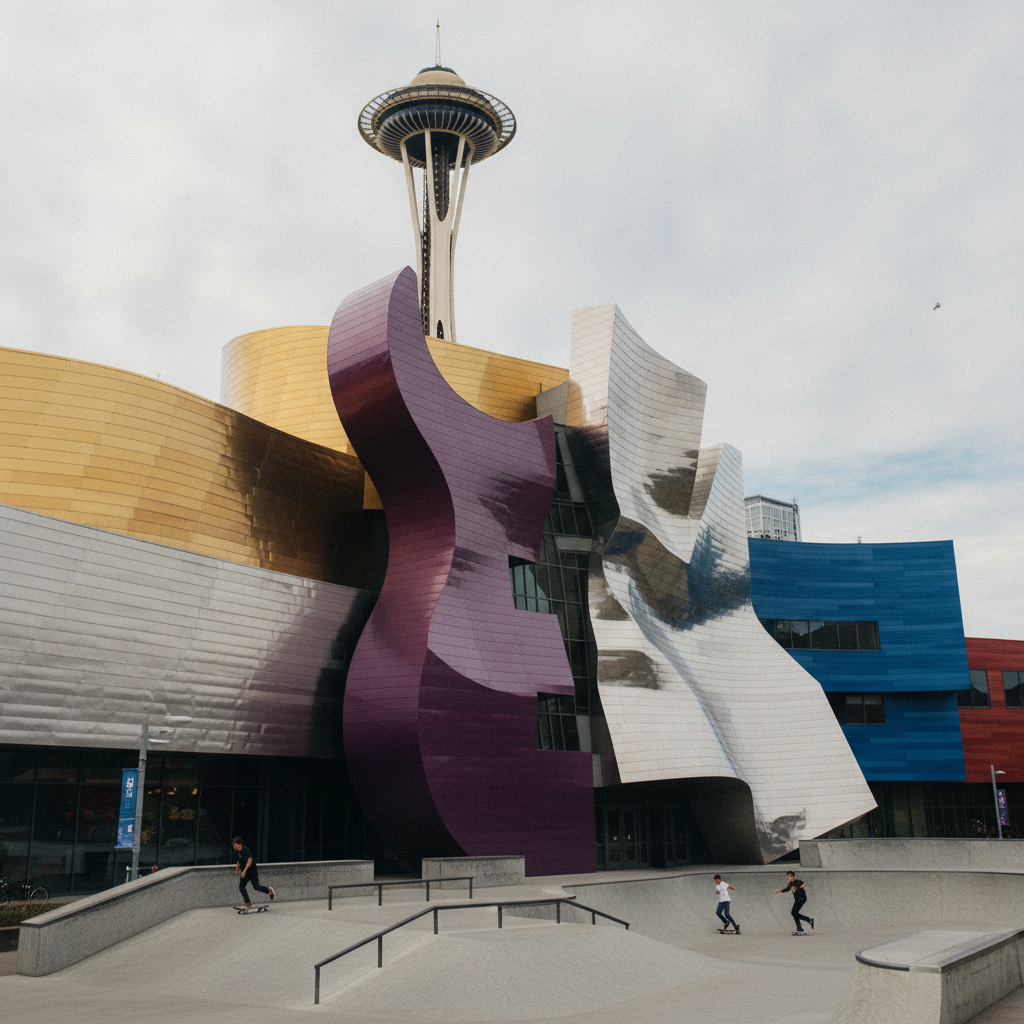
Grunge, Jimi Hendrix & Seattle's Music Legacy