Flamenco, Tapas & the Andalusian Soul of Seville
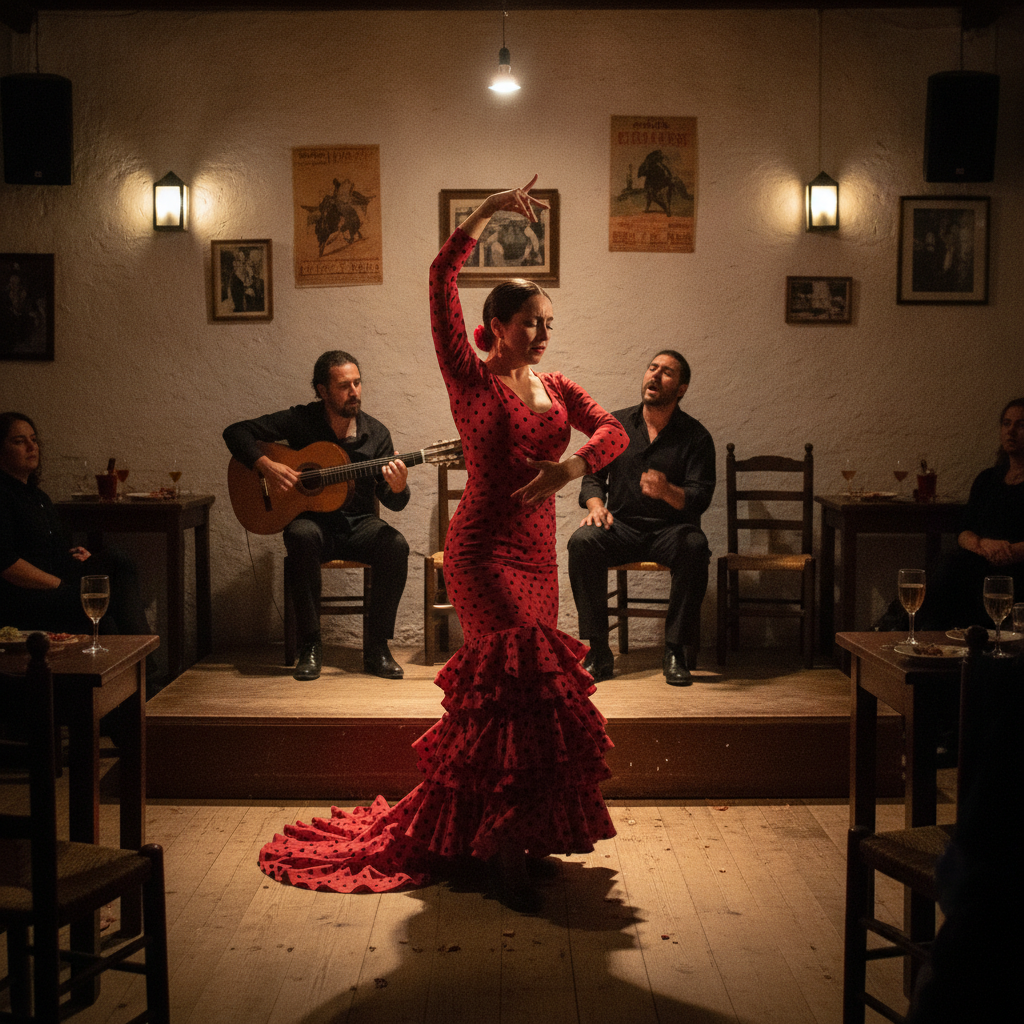
Flamenco (the art form designated UNESCO Intangible Cultural Heritage of Humanity in 2010 — the musical and dance tradition that was born in the Gypsy ('Gitano') communities of Andalusia in the late 18th century and that reached its fullest expression in Seville) and the tapas culture of the Seville taverns (the 'tabernas' and the 'bares de tapas' of the Triana and La Macarena neighbourhoods) together constitute the living soul of Andalusian culture.
- 1
Flamenco — Andalusia's UNESCO Art Form
Flamenco (the 'arte jondo' — the 'deep art', the most complex and the most emotionally powerful performing art of Spain, designated UNESCO Intangible Cultural Heritage of Humanity in 2010): the origin (the origin of flamenco in the late 18th century in the Gypsy ('Gitano') communities of Andalusia — the musical form that fused the traditions of the Gitano people (their own musical traditions, brought from northern India in the 15th-century migration), the Islamic musical tradition of Moorish Andalusia, and the liturgical music of Sephardic Jewish communities, together with elements of the Spanish folk music of Andalusia, to create the unique musical and performance tradition of flamenco): the three elements (the three elements of flamenco — the 'toque' (the guitar playing — the flamenco guitar ('guitarra flamenca'), the slightly lighter and more brightly toned instrument than the classical guitar, played in the percussive, rhythmically complex style of the flamenco accompaniment), the 'cante' (the singing — the flamenco vocal style, characterized by the melismatic ornamentation (the elaboration of a single syllable over many notes), the rhythmically complex phrasing, and the expression of the 'duende' (the untranslatable Gitano concept of the moment of transcendent emotional truth in a performance)), and the 'baile' (the dance — the full-body expression of flamenco emotion, the characteristic arm and hand movements ('floreos'), the body posture ('porte'), and the 'zapateado' (the percussive footwork that is the most visceral and most technically demanding element of the flamenco dance)): the palos (the 'palos' — the different styles/forms of flamenco, each with its own rhythmic structure ('compás'), emotional character, and musical key: the 'soleá' (the foundational flamenco form — the most serious and the most profound of the flamenco palos, in a 12-beat compás), the 'seguiriya' (the most profound and the most tragic of the flamenco palos), the 'bulerías' (the most festive and the most energetic of the palos — the fast 12-beat compás), the 'alegrías' (the 'joys' — the lightest and most festive of the Cádiz-style palos), and the 'tangos' (the fast, light, popular flamenco form in a 4-beat compás)).
- 2
Triana — The Birthplace of Flamenco Across the Guadalquivir
Triana (the neighbourhood on the west bank of the Guadalquivir River, directly opposite the Seville historic centre — the neighbourhood connected to the Seville historic centre by the Puente de Triana (the 'Triana Bridge' — the 1852 iron bridge, the first permanent bridge over the Guadalquivir at Seville)): the history (the Triana — the neighbourhood that is the spiritual home of Seville flamenco and the neighbourhood most associated with the origins of the art form: the Gypsy ('Gitano') community of Triana, who lived in the riverside neighbourhood in the 18th and 19th centuries and from whose musical traditions the flamenco art form emerged): the flamenco dynasties (the great flamenco dynasties of Triana — the families that have preserved and transmitted the flamenco tradition across the generations: the Ortega family (the family of 'El Fillo' (Francisco Ortega Fernández, 1820-c.1878) — the legendary cantaor who is credited with establishing the 'siguiriya gitana' palo as the deepest and most tragic form of the flamenco cante), the Caganchos (the Triana Gitano family that produced the legendary torero 'Cagancho' (Joaquín Rodríguez Ortega, 1903-1984) and several generations of flamenco performers), and the Montoyas (the family that includes the guitarist 'Ramón Montoya' (1879-1949), considered the founder of the modern flamenco guitar style)): the Triana ceramics (the pottery tradition of Triana — the 'cerámica trianera', the ceramic tiles and the glazed earthenware produced in the Triana kilns since the 15th century (the Triana potters being the primary suppliers of the azulejo tiles used in the historic buildings of Seville), the ceramic workshops and the shops on the Calle Alfarería (the 'Potter's Street') in Triana that continue the tradition to the present day)).
- 3
Seville Tapas Culture — La Bodega Experience
Seville tapas culture (the tapas culture of Seville — the most developed and the most deeply embedded tapas culture in Spain, the city where the 'tapa' tradition is said to have originated (the popular legend that King Alfonso X of Castile (1252-1284), recovering from illness, ordered that wine be served only with small bites of food — the 'tapa' (the 'cover') placed over the wine glass to keep out the flies, the origin story that is probably apocryphal but that captures the Seville claim to be the birthplace of the tapa)): the Seville tapas tradition (the Seville tapas tradition — the way of eating and socializing that involves drinking a glass of 'manzanilla' (the dry sherry from Sanlúcar de Barrameda), a 'fino' (the dry sherry from Jerez), or the 'fino' from Montilla-Moriles ('Amontillado') while eating the small portions of food that are the tapas: the classic Seville tapas (the 'montaditos' (the small open sandwiches on the crusty roll), the 'pringá' (the slow-braised meat stew, the drippings of the 'cocido' (the Andalusian stew) spread on the bread), the 'espinacas con garbanzos' (the spinach with the chickpeas — the most characteristic Seville tapa, the dish of Moorish origin that is the staple of the Seville tapas bar), the 'carne mechada' (the rolled and larded beef), and the 'boquerones en vinagre' (the fresh anchovies marinated in the wine vinegar)): the bodega experience (the 'bodega' — the traditional Seville wine tavern, the cool, dark interior hung with the cured ham legs ('jamones') and the aged sherry barrels ('botas'), the bar lined with the wine glasses hanging upside down from the rack above, the atmosphere of the authentic Seville neighbourhood bodega: the El Rinconcillo (the oldest bar in Seville, established 1670, on the Calle Gerona in the La Macarena neighbourhood — the bar that is the most famous traditional tapas bar in Seville).
- 4
Real Maestranza de Caballería — The Most Beautiful Bullring in Spain
The Plaza de Toros de la Real Maestranza de Caballería de Sevilla (the 'Royal Bullring of Seville' — the bullring on the Paseo de Colón on the bank of the Guadalquivir in the Arenal neighbourhood of Seville, the most famous bullring in Spain and the oldest functioning bullring in the world): the building (the Real Maestranza de Sevilla — the circular bullring built 1761-1881, the baroque facade ('portada'), the distinctive ochre and white colour of the exterior, the grandstand (the 'graderío') and the private boxes ('palcos') of the interior, the fine sand ('albariza') of the 'ruedo' (the arena floor), and the barrier ('barrera') separating the arena from the first row of the seating): the toreo (the 'corrida de toros' — the bullfight, the traditional spectacle that is the most controversial and the most quintessentially Spanish of all cultural practices: the three 'tercios' (the three stages of the corrida — the 'tercio de varas' (the picador on horseback), the 'tercio de banderillas' (the placing of the decorated sticks in the bull's shoulders), and the 'tercio de muerte' (the final third — the faena (the sequence of passes with the cape) and the 'estocada' (the sword thrust)): the Feria de Abril (the 'April Fair' — the most famous season for the corrida de toros in Seville, the week of the Feria de Abril (the Seville Spring Fair), when the finest toreros perform in the Real Maestranza in the most prestigious corridas of the season): the Museo Taurino (the bullfighting museum within the Real Maestranza — the museum of the history of the corrida in Seville, with the collection of the 'trajes de luces' (the matador's 'suits of lights' — the elaborately embroidered silk costumes) of the great Seville toreros (the 'Juan Belmonte' (1892-1962 — the Seville torero who revolutionized the bullfight by standing still before the bull instead of moving away), the 'Joselito' (José Gómez Ortega, 1895-1920 — the most technically perfect torero in history, killed in the arena at Talavera de la Reina at age 25), and the 'Curro Romero' (Francisco Romero López, b.1933 — the most idolized torero in the history of the Real Maestranza)).
- 5
Jerez & the Sherry Triangle — A Day Trip from Seville
Jerez de la Frontera (the city 90 km south of Seville, accessible in 1 hour by the intercity train from Seville Santa Justa station — the 'sherry capital' of Spain, the city that gives its name to the 'Jerez-Xérès-Sherry' DO (Denominación de Origen — the wine appellation that governs the production of sherry wine)): the sherry (the 'Jerez' wine — the fortified wine produced in the 'Sherry Triangle' (the triangle of three towns: Jerez de la Frontera, Sanlúcar de Barrameda, and El Puerto de Santa María) from the Palomino Fino grape variety, aged in the 'solera' system (the fractional blending system in which younger wines are progressively blended with older wines in the series of barrels ('criaderas') that feed the 'solera' (the oldest layer of the barrel system), the system that produces the characteristic consistency and complexity of the finest sherries)): the sherry styles (the principal sherry styles — the 'Fino' (the driest and the most delicate — the pale, dry, bone-dry sherry aged under the 'flor' (the yeast veil that forms on the surface of the wine in the barrel), the sherry served chilled with the jamón, the olives, and the Seville tapas), the 'Manzanilla' (the finest and the most delicate of the fino-style sherries — from Sanlúcar de Barrameda, where the maritime climate produces the lightest 'flor' and the most delicate wine), the 'Amontillado' (the fino that has lost its flor and is then aged oxidatively — the wine with the characteristic amber colour and the nutty oxidative character), the 'Oloroso' (the rich, full-bodied, dark amber sherry aged without the flor in the oxidative style), and the 'Pedro Ximénez' (the intensely sweet, dark sherry from the sun-dried Pedro Ximénez grapes)): the bodegas (the great sherry bodegas of Jerez — the González Byass (the producer of the 'Tío Pepe' brand, the most internationally distributed fino sherry), the Lustau, the Osborne, and the Fundador).
- 6
Seville's Golden Age — Velázquez, Zurbarán & the Baroque Painters
Seville's Golden Age art (the 'Siglo de Oro' — the Spanish Golden Age (approximately 1550-1700), the period when Seville was the richest and the most culturally vibrant city in Spain (the wealthiest city in Europe for much of the 16th century, as the monopoly port for the trade with Spanish America) and the birthplace of two of the greatest painters in the history of Western art): Diego Velázquez (the painter Diego Rodríguez de Silva y Velázquez (1599-1660) — the greatest painter of the Spanish Golden Age and one of the most important painters in the history of Western art (his 'Las Meninas' (1656) is consistently ranked as the most complex and the most intellectually sophisticated painting in Western art history), born in Seville, trained in the Seville workshop of Francisco Pacheco (1564-1644), and painting in Seville until 1623 when he was appointed court painter to King Philip IV of Spain in Madrid): Bartolomé Esteban Murillo (the painter Bartolomé Esteban Murillo (1617-1682) — the most beloved painter of 17th-century Seville, the painter who spent his entire career in Seville, the painter famous for the 'genre scenes' (the paintings of the street children and the beggars of Seville — the 'Dos Niños Comiendo Melón y Uvas' (c.1645-1655) and the 'Niños Jugando a los Dados' (c.1675)), the religious paintings for the churches and the convents of Seville, and the Marian paintings (the 'Inmaculada Concepción' — the paintings of the Virgin Mary as the Immaculate Conception that are the most distinctive contribution of the Seville School to European Baroque painting)): the Museo de Bellas Artes de Sevilla (the 'Fine Arts Museum of Seville' — the museum in the former Convento de la Merced on the Plaza del Museo, the second most important art museum in Spain after the Prado, with the finest collection of Seville School paintings (the Murillo, the Zurbarán, the Velázquez, and the Valdés Leal) in the world).
Walk this route with audio
Stories play automatically as you reach each stop — no tapping needed.
More in seville
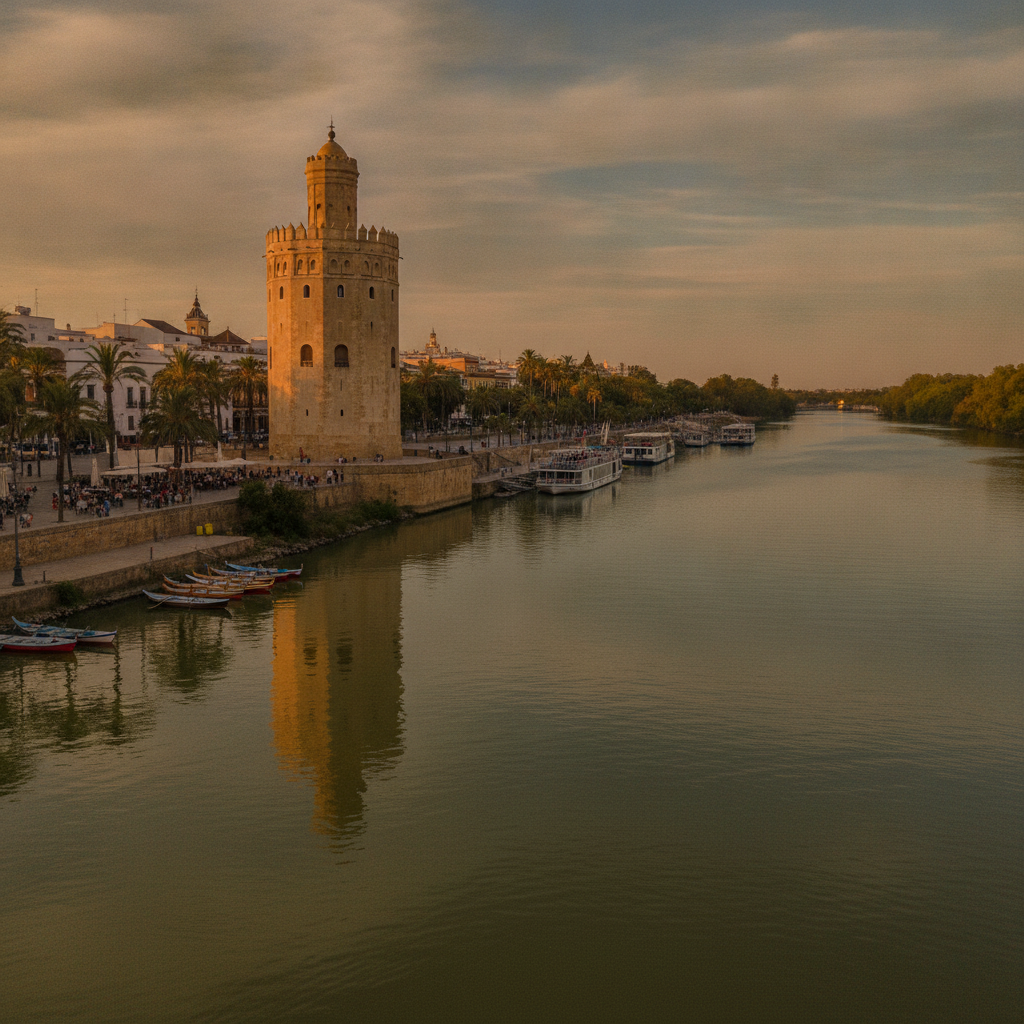
Guadalquivir River, Torre del Oro & Seville's Waterfront
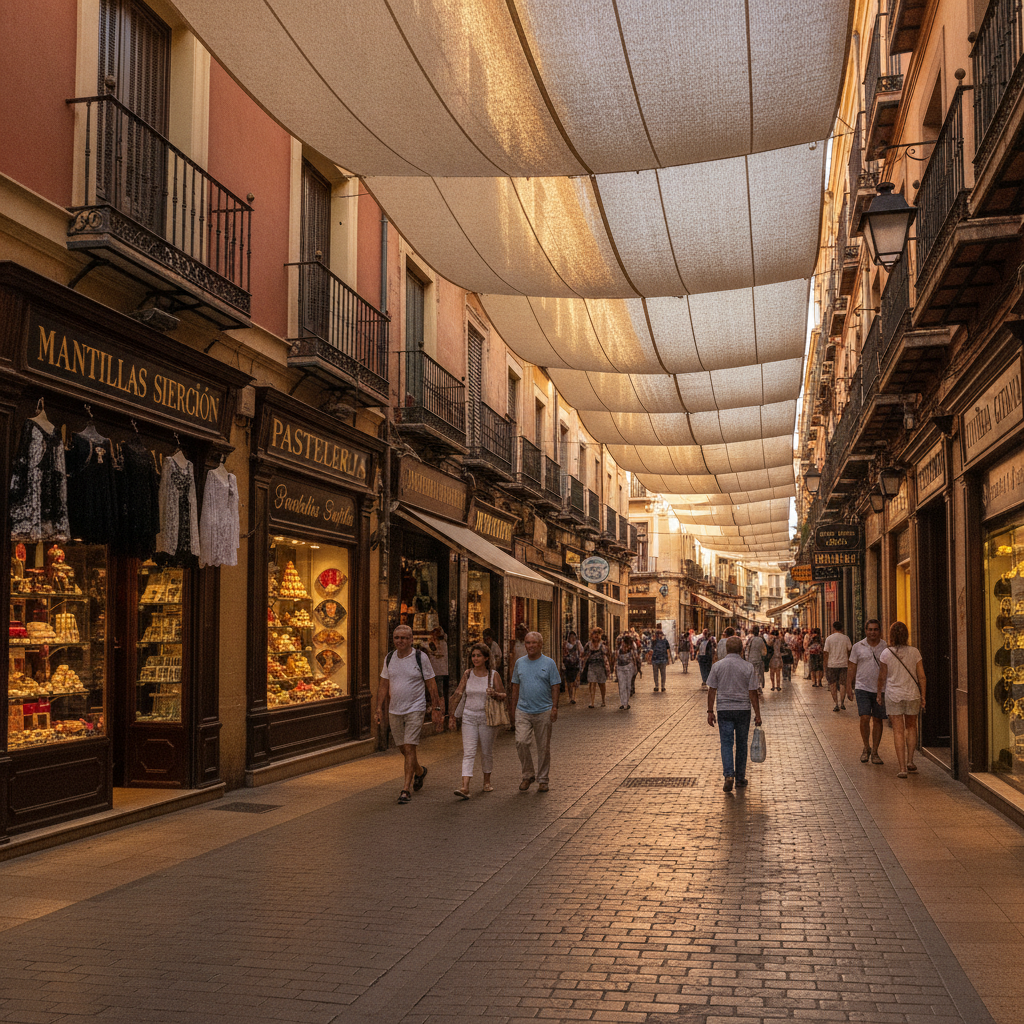
Calle Sierpes, Mantillas & Seville's Shopping Traditions
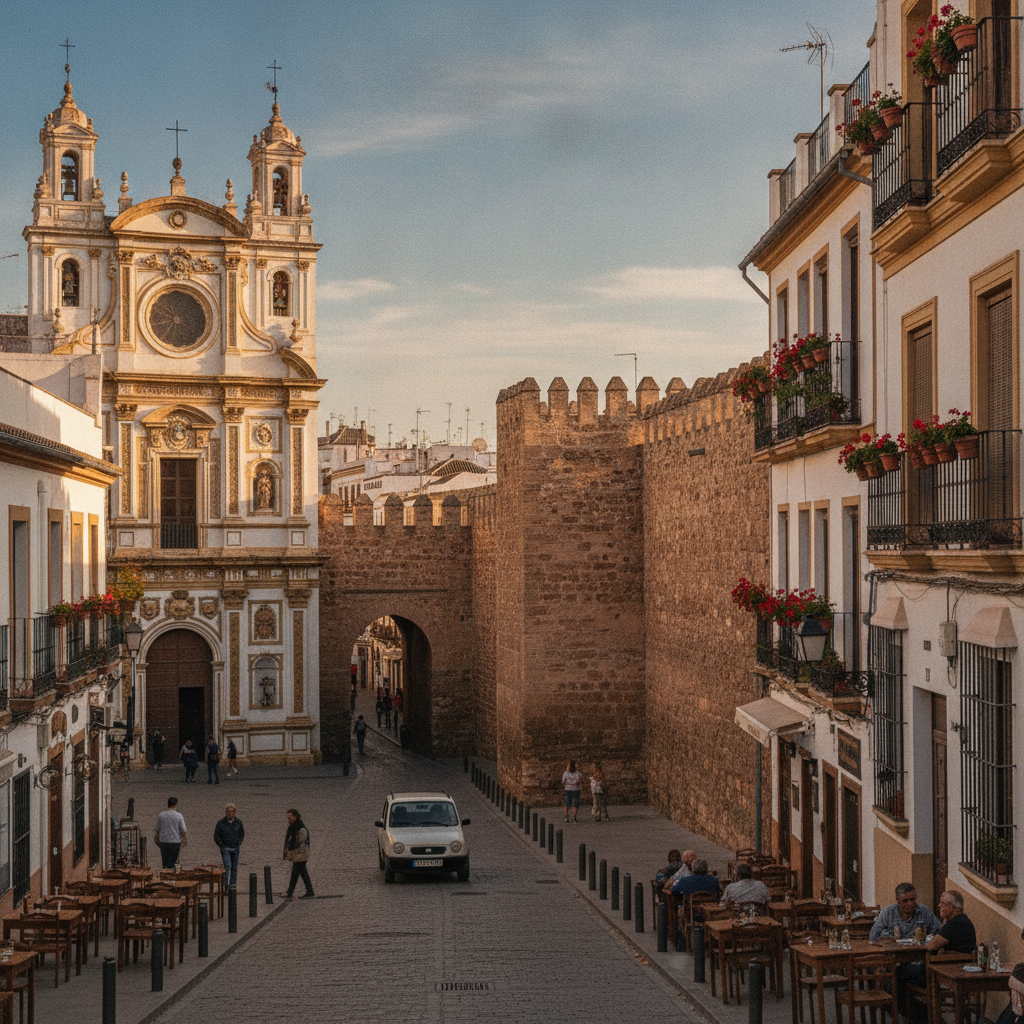
La Macarena, La Alameda & Seville's Working-Class Soul
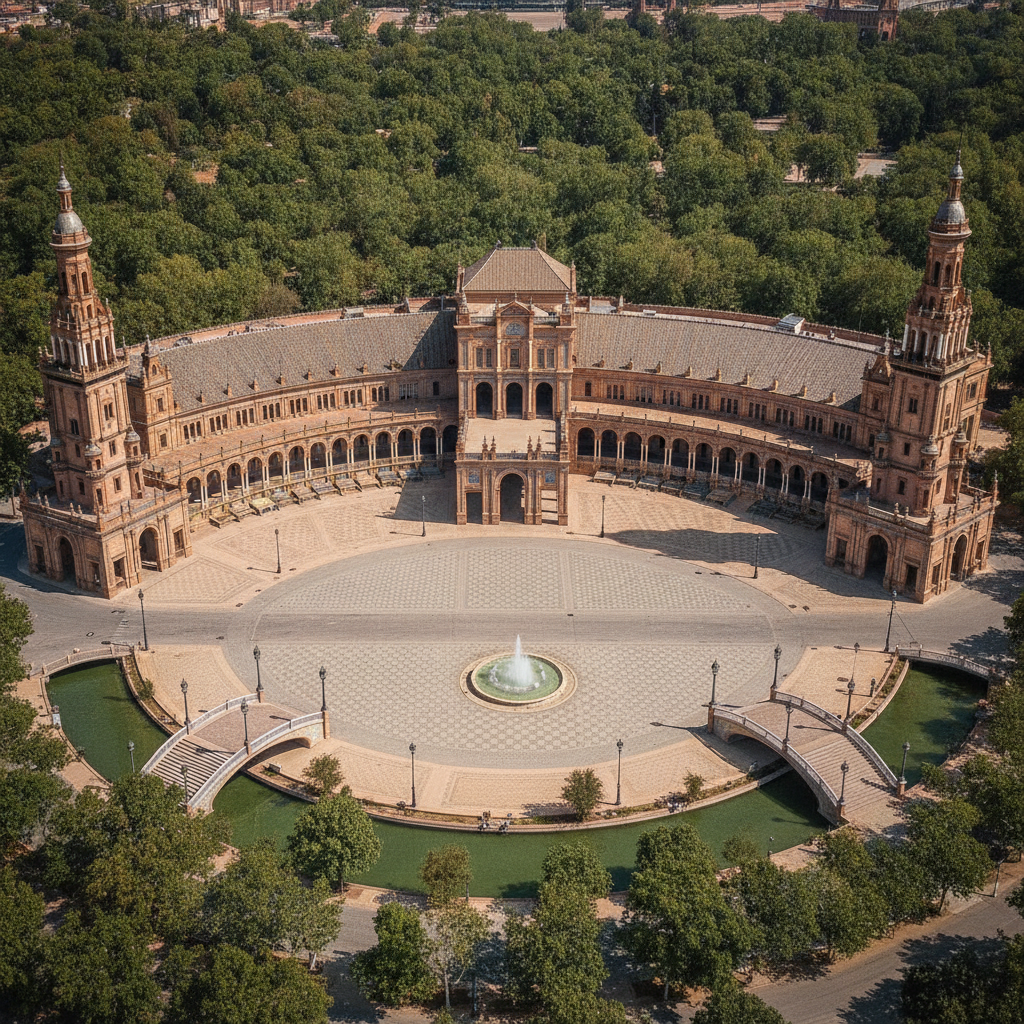
1929 Exposition, Park Architecture & Seville's Modernist Legacy
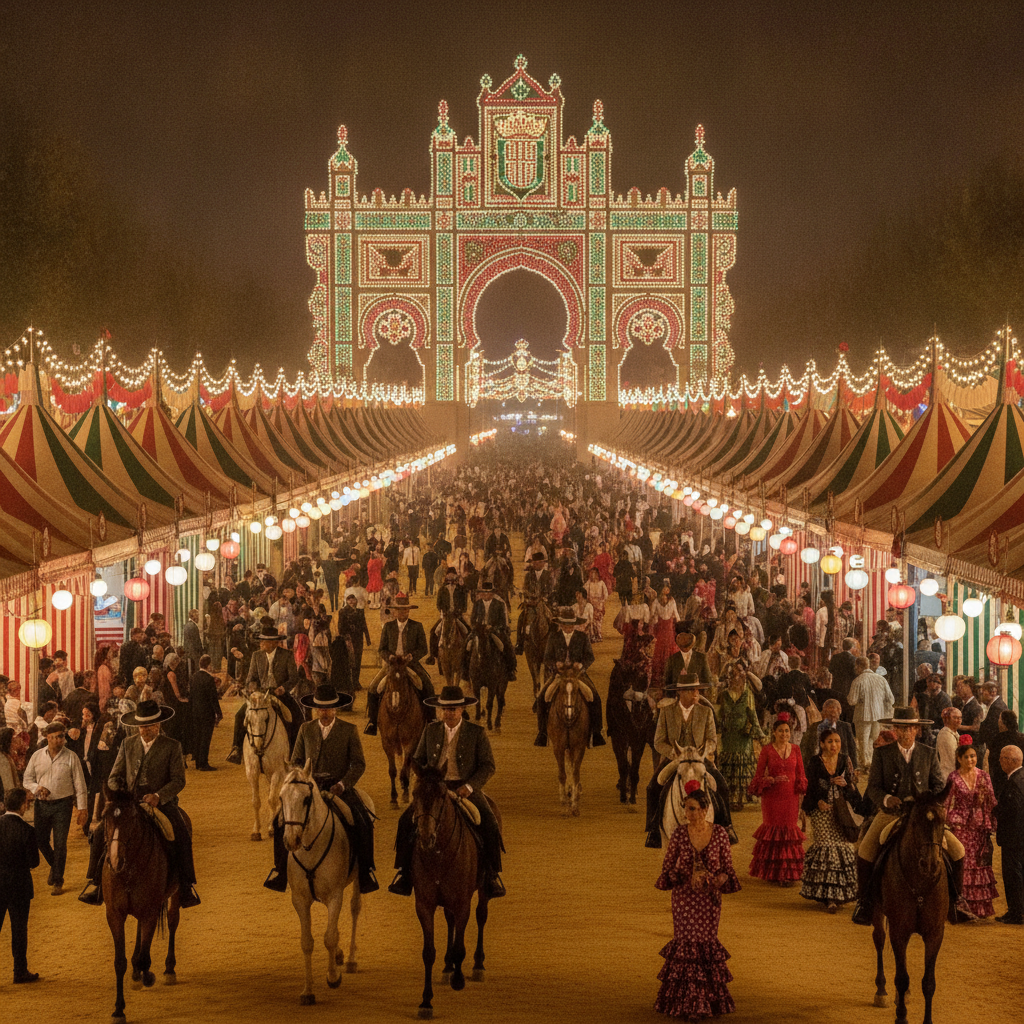
Feria de Abril, Semana Santa & Seville's Great Festivals