Yu Garden, Old Town & City God Temple — Ming Shanghai
The Yu Garden (豫园), the City God Temple (城隍庙), and the Old Town of Shanghai (南市 — Nánshì) together form the surviving pre-colonial core of Shanghai — the city as it existed before the opening of the treaty ports in 1842 and the development of the foreign concessions that created modern Shanghai.
- 1
Yu Garden — The Ming Dynasty Garden Masterpiece
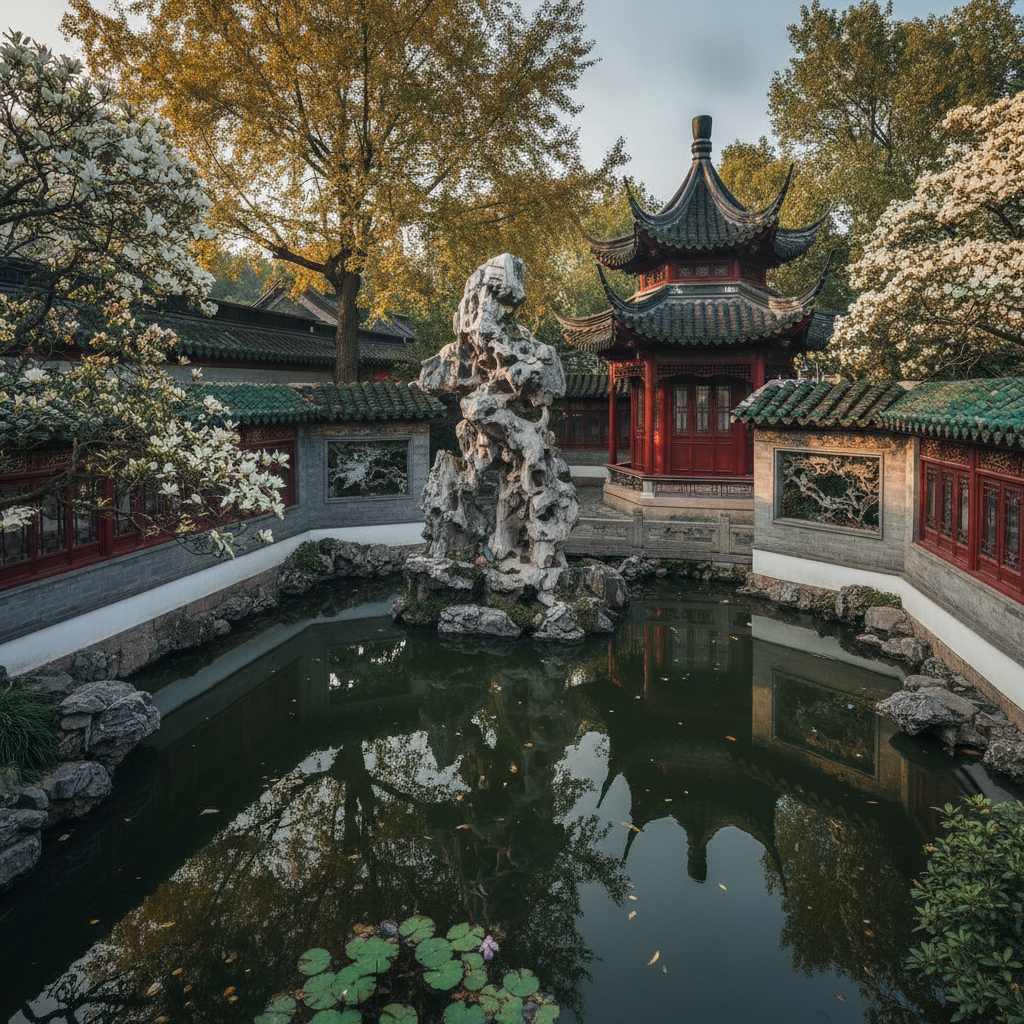
Yu Garden (豫园 — Yùyuán — 'Garden of Leisurely Peace', in the Huangpu district in the historic Old Town of Shanghai, adjacent to the City God Temple — the finest surviving Ming dynasty private garden in eastern China, covering 2 hectares within the historic walled old city of Shanghai): the garden (built 1559-1577 by the Ming dynasty official Pan Yunduan for his father Pan En — the father-son dedication that gives the garden its name (Yu 豫 meaning 'pleased' or 'leisurely') to create a tranquil retirement retreat in old age; seized as a public gathering space by the Small Swords Society (小刀会) during the 1853 Uprising and subsequently by the French military, severely damaged, and restored in 1956 by the People's Government) is divided into six main garden areas (the Inner Garden (内园), the Grand Rockery Area (大假山区), the Wanhua Chamber Area (万花楼区), the Dianchun Hall Area (点春堂区), the Huijing Chamber Area (会景楼区), and the Yuhua Hall Area (玉华堂区)) connected by meandering paths and corridor-galleries; the Exquisite Jade Rock (玉玲珑 — the 3.3-metre Taihu limestone rock (太湖石 — the porous lake rock from Lake Tai that is the defining material of the Jiangnan garden tradition), one of the three most celebrated rocks in Chinese garden history) and the Grand Rockery (大假山 — the 14-metre artificial hill of yellow Wukang stone, the largest Ming dynasty garden rockery in eastern China) are the focal points.
- 2
City God Temple & the Old Town Bazaar
The City God Temple (城隍庙 — Chénghuáng Miào — the Taoist temple of the City God (城隍 — the spiritual guardian deity of Shanghai) in the heart of the Old Town, originally converted from the Jinkun King Temple (金山神庙) in 1403 during the Yongle reign of the Ming dynasty, rebuilt and expanded through the Ming and Qing dynasties, destroyed by fire in 1924, and rebuilt in its current form in 1926 in the traditional Taoist temple style (双戧单檐歇山式 — the double-eave hip roof style with upturned corner eaves)): the City God Temple complex (including the main hall housing the statue of the City God (城隍 — the deified governor Chen Huacheng (陈化成), who died defending Shanghai against the British forces in 1842 during the First Opium War — the god of the city martyred in the founding moment of modern Shanghai)) is still an actively worshipped Taoist temple; the surrounding bazaar (城隍庙商业区 — the commercial district immediately surrounding the temple, covering several city blocks with traditional-style buildings housing restaurants specializing in Shanghai traditional snacks (小南国 — the Xiaonanguo restaurant chain known for Shanghai home cooking), tea houses (湖心亭茶楼 — the mid-lake pavilion teahouse in the centre of the Old Town's artificial lake, reached by the Nine-Turn Bridge (九曲桥 — the 72-metre zigzag bridge that is the most photographed structure in the Old Town)), and shops selling traditional crafts and souvenirs) is the most commercially vibrant traditional-style district in Shanghai.
- 3
The Nine-Turn Bridge & Mid-Lake Pavilion
The Nine-Turn Bridge (九曲桥 — Jiǔqū Qiáo — the 72-metre zigzag wooden footbridge over the Old Town's central lake (人工湖), connecting the Fuyou Road bazaar area to the mid-lake pavilion teahouse — the most photographed element of the Yu Garden / Old Town complex and one of the most iconic images of Shanghai): the bridge (reconstructed in stone in its current form in 1914 — the earlier Ming dynasty bridge was wooden) has nine 'bends' (the traditional number in Chinese aesthetics, 'nine' (九 — jiǔ) being the maximum single-digit number and therefore associated with completeness, imperial authority, and good fortune — the Forbidden City has 9,999 rooms, the Tiananmen Tower has 9 archways, the Nine-Turn Bridge has 9 turns) that force pedestrians to change direction as they cross, a design feature from the ancient Chinese belief that evil spirits can only travel in straight lines and will therefore be unable to follow a person across a zigzag bridge; the Huxinting Teahouse (湖心亭茶楼 — 'Mid-Lake Pavilion Teahouse', the five-sided pavilion on the central island in the Old Town lake, reached by the Nine-Turn Bridge — the oldest surviving teahouse in Shanghai (built 1855), famous for having served tea to Queen Elizabeth II in 1986 and Bill Clinton in 1998) is the Shanghai landmark most evocative of the pre-modern city.
- 4
Shanghai's Traditional Food Culture — Xiaolongbao & Dim Sum
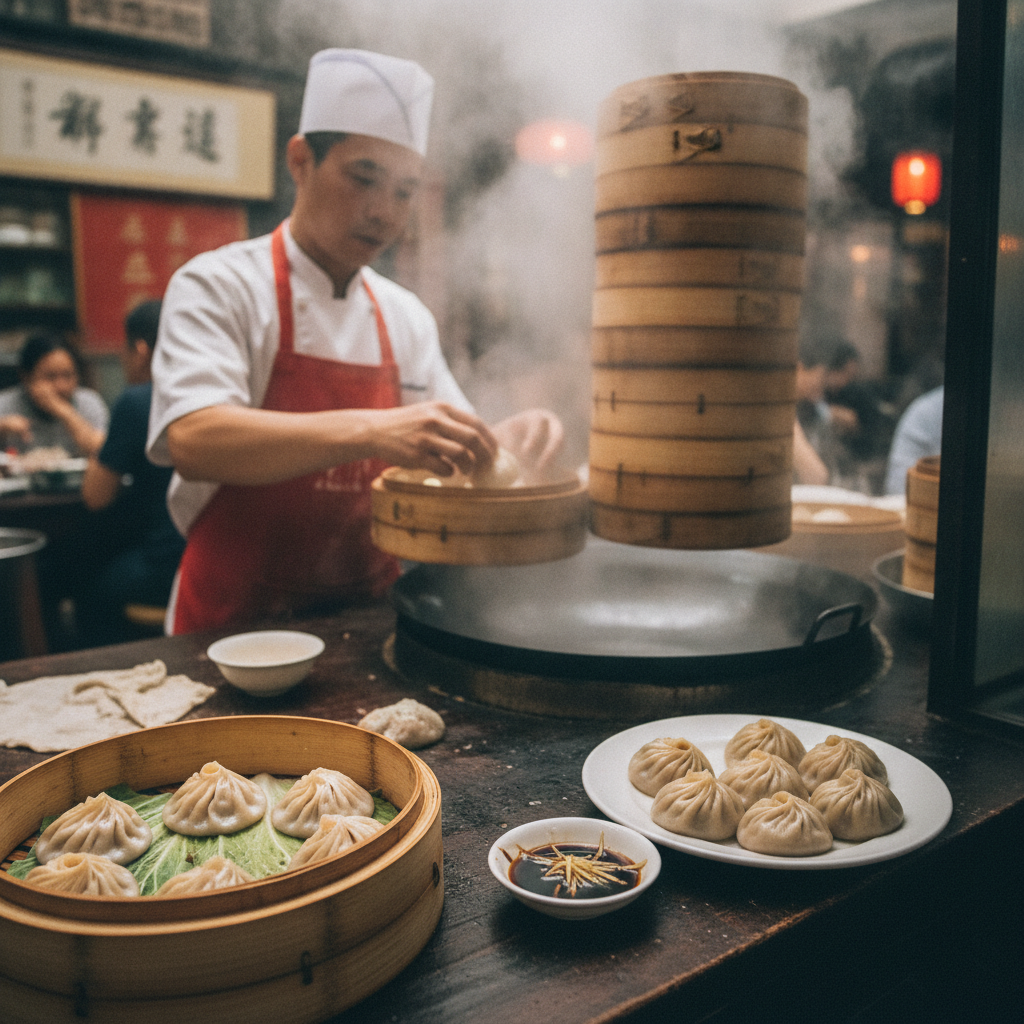
Shanghai cuisine (沪菜 — Hù cài — the cuisine of Shanghai and the surrounding Jiangnan region, characterized by its sweet seasoning (甜 — tián, the use of sugar in savoury dishes distinguishing Shanghainese cooking from most other Chinese regional cuisines), the abundance of freshwater fish, river crab (大闸蟹 — dàzhá xiè — hairy crab from Yangcheng Lake (阳澄湖大闸蟹), the most prized seasonal delicacy in Shanghai, eaten in October-November), and pork braised in soy and sugar (红烧肉 — hóngshāo ròu — 'red-cooked pork', braised pork belly in a caramelized soy-and-rock-sugar sauce, the most famous dish of Shanghai home cooking) — and most importantly the xiaolongbao): the xiaolongbao (小笼包 — 'small basket buns', the soup dumpling (the thin-skinned dumpling with a pork filling and a small portion of pork aspic that melts into hot soup during steaming, creating the defining characteristic of the soup dumpling — the pocket of hot broth inside the wrapper) — the most internationally celebrated Shanghai food and a world-class contribution to gastronomy) is the essential Shanghai food experience; Nanxiang (南翔小笼 — the historic restaurant in the Yu Garden Bazaar (founded 1900) claiming to be the originator of the modern xiaolongbao) and Din Tai Fung (鼎泰丰 — the Taiwanese chain that has elevated the xiaolongbao to global fame) represent the traditional and contemporary poles of xiaolongbao culture.
- 5
Shanghai Museum — The Finest Chinese Art Museum
Shanghai Museum (上海博物馆 — the museum on the south side of People's Square (人民广场 — the central public square of Shanghai, built on the site of the former Shanghai Race Course (上海跑马厅 — the British colonial horse-racing track that was the principal recreation and gambling facility of colonial Shanghai, covering an area of approximately 250 acres in the centre of the International Settlement — the largest single open space in colonial Shanghai)), opened 1996 in the current circular building (designed to represent a ding (鼎 — the ancient Chinese bronze ritual vessel, the form that the circular museum building is meant to echo) — the most important art museum in China and one of the finest in Asia): the permanent collection (approximately 1.2 million items, of which approximately 140,000 are classified as 'precious cultural relics' — the finest collection of ancient Chinese bronzes in the world outside the Palace Museums in Beijing and Taipei (the gallery of pre-Qin bronzes (the 475 bronzes from the Shang and Zhou dynasties (approximately 1600-221 BCE), including the finest collection of Shang dynasty ritual bronzes in any single museum in the world), the finest collection of Chinese ancient painting in any non-national museum in China, and the finest collection of Chinese seals (印章 — the stone personal signature seals used by scholars, artists, and officials) in any museum in the world) makes the Shanghai Museum the single most important destination for Chinese art in the city.
- 6
People's Square & the Cultural Heart of Modern Shanghai
People's Square (人民广场 — Rénmín Guǎngchǎng — the 140,000 m² civic square in the heart of Shanghai, on the south side of the former British colonial Shanghai Race Course — the central civic space of modern Shanghai and the hub of the city's cultural institutions): the square is surrounded by the three most important cultural institutions in Shanghai: the Shanghai Museum (上海博物馆 — on the south side of the square), the Shanghai Grand Theatre (上海大剧院 — the 1998 glass-and-steel opera house on the north side of the square, designed by French architect Jean-Marie Charpentier — the most important performing arts venue in China outside Beijing), and the Shanghai Urban Planning Exhibition Centre (上海城市规划展示馆 — the exhibition on the east side of the square that contains the famous 1:500 scale model of the entire city of Shanghai as it will look when the current master plan is fully built out (the largest architectural scale model in the world), the most extraordinary exhibit in Shanghai for understanding the scale and ambition of the city's ongoing transformation); the Shanghai People's Government headquarters (上海市人民政府 — the restored 1933 civic building (former Shanghai Municipal Government building of the Republic of China era) on the west side of the square) completes the civic ensemble.
Walk this route with audio
Stories play automatically as you reach each stop — no tapping needed.
More in shanghai
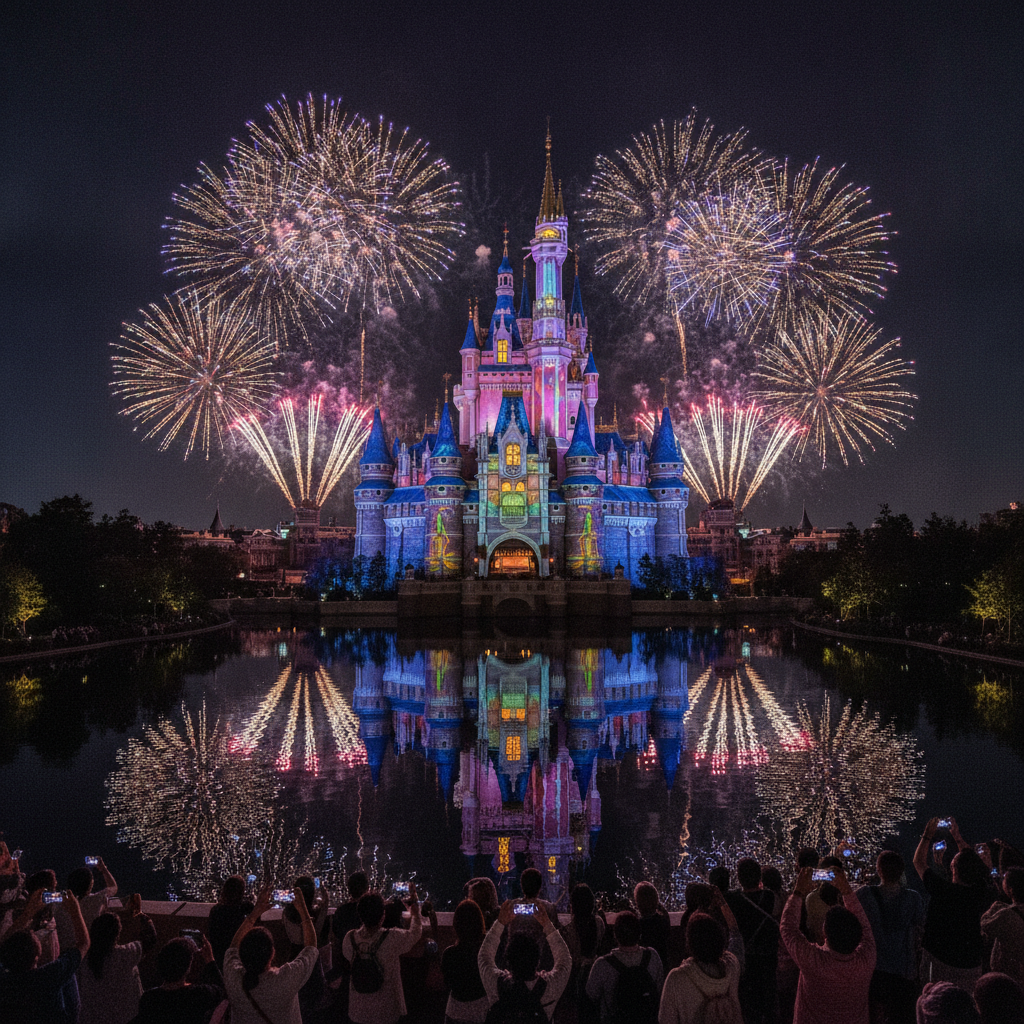
Shanghai Disneyland, Century Park & the New Eastern Shanghai
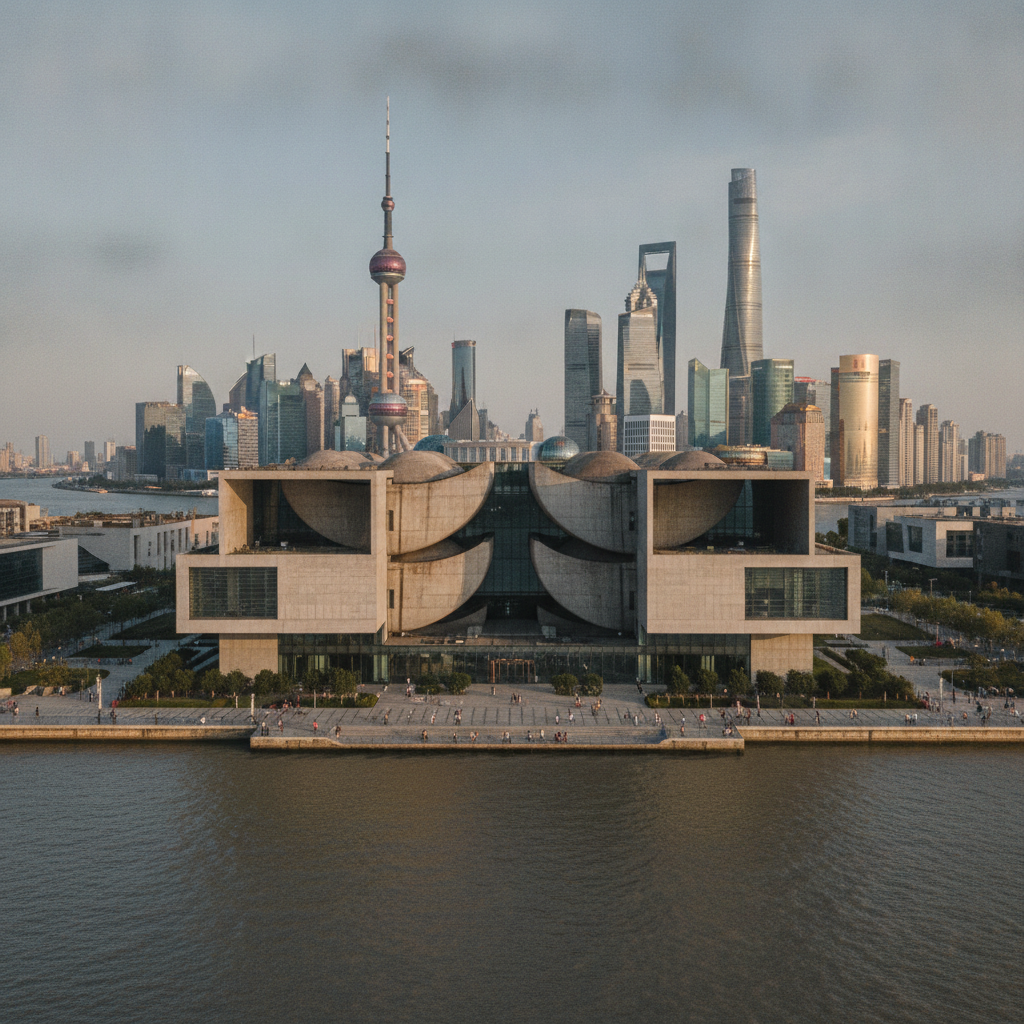
West Bund, M50 & Shanghai's World-Class Art Scene
Shanghai Cuisine — Hairy Crab, Red-Cooked Pork & the Art of Xiaolongbao
French Concession, Tianzifang & Xintiandi — Old Shanghai's Soul
The Bund, Pudong & the Shanghai Skyline — East Meets West