Sofia Essentials: Alexander Nevsky, Roman Serdica & Vitosha
Discover Sofia's 2,000 years of layered history—the iconic golden-domed Alexander Nevsky Cathedral, a 4th-century Roman rotunda with frescoes, the 6th-century basilica that named the city, and one of the Balkans' best-value museum districts, all beneath the constant backdrop of snow-capped Mount Vitosha.
- 1
Alexander Nevsky Cathedral
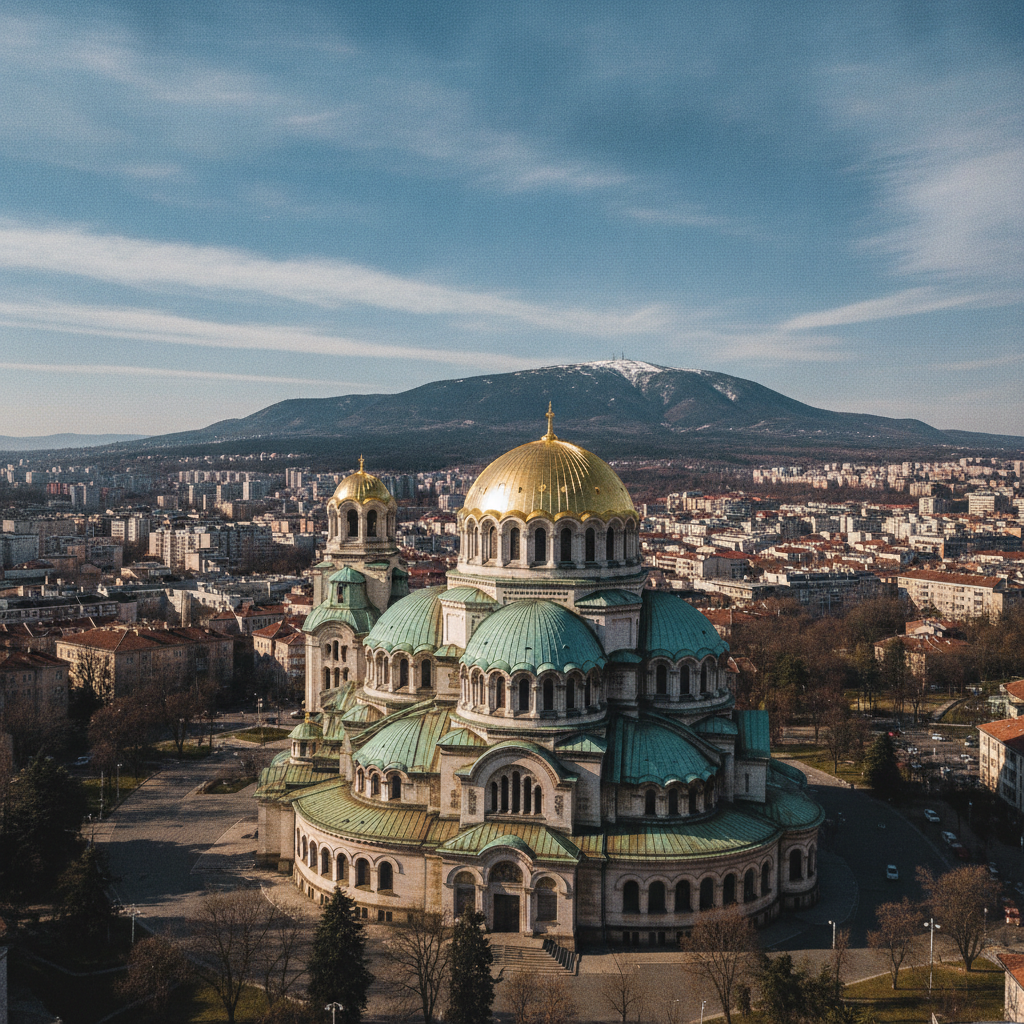
Bulgaria's most iconic building and one of the largest Orthodox cathedrals in the world, Alexander Nevsky was built 1882–1912 to honour the Russian soldiers who died liberating Bulgaria from Ottoman rule in 1877–1878. The gilded neo-Byzantine dome dominates Sofia's skyline; the crypt houses Bulgaria's most important collection of medieval icons and religious art.
- 2
Vitosha Boulevard & City Centre
Sofia's main pedestrian artery—Vitosha Boulevard (Vitosha bul.)—runs south from the National Palace of Culture, lined with shops, cafés, and the ever-present view of Mount Vitosha framed at the end of the street. The adjacent Ploshtad Sveta Nedelya square hosts the Church of Sveta Nedelya and the lively city centre hub around which Sofia's daily life revolves.
- 3
Sveta Sofia Basilica & Roman Serdica
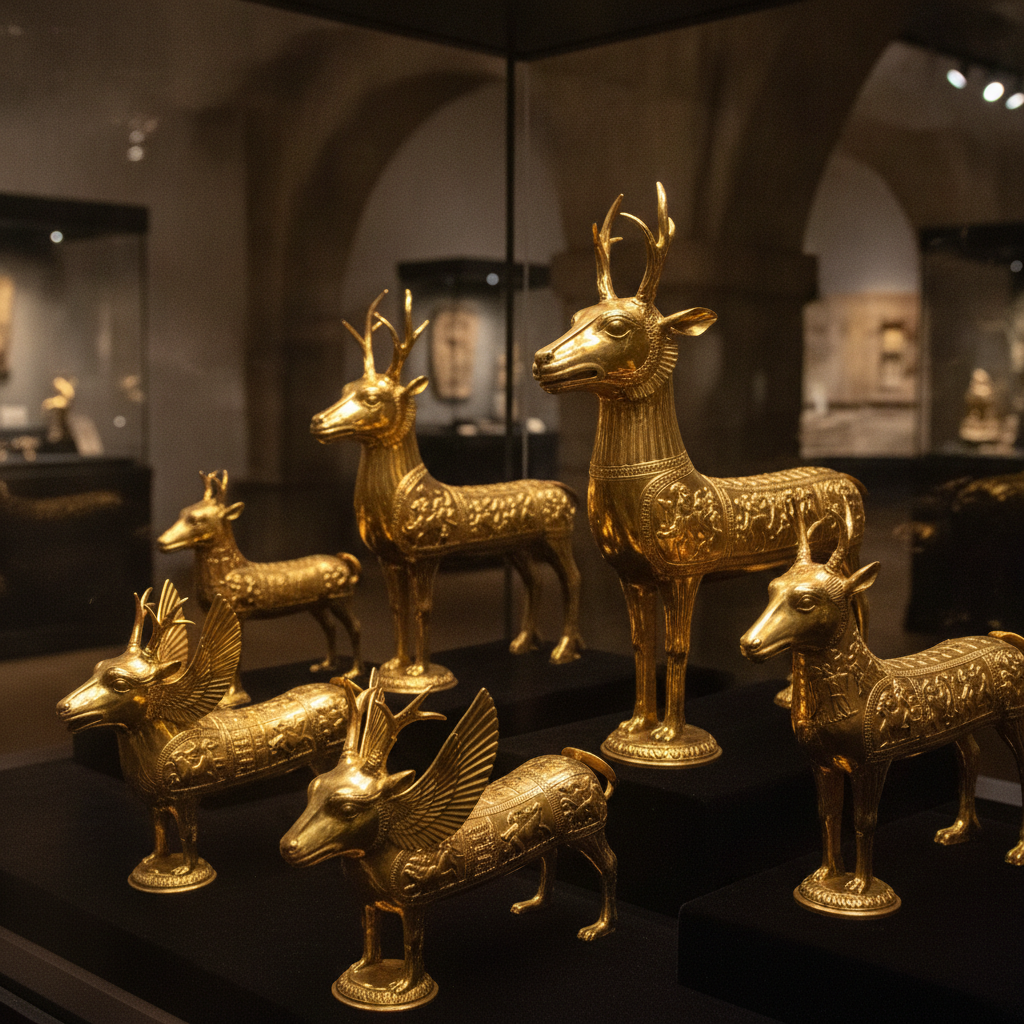
The 6th-century Sveta Sofia Basilica—one of the oldest Christian churches in the Balkans—gave the city its name. Beneath it, excavations have revealed the Roman city of Serdica, and the church's crypt displays Roman mosaics and sarcophagi. Adjacent to the basilica, the Archaeological Museum occupies a former mosque and houses the Panagyurishte gold treasure.
- 4
Rotunda of St George & Antique Serdica
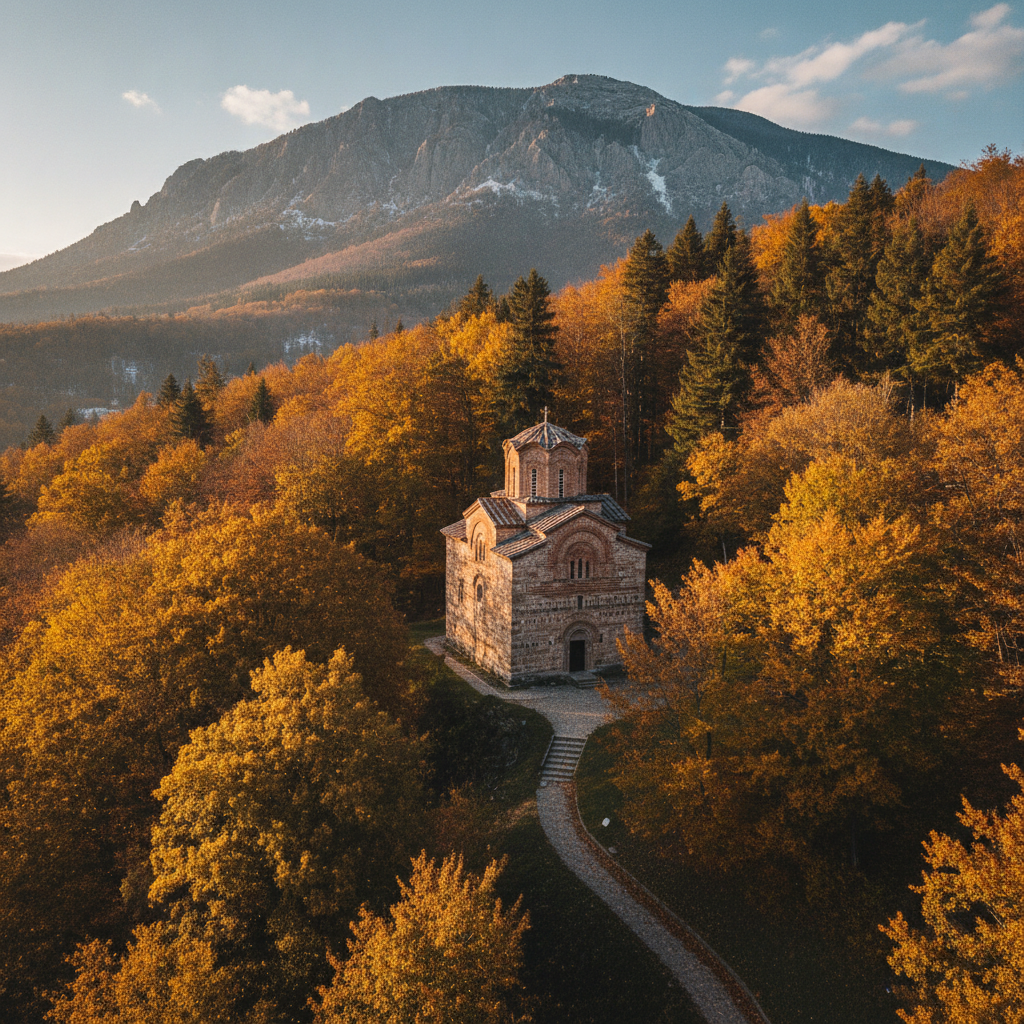
Sofia's oldest monument—the 4th-century Roman rotunda church of Sveti Georgi—sits in a remarkable courtyard between the Sheraton hotel and the Presidency building, its brick dome ringed by 11th, 12th, and 14th-century frescoes in successive layers. The surrounding complex reveals Roman street paving, forum remains, and public baths from the 2nd-century provincial capital of Serdica.
- 5
National Palace of Culture (NDK)
The vast NDK congress centre—the largest multifunctional complex in southeastern Europe—was built in 1981 for Bulgaria's 1,300th anniversary celebrations under communist leader Todor Zhivkov. The surrounding park and fountains are a popular gathering place; the NDK's concert halls host major cultural events and the Sofia Film Festival each March.
- 6
Sofia's Free Walking Tours & Museum District
Sofia is exceptionally budget-friendly. Several free walking tours depart from the NDK daily (tipping the guides at the end). The museum district around Alexander Nevsky houses the National Gallery in the former Royal Palace, the Museum of Earth and Man (minerals and crystals), the ethnographic museum, and the Archaeological Museum—most with very low entry fees by Western European standards.
Walk this route with audio
Stories play automatically as you reach each stop — no tapping needed.
More in Sofia
Sofia Practical Guide: Metro, Budget Tips & Getting Around
Sofia on a Plate: Banitsa, Mehanas & Bulgarian Wine
Sofia History: Thracian Gold, Communism & Cyrillic Alphabet
Sofia Escapes: Rila Monastery, Vitosha Mountain & Plovdiv