St. Louis: Victorian Parks, Rock and Roll Sidewalks and the Gateway West
Stroll Tower Grove Victorian pleasure ground, catch a Chuck Berry tribute on the Delmar Loop Walk of Fame, climb City Museum extraordinary salvage art, stand where Dred Scott was tried, follow the literary trail of T.S. Eliot and Tennessee Williams, and trace Lewis and Clark Gateway to the West.
- 1
Tower Grove Park and Victorian Pleasure Ground
Tower Grove Park, donated to the city by Henry Shaw in 1868, is a 289-acre Victorian pleasure ground designated a National Historic Landmark. Shaw personally designed the park based on his travels in Europe, creating a formal landscape with classical pavilions, ornamental gates, statuary, and a series of rectangular reflecting basins. The park contains original Victorian-era structures including three ornamental music stands and the 1872 Turkish pavilion. Four hundred species of trees grow in the park, which the Missouri Botanical Garden continues to steward. The park is surrounded by the Tower Grove South and Shaw neighborhoods, which retain one of the most intact collections of Victorian brick residential architecture in the American Midwest.
- 2
Delmar Loop and University City
The Delmar Loop, named for the old streetcar loop at the end of the Delmar Boulevard line, is an entertainment district straddling the St. Louis city and University City border. The half-mile stretch of Delmar Boulevard concentrates restaurants, music venues, record stores, and independent shops including Blueberry Hill, the rock and roll bar and restaurant opened by Joe Edwards in 1972 that became the nucleus of the district development. Chuck Berry, a St. Louis native, performed his monthly residency at Blueberry Hill from 1996 until shortly before his death in 2017. The St. Louis Walk of Fame, embedded in the Delmar sidewalks since 1989, honors 150 St. Louis area natives including T.S. Eliot, Maya Angelou, Josephine Baker, and Tina Turner.
- 3
City Museum
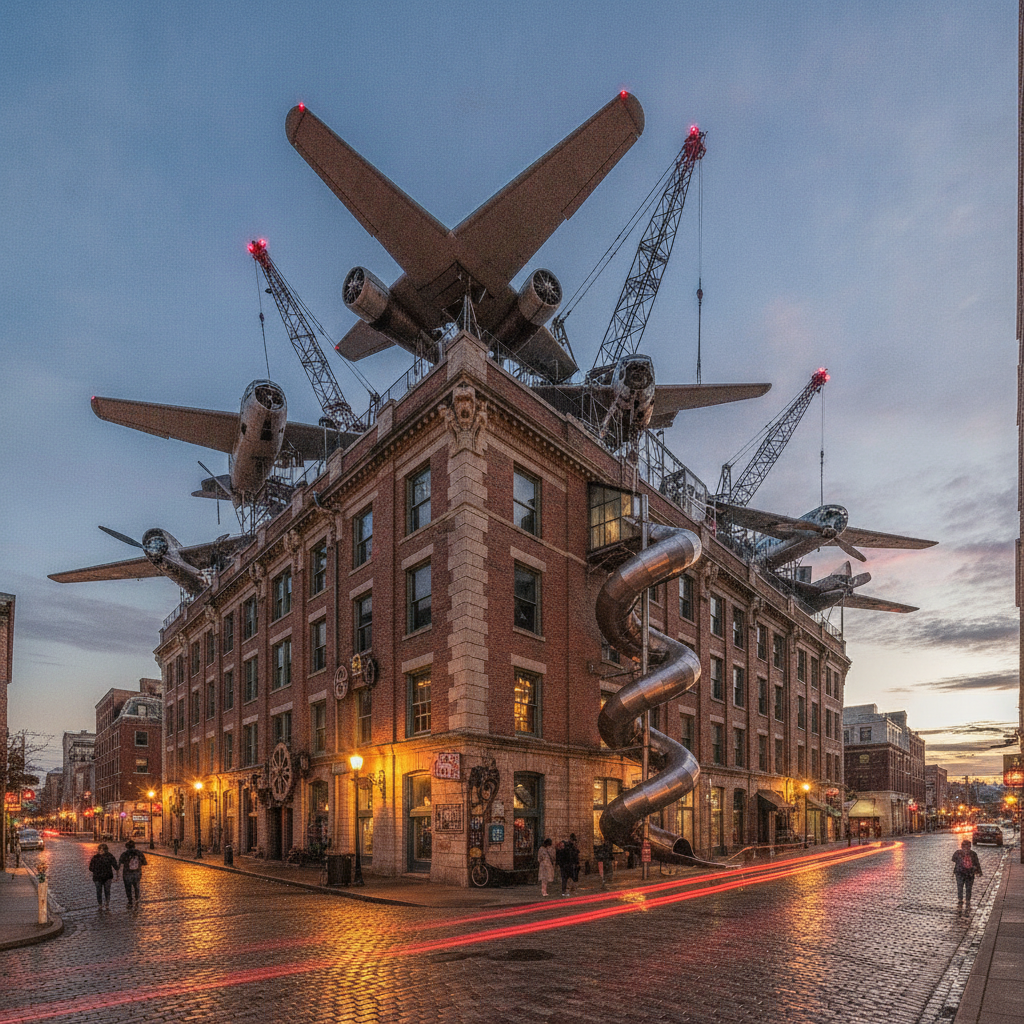
City Museum, opened in 1997 in a former International Shoe Company warehouse in downtown St. Louis, defies categorization as either a museum, a playground, or an art installation. Artist and entrepreneur Bob Cassilly and a team of collaborators converted the 600,000 square foot building using salvaged industrial and architectural materials including airplane fuselages, construction cranes, bridges, and gargoyles into an immersive environment of tunnels, slides, climbing structures, and caves. Cassilly was killed in a 2011 construction accident on the grounds. The building contains a ten-story spiral slide, a rooftop Ferris wheel, a shoelace factory where visitors can watch shoestring production, an aquarium, and an architectural museum of ornamental building fragments collected from demolished St. Louis buildings.
- 4
Old Courthouse and Dred Scott Decision
The Old Courthouse in Gateway Arch National Park, completed in 1862 with a cast iron dome designed by William Rumbold, was the site of the first two Dred Scott trials in 1847 and 1850. Scott, an enslaved man, sued for his freedom on the grounds that he had lived in free territories. After losing in Missouri courts he appealed to the US Supreme Court, which issued its infamous 1857 Dred Scott decision ruling that Black people were not citizens and could not sue in federal court. The decision inflamed national tensions over slavery and contributed directly to the Civil War. The courthouse also hosted suffragist Virginia Minor trial in 1873, where she was denied the right to vote despite the Fourteenth Amendment. Both cases are interpreted in permanent exhibitions inside the building.
- 5
St. Louis in Literature and Film
St. Louis has produced a remarkable concentration of American literary talent. T.S. Eliot, born at 2635 Locust Street in 1888, drew on St. Louis imagery in The Waste Land. Maya Angelou grew up in Stamps, Arkansas but was born in St. Louis. Tennessee Williams set his semi-autobiographical play The Glass Menagerie in a St. Louis apartment. Kate Chopin lived in St. Louis and set The Awakening partly in the city. Vincente Minnelli filmed Meet Me in St. Louis in 1944, starring Judy Garland, creating the most beloved cinematic portrait of the city. The film set its story during the months before and during the 1904 World Fair, cementing that event in American cultural memory. Jonathan Franzen set portions of The Corrections in a St. Louis suburb.
- 6
Gateway to the West and Lewis and Clark
St. Louis earned its Gateway to the West designation as the departure point for the Lewis and Clark Expedition, which set out from Camp DuBois across the river in May 1804 and returned to St. Louis in September 1806 after covering 8,000 miles. The Expedition was commissioned by President Jefferson following the 1803 Louisiana Purchase, in which the United States acquired 828,000 square miles of territory from France for 15 million dollars, doubling the nation size. Meriwether Lewis and William Clark recruited their Corps of Discovery largely from the St. Louis area. The Missouri History Museum in Forest Park holds significant Lewis and Clark artifacts and interprets the Expedition in the context of Native American displacement that followed. The Gateway Arch commemorates this westward expansion legacy.
Walk this route with audio
Stories play automatically as you reach each stop — no tapping needed.
More in St. Louis
St. Louis R3: Scott Joplin (King of Ragtime born 1868 Texarkana, Maple Leaf Rag 1899 first sheet music 1M copies, Entertainer 1902 revived The Sting 1973 7 Oscars, Pulitzer 1976 posthumous, 2658 Delmar House State Historic Site), Josephine Baker (born 1906 St. Louis, Paris 1925 banana dance Folies Bergere most photographed woman 1920s, French Resistance Croix de Guerre Legion d'Honneur, March on Washington August 28 1963 only woman official speaker, French state funeral Notre-Dame April 15 1975 Rainbow Tribe 12 adopted children), Tennessee Williams (Glass Menagerie 1944 set St. Louis family 4633 Westminster Place 1918), Vincent Price (born 1911 St. Louis horror films), Eads Bridge (1874 first steel bridge in world, chromatic steel, pneumatic caissons 33m bedrock first US use, Grant ceremonial July 4 1874, Boeing 14,000 engineers Hazelwood), German food heritage (Forty-Eighters 1848 Missouri Rhineland vineyards, Hill neighborhood Italian toasted ravioli Charlie Gitto's, provel cheese St. Louis pizza Imos Pi Pizzeria Obama 2008, gooey butter cake 1930s mistake), St. Louis decline (856,000 1950 to 300,000 65% largest US city decline, city-county separation 1876, Cortex USD 2B Washington Avenue lofts 3000 units), day trips (Meramec Caverns Jesse James, Elephant Rocks 1.5B year granite, Missouri Wine Country Hermann Norton grape, Grant Hardscrabble farm 1850s).
St. Louis: Garden City, World Fair Parks and American Music Roots
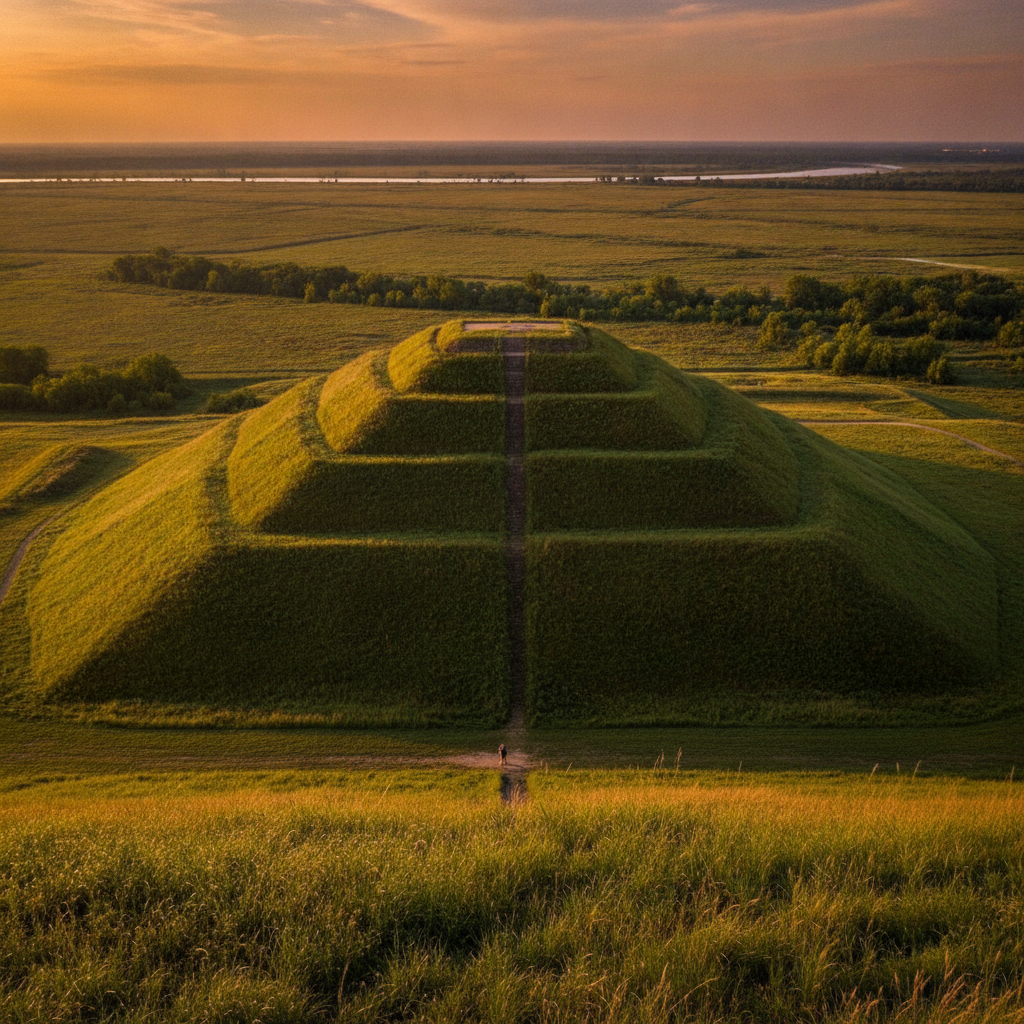
St. Louis: World-Class Art, Ancient Cities and Neighborhood Soul
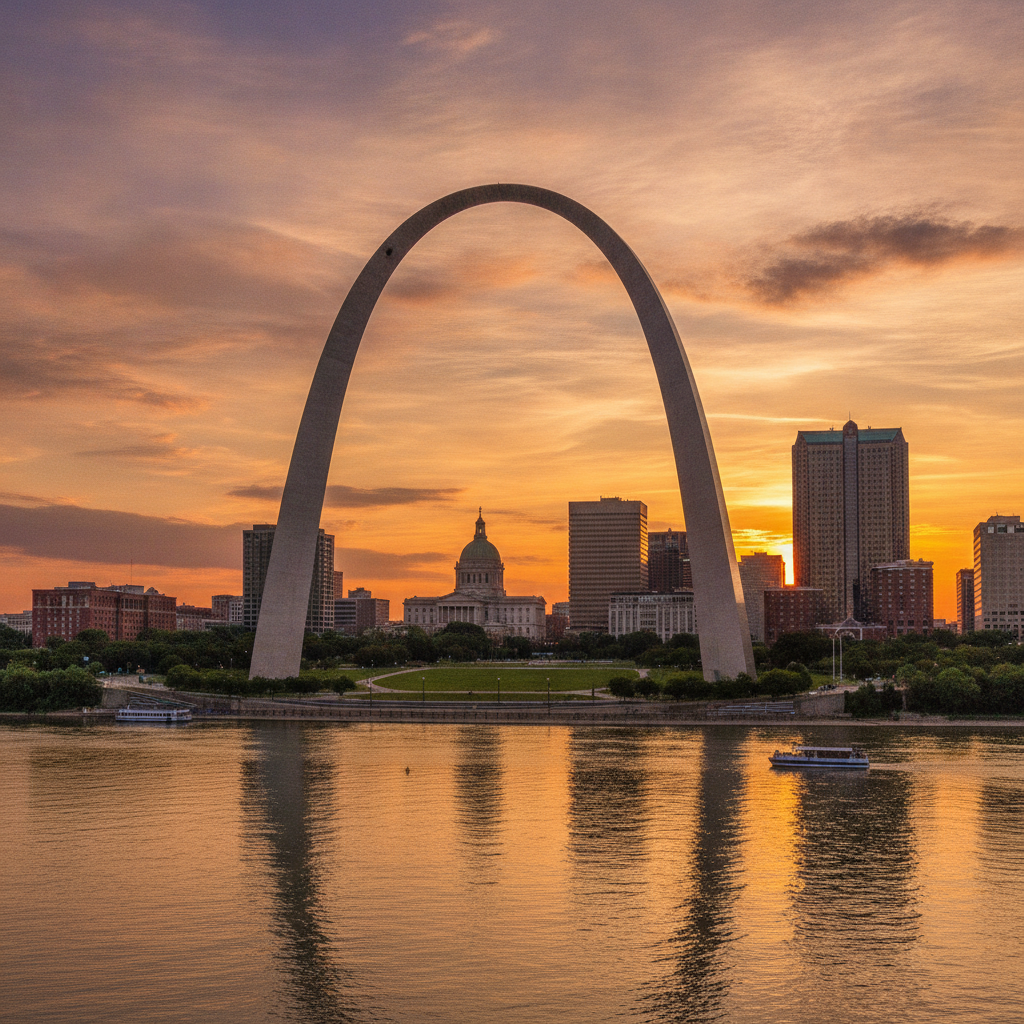
St. Louis: Gateway Arch, founding history, Forest Park, music, sports, and food
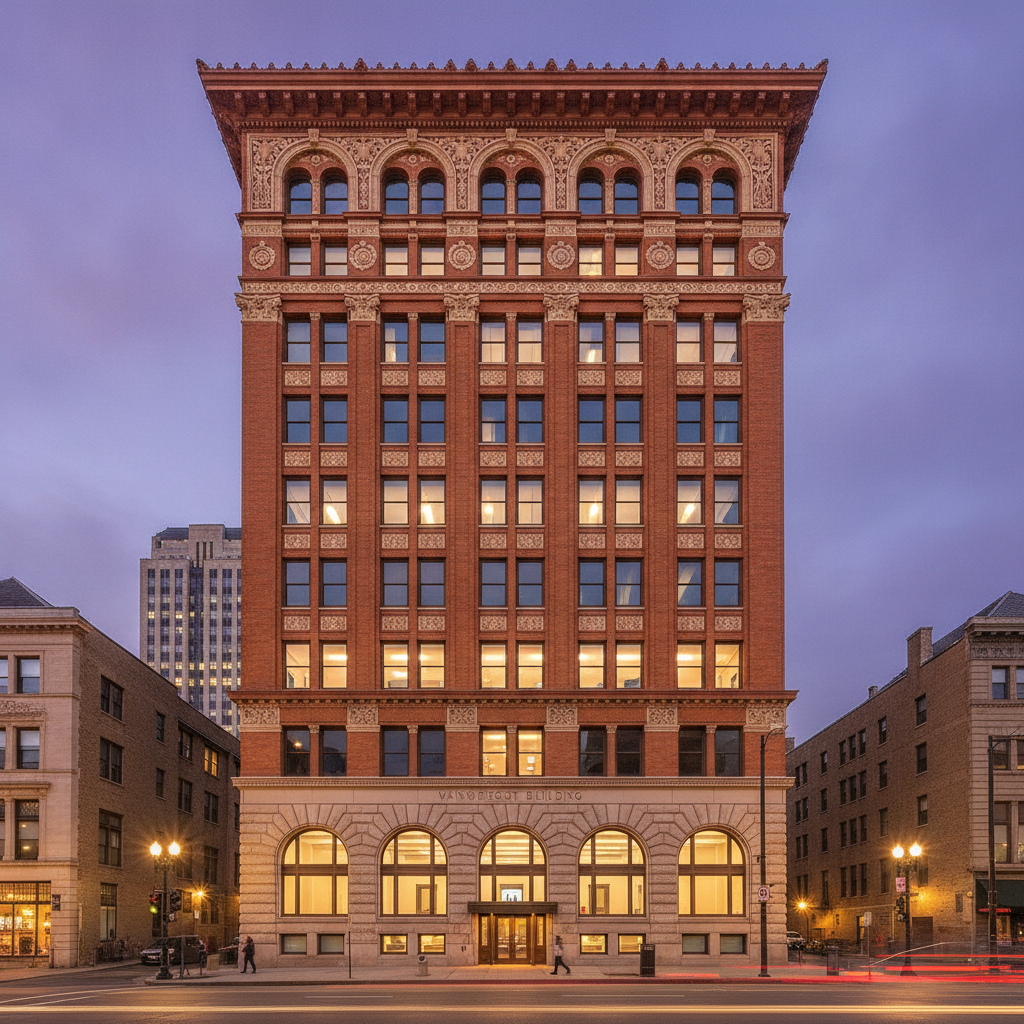
St. Louis R2-R4: Dred Scott (March 6 1857 worst Supreme Court decision, Taney ruling no Black citizenship no Congressional slavery limits precipitated Civil War, Scott freed May 1857, Old Courthouse trial 1846, Ferguson August 9 2014 Michael Brown BLM catalysis), Architecture (Wainwright Building 1891 Sullivan first coherent skyscraper, Old Courthouse cast-iron dome 1862, Union Station 1894 Theodore Link 100,000 daily peak 1940 now hotel aquarium Ferris wheel, Pruitt-Igoe 1956 Yamasaki demolished 1972-1976 symbol failed public housing), Universities (WashU top 20 US #14 25 Nobel laureates T.S. Eliot born St. Louis 1888 Nobel 1948, Saint Louis University 1818 oldest west Mississippi, Cortex USD 2B 450 companies Square Asana biotech), Anheuser-Busch (Budweiser 1876 pasteurization refrigerated rail cars, InBev 2008 USD 52B largest cash acquisition history, craft Perennial Urban Chestnut 4 Hands), 1993 Flood (75,000 sq km 50 dead USD 15B 79 days above flood stage, Cahokia Mounds UNESCO 1982 largest pre-Columbian city north Mexico 10,000-20,000 people, Monks Mound larger base than Giza pyramid abandoned 1300 CE), Neighborhoods (Delmar Divide racial segregation, Loop Walk of Fame Berry Baker Williams Eliot Grant Joplin, Soulard 1779 farmers market oldest west Mississippi Mardi Gras 200,000 second US largest).