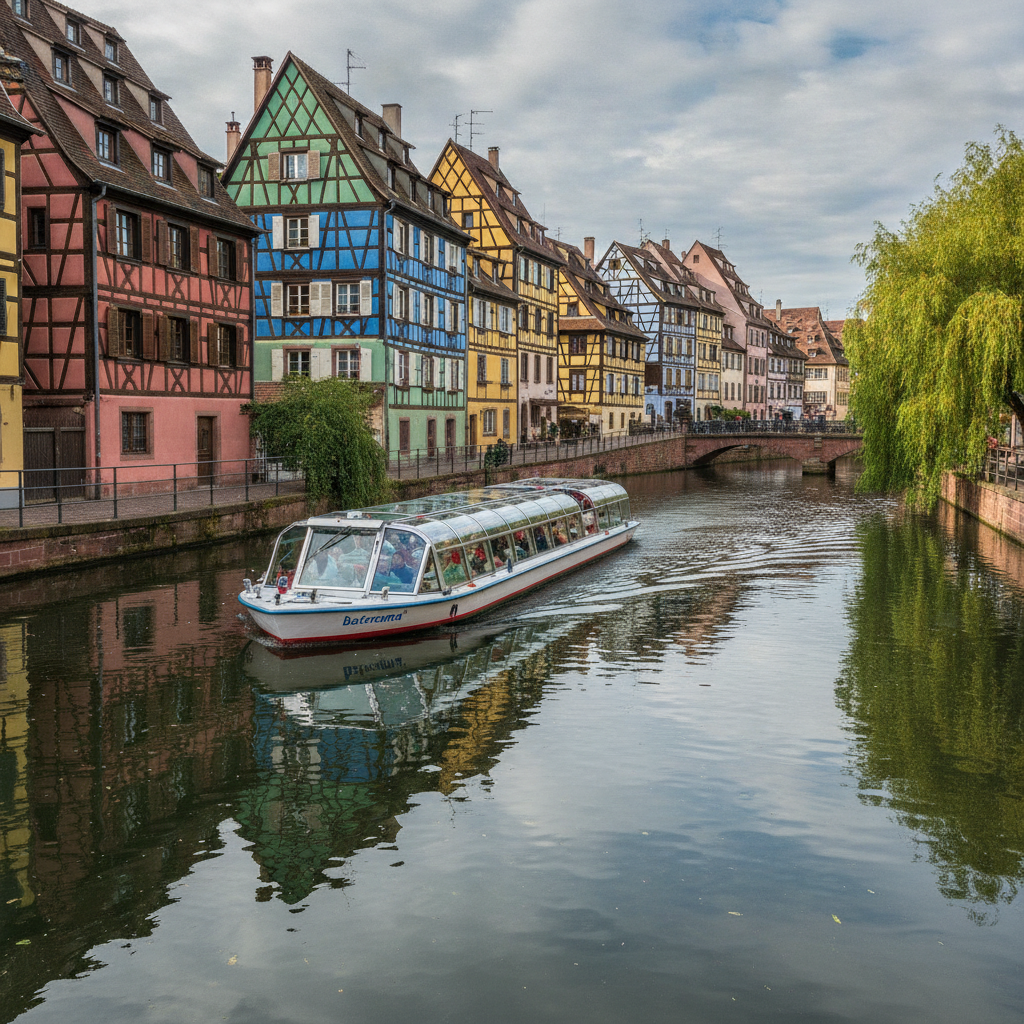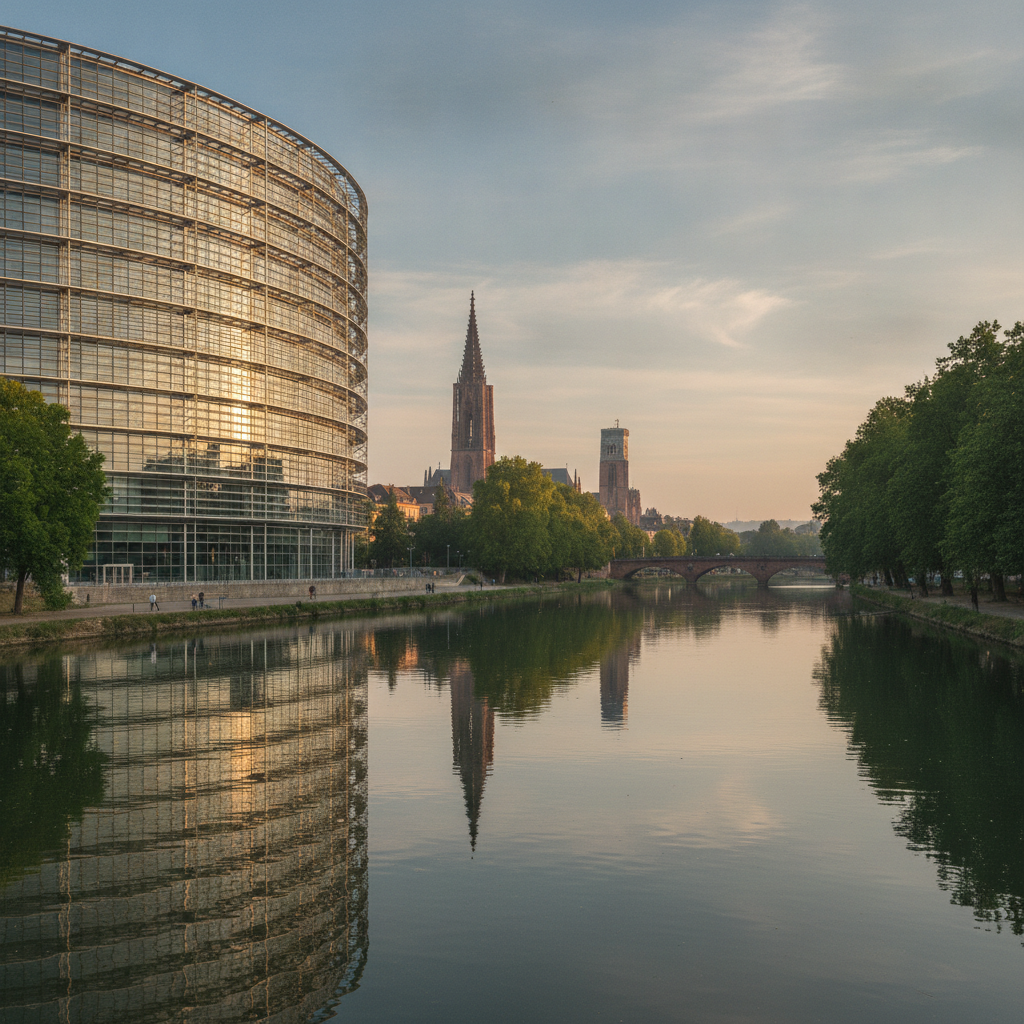
Strasbourg: European Capital, Alsatian Identity & the Rhine
Understand why Strasbourg is unique—Europe's parliamentary capital straddling the French-German border, a city that has changed nationality four times and developed a singular Alsatian identity expressed in its architecture, language, and culture on both sides of the Rhine.
- 1
European Parliament & Council of Europe Quarter
Strasbourg is one of the few cities in the world to host major international institutions—the European Parliament (which meets here in monthly plenary sessions), the Council of Europe, the European Court of Human Rights, and the European Ombudsman all have their headquarters in the Wacken district. The Parliament offers free guided tours of its striking glass and steel hemicycle building.
- 2
Musée de l'Europe & European Heritage
Near the European institutions, the Musée de l'Europe (within the Palais de l'Europe) traces the history of European integration from the post-war vision of Schuman, Adenauer, and de Gasperi to the present. Strasbourg's alternating French and German identity over four centuries makes it a living symbol of Franco-German reconciliation.
- 3
Neustadt – Wilhelminian Imperial District
When Germany annexed Alsace in 1871, Kaiser Wilhelm II ordered a new German imperial quarter built north of the old town. The Neustadt's monumental boulevards, neo-Gothic churches, and Wilhelminian apartment blocks form a separate UNESCO extension (listed 2017) representing Strasbourg's dual French-German heritage—different in character from the medieval island but equally well-preserved.
- 4
Rhine River & German Border at Kehl
The Rhine here marks one of Europe's most significant historical borders. The Passerelle des Deux Rives pedestrian bridge connects Strasbourg to Kehl in Germany—a 10-minute walk or tram ride crossing what was once a heavily contested frontier. The Jardin des Deux Rives straddles both banks as a symbol of Franco-German friendship.
- 5
Alsatian Identity – Language, Culture & History
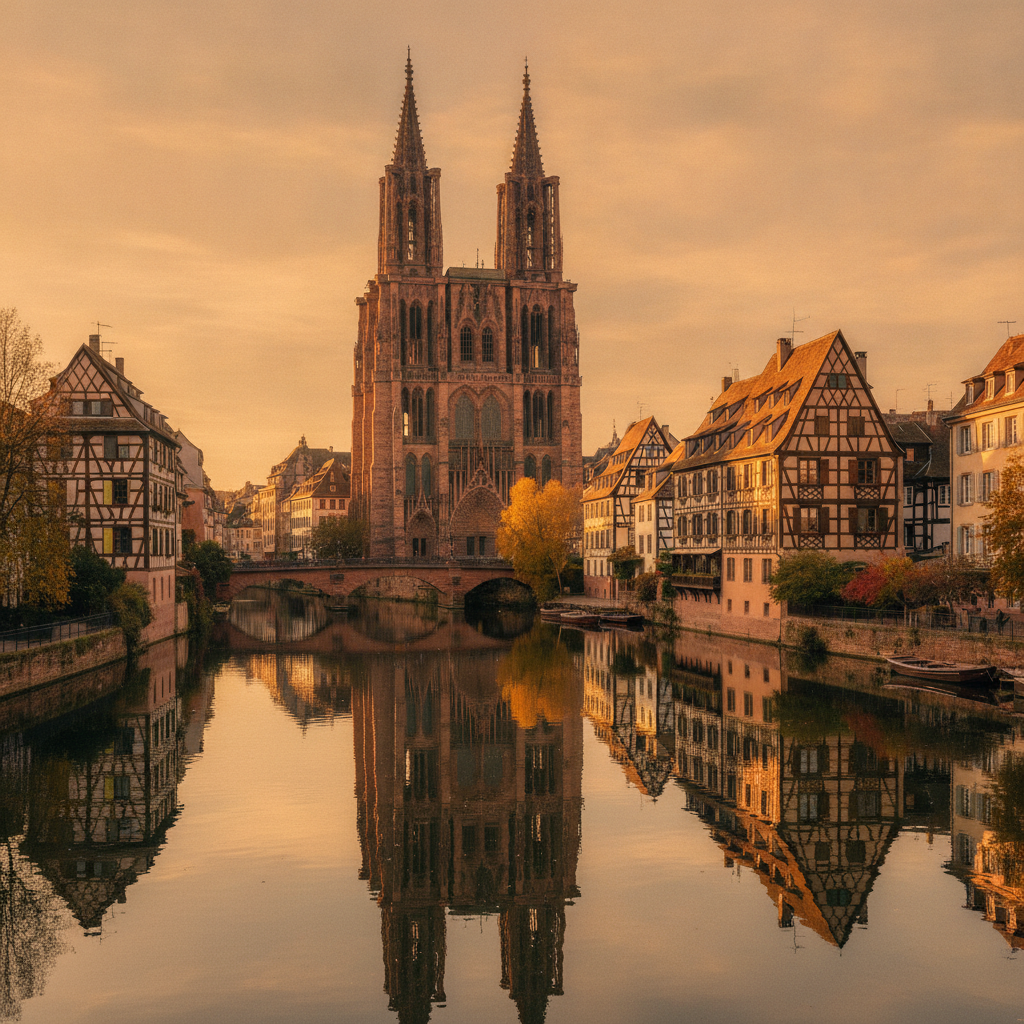
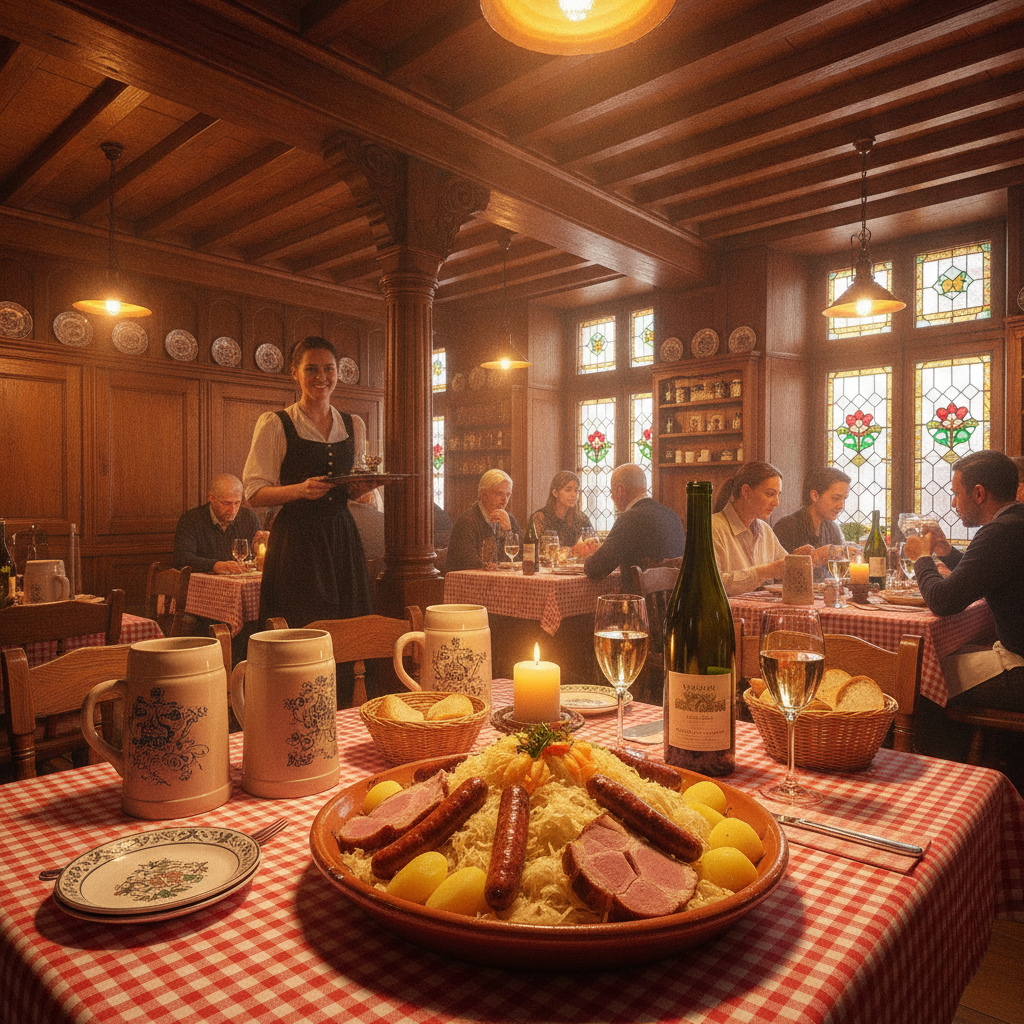
Alsace has changed nationality four times since 1871—French, German, French, German, then French again after 1945. The result is a unique cultural identity: local Alsatian dialect mixes French and German; cuisine blends choucroute and foie gras; the architecture mixes Gothic, Renaissance, Baroque, and Wilhelminian German imperial styles in a way found nowhere else on earth.
- 6
Musée Alsacien & Folk Traditions
The Musée Alsacien, housed in a row of interconnected 17th-century houses near the cathedral, preserves the material culture of Alsatian rural life—painted furniture, costumes, pottery, toys, religious objects, and pharmacy equipment—across 30 rooms connected by steep internal staircases and wooden galleries overlooking a courtyard.
Walk this route with audio
Stories play automatically as you reach each stop — no tapping needed.