Watsons Bay, South Head & Vaucluse: Sydney Harbour's Dramatic Eastern Entrance
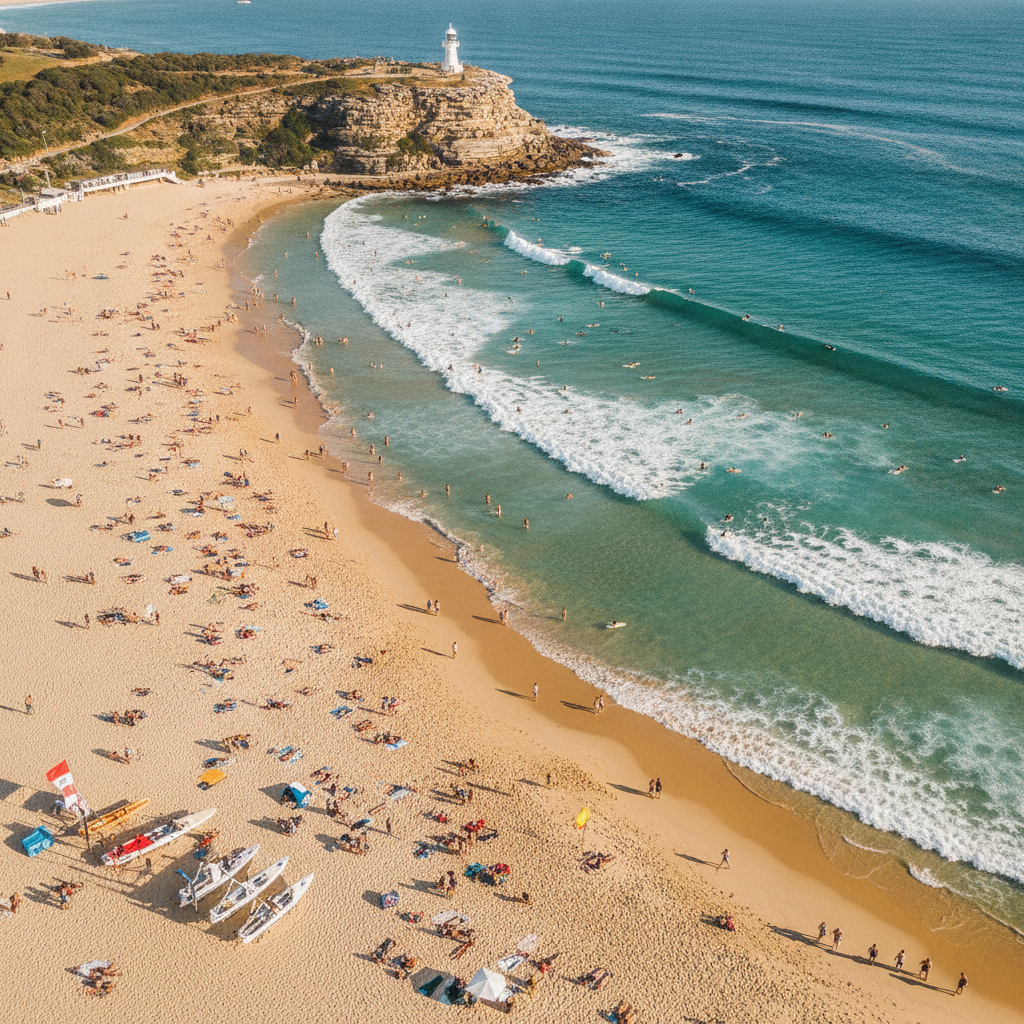
The eastern headlands of Sydney Harbour — Watsons Bay, South Head, and the Vaucluse peninsula — preserve the most dramatic meeting of the Pacific Ocean and Sydney Harbour, with cliff-top lighthouse walks, the historic fishing village of Watsons Bay, the Gap Bluff coastal park, Vaucluse House (the finest colonial mansion in Australia), and Nielsen Park (Sydney Harbour's finest harbour swimming beach).
- 1
Watsons Bay Village & Doyles on the Beach (1885)
Watsons Bay (the harbour-side village at the tip of the South Head peninsula, accessible by ferry from Circular Quay — the 35-minute ferry journey passing along the entire length of the inner harbour, through the Heads, to the sheltered cove of Watsons Bay — the oldest fishing settlement in Australia still operating as a residential village, established 1788 as a pilot station to guide incoming vessels through the Heads, with a continuous residential history since 1792) — contains: Doyles on the Beach (Marine Parade, Watsons Bay, established 1885, the oldest seafood restaurant in Australia in continuous operation under a single family: the Doyle family has operated the restaurant for five generations since 1885, making it Australia's oldest continuous family-owned restaurant business; the original Doyles on the Beach was a beach kiosk selling fish and chips to day-trippers, expanded to a full restaurant in 1895; the current restaurant serves Sydney rock oysters, blue swimmer crabs, and the famous 'Doyles Seafood Platter' — the dish most associated with traditional Sydney harbour dining — every day of the year including Christmas Day), the Camp Cove beach (a small south-facing harbour beach immediately inside South Head, sheltered from the ocean swell, calm and shallow, the most historically significant beach in Sydney — it was at Camp Cove that Governor Arthur Phillip landed on 21 January 1788 to explore the inner harbour and chose it as the site for the new settlement, leading directly to the founding of Sydney 6 days later), and the Watsons Bay Boutique Hotel (Marine Parade, a heritage-listed 1880s hotel redeveloped in 2013, with the most popular harbourfront beer garden in Sydney, open daily, drawing 1,000+ visitors on sunny weekends).
- 2
The Gap Bluff & Gap Park
The Gap (Marine Drive, Watsons Bay, the dramatic ocean-facing cliff at the southern end of the South Head peninsula, where the Pacific Ocean breakers crash against vertical sandstone cliffs 25 metres high) — the most powerful natural coastal spectacle accessible by public transport in Sydney — was the site of the worst maritime disaster in Sydney Harbour history: the wreck of the Dunbar (a 1,321-ton iron passenger ship carrying 121 emigrants from Plymouth England, which missed the harbour entrance in a violent storm on the night of 20 August 1857 and was driven onto the rocks at the base of The Gap, with only one survivor out of 122 aboard; the wreck of the Dunbar is visible at low tide and the remains of the ship's anchor are displayed at the nearby museum at the Lighthouse). The Gap is also, unfortunately, Sydney's most significant location for suicide by jumping; the area now has safety barriers, lighting, and is regularly patrolled. The Watsons Bay Cliff Walk (the 2-kilometre walking track from The Gap north along the cliff top to South Head lighthouse, passing the Dunbar memorial, the signal station buildings, and the Jacob's Ladder cliff descent) is the finest short cliff walk in Sydney.
- 3
South Head & Hornby Lighthouse (1858)
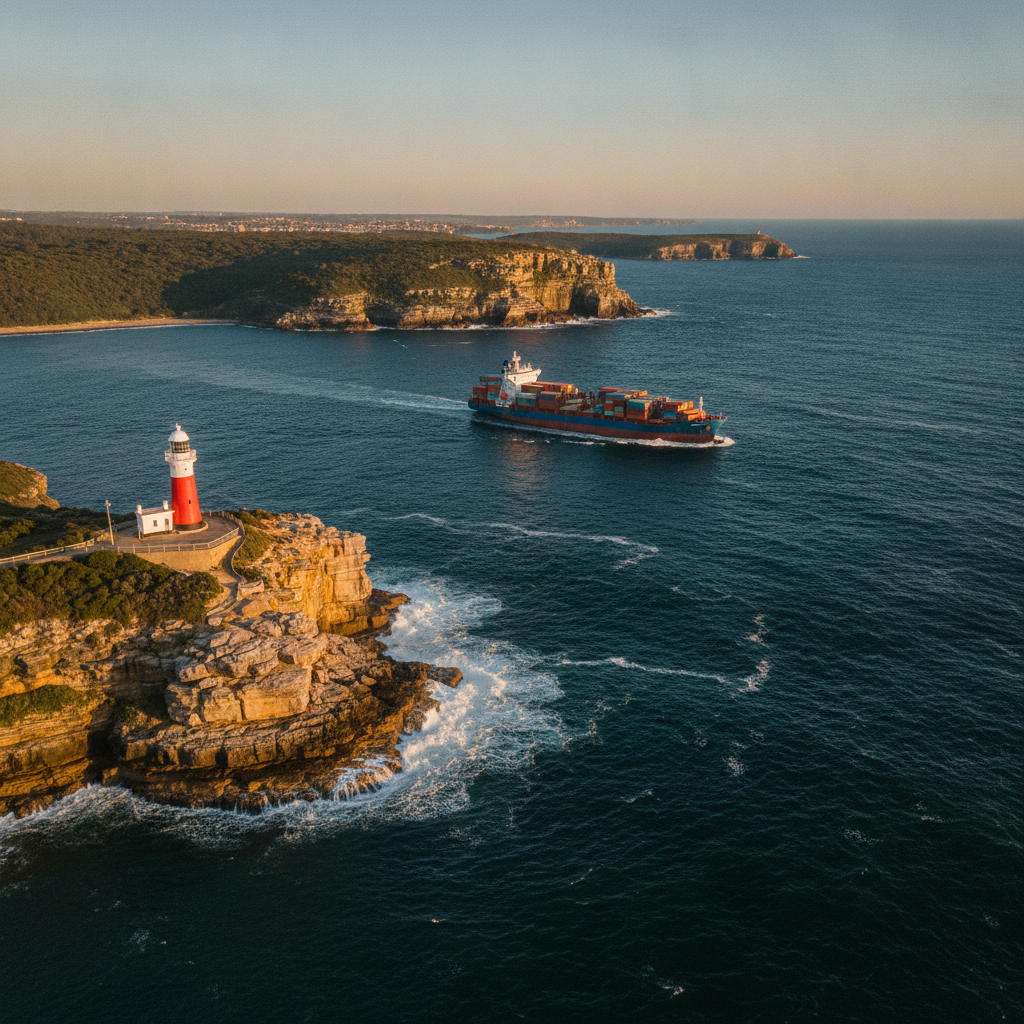
South Head (the rocky promontory at the absolute tip of the South Head peninsula, the southern entrance point of Sydney Harbour, accessed via a 1-kilometre walk from the Watsons Bay ferry wharf through the grounds of the HMAS Watson Royal Australian Navy establishment) — provides the most dramatic view of the Sydney Harbour entrance: the 1-kilometre wide passage between South Head and North Head through which all shipping entering or leaving Sydney must pass, with the Tasman Sea visible to the east and the full sweep of the inner harbour — the Opera House, CBD towers, and Harbour Bridge — visible to the west. The Hornby Lighthouse (1858, a red-and-white striped lighthouse built at the extreme tip of South Head at a cost of £13,500 to prevent a repetition of the Dunbar disaster — only 13 months separated the commissioning of the lighthouse from the wreck of the Dunbar) — the most photographed lighthouse in Australia — is still operational, automated in 1975, and produces a white flash every 5 seconds visible for 14 nautical miles at sea. The Lady Bay Beach (immediately south of the lighthouse, a north-facing cove accessible only by the cliff walk, one of three licensed naturist beaches in metropolitan Sydney, the finest ocean swimming cove accessible on foot in the Sydney Harbour National Park).
- 4
Vaucluse House (1827) & Vaucluse Peninsula
Vaucluse House (Wentworth Road, Vaucluse, 1827-1853, the colonial Gothic Revival mansion of William Charles Wentworth — the explorer, lawyer, poet, and political reformer who led the first crossing of the Blue Mountains in 1813, co-founded The Australian newspaper in 1824, and authored the first constitution for the colony of New South Wales in 1853 — the most significant colonial residence in Australia in terms of the historical importance of its occupants, furnished largely with original Wentworth family furniture and objects, managed by the Historic Houses Trust of NSW) — contains a 27-hectare estate (the largest intact colonial estate in the Sydney metropolitan area, with a working kitchen garden, a root cellar built into the hillside, a 19th-century outbuilding complex including a coach house, stables, dairy, and servants' quarters, and original plantings including Wentworth's celebrated wisteria — trained over 200 years into an arbour 40 metres long and the most significant horticultural specimen in the Sydney metropolitan area) — is open Wednesday to Sunday (closed Monday and Tuesday), provides free admission to the grounds and gardens (house entry by fee). Vaucluse (the suburb surrounding Vaucluse House, consistently the most expensive suburb in Australia by median house price: median house price $9.5 million as of 2024, with the most expensive house ever sold in Australia — 5 Coolong Road, Vaucluse, sold for $130 million in 2022 — being within the suburb's boundaries).
- 5
Nielsen Park & Shark Beach (1910)
Nielsen Park (Marine Drive, Vaucluse, the 40-hectare headland park on the inner harbour side of the Vaucluse peninsula, part of the Sydney Harbour National Park, containing Shark Beach — consistently voted the finest harbour swimming beach in Sydney — and the Nielsen Park Kiosk (1910, a heritage-listed stone building with a verandah overlooking the beach, operated as a café selling fish and chips, scones, and Devonshire teas since 1910, the finest picnic setting on Sydney Harbour) — the beach is protected by a shark net (installed 1934, the oldest shark net in New South Wales still in operation) and faces north into the harbour, allowing swimming in calm clear water with views of the Opera House, CBD, and Harbour Bridge across the 5-kilometre harbour width. Nielsen Park was used as a filming location for the television series Packed to the Rafters (ABC, 2008-2013) and as a concert venue for the Sydney Festival (annual harbour concerts in Nielsen Park, capacity 5,000, the finest outdoor concert venue on Sydney Harbour).
- 6
Rose Bay & Double Bay (Sydney's Waterfront Villages)
Rose Bay (the largest bay on the Sydney Harbour foreshore east of the CBD, a residential suburb notable for the Rose Bay Seaplane Base (the first commercial airport in Australia, operated from 1938, when Short Empire flying boats used Rose Bay as their terminus for the Empire Mail Service between Sydney and Southampton via Singapore and Karachi; the base is still operated today by Sydney Seaplanes for scenic flights and flights to the NSW South Coast and Hunter Valley) and the Lyne Park (the foreshore park at the water's edge of Rose Bay, adjacent to the seaplane base, the finest lawn picnic area on Sydney Harbour, beloved for its harbour views and proximity to the Double Bay ferry wharf)) and Double Bay (the fashionable retail precinct immediately west of Rose Bay, known as 'Double Pay' by Sydneysiders for its reputation for expensive real estate and luxury retail, containing: the Bay Village Foodhall (an upmarket delicatessen complex), the Royal Motor Yacht Club (1892, the oldest motor yacht club in New South Wales), the Cosmopolitan Centre (1966, the first suburban shopping centre in the eastern suburbs), and the Double Bay cinema (one of the few remaining single-screen cinemas in metropolitan Sydney)).
Walk this route with audio
Stories play automatically as you reach each stop — no tapping needed.
More in sydney
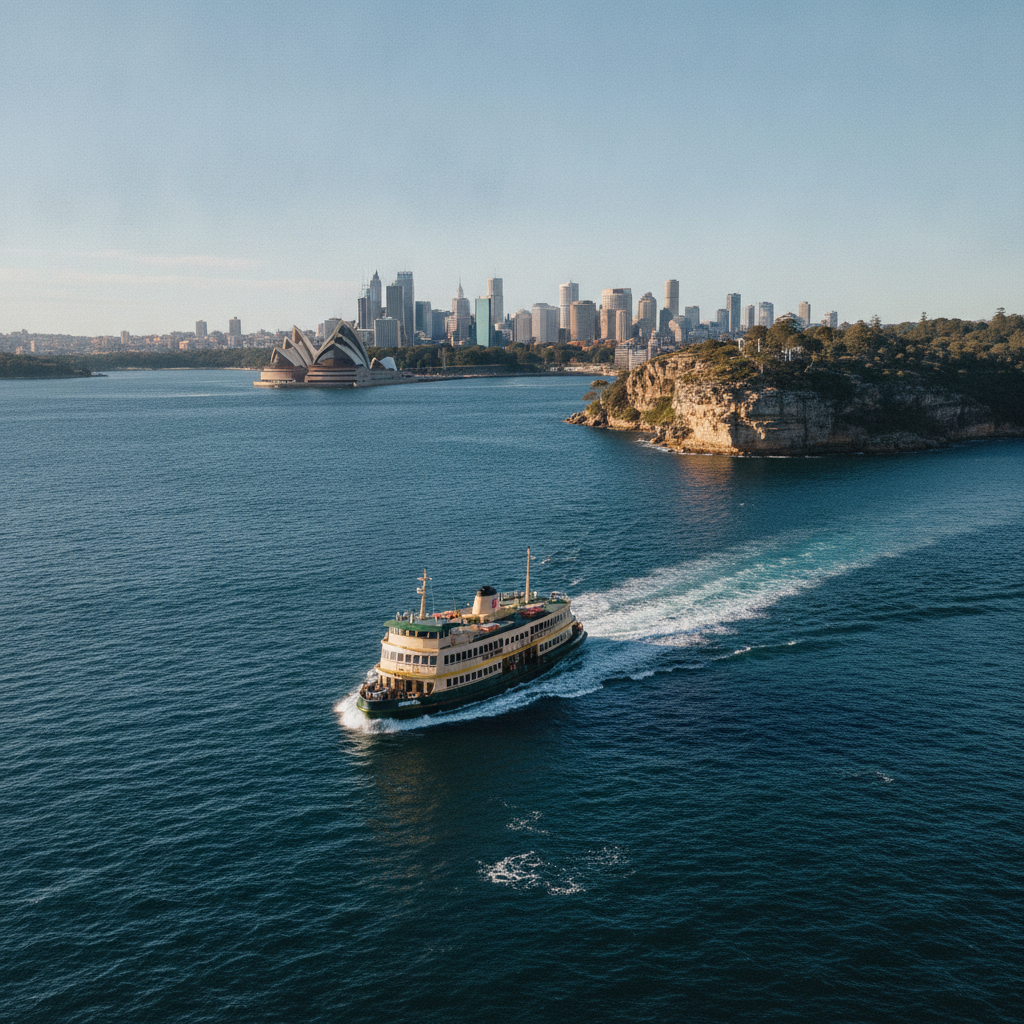
Manly Ferry, North Head & Scenic Headland: The World's Most Beautiful Ferry Crossing
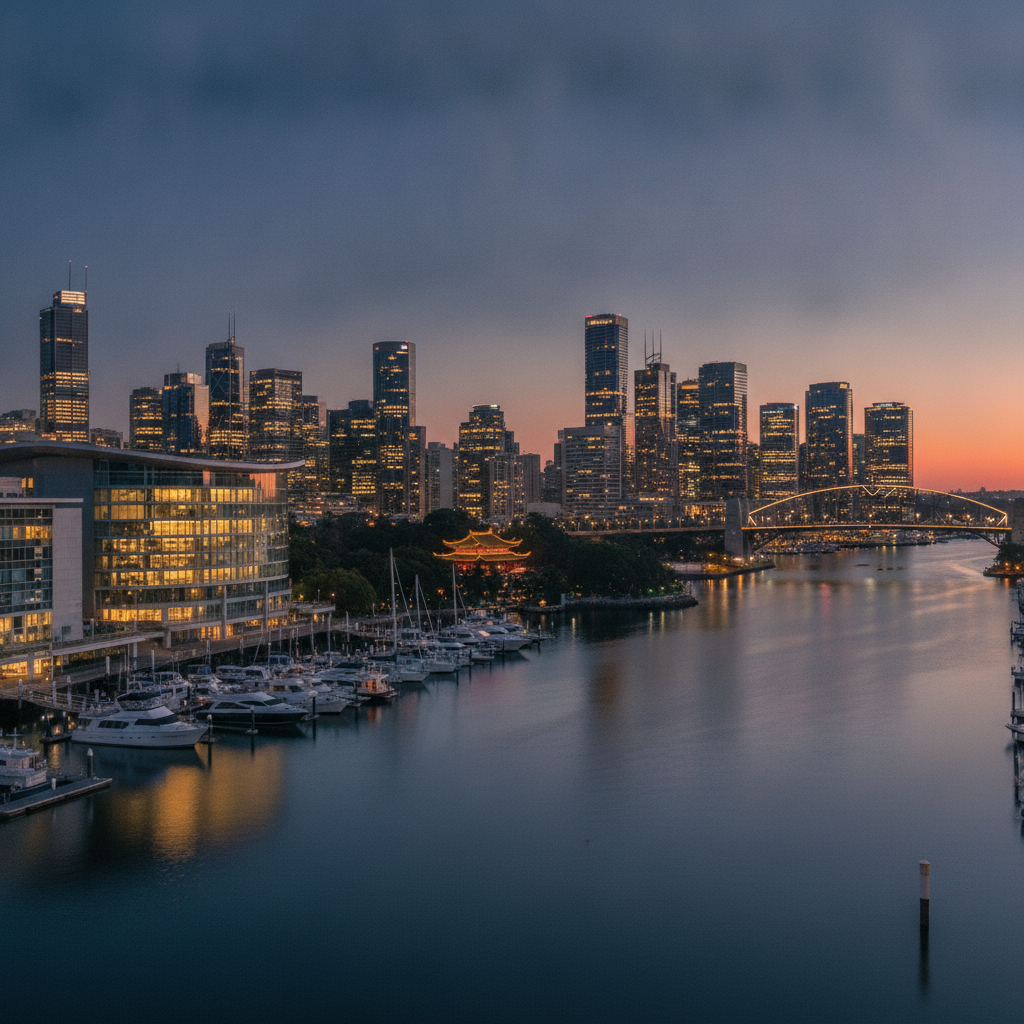
Darling Harbour, Chinatown & Barangaroo: Sydney's Western Waterfront
Blue Mountains, Katoomba & Jenolan Caves: A World Heritage Day Trip from Sydney
Sydney Opera House, Circular Quay & The Rocks: The Iconic Harbour Foreshore
Newtown, Surry Hills & Paddington: Sydney's Inner City Cultural Corridor