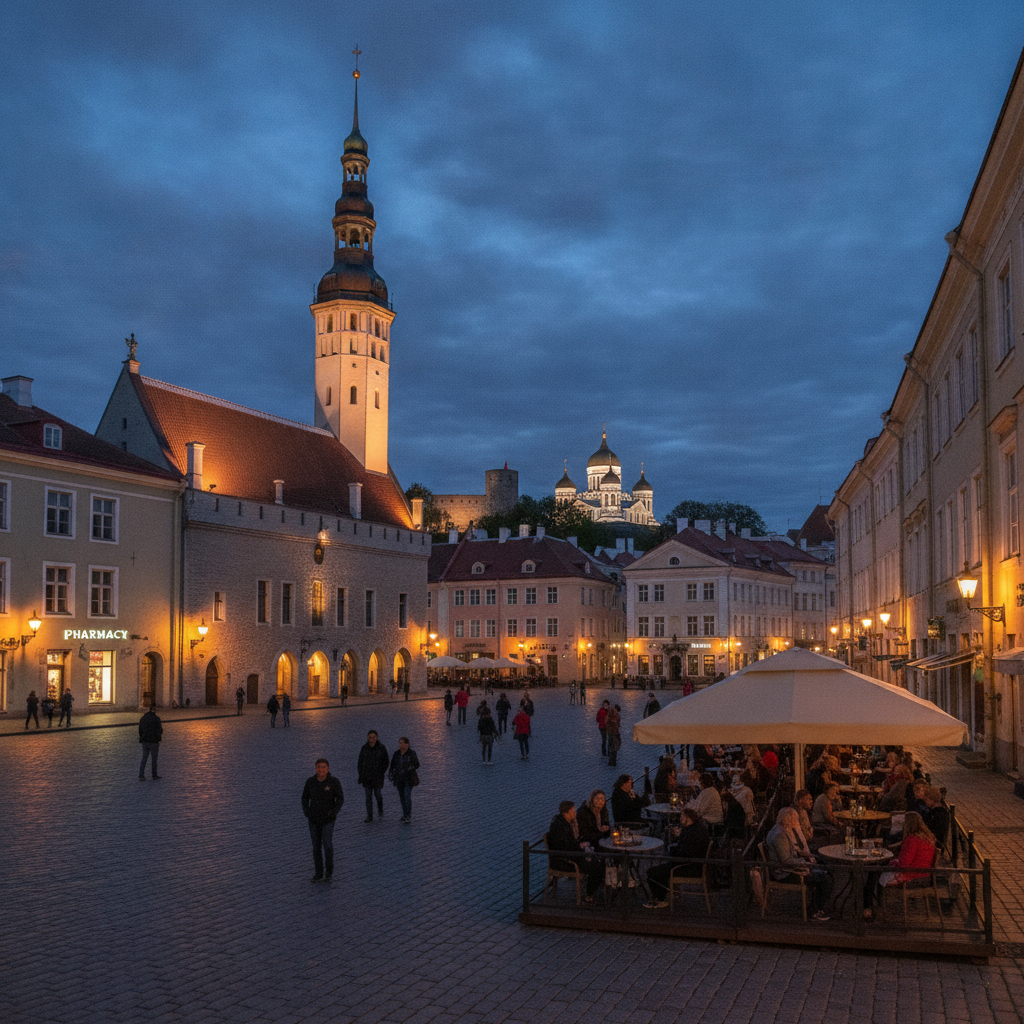
Tallinn Food & Drink — Estonian Black Bread, Elk, Vana Tallinn & the Restaurant Scene
Estonian cuisine (the food tradition shaped by the Baltic climate and the forest, the sea, and the farmland of the Estonian landscape — the dark rye bread, the smoked fish of the Baltic, the game meats of the Estonian forests, the berries and mushrooms of the autumn harvest) is best experienced in Tallinn's range from the medieval cellar restaurants to the contemporary Nordic-Estonian kitchens.
- 1
Estonian Black Bread — the National Food
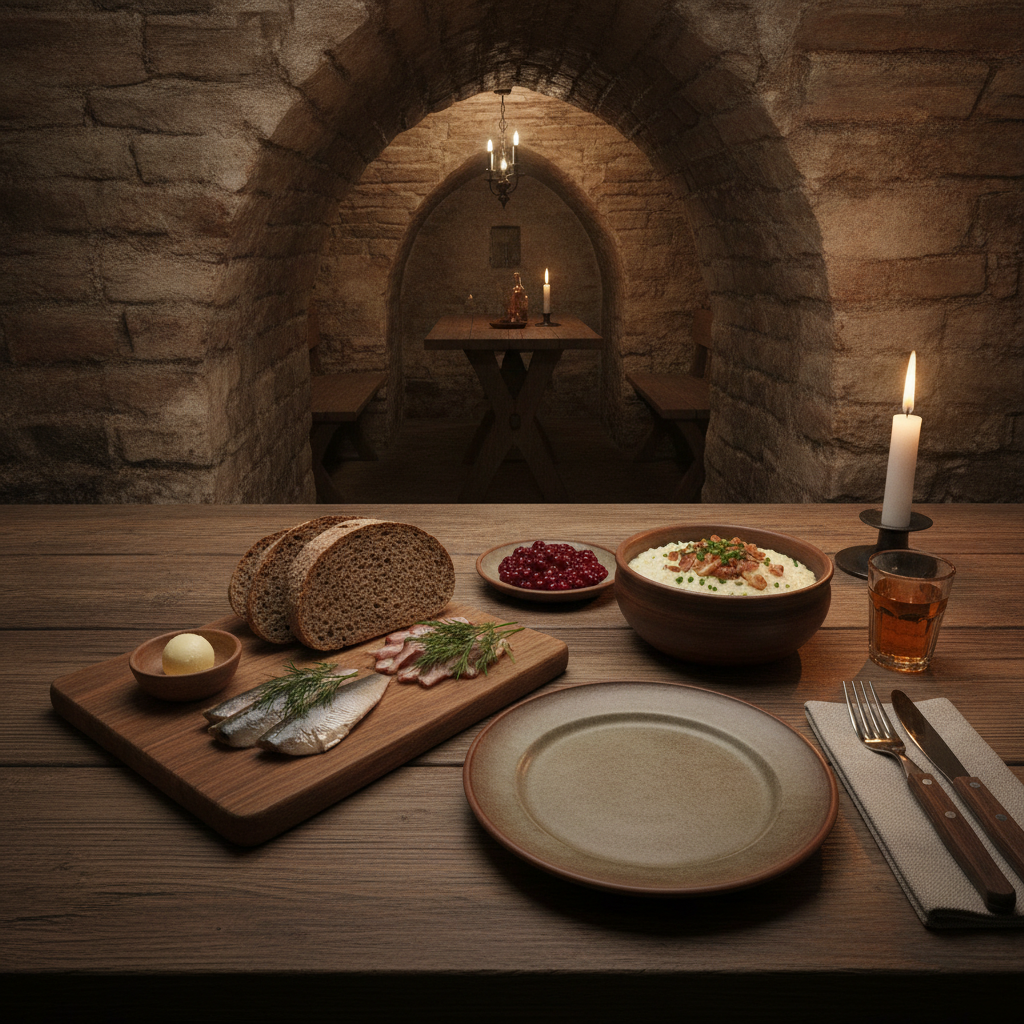
Estonian black bread (Eesti leib, the sourdough rye bread baked from fermented rye flour, the bread darker, denser, and more sour than any Scandinavian or German rye bread — the fermentation period 16-24 hours, the dough mixed with caraway seeds, the loaves baked in wooden forms for the characteristic rectangular shape, the bread the daily staple of the Estonian diet for 2,000 years, the best bread available at the Balti Jaam Market and the Lido restaurant buffet) is the correct starting point for Estonian food culture. The traditional Estonian bread toppings: the smoked sprat (kiluvoileib — the iconic Estonian open sandwich of black bread, butter, and smoked Baltic sprat, the most widely consumed single food item in Estonia, the sprat purchased at the market fish stalls and assembled at home or ordered at the traditional restaurants), the Estonian cheese (the local semi-hard cheeses of the Estonian dairy cooperatives, the caraway cheese — kömenajuust — the most characteristic, the cheese served on black bread with chives and butter). The bread available to take home: the Fazer Estonian rye bread in 500g vacuum-sealed packages at the Tallinn Airport duty-free is the most commonly purchased food gift from Estonia.
- 2
Elk, Wild Boar and the Game Meat Tradition
Estonian game meats (the elk, wild boar, deer, and bear of the Estonian forests, the game available in the traditional restaurants as the most distinctively Estonian main course, the elk particularly: the species abundant in Estonia — with 12,000 elk in the country, the highest elk density in the EU — the meat lean and flavourful, the preparation in lingonberry and juniper sauce the canonical Estonian game recipe): the Olde Hansa (Vana Turg 1, the medieval-costumed restaurant in the Old Town, the most theatrical dining experience in Tallinn — the servers in 15th-century Hanseatic costumes, the torchlit interior, the live medieval music, the menu of elk stew, wild boar, roasted bear (seasonal), and the honey beer — the format unashamedly tourist-oriented but the food of adequate quality and the atmosphere genuinely atmospheric, the mains at €22-30) and the Rataskaevu 16 (Rataskaevu 16, the contemporary Estonian restaurant in the Old Town, the elk tartare and the smoked Baltic trout the signature dishes, the wine list the best in the Old Town restaurants, the correct alternative for visitors who want Estonian ingredients without the Hanseatic theatre, the mains at €18-25, reservation required for dinner in season).
- 3
Vana Tallinn — the Estonian Liqueur
Vana Tallinn (the Estonian herbal liqueur produced since 1962, the name meaning 'Old Tallinn', the spirit based on dark Caribbean rum with an infusion of 4 aromatic herbs and spices — the recipe never fully disclosed but containing citrus peel, cinnamon, and vanilla notes alongside the rum base, the alcohol at 40 or 45 percent depending on the variety, the bottle design unchanged since 1962 with the Gothic tower and the Estonian skyline, the liqueur exported to Finland in the largest quantities — the Finnish-Estonian ferry connection making Vana Tallinn the most purchased souvenir from Estonia in Finland): the correct serving (the Vana Tallinn poured over ice, or warm in coffee as a flavoured coffee liqueur, or mixed with cream — the Vana Tallinn cream cocktail the most widely served at Tallinn airport bars, the cream softening the rum intensity), the Vana Tallinn tasting at the shop (the official Vana Tallinn shop and tasting room at Müürivahe 6, adjacent to the Old Town wall, the full range of Vana Tallinn varieties including the 35%, 40%, 45%, and the newer Amaretto and Chocolate varieties, the tasting of 3 varieties at €5). The Liviko distillery (the producer of Vana Tallinn since 1898, the distillery open for pre-booked tours by groups of 6+, the distillery tour the only way to see the production process).
- 4
Tallinn Bar Scene — Gin, Craft Beer and the Old Town Cellars
Tallinn's bar scene (the most active in the Baltic states, the combination of the Old Town medieval cellar bars and the creative district bars of Telliskivi, the city consistently in the top 5 European cities for nightlife by visitor volume relative to city size, the bar culture particularly associated with the Helsinki day-tripper trade — the 2-hour Helsinki-Tallinn ferry the weekend getaway for Finnish visitors, the Finnish demand for nightlife in a culturally similar but cheaper city driving Tallinn's bar economy since the 1990s): the Old Town cellar bars (the vaulted stone cellars of the medieval merchant houses converted to bars, the Clazz jazz bar at Vana Turg 2 the most atmospheric, the Hell Hunt at Pikk 39 the oldest craft beer pub in Estonia since 1993, the Beer House brewery pub at Dunkri 5 the brewpub serving the house-brewed Estonian ales), the gin scene (the Estonian craft gin movement established 2015, the Põhjala distillery's Tallinn Dry Gin and the Maarjamäe Estate Gin the two Estonian premium gins, the gin bars of the Telliskivi district serving the full Baltic craft gin range), and the late-night circuit (the clubs of the Telliskivi and the Kalamaja districts operating until 5am on weekends, the pre-lash in the Old Town transferring to the clubs after midnight, the most active club nights Thursday to Sunday).
- 5
Kalamaja — the Wooden House District
Kalamaja (the neighbourhood 1km west of the Old Town, the 19th-century fishing village district absorbed by the growing city, the streets lined with the traditional Estonian wooden houses — the single and double-storey timber-frame houses with their carved wooden decorations and the small kitchen gardens, the largest surviving collection of traditional wooden urban architecture in Estonia — the neighbourhood gentrifying since 2010 with the arrival of the most interesting independent cafes, bakeries, and restaurants in Tallinn): the Kalamaja food scene (the F-Hoone restaurant in the repurposed Soviet-era production facility — the most popular restaurant in Tallinn by cover count, the Estonian and European comfort food at fair prices, the terrace in summer, the brunch on weekends — and the bakery tradition: the Kohvik Moon at Võrgu 3 — the oldest neighbourhood cafe in Kalamaja, the homemade cakes and the estate-origin filter coffee, the most relaxed morning stop in Tallinn) and the Seaplane Harbour (the Lennusadam, Vesilennuki 6, the museum in the 1916 seaplane hangar — the first reinforced concrete seaplane hangar in the world, the triple parabolic shell arches 320m long — the maritime and military museum housing the full-scale Estonian Navy vessels including the submarine Lembit of 1936, €16 adults, Tuesday-Sunday 10am-7pm, the most architecturally spectacular museum building in Tallinn).
- 6
Tallinn Day Trip — Lahemaa National Park
Lahemaa National Park (the national park 70km east of Tallinn, the largest national park in Estonia, the park covering the northern Estonian coastline between Tallinn and Narva, the old-growth boreal forest, the bog landscape, the Baltic Sea bays with the granite boulders deposited by the last glacier — the most varied natural landscape in Estonia, accessible by bus from Tallinn to Palmse in 1.5 hours at €5): the Palmse Manor (the restored 18th-century manor house of the Baltic German von der Pahlen family, the formal garden, the distillery, the coach house now housing the visitor centre, €8 adults), the Viru Bog (the raised peat bog with the 1.5km wooden boardwalk through the bog landscape, the cotton grass and the insectivorous sundew plants visible from the boardwalk, the bog lake at the centre, the landscape unchanged since the last Ice Age, free, the boardwalk accessible year-round), and the Viinistu Art Museum (the museum in the former collective farm fish factory converted by the Estonian businessman Jaan Manitski to a contemporary art museum and hotel, the largest private art collection in Estonia, €8 adults, the seaside location the most dramatic in the Estonian art museum circuit). The organized day trip (the multiple Tallinn tour operators offering the Lahemaa day trip at €40-55 per person including transport and the Palmse Manor entry, the most efficient format for visitors without a rental car).
Walk this route with audio
Stories play automatically as you reach each stop — no tapping needed.
More in tallinn
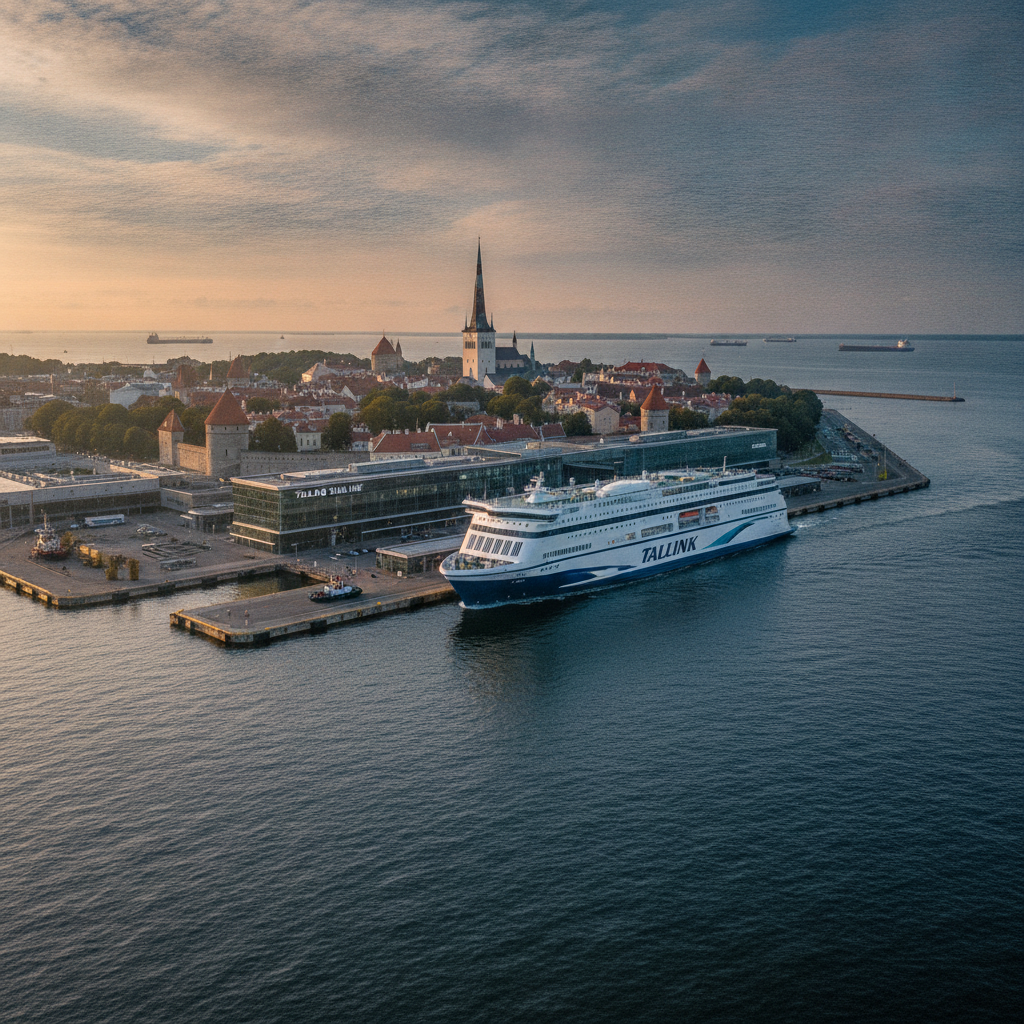
Tallinn Practical Guide — the Helsinki Ferry, Seasons, Access & the Estonian Experience
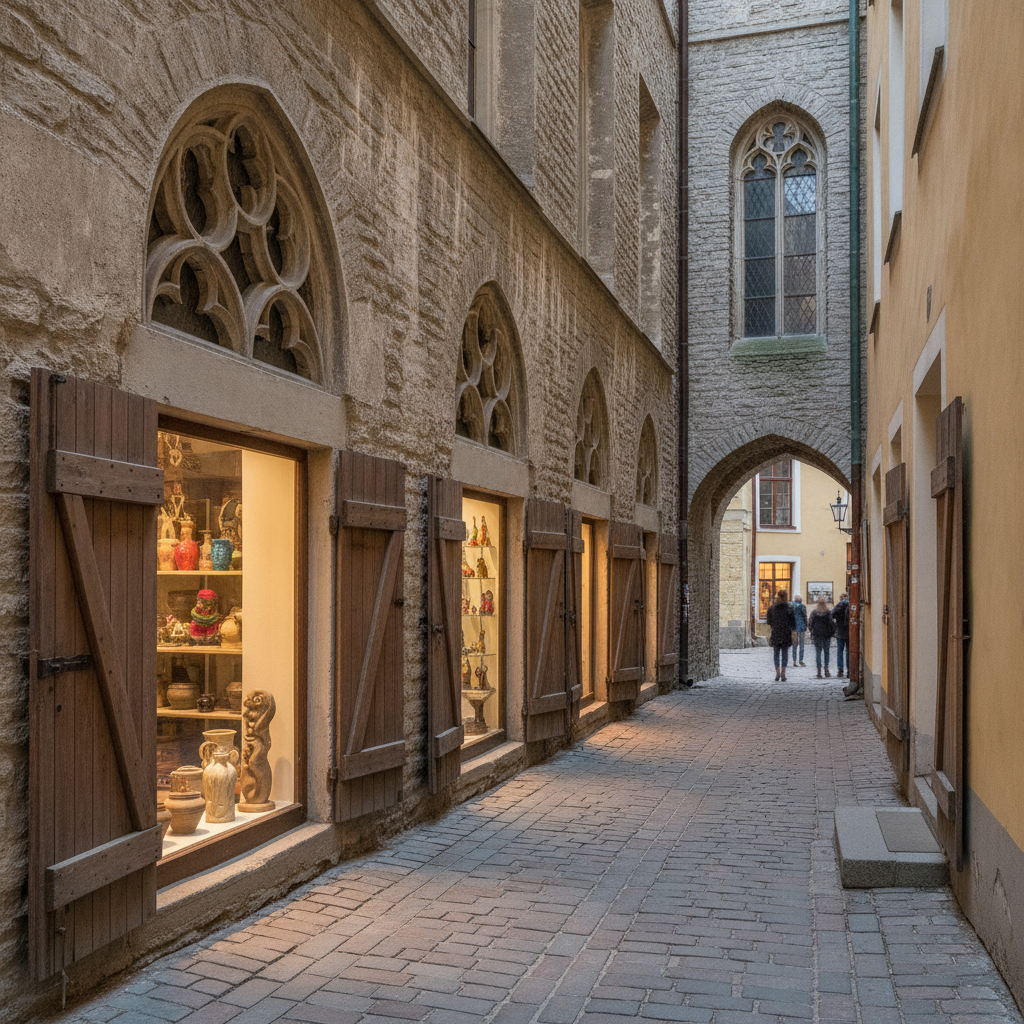
Tallinn Medieval Crafts & Culture — St. Catherine's Passage, the Dominican Monastery & Estonian Design
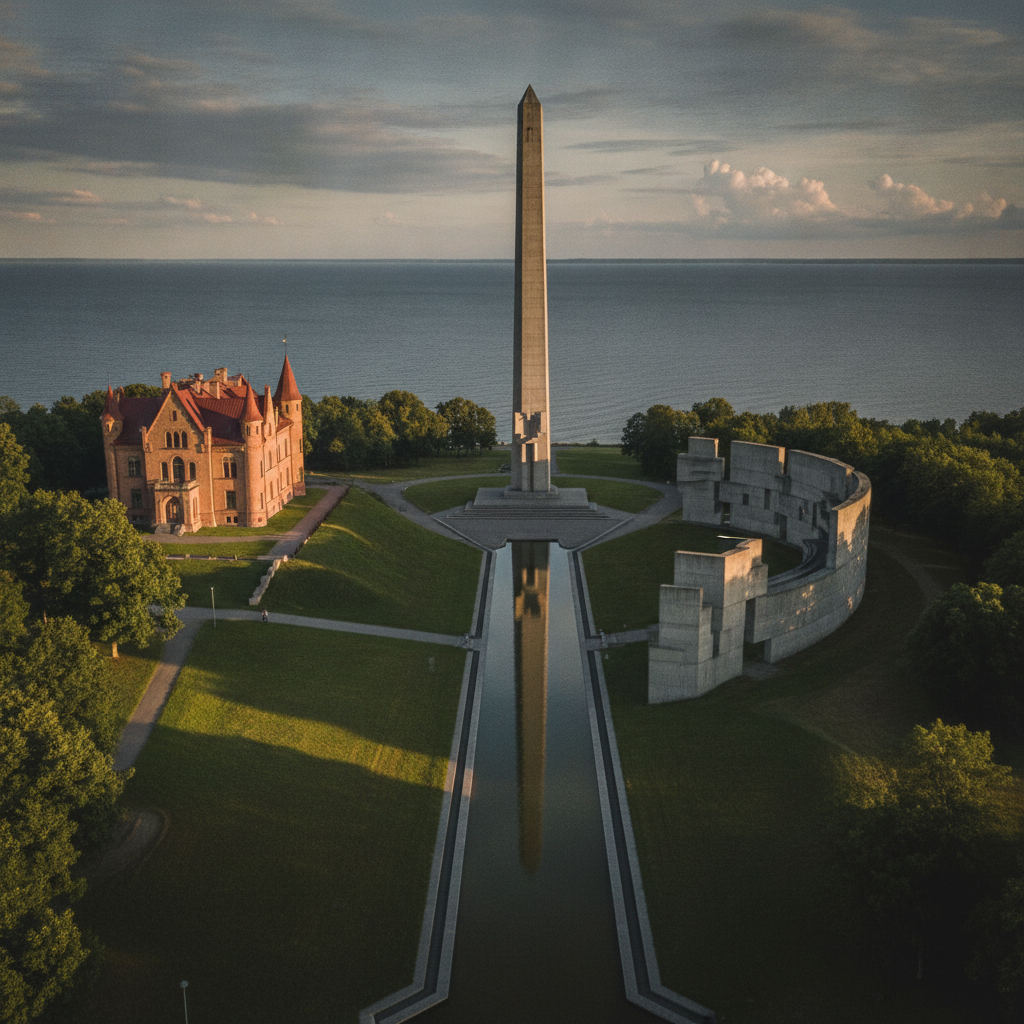
Tallinn Soviet History & the Singing Revolution — Occupation, Resistance & Independence
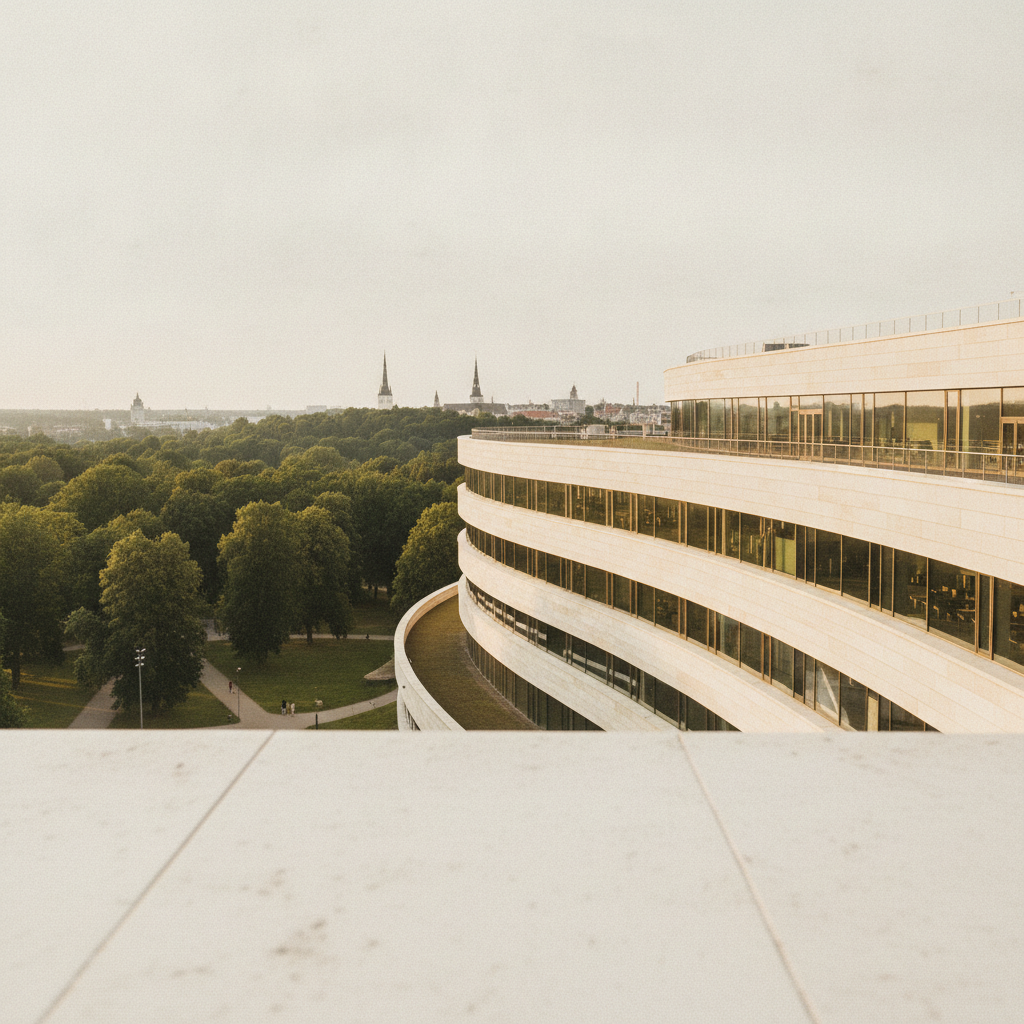
Tallinn Beyond the Old Town — Kadriorg Palace, KUMU Museum & the World's Most Digital Society