Tallinn Medieval Crafts & Culture — St. Catherine's Passage, the Dominican Monastery & Estonian Design
The Tallinn Old Town's medieval craft tradition survives in the artisan workshops and galleries concentrated in the passages and courtyards of the lower town, the Estonian design sector building on this craft heritage into a contemporary identity recognized internationally.
- 1
St. Catherine's Passage — the Artisan Alley
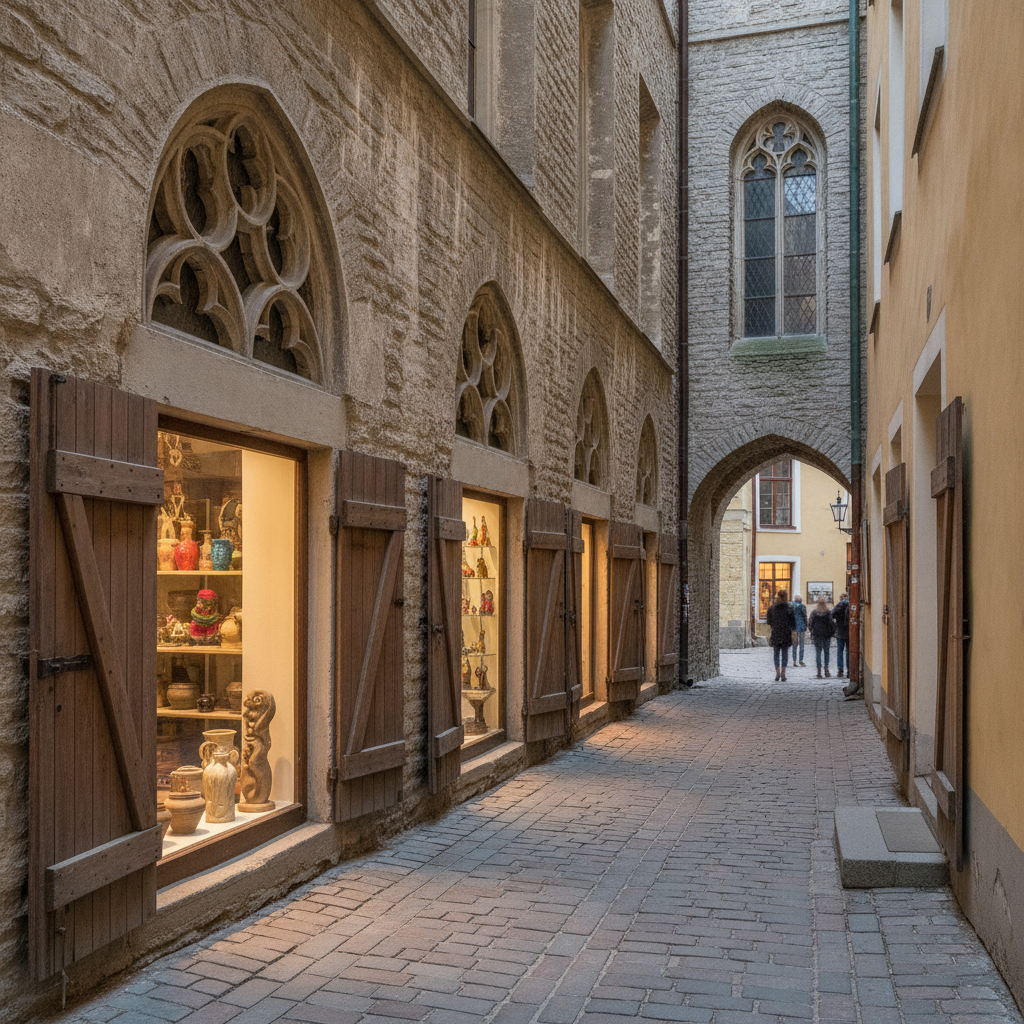
Katariina käik (St. Catherine's Passage, the narrow medieval alley between Vene Street and Müürivahe Street running along the Gothic limestone wall of the 13th-century Dominican Monastery, the alley housing 6-8 artisan workshops and galleries in the former monastery outbuildings): the Katariina Gild (the artisan cooperative occupying the passage, the member workshops rotating between ceramics, glass-blowing, felt-making, jewellery, quilt-making, and printmaking, all production visible through the studio windows — the artists working during visiting hours 10am-6pm daily in season, the products available for purchase directly from the makers at prices between €20 for the small ceramic pieces and €300 for the handmade quilts, the passage the most directly experiential encounter with living craft tradition in the Old Town, free to walk through, purchase only if desired) and the Gothic tombstones (the medieval limestone tombstones embedded in the monastery wall along the passage, the inscriptions in medieval Latin and Low German, the carved merchant symbols identifying the deceased — the most personal medieval documents in the Tallinn Old Town, the stones marking the graves of the Hanseatic merchants who funded the Dominican monastery and were buried in the cloister).
- 2
The Dominican Monastery — Medieval Learning
The Dominican Monastery of St. Catherine (founded 1246 by the Dominican Order of Preachers, the intellectual centre of medieval Tallinn — the Dominicans operating the school that educated the sons of the Hanseatic merchant elite, the monastery library the largest in 13th-century Estonia — the monastery dissolved in 1524 during the Reformation, the buildings subsequently used as a granary, a stable, and from the 19th century as a partly ruined cultural monument): the monastery museum (Vene 16, the partially excavated cloister with the surviving Gothic arches, the collection of medieval artefacts found in the excavation — the 13th-15th century pottery, the monastery seals, the sculptural fragments — €6 adults, June-September Tuesday-Sunday 10am-6pm, the self-guided tour through the cloister and the chapter house), the concert series (the summer concerts in the monastery courtyard, the Gothic stone acoustics and the open-air setting the most atmospheric performance venue in Tallinn, the programme at the Tallinn tourist office website, tickets €10-20), and the tombstone collection (the most important collection of medieval limestone tombstones in Estonia, the stones from the 13th-16th centuries carved with merchant symbols and coats of arms in the Low German tradition).
- 3
Estonian Craft and Design — Contemporary Tradition
Estonian design (the contemporary design scene building directly on the craft tradition of the Katariina Gild and the Estonian national awakening of the 19th century, the most internationally recognized Estonian designers in textiles, ceramics, and jewellery — the Tallinn Applied Arts Triennial the major international design event, held every 3 years at the Tallinn Art Hall): the Müürivahe Street design shops (the street running along the inside of the Old Town wall from the Viru Gate to the Dominican Monastery quarter, lined with the small Estonian design and craft shops — the Ivo Nikkolo Estonian fashion, the Eesti Kiil hand-dyed textile studio, the Katariina Gild overflow shop, the most concentrated Estonian design retail outside the Telliskivi market), the Tallinn Art Hall (Vabaduse väljak 6, the main contemporary art and design exhibition venue in Tallinn, free on certain days, the permanent programme of Estonian and international exhibitions, the applied arts triennial the largest Estonian design event), and the Estonian knitting tradition (the handknitted wool mittens and socks in the traditional Muhu Island and Kihnu Island patterns — the most internationally recognized Estonian craft product, available in the Old Town shops at €20-60 for the authentic handmade versions versus €5-15 for the machine-made tourist versions, the handmade product identified by the uneven texture and the slightly irregular pattern).
- 4
Tallinn Photo Walk — the 5 Essential Viewpoints
The 5 essential photography positions in Tallinn: (1) Kohtuotsa viewing platform at Toompea at sunrise (the view over the red-tiled rooftops of the lower town, the best light from 5:30-7am in summer, the platform empty of tourists before 9am, the panorama including all three medieval church towers — St. Olaf's, St. Nicholas', and the Town Hall tower — visible simultaneously); (2) the Town Hall Square looking north at dusk (the Gothic Town Hall facade and the Old Thomas weather vane illuminated, the surrounding merchant houses catching the last light, the terrace cafes animated, the best light at 8-9pm in summer); (3) the Fat Margaret Tower from the Suur Rannavärav sea gate at morning (the view from the harbour gate looking southeast, the tower's massive circular form with the medieval walls extending to both sides, the morning light from the east); (4) the Long Hermann tower at Toompea from Toompea Hill (the white medieval tower with the Estonian flag flying, the tower and the castle wall the most potent symbols of Estonian statehood, photographed from the castle courtyard); (5) Kadriorg Palace formal garden (the Baroque garden symmetry with the palace behind, the best light 4-6pm when the west-facing facade catches the afternoon sun).
- 5
Tallinn's Christmas Market — the Best in the Baltic
Tallinn Christmas Market (Jõuluturg, Raekoja Plats, the market operating from late November to January 7, the Town Hall Square decorated with the 28m Christmas tree — the Christmas tree tradition in Tallinn dating to 1441, the documented oldest Christmas tree in Europe, the city disputing the claim with Strasbourg and Riga — the market stalls in the traditional wooden booth construction arranged around the tree, the 50+ stalls selling Estonian crafts, the gingerbread baked in the traditional Tallinn style, the mulled wine and the warm blackcurrant juice, the roasted nuts and the smoked meats): the Christmas tree lighting ceremony (the first Friday of December, the Old Town crowd gathering at dusk for the tree lighting, the traditional ceremony including the carol singing and the arrival of Father Christmas, the most attended single event in the Tallinn annual calendar), the market stalls (the specific products: the handknitted wool mittens in traditional patterns €20-60, the amber and silver jewellery €30-200, the ceramic Christmas decorations €10-30, the Estonian juniper wood bowls and boards €25-80, the linen tablecloths in traditional Estonian patterns €40-120), and the extended Christmas season in Tallinn (the medieval atmosphere of the Old Town in December — the cobblestones lit by lanterns, the snow on the medieval towers and the pointed roof ridges, the smell of the hot wine and the roasting chestnuts — creating the most consistently atmospheric Christmas-season experience in Northern Europe outside the German Christmas markets).
- 6
The Great Guild Hall and the Estonian History Museum
The Great Guild Hall (Pikk 17, the Gothic hall of the Great Guild — the association of the wealthiest Tallinn merchants, founded 1341, the most powerful civic organization in medieval Tallinn, the members determining the city's trade policy and controlling the city council, the hall built 1407-1430 in the Late Gothic style of the German brick Gothic tradition, the building the most intact Gothic civic hall in Tallinn, now housing the permanent collection of the Estonian History Museum, €8 adults, Thursday-Tuesday 10am-6pm): the essential exhibits (the Tallinn Town Charter of 1248 — the oldest surviving document of the city administration — the medieval guild accounts, the collection of medieval seals, the 13th-century pottery from the first Estonian settlements, and the medieval weaponry and armour of the Livonian Order) and the permanent history exhibition (the chronological survey from the prehistoric Estonian settlements through the medieval Hanseatic period, the Swedish era, the Russian Imperial period, and the Estonian Republic — the exhibition the correct first stop for a visitor wanting the historical context for the Old Town architecture visible outside the museum windows). The museum shop (the best selection of English-language books on Estonian history in Tallinn, the publications of the museum and the Estonian Institute the primary academic sources on the subjects covered by the museum).
Walk this route with audio
Stories play automatically as you reach each stop — no tapping needed.
More in tallinn
Tallinn Practical Guide — the Helsinki Ferry, Seasons, Access & the Estonian Experience
Tallinn Soviet History & the Singing Revolution — Occupation, Resistance & Independence
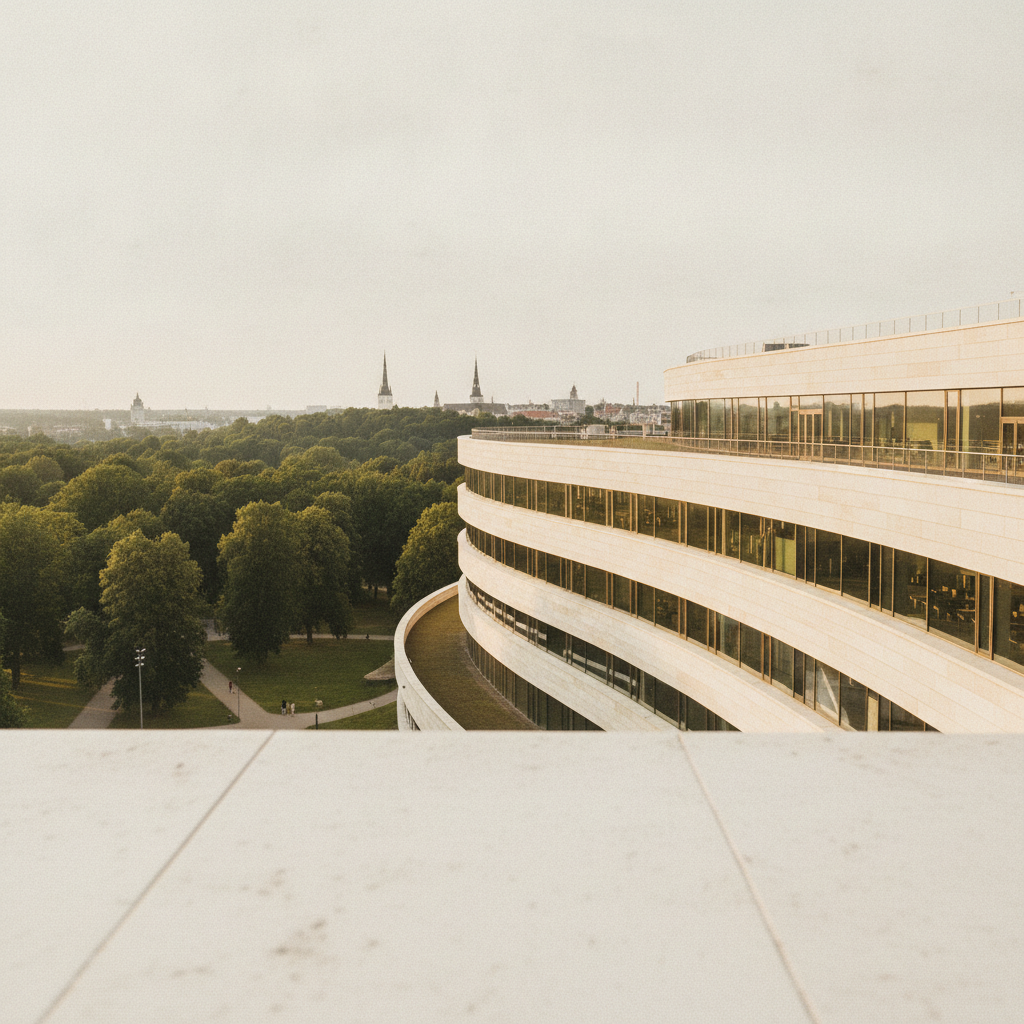
Tallinn Beyond the Old Town — Kadriorg Palace, KUMU Museum & the World's Most Digital Society
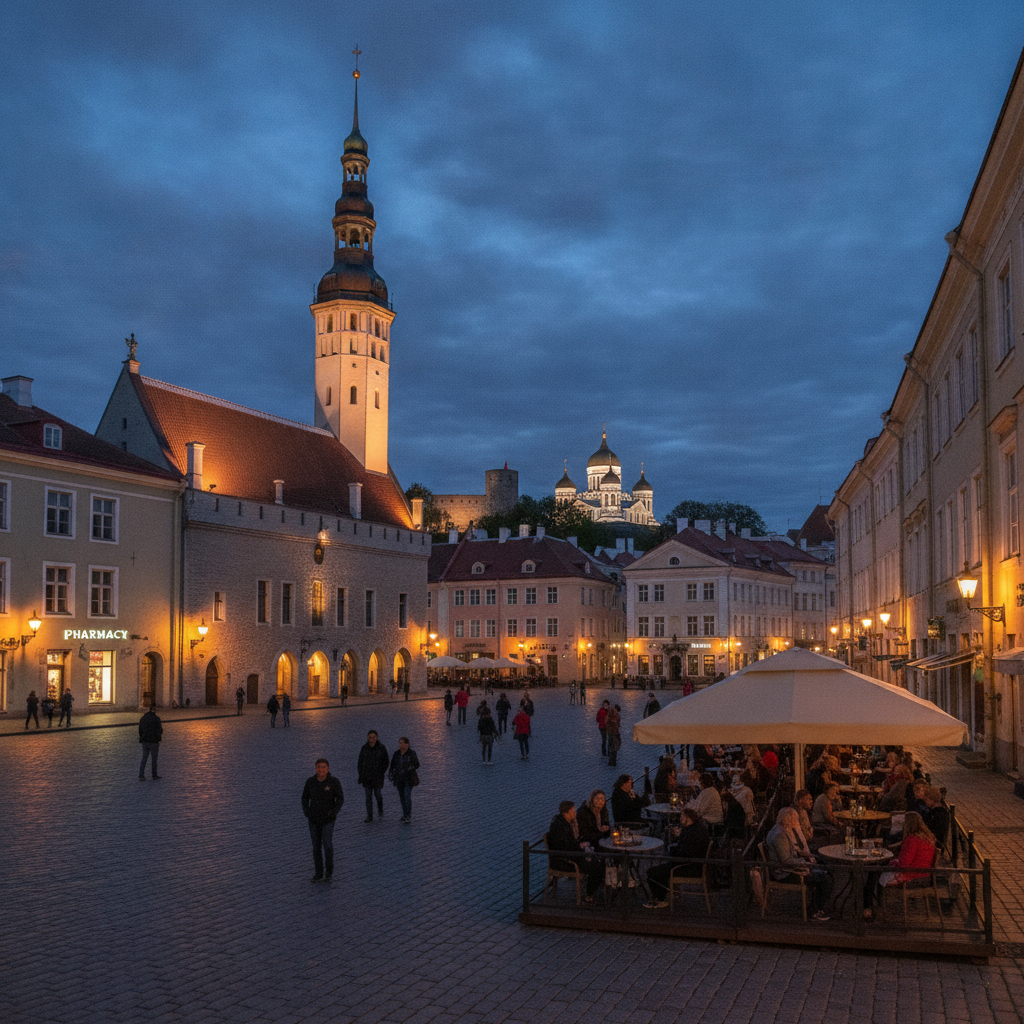
Tallinn Old Town — Town Hall Square, Toompea Castle & the Best-Preserved Medieval City in Northern Europe