Tallinn Practical Guide — the Helsinki Ferry, Seasons, Access & the Estonian Experience
Tallinn is one of the most accessible capitals in Northern Europe — the 2-hour ferry from Helsinki makes it a practical day trip from Finland, the budget airline connections from London and Amsterdam make it a weekend city break, and the compact Old Town means the essential sights are walkable in 2-3 days.
- 1
The Helsinki-Tallinn Ferry — the World's Busiest Short Sea Route
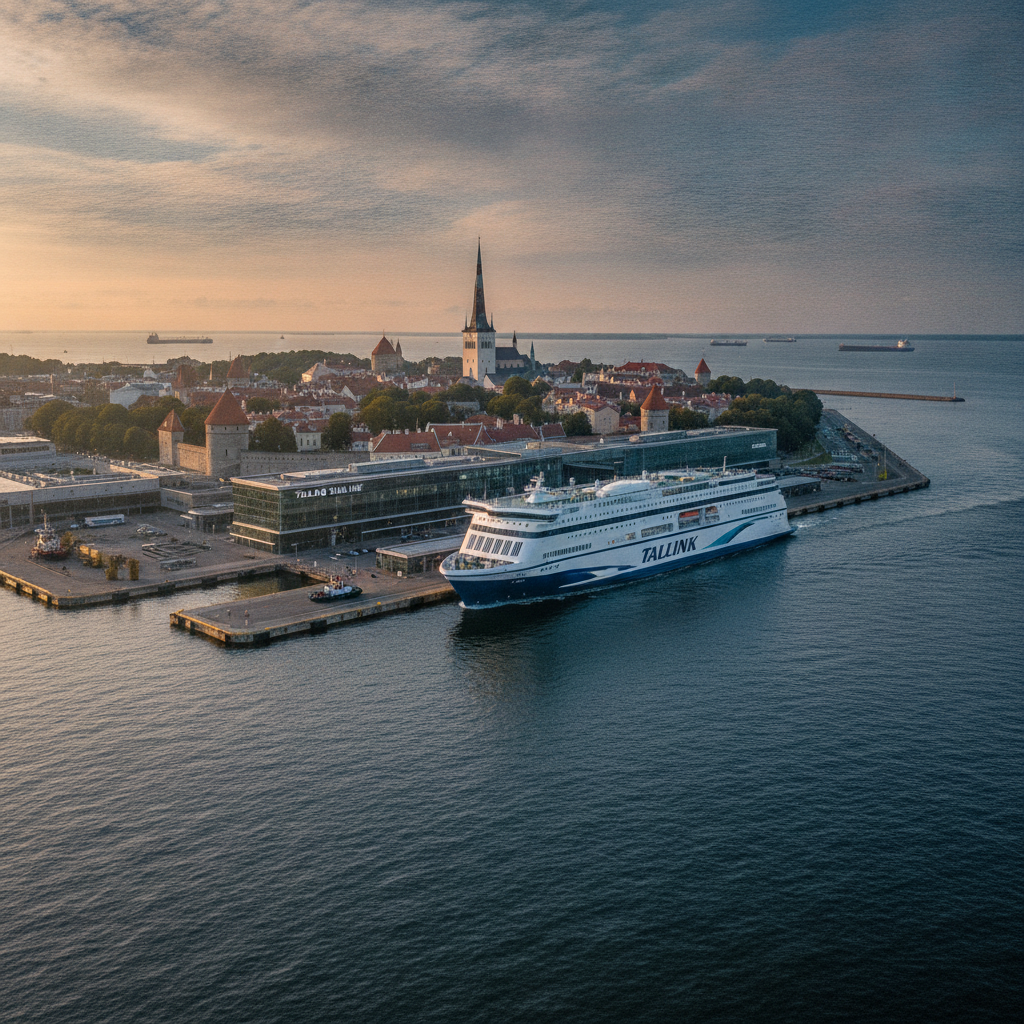
The Helsinki-Tallinn crossing (the Baltic Sea crossing from Helsinki South Harbour to Tallinn Old City Harbour, 85km, 2-2.5 hours depending on the vessel, the busiest short international sea crossing in the world by passenger volume — approximately 9 million passengers per year, the crossings operated by Tallink and Viking Line, 8-12 sailings daily in each direction): Tallink Silja (the Estonian-Finnish ferry company, the megaferries carrying 2,500 passengers and 800 vehicles, the onboard restaurants, bars, and duty-free shops converting the crossing into an experience in itself, the day crossing at €30-50 return from Helsinki in advance, the overnight crossing with a cabin at €60-100 per person), Viking Line (the Finnish company operating similar vessels at comparable prices, the specific advantage of the Viking Line being the slightly longer crossing time allowing more use of the onboard amenities). The ferry terminal (the Tallinn Old City Harbour, 1km from the Old Town — a 15-minute walk along the waterfront path past the Linnahall — the Soviet-era amphitheatre on the coast — or a 5-minute taxi at €5, the terminal with the walk-in access to the most scenic entry route to any European capital by public transport, the approach to the Old Town towers visible from the sea the most memorable arrival in the Baltic).
- 2
When to Visit Tallinn — Summer Nights and Winter Darkness
Tallinn's extreme northern latitude (59°N, the same as Bergen in Norway and Stockholm in Sweden) creates the most pronounced seasonal contrast of any major European capital: Summer (June-August, the white nights — the sun setting after 10pm on midsummer and rising before 4am, the sky never fully dark in June-July, the Old Town cafes on the terrace until midnight in natural light, temperatures 18-24 degrees, the city at maximum tourist capacity — the cruise ships visiting 3-5 times per week, the Helsinki day-trippers daily, the accommodation at peak prices €80-200/night for Old Town hotels), Autumn (September-October, the most recommended visiting period — the white nights ended, the temperatures 10-16 degrees, the colour on the Kadriorg Park and the Estonian forests visible from Toompea, the accommodation at 30-40 percent below peak prices, the restaurants and bars at full capacity but the Old Town walkable without the cruise crowd), Winter (November-March, the Christmas market the high point, the darkness of the northern winter arriving early — the sun setting at 3:30pm on the shortest days — the Old Town gas-lit and romantically atmospheric in the dark, temperatures -10 to 2 degrees, the accommodation at minimum prices). Spring (April-May, the ice leaving the Baltic in April, the Kadriorg Park in bloom in May, the temperature rising rapidly through 10-18 degrees, the ferry traffic increasing from May 1 as the Finnish summer tourists arrive).
- 3
Access — Budget Airlines and the Ferry
Tallinn access options: from London (easyJet from Gatwick, Ryanair from Stansted, approximately 3 hours, €30-80 one-way), from Amsterdam (KLM direct in 2.5 hours, €60-120), from Helsinki (the ferry as described, or the Finnair flight in 30 minutes for €50-100 but the ferry the preferable option for the experience), from Stockholm (SAS direct in 1 hour, €60-120, the alternative being the overnight Tallink ferry from Stockholm to Tallinn — 16 hours, the overnight crossing stopping in Helsinki). City transport: the tram and bus network (the Tallinn public transport free for registered Tallinn residents but requiring a €2/day or €5/week visitor card for tourists, purchased at the transport information kiosks at the ferry terminal and the airport, the tram lines 1, 2, and 4 covering the main tourist routes — line 2 from the Old Town to Kadriorg, lines 2 and 4 from the Old Town to Telliskivi), the Old Town itself (entirely walkable, the compact 1km diameter requiring no public transport for visitors based within or adjacent to the Old Town), the Bolt taxi app (Estonia's own ride-hailing app, the Tallinn base of the €8 billion Estonian tech unicorn Bolt, the cheapest and most reliable taxi service in the city, the Bolt car arriving in 3-5 minutes in the city centre at any hour).
- 4
The Estonian Language and Cultural Orientation
Estonian (the official language of Estonia, spoken by 1.1 million people — the Estonian population — and related only to Finnish and Hungarian among European languages, the three languages forming the Finno-Ugric language family, the Estonian language entirely unrelated to the Latvian and Lithuanian languages spoken in the other two Baltic states, the language impenetrable to speakers of any Indo-European language without study): the practical situation for English-speaking visitors (English is universally spoken in Tallinn by anyone under 50, the service industry 100 percent English-capable, the menus in English throughout the Old Town, the museum audio guides in English, the digital public services in English — the e-residency programme, the public transport apps, the restaurant booking systems). The Estonian identity (the pride in the language and culture sharpened by the 50 years of Soviet occupation 1940-1991 during which the Estonian language was suppressed in public life, the Singing Revolution — the peaceful resistance to Soviet rule expressed through mass choral singing in the 1987-1991 period — the most distinctive national independence movement in 20th-century Europe, the Estonian national pride in having achieved full EU and NATO membership by 2004, 13 years after independence). The most important Estonian cultural reference for international visitors: the August 2023 Tallinn Music Week, the annual Baltic music festival bringing the most interesting independent music from the Baltic states and Finland.
- 5
Tallinn for Different Travellers — History, Tech, Nature
Tallinn visit profiles: the Medieval History visitor (the Old Town, the Town Hall and the Town Hall Pharmacy, the Estonian History Museum in the Great Guild Hall, the Kiek in de Kök cannon tower and bastion tunnels, the Dominican Monastery cloisters — the 2-day medieval circuit the most complete in Northern Europe), the Tech and Digital visitor (the e-Estonia Showroom, the Telliskivi Creative City, the Ülemiste City tech campus, the Product Tank tech meetup series — available via meetup.com — the pitch competition evenings at the Garage48 hackathon space in Telliskivi, the Bolt and Pipedrive headquarters tours by advance booking), the Nature visitor (the Lahemaa National Park day trip, the Pirita beach and the coastal forest walk, the Nõmme nature reserve within the city limits — the protected forest and bog habitat 5km south of the Old Town accessible by bus 23, the largest urban nature reserve in any Baltic state capital), and the Design and Food visitor (the KUMU museum, the Telliskivi market, the Fotografiska, the design shops of the Müürivahe Street — the street along the Old Town wall lined with Estonian craft and design shops, the most concentrated design retail in the Baltic states). The Tallinn Card (the tourist card covering all museums and free public transport, available at €25/24 hours, €35/48 hours, €45/72 hours, the breakeven point at 3 museums per day making the card worthwhile for active museum visitors).
- 6
Tallinn with Finnish and Scandinavian Visitors — the Context
The Finnish-Estonian relationship (the two languages mutually partially intelligible at the basic level — the Estonian and Finnish share approximately 60 percent of basic vocabulary, allowing a Finnish speaker to understand the general meaning of Estonian text and vice versa — the cultural proximity creating the strongest bilateral people-to-people relationship in the Baltic region, the 2-hour ferry crossing making Tallinn the most visited foreign city by Finnish tourists, more Finns visiting Tallinn annually than any other foreign destination, the relationship sometimes complicated by the volume of Finnish visitors primarily seeking the lower-cost alcohol available in Estonia): the Estonian perspective (the Estonians maintaining a distinct national identity strongly differentiated from both the Finnish and the Russian neighbors, the Estonian EU and NATO membership — joined 2004 — the political expression of this distinctiveness, the enthusiasm of the Estonian government for the most complete possible break from the Soviet past the motivating factor behind the e-Estonia digital programme — the desire to build a state system with no paper trails, no Soviet-era administrative legacy), the correct visitor posture (approaching Tallinn as a fully contemporary European capital with a medieval historic core rather than as either a Soviet nostalgia destination or merely a cheap-beer alternative to Helsinki — the city's contemporary culture, digital innovation, and design quality all on par with the best of Scandinavia at Scandinavian minus 30 percent prices).
Walk this route with audio
Stories play automatically as you reach each stop — no tapping needed.
More in tallinn
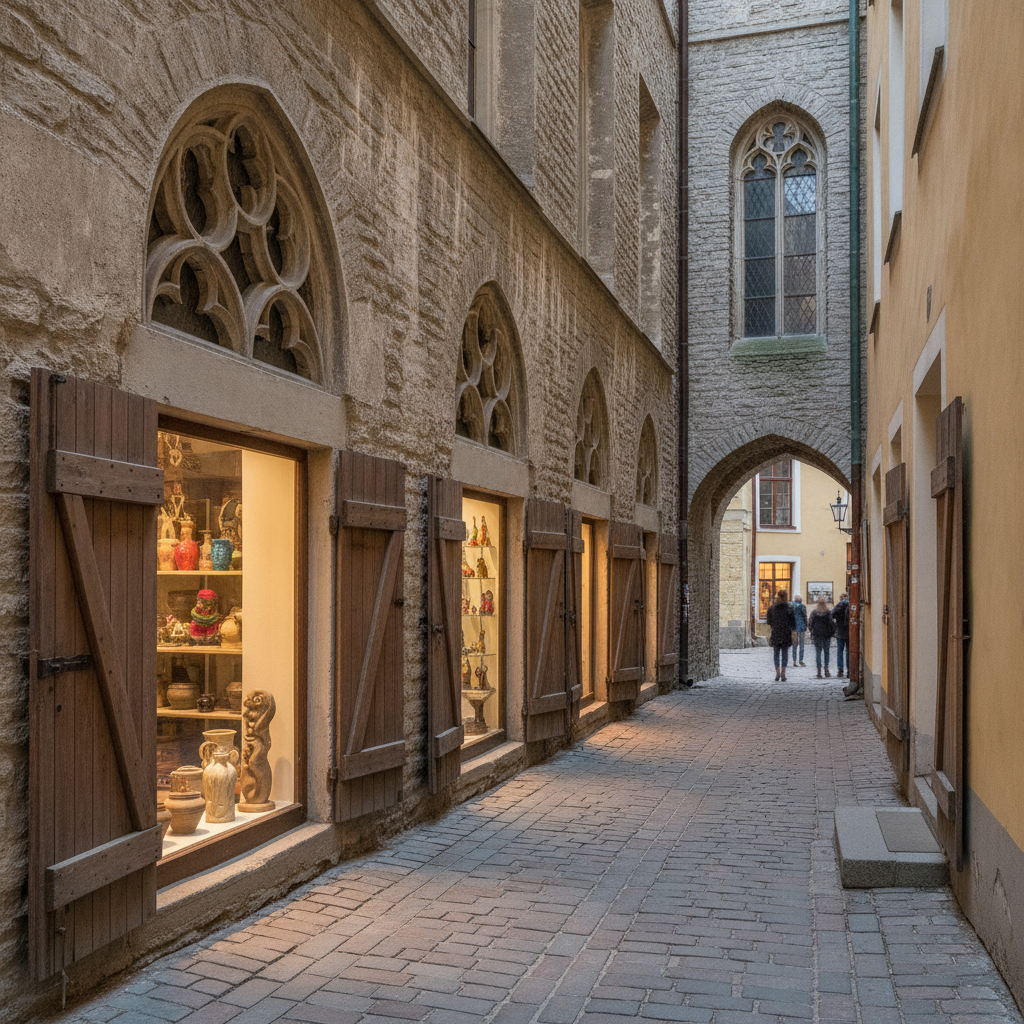
Tallinn Medieval Crafts & Culture — St. Catherine's Passage, the Dominican Monastery & Estonian Design
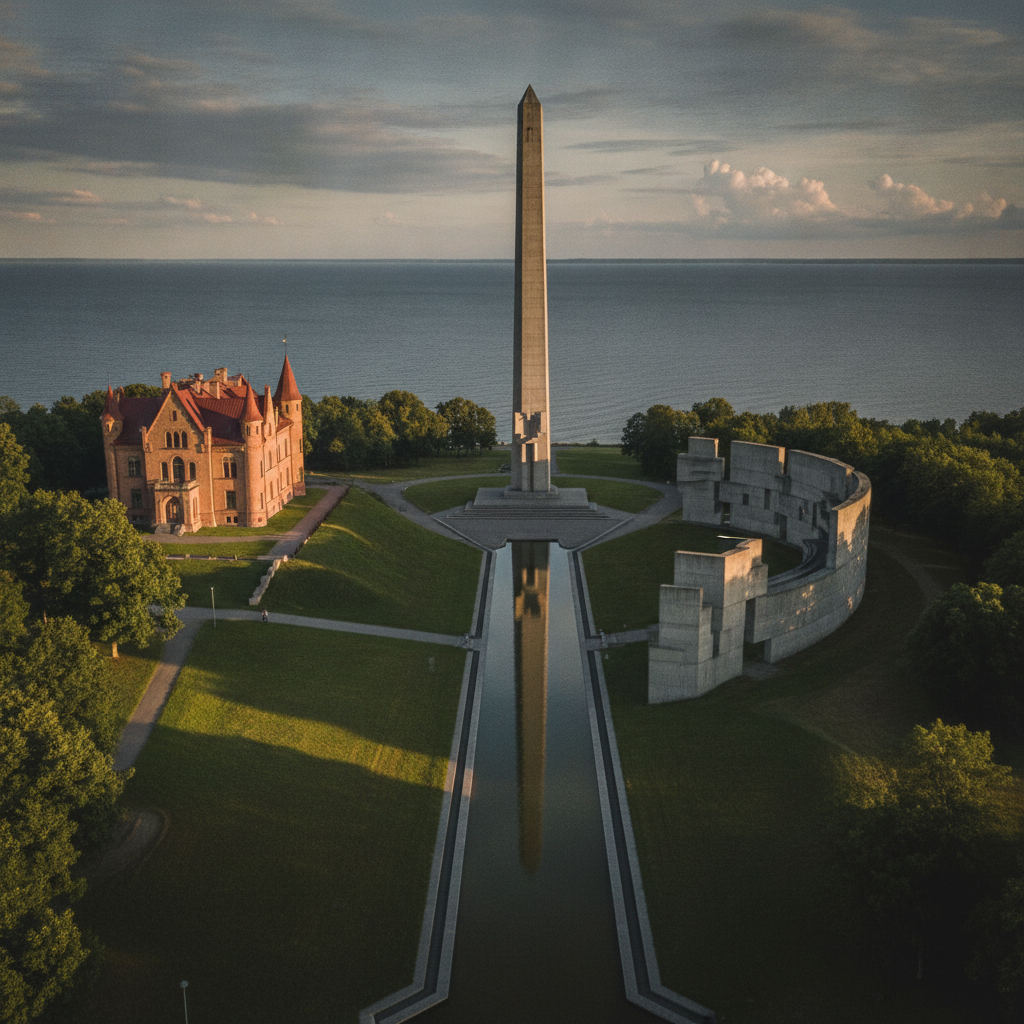
Tallinn Soviet History & the Singing Revolution — Occupation, Resistance & Independence
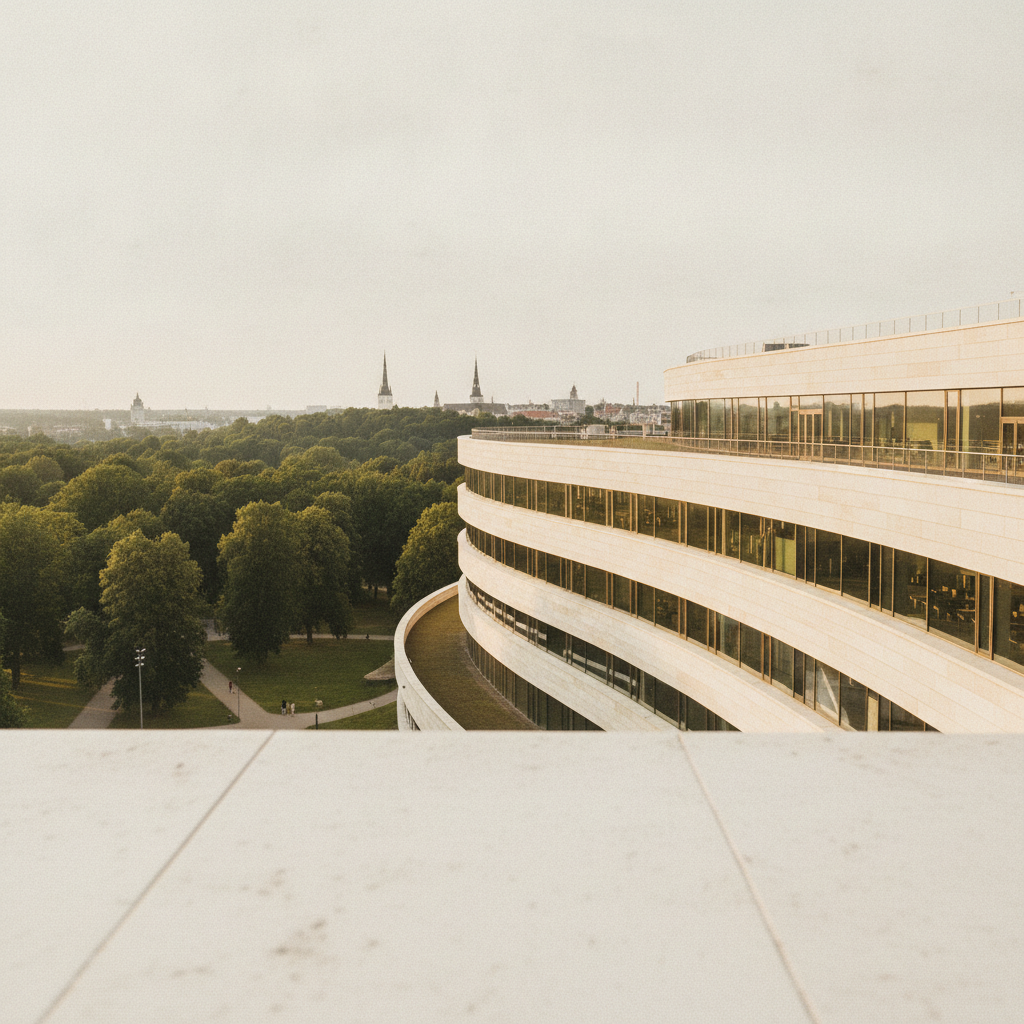
Tallinn Beyond the Old Town — Kadriorg Palace, KUMU Museum & the World's Most Digital Society
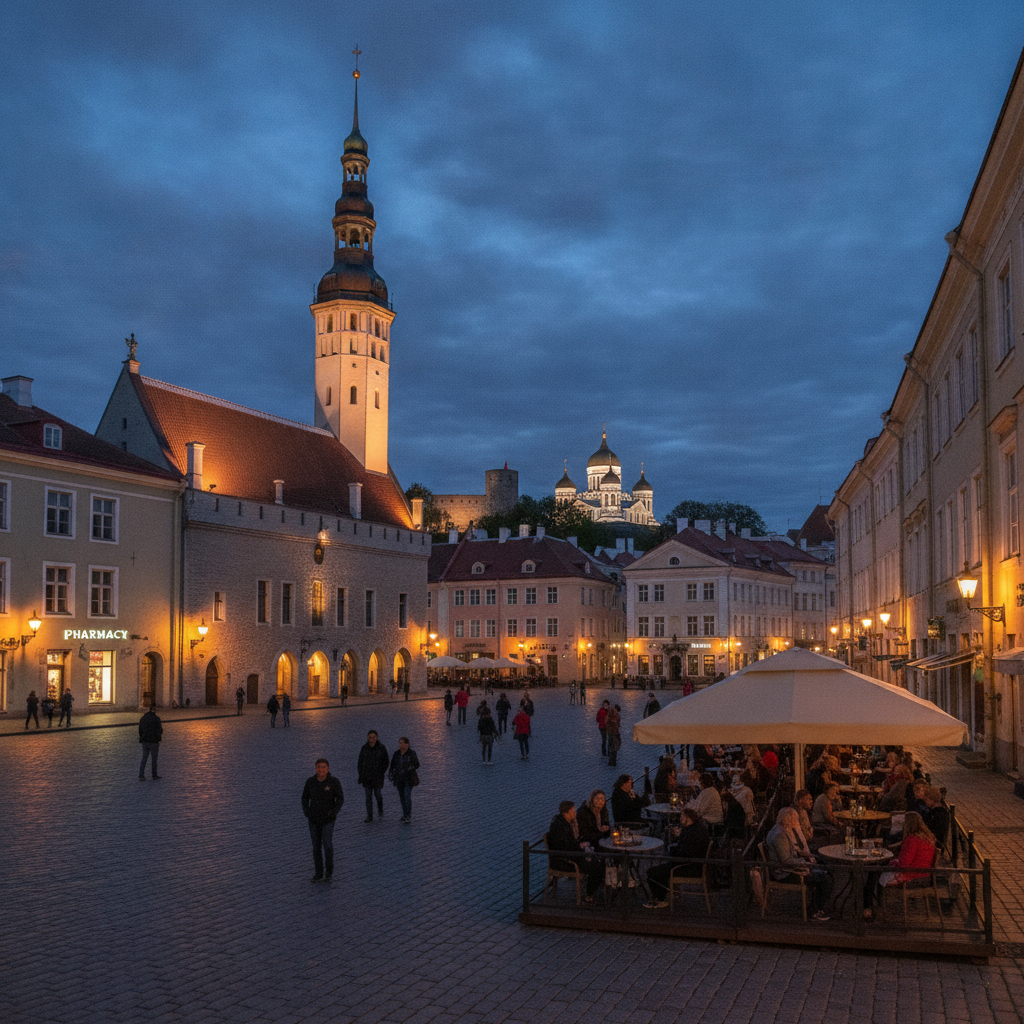
Tallinn Old Town — Town Hall Square, Toompea Castle & the Best-Preserved Medieval City in Northern Europe