The Sizdah Bedar 13th-Day Nowruz Picnic the Largest Single-Day Outdoor Migration of Any City in the World, the Fin Garden UNESCO Walled Paradise Garden Built 1590 & Iran Enriching Uranium to 60% After the 2018 US JCPOA Withdrawal
The Sizdah Bedar exodus where the entire population of Tehran leaves for a single-day nature picnic — the largest single-day outdoor migration of any city in the world; the Fin Garden at Kashan (UNESCO) built 1590 under Shah Abbas I as the finest surviving traditional Persian walled garden; the JCPOA Trump withdrawal in 2018 leading Iran to enrich uranium to 60% (weapons grade requires 90%); the Charshanbe Suri fire-jumping chant zardi-e man az toh sorkhi-e toh az man; the Fordow enrichment plant built inside a mountain 90m underground to withstand bombing; and Tehran restaurant meals at USD 2–4 at the unofficial exchange rate.
- 1
Iran's Nuclear Program – History & Geopolitics
The Iran nuclear program geopolitics (the most consequential geopolitical issue in the contemporary Middle East — the Iranian nuclear program and the resulting international sanctions and diplomacy): the geopolitics guide. The history (Iran's nuclear program began in the 1950s under the Shah with US assistance (the Atoms for Peace program): the revolutionary period (the Islamic Republic initially abandoned the nuclear program after 1979 but restarted it covertly in the 1980s during the Iran-Iraq War: the enrichment (the primary Iranian nuclear enrichment facilities: Natanz (the primary uranium enrichment facility — the underground Fuel Enrichment Plant (FEP) at Natanz contains approximately 18,000 centrifuges capable of enriching uranium to 60% purity (as of 2024): Fordow (the Fordow Fuel Enrichment Plant — built inside a mountain 90m underground in a former Revolutionary Guard base near Qom — designed to withstand aerial bombing): the JCPOA (the Joint Comprehensive Plan of Action (JCPOA) — the nuclear agreement signed July 14, 2015 between Iran and the P5+1 (US, UK, France, Germany, Russia, China): the agreement (Iran agreed to reduce its enriched uranium stockpile by 98% and operate only 5,060 of its 19,000 centrifuges in exchange for the lifting of nuclear-related sanctions: the US withdrawal (President Trump withdrew the US from the JCPOA on May 8, 2018 and reimposed sanctions — Iran began exceeding the JCPOA limits in response: the 2024 situation (Iran was enriching uranium to 60% purity as of 2024 — well above the 3.67% limit set by the JCPOA: weapons-grade enrichment requires 90%+).
- 2
Tehran Street Art & Underground Music
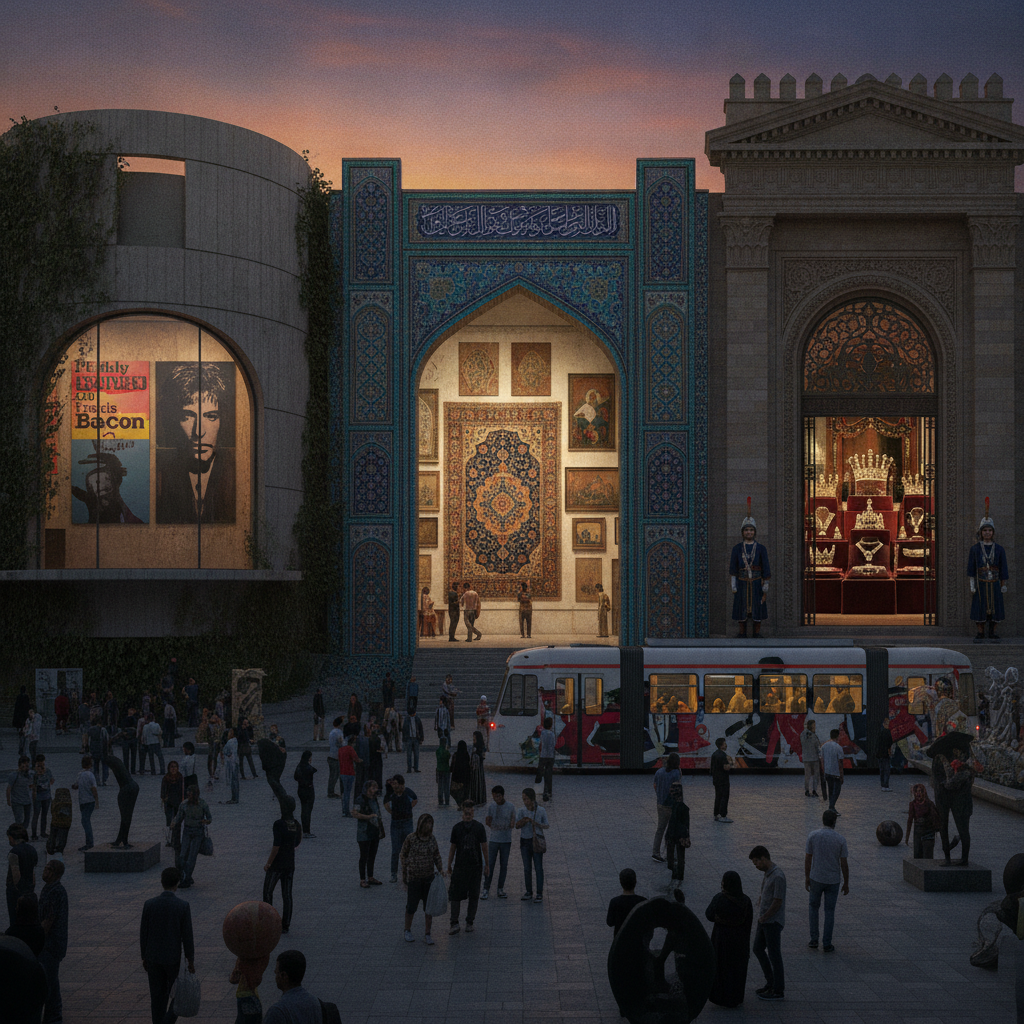
The Tehran underground cultural scene (the vibrant unofficial cultural expression of Tehran — the street art, underground music, and independent film that flourishes beneath the surface of the Islamic Republic's cultural restrictions): the underground culture guide. The street art (Tehran has developed one of the most extensive legal street art scenes in the Middle East — but the official murals and the unofficial street art are radically different: the official murals (the Islamic Republic has maintained a large-scale mural painting program on Tehran's building walls since 1979 — the murals primarily depict revolutionary martyrs, anti-American imagery (the famous Death to America murals), and Koranic verses: the unofficial street art (the unofficial Tehran street art has grown in the spaces between the official murals: the primary districts: the Abbasabad and Vali-e Asr neighborhoods for unofficial graffiti and stencil work): the underground music (the underground Tehran music scene: electronic music (the Tehran electronic music scene — the most active underground music scene in Iran: the house and techno parties in private apartments and rooftops of northern Tehran are the primary venue for electronic music performance: DJs like Deedoosh and Mehdis have achieved international recognition from their Tehran underground work): the heavy metal (Iran has an active underground heavy metal scene despite the fact that heavy metal is officially banned in the Islamic Republic — the bands practice in soundproofed basements and distribute music via USB drives: the rap (the Iranian hip-hop scene — primarily in Farsi but with significant English-language content — is the fastest-growing underground music genre in Tehran).
- 3
Nowruz – Persian New Year in Tehran
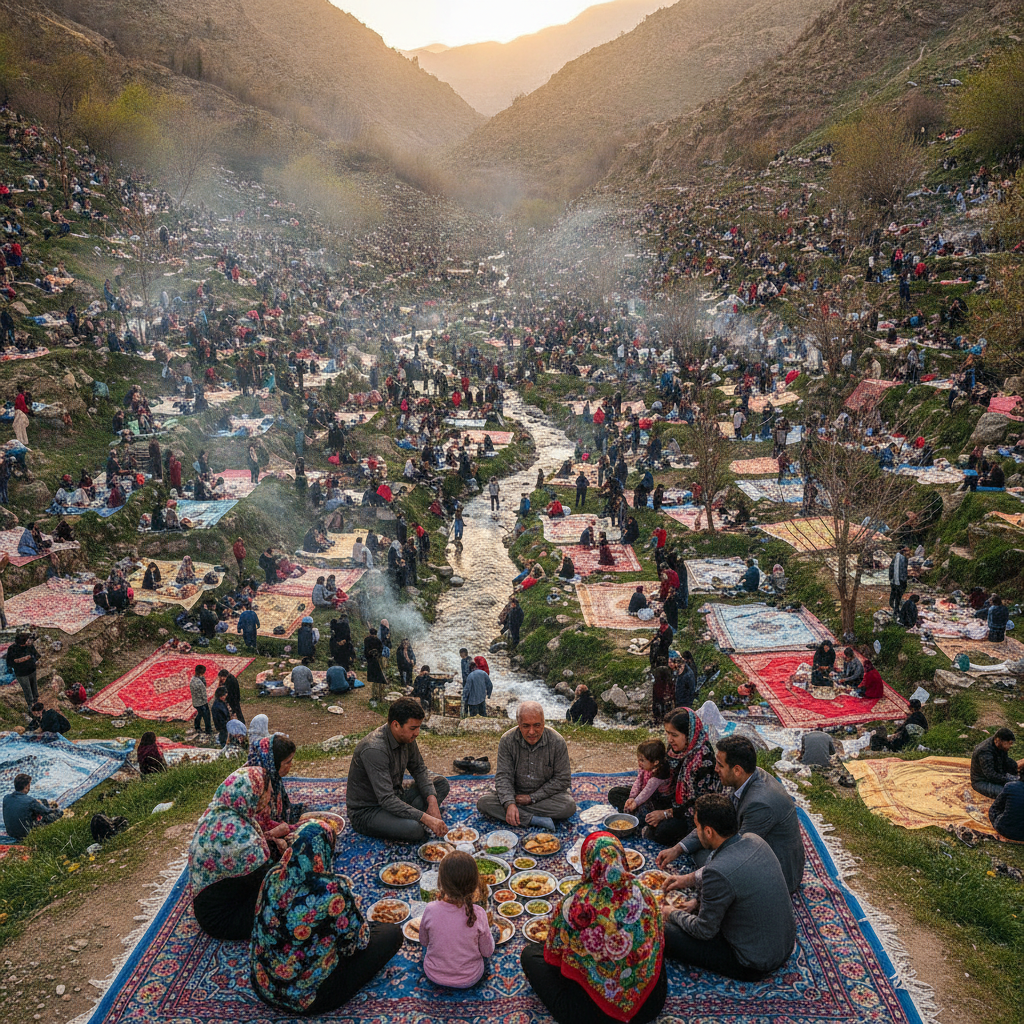
The Nowruz heritage in Tehran (the Persian New Year — the most important annual celebration in Iran and the defining cultural event of Tehran's calendar): the Nowruz guide. The Nowruz (نوروز — New Day in Persian) — the Persian New Year celebration on the spring equinox (March 20–21): the tradition (Nowruz has been celebrated for at least 3,000 years — the earliest Nowruz references are in the Avesta (the Zoroastrian sacred texts): the UNESCO inscription (Nowruz was inscribed on the UNESCO Representative List of Intangible Cultural Heritage in 2009): the haft-sin table (the Haft-Sin (هفتسین — Seven Sins — where sin is the Persian letter S) — the traditional Nowruz table setting with seven items beginning with the letter S (sin) in Persian: the items and their symbolism: sabzeh (wheat or lentil sprouts — renewal); samanu (sweet wheat pudding — prosperity); senjed (dried silverberry — love); sir (garlic — health); sib (apple — beauty); somaq (sumac — sunrise and victory); serkeh (vinegar — patience and age): the additional traditional items: candles (light), a mirror (sky), a goldfish (life), painted eggs (fertility), and a copy of the Hafez divan (wisdom): the Charshanbe Suri (the Fire-Jumping Wednesday — the last Wednesday before Nowruz — the Iranians jump over bonfires in the street chanting: zardi-e man az toh, sorkhi-e toh az man (my pallor to you (the fire), your redness (vitality) to me): the Sizdah Bedar (the 13th Day outing — 13 days after Nowruz the entire population of Tehran leaves the city for a picnic in nature — Sizdah Bedar is the largest single-day outdoor migration of any city in the world).
- 4
Iranian Architecture – The Persian Garden Tradition
The Persian architectural and garden heritage (the Persian garden — the paradise garden — the foundational landscape concept of Iranian civilization and the primary aesthetic framework of Persian architecture): the architectural heritage guide. The Persian garden (the Persian garden (Bagh-e Irani — باغ ایرانی) — the walled enclosed garden with the central pool (hauz), the water channels (juy), and the four-part layout (Chahar Bagh): the UNESCO inscription (the Persian Garden was inscribed on the UNESCO World Heritage List in 2011 — the inscription covered 9 Persian gardens in Iran including the Fin Garden at Kashan, the Eram Garden at Shiraz, the Shazdeh Garden at Mahan, and the Chehel Sotun garden at Isfahan): the Chahar Bagh concept (the Chahar Bagh (چهارباغ — Four Gardens) — the four-part garden layout divided by two crossing water channels: this layout, traceable to the Achaemenid period (the garden at Pasargadae), became the template for garden design across the Islamic world: the Islamic paradise garden (the Arabic word Janna (Heaven) and the English word Paradise both derive from the Iranian word pairidaeza (walled enclosure) — the concept of a walled enclosed garden as the earthly representation of heaven is an Iranian concept that spread through Islamic and medieval European garden design): the Sa'd Abad garden (the Sa'd Abad palace park — 110 hectares of forested Alborz mountain garden — the finest surviving example of a royal Persian garden in the Tehran area).
- 5
Tehran Budget Guide – Navigating Sanctions & Currency
The Tehran budget travel guide (the practical financial and logistical information for independent travel to Tehran under international sanctions — navigating Iran's unusual financial restrictions): the budget guide. The currency situation (the Iran sanctions create unique challenges for travelers: the Iranian Rial (IRR) is not convertible internationally — no international ATM network operates in Iran — Visa, Mastercard, and American Express cards do not function in Iran: the solution (travelers must bring all spending money in cash (US dollars or Euros): the money changers (the official exchange rate is approximately 1 USD = 400,000 IRR: the unofficial (street) rate is approximately 1 USD = 700,000–800,000 IRR: the bazaar exchange offices in the Tehran Grand Bazaar offer the best rates): the daily budget (the average independent traveler budget in Tehran: accommodation (a decent guesthouse room): IRR 4,000,000–8,000,000 (USD 5–10 at the unofficial rate): meals (a full Iranian restaurant meal): IRR 500,000–2,000,000 (USD 0.60–2.50 at the unofficial rate): the transportation (the Tehran Metro: IRR 10,000–30,000 per journey (USD 0.01–0.04): the Metro Card (the Yekbar electronic card): the Iran travel card (the Iran Travel Card (a pre-loaded Iranian Rial debit card sold to foreigners at some guesthouses and travel agencies — the card allows payment at Iranian merchants that accept card payment): the food prices (the Tehran restaurant prices are among the lowest of any capital city in the world for Western visitors due to the currency exchange rate: a full traditional Iranian lunch: IRR 1,500,000–3,000,000 (USD 2–4 at the unofficial rate)).
- 6
Tehran Day Trips – Kashan, Qom & Mount Damavand
The Tehran day trips guide (the best single-day and overnight excursions from Tehran — the primary historical and natural destinations within 2–4 hours of the capital): the day trips guide. The Kashan (Kashan (کاشان) — 250 km south of Tehran (3 hours by bus): the primary attraction: the Fin Garden (Bagh-e Fin — UNESCO World Heritage Site) — the best-preserved traditional Persian walled garden in Iran (built 1590 under Shah Abbas I, expanded 18th century): the historic houses (the Tabatabaei House and the Borujerdi House — two privately commissioned 19th-century mansions with elaborate wind towers (badgir) and stained glass — the finest examples of Qajar domestic architecture in Iran): the Agha Bozorg Mosque (the 18th-century mosque-madressa complex with a sunken courtyard): the Qom (Qom (قم) — 140 km south of Tehran (1.5 hours): the primary Shia theological city of Iran — the primary training center for Shia clergy and the most important pilgrimage site in Iran after Mashhad: the primary attraction (the Fatima Masumeh Shrine (Haram-e Motahhar-e Hazrat-e Masumeh) — the golden-dome shrine of the sister of Imam Reza — the most sacred site in Iran for Shia Muslims after Mashhad: the dress code (full chador (the full-body covering) is required for women at the Fatima Masumeh Shrine — women who do not own a chador can borrow one at the shrine entrance): the Mount Damavand (Kuh-e Damavand — 85 km northeast of Tehran — the highest volcano in Asia at 5,610m: the primary trekking route (the South Face route via Polur village is the standard ascent — base camp at Bargah-e Sevom (Camp 3) at 4,200m: the summit reach requires 4WD to Polur and 2 days of climbing).
Walk this route with audio
Stories play automatically as you reach each stop — no tapping needed.
More in Tehran
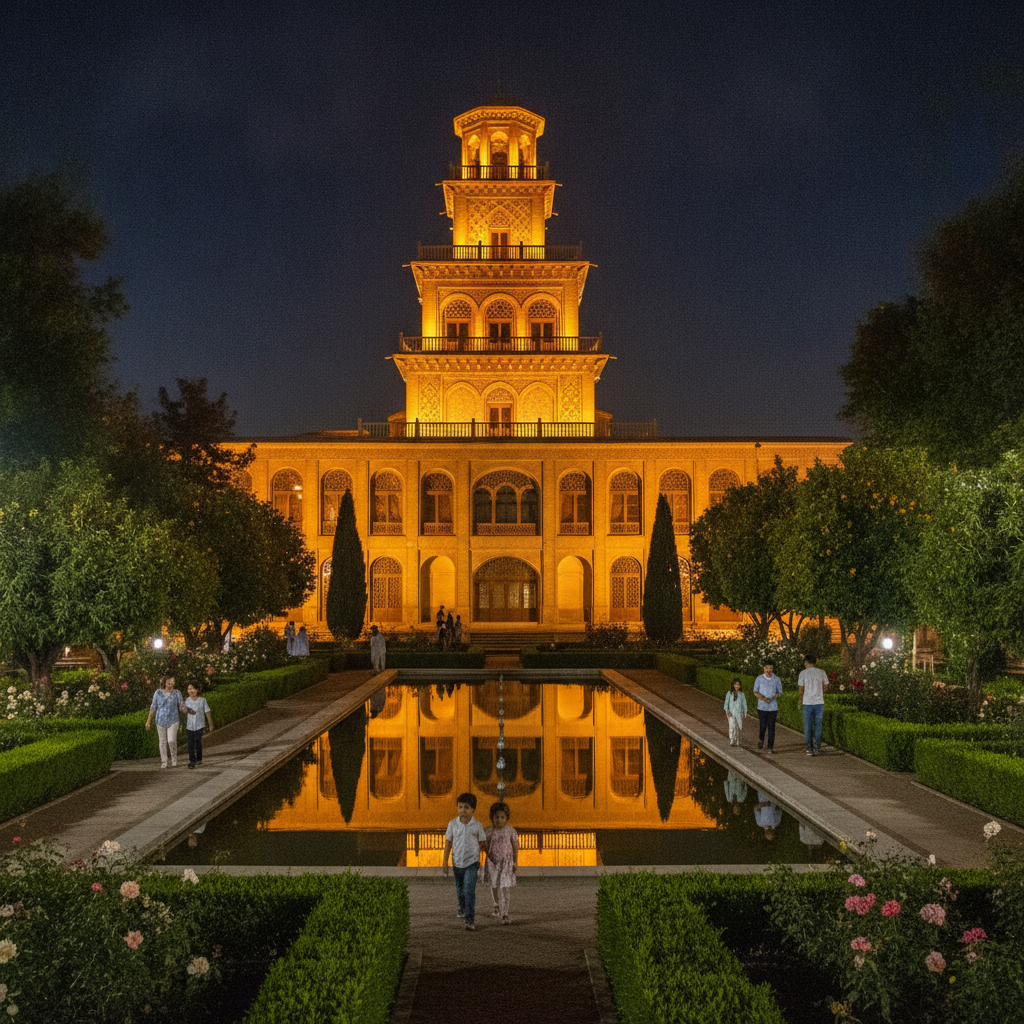
The Tehran Grand Bazaar Bazaaris Financing Both the 1905 Constitutional Revolution and the 1979 Islamic Revolution, Mount Damavand the Highest Volcano in Asia at 5,610m & the Tochal Gondola the Highest Gondola-Served Skiing Area in the World
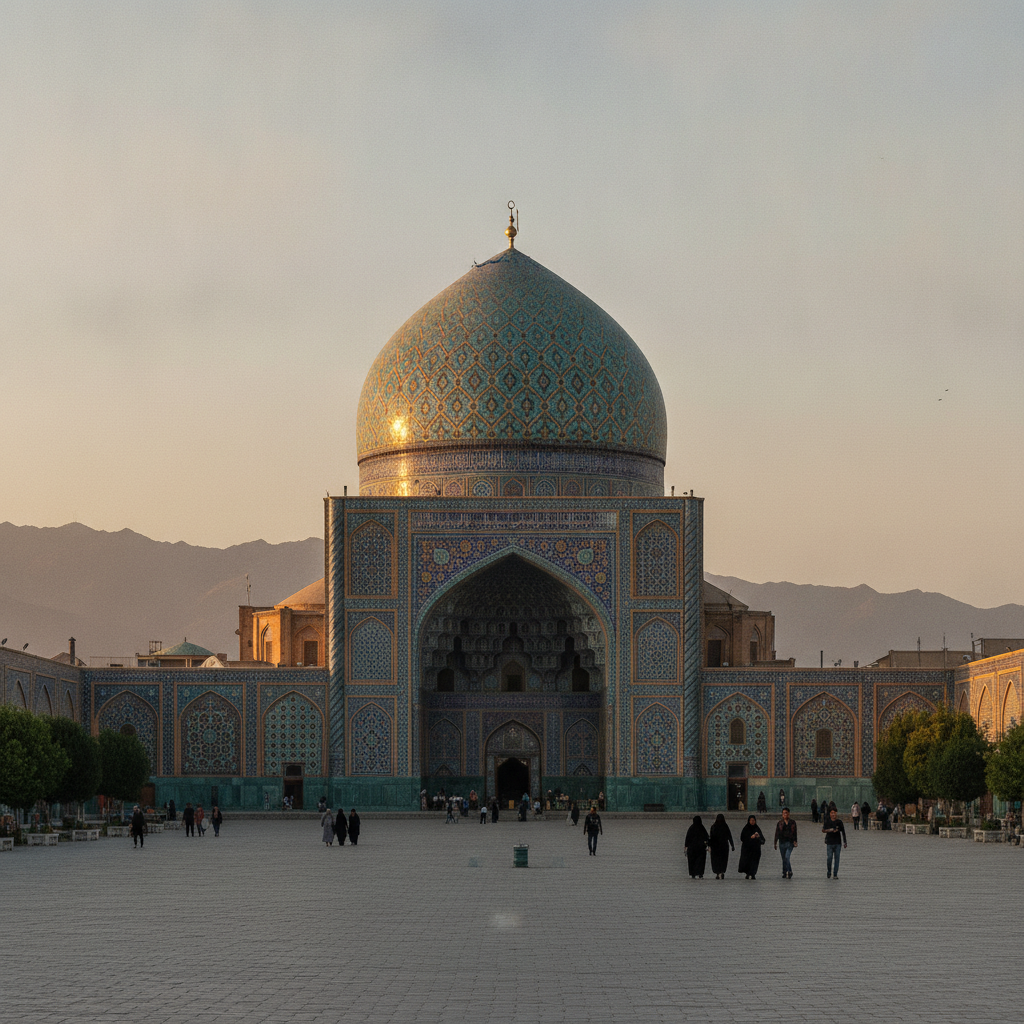
The Atash Bahram Sacred Fire in Yazd Burning Continuously Since 470 CE (1,500+ Years), Zoroastrianism Influencing the Jewish Heaven Hell Angels Devil and Messiah Concepts & the 1639 Treaty of Zuhab Still Defining the Iran-Iraq Border Today
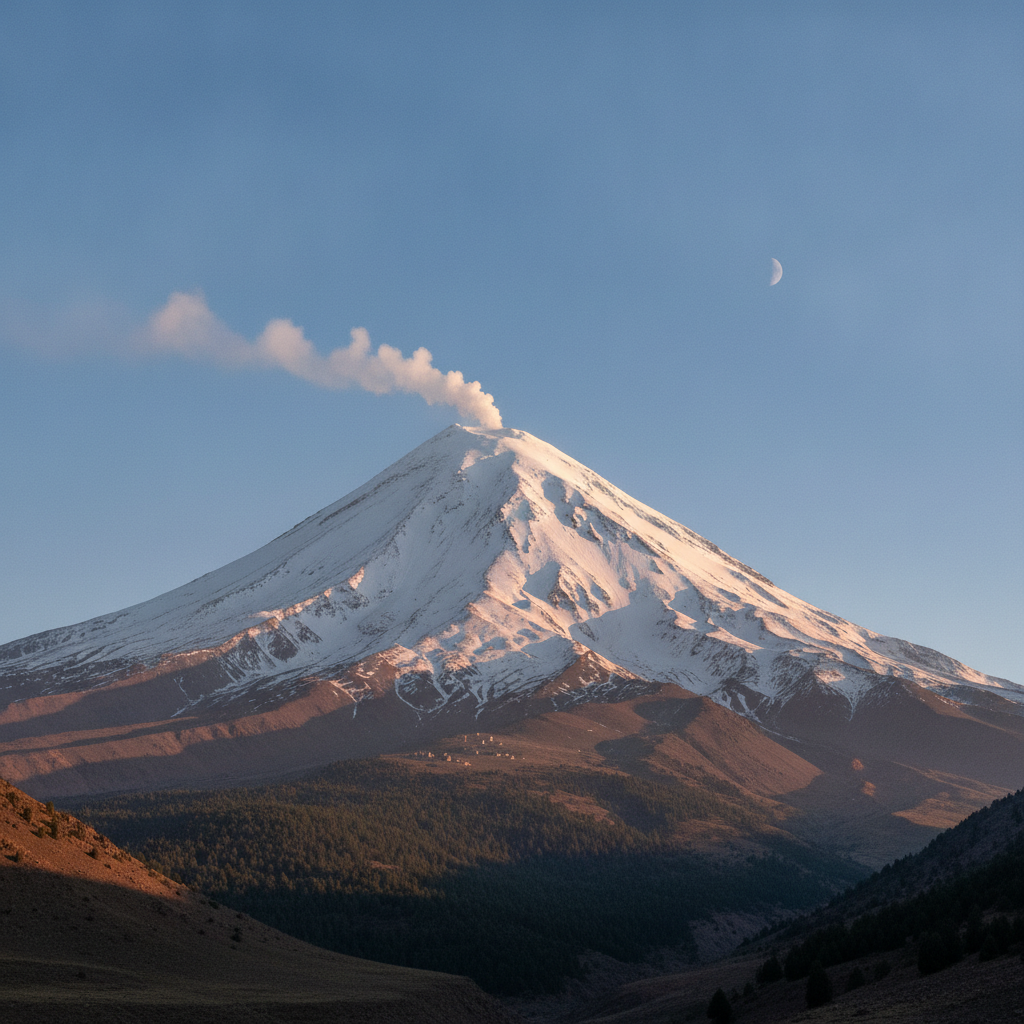
The Bazaaris Funding the Tobacco Protest, Constitutional Revolution, Mosaddegh's Oil Nationalization AND the 1979 Revolution, Damavand's Zahhak Prophecy Paralleling Norse Ragnarok & 70% of Iranian Internet Users on VPN Daily

Tehran Modern: The Northern Districts, the Jordan Street Cafe Scene, the Elahiyeh Lifestyle, Shopping, and the Most Cosmopolitan Single Iranian Urban Culture

Tehran History: The Pahlavi Era, the 1979 Revolution, the Islamic Republic, and the Most Politically Complex Single Modern Iranian Capital