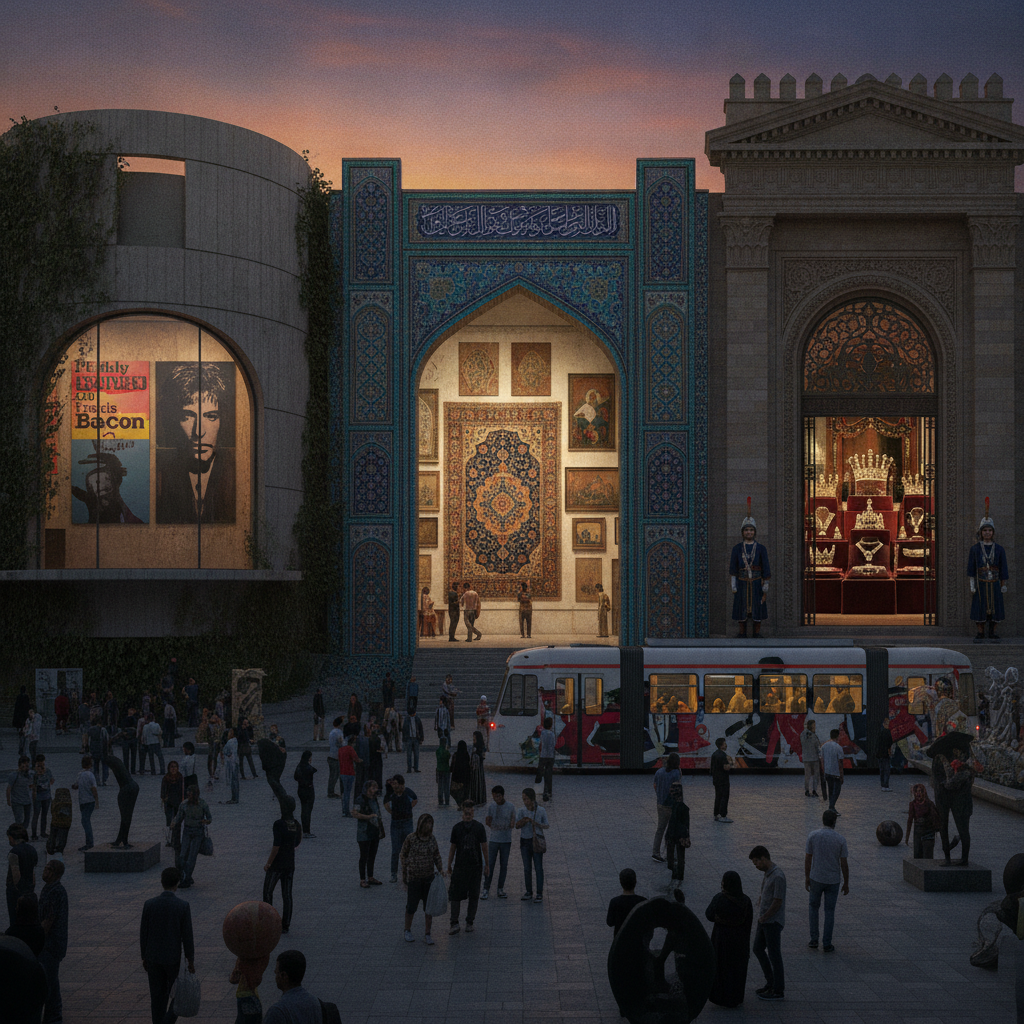
Asghar Farhadi the Only Director to Win Two Academy Awards for Best Foreign Language Film, the Achaemenid Empire at 44% of the World's Population in 480 BCE & the 2022 Mahsa Amini Protests the Largest Iranian Civil Unrest Since 1979
Asghar Farhadi winning Academy Awards for A Separation (2011) and The Salesman (2016) — the only director to win Best Foreign Language Film twice; the Achaemenid Empire controlling 44% of the world's estimated population of 112 million in 480 BCE; the Mahsa Amini Woman Life Freedom uprising (September 2022) killing approximately 500 protesters; Iranian women at 60% of university enrollment (highest in the Middle East) despite legal restrictions; the Hafez divan used throughout the Persian-speaking world for bibliomancy (fal-e Hafez); and Kiarostami's long-take aesthetic influencing world cinema after Tarkovsky.
- 1
Persian Literature & Poetry – From Hafez to Rumi
The Persian literary heritage (the Persian poetic tradition — the most celebrated literary tradition in the Islamic world and the richest poetic output per capita of any civilization in history): the literary heritage guide. The tradition (the New Persian literary tradition began in the 9th century under the Samanid dynasty: the New Persian (Darī — the court Persian of the Samanids — is the language that became Tajik, Dari, and Iranian Persian: the primary figures: Rudaki (858–941): Ferdowsi (940–1020): Omar Khayyam (1048–1131 CE — the mathematician, astronomer, and poet: the Rubaiyat (the collection of four-line poems (rubaiyat) by Omar Khayyam: known in the West primarily through Edward FitzGerald's 1859 translation (which significantly romanticized and altered the originals): Saadi Shirazi (1210–1291 CE — the most practically wise Persian poet: the Gulistan (Rose Garden) and Bostan (Orchard) are the two primary collections — practical moral wisdom expressed in verse and prose: Hafez (Khwaje Shamso'd-Din Mohammad Hafez-e Shirazi, approximately 1315–1390 CE) — the most celebrated of all Persian poets and the master of the ghazal form (the ghazal is a 5–12 couplet poem in a fixed rhyme and meter): the divan (the collection of Hafez's ghazals is used throughout the Persian-speaking world for bibliomancy (fal-e Hafez — divination by opening the divan at random and reading the poem): Rumi (Jalal al-Din Mohammad Rumi, 1207–1273 CE — the most globally read Persian poet in the modern era: the Masnavi (6 books, 25,000 couplets) is the primary Sufi philosophical poem of the Persian tradition).
- 2
Iranian Cinema – Tehran's Global Film Culture
The Iranian cinema heritage (the Iranian cinema — the most internationally acclaimed film tradition in the Middle East and one of the most celebrated national film cultures in the world): the cinema heritage guide. The tradition (the Iranian cinema emerged as an internationally recognized art form after the 1979 Revolution — the paradox of the Islamic Republic's strict censorship producing a creative explosion of indirect and metaphorical filmmaking: the primary directors: Abbas Kiarostami (1940–2016) — the most internationally celebrated Iranian director: the Koker trilogy (Where Is the Friend's Home (1987), And Life Goes On (1991), Through the Olive Trees (1994)) — three films set in the same northern Iranian village: the style (the Kiarostami style: long uncut takes, non-professional actors, ambiguous endings, minimal dialogue — the most influential long-take aesthetic in world cinema after Tarkovsky): the primary films (the primary Iranian films that achieved international recognition: Children of Heaven (Majid Majidi, 1997) — the first Iranian film nominated for the Academy Award for Best Foreign Language Film: A Separation (Asghar Farhadi, 2011) — the first Iranian film to win the Academy Award for Best Foreign Language Film (Golden Bear at Berlin Film Festival): The Salesman (Asghar Farhadi, 2016) — the second Farhadi film to win the Academy Award for Best Foreign Language Film: the Tehran Film Festival (the Fajr International Film Festival (Jashn-e Jashn-haye Jahani-ye Fajr) — the primary Iranian film festival held annually in February in Tehran): the censorship (the Islamic Republic film censorship requires that male-female physical contact is not shown in films — Iranian cinema developed an entire aesthetic vocabulary to tell intimate stories without physical contact).
- 3
Tehran's Food Markets – Meydan-e Tajrish & Bazar-e Vakil
The Tehran food market heritage (the primary food markets of Tehran — the bazaar culture as the culinary and social center of the city): the food market guide. The Tajrish Bazaar (the Tajrish Bazaar (Bazar-e Tajrish) — the most atmospheric food market in northern Tehran in the Tajrish Square area: the market covers approximately 3 hectares of covered and open-air stalls: the primary sections: the dried fruit and nut section (the best selection of dried fruit in Tehran: sour cherries (albalu), dried figs (anjir), barberries (zereshk), and pistachio nuts from Rafsanjan): the fresh produce section (the herbs section is the most distinctive element of the Tajrish Bazaar — the sabzi (fresh herb) vendors selling bundles of fresh fenugreek (shanbalileh), parsley (jafari), coriander (geshniz), and tarragon (tarkhon) — the fresh herbs are the primary flavoring agent of Iranian cuisine: the fresh kashk (the dried yogurt whey sold fresh in clay pots — the primary souring ingredient in Persian cooking): the spice section (the Persian spice vendors at the Tajrish Bazaar sell: the advieh (the Persian spice blend — a mixture of dried rose petals, cardamom, cumin, cinnamon, and saffron used to season rice and stews): the pomegranate molasses (rob-e anar — the primary souring condiment of Iranian cooking): the Tehran Restaurant scene (the primary Tehran restaurant districts: the Jordan Street restaurant district (the upscale restaurant corridor in the Elahiyeh neighborhood): the Darband restaurant trail (traditional mountain-view restaurants above Tajrish).
- 4
The Achaemenid Legacy – Persepolis & Ancient Iran
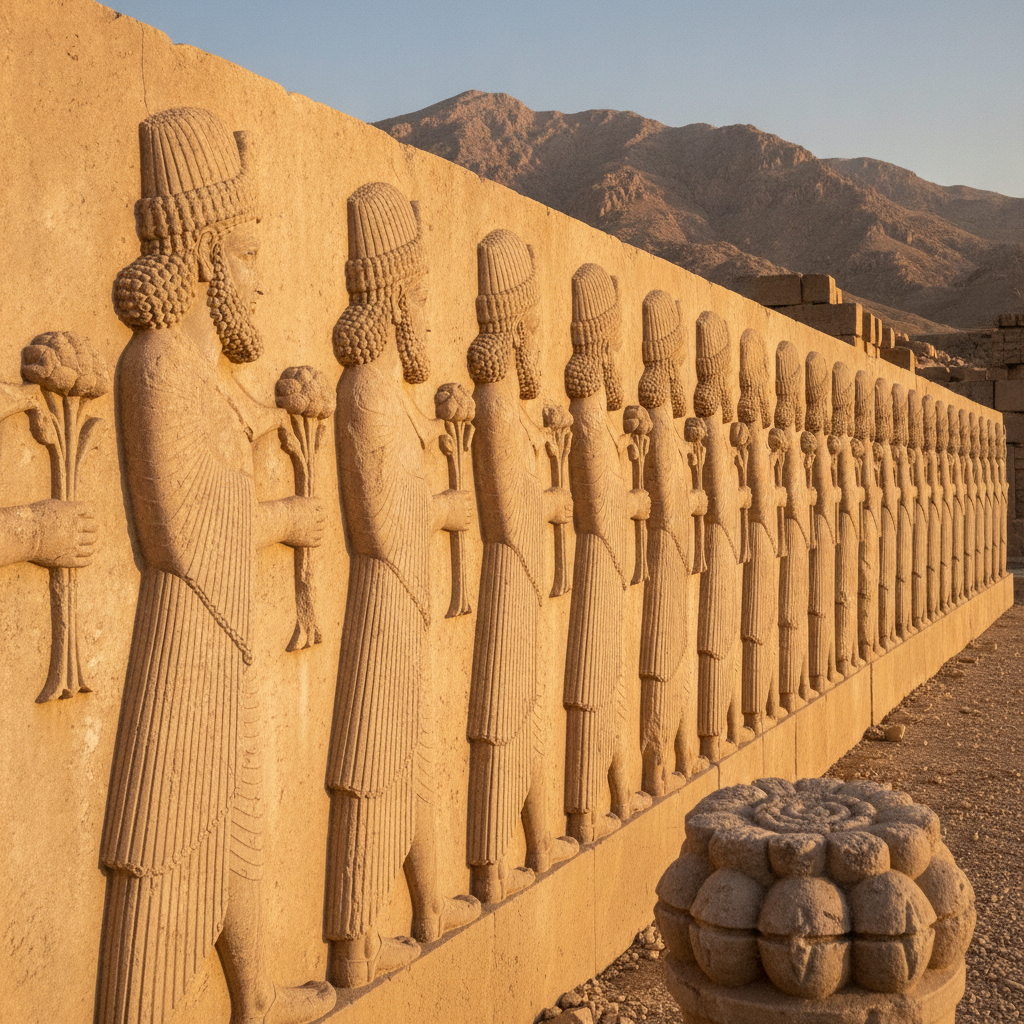
The Achaemenid Persian Empire heritage (the Achaemenid dynasty (550–330 BCE) — the largest empire in history at its peak, which controlled 40–50% of the world's population): the ancient heritage guide. The Cyrus the Great (Cyrus II the Great (Kurosh-e Bozorg — کوروش بزرگ, c. 600–530 BCE) — the founder of the Achaemenid Persian Empire: the empire (the Achaemenid Empire at its peak under Darius I (522–486 BCE) stretched from the Balkans and Libya in the west to the Indus Valley in the east — approximately 5.5 million km² and 50 million people (approximately 44% of the world's estimated population of 112 million in 480 BCE): the Persepolis (Parsa — Takht-e Jamshid (تخت جمشید) — the ceremonial capital of the Achaemenid Empire, 60 km northeast of Shiraz: the primary Achaemenid ceremonial complex built by Darius I (521–486 BCE) and expanded by Xerxes I and Artaxerxes I: the primary structures: the Apadana (the audience hall of Darius I — the largest building at Persepolis): the Apadana staircase reliefs (the bas-relief carvings on the Apadana staircases showing delegations from 23 nations of the empire bringing tribute — the most complete visual record of Achaemenid imperial administration: the burning (Persepolis was deliberately burned by Alexander the Great in 330 BCE — possibly as revenge for the Persian burning of Athens in 480 BCE (during the Second Persian War): the Pasargadae (the Tomb of Cyrus the Great (480 BCE) near Shiraz — the primary pilgrimage site of Iranian national identity).
- 5
Iranian Women – Society, Law & Resistance
The contemporary Iranian women's social situation (the tension between the legal restrictions of the Islamic Republic and the aspirations of Iranian women — one of the most educated female populations in the developing world): the social heritage guide. The education (Iranian women constitute 60% of university enrollment (2024) — the highest female university enrollment rate in the Middle East: the Nobel Prize (Shirin Ebadi — the first Muslim woman and first Iranian to win the Nobel Peace Prize (2003) for her human rights work in Iran): the legal status (the primary legal restrictions on women in the Islamic Republic: the hijab requirement (mandatory headscarf for all women in public since 1979): the marriage law (women require their father's or husband's permission for marriage and travel abroad): the testimony (a woman's legal testimony in court counts as half a man's: the sports (women were banned from attending men's sporting events until partial reform in 2019 — Nasrin Hosseini became the first woman since 1979 to watch a men's football match in Azadi Stadium in 2019): the Mahsa Amini protests (the Woman, Life, Freedom uprising (Jin, Jiyan, Azadi — the Kurdish slogan adopted by the movement): the protests that began in September 2022 following the death in custody of 22-year-old Mahsa Amini (who had been arrested by the Morality Police for alleged improper hijab wearing): the protests were the largest sustained civil unrest in Iran since the 1979 Revolution — approximately 500 protesters were killed in the government crackdown: the movement's long-term impact (increased hijab non-compliance in public as visible civil disobedience).
- 6
Tehran 3-Day Itinerary – The Essential Circuit
The comprehensive Tehran 3-day itinerary (the optimal sequence for experiencing Tehran's museums, bazaars, palaces, and mountains in 72 hours): the complete circuit. Day 1 (the Old Tehran and Museums): morning (09:00 arrival at the National Museum of Iran (Muzeh-ye Melli) on Imam Khomeini Street — allow 2 hours: 11:00 Golestan Palace complex (UNESCO) — allow 2 hours: 13:00 lunch in the Grand Bazaar (the Moslem Restaurant adjacent to the bazaar main entrance — traditional Iranian lamb and rice dishes): afternoon (15:00 Grand Bazaar exploration — the Carpet Bazaar section: 17:00 Imam Mosque (Masjed-e Imam) at the south entrance of the Grand Bazaar — one of the finest 17th-century mosques in Iran): evening (the Darband mountain trail restaurants — 19:00 dinner with mountain views). Day 2 (Northern Tehran and Palaces): morning (09:00 Sa'd Abad Palace Complex in Shemiran — allow 3 hours for the White Palace and grounds: 12:30 Tajrish Bazaar for lunch and market exploration): afternoon (14:30 Niavaran Palace Complex — allow 2 hours: 16:30 Tochal gondola (45-minute ride to 3,900m summit — last gondola descends 20:00): evening (Elahiyeh or Jordan Street restaurant). Day 3 (Contemporary Tehran): morning (Tehran Museum of Contemporary Art (TMoCA) in Laleh Park — allow 2 hours: Milad Tower observation deck: afternoon (the Iranians at play in the parks and cafes of northern Tehran): evening (dinner at a modern Iranian restaurant in the Jordaan Street or Elahiyeh district).
Walk this route with audio
Stories play automatically as you reach each stop — no tapping needed.
More in Tehran
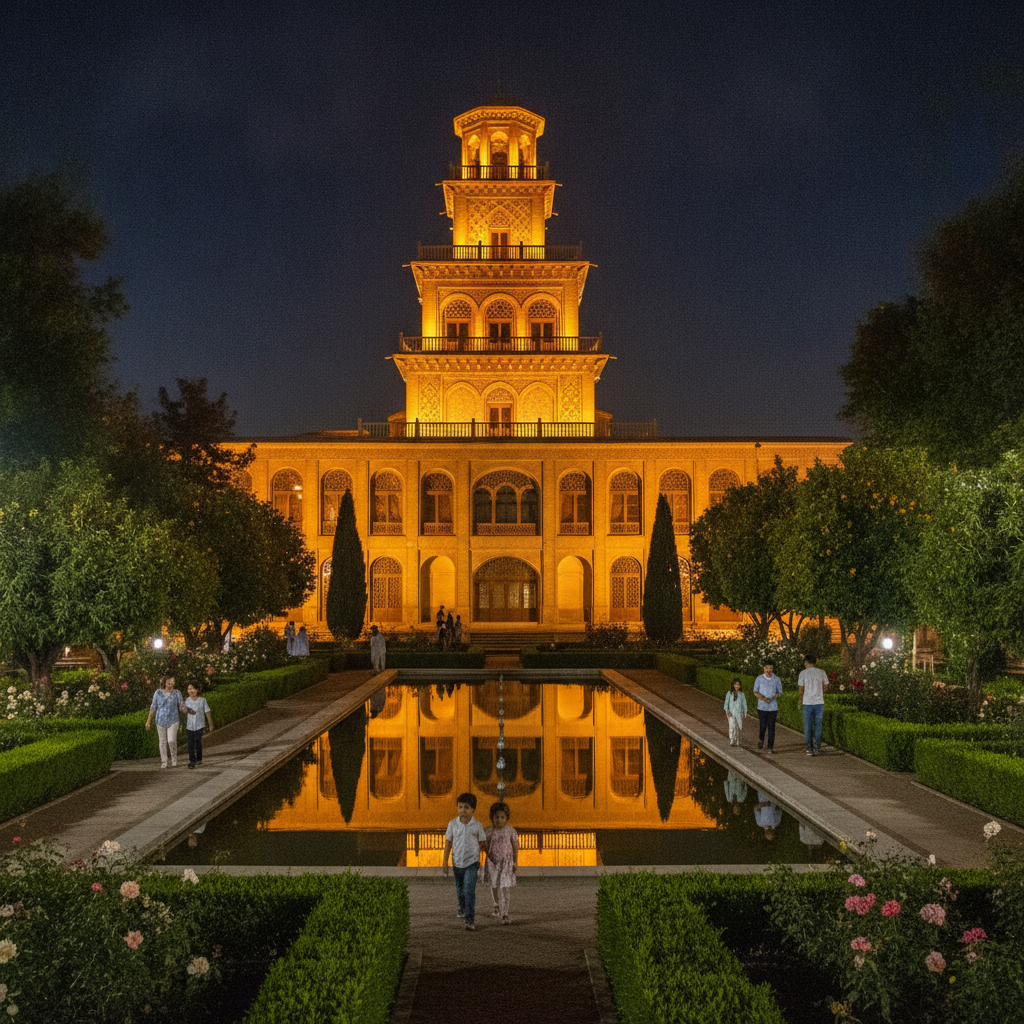
The Tehran Grand Bazaar Bazaaris Financing Both the 1905 Constitutional Revolution and the 1979 Islamic Revolution, Mount Damavand the Highest Volcano in Asia at 5,610m & the Tochal Gondola the Highest Gondola-Served Skiing Area in the World
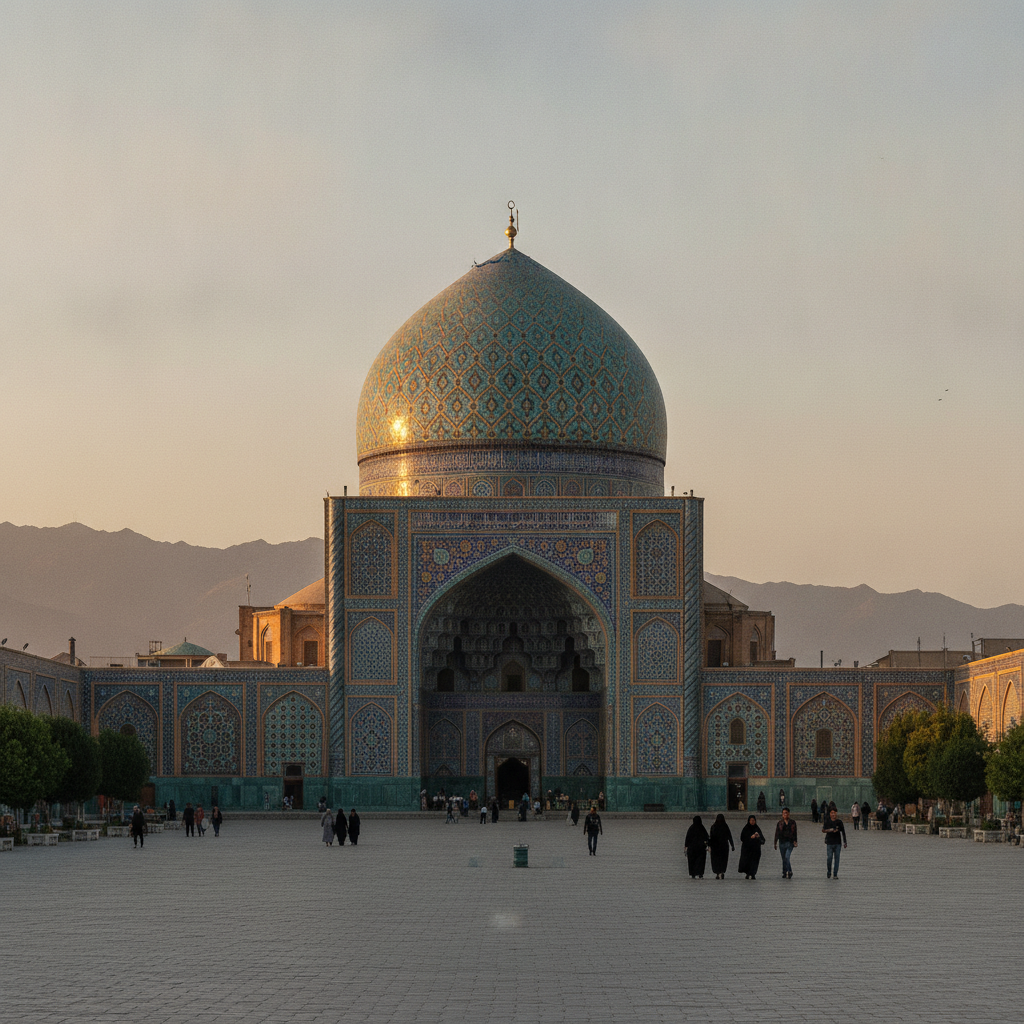
The Atash Bahram Sacred Fire in Yazd Burning Continuously Since 470 CE (1,500+ Years), Zoroastrianism Influencing the Jewish Heaven Hell Angels Devil and Messiah Concepts & the 1639 Treaty of Zuhab Still Defining the Iran-Iraq Border Today
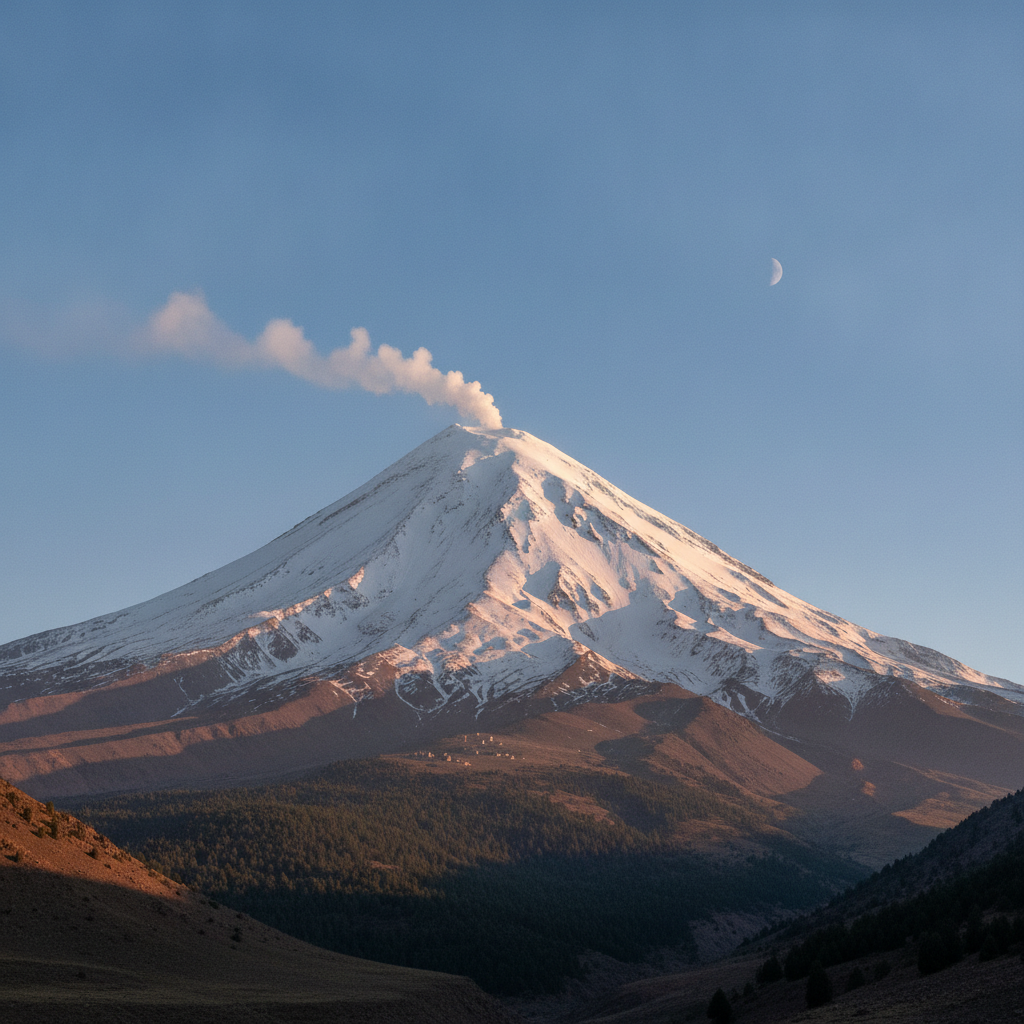
The Bazaaris Funding the Tobacco Protest, Constitutional Revolution, Mosaddegh's Oil Nationalization AND the 1979 Revolution, Damavand's Zahhak Prophecy Paralleling Norse Ragnarok & 70% of Iranian Internet Users on VPN Daily

Tehran Modern: The Northern Districts, the Jordan Street Cafe Scene, the Elahiyeh Lifestyle, Shopping, and the Most Cosmopolitan Single Iranian Urban Culture

Tehran History: The Pahlavi Era, the 1979 Revolution, the Islamic Republic, and the Most Politically Complex Single Modern Iranian Capital