Tel Aviv's Story: 1909 Sand Dunes, 1948 Independence & Start-Up Nation's Uncertain Future
Understand Tel Aviv's compressed century—66 families drawing lots on bare sand dunes in 1909, David Ben-Gurion declaring statehood in 1948 as Egyptian bombers approached, 1 million Soviet Jews arriving in a decade transforming the city's identity, and a present where Iron Dome intercepts rockets overhead while the White City's Bauhaus buildings face rising Mediterranean sea levels.
- 1
Tel Aviv's Founding Story – 1909 Sand Dunes to Modern City
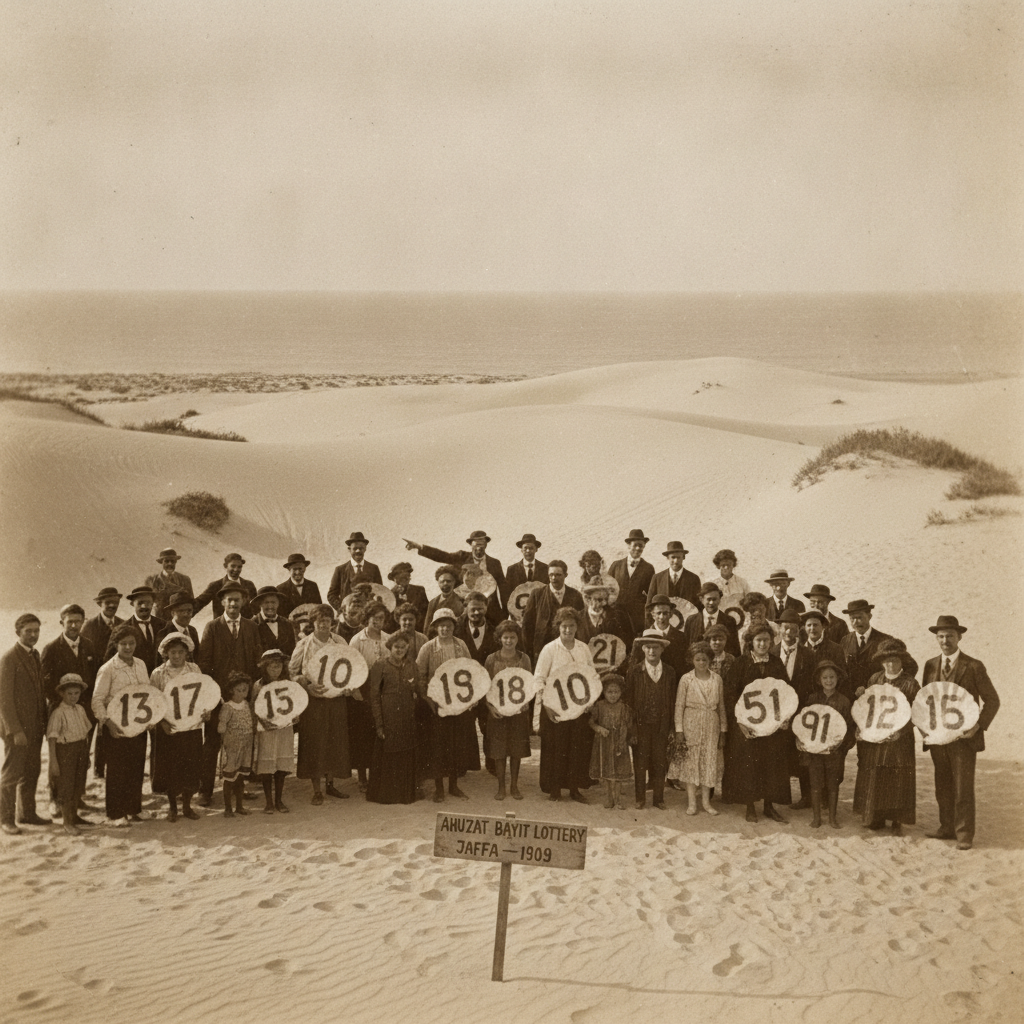
Tel Aviv was founded on April 11, 1909, when 66 Jewish families gathered on sand dunes north of Jaffa to draw lots for plots in a new Jewish suburb. The photograph of that lottery (showing families with numbered shells from the sand) is one of the most famous images in Israeli history. The city grew from those dunes to become a metropolis of over 4 million in Greater Tel Aviv in just over 110 years—one of the fastest urban growth trajectories of any city in history.
- 2
The 1948 War of Independence & Tel Aviv
Tel Aviv's role in Israeli independence: it was in the Tel Aviv Museum of Art on Rothschild Boulevard that David Ben-Gurion declared the establishment of the State of Israel on May 14, 1948. The city was under Egyptian air bombardment (the first bombing of a Jewish city since WWII) within hours of the declaration. Tel Aviv was the provisional capital of the new state; the Knesset and government moved to Jerusalem in 1950, but most embassies remained in Tel Aviv (where they are today, with exceptions).
- 3
Immigration Waves & Tel Aviv's Cultural Mosaic
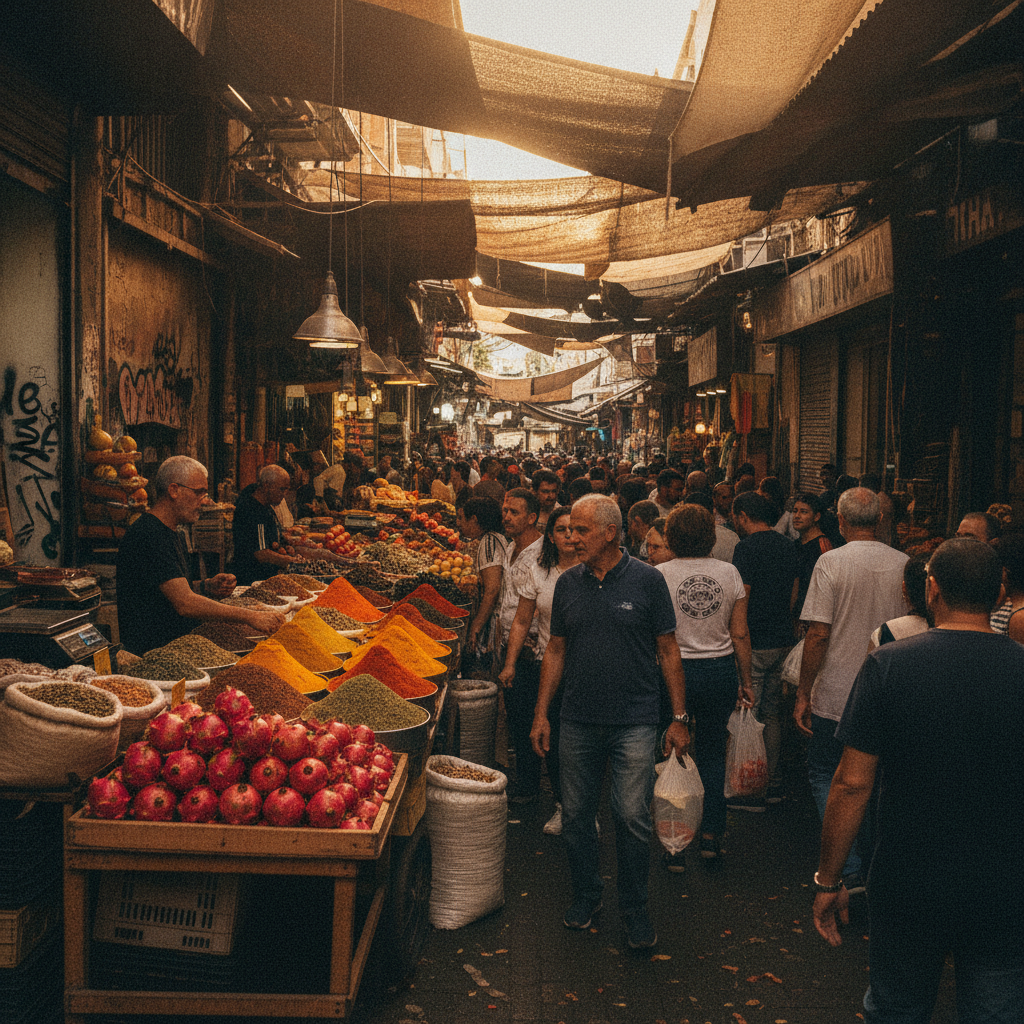
Tel Aviv's population is shaped by the successive waves of Jewish immigration (aliyot): German Jews (1930s, bringing Bauhaus architecture and European café culture), Holocaust survivors (post-1945), Yemeni and Iraqi Jews (1948–1950), Moroccan and Tunisian Jews (1950s), Soviet Jews (1990s, 1 million arrivals in a decade), Ethiopian Jews (1984–1991 airlifts), and most recently French Jews (2014–2020). Each wave left cultural markers on the city's food, music, language, and neighbourhoods.
- 4
Tel Aviv's Art & Contemporary Culture Scene
Tel Aviv's contemporary art scene punches above its weight. The Tel Aviv Museum of Art is joined by the Helena Rubinstein Pavilion (contemporary exhibitions), the Petach Tikva Museum of Art, and dozens of independent galleries in Florentin, Neve Tzedek, and the Port area. The Israeli music industry—from Sephardic pop (Mizrahi music) to jazz to electronic—is centred in Tel Aviv; the national philharmonic is one of the world's best-funded orchestras (established by Bronisław Huberman in 1936 with musicians fleeing Nazi Germany).
- 5
Tel Aviv's Jewish-Arab Mixed Cities
Although Tel Aviv-Yafo is officially a mixed city (the ancient Arab city Jaffa was incorporated into Tel Aviv municipality in 1950), the Jewish-Arab coexistence is more complex than the name suggests. Jaffa retains a significant Arab population (around 30% of its 100,000 residents); the Clock Tower area is genuinely mixed. The 2021 Arab-Jewish riots (following the Sheikh Jarrah evictions in Jerusalem) spread to Jaffa and Lod—the worst Jewish-Arab urban violence in Israel since 1948—exposing the fragility of 'coexistence' in mixed cities.
- 6
The Future of Tel Aviv – Climate, Tech & Regional Conflict
Tel Aviv faces existential challenges: climate change raises sea levels threatening the UNESCO White City's coastal buildings; the city's water supply depends on desalination (Israel now generates 80% of its municipal water through desalination—a global model); regional conflict brings periodic rocket fire (Iron Dome interceptions visible from the city); and the Arab-Israeli conflict's unresolved status casts uncertainty over the region's long-term stability. Tel Aviv's extraordinary technological and cultural energy exists within this geopolitical reality.
Walk this route with audio
Stories play automatically as you reach each stop — no tapping needed.
More in Tel Aviv
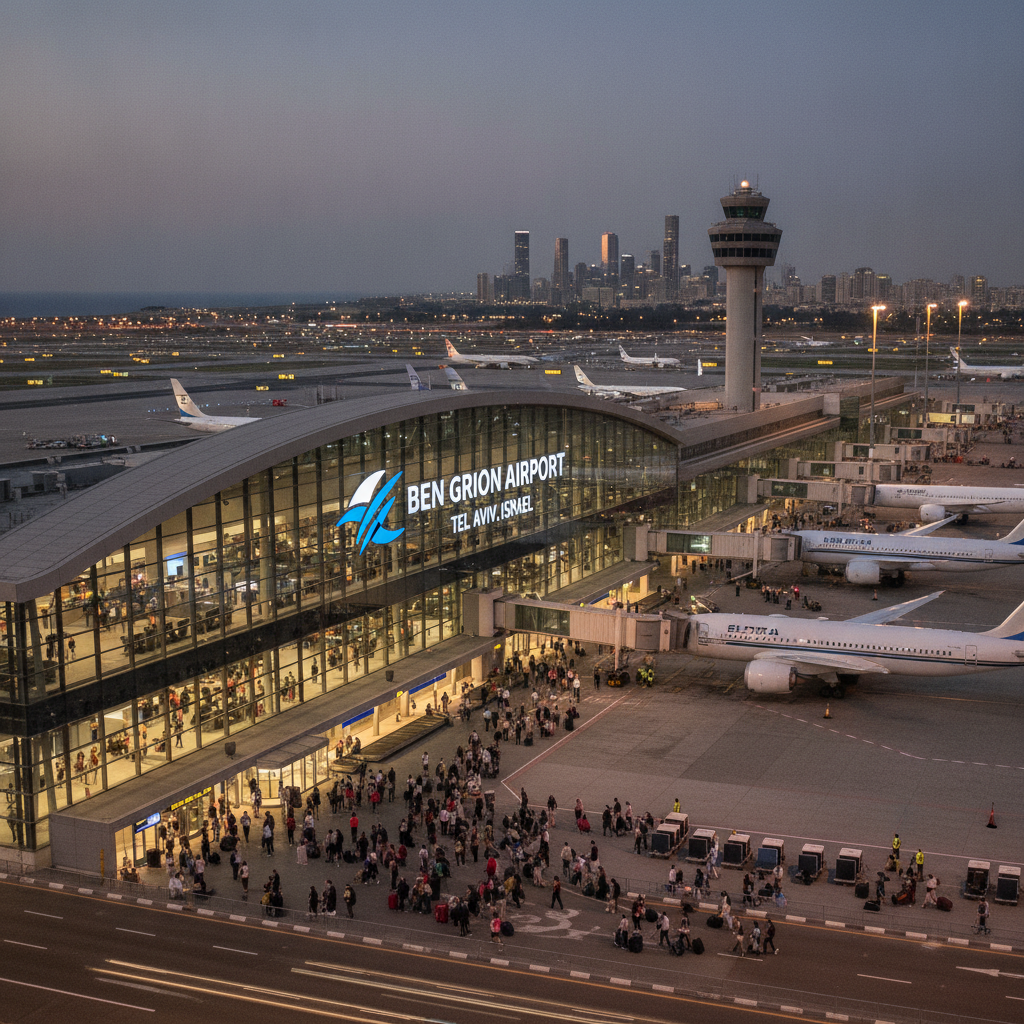
Tel Aviv Practical: Ben Gurion Airport, the City Transport, the White City Accommodation, the Optimal Timing, and the Israel Circuit Strategy
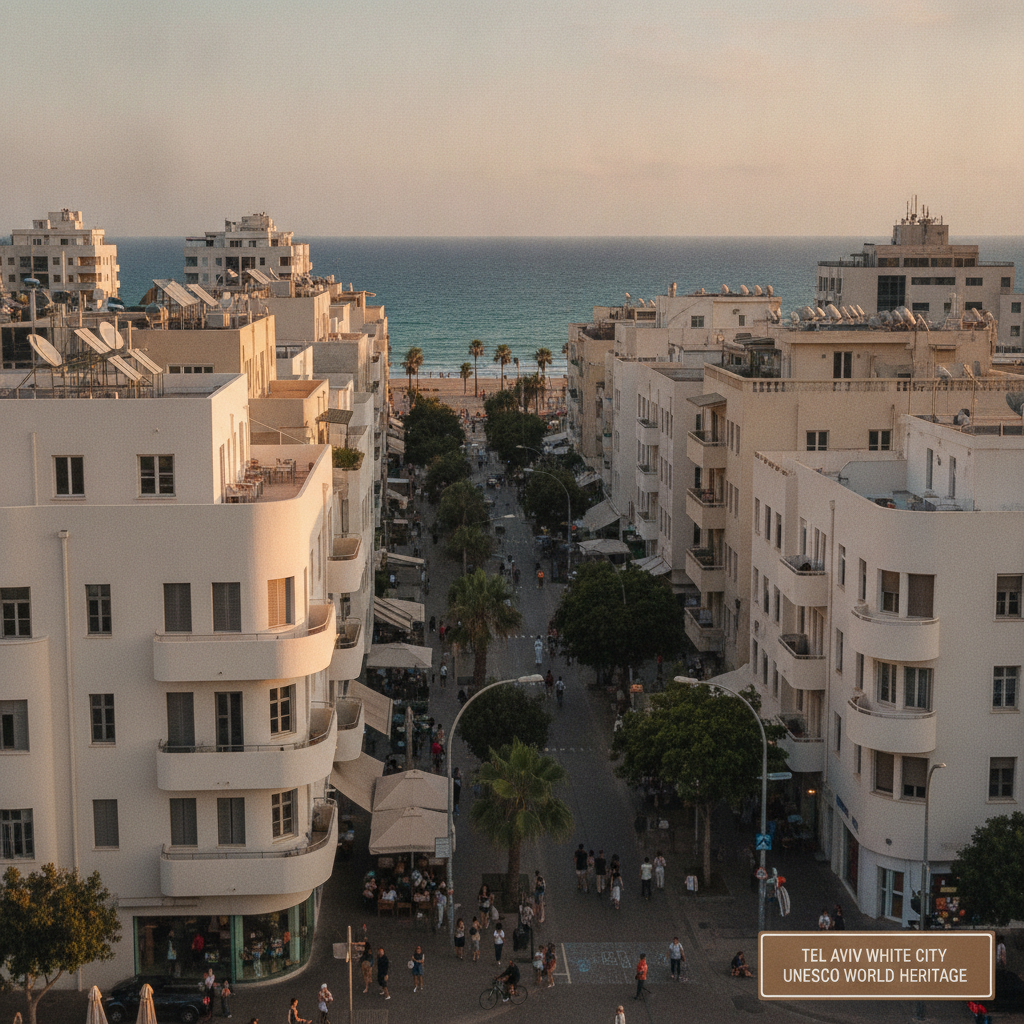
Tel Aviv Essential: The Bauhaus White City, the Mediterranean Beach, Neve Tzedek, the Jaffa Old Port, and the Most Vibrant Single Middle East City
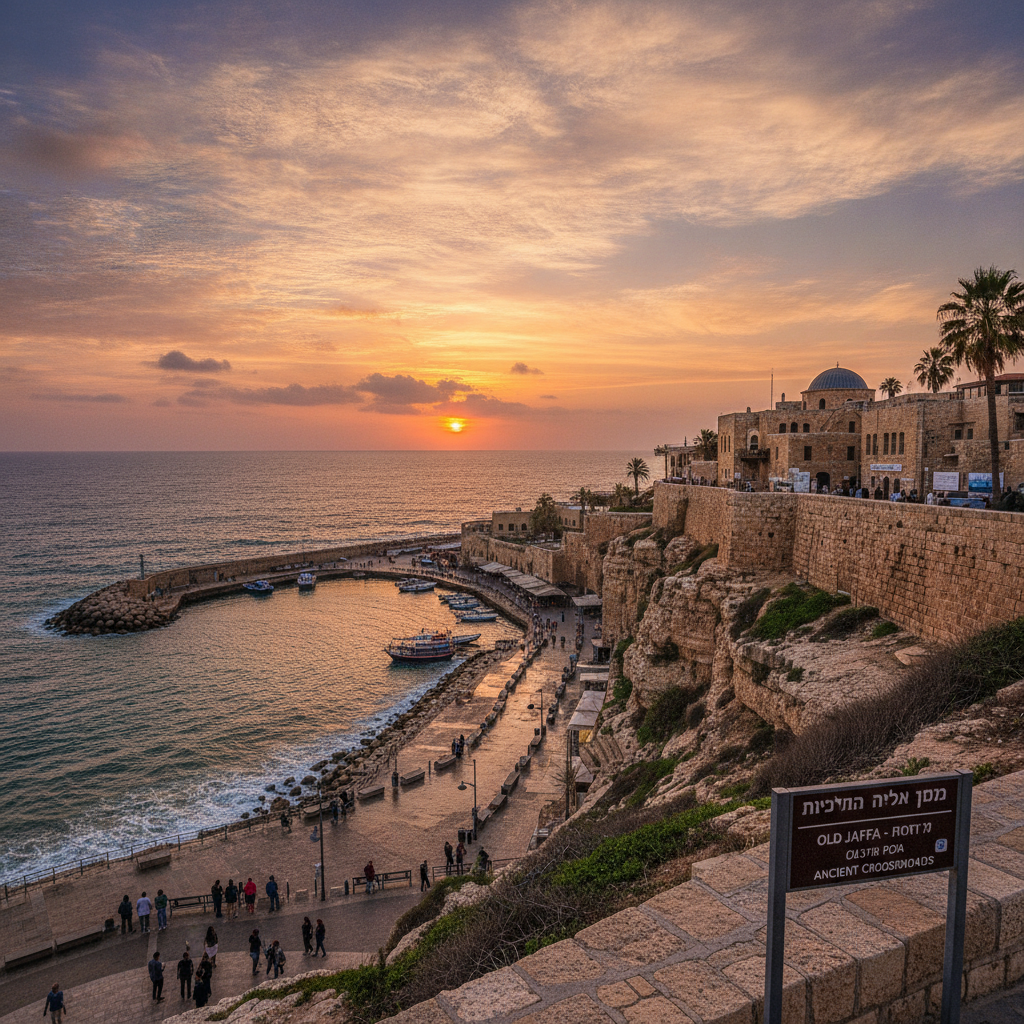
Tel Aviv-Jaffa: The Old City of Jaffa, the Flea Market, the Arab-Jewish Mixed Neighborhood, and the Most Historically Layered Single Tel Aviv Quarter
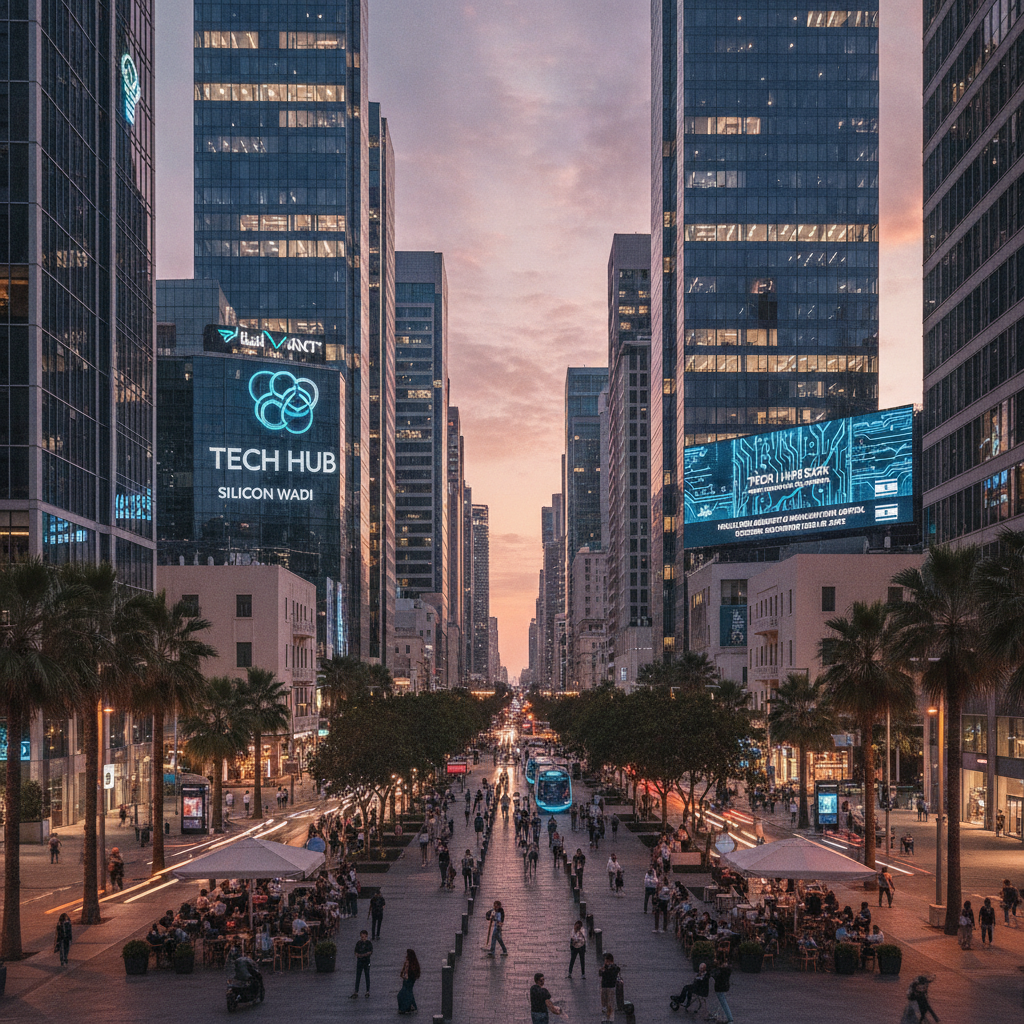
Tel Aviv Tech: The Start-Up Nation, the Silicon Wadi, the Innovation Ecosystem, and the Most Technologically Innovative Single Middle East City
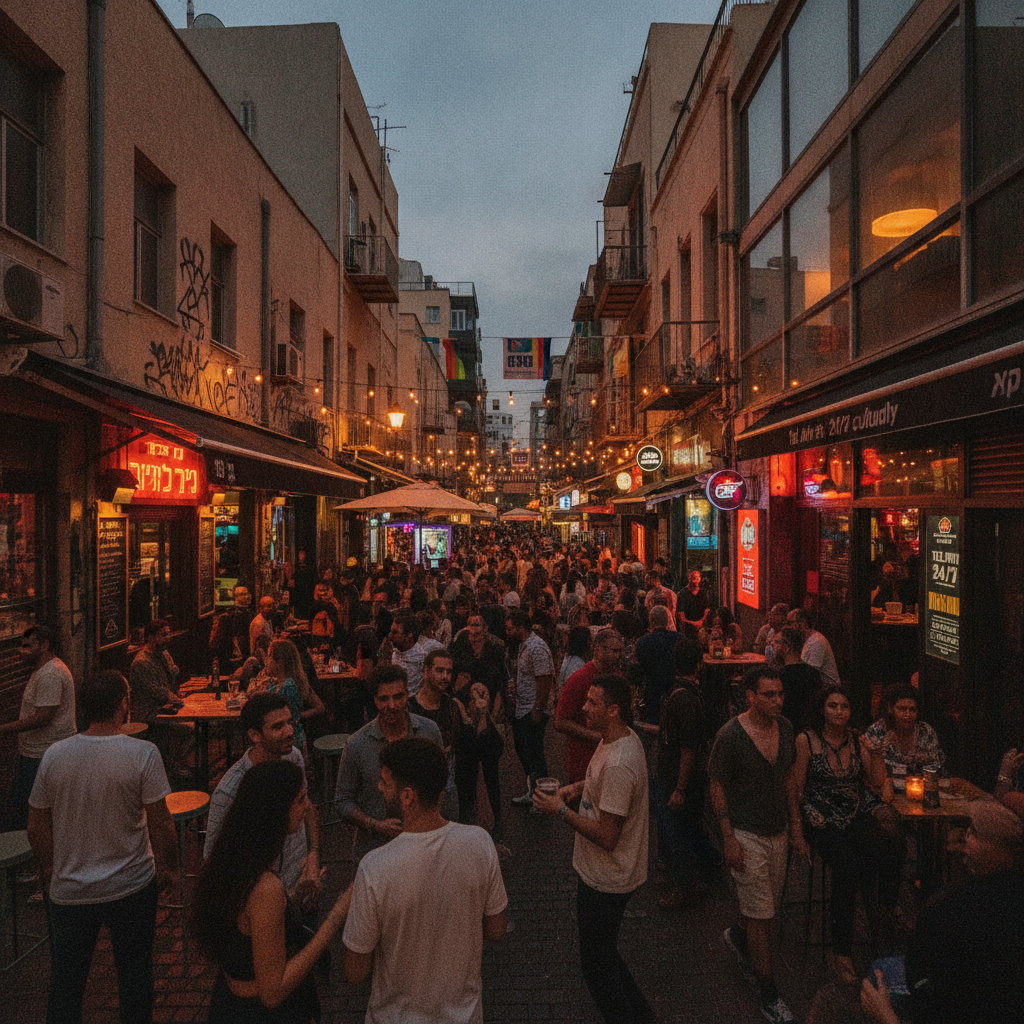
Tel Aviv Nights: The Most Vibrant Nightlife in the Middle East, the LGBTQ Scene, the Florentin Bars, and the 24-Hour City Culture