Tel Aviv Practical Guide: 16-Minute Airport Train, Shabbat by the Beach & Two Israels
Navigate Tel Aviv smoothly—the 16-minute Ben Gurion Airport rail link, the Tel-O-Fun bikes for the 14 km beach promenade, why Tel Aviv ignores Shabbat while Jerusalem shuts down, beach hotel booking strategy for the Dan and Poli House, and the essential comparison: 2–3 days Jerusalem for ancient history versus 2–3 days Tel Aviv for contemporary Israeli life.
- 1
Getting to Tel Aviv – Ben Gurion Airport
Ben Gurion International Airport (TLV), 20 km southeast of Tel Aviv, is Israel's main international gateway—served by El Al, British Airways, Lufthansa, Air France, Delta, and most major carriers. The airport rail link to Tel Aviv's Savidor Centre (Arlozorov) station takes 16 minutes (₪16/€4)—one of the world's best airport rail connections. Shared taxis (sherut) to the city centre cost ₪60–80 (€15–20). Ben Gurion's security procedures are thorough and time-consuming; plan to arrive 3 hours before international flights.
- 2
Getting Around Tel Aviv by Bus & Light Rail
Tel Aviv's public transport is operated by Egged and Dan bus companies—a comprehensive network but less intuitive than a metro system. The Red Line light rail opened in 2023, connecting the city centre to Ben Gurion Airport. The Moovit app (developed in Tel Aviv) is the most reliable tool for navigation. Tel-O-Fun bicycle sharing (150 stations) is practical for short trips. Gett taxi app is the standard ride-hail. Tel Aviv's traffic can be severe on weekday mornings; cycling and public transport are faster than taxis in rush hour.
- 3
Accommodation in Tel Aviv – Beach Hotels to Boutique
Tel Aviv's accommodation scene ranges from the Dan Hotel (1953, directly on the beach, Israel's most famous hotel address) to design boutiques in the White City. The Poli House (Herbert Samuel, on the beachfront), the Norman Hotel (Bauhaus building, Nachalat Binyamin), and the Diaghilev Live Art Boutique (Shenkin area) are the most design-conscious options. Hostels in Florentin and Neve Tzedek start at ₪100–150/night (€25–40). July–August prices spike; March–May and October–November are the best value periods.
- 4
Shabbat in Tel Aviv – The City That Never Stops
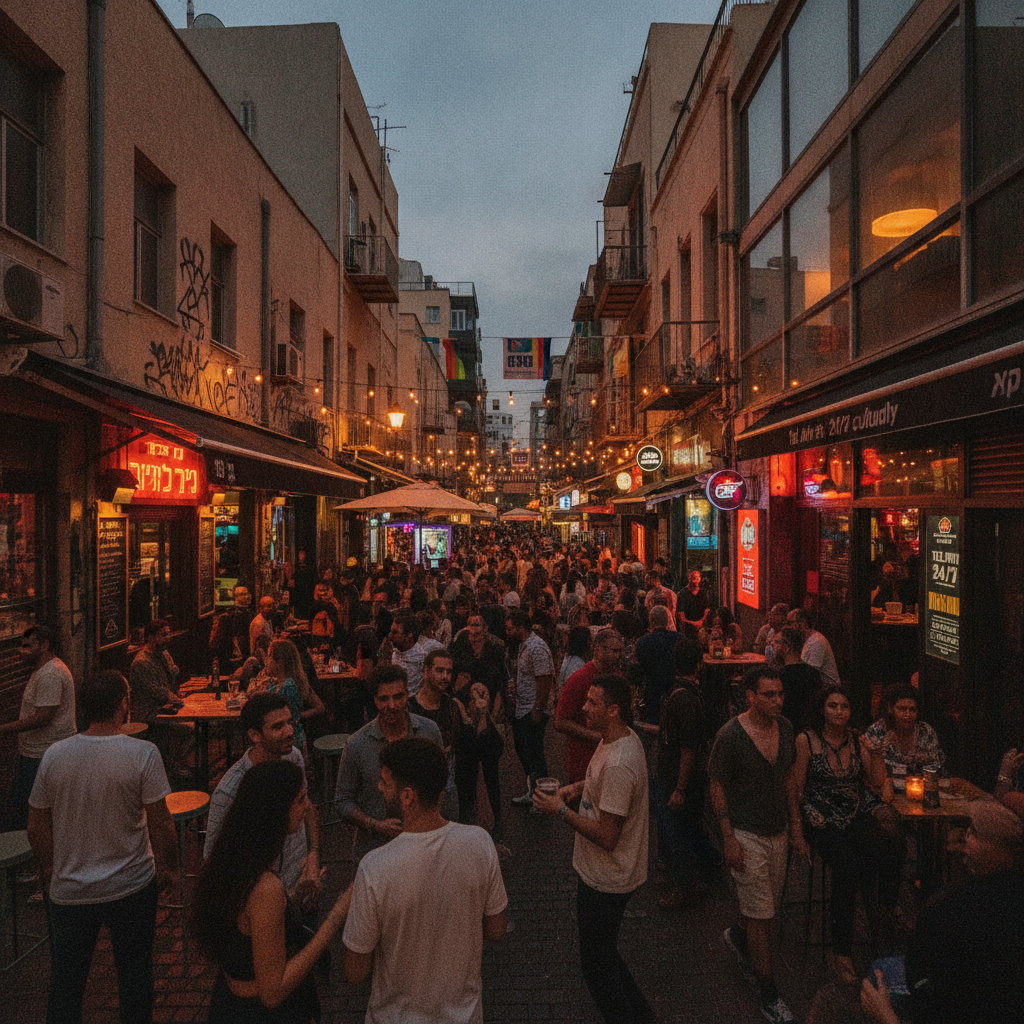
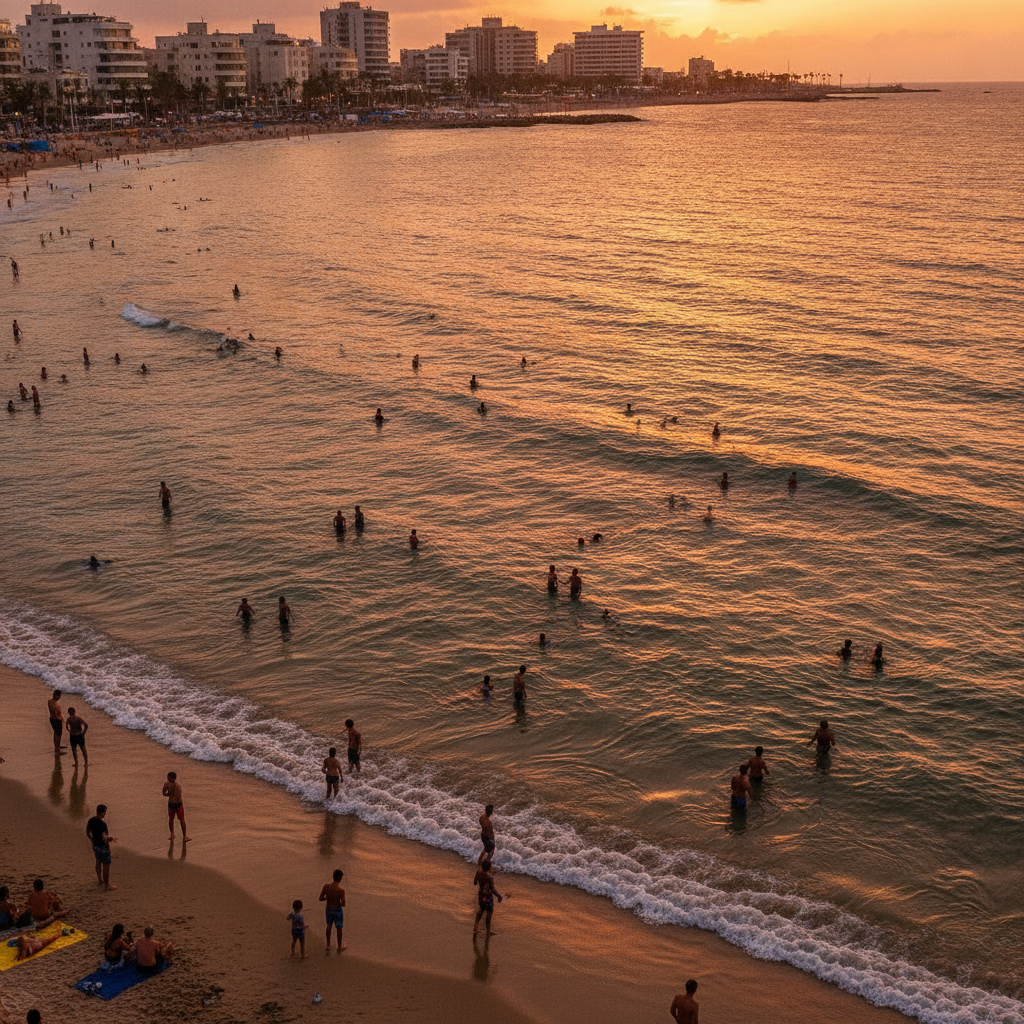
Tel Aviv is famous for being the Israeli city that ignores Shabbat—unlike Jerusalem (which effectively shuts down Friday night to Saturday night), Tel Aviv's restaurants, bars, beaches, and many shops operate normally through Shabbat. This is a source of ongoing tension between the secular Tel Aviv population and the religious establishment. Public buses stop on Shabbat; private minibuses (sherut) continue on major routes. The Friday night transformation—the city flooding to the beach and restaurants—is one of Tel Aviv's defining rituals.
- 5
Tel Aviv vs Jerusalem – The Two Israels
Tel Aviv and Jerusalem represent two profoundly different versions of Israeli identity. Jerusalem is ancient, religious, contested, and deeply serious; Tel Aviv is modern, secular, hedonistic, and globally oriented. Tel Avivians and Jerusalemites describe each other as if from different countries. The 60 km between them is among the most culturally compressed distances in the world. Most visitors benefit from dividing their time: 2–3 days in Jerusalem for history, religion, and archaeology; 2–3 days in Tel Aviv for food, beaches, nightlife, and contemporary Israel.
- 6
Best Time to Visit Tel Aviv
Tel Aviv has 300 sunny days per year—the climate is Mediterranean with dry, hot summers (June–September, 28–34°C) and mild, rainy winters (December–February, 10–18°C). Spring (March–May) and autumn (October–November) are ideal—warm enough for the beach, cool enough for city walking, and the shoulder-season price reductions apply. June is White Night and Pride month—the most intense and expensive time to visit. Avoid the high holy days (Rosh Hashanah through Yom Kippur, September–October) for maximum transport and restaurant availability.
Walk this route with audio
Stories play automatically as you reach each stop — no tapping needed.
More in Tel Aviv
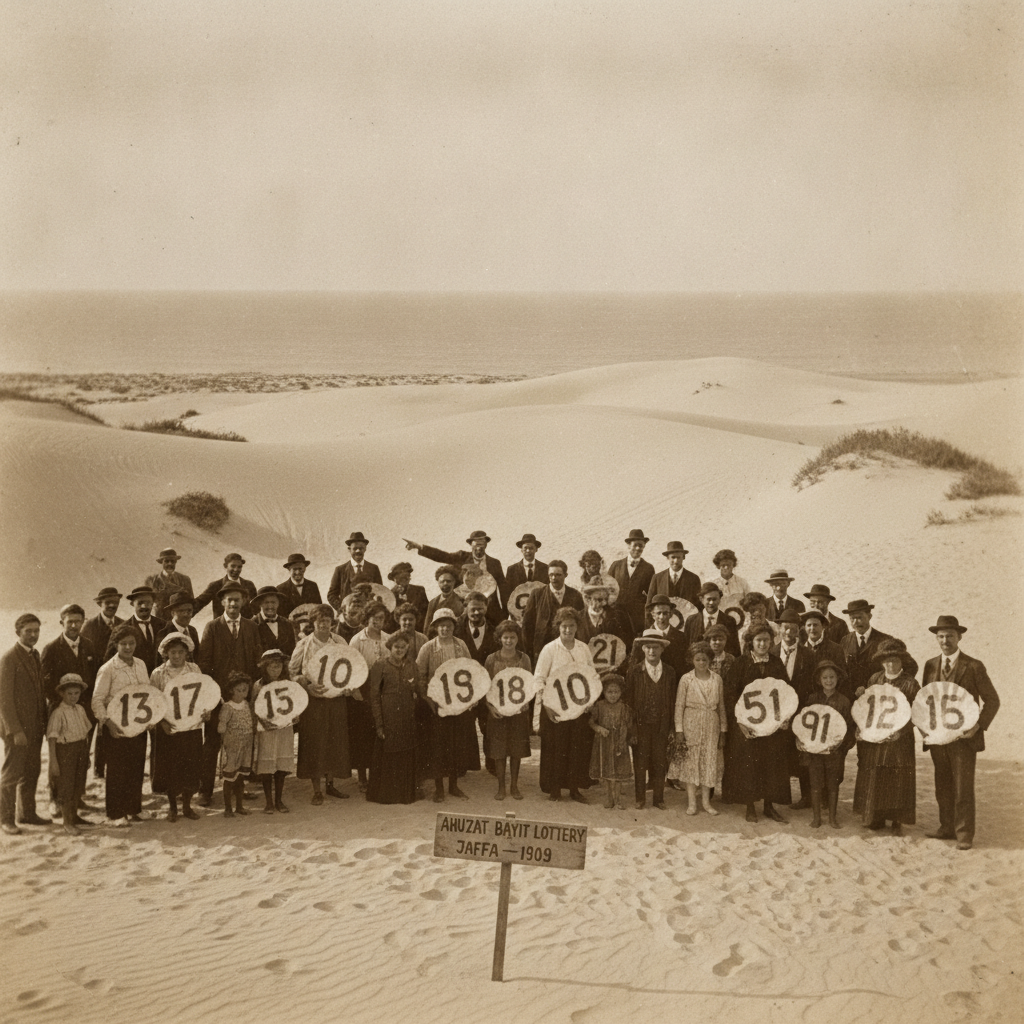
Tel Aviv's Story: 1909 Sand Dunes, 1948 Independence & Start-Up Nation's Uncertain Future
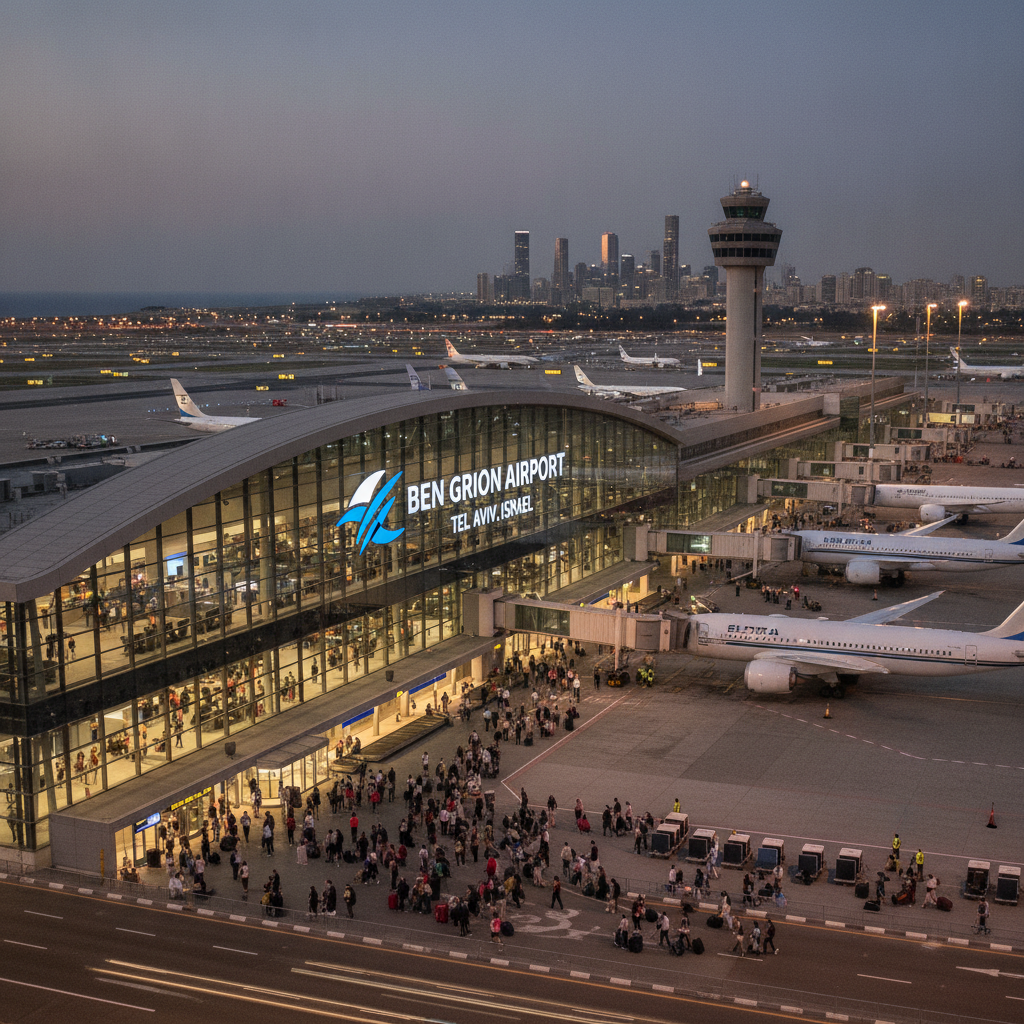
Tel Aviv Practical: Ben Gurion Airport, the City Transport, the White City Accommodation, the Optimal Timing, and the Israel Circuit Strategy
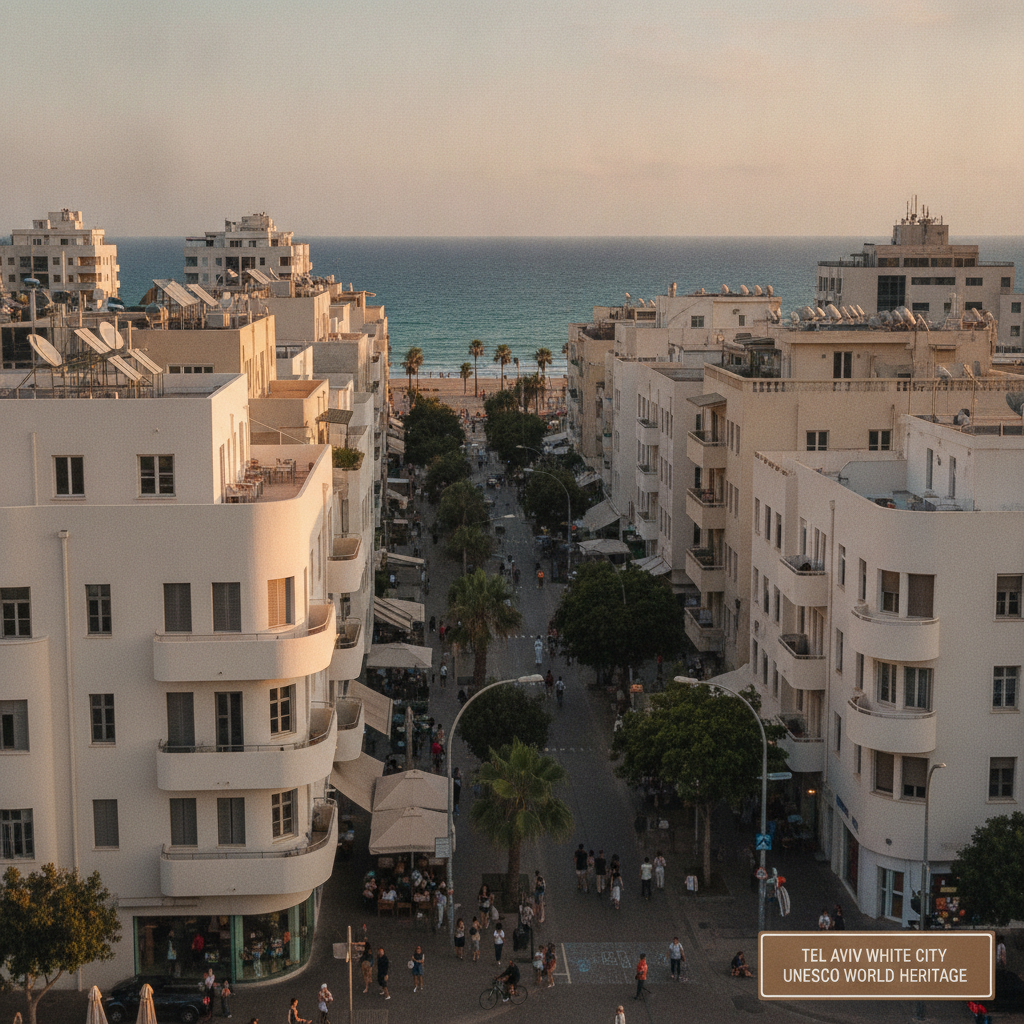
Tel Aviv Essential: The Bauhaus White City, the Mediterranean Beach, Neve Tzedek, the Jaffa Old Port, and the Most Vibrant Single Middle East City
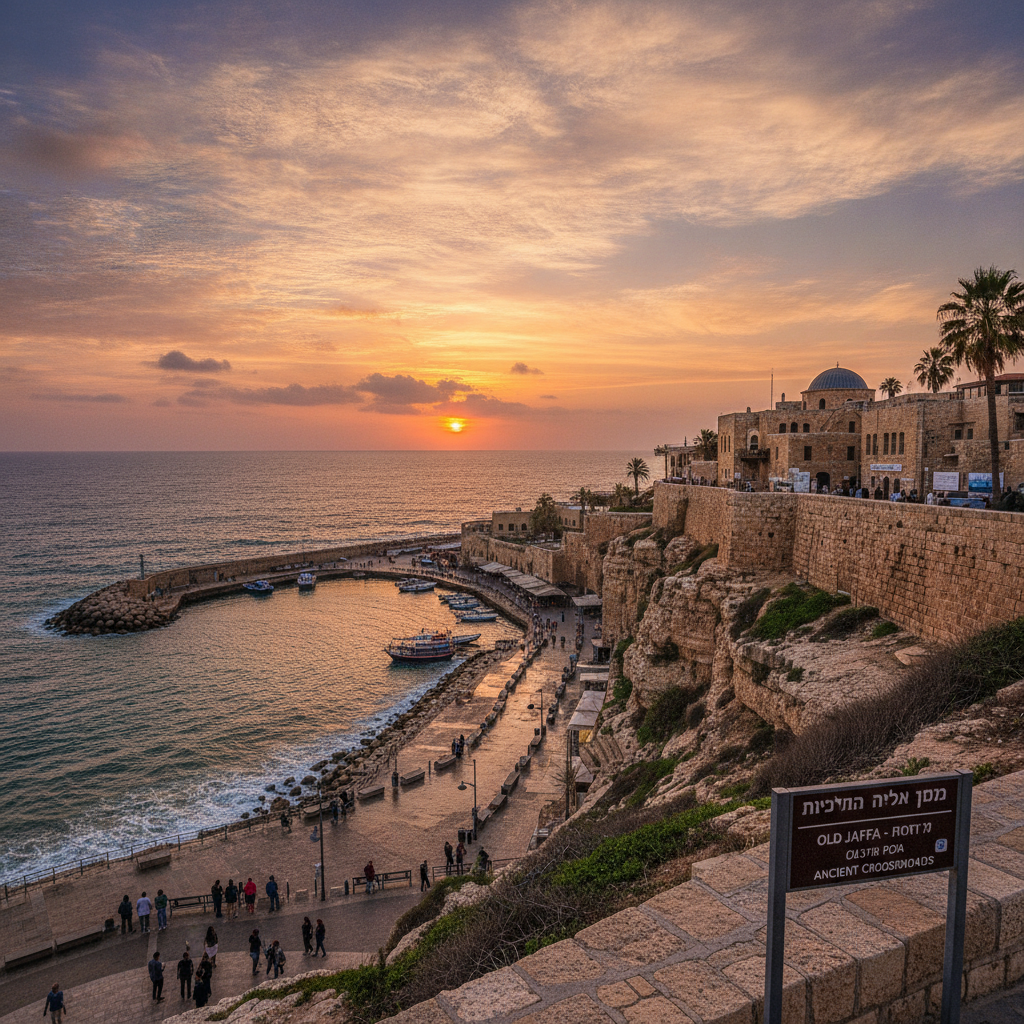
Tel Aviv-Jaffa: The Old City of Jaffa, the Flea Market, the Arab-Jewish Mixed Neighborhood, and the Most Historically Layered Single Tel Aviv Quarter
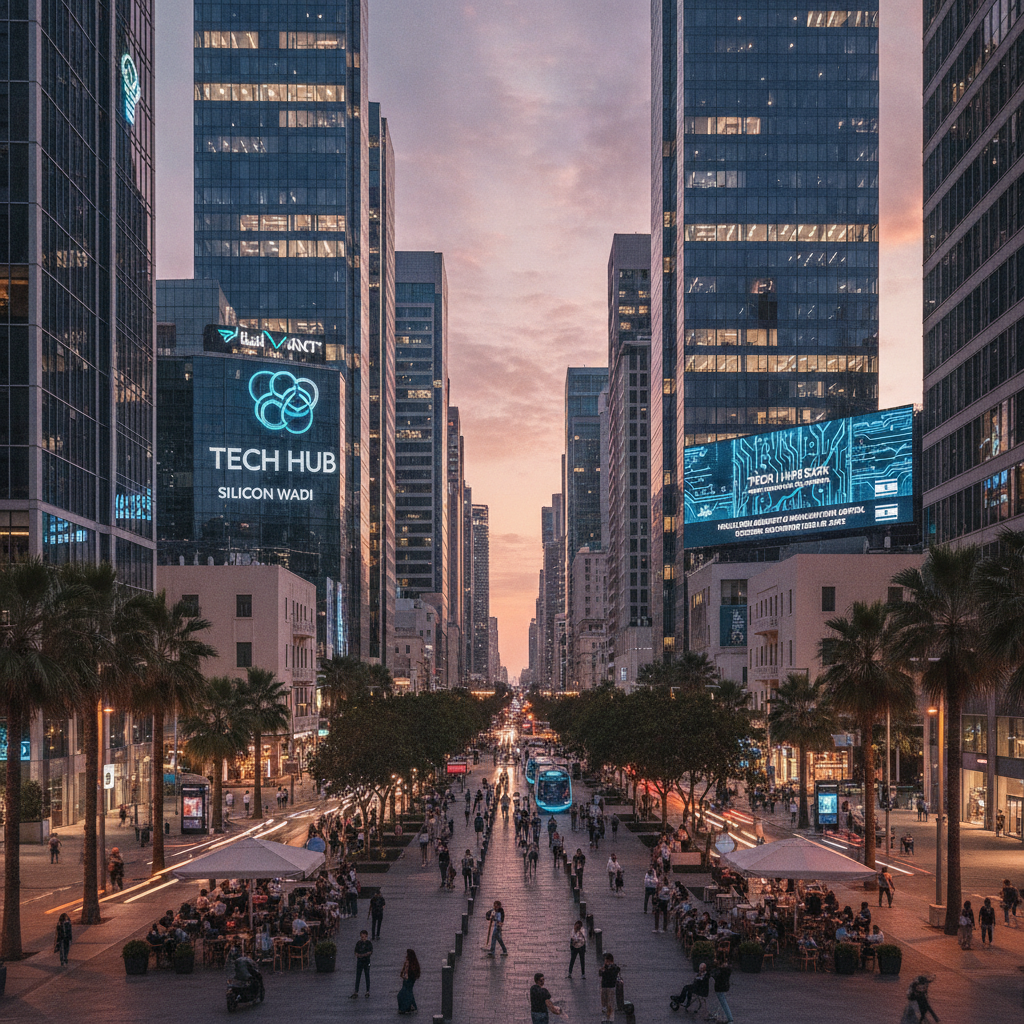
Tel Aviv Tech: The Start-Up Nation, the Silicon Wadi, the Innovation Ecosystem, and the Most Technologically Innovative Single Middle East City