Tel Aviv Essentials: Bauhaus White City, Rothschild Boulevard & Mediterranean Beaches
Experience the world's largest Bauhaus architecture concentration—4,000 International Style buildings constructed by Jewish architects who fled Nazi Germany in the 1930s, the tree-lined Rothschild Boulevard where Israeli independence was declared in 1948, the ancient Jaffa port and its Saturday flea market, and 14 km of free Mediterranean beaches with a distinctively Israeli beach culture.
1. The White City – Bauhaus Architecture UNESCO Heritage
- 1
The White City – Bauhaus Architecture UNESCO Heritage
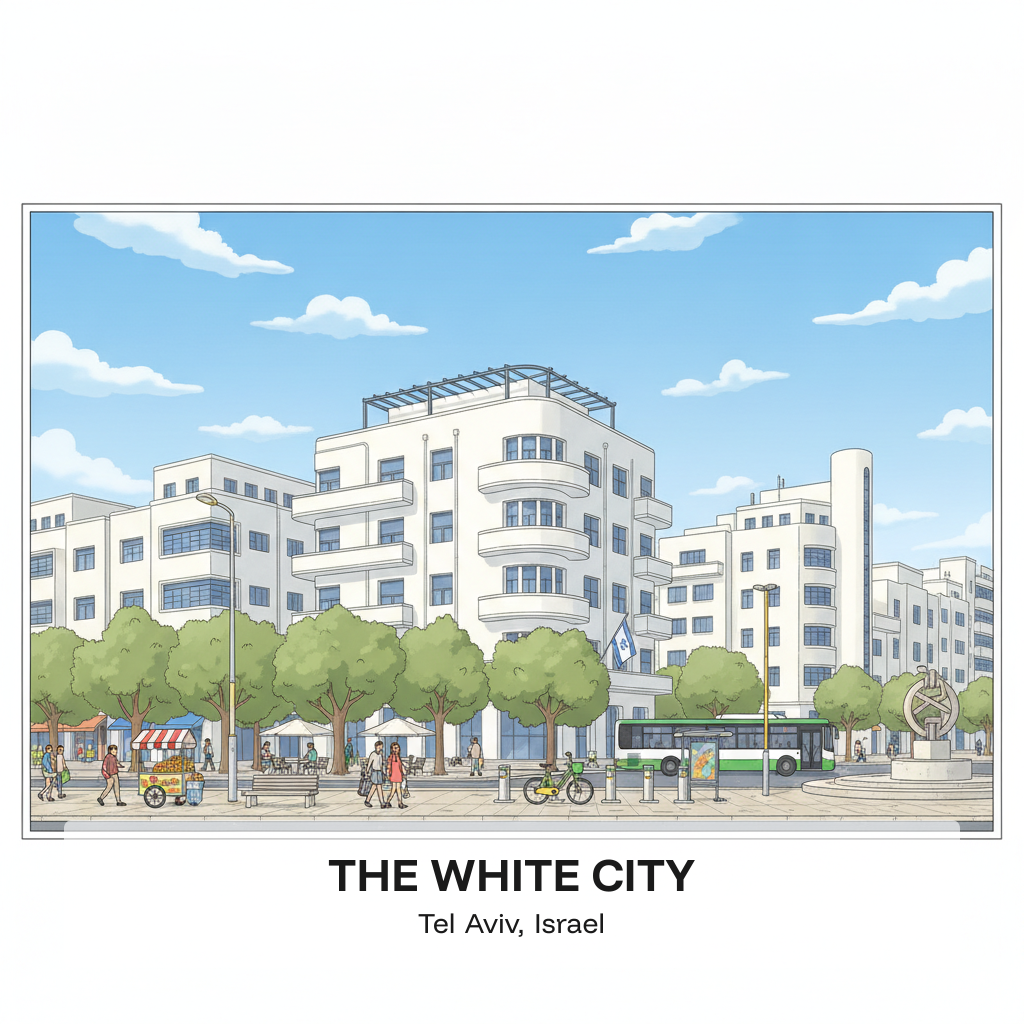
Tel Aviv's White City—the world's largest concentration of Bauhaus (International Style) architecture—was inscribed as a UNESCO World Heritage Site in 2003. Between 1930 and 1939, over 4,000 Bauhaus-influenced buildings were constructed in Tel Aviv by Jewish architects trained in Germany who fled the Nazi rise to power. The flat roofs, ribbon windows, horizontal balconies, and whitewashed facades of Rothschild Boulevard and Dizengoff Street represent a direct transposition of European modernism to the Middle Eastern climate.
- 2
Rothschild Boulevard – Tel Aviv's Tree-Lined Heart
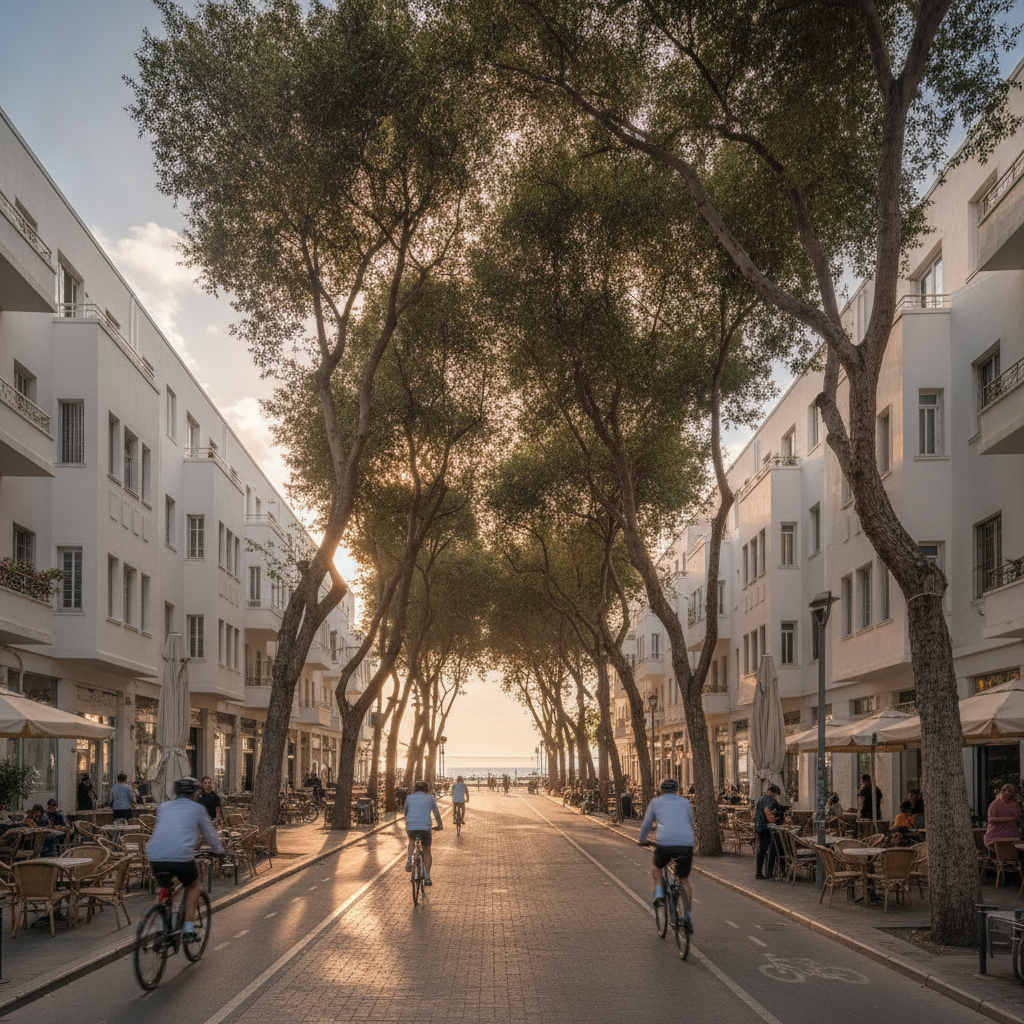
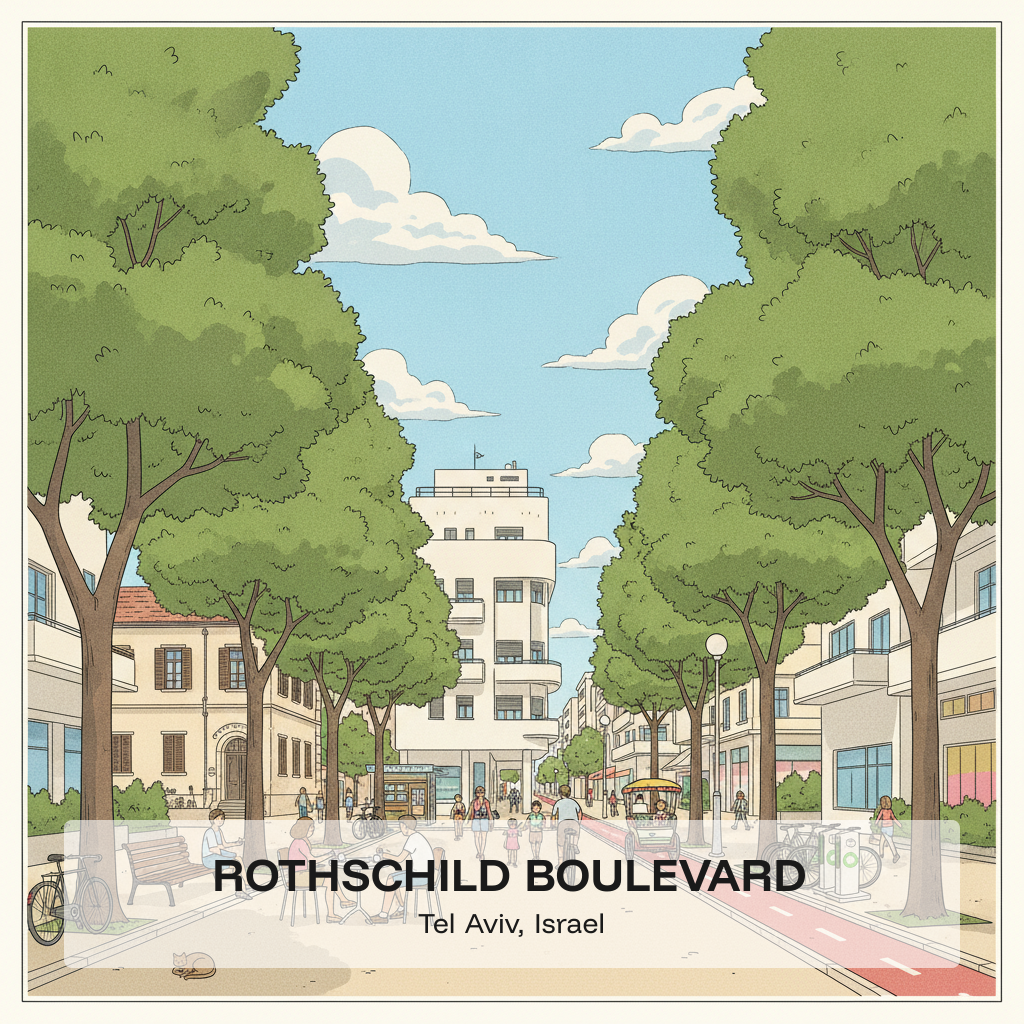
Rothschild Boulevard—Tel Aviv's most iconic street, a 2 km tree-lined promenade through the White City—is lined with Bauhaus masterpieces, outdoor café terraces, and bicycle lanes. The Declaration of Independence was signed at the Tel Aviv Museum of Art on Rothschild in May 1948. The boulevard is the address of several of the best preserved Bauhaus buildings and the Haganah Museum (documenting the pre-state Jewish military organisation). On Friday afternoons the boulevard fills with cyclists, families, and café-goers.
- 3
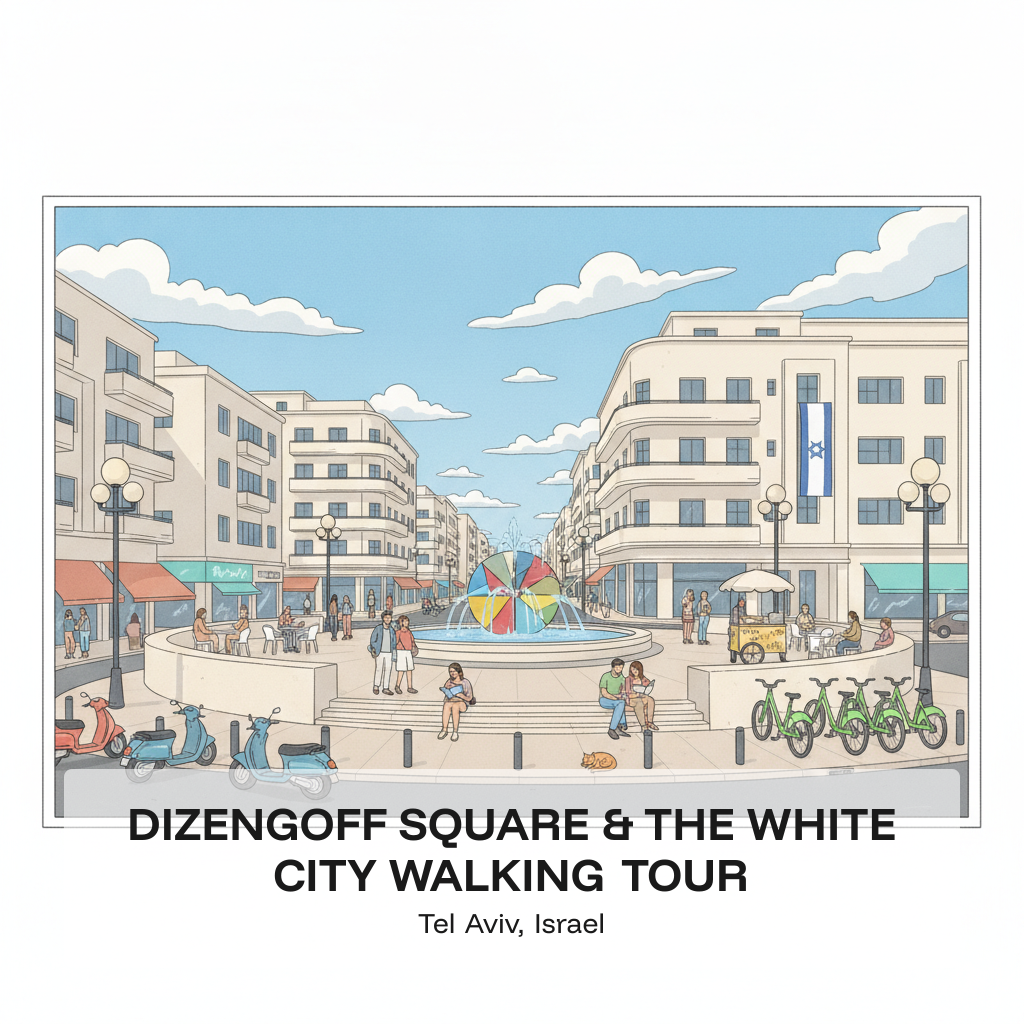
Dizengoff Square & the White City Walking Tour
Dizengoff Square (Kikar Dizengoff)—a circular plaza on a raised platform at the intersection of Dizengoff and King George streets—was Tel Aviv's social heart in the 1930s–1950s. The square was controversially redesigned in 1978 (the raised platform added, to public outrage) and again in 2019. The surrounding streets—Dizengoff, Gordon, Ben Yehuda—are the densest concentration of Bauhaus buildings in the White City. The Tel Aviv Bauhaus Foundation runs guided walking tours of the district on Fridays.
- 4
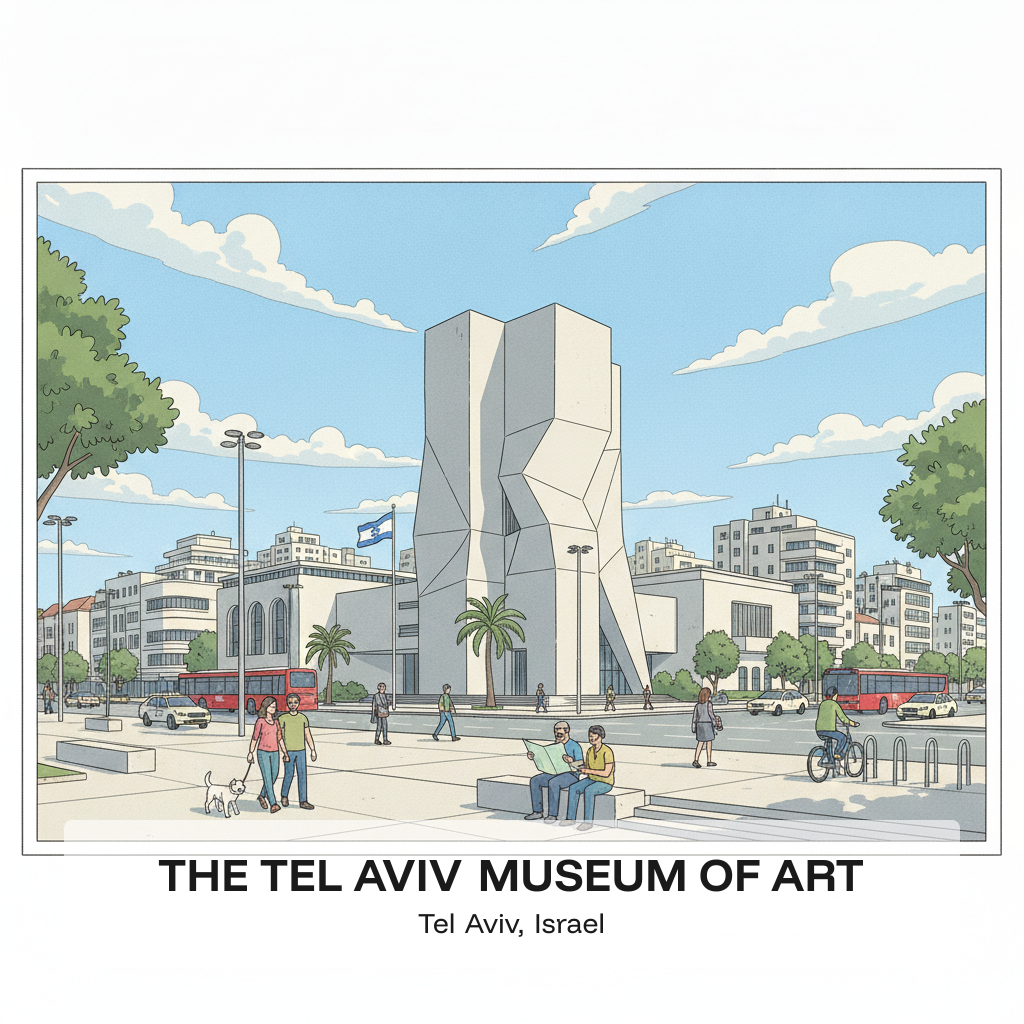
The Tel Aviv Museum of Art
The Tel Aviv Museum of Art—founded in the building where Israeli independence was declared in 1948 and now housed in a striking 2011 expansion by Preston Scott Cohen—contains the most significant collection of modern and contemporary Israeli art in the world, alongside international holdings that include major Impressionist and Post-Impressionist works. The museum's 2011 Herta and Paul Amir Building (designed around natural light despite having no exterior windows) won the World Architecture Festival award.
- 5
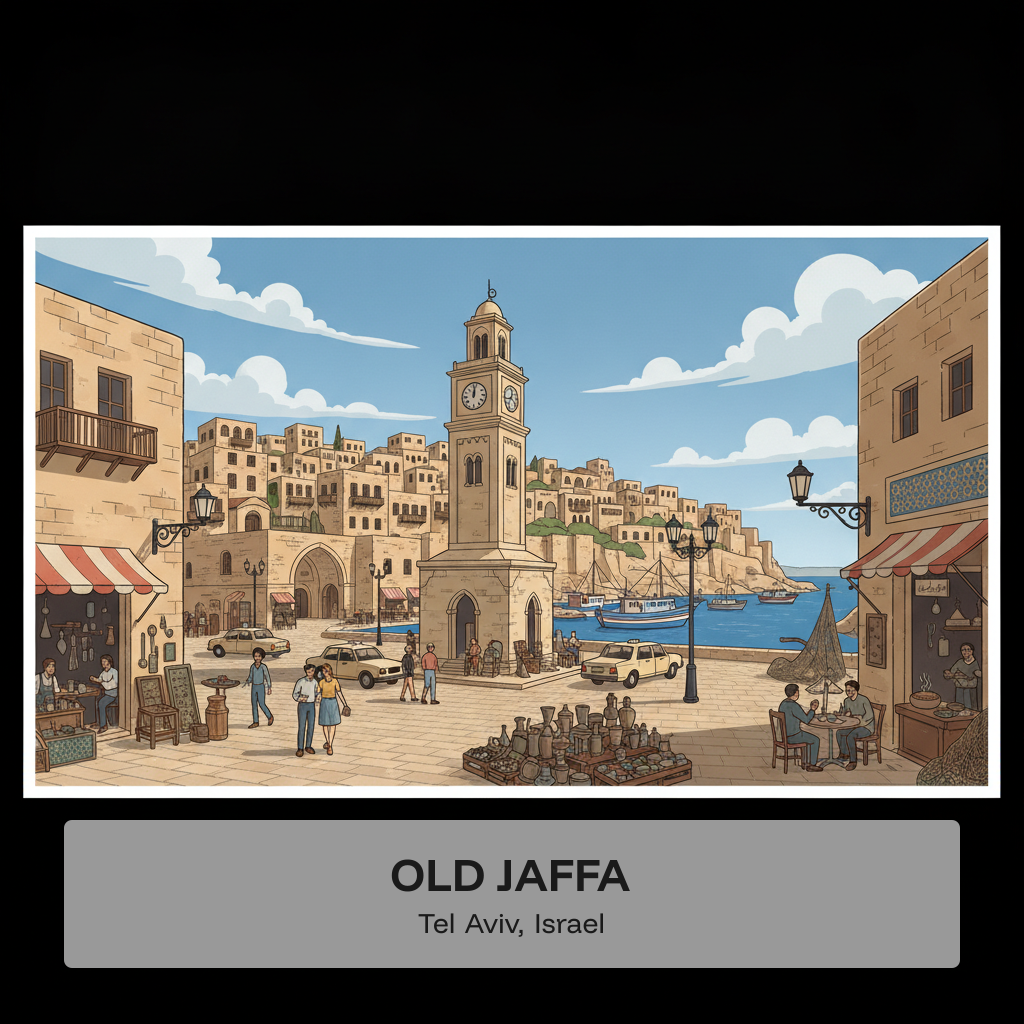
Old Jaffa – Tel Aviv's Ancient Counterpart
Old Jaffa (Yafo)—the ancient port city to the south of Tel Aviv, inhabited for 4,000 years—is one of the oldest ports in the world. The renovated old town (1960s restoration) contains art galleries, restaurants, and the Clock Tower Square (1906, built for the 30th anniversary of Sultan Abdülhamid II's coronation). The Jaffa flea market (Shuk HaPishpeshim) on Saturday is Tel Aviv's most eclectic market—antiques, vintage clothing, Arab bric-a-brac, and excellent hummus restaurants.
- 6
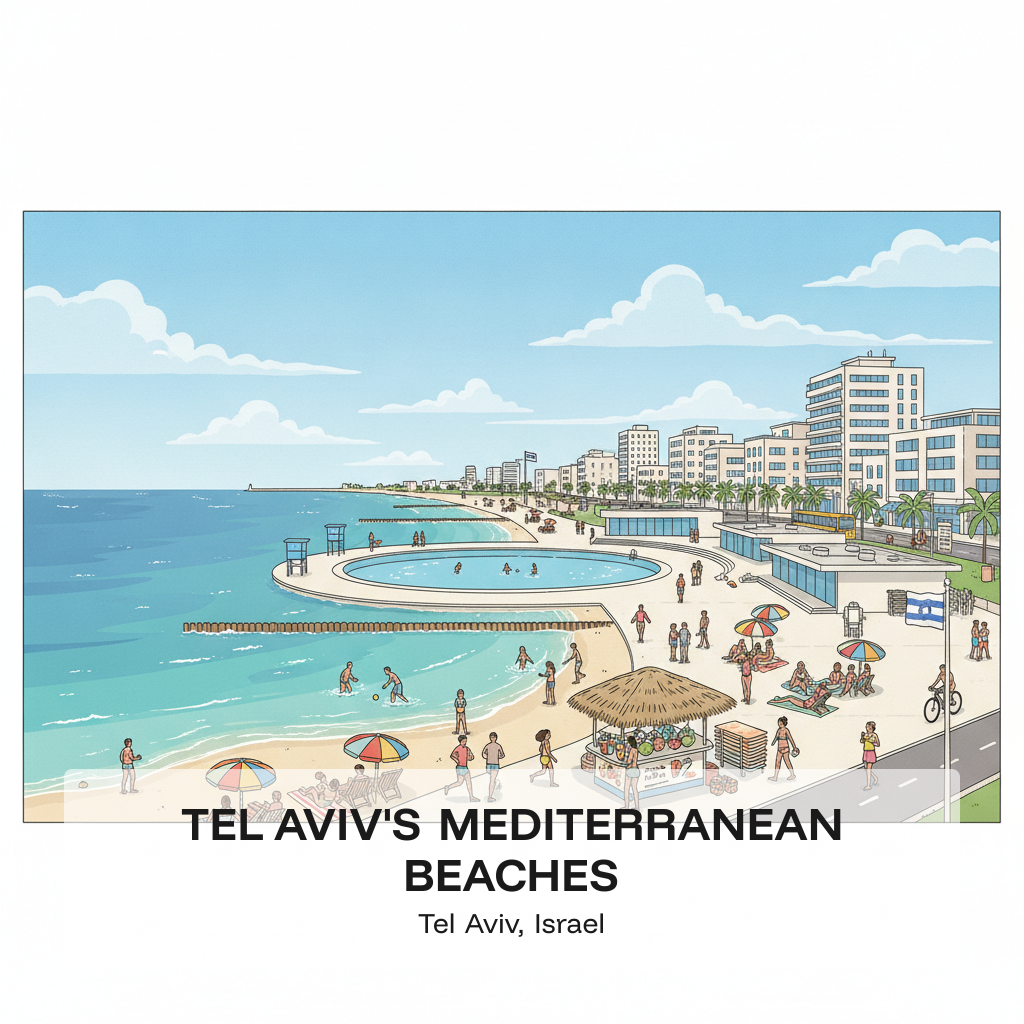
Tel Aviv's Mediterranean Beaches
Tel Aviv has 14 km of Mediterranean beach—clean, free, and extraordinarily lively. Gordon Beach and Frishman Beach are the main central beaches; HaYarkon Beach in the north is quieter; Charles Clore Beach (adjacent to the Tel Aviv Port) is popular with families. The beaches are separated by wooden groins; the beach culture is distinctively Israeli—physical, sociable, and open at all hours. The Tel Aviv beachfront boardwalk runs the full length of the city; Gordon Pool (outdoor sea-water pool) is open year-round.
Walk this route with audio
Stories play automatically as you reach each stop — no tapping needed.
More in Tel Aviv
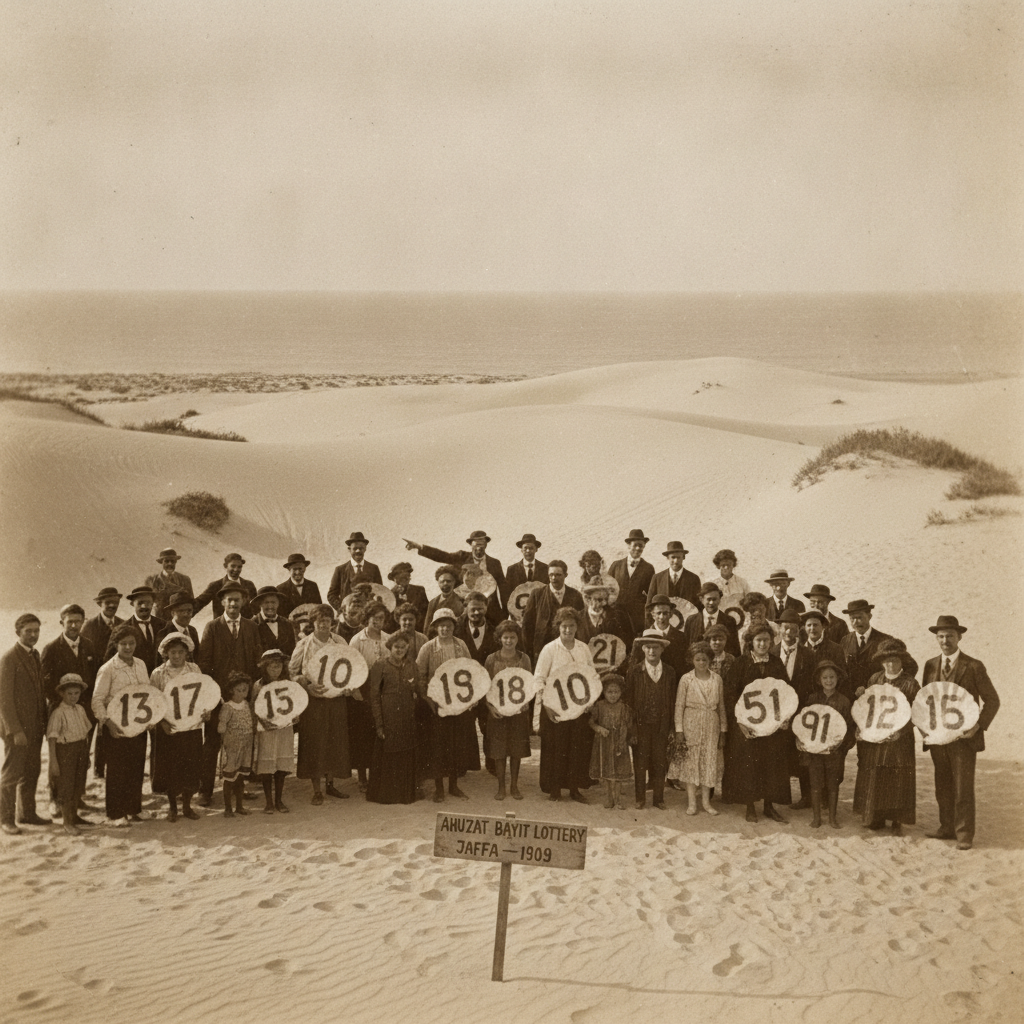
Tel Aviv's Story: 1909 Sand Dunes, 1948 Independence & Start-Up Nation's Uncertain Future
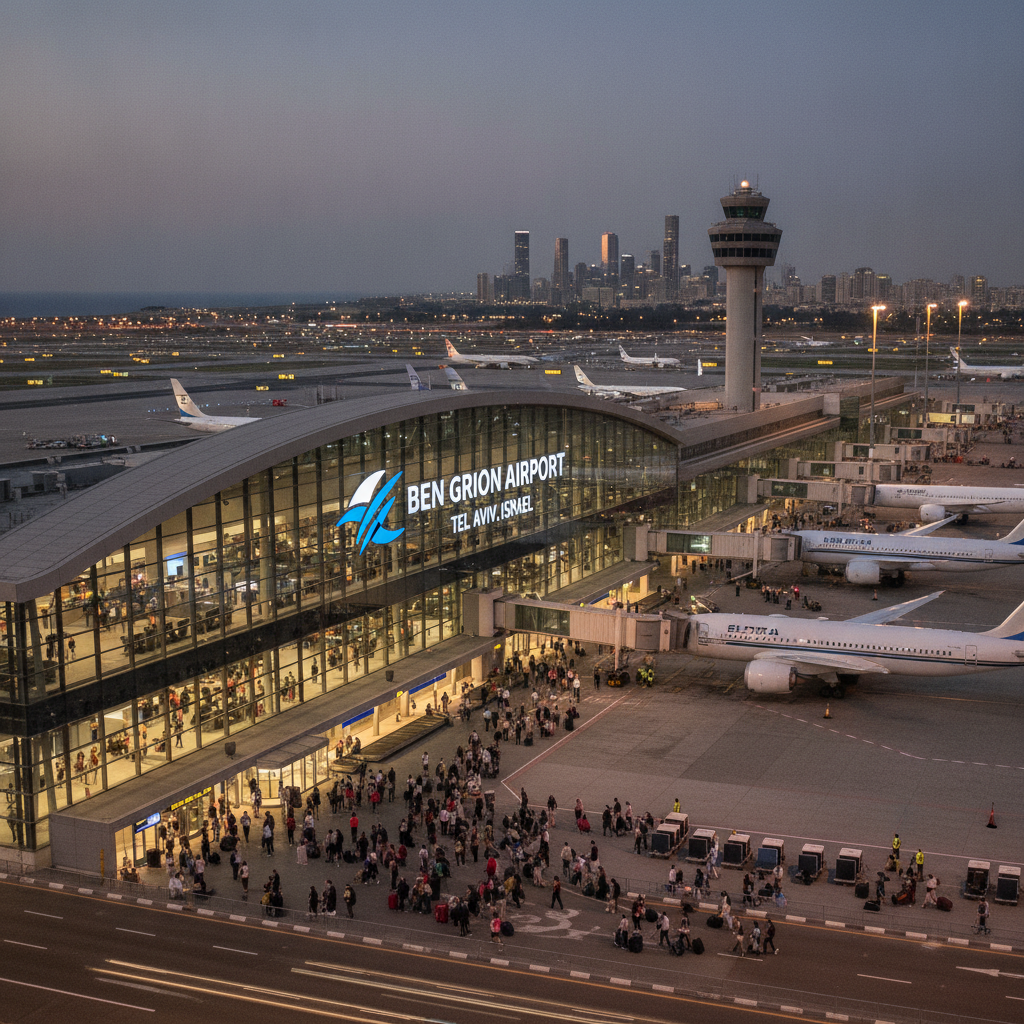
Tel Aviv Practical: Ben Gurion Airport, the City Transport, the White City Accommodation, the Optimal Timing, and the Israel Circuit Strategy
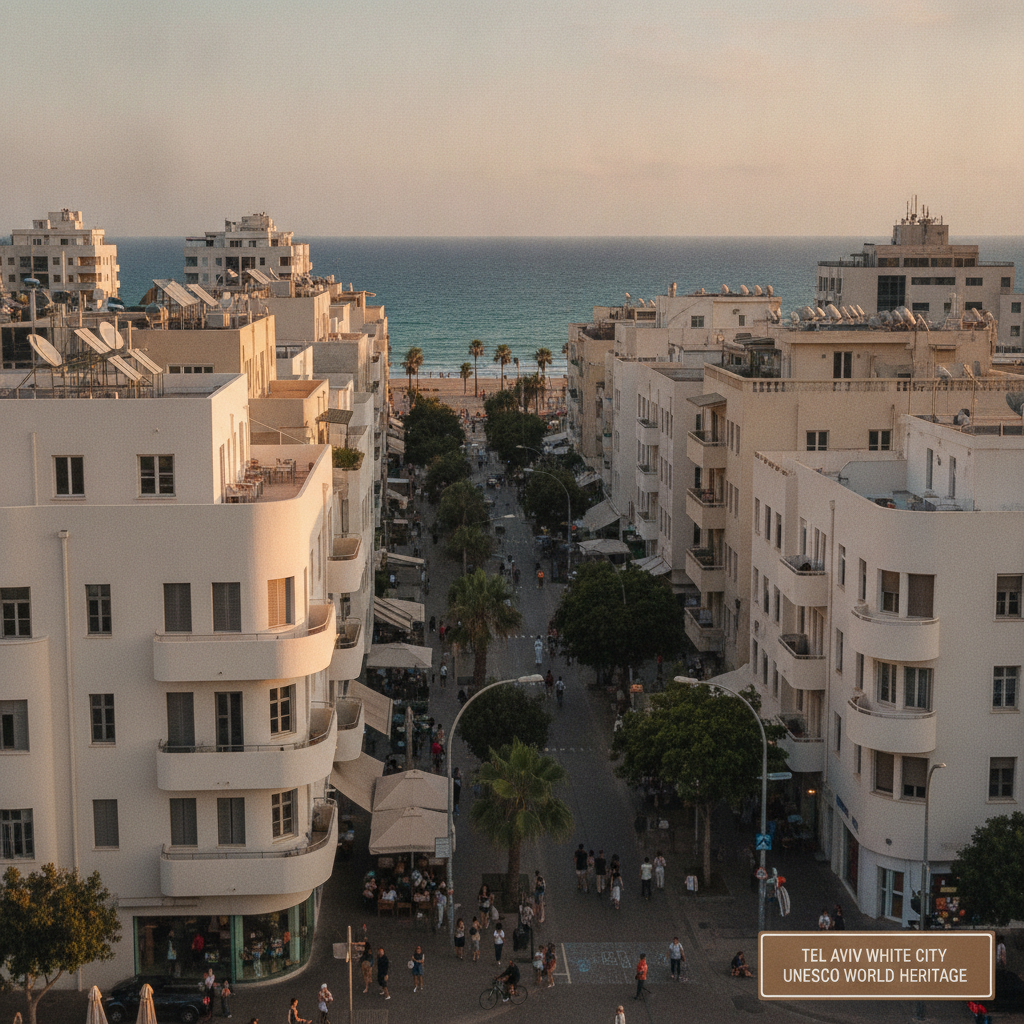
Tel Aviv Essential: The Bauhaus White City, the Mediterranean Beach, Neve Tzedek, the Jaffa Old Port, and the Most Vibrant Single Middle East City
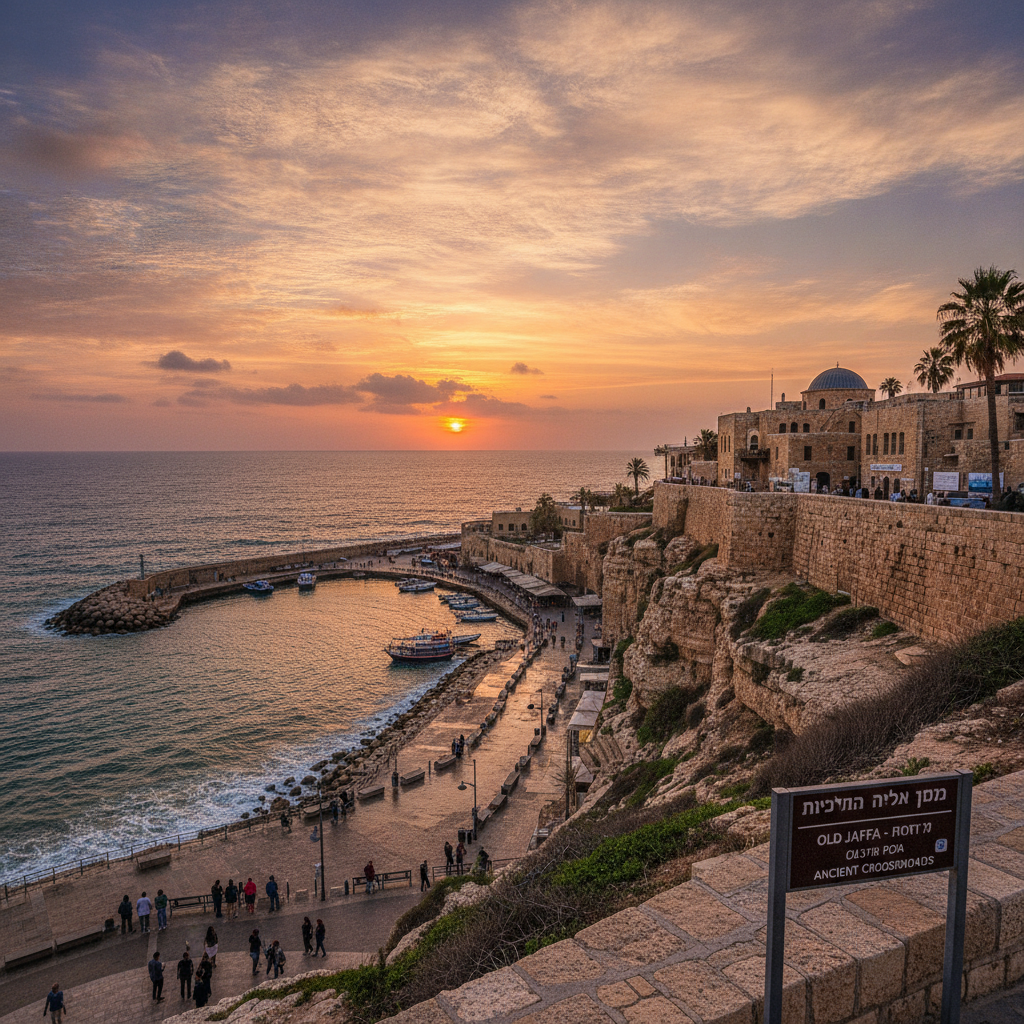
Tel Aviv-Jaffa: The Old City of Jaffa, the Flea Market, the Arab-Jewish Mixed Neighborhood, and the Most Historically Layered Single Tel Aviv Quarter
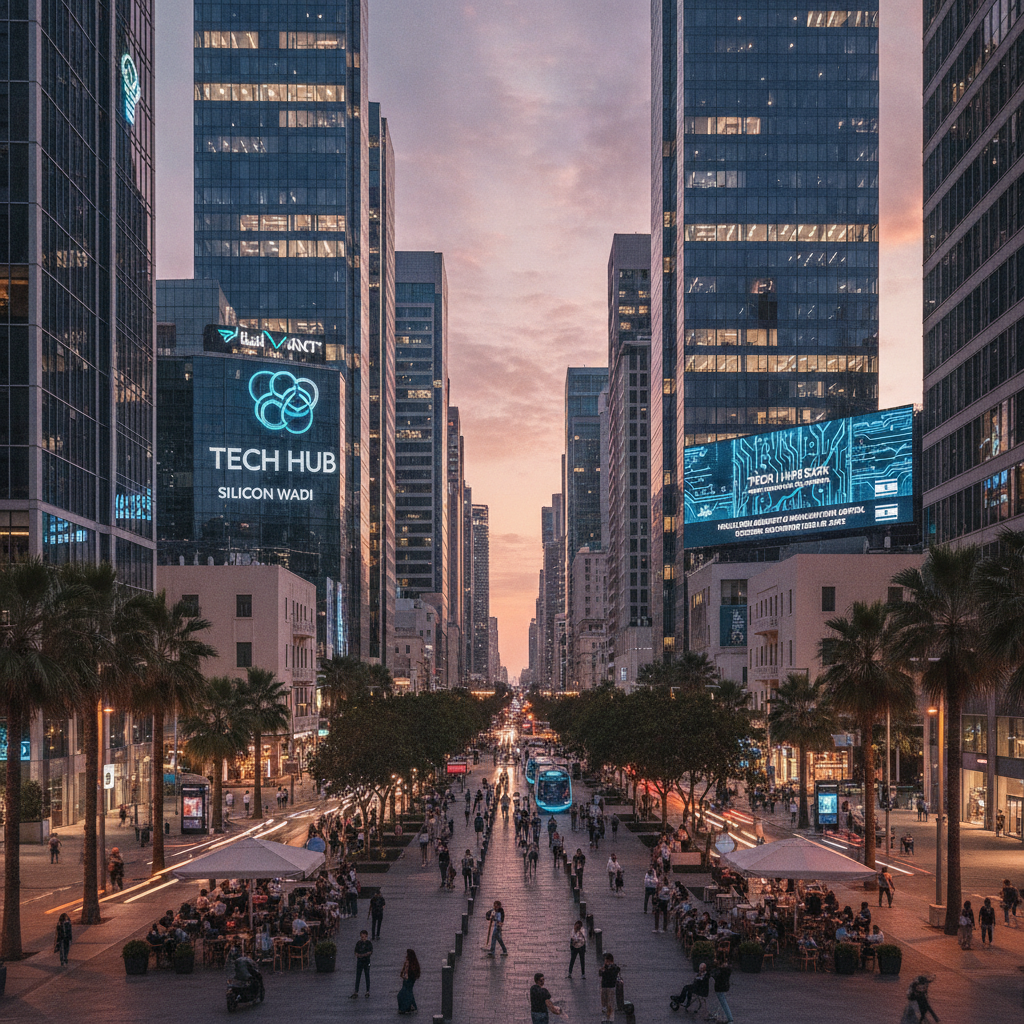
Tel Aviv Tech: The Start-Up Nation, the Silicon Wadi, the Innovation Ecosystem, and the Most Technologically Innovative Single Middle East City