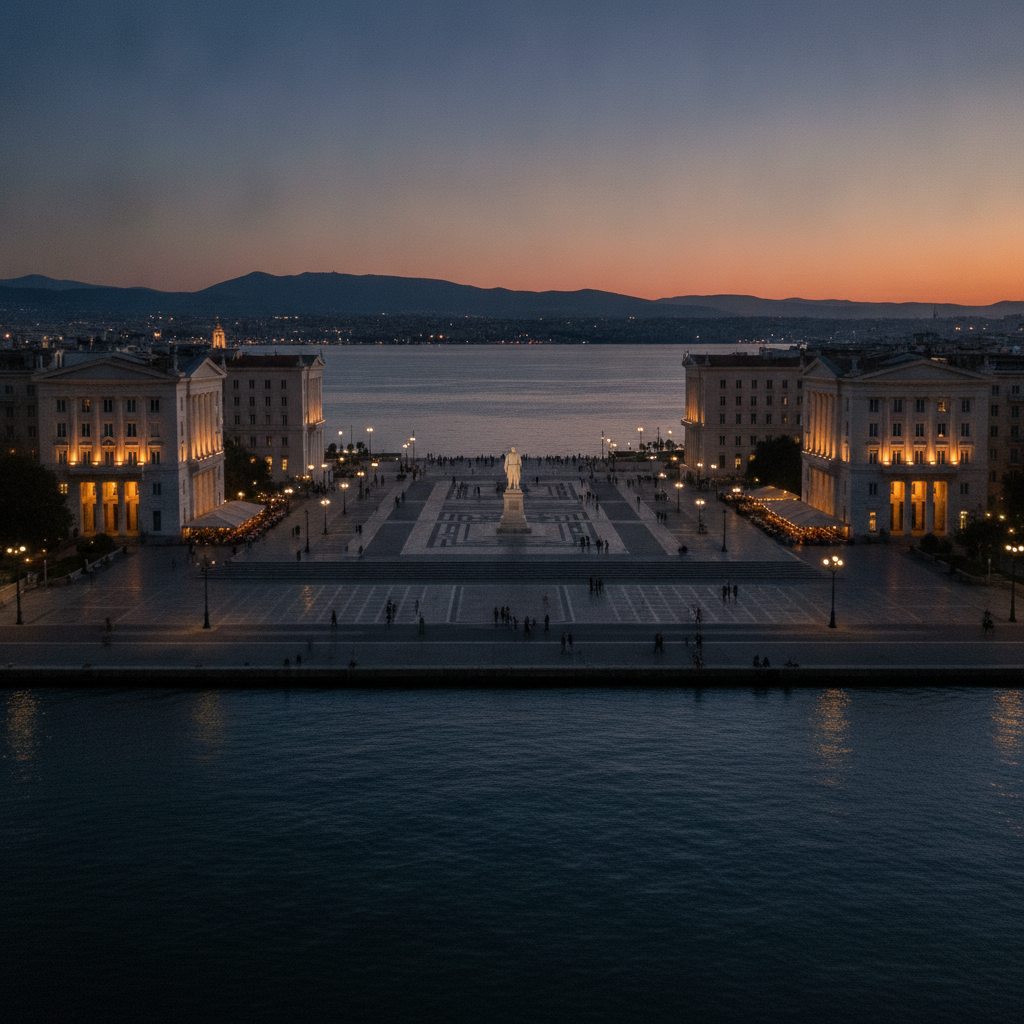
Thessaloniki Ano Poli — the Ottoman Upper Town, Byzantine Walls & the View Over the Gulf
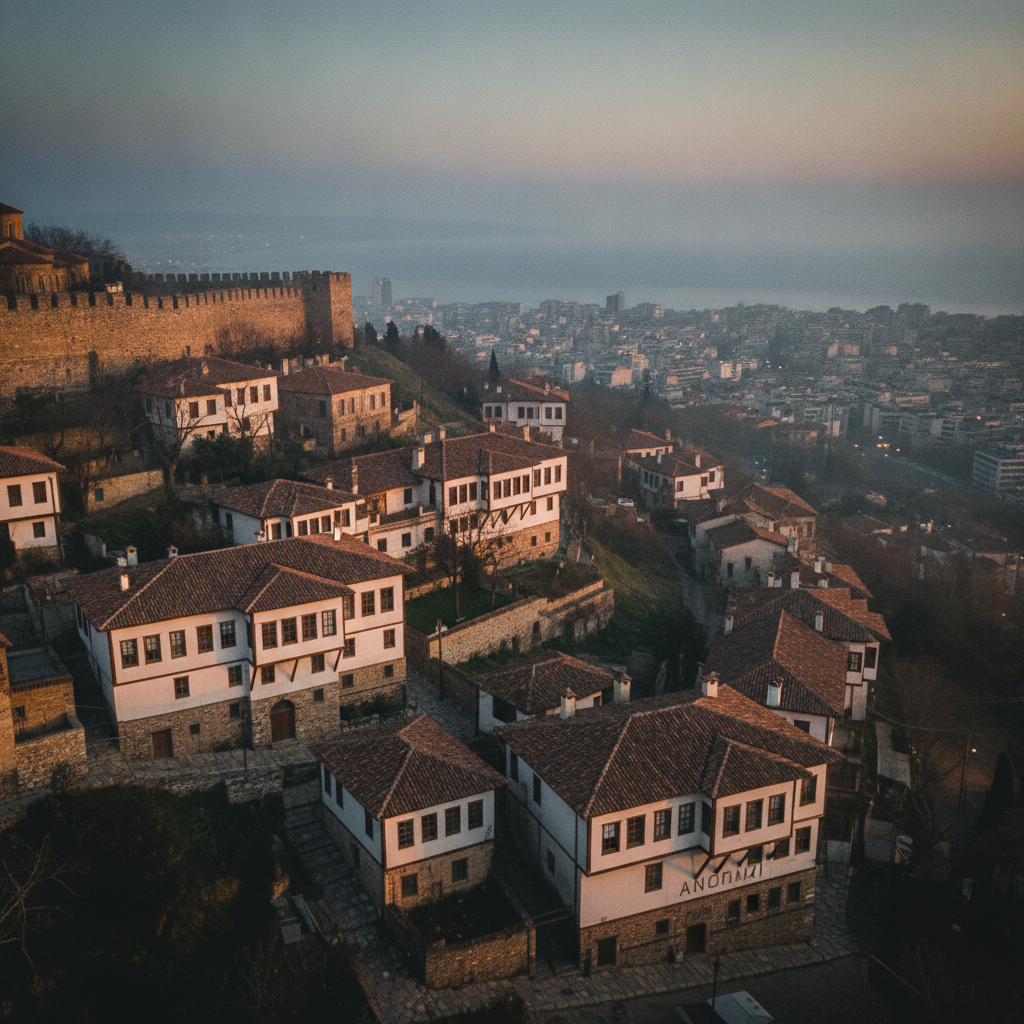
The Ano Poli (the Upper Town, the neighbourhood on the steep hillside above Thessaloniki, the only district to survive the catastrophic 1917 fire that destroyed 70 percent of the lower city, the traditional timber-frame Ottoman and Greek houses of the 18th-19th centuries intact on the lanes above the modern city) is the most atmospheric urban neighbourhood in northern Greece.
- 1
The 1917 Fire and the Survival of the Upper Town
The great fire of Thessaloniki (the fire that began on 18 August 1917 in a house on Olympou Street, spread by the meltemi north wind, burning for 32 hours and destroying 9,500 buildings in 120 city blocks — the equivalent of the entire lower city, 73,000 people left homeless including most of the Sephardic Jewish community whose central neighbourhood was entirely consumed, the destruction eliminating 2,000 years of continuous urban building history) spared the Ano Poli because the fire could not climb the steep northern hillside against the meltemi blowing from the north. The consequence: the Ano Poli preserves the urban fabric of 18th-19th century Thessaloniki while the lower city was rebuilt in the 1920s-30s according to a rationalist street plan designed by the French urban planner Ernest Hébrard. The contrast between the lower city's regular neoclassical grid and the Ano Poli's organic Ottoman lane network is the essential architectural history of modern Thessaloniki.
- 2
The Traditional Houses — Ottoman Timber-Frame Architecture
The traditional houses of the Ano Poli (the timber-frame houses with stone ground floors and projecting upper floors — the sachnisia — the upper-floor rooms overhanging the street by 60-120cm on carved wooden brackets, the standard domestic architecture of the late Ottoman period in northern Greece, the technique directly derived from the Anatolian timber-frame tradition) line the steep lanes of the Ano Poli in various states of preservation — some restored to their original painted plaster finish (the traditional colours: ochre, terracotta, blue-grey), others in picturesque decay with their sachnisi brackets cracked and the lath-and-plaster walls showing through the fallen plaster. The Vlali neighbourhood (the most intact cluster of traditional houses in the Ano Poli, the lanes between the Eptapyrgio and the Vlatadon Monastery, the houses restored by the local residents from the 1990s onwards as the Ano Poli became recognized as a neighbourhood of architectural value) is the best-preserved section. The Vlatadon Monastery (the 14th-century Byzantine monastery at the western end of the Ano Poli, the monastery in continuous use since its foundation in 1360, the church open to visitors daily 9am-noon, the gardens the most peaceful green space in the upper city).
- 3
The Eptapyrgio — the Seven-Towers Fortress
The Eptapyrgio (the Byzantine-Ottoman fortress at the highest point of the Ano Poli, the name referring to the seven towers of the main enceinte, built initially in the Byzantine period and substantially modified by the Ottomans after 1430, the most complete Byzantine military fortification in northern Greece, the fortress serving as a prison from the Ottoman period through to 1989 — the Greek government finally closing the prison in 1989, the building now open as an archaeological site, free access to the exterior and the walking path along the battlements, the interior conversion to a museum ongoing) is accessible from the Ano Poli on a 10-minute walk from the Vlatadon Monastery. The view from the Eptapyrgio battlements (the 360-degree panorama from the highest point of the Byzantine walls — the entire Thermaic Gulf visible to the south, the Pieria Mountains across the water 40km south, the Axios river delta to the west, and the Chalkidiki peninsula to the east) is the most complete panoramic view available in Thessaloniki. The Byzantine walls between the Eptapyrgio and the Trigonou Tower (the section of the 4th-century wall best preserved, the walking path on the wall interior running for 500m, the crenellated battlements largely intact).
- 4
The Ano Poli Cafes and the Neighbourhood Life
The Ano Poli cafe scene (the neighbourhood's position as the most bohemian and architecturally interesting residential area in Thessaloniki has attracted the alternative cafe and bar culture that the lower city's commercial streets cannot sustain): the traditional kafeneion at the Eptapyrgio square (the outdoor tables under the Eptapyrgio wall, the Turkish coffee and the backgammon, open from 7am, the meeting point of the Ano Poli's oldest residents, the most unchanged social institution in the neighbourhood), the Zythos Duo (the bar-restaurant in a restored traditional house near the Vlatadon Monastery, the Macedonian beer selection, the mezedes at correct prices, the terrace with the view over the lower city to the gulf) and the Sunday morning (the Ano Poli at 8-10am on Sunday when the residents walk to the Vlatadon Monastery for the liturgy, the bakeries open with the fresh bread visible in the windows, the neighbourhood at its most habitual and least observed by visitors). The morning walk from the Ano Poli (the descent from the Eptapyrgio through the lanes to the Rotunda, following the Byzantine walls south, the 30-minute descent combining the Ottoman houses, the Byzantine walls, and the arrival at the Galerian complex at the base of the hill).
- 5
Excursion — Halkidiki and the Three Peninsulas
Halkidiki (the three-fingered peninsula extending into the Aegean from the Thessaloniki hinterland, the three peninsulas: Kassandra to the west — the most developed, the beach resort coast at 70km from Thessaloniki, accessible by KTEL bus from the Makedonia station in 1.5 hours, the beaches at Hanioti and Kallithea the most developed; Sithonia in the centre — less developed, the forests running to the sea, the best beaches: Kalamitsi and Toroni, 100km from Thessaloniki; and Athos to the east — the autonomous monastic republic of Mount Athos, accessible only to male visitors with the diamonitirion permit, the 20 Orthodox monasteries on the mountain the most complete medieval monastic complex surviving anywhere in the world). The Kassandra and Sithonia peninsulas are accessible as day trips from Thessaloniki by rental car (the Kassandra bridge 60km from the city, the Sithonia coast beaches 100-120km, the access road through the pine forest one of the most scenic drives in northern Greece). The Mount Athos day cruise (the boat trip from Ouranoupolis village — 130km from Thessaloniki — sailing along the Athos peninsula coast without landing, the monastery buildings visible from the sea at 500m distance, the boat departing 9am and returning at 4pm, tickets at the Ouranoupolis harbour, €25-35 per person) provides the view of the Athonite monasteries without the permit requirement.
- 6
Excursion — Vergina and Pella, the Macedonian Kingdom
The Macedonian kingdom excursion from Thessaloniki (the day trip combining the two most important sites of Alexander the Great's homeland): Vergina (70km west, the royal Macedonian city of Aigai, the unlooted tombs of Philip II and Alexander IV under the Great Tumulus — the most important archaeological discovery in Greece in the 20th century, €12 adults, open Tuesday-Sunday 8am-8pm, accessible by bus from the Makedonia bus station in 1.5 hours at €7 each way, or by rental car in 45 minutes) and Pella (the Macedonian capital from 400 BCE, 40km west of Thessaloniki, the site where Alexander the Great was born and Aristotle taught, the house mosaics — the 4th-century BCE pebble mosaics of the Lion Hunt and the Dionysus on a Panther the finest preserved Greek pebble mosaics in existence — displayed in situ in the excavated house floors, €6 adults, Tuesday-Sunday 8am-8pm, accessible by bus from Thessaloniki in 50 minutes at €3.50 each way). The combined day trip by rental car (the 150km circuit Thessaloniki-Pella-Vergina-Thessaloniki, allowing 2 hours at Pella and 3 hours at Vergina with 1 hour of driving between sites) is the correct historical excursion from the city.
Walk this route with audio
Stories play automatically as you reach each stop — no tapping needed.
More in thessaloniki
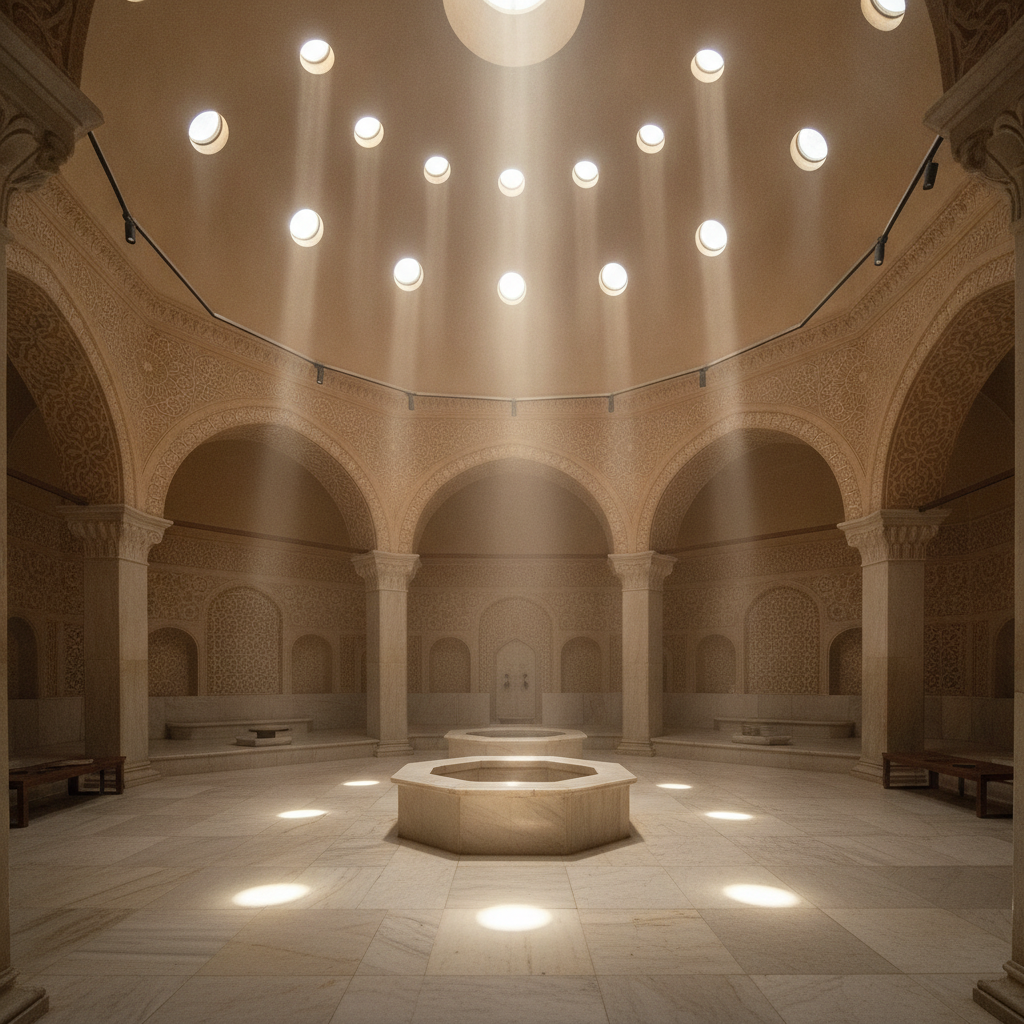
Thessaloniki Ottoman & Jewish Heritage — Hamams, the Bezesteni & the Multicultural City
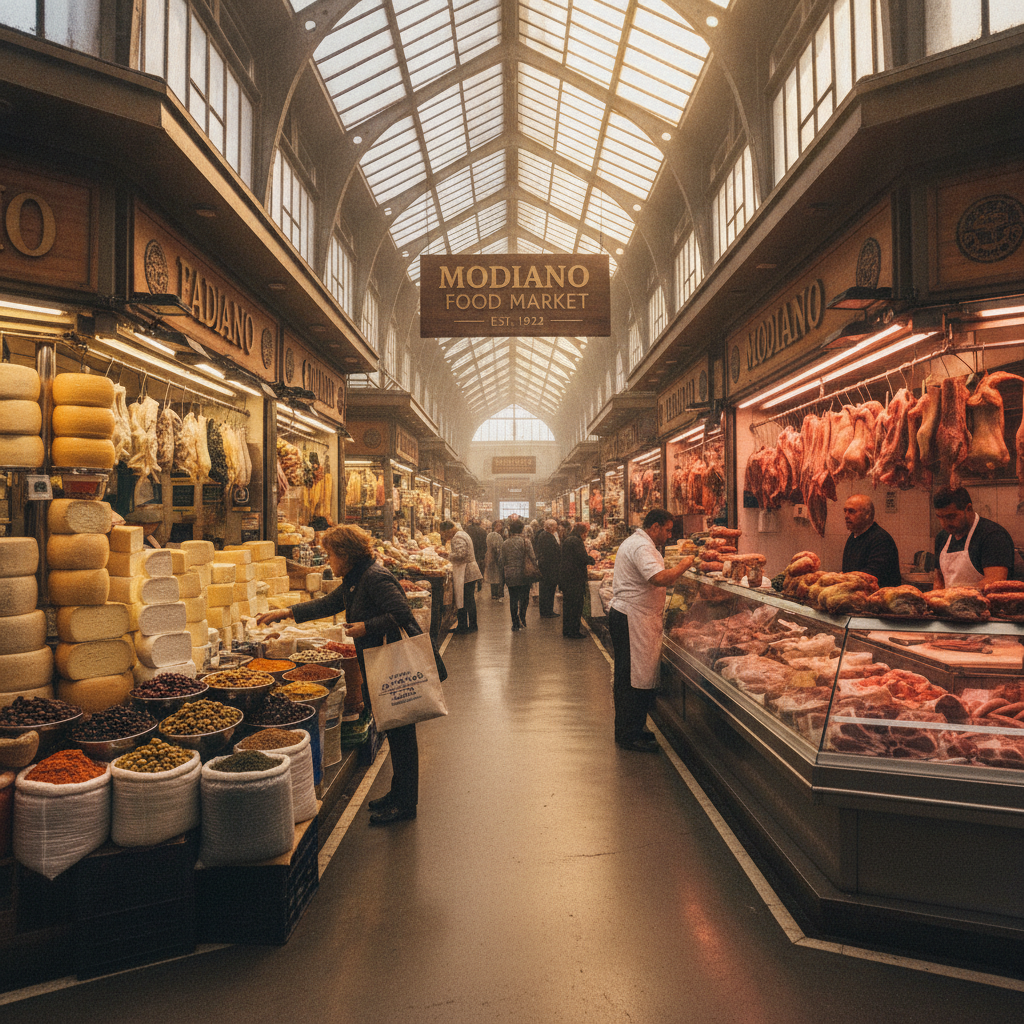
Thessaloniki Food — Markets, Bougatsa, Mezedes & the Greek Food Capital
Thessaloniki Waterfront & Roman Legacy — the White Tower, Galerius Complex & Byzantine Walls
Thessaloniki Byzantine Monuments — UNESCO Sites, Mosaics & the Archaeological Museum