Thessaloniki Food — Markets, Bougatsa, Mezedes & the Greek Food Capital
Thessaloniki's food reputation (the self-proclaimed food capital of Greece, the claim based on the multi-layered culinary traditions of the city — the Ottoman heritage, the Sephardic Jewish cooking traditions of the large pre-war Jewish community, the Anatolian refugee cooking brought by the 1922 population exchange, and the Macedonian Greek village tradition) is sustained by the market culture, the pastry tradition, and the evening taverna circuit.
- 1
Bougatsa — the Thessaloniki Morning Ritual
Bougatsa (the phyllo pastry parcel filled with warm semolina custard, the defining Thessaloniki breakfast food, the specific Thessaloniki version distinguished from other bougatsa found across Greece by the thickness of the phyllo — the Thessaloniki makers using thinner and crispier phyllo than the Cretan or Ioannina versions — and the temperature, served immediately from the oven, the custard still warm at the centre, dusted with icing sugar and cinnamon before serving, a full portion at €2.50-3.50) is consumed at the specialized bougatsa shops that open at 5:30-6am and close when the day's production is sold, typically by noon. The established institutions: Serraikos (the most historic bougatsa shop in Thessaloniki, Komninon 1, operating since 1957, the custard bougatsa the benchmark, also making the cheese-filled and minced-meat-filled savoury versions, open 6am-noon, cash only), Bantis (the Ano Poli institution in the upper town, the custard version the specific recommendation, the walk up to the Ano Poli combining the bougatsa breakfast with the morning exploration of the Byzantine walls).
- 2
Modiano and Kapani Markets — the Food Heart of the City
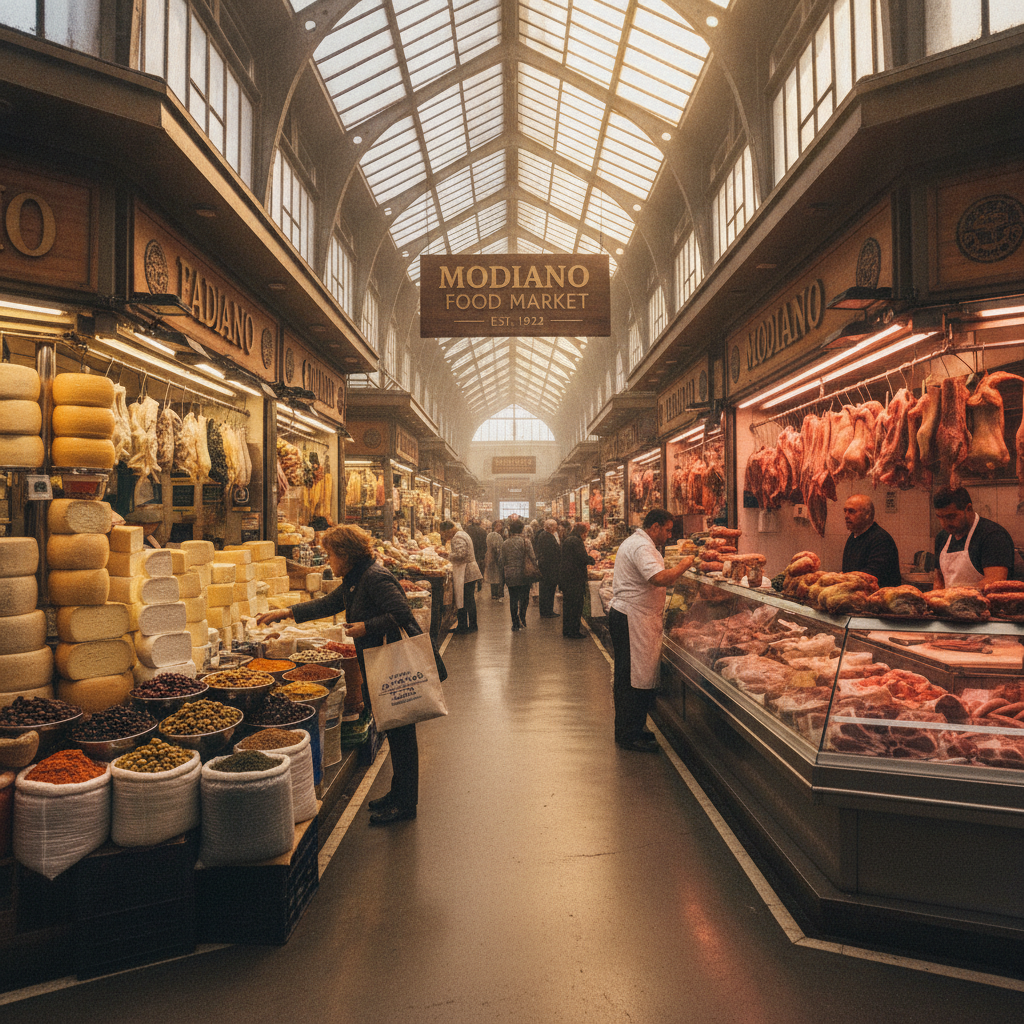
The Modiano market (the covered market built in 1922 by the Sephardic Jewish architect Eli Modiano on the site of the former Yahudi Hanı — the Jewish caravanserai — the iron-and-glass market hall with its central avenue of stalls, the most architecturally distinguished market building in northern Greece, the stalls divided between the cheese vendors, the olive and pickle sellers, the spice merchants, and the prepared food shops, open Monday-Saturday 7am-3pm) and the adjacent Kapani market (the open-air covered market of the fresh produce, the herbs, the nuts, and the traditional fabric and clothing vendors, the more chaotic and less touristic of the two markets, the prices 20-30 percent below the supermarket equivalents for fresh produce) together form the living market quarter of Thessaloniki. The essential purchases: the Macedonian cheeses (the graviera, the telemes, the Florina pepper paste at the spice stalls, the sundried olives), the Kozani saffron (the Greek saffron, PDO-protected, harvested in the Kozani region 70km west of Thessaloniki, the world's most northerly saffron cultivation, available at the Modiano spice stalls at €4-8 per gram, significantly cheaper than Spanish or Iranian saffron at equivalent quality).
- 3
Ladadika — the Evening Taverna District
Ladadika (the former oil-press warehouse district 500m west of the White Tower, the warehouses used until the 1960s for storing and trading the olive oil from northern Greece, the district converted to restaurants and bars in the early 1990s after decades of dereliction, the pedestrianized lane network of the district filling nightly from 9pm with the Thessaloniki dinner crowd) is the most animated evening dining quarter in northern Greece. The taverna circuit: To Elliniko (the traditional Greek taverna in the heart of Ladadika, the mezedes including the garlic-fried mushrooms, the white bean soup, the spicy cheese dip — the tirokafteri — and the grilled lamb chops at €8-12 each, the local Naoussa wine list), Diagonios (the ouzo-mezedes restaurant specializing in seafood mezedes — the seafood risotto, the grilled octopus, the shrimp saganaki with tomato and feta — at the correct Thessaloniki price, the ouzo served with the traditional complimentary small mezedes plate), and the rooftop bar at the corner of Katouni Street (the informal rooftop converted from a warehouse storage space, the view over the Ladadika district to the White Tower and the gulf beyond).
- 4
Tsimiski Street and the Patisserie Tradition
Tsimiski Street (the main commercial pedestrianized street of Thessaloniki, running east-west through the centre of the city, the department stores and international chains occupying the ground floors of the early 20th-century neoclassical buildings, the street animated from 10am to 10pm daily) contains the most concentrated patisserie tradition in Greece — the Thessaloniki sweet tradition (the Ottoman heritage of the syrup-soaked pastries meeting the Anatolian refugee traditions of the 1922 population exchange meeting the standard Greek patisserie culture): Hatzis (the confectionery shop on Tsimiski since 1908, the most established patisserie in Thessaloniki, the trigona panoramatos — the honey-soaked puff pastry triangles filled with custard cream, the signature sweet of Thessaloniki available here in the original form, €1.50-2 per piece), Agapitos (the chocolatier on Tsimiski, the praline and truffle production visible in the front window, the Thessaloniki chocolate tradition incorporating rose-water and mastic flavours from the Ottoman heritage), and the bougatsa shops (whose early-morning customer is the same person who returns to Tsimiski at 4pm for the afternoon coffee and pastry, the two daily sweet rituals of the Thessaloniki food calendar).
- 5
The Jewish Heritage and Sephardic Cuisine
Thessaloniki's Sephardic Jewish heritage (the Jewish community established by the 1492 expulsion of the Jews from Spain and Portugal, 150,000 Sephardic Jews settling in Ottoman Thessaloniki over the following century, the Jewish community growing to constitute 50 percent of the city's population by the 19th century, the community decimated by the Nazi occupation and deportation to Auschwitz in 1943 — 46,000 of the 50,000 Thessaloniki Jews deported, fewer than 2,000 surviving — the community today numbering approximately 1,000) is remembered at: the Jewish Museum of Thessaloniki (13 Agiou Mina Street, €5 adults, Tuesday-Sunday 11am-2pm and 5pm-8pm, the comprehensive history of the Sephardic community from the 1492 arrival through the Holocaust, the photographs of the pre-war Jewish city, the personal testimonies of the survivors) and in the Sephardic food traces visible in Thessaloniki cooking — the bourekitas (the phyllo pastry filled with cheese and egg, directly derived from the Sephardic burekas), the almond-based sweets (the marzipan and the rose-water pastries in the city's confectionery shops), and the sabbath cooking tradition (the slow-cooked stews that became part of the Thessaloniki culinary repertoire through the 400 years of Sephardic presence in the city).
- 6
Naoussa Wine and the Macedonian Wine Region
The Macedonian wine region (the wine-producing area of northern Greece centered on the towns of Naoussa and Amyndeo in the mountains 70-80km west of Thessaloniki, the Xinomavro grape variety — the defining red grape of northern Greece, producing wines of high acidity, red fruit, and tannic structure often compared to Nebbiolo of Barolo — the primary variety) produces the most serious red wines in Greece. Naoussa PDO (the appellation covering the Xinomavro wines from the slopes of Mount Vermio, the region 60km west of Thessaloniki, the producers Boutari, Kyr-Yianni, and Thymiopoulos the most accessible in Thessaloniki wine lists), the Amyndeo PDO (the cooler, higher-altitude Xinomavro producing lighter and more aromatic wines, the sparkling wine from Xinomavro — the Amyndeo Sparkling Wine PDO — the most distinctive wine product of northern Greece, the fruit-forward and high-acid character making it a technically successful sparkling wine base). Available in Thessaloniki at: the wine bars of Ano Poli (the Ergon wine bar in the upper town), the Ladadika restaurants, and the dedicated wine shop Clos du Roi on Tsimiski Street (the largest selection of Greek wine in the city, the Macedonian wine section the best-stocked in the country outside the producing regions themselves).
Walk this route with audio
Stories play automatically as you reach each stop — no tapping needed.
More in thessaloniki
Thessaloniki Ottoman & Jewish Heritage — Hamams, the Bezesteni & the Multicultural City
Thessaloniki Waterfront & Roman Legacy — the White Tower, Galerius Complex & Byzantine Walls
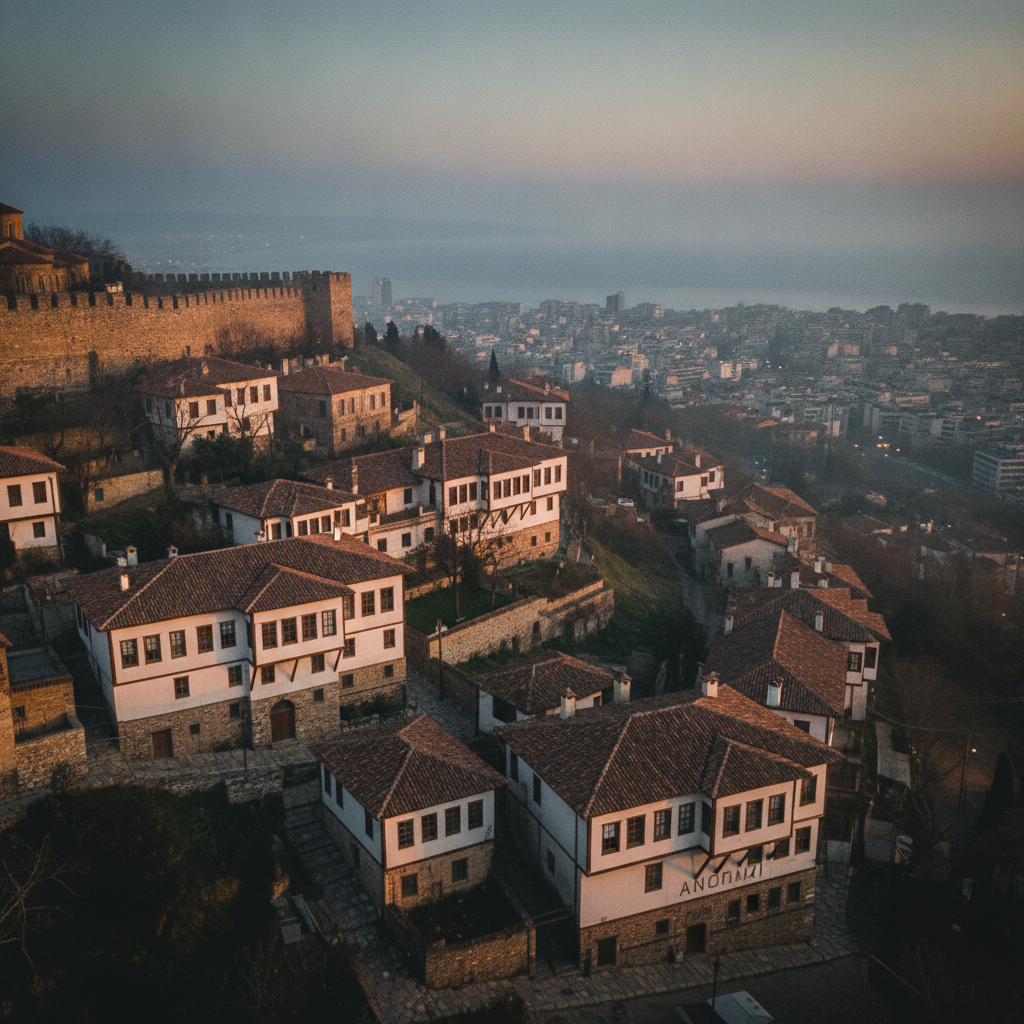
Thessaloniki Ano Poli — the Ottoman Upper Town, Byzantine Walls & the View Over the Gulf
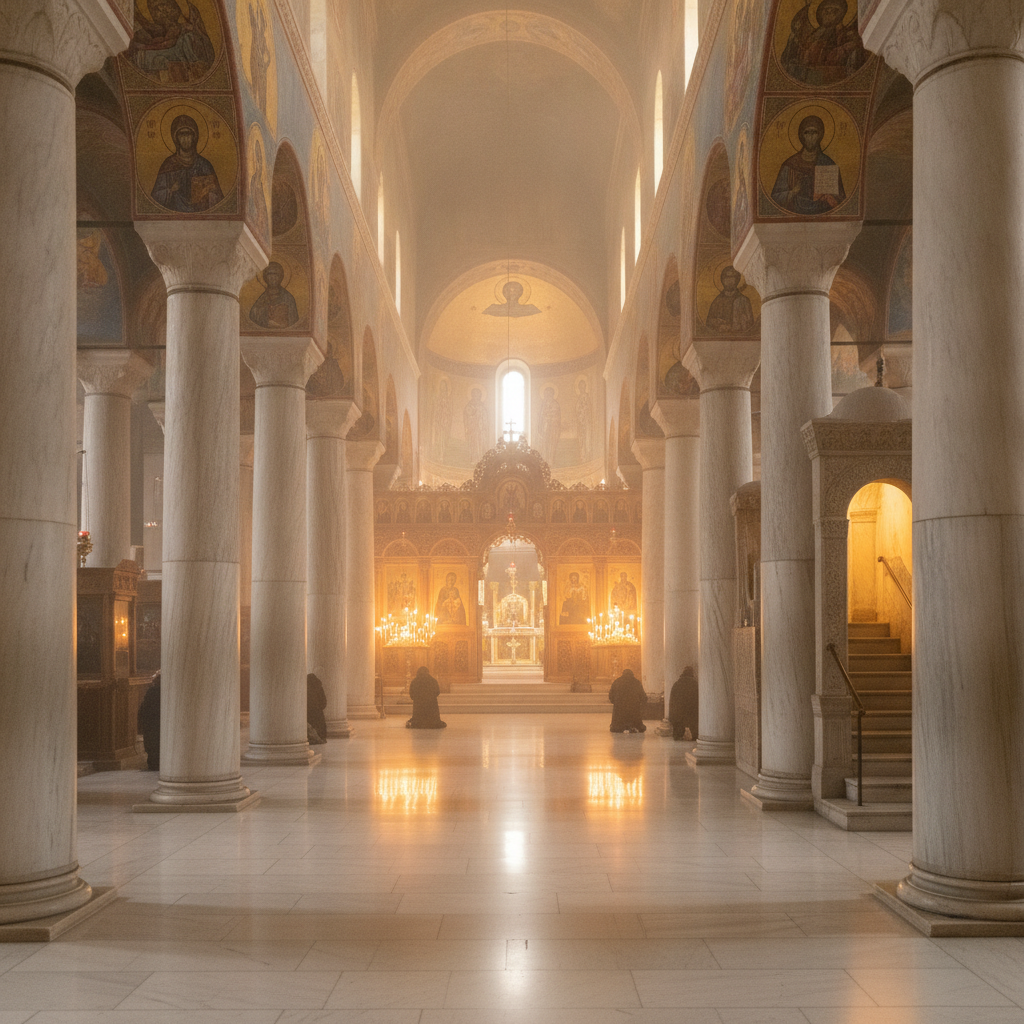
Thessaloniki Byzantine Monuments — UNESCO Sites, Mosaics & the Archaeological Museum