Bhutan Sacred Sites: Tigers Nest (Taktsang), Paro Rinpung Dzong, the Punakha Dzong, and the Most Dramatically Sacred Single Himalayan Buddhist Heritage
The Bhutan sacred sites route covers Tigers Nest as the most dramatically cliff-perched single Himalayan monastery, Paro Rinpung Dzong, the Punakha Dzong, and the most dramatically sacred single Himalayan Buddhist heritage accessible from Thimphu.
- 1
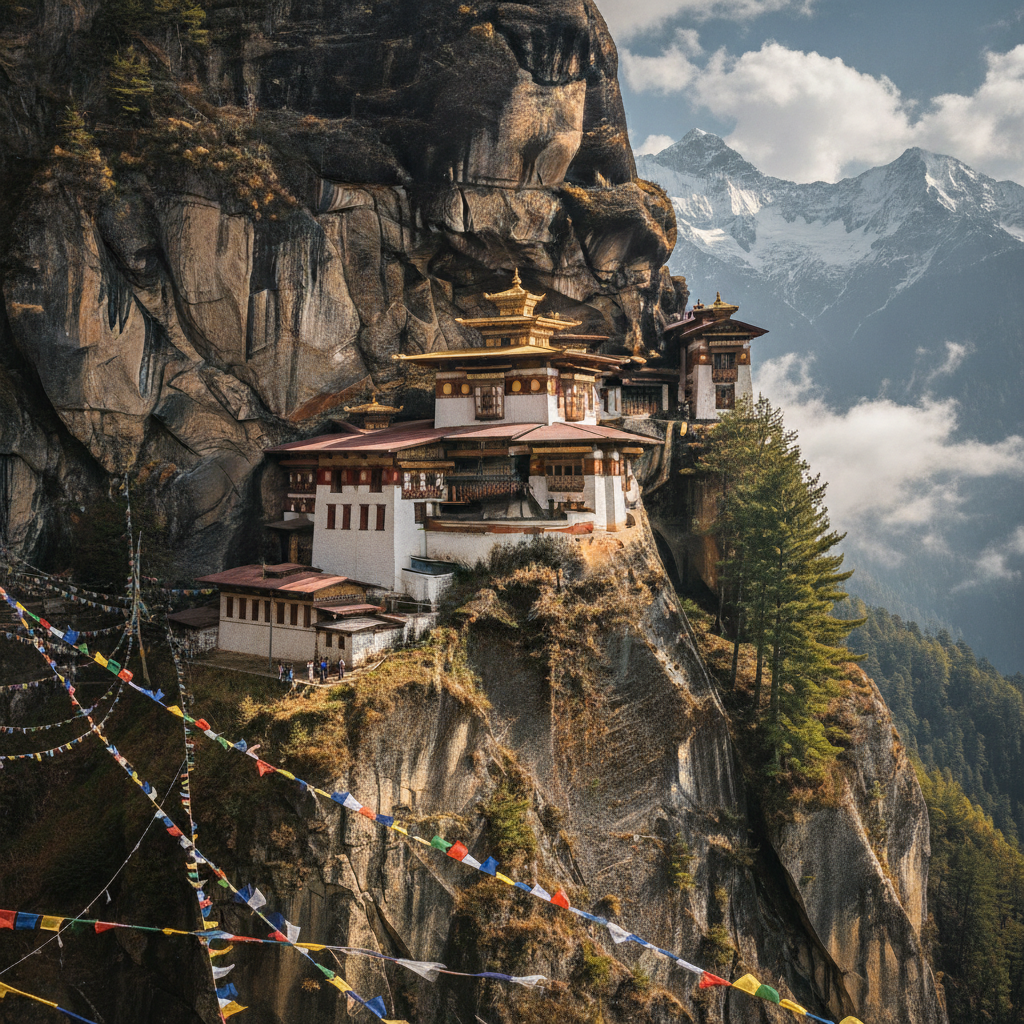
Taktsang Monastery (Tigers Nest): The Most Dramatic Himalayan Monastery
Taktsang Monastery (the most dramatically cliff-perched single Himalayan monastery with the most specifically 3,120-meter single cliff-face position 900 meters above the most completely Paro Valley floor accessible by the most particularly 2-3 hour single uphill hiking trail through the most comprehensively blue-pine-and-rhododendron single forest, the most directly sacred single Padmasambhava (Guru Rinpoche) single 8th century single tiger-back meditation cave creating the most specifically foundation-miracle single Bhutanese sacred site), is the most internationally iconic single Bhutan image and the monastery most directly justifying the most specifically Bhutan single tourism investment for most international visitors.
- 2
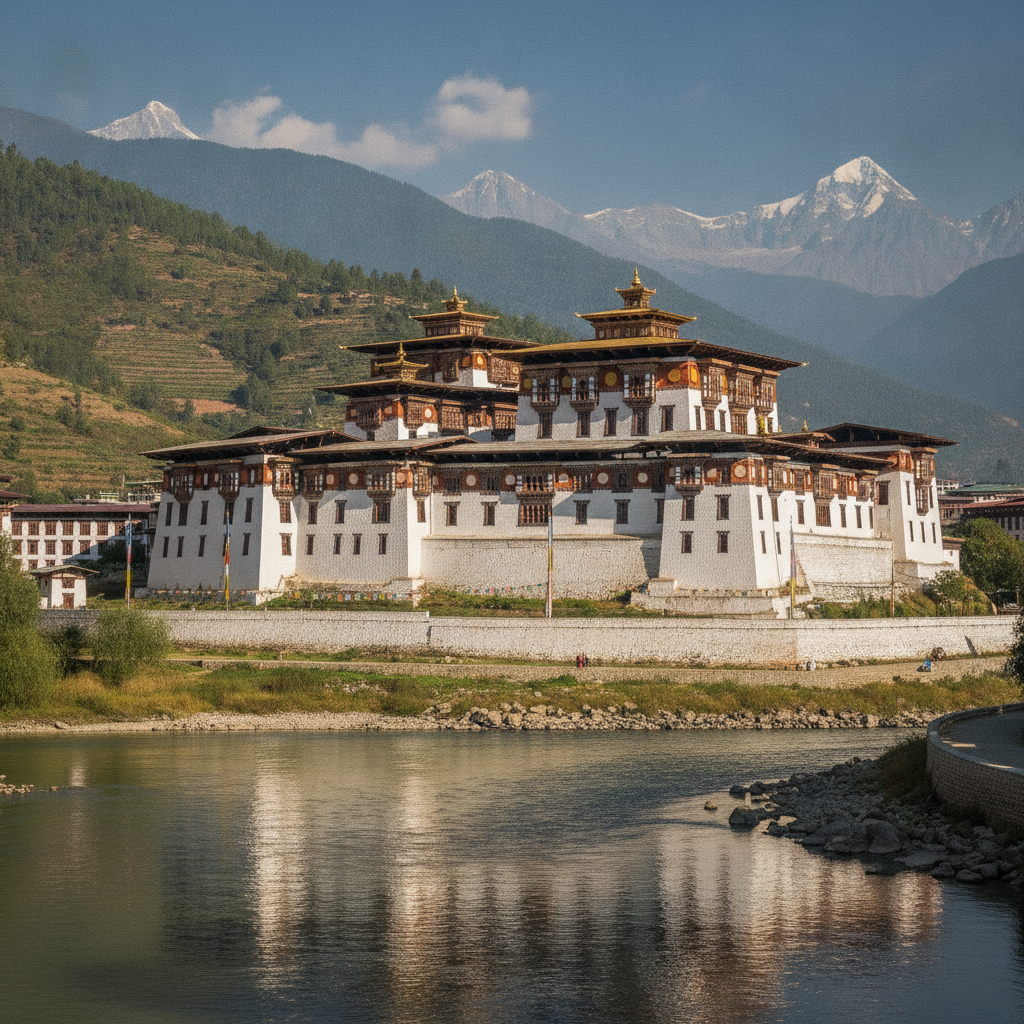
Paro Rinpung Dzong: The Valley Fortress
Paro Rinpung Dzong (the most specifically beautiful single Bhutanese dzong after Punakha with the most completely 15th century single watchtower-and-monastery single traditional dzong architecture in the most particularly Paro Chhu single river-valley position creating the most comprehensively postcard-perfect single Bhutanese dzong composition in the most directly accessible single position from the most specifically Paro International Airport single entry point making it the most practically first-impression single Bhutanese dzong for the most comprehensively arriving single international visitor), is the most photographically iconic single Paro heritage building.
- 3
Punakha Dzong: The Most Beautiful Bhutanese Dzong
Punakha Dzong (the most specifically most-beautiful single Bhutanese dzong with the most completely Mo Chhu and Pho Chhu single river-confluence single dramatic positioning as the most particularly Bhutan Winter Capital single traditional royal residence in the most comprehensively 17th century single Zhabdrung Ngawang Namgyal single construction housing the most specifically Ranjung Khasarpani single self-arising deity, and the most dramatically jacaranda-flower-season single April-purple-flowering-tree single moat-surrounding single Punakha Dzong), is the most dramatically architecturally beautiful single Bhutanese heritage building.
- 4
Chimi Lhakhang: The Temple of the Divine Madman
Chimi Lhakhang (the most specifically fertility single Bhutanese pilgrimage site associated with the most completely Drukpa Kunley single Divine Madman as the most particularly unorthodox single 15th century Tibetan Buddhist saint who most directly promoted the most dramatically phallus-as-blessing single Bhutanese fertility iconography seen in the most comprehensively phallus-painted single traditional Bhutanese house facade), is the most culturally surprising single Bhutanese religious site and the temple most directly introducing the most specifically Divine Madman single Bhutanese Buddhist tradition to the most particularly non-Bhutanese single international visitor.
- 5
Dochula Pass: The 108 Chortens Panorama
Dochula Pass (the most specifically panoramic single Bhutan mountain viewpoint with the most completely 108 single chorten (stupa) memorial to the most particularly 2003 single Bhutanese military operation against Indian rebel militants in the most dramatically high-pass single Druk Wangyal Chorten cluster visible against the most comprehensively snow-capped single Himalayan range panorama from the most directly 3,100-meter single road-accessible single pass between Thimphu and Punakha), is the most practically accessible single panoramic Himalayan viewpoint in Bhutan.
- 6
Kyichu Lhakhang: The 7th Century Temple
Kyichu Lhakhang (the most specifically ancient single Bhutanese temple with the most completely 7th century single King Songtsen Gampo single original construction as one of the most particularly 108 single simultaneously built single temples across the most directly Tibetan-empire single territory to pin down the most comprehensively demoness single body at the most specifically Kyichu single ankle point in the most elaborately Bhutanese single geographic-body-acupuncture single sacred site narrative), is the most historically ancient single Bhutan temple.
Walk this route with audio
Stories play automatically as you reach each stop — no tapping needed.
More in Thimphu
Bhutan Philosophy: Gross National Happiness, the Buddhist Kingdom, the No-Advertising Policy, and the Most Thoughtfully Governed Single Nation on Earth
Thimphu Practical: The Visa and SDF, Paro International Airport, Accommodation, Optimal Timing, and the Bhutan Visitor Framework
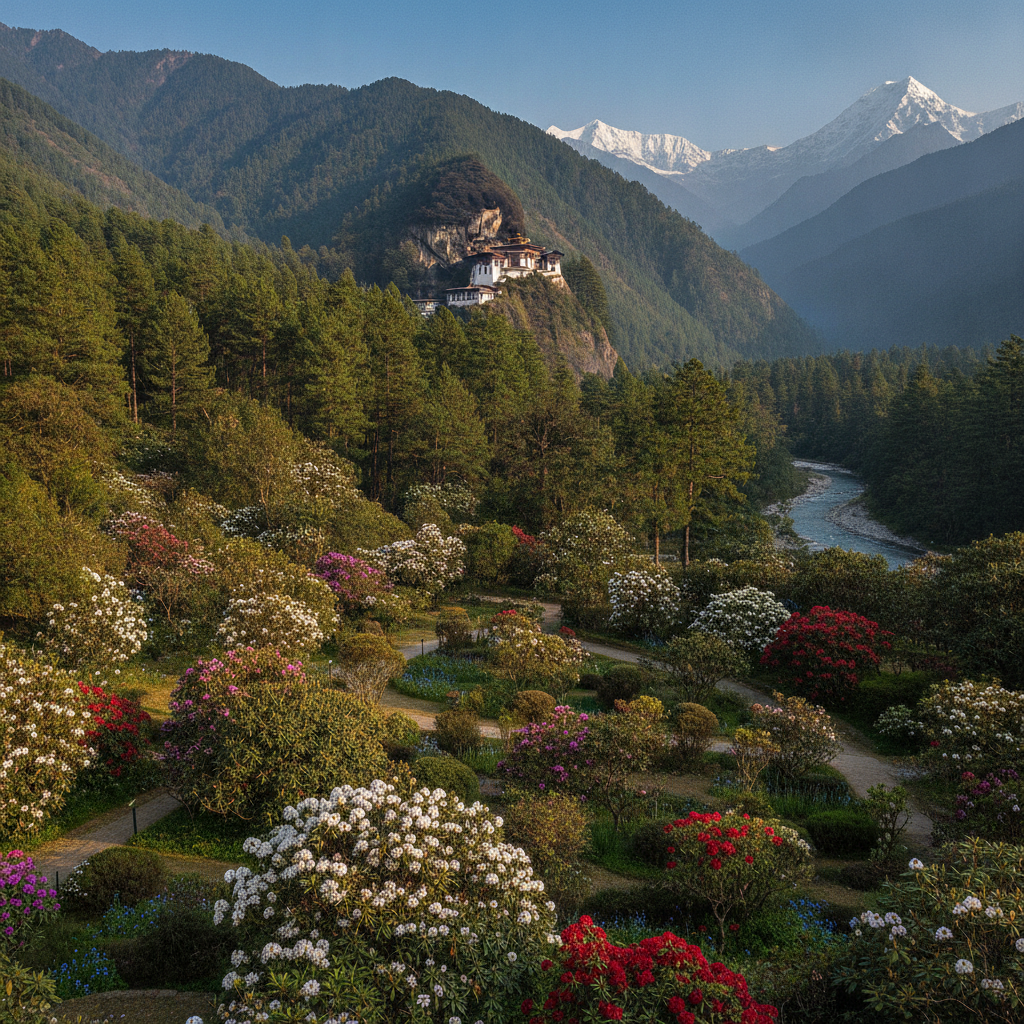
Thimphu Nature: The Royal Botanical Park, Cheri Monastery, Dochula Pass, and the Most Pristinely Forested Single Himalayan Capital Region
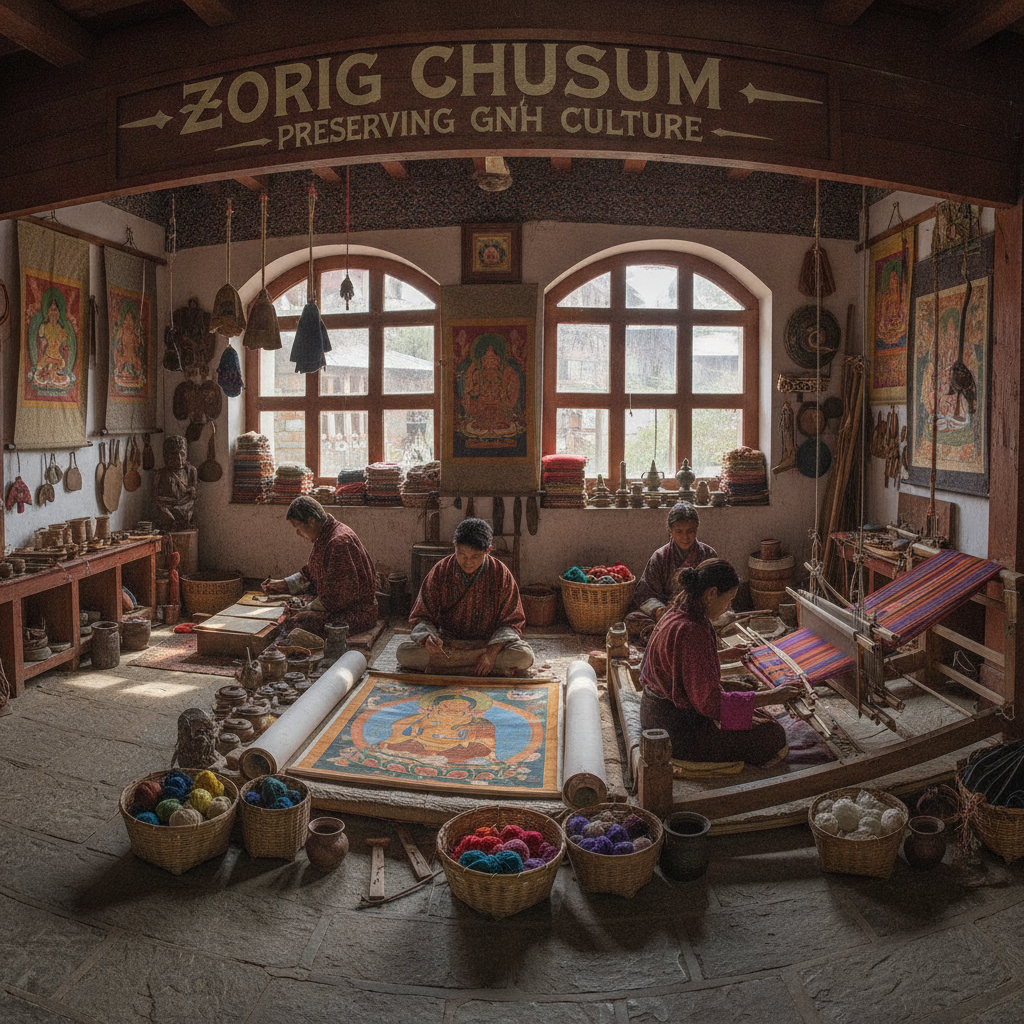
Thimphu Arts: Thanka Painting, the Traditional Weaving, the 13 Arts of Bhutan, and the Most Comprehensively Preserved Single Himalayan Traditional Craft Heritage
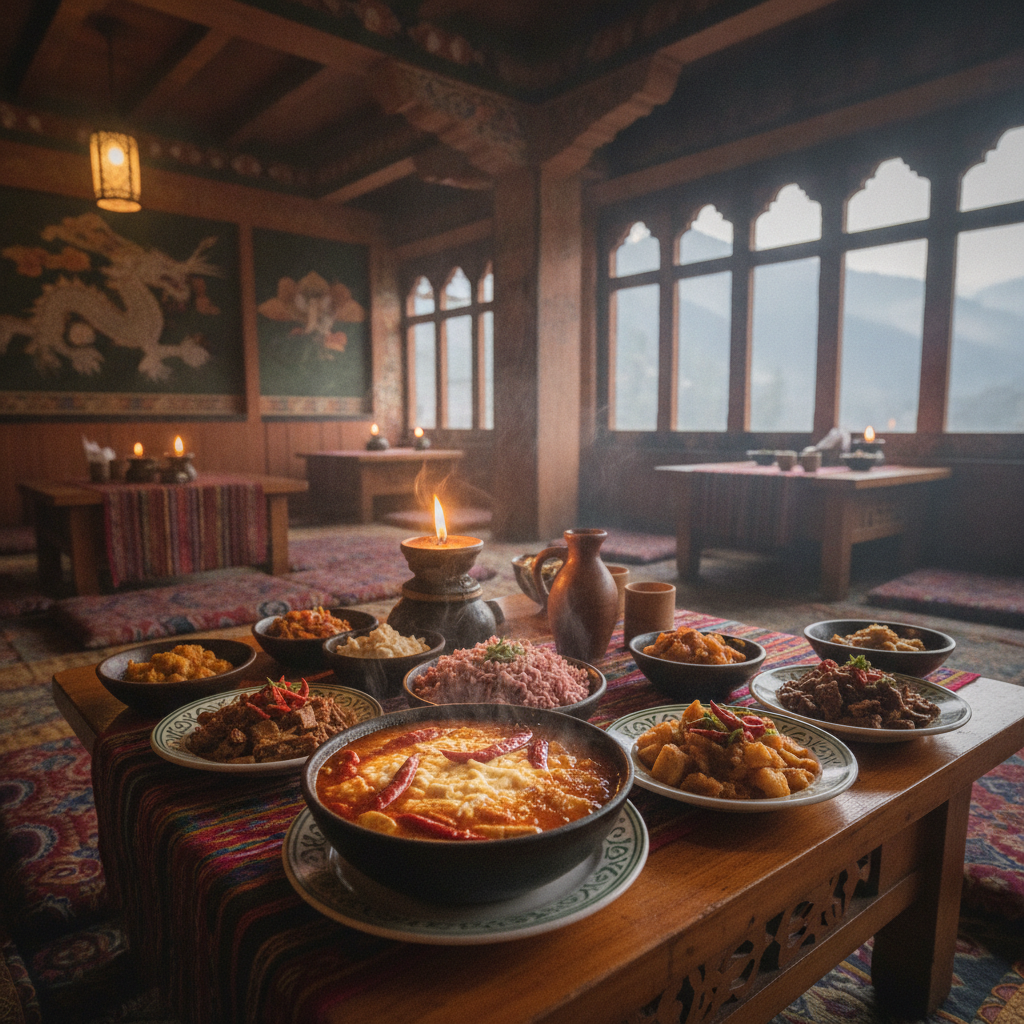
Thimphu Food: Ema Datshi, Bhutanese Red Rice, Ara Spirit, the Weekend Market Ingredients, and the Most Uniquely Spiced Single Himalayan Cuisine