Kensington Market, Chinatown & the Distillery Historic District
Toronto's most distinctive neighbourhood experiences — Kensington Market's bohemian street life and multicultural food scene, the Chinatown on Spadina Avenue (one of the most vibrant in North America), and the Distillery Historic District (the finest collection of Victorian industrial architecture in North America, now an arts and culture destination) — offer the most concentrated taste of Toronto's defining characteristic: extraordinary cultural diversity.
- 1
Kensington Market — Toronto's Bohemian Heart
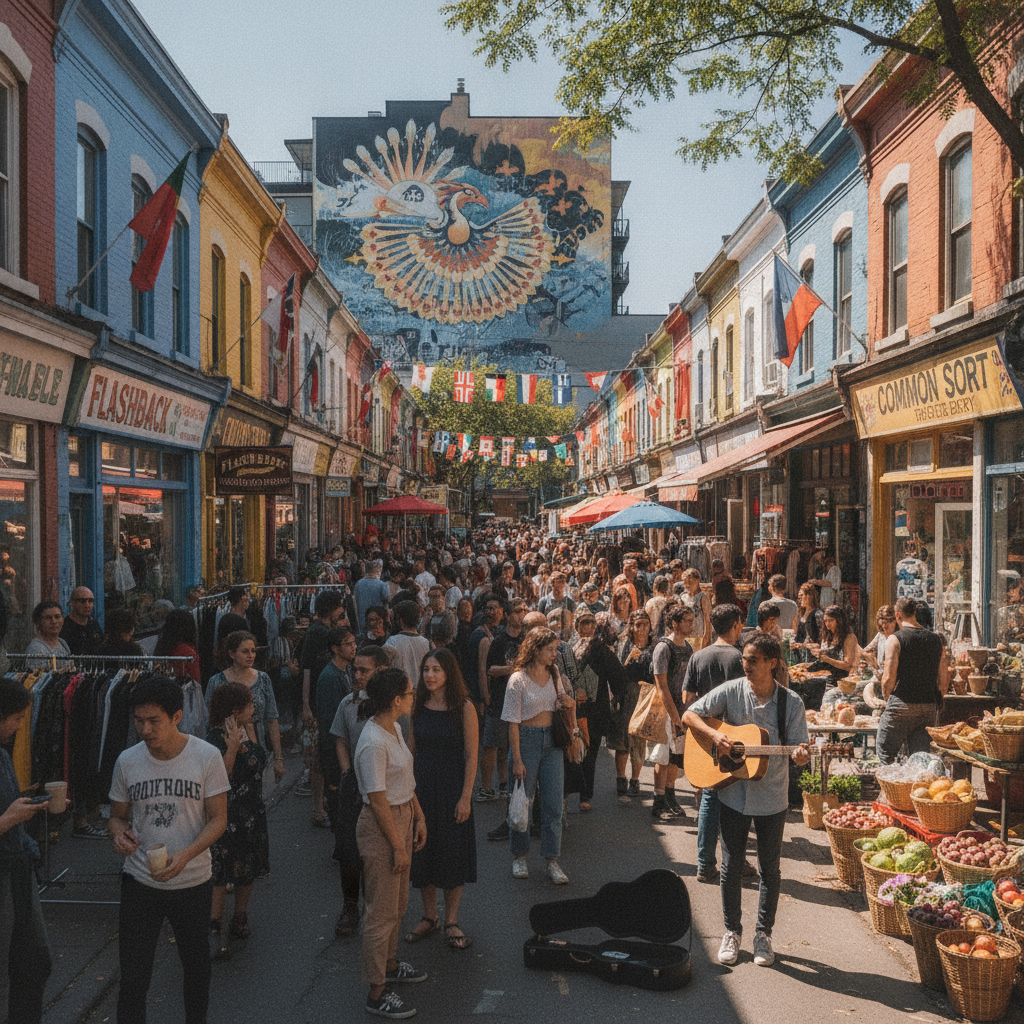
Kensington Market (the neighbourhood bounded by College Street to the north, Spadina Avenue to the east, Dundas Street West to the south, and Bellevue Avenue to the west — approximately 8 blocks, walking distance from the University of Toronto): Kensington Market is the most intensely diverse neighbourhood in a city renowned for diversity — within a few blocks are cheese shops, vintage clothing stores, fish markets, West Indian grocery stores, Portuguese bakeries, Mexican taquerias, Jamaican restaurants, Middle Eastern spice shops, and independent cafés all occupying Victorian row houses converted for commercial use; the market has historically been the entry point for successive waves of immigration to Toronto — originally a Jewish market (early 20th century), then Portuguese and West Indian (1950s-1970s), and now the home of a global mix of communities; Kensington Market is pedestrianized on the last Sunday of each month (Pedestrian Sundays) from May to October, creating a car-free festival atmosphere.
- 2
Chinatown — Spadina Avenue's Asian Food Corridor
Toronto's Chinatown (Spadina Avenue between Dundas Street West and College Street, and the streets immediately east and west — one of the largest and most vibrant Chinatowns in North America, with an estimated Chinese-origin population of approximately 600,000 in the Greater Toronto Area making Toronto's Chinese community one of the largest outside Asia): the Chinatown on Spadina is the commercial core of Toronto's Chinese-Canadian community, with restaurants (Cantonese, Szechuan, Shanghainese, Taiwanese, Hong Kong-style dim sum, Vietnamese, and numerous other East and Southeast Asian cuisines), grocery stores, herbal medicine shops, bakeries, and import shops filling every storefront; the best time to visit is weekend morning dim sum at one of the large Cantonese restaurants, or the annual Chinatown Festival (late July).
- 3
Distillery Historic District — Victorian Industrial Architecture Repurposed
The Distillery Historic District (Trinity Street, east of the St. Lawrence neighbourhood — the former Gooderham & Worts Distillery, one of the largest distilleries in the British Empire in the 19th century, operating 1832-1990, with its 40+ Victorian brick industrial buildings preserved and converted into shops, restaurants, galleries, theatre spaces, and studios): the Distillery District is the largest and best-preserved collection of Victorian industrial architecture in North America — the red-brick distillery buildings, connected by cobblestone streets and pedestrian laneways, house the Young Centre for the Performing Arts (Soulpepper Theatre Company), the Case Goods Warehouse (artists' studios and event spaces), the Fermenting Cellar (event and concert venue), and dozens of independent shops and restaurants; the Distillery is car-free and pedestrianized; the Toronto Christmas Market held here each December is the most popular Christmas market in Canada.
- 4
St. Lawrence Market — The World's Best Food Market
St. Lawrence Market (93 Front Street East — the covered market operating in the historic St. Lawrence Hall complex, voted 'the world's best food market' by National Geographic in 2012): the South Market building (the main market building, the former city hall of Toronto built 1844-1845, in continuous use as a market since then) operates Tuesday-Saturday and contains approximately 120 specialty food vendors; the most celebrated products include Carousel Bakery's peameal bacon on a bun (the definitive Toronto breakfast sandwich — peameal bacon is a distinctively Canadian product, back bacon rolled in cornmeal, not available in this form anywhere else in the world), Alex Farm Products' cheese selection (one of the finest in Canada), and the fish market; the North Market (across Front Street) hosts a Saturday farmer's market and Sunday antique market.
- 5
Queen Street West — Toronto's Fashion & Arts Street
Queen Street West (the east-west artery from Yonge Street west to Dufferin Street, and beyond — the primary arts, fashion, and entertainment street of Toronto): the stretch of Queen West from University Avenue to Bathurst Street ('Queen West proper') is the most concentrated block of independent boutiques, galleries, and restaurants in Toronto; west of Bathurst ('West Queen West' and 'Parkdale') the street becomes progressively more independent and artsy, with design studios, artist-run galleries, vintage shops, and the headquarters of the Toronto art scene; Queen Street West is also the location of the Art Gallery of Ontario (AGO, Dundas Street West at McCaul Street — one of the largest art museums in North America, with a collection of 95,000+ works and the spectacular Frank Gehry expansion of 2008, which includes Gehry's glass and wood facade visible from Dundas Street).
- 6
Trinity Bellwoods Park & the West End Creative Scene
Trinity Bellwoods Park (790 Queen Street West — the 14.2-hectare park that is the social heart of the Queen West and Ossington neighbourhoods, one of the most used parks in Toronto for its size): Trinity Bellwoods is the gathering point of Toronto's creative class — on summer weekends the park is crowded with musicians, artists, young families, and dog walkers from the surrounding neighbourhoods; the park contains a historic Gothic Revival gatehouse (1879), sports facilities, and the Dog Bowl (the informal off-leash area where Torontonians gather with their dogs and each other); the surrounding Ossington Avenue strip (one block west of Trinity Bellwoods, running north from Queen Street) is the most concentrated restaurant and cocktail bar street in Toronto, with numerous award-winning restaurants and bars in converted Victorian commercial buildings.
Walk this route with audio
Stories play automatically as you reach each stop — no tapping needed.
More in toronto
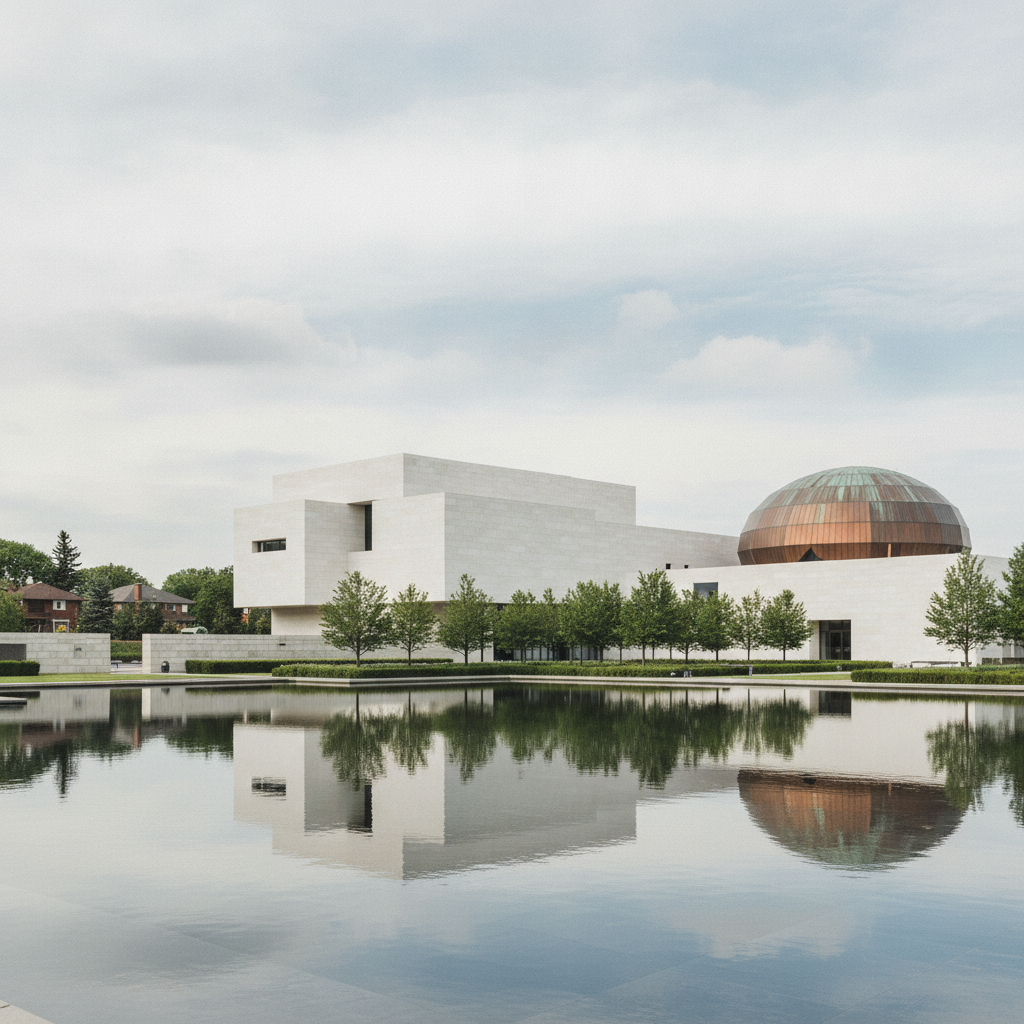
Aga Khan Museum, North York & Toronto's Suburban Diversity
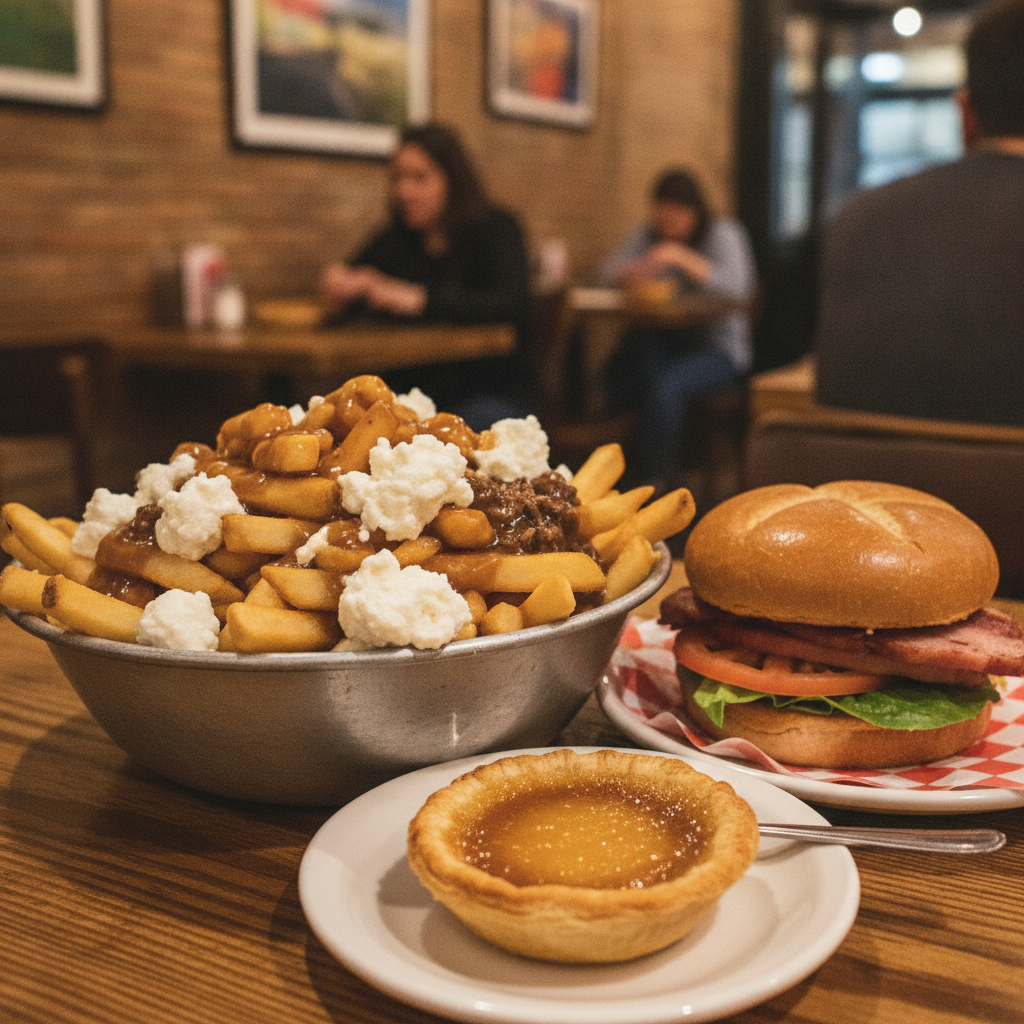
Toronto's Food Scene — Poutine, Butter Tarts, Peameal Bacon & Global Kitchens
Scarborough Bluffs, The Beaches & Toronto's East End
Niagara Falls Day Trip — Horseshoe Falls & the Maid of the Mist
CN Tower, Harbourfront & Toronto's Downtown Waterfront