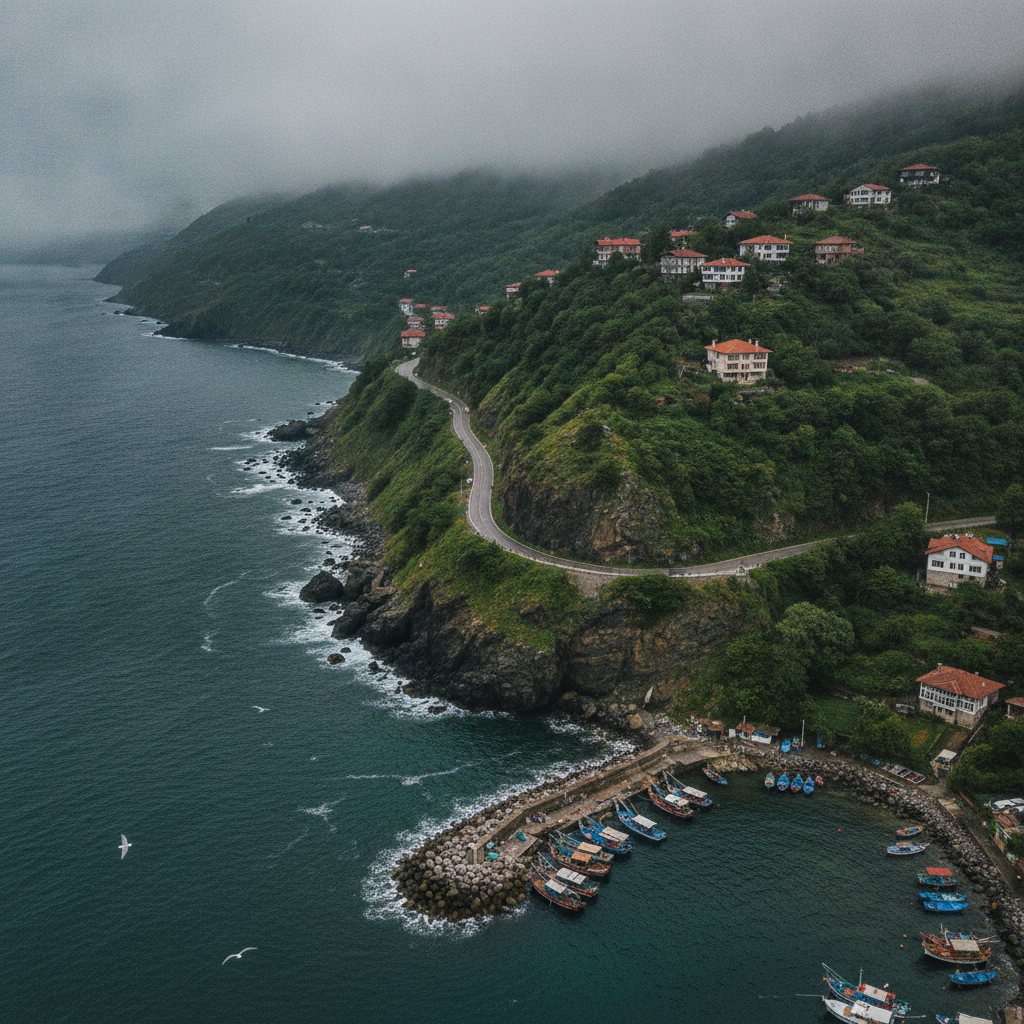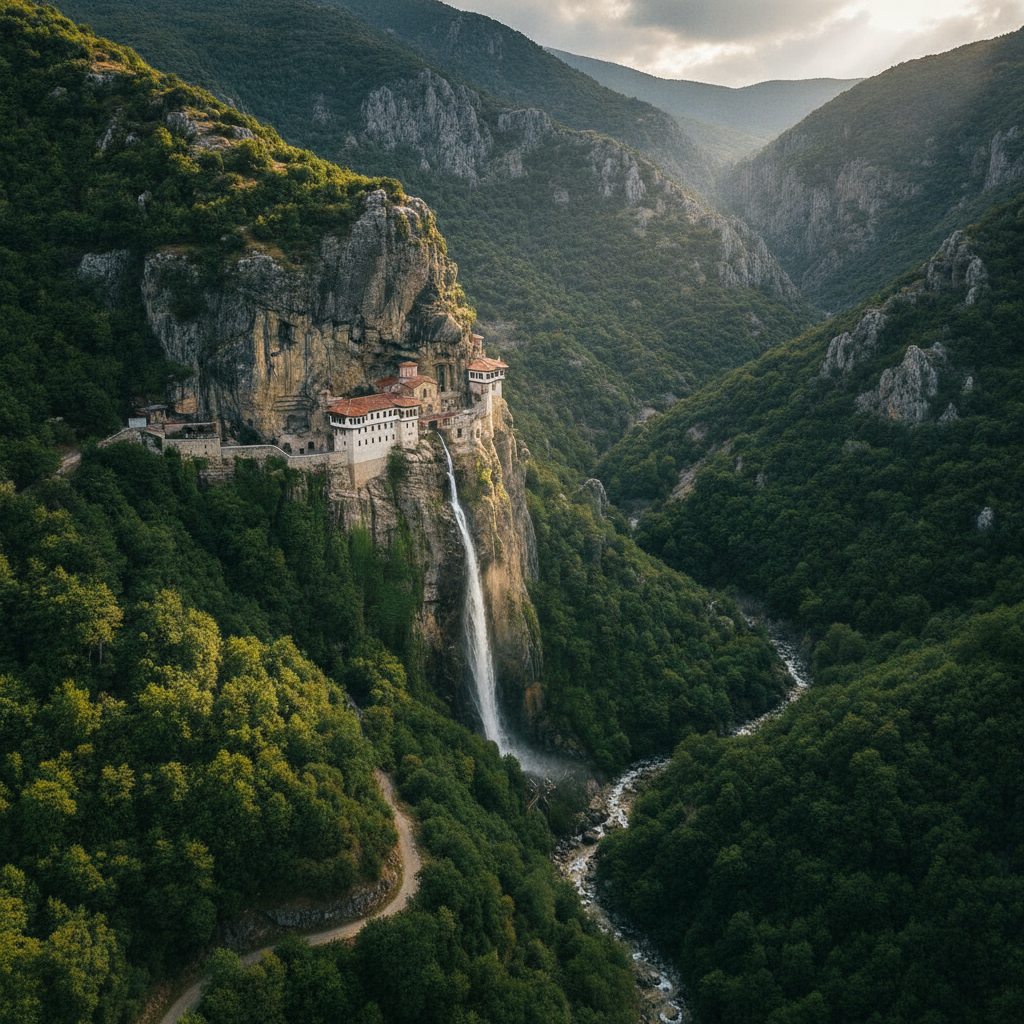
Trabzon Essential: Sumela Monastery in the Cliff, Hagia Sofia Byzantine Church, the Pontic Kingdom History, Ataturk Villa, Byzantine and Pontic Greek Heritage, and the Black Sea Character
The Trabzon essential circuit covers the Sumela Monastery carved into the Pontic mountain cliff face, the Hagia Sofia Byzantine church with the finest Pontic frescoes, the Pontic Kingdom of Trebizond as the last Byzantine successor state, the Ataturk Villa with the Black Sea view, the Byzantine and Pontic Greek heritage, and the character of Trabzon as the Black Sea cultural capital.
- 1
Sumela Monastery: The Cliff-Face Byzantine Heritage
Sumela Monastery, the Greek Orthodox monastery founded in the 4th century AD according to tradition and built into the sheer limestone cliff face of the Altindere Valley 45 kilometers from Trabzon, is the most dramatically positioned monastery in Turkey and one of the most visually extraordinary religious buildings in the world, with the main church, the monks cells, the guest rooms, the kitchen, and the libraries carved from the cliff and built on the narrow ledge above the 300-meter drop to the valley floor. The monastery was abandoned in 1923 during the population exchange and restored by the Turkish government as a heritage site.
- 2
Hagia Sofia Trabzon: The Pontic Byzantine Church
The Hagia Sofia of Trabzon, the 13th century Byzantine church built by the Comnenian emperor of Trebizond Manuel I between 1238 and 1263 that was converted to a mosque by the Ottomans and restored by the Turkish government in 2013 as a mosque with the frescoes preserved, contains the finest surviving examples of the Pontic Byzantine painting school with the exonarthex frescoes of the Last Supper, the Deesis, and the New Testament scenes representing the most complete 13th century Byzantine fresco program in Turkey. The Hagia Sofia minaret added by the Ottomans and the Byzantine frescoes coexisting in the single building is the most historically complex religious conversion in the Pontic region.
- 3
Pontic Kingdom of Trebizond: The Last Byzantine State
The Empire of Trebizond, the Byzantine successor state founded in 1204 by the Comnenian prince Alexios after the Fourth Crusade destroyed the Byzantine empire and the Latins took Constantinople, survived 257 years on the Black Sea coast until the Ottoman sultan Mehmed II conquered it in 1461 - 8 years after the fall of Constantinople - making Trebizond the last surviving Byzantine political entity. The Pontic court culture of the Comnenian emperors, who married into the Mongol and the Turkish dynasties to maintain the independence of the smallest Byzantine successor state, is the most romantic single episode in the Byzantine political history.
- 4
Ataturk Villa: The Black Sea Summer Retreat
The Ataturk Villa on the hillside above Trabzon, the neoclassical mansion that the Trabzon municipality presented to Mustafa Kemal Ataturk during his visits to the Black Sea region in 1924 and 1937, is preserved as the most atmospherically complete Ataturk museum in Turkey with the original furnishings, the personal objects, and the view over the Trabzon harbour and the Black Sea that the mansion terrace provides. The Ataturk Villa garden, maintained in the style of the early Republican period, is the most pleasant single park in Trabzon and the most visited heritage site in the city.
- 5
Pontic Greek Heritage: The Rum Community
The Pontic Greek community, the Greek-speaking Orthodox Christian population of the Trabzon region that maintained the Byzantine culture on the Black Sea coast for 3,000 years from the Greek colonial founding of Trebizond in 756 BC to the population exchange of 1923, left the most complete single Greek Orthodox heritage in Turkey with the Sumela Monastery, the Hagia Sofia church, the Byzantine churches in the surrounding villages, and the Pontic Greek dialect that the diaspora community in Greece still speaks as a living language. The Pontic Greek heritage is the most politically sensitive single cultural heritage in Turkey.
- 6
Black Sea Character: Trabzon and the Pontic Culture
Trabzon, the most historically important city on the Turkish Black Sea coast, represents the most distinctive regional culture in Turkey with the Pontic-influenced cuisine of the hamsi anchovies, the Black Sea cornbread, and the muhlama cheese fondue, the horon sword dance that the Black Sea teahouse culture preserves, and the Trabzonspor football club fanaticism that is the most intense single-club football culture in Turkey. The Black Sea character of Trabzon is the product of the geographic isolation between the Pontic mountains and the sea that created the most distinctive regional identity in Anatolia.
Walk this route with audio
Stories play automatically as you reach each stop — no tapping needed.
More in Trabzon
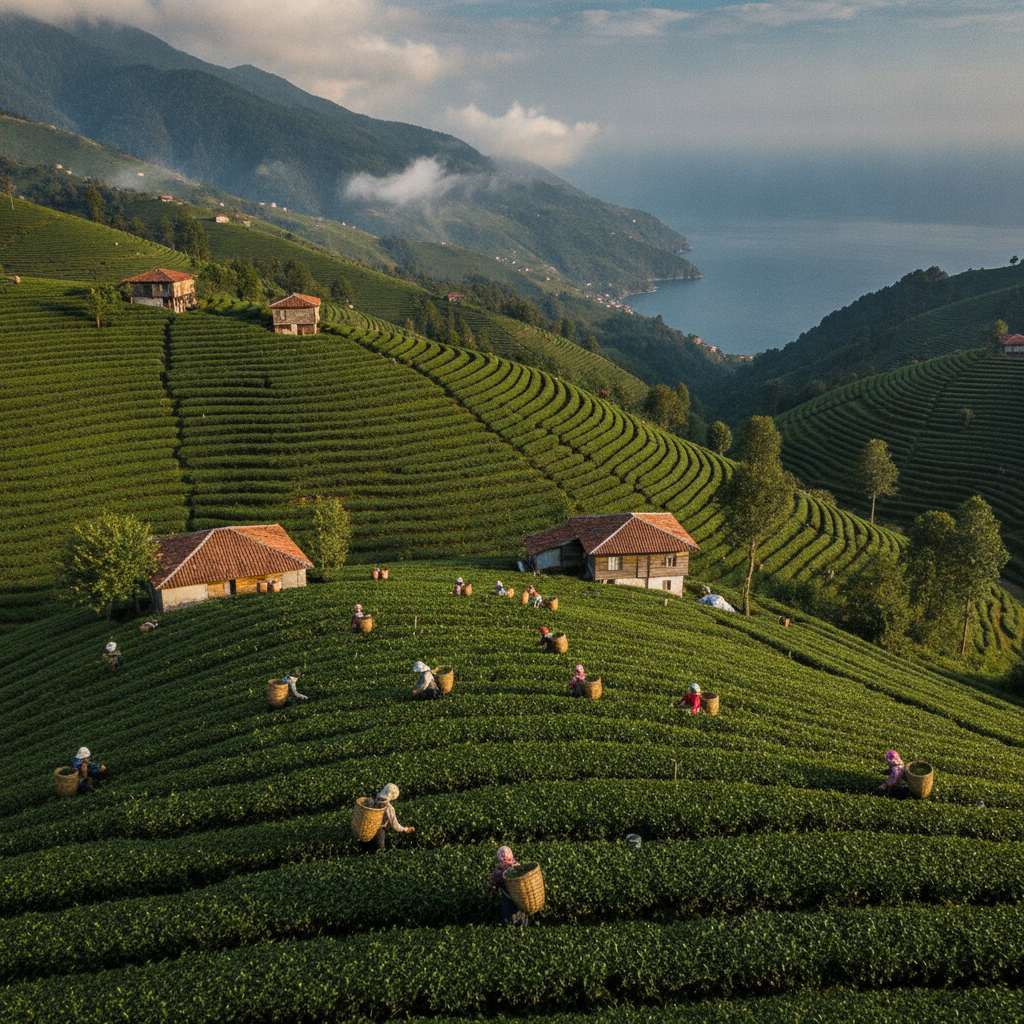
Trabzon Food and Culture: Hamsi Anchovy Cuisine, the Black Sea Pide, Muhlama Cheese Fondue, the Horon Sword Dance, Black Sea Tea Culture, and the Rize Tea Plantation Day Trip
Trabzon Modern Life: Trabzonspor Football Fanaticism, the Black Sea Bazaar District, Uzungol Glacier Lake Tourism, the Trabzon Character in Contemporary Turkey, and the Gulf of Trabzon Landscape

Trabzon Mountain Heritage: Ayder Highland Plateau Hot Springs, Kackar Mountains Trekking, Pontic Mountain Climate, the Firtina Valley Humpback Bridges, and the Black Sea Mountain Ecology
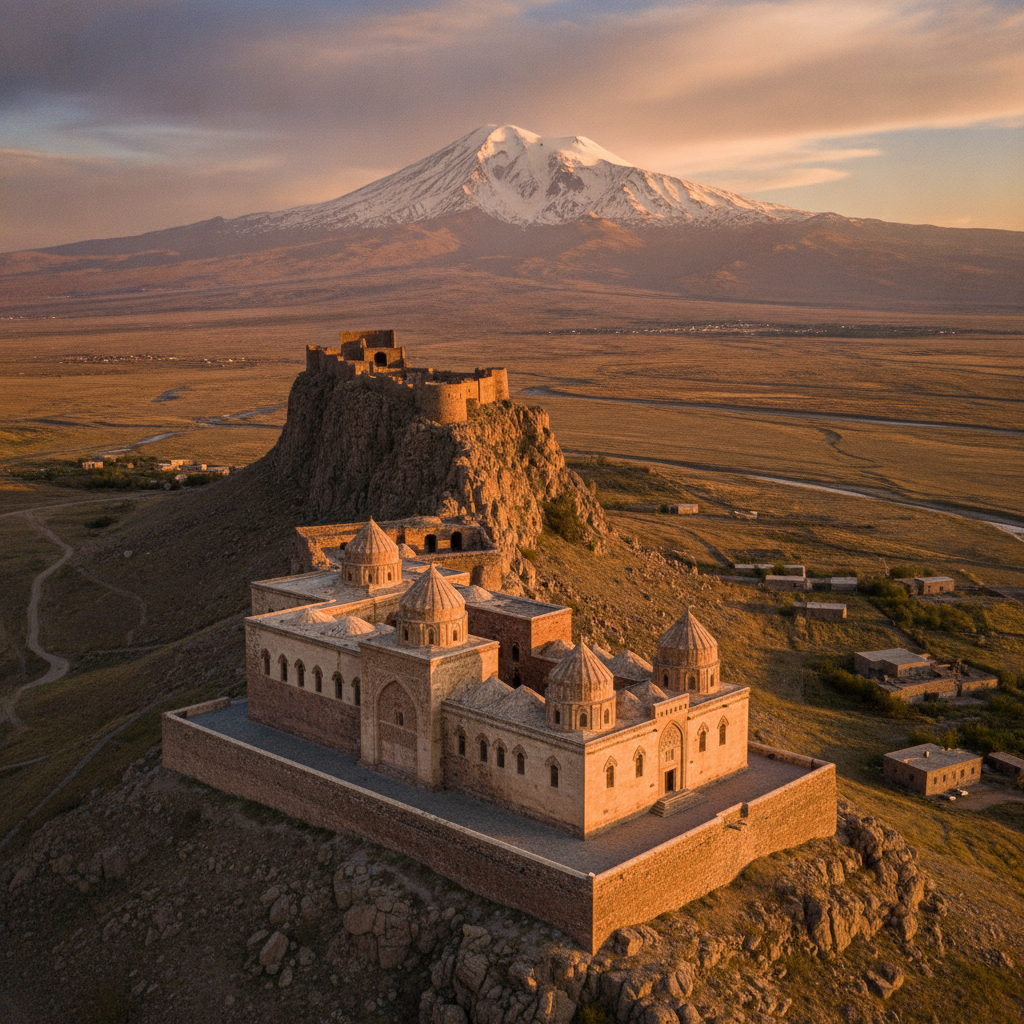
Trabzon Gateway East: The Silk Road Heritage, Georgia Batumi Border Crossing, Artvin and the Georgian Church Heritage, the Coruh Valley Whitewater, and the Eastern Black Sea to Caucasus Route
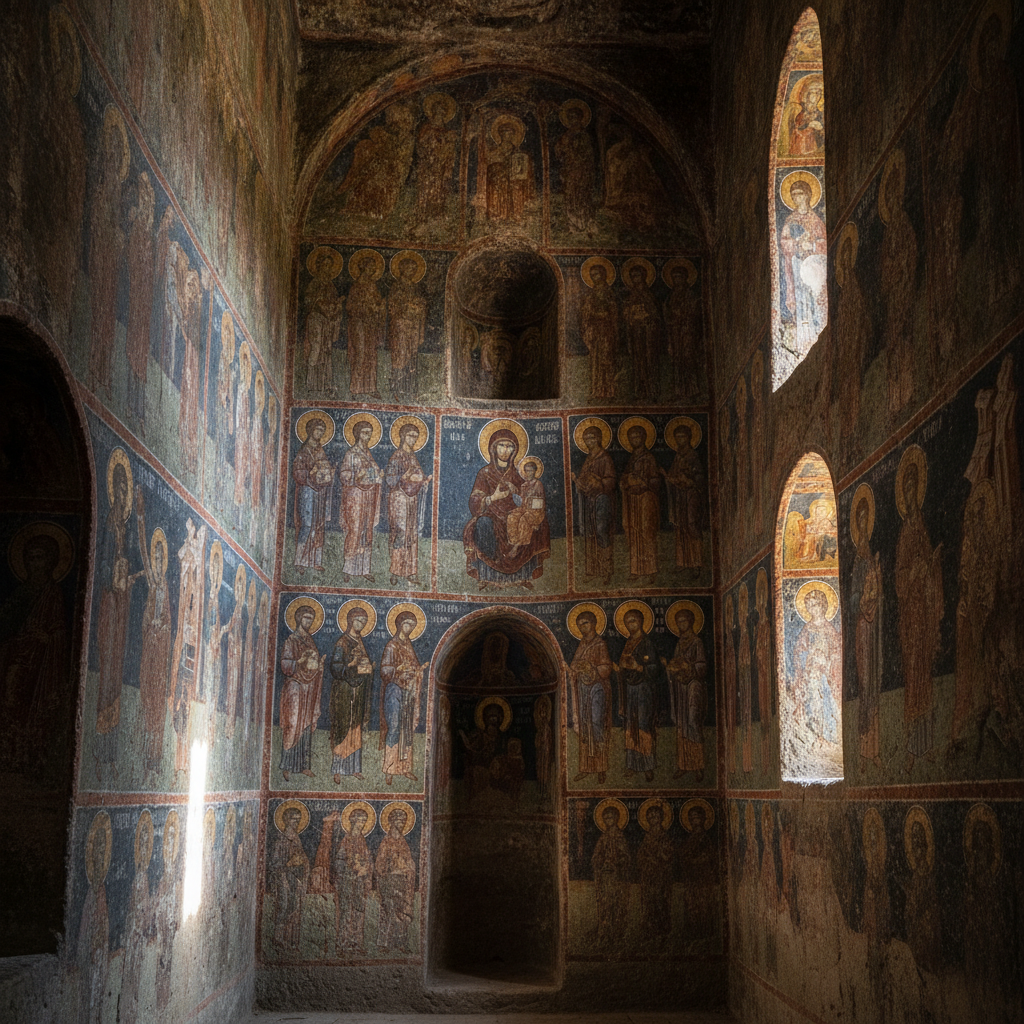
Trabzon Byzantine Circuit: Sumela Monastery Interior Frescoes, Vazelon Monastery Ruins, Kaymaklı Monastery, the Comnenian Palace Site, Pontic Orthodox Churches, and the Byzantine Heritage Walk