Trinidad Cuba History: The Canchanchara Cocktail, Plantation Houses, the Watchtower, and the Slavery Legacy
The history of Trinidad Cuba is inseparable from the sugar plantation economy that built its magnificent colonial architecture on the forced labor of 30,000 enslaved Africans, expressed in the plantation mansions of Plaza Mayor, the watchtower of Manaca Iznaga, and the Santeria religion that survived the plantation system.
- 1
Canchanchara: The Colonial Rum Cocktail
Canchanchara, the Trinidad cocktail of aguardiente rum, honey, lime, and water served in the traditional clay cup at the Taberna La Canchanchara on the Plaza Santa Ana, is the oldest cocktail in Cuba, predating the mojito and the daiquiri, and is the defining social ritual of the Trinidad visitor experience. The clay cup retains the cold of the drink in a way that glass cannot, and the combination of the honey sweetness with the rough aguardiente and the lime is the most historically authentic Cuban drinking experience available.
- 2
Casa de los Sanchez Iznaga: The Plantation House
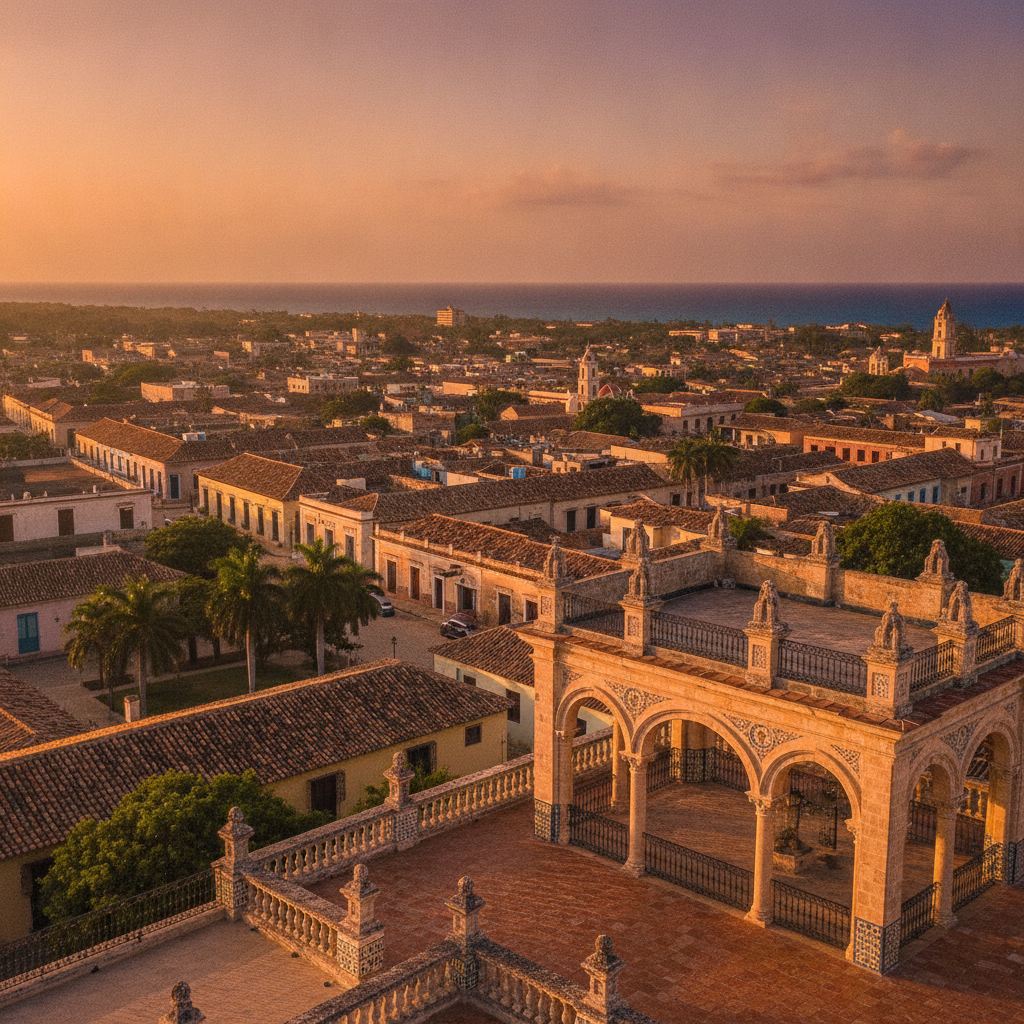
The Palacio Brunet on the Plaza Mayor, built by the Brunet family at the height of the Trinidad sugar prosperity in 1840, is the finest example of the plantation aristocracy domestic architecture in Cuba, with the interior courtyard, the stained glass mediopunto windows, the period furniture, and the second-floor terrace overlooking the plaza preserved as a museum of the colonial lifestyle. The Brunet family wealth derived directly from the enslaved labor of the Valle de los Ingenios.
- 3
Manaca Iznaga Tower: The Watchtower
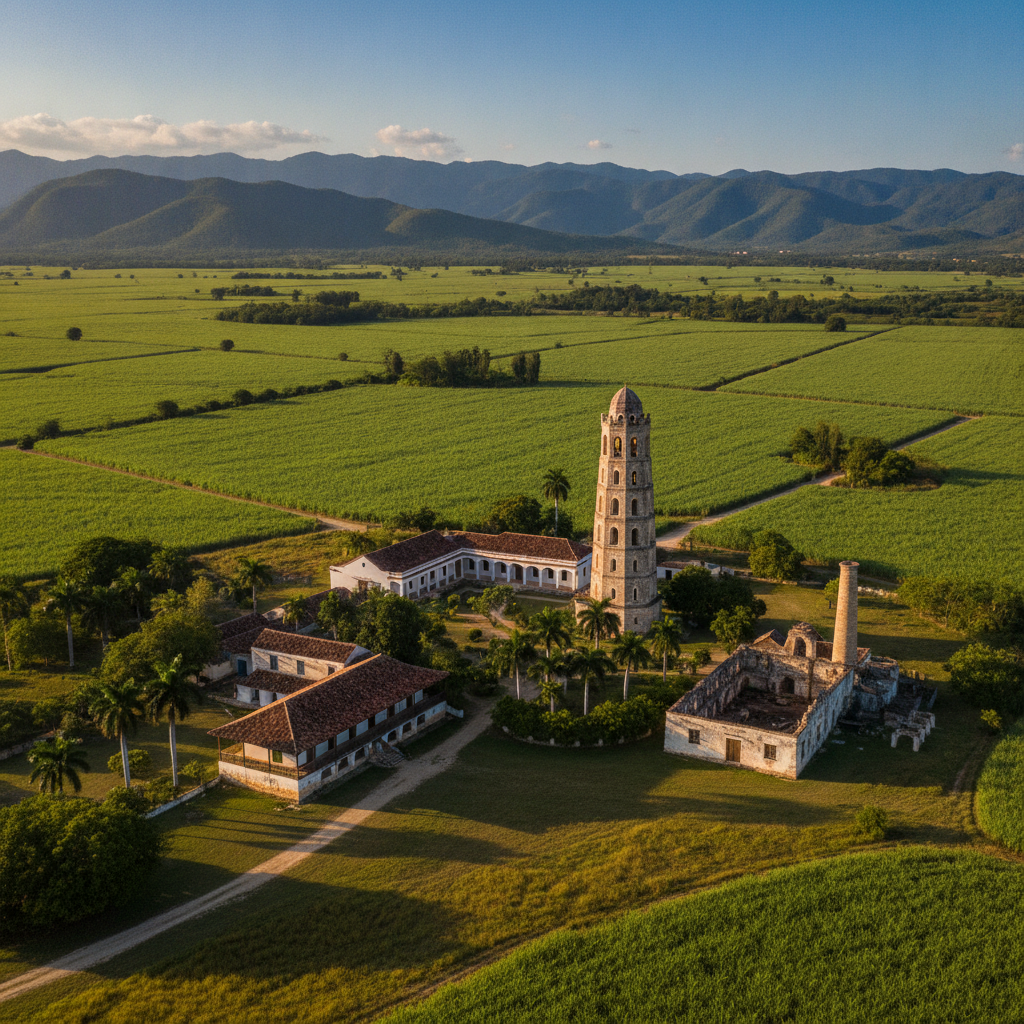
The 45-meter tower of the Manaca Iznaga hacienda in the Valle de los Ingenios, built by the Iznaga family who controlled the most profitable sugar estate in the valley, was used to oversee the movements of the enslaved workers in the field and to sound the bell that regulated the working day of the plantation. The tower climb provides the finest panoramic view of the valley landscape that was the source of the extraordinary wealth that built Trinidad.
- 4
Slavery Memorial: The Human Cost of Sugar
The sugar economy of the Trinidad valley depended on the forced labor of approximately 30,000 enslaved Africans who were worked under extreme conditions and who staged repeated rebellions against the plantation system. The memorial to the enslaved workers in the valley and the documentation in the Trinidad museum of the slave trade, the Middle Passage, and the conditions of plantation labor provide the essential historical context for understanding the architecture that tourists come to admire.
- 5
Santeria in Trinidad: The Living African Religion
Santeria, the Cuban version of the Yoruba religious tradition brought by enslaved Africans from Nigeria and Benin, is widely practiced in Trinidad and the surrounding Sancti Spiritus province in the community of practitioners who maintain the orishas ceremonies, the Elegua and Ochun devotional practices, and the Abakua secret society traditions. The Santeria influence on the music, the Cabildo ceremonies, and the social life of Trinidad is visible in a way that the more tourist-managed religious life of Havana does not always permit.
- 6
Trinidad to Havana: The Central Route
The overland journey from Trinidad to Havana by the Viazul tourist bus or the rented car takes approximately five to six hours through the central Cuba landscape of the Sancti Spiritus and Cienfuegos provinces, with the colonial city of Cienfuegos available as a lunch stop. The Cienfuegos Punta Gorda peninsula and the Teatro Tomas Terry, comparable to Trinidad in colonial architectural quality but much less visited, make Cienfuegos the finest day excursion from Trinidad.
Walk this route with audio
Stories play automatically as you reach each stop — no tapping needed.
More in Trinidad
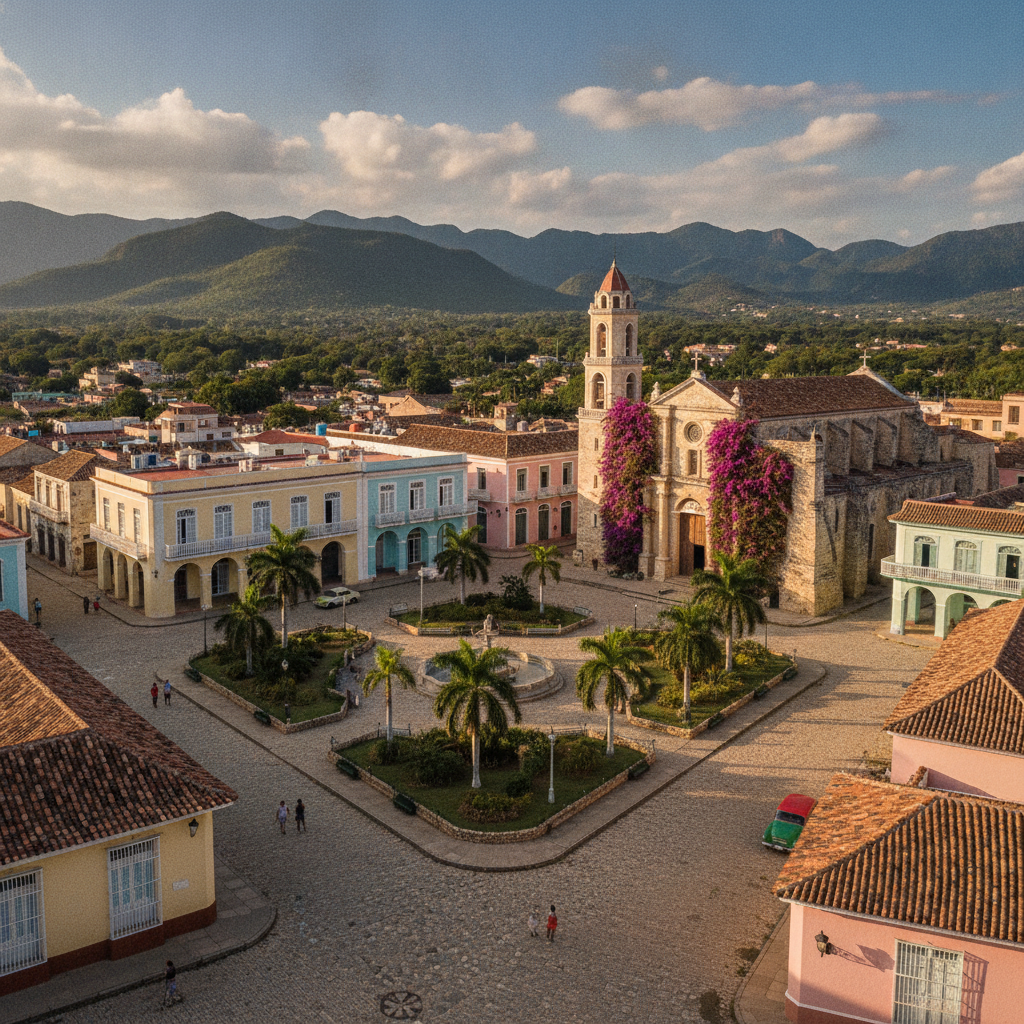
Trinidad Cuba: Plaza Mayor, the Valley of the Sugar Mills, Casa de la Musica, and Playa Ancon
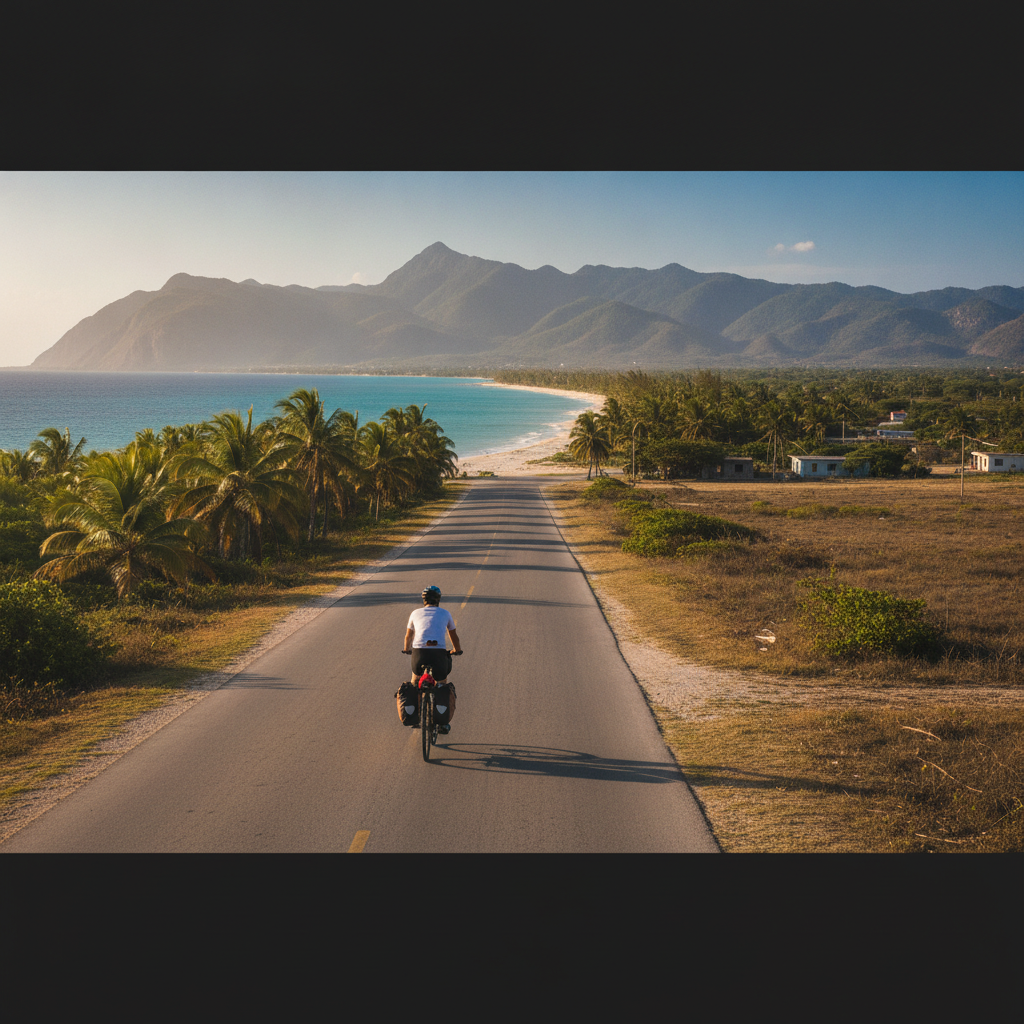
Trinidad Cuba Practical Guide: Casa Particulares, Son Cubano Music Roots, Cycling to Playa Ancon, and Cienfuegos
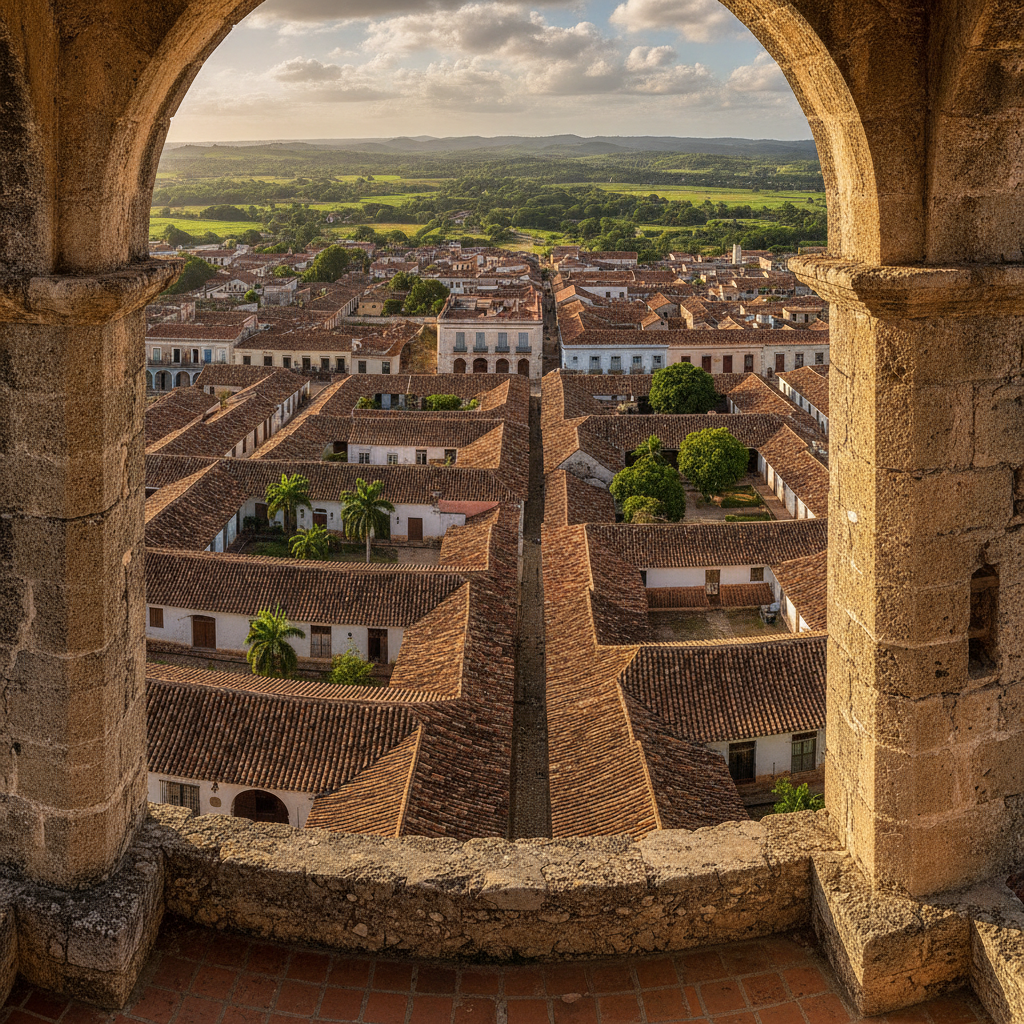
Trinidad Cuba Complete: Bell Tower View, the Cabildo Ceremony, La Boca Fishing Village, and the Sea Wall Sunset
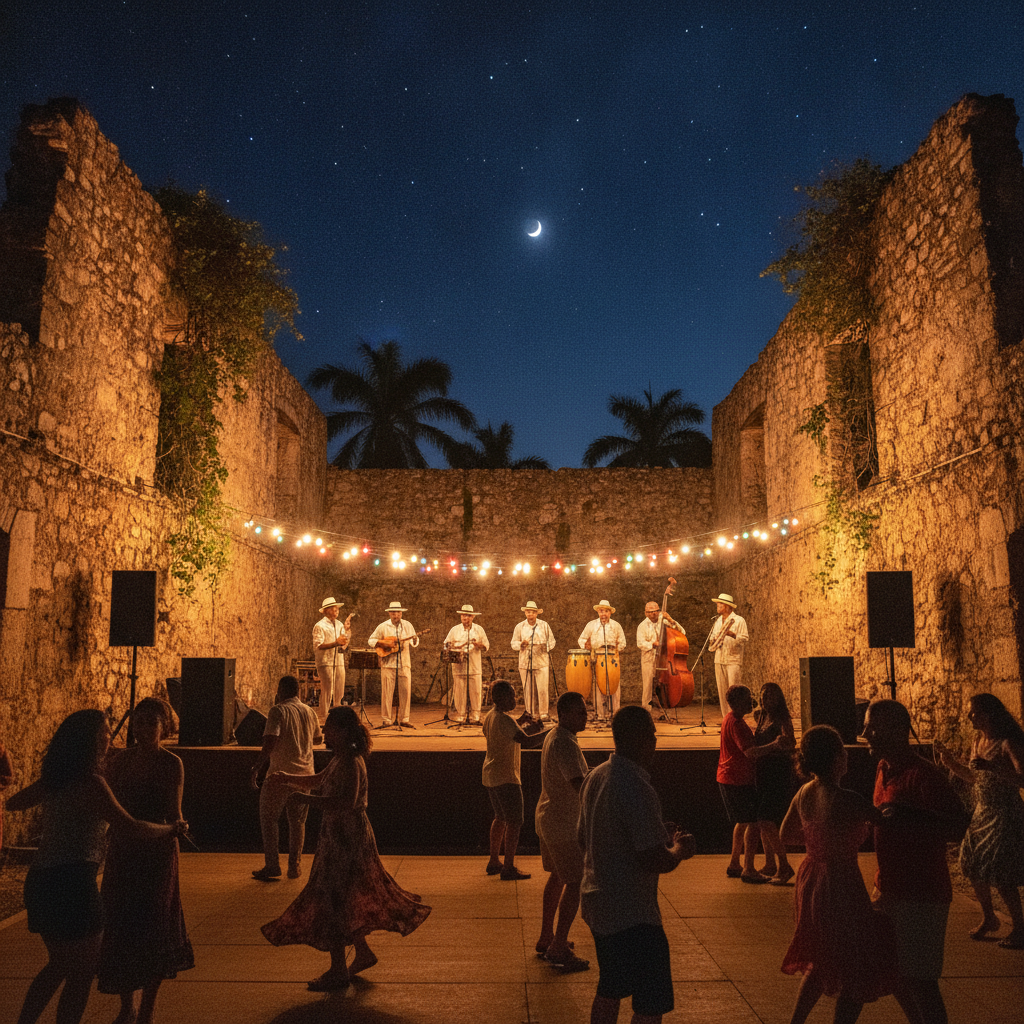
Trinidad Cuba Activities: Reef Diving, Night at the Ruins, Horseback Valley Tours, and the Eastern Cuba Route
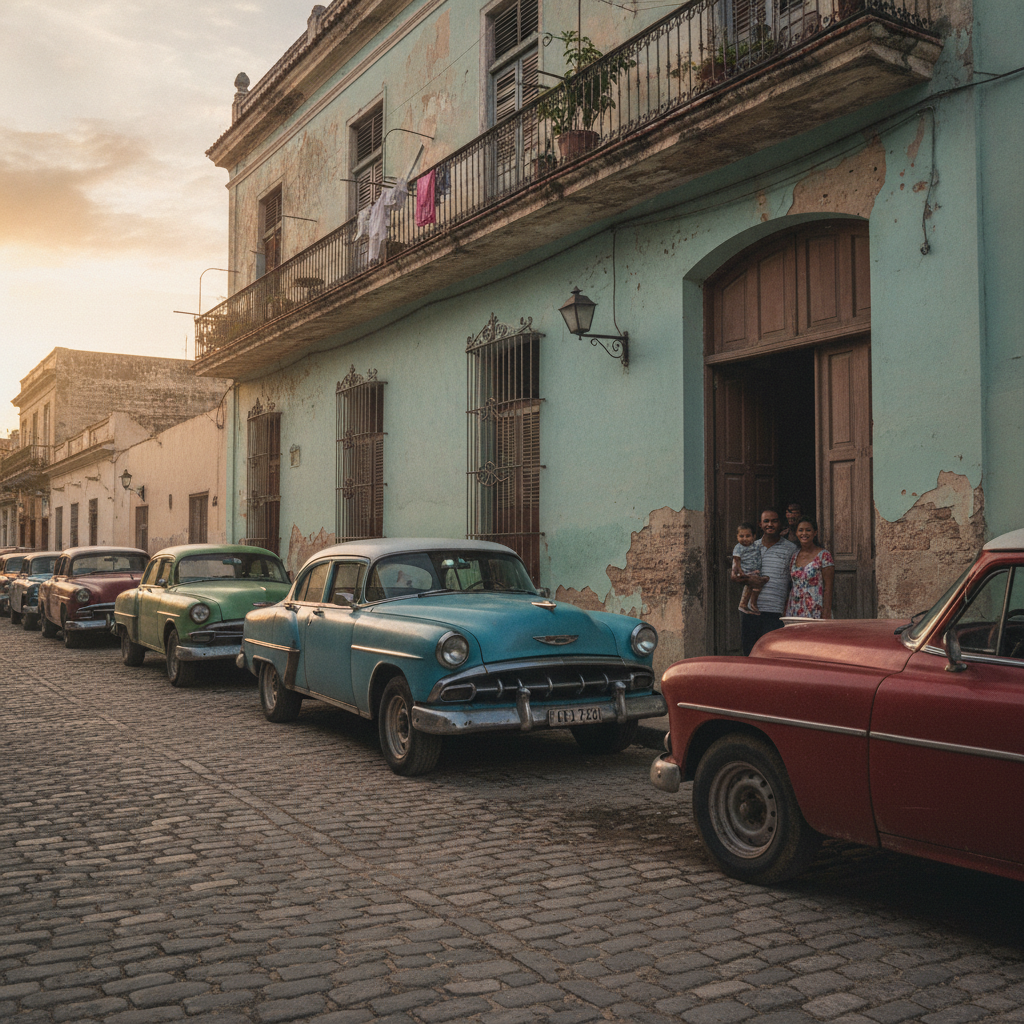
Trinidad Cuba Context: Revolution and Preservation, American Cars, Peso Bar Culture, and the Currency Reality