Trinidad Cuba Context: Revolution and Preservation, American Cars, Peso Bar Culture, and the Currency Reality
The broader context of the Trinidad Cuba experience includes the revolutionary economy that accidentally preserved the colonial city, the American car time capsule of the embargo era, the authentic social life of the peso bars beyond the tourist circuit, and the currency complexity that shapes the economic reality of a Cuban visit.
- 1
Post-1959 Trinidad: Revolution and Preservation
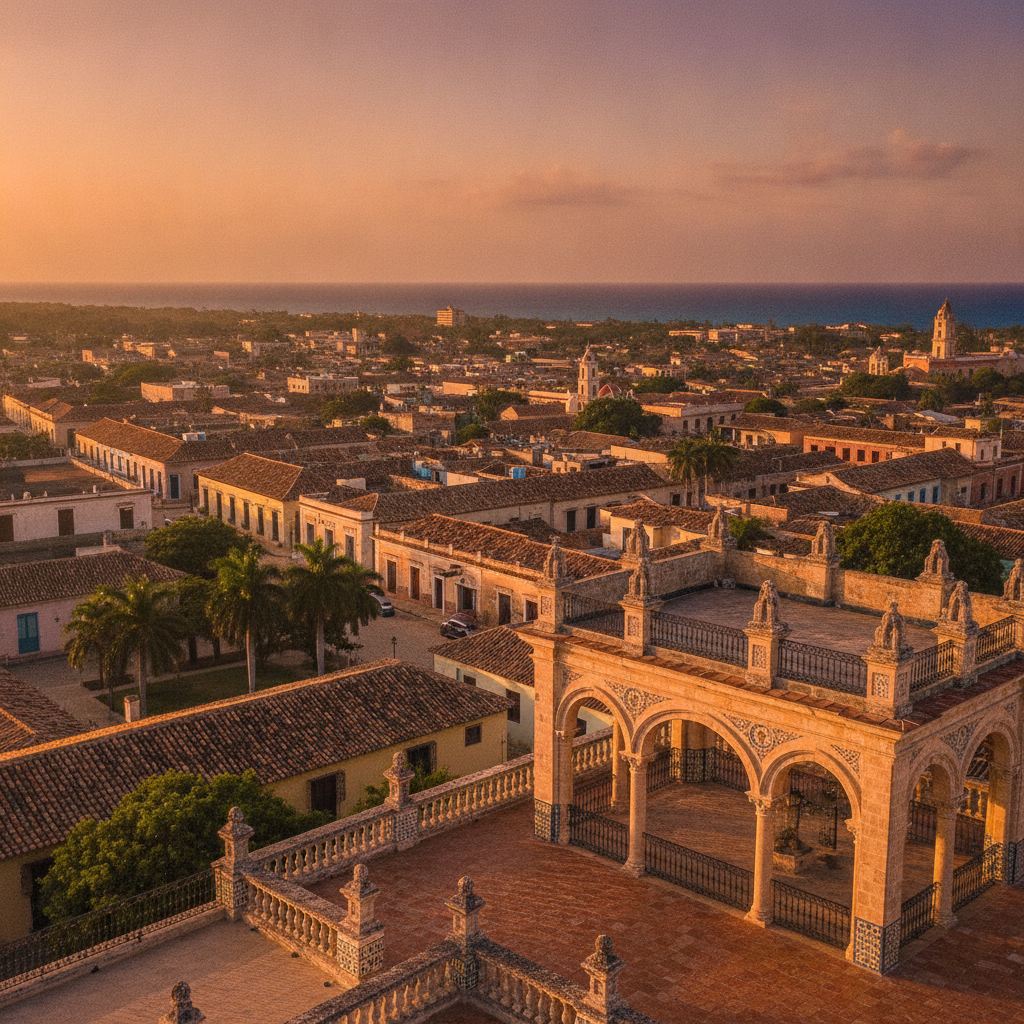
The Cuban revolution of 1959 had the unintended consequence of preserving Trinidad's colonial architecture by freezing the economic development that would have replaced the 19th-century buildings with the modernist construction that destroyed the historic centers of the more economically active Cuban cities. The poverty of the post-revolutionary economy that maintained Trinidad in a state of arrested development is simultaneously the source of the urban heritage that UNESCO recognized and the daily challenge of the population who live in the colonial houses.
- 2
UNESCO and Cuban Heritage Management
The UNESCO World Heritage inscription of Trinidad and the Valle de los Ingenios in 1988 has structured the international funding and the national policy for the preservation of the colonial fabric, with the restoration of the principal plaza buildings and the cobblestone street surfaces managed by the Cuban state heritage agency. The tension between the authenticity of the inhabited colonial city and the managed presentation required for international tourism is one of the central challenges of the Trinidad heritage management.
- 3
American Cars in Trinidad: The Time Capsule Transport
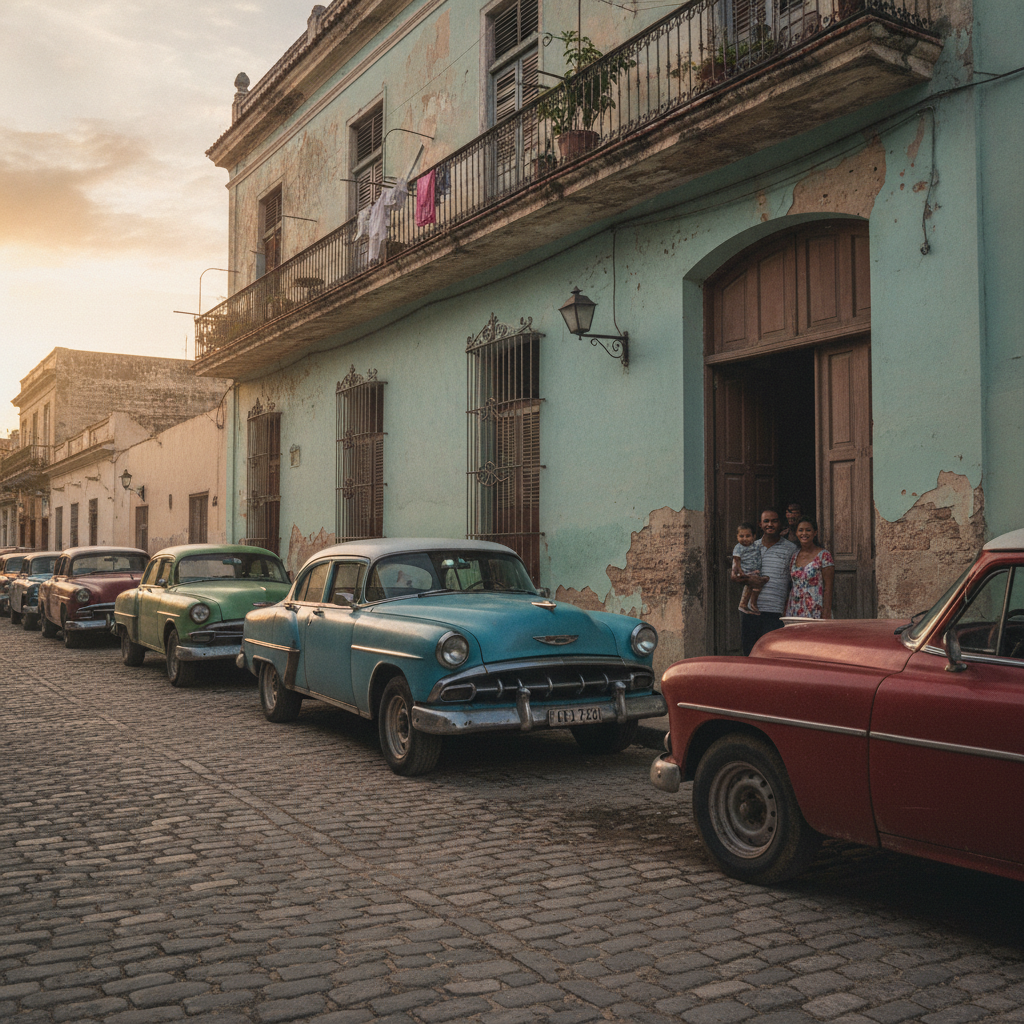
The American automobiles from the 1940s and 1950s that circulate through the cobblestone streets of Trinidad as collective taxis and private hire vehicles are the most photographed moving objects in Cuba and the most vivid expression of the economic time capsule effect of the US trade embargo. The owners maintain these vehicles through improvised mechanical ingenuity, substituting Soviet-era engine components and hand-fabricated parts to keep the chrome and pastel bodies running through the colonial streets.
- 4
Trinidad at Night: The Peso Bars
The peso bars and neighborhood bodega-bars of the Trinidad streets beyond the tourist plaza circuit provide the most honest encounter with the daily social life of the Cuban city, where the local population drinks rum and beer at peso prices in the simple concrete-floored bars that have operated with minimal change since the revolutionary period. The visitor who ventures beyond the tourist bar circuit of Plaza Mayor encounters a social world of considerable warmth and curiosity.
- 5
Trinidad Economy: CUP vs MLC
The transition of the Cuban monetary system from the dual CUC-CUP structure to the single-currency MLC system has created ongoing economic confusion in the tourist destination, where the prices at the tourist-facing businesses are denominated in the Moneda Libremente Convertible hard currency while the local economy operates in pesos. Understanding the currency situation is essential practical knowledge for navigating the economic reality of a Trinidad visit.
- 6
Farewell Trinidad: The Bus South
The Viazul bus departure from Trinidad back toward Havana or forward toward Santiago marks the end of the most complete colonial city experience available in Cuba, with the passengers carrying the images of the Plaza Mayor, the cobblestone streets, and the staircase music into the bus journey through the flat cane field landscape of central Cuba. Trinidad is consistently rated by independent travelers as the most satisfying single destination in the Cuban travel circuit.
Walk this route with audio
Stories play automatically as you reach each stop — no tapping needed.
More in Trinidad
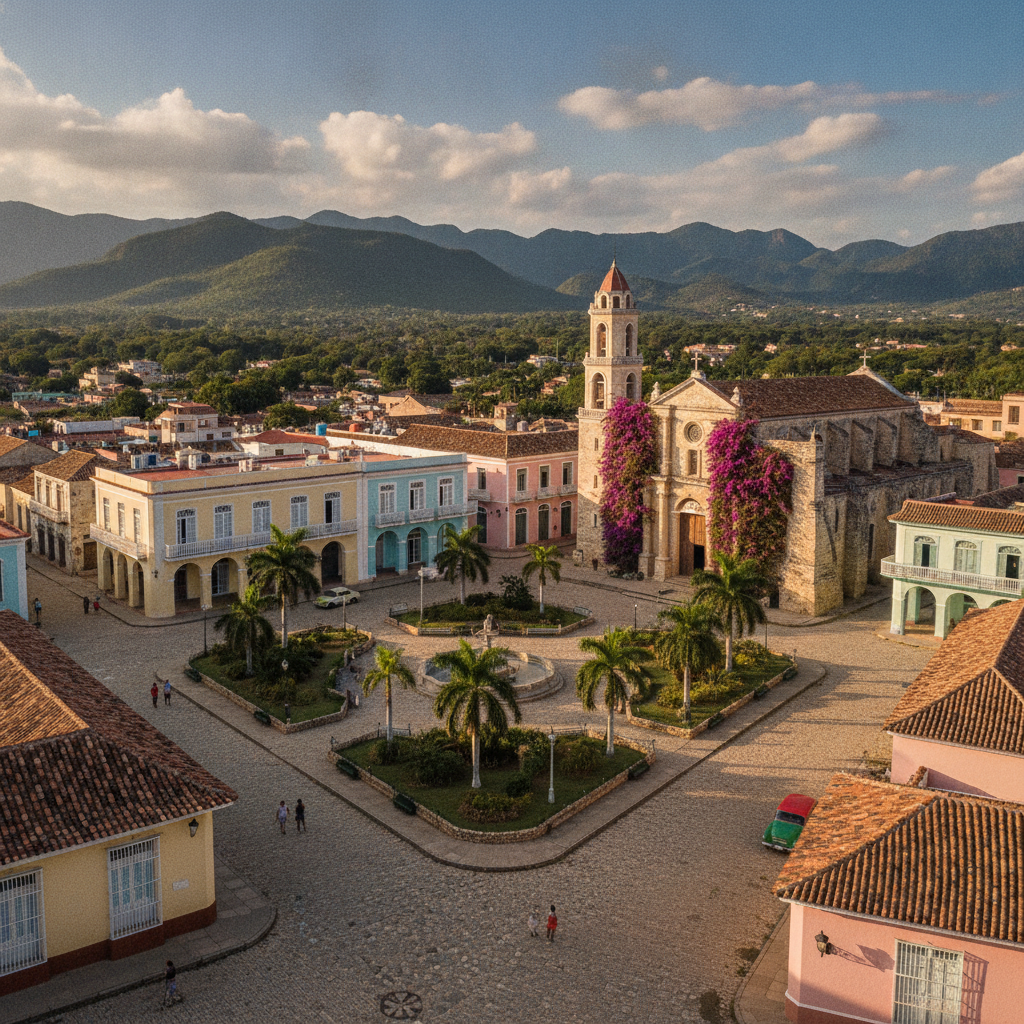
Trinidad Cuba: Plaza Mayor, the Valley of the Sugar Mills, Casa de la Musica, and Playa Ancon

Trinidad Cuba Practical Guide: Casa Particulares, Son Cubano Music Roots, Cycling to Playa Ancon, and Cienfuegos
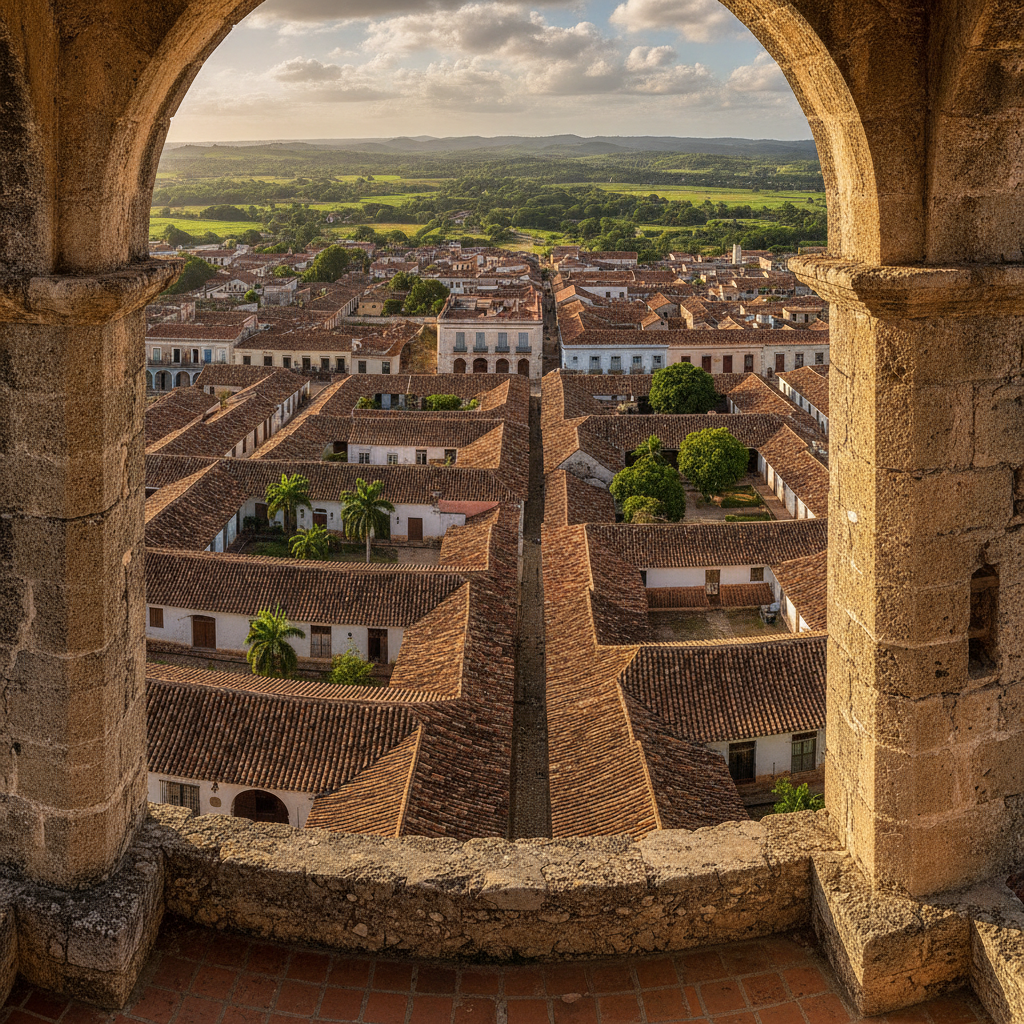
Trinidad Cuba Complete: Bell Tower View, the Cabildo Ceremony, La Boca Fishing Village, and the Sea Wall Sunset
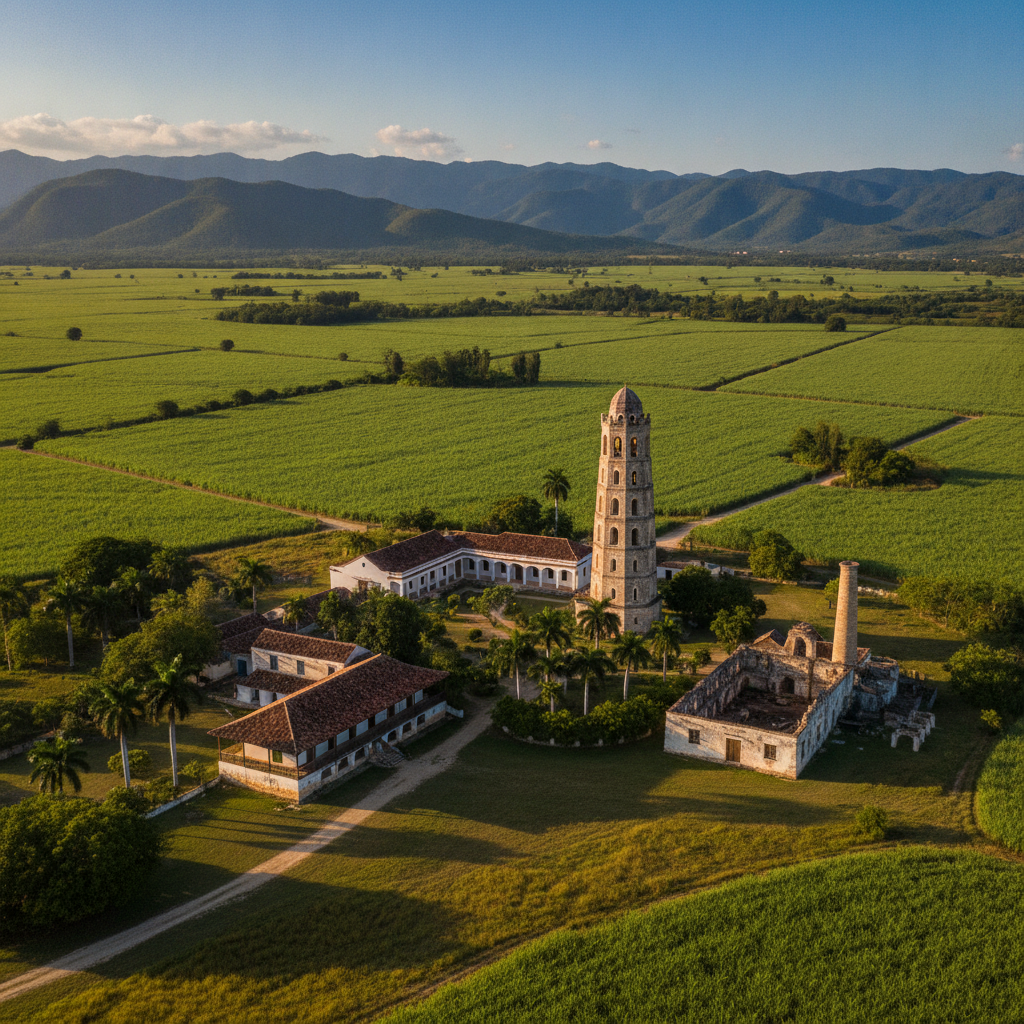
Trinidad Cuba History: The Canchanchara Cocktail, Plantation Houses, the Watchtower, and the Slavery Legacy
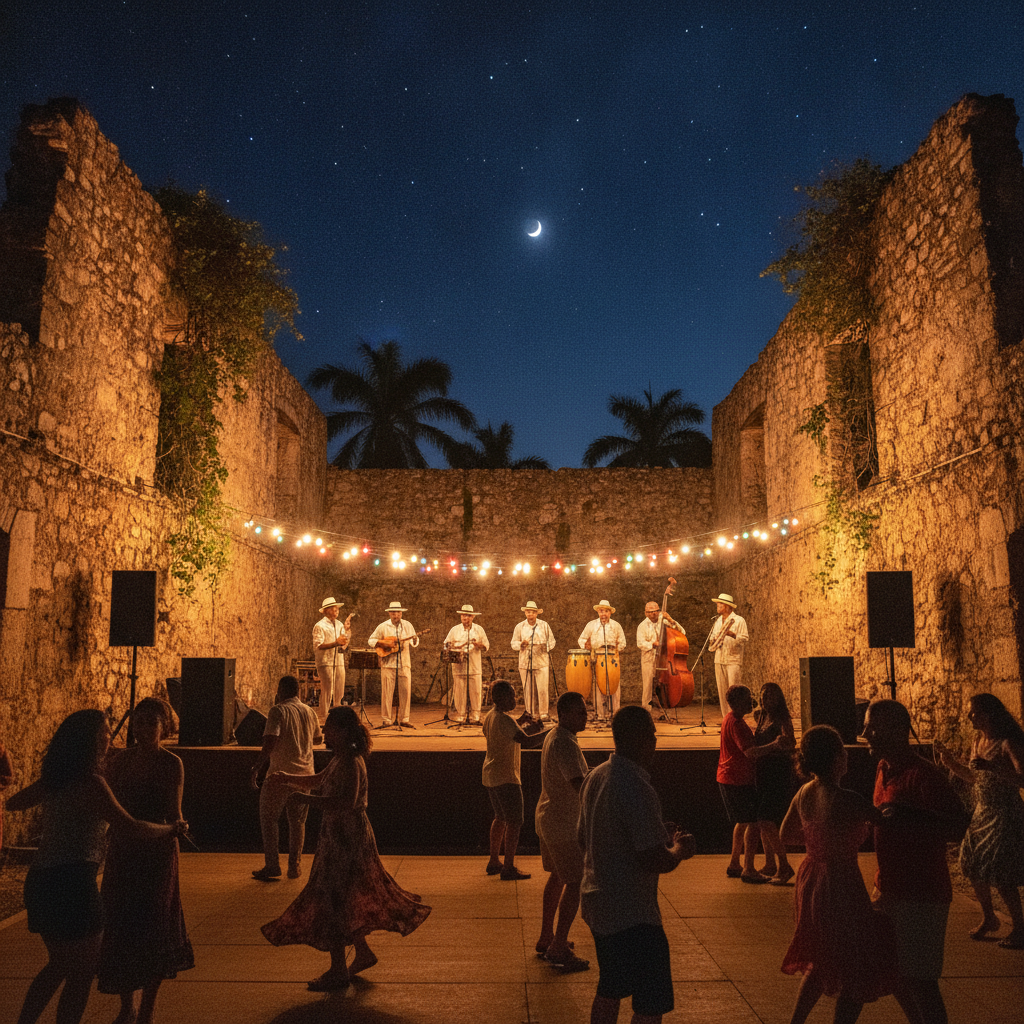
Trinidad Cuba Activities: Reef Diving, Night at the Ruins, Horseback Valley Tours, and the Eastern Cuba Route