Trinidad Cuba: Photography Golden Hour, Paladar Dining, Cuban Rum Culture, and the Cuban Crocodile
The food, photography, and nature highlights of Trinidad Cuba include the extraordinary colonial photography opportunities at golden hour, the paladar private restaurant dining in colonial courtyards, the local Canchanchara rum culture, and the Cuban crocodile encounters in the Bay of Pigs wetland reserve.
- 1
Varadero and the Contrast with Trinidad
Varadero, the purpose-built resort peninsula 250 kilometers northwest of Trinidad, represents the polar opposite of the Trinidad tourism model: the 25-kilometer beach lined with 60 all-inclusive international hotel complexes operating with minimal connection to Cuban society versus the casa particular colonial immersion of Trinidad. The contrast between Varadero and Trinidad encapsulates the two dominant models of Caribbean tourism and the specific Cuban tension between tourist revenue and revolutionary cultural authenticity.
- 2
Cuban Rum in Trinidad: The Sancti Spiritus Tradition
The rum culture of the Sancti Spiritus province, where the Canchanchara cocktail and the locally produced Cubay rum from the Caballero distillery provide the regional alternative to the Havana Club brand, is the most accessible expression of the local food and drink economy that exists alongside but distinct from the tourist restaurant circuit. The neighborhood bars of Trinidad, where the local population drinks rum at prices in Cuban pesos, provide the most honest encounter with the Cuban social life.
- 3
Photography in Trinidad: The Golden Hour Colonial
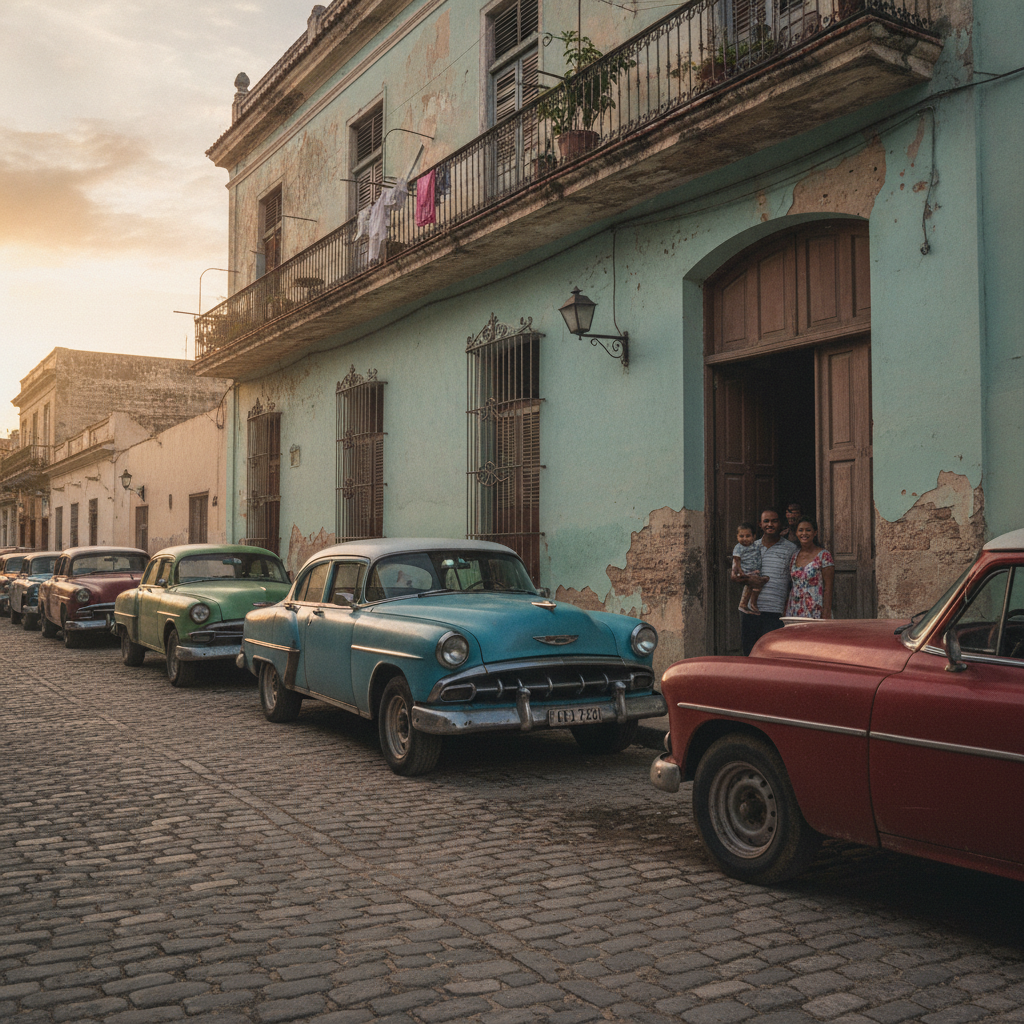
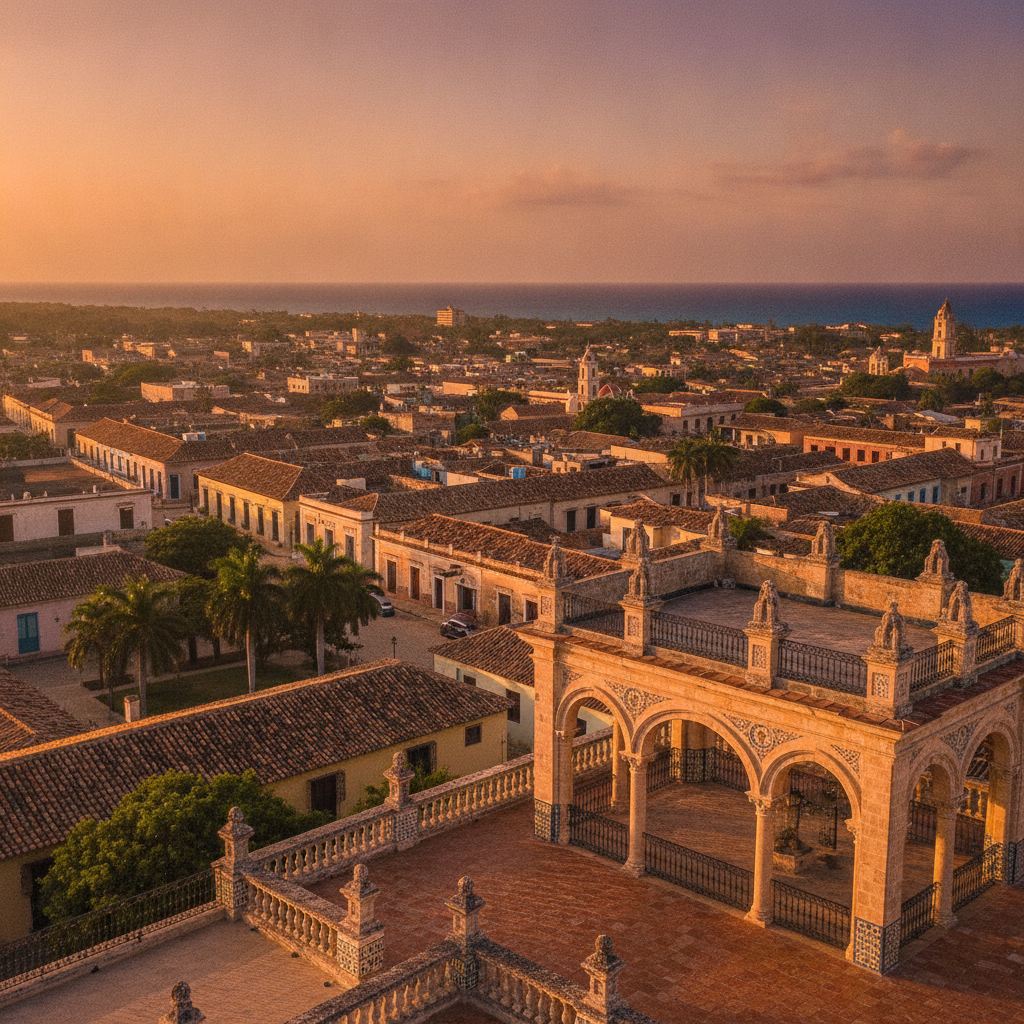
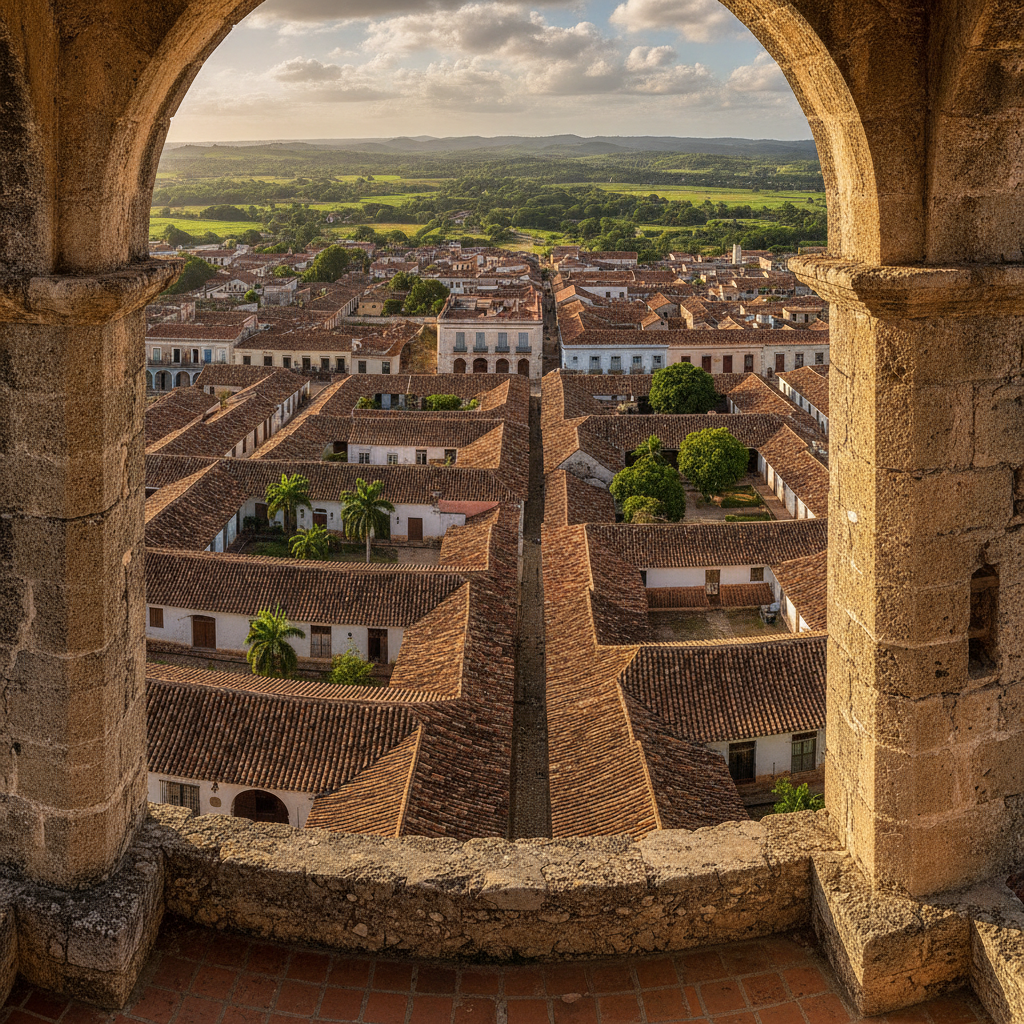
Trinidad is one of the finest urban photography destinations in the Americas, with the combination of the pastel colonial facades, the cobblestone streets, the vintage American cars, the women in white Santeria dress, and the golden hour light on the Plaza Mayor creating a concentration of photographic subjects that is exceptional even by Cuban standards. The rooftop terrace of the Palacio Cantero at sunset provides the finest elevated view of the colonial city and the distant sea.
- 4
Trinidad Food: Paladares and the Private Restaurant
The paladares, the privately operated restaurants of Trinidad that proliferated after the economic reforms permitted private food businesses, provide the best food available in the city, with the ropa vieja, the arroz moro, the fried plantains, and the lobster that is technically restricted but widely available on the south Cuba coast. The paladar dining experience, in the courtyard of a colonial house with the owner-chef presenting the dishes personally, is the most complete Trinidad food and social experience.
- 5
Music Education in Cuba: The Trinidad Tradition
The Cuban music education system, which provides free music training from childhood through the Escuelas de Arte and the music conservatories, is one of the most comprehensive and successful national music education programs in the world, and has produced the extraordinary density of trained musicians visible in the Trinidad casa de la trova and the street music of the colonial center. The Cuban music education system is the mechanism that reproduces the quality of Cuban musicianship across generations.
- 6
Crocodile Watching at Laguna del Tesoro
The Laguna del Tesoro, the largest natural lake in Cuba in the Cienaga de Zapata biosphere reserve accessible from the Bay of Pigs area north of Trinidad, is the home of the Cuban crocodile, a species found only in Cuba and classified as critically endangered, that can be observed at the breeding center and in the wild from the boat excursions on the lagoon. The Cuban crocodile is smaller, more terrestrial, and more aggressive than the American crocodile with which it shares the Zapata wetland.
Walk this route with audio
Stories play automatically as you reach each stop — no tapping needed.
More in Trinidad
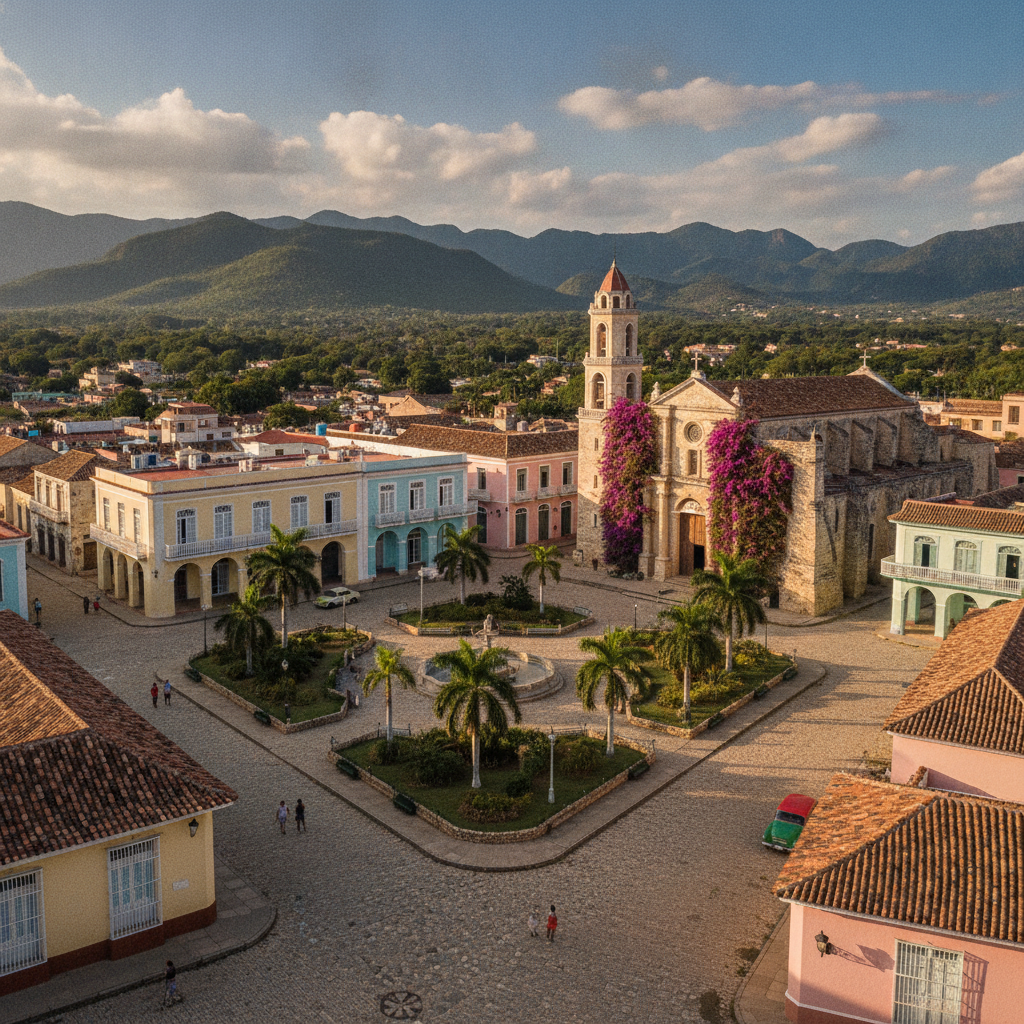
Trinidad Cuba: Plaza Mayor, the Valley of the Sugar Mills, Casa de la Musica, and Playa Ancon
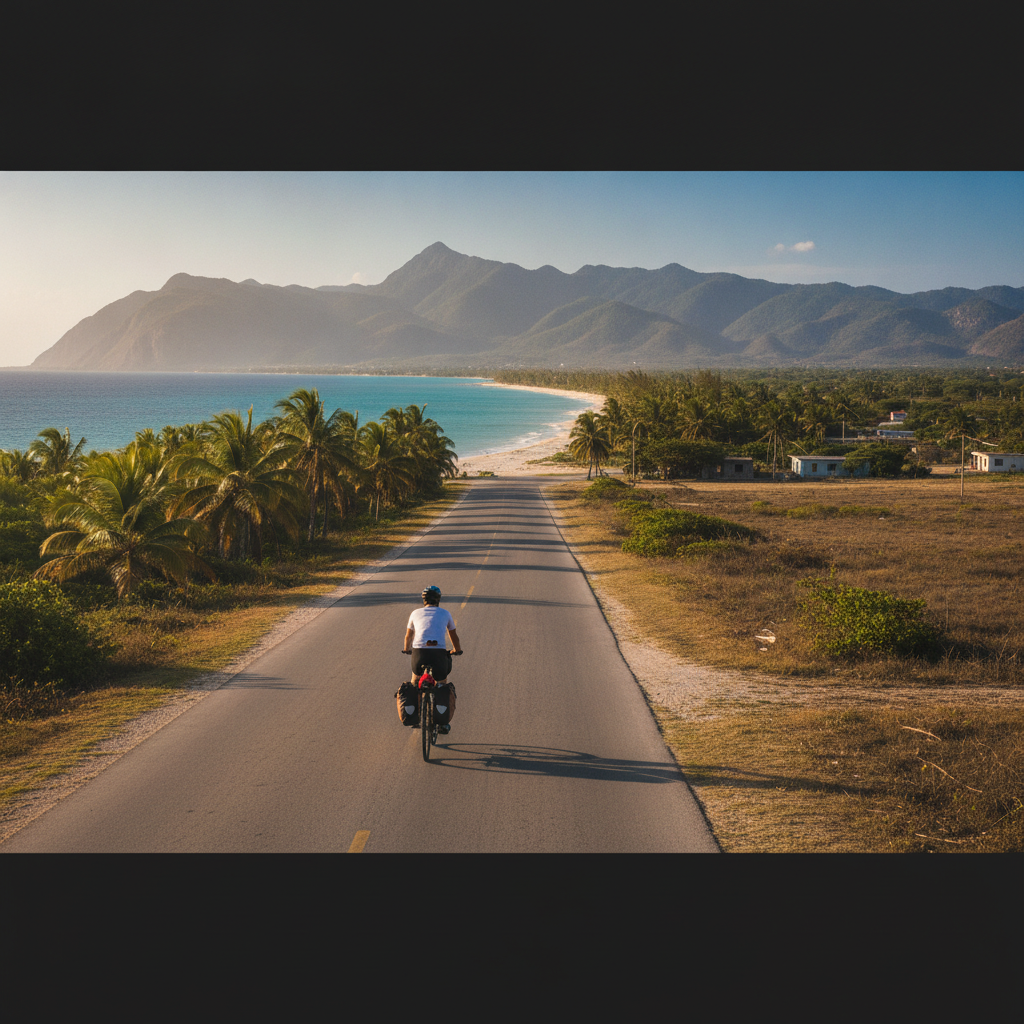
Trinidad Cuba Practical Guide: Casa Particulares, Son Cubano Music Roots, Cycling to Playa Ancon, and Cienfuegos
Trinidad Cuba Complete: Bell Tower View, the Cabildo Ceremony, La Boca Fishing Village, and the Sea Wall Sunset
Trinidad Cuba History: The Canchanchara Cocktail, Plantation Houses, the Watchtower, and the Slavery Legacy
Trinidad Cuba Activities: Reef Diving, Night at the Ruins, Horseback Valley Tours, and the Eastern Cuba Route