Tucson: Adobe Neighborhoods, Mission Ruins and 3,400 Stored Aircraft
Walk Barrio Historico adobe row houses and find the shrine to a sinner, follow UA Wildcats baseball legacy, visit the Tucson Botanic Garden desert rooms, explore the 18th century Tumacacori mission ruin, tour Colossal Cave outlaw hideout, and take a bus through the Air Force Boneyard storing 35 billion dollars of retired aircraft.
- 1
Barrio Historico and Adobe Architecture
The Barrio Historico, Tucson oldest surviving neighborhood occupying the blocks between South Main Avenue and South Sixth Avenue south of downtown, contains the largest collection of traditional Sonoran-style adobe architecture in the United States. The neighborhood developed in the 1860s through 1880s as Mexican and Mexican American families built single-story adobe row houses with characteristic high ceilings, thick walls, and covered porches called portales that manage desert heat without mechanical cooling. Over 150 contributing structures remain, many still occupied as residences. The neighborhood is listed on the National Register of Historic Places. El Tiradito Wishing Shrine, a small outdoor shrine at 420 South Main Avenue, is the only shrine in the United States to a sinner rather than a saint, dedicated to a man killed in a love triangle and buried where he fell.
- 2
Tucson Electric Park and Minor League Baseball
Tucson has a long tradition of professional baseball as a spring training and minor league city. Kino Veterans Memorial Stadium, opened in 1998 and renamed in 2016, hosts the Tucson Roadrunners AHL hockey team and has hosted various minor league baseball teams. Spring training operations in the Tucson area, known as the Cactus League, moved primarily to the Phoenix metro but Tucson maintains baseball culture through collegiate summer leagues and youth programs. The warm desert winters that attracted spring training operations beginning in the 1940s continue to draw athletes for off-season training. The University of Arizona Wildcats baseball program, one of the most successful in the Pac-12 conference with 4 national championships, plays at Hi Corbett Field, a historic ballpark within Randolph Park that hosted Cleveland Indians spring training from 1947 to 1992.
- 3
Tucson Botanic Garden and Desert Plants
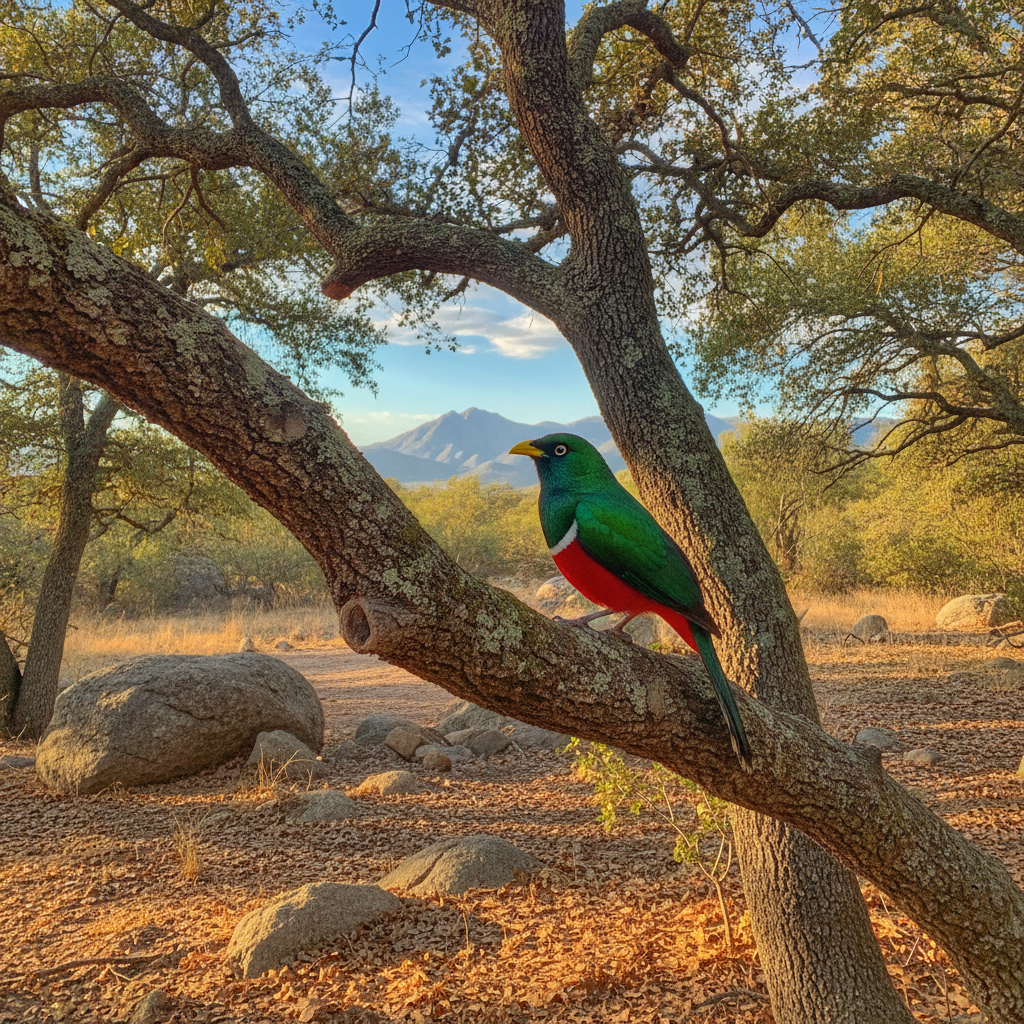
The Tucson Botanic Garden, a 5.5-acre urban garden at 2150 North Alvernon Way, opened in 1974 and presents over 15 distinct garden rooms covering subjects from prehistoric crops to butterfly habitat. The Backyard Bird Garden demonstrates water-efficient landscaping that attracts Sonoran Desert birds to residential settings. The Garden for Children uses sensory planting including fragrant herbs and touchable succulents. The Sonoran Desert Nature Loop integrates native plantings from all four Sonoran Desert subregions. The garden hosts Luminary Nights each winter, an illuminated evening event that transforms the garden with hand-placed luminaria bags. The Tucson Cactus and Succulent Society, one of the largest such organizations in the world with over 1,000 members, uses the garden for education and maintains a notable cactus collection in the greenhouse.
- 4
Tumacacori National Historical Park
Tumacacori National Historical Park, 45 miles south of Tucson near the Mexican border, preserves the ruins of three Spanish colonial mission complexes established by Jesuit missionary Eusebio Kino beginning in 1691. The main church ruin at Tumacacori, built by Franciscans beginning in 1800 and never completed, is a massive adobe structure whose interior retains painted geometric and floral decorations. The park interprets the history of Spanish colonization and its impact on the O odham communities that the missions attempted to convert. The park hosts an annual Fiesta each December that celebrates indigenous and Hispanic musical and culinary traditions with performances of traditional dances by Tohono O odham, Yaqui, and Mariachi groups. The Santa Cruz River flowing past the park is one of the few perennial rivers in southern Arizona.
- 5
Colossal Cave Mountain Park
Colossal Cave Mountain Park, 22 miles southeast of Tucson in the Rincon Mountains foothills, protects a large dry cave system formed in limestone during a wetter climate period. The cave was used as a hideout by Rincon Gang outlaws after they robbed a Southern Pacific train in 1884. The cave was developed as a tourist attraction by the Civilian Conservation Corps in the 1930s and has operated continuously since. The cave is remarkable for being geologically dead, meaning no active speleothem growth occurs because the water table has dropped below the cave level. The surrounding park contains a working ranch, horseback riding trails, and the La Posta Quemada Ranch buildings from the 1930s. The mountain park also provides access to Rincon Mountain District hiking trails that connect to Saguaro National Park.
- 6
Davis-Monthan Air Force Base and the Boneyard
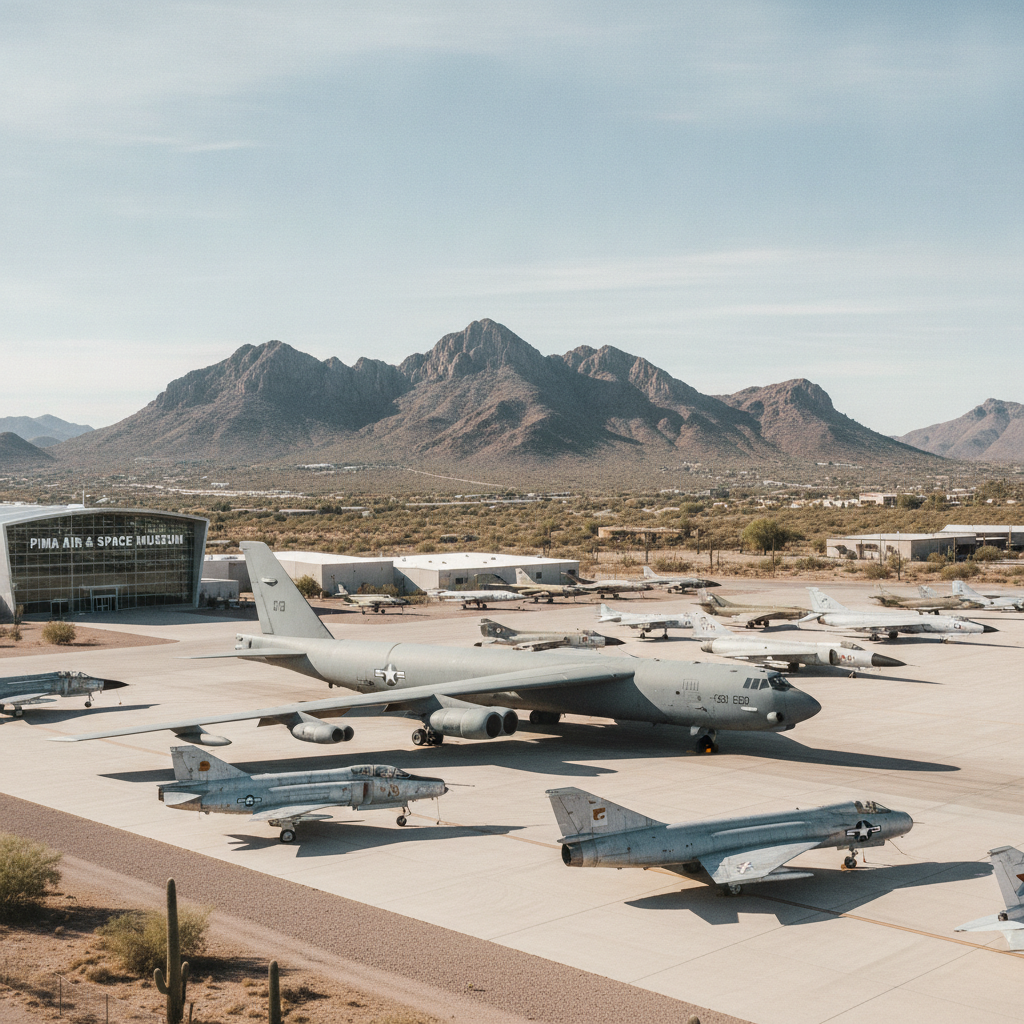
Davis-Monthan Air Force Base, on the southeastern edge of Tucson, is home to the 355th Wing and the Air Force Materiel Command 309th Aerospace Maintenance and Regeneration Group, universally known as the Boneyard. The Boneyard stores over 3,400 retired military aircraft in the Sonoran Desert, where the low humidity, alkaline soil, and hard ground conditions allow aircraft to be preserved for potential return to service, parts recovery, or eventual destruction. The stored aircraft represent an estimated 35 billion dollars in assets. The Pima Air and Space Museum adjacent to Davis-Monthan, one of the largest aerospace museums in the world, displays over 400 aircraft including the NASA Space Shuttle prototype Enterprise and the only surviving Convair B-36 Peacemaker bomber. Narrated bus tours of the Boneyard depart from the museum for registered visitors.
Walk this route with audio
Stories play automatically as you reach each stop — no tapping needed.
More in Tucson
Tucson: Titan Missile Museum, Dark Skies, Hotel Congress, Neighborhoods, Kartchner Caverns, and Practical Info
Tucson: Mount Lemmon, Tombstone, Colossal Cave, the Border at Nogales, Bisbee, and the Desert Monsoon
Tucson: UNESCO Food Heritage, Cold War Missiles and Sky Island Summits
Tucson: Saguaro National Park, University of Arizona, Tohono O'odham Nation, San Xavier Mission, Biosphere 2, and Sonoran Food
Tucson: Giant Cactus Wilderness, Desert Science and Sonoran Heritage