Tucson: UNESCO Food Heritage, Cold War Missiles and Sky Island Summits
Browse Fourth Avenue vintage shops and see where Dillinger was caught at Hotel Congress, eat the James Beard bread and Sonoran tamales of the only US UNESCO gastronomy city, go underground in a Cold War Titan missile silo, hike Sabino Canyon CCC stone bridges, browse the world largest gem show, and drive through five ecological zones to ski at the southernmost US slope.
- 1
Fourth Avenue and Tucson Arts Scene
Fourth Avenue, running from University Boulevard north to Ninth Street, is Tucson primary arts and independent commerce corridor. The street developed as a working-class retail district in the early 20th century and gradually transformed into a concentration of vintage clothing shops, independent bookstores, tattoo studios, bars, and restaurants. The Fourth Avenue Street Fair, held twice annually in spring and winter, draws over 300 vendors and 100,000 visitors each weekend. The Rialto Theatre at 318 East Congress Street, opened in 1920 as a vaudeville and movie house and restored in 1999, presents national touring acts and local performances in a 1,300-person venue. The Hotel Congress, built in 1919 for railroad travelers and famous as the site of gangster John Dillinger arrest in January 1934, operates as a boutique hotel, bar, and live music venue.
- 2
Tucson Food Culture and UNESCO Creative City
Tucson was designated a UNESCO Creative City of Gastronomy in 2015, the first city in the United States to receive this designation. The award recognized the 4,000-year continuity of food culture in the Tucson Basin, where Hohokam agriculture and later O odham farming developed sophisticated irrigation systems to cultivate tepary beans, squash, corn, and chiles in the desert. The Tucson Food Park and food truck scene reflect a contemporary food culture built on these deep agricultural roots. Barrio Bread, operated by baker Don Guerra who won the James Beard Award for Outstanding Baker in 2022, produces naturally leavened bread using heritage grain varieties grown in Arizona. The Tucson Tamale Company and dozens of Sonoran-style restaurants maintain the most authentic regional Mexican food culture in the United States north of the border.
- 3
Titan Missile Museum
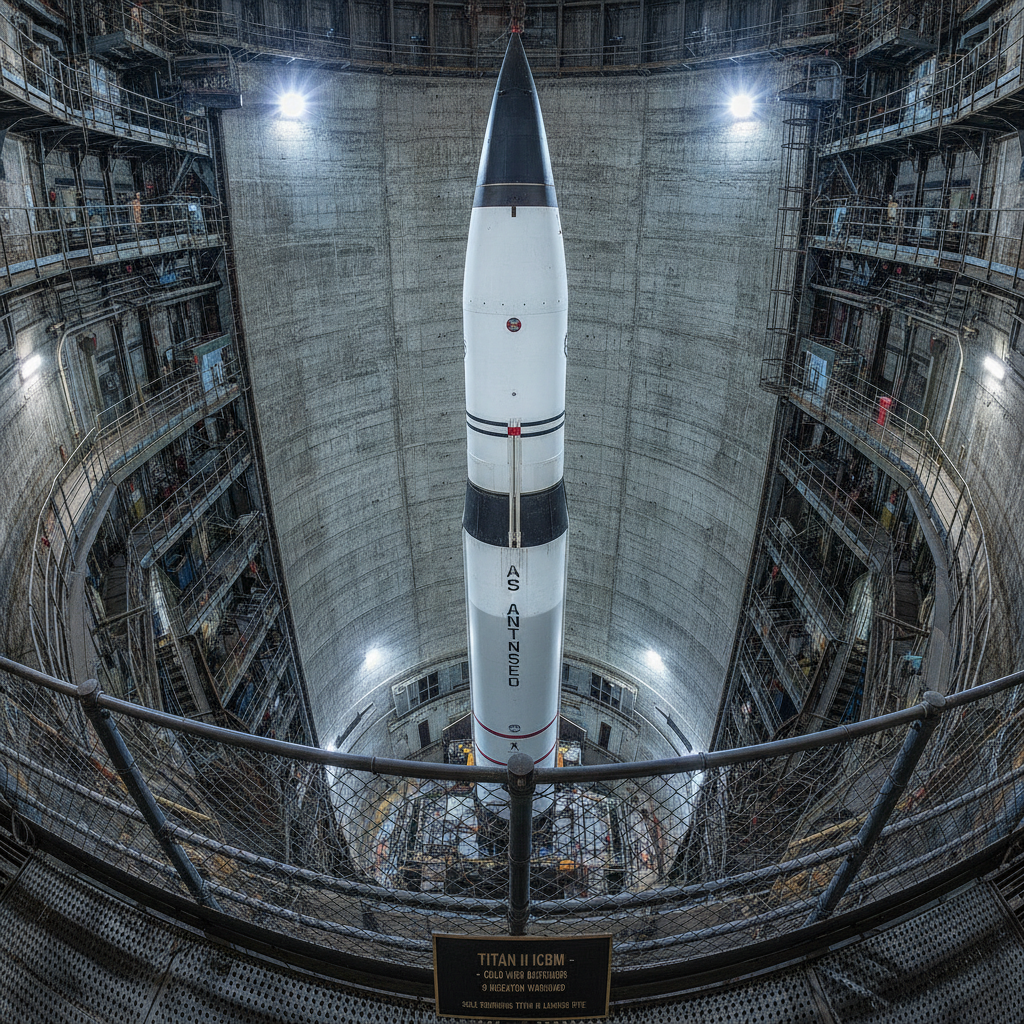
The Titan Missile Museum in Sahuarita, 25 miles south of Tucson, is the only remaining intact Titan II ICBM launch complex in the United States and a National Historic Landmark. The Titan II missiles, deployed around Tucson and other strategic sites from 1963 to 1984, carried nine-megaton thermonuclear warheads capable of destroying a city 900 miles away. The museum preserves the underground launch control center and silo exactly as they appeared at decommissioning, including the 110-foot Titan II missile, rendered inoperable but otherwise complete. During the Cold War, Tucson was ringed by 18 such sites forming a missile defense perimeter. Guided tours take visitors into the launch control room and silo. The museum interprets the daily lives of the two-person crew on 24-hour alert and the global political context of mutually assured destruction.
- 4
Sabino Canyon Recreation Area
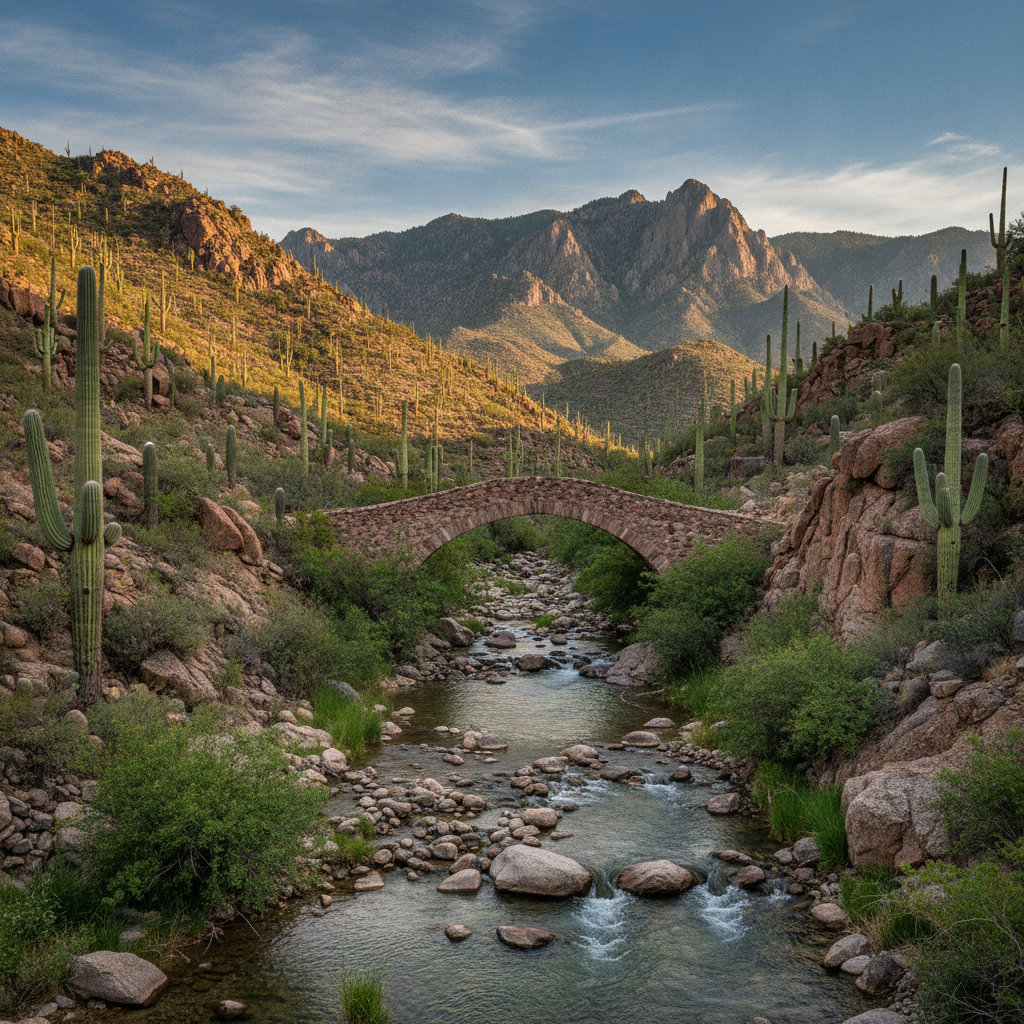
Sabino Canyon Recreation Area in the Santa Catalina Mountains on the northeastern edge of Tucson, managed by the Coronado National Forest, protects a desert riparian canyon where Sabino Creek flows year-round over granite bedrock through saguaro-studded hillsides. The canyon was formed by water carving through the Catalina core complex, a metamorphic granite massif. Tram tours run the length of the paved canyon road, and hikers can walk the 3.8 miles to the upper canyon where seven stone bridges built by the Civilian Conservation Corps in the 1930s cross the creek. The canyon is one of the most visited natural areas in Arizona with over 1.5 million visitors annually. Coati, javelina, Gila woodpecker, vermilion flycatcher, and the Gila monster lizard inhabit the canyon. Winter storms occasionally bring snow to the upper canyon while the city floor remains warm.
- 5
Tucson Gem and Mineral Show
The Tucson Gem and Mineral Show, held each February for two weeks across over 40 venues throughout the city, is the largest gem and mineral show in the world, drawing over 55,000 buyers, dealers, collectors, and enthusiasts from over 70 countries. The show generates an estimated 120 million dollars in economic activity for Tucson and is considered so important to the city economy that the mayor issues annual proclamations welcoming attendees. The convention center hosts the prestigious American Gem Trade Association Tucson Show alongside dozens of hotel shows ranging from museum-quality specimens to rough material sold by the pound. Minerals including Arizona turquoise, copper silicate minerals unique to the state, meteorites, and fossils appear in extraordinary quantities during show weeks. The show has operated since 1955 and is irreplaceable as a market for the world mineral and gem trade.
- 6
Mount Lemmon and Sky Islands
Mount Lemmon, the highest peak in the Santa Catalina Mountains at 9,157 feet, can be reached by the Catalina Highway, known as the Sky Island Scenic Byway, which climbs from Sonoran Desert at the Tucson Basin floor through five ecological life zones to Canadian zone spruce-fir forest at the summit, equivalent in ecological terms to driving from Mexico to Canada. The summit community of Summerhaven, destroyed by the 2003 Aspen Fire and rebuilt, contains small restaurants and the Mount Lemmon Ski Valley, the southernmost ski area in the continental United States. The Catalina Mountains form part of the Sky Island Archipelago, a series of isolated mountain ranges rising above the desert floor that harbor extraordinary biological diversity. The sky islands contain species found nowhere else, including the Mount Graham red squirrel, which lives only on a single sky island further east.
Walk this route with audio
Stories play automatically as you reach each stop — no tapping needed.
More in Tucson
Tucson: Titan Missile Museum, Dark Skies, Hotel Congress, Neighborhoods, Kartchner Caverns, and Practical Info
Tucson: Mount Lemmon, Tombstone, Colossal Cave, the Border at Nogales, Bisbee, and the Desert Monsoon
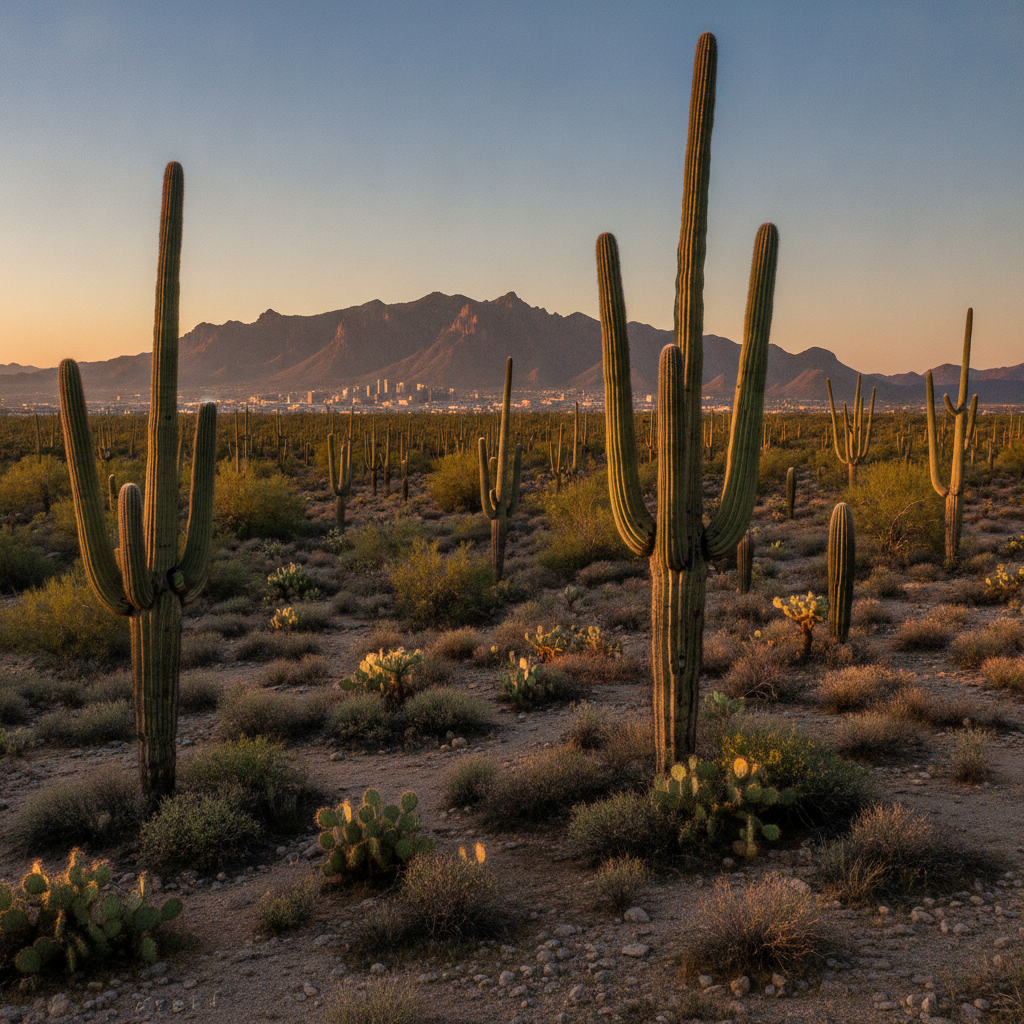
Tucson: Saguaro National Park, University of Arizona, Tohono O'odham Nation, San Xavier Mission, Biosphere 2, and Sonoran Food
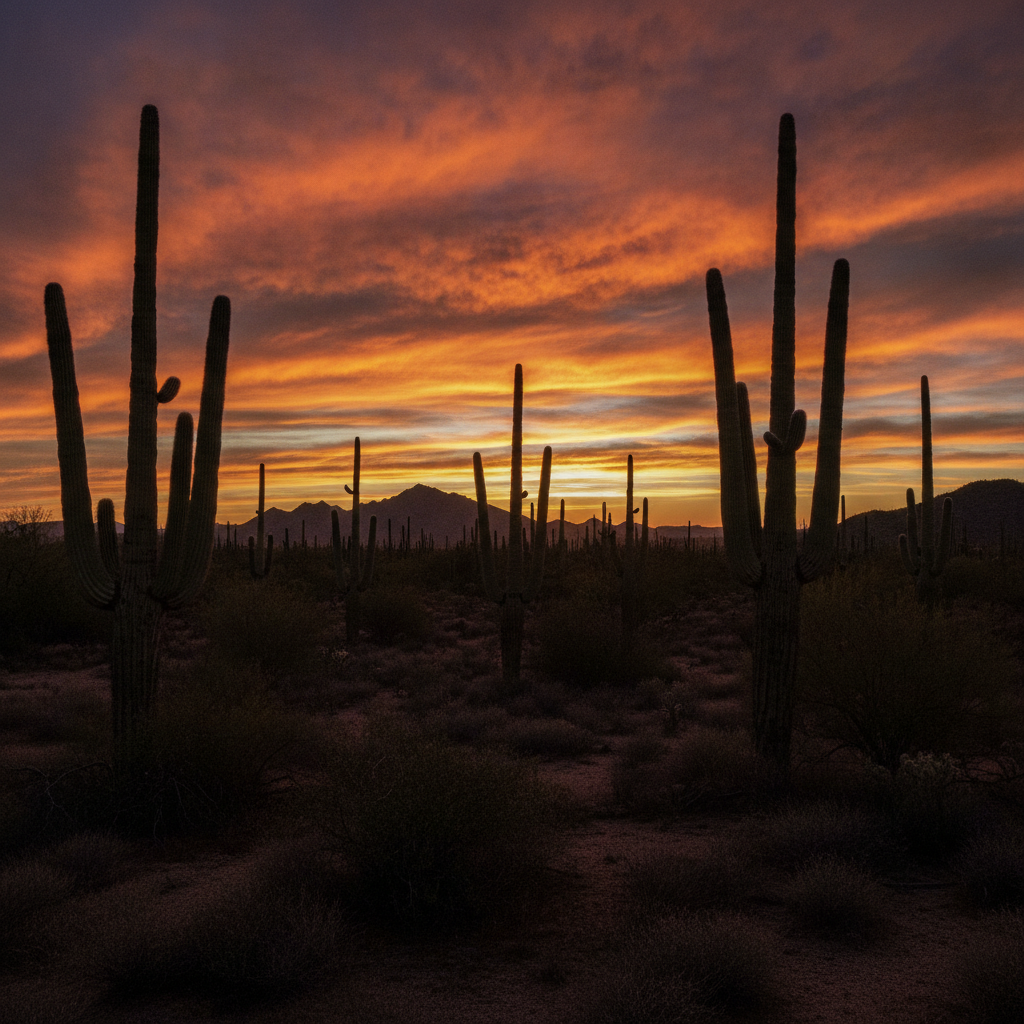
Tucson: Giant Cactus Wilderness, Desert Science and Sonoran Heritage
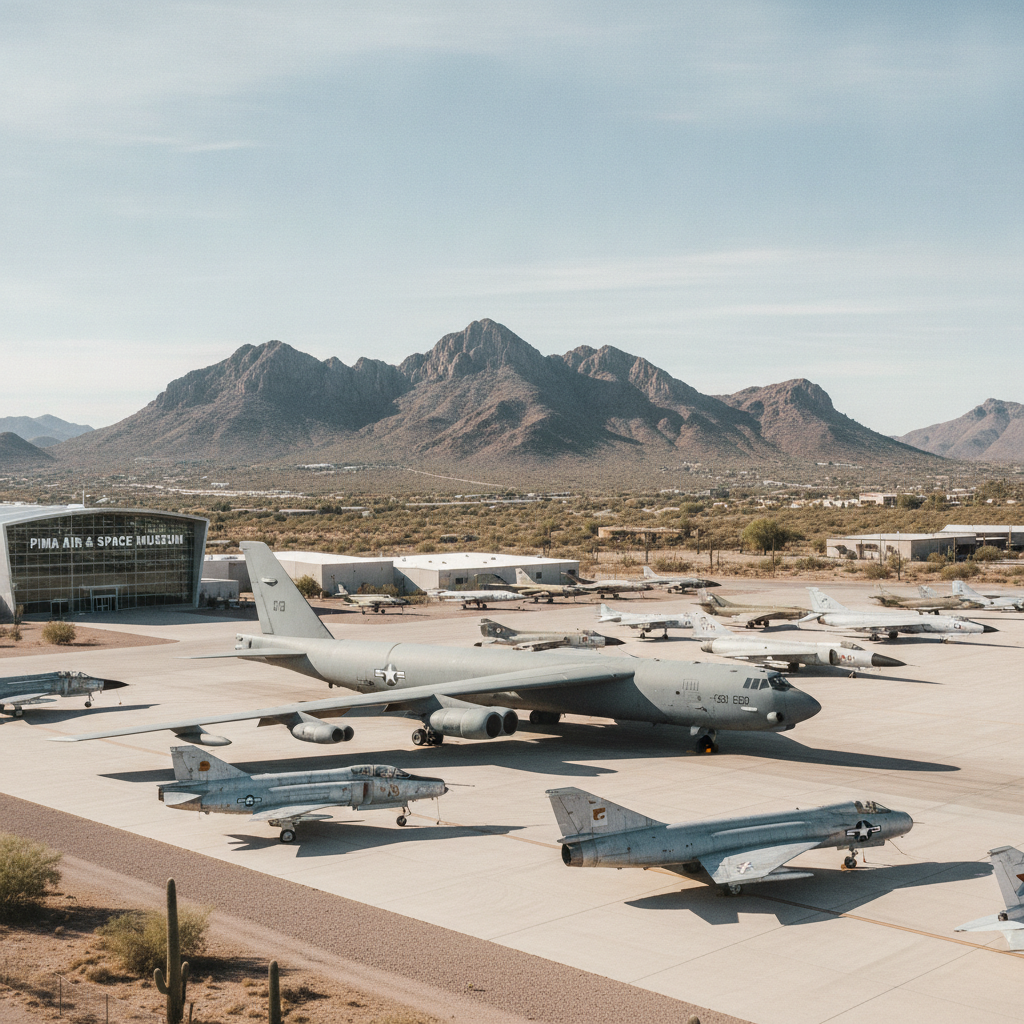
Tucson: Adobe Neighborhoods, Mission Ruins and 3,400 Stored Aircraft